
Uruguay
South America's most stable, most expensive country — and its most contradictory surf calendar. Punta del Este's Argentine jet-set summer runs opposite the real winter swell season, José Ignacio hides an ultra-luxury Hamptons-of-Uruguay scene behind a fishing-village facade, and La Paloma and Punta del Diablo stay genuinely low-key surf towns the whole way through.
Straight talk: Some links on this page are affiliate links — if you book through them, Secrets of Surf Travel earns a small commission at no extra cost to you. We only link places and people we’d use ourselves, and coverage is never for sale. Those commissions are what keep this site running and fund the next trip.
Some vacation-rental search links on this page (marked “Search Vrbo rentals” or “Search Booking.com stays”) are affiliate links. Every vendor link below is still a plain courtesy link. As more partnerships come online, more links may earn us a commission; the promise above holds either way.
Getting There
Carrasco International Airport (MVD) in Montevideo is Uruguay's only real international gateway, and the right point of entry for all four hubs on this page. American Airlines runs the only nonstop US route — Miami to Montevideo — flying close to daily as of 2026, a genuine single-connection shot from the US that most of the region doesn't offer without routing through Buenos Aires or São Paulo first.
Documents: US citizens don't need a visa — visa-free entry for stays up to 90 days with a valid passport (6 months' validity beyond your departure date and 2 blank pages recommended). Immigration can ask for proof of onward travel, standard low-real-world-risk boilerplate for US tourists.
Ground Transport
- MVD airport to Punta del Este: ~72 miles, ~1h35-1h50. COT runs a direct bus roughly hourly from Carrasco straight to the Punta del Este terminal, ~$8-12, ~1h45 — a genuinely easy, well-used car-free option straight off the plane.
- Punta del Este to José Ignacio: ~22 miles, ~34 minutes by car, taxi, or remise.
- Punta del Este to La Paloma to Punta del Diablo: COT's coastal route continues through Rocha to both towns; the full Punta del Este-to-Punta del Diablo run is ~116 miles, ~2h31 direct driving. COT also runs a direct Carrasco-to-Punta del Diablo bus 3x/day (~$20-28, ~3h55), bypassing Punta del Este entirely if that's your only stop.
- Bus companies: COT dominates this corridor (Montevideo/Carrasco → Punta del Este → Rocha → La Paloma/La Pedrera → Punta del Diablo → Chuy); Rutas del Sol and CYNSA are the other real operators.
- Car vs. bus: a single-hub trip is genuinely car-free via COT. Stringing together all four hubs — especially Cabo Polonio detours — is where a rental car earns its keep. Ruta 9 (main coastal highway) is in good condition; Ruta 10 gets washboard gravel east of La Pedrera but doesn't need 4x4. You cannot drive into Cabo Polonio itself — cars park at a controlled lot and a truck shuttles you across the dunes. Watch for capybaras and unlit rural roads at night.
When to Go & What to Pack
- Real surf season runs April-November, peaking June-August — Southern Hemisphere winter groundswell, SW swells lighting up the Rocha coast toward La Paloma, Punta del Diablo, and nearby Cabo Polonio. Shoulder months (March-May, September-November) trade some consistency for smaller crowds.
- The single most useful thing to know before booking: Uruguay's tourism high season is the opposite of surf season. Punta del Este's famous jet-set scene — where Buenos Aires effectively relocates every January — runs late December through mid-February: warm, crowded, expensive, and low-surf. Most general travel content pushes this window; surfers should target winter or the shoulders instead, when it's cooler, quieter, and genuinely cheaper.
- Water temperature swings wide: peaks around 20-24°C (68-75°F) in late January (summer), bottoms out around 8-13°C (46-55°F) in early August (winter) — colder at the low end than this site's Brazil zones. A 3/2mm suit covers summer; a 4/3mm with boots is standard for the June-August surf peak.
Good to Know
- Genuinely one of the safest calls on this site. Uruguay is rated the only "full democracy" in South America by the Economist Democracy Index (8.67/10, 15th globally), the most peaceful country in Latin America on the 2026 Global Peace Index, and the region's least corrupt by Transparency International — a real, current, well-sourced foundation worth stating plainly.
- The advisory: US State Dept Level 2, Exercise Increased Caution — the same tier as Italy, France, Spain, or the UK — most recently renewed July 2026. Crime (armed robbery, carjacking, theft) is cited as concentrated in Montevideo, Canelones, Maldonado, and Rivera departments. Maldonado contains Punta del Este and José Ignacio, but the pattern driving the advisory is an urban one — motorcycle pairs targeting ATMs and financial centers — running well below country-level rates in the actual tourist zones; Rocha department (La Paloma, Punta del Diablo) isn't named at all.
- Standard precautions: registered taxis or rideshare over street-hailed cabs, don't flash valuables near ATMs after dark. Tap water is safe in the main hubs.
- Currency: Uruguayan Peso (UYU). Emergency: 911 (unified police/fire/ambulance dispatch).
- Connectivity: Antel, Movistar, and Claro all support eSIM; Antel has the broadest coverage toward the Atlantic coast and Cabo Polonio, where the other two get patchy.
- Cost reality — the real headline: Uruguay is consistently rated South America's most expensive country; Montevideo was named the highest cost-of-living city in Latin America in a January 2026 report (still roughly 44% cheaper than New York, for context). Expect Brazil-plus pricing, especially in Punta del Este and José Ignacio in high season. The honest framing: you're paying a premium for safety, institutional stability, and drinkable tap water relative to Argentina, Brazil, or Paraguay.
Respecting the Locals
Uruguay's surf calendar runs backwards from its tourist calendar — the actual surf community is out in the water during the quiet winter months, long after the Argentine and Brazilian jet-set crowd that fills Punta del Este and José Ignacio every January has gone home. La Paloma and Punta del Diablo stay genuinely low-key, year-round surf towns underneath the seasonal noise, and that's where the real local culture on this coast lives. Show up in winter respecting whose water it actually is, not the summer version of this coast that most visitors never see past.
- Locals get first priority, always. Watch a session before you paddle out. Learn who's who before you learn the wave. Sit inside and catch what they let through — the leftovers are yours, not the set waves.
- Don't backpaddle. Ever. Being in position doesn't make the next wave yours, especially if you didn't wait your turn. If a local wants a wave, let them have it…even if it IS your turn. That older guy who may not be the best surfer out there has probably been surfing that wave before you even sat on a board. If you don't know someone, assume they're local.
- Don't snake. This shouldn't even need to be said, but…dropping in on someone, local or not, is the ultimate disrespect and the fastest way to be sent out of the water. Don't be that guy!
- Say hi. A “howzit,” “whatsup,” or “nice wave,” eye contact, or a nod in the channel — it costs nothing and it's the fastest way from stranger to welcome.
- This is somebody's home, not a resort amenity. The break you're surfing is where a local kid learned to swim, where someone's uncle has surfed for forty years. Act like a guest, because you are one.
- Spend where it actually helps. The food truck, the local shaper, the family-run rental, the local photographer — that's where a surf trip's money should land, not just the chain hotel gift shop. See The No-Reveal Code for why that's the whole premise of this site.
- Leave it better than you found it. Pick up trash that isn't yours. Don't touch reef, wildlife, or cultural sites.
Locals have watched hundreds, if not thousands, of people come and go — some for days, some for months or years — and almost all of them eventually go home. The locals are still there. It takes many, many years to actually become one. Keep that in mind the next time you feel entitled to the same waves they get.
None of this is a secret handshake. It's just how you'd want a guest to act in your own backyard.
Punta del Este
Uruguay's flashiest resort town — Argentine and Brazilian jet-set energy every January, a genuine surf-school scene on Playa Brava, and a sea lion reserve a short boat ride offshore. Come in winter for the surf; the town looks completely different in summer.
Punta del Este's stays run from a surf-branded hostel to adults-only beachfront luxury — Uruguay's flashiest resort town at every price point.
Search Vrbo rentals in Punta del Este →
Surf Guides & Tours
- Escuela de Surf Los DedosPlaya Brava, Parada 1Mid-rangeLong-running, professional instructors, gear included, works with all levels including kids — ~$30/hr.escueladesurfuruguay.com@escueladesurflosdedosWhatsApp
- Escuela de Surf La OllaPlaya La Olla, Parada 3 de la BravaMid-rangeInstruction from age 4, ~$30 for 75 minutes.escuelasurflaolla.comWhatsApp
- Bagus Surf SchoolPunta del EsteMid-range"100% local team," kid-friendly, unusually bilingual social presence for the area.bagussurf.com@bagussurfschool
Stays
- Tas D Viaje Suites — Hostel BoutiqueDowntown, ~200m from La Barra/Fingers beachBudgetSurfcamp-branded, on-site water-sports and car-rental arranging — Booking.com 8.2.
- Awa Boutique Design HotelPunta del EsteUpper-midDesign-forward boutique, pool and garden amenities.
- Serena Hotel Punta del EsteBeachfront, outside town centerLuxuryAdults-only, 4.5 stars, spa and sea-view cabanas.
Where to Eat
- Bagatelle Beach ClubBorder of La Barra/ManantialesUpperUpscale European-resort-style beach club dining.
This category thins out beyond the beach-club tier here — Punta del Este's real food-destination reputation lives in José Ignacio, a short drive away.
Wheels: Car Rentals
- Puntacar Rent a CarPunta del Este, plus Piriápolis, Colonia, Punta del DiabloLocally owned, multi-town coverage useful for a surf-travel loop.puntacar.com.uy
International chains also present: Europcar, Avis, SIXT, Localiza Uruguay — airport and bus-station counters.
Surfboard & Ding Repair / Surf Shops
- Flesh Surf Shop (Flesh Wetsuits)Gorlero y Calle 25, half a block from the main plaza~40 years in business, self-described "most complete surf shop in Uruguay," in-house repair/warranty workshop.
Massage & Wellness
- Kaia MassageThe peninsula, central Punta del EsteMid-rangeMassage, yoga, and pilates in one studio.kaia-massage.com.uyWhatsApp
Other Adventures
- Time Of FishingDeparts Punta del EsteCaptain Danilo Noguez, decade-plus running charters — inshore and offshore, bluefin/yellowfin tuna in season. Bookable via FishingBooker.
- Club de Pesca Punta del EstePunta del EsteRuns the 18-passenger vessel "Sol y Ríos," daily summer trips departing 8am.@clubdepescapuntadeleste
Southern right whale watching (July-November) is a genuine seasonal draw here — free, self-guided viewing from Playa Mansa and Playa Hermosa, not a bookable vendor tour.
José Ignacio
A fishing-village footprint hiding a genuine ultra-luxury scene — the "Hamptons of Uruguay" comparison holds up, from a Carlos Ott-designed hotel built around a titanium sculpture to a Michelin-listed guesthouse with an honesty bar. Uruguay's real culinary headline town, a short drive from Punta del Este.
José Ignacio's stays skew ultra-luxury — Carlos Ott-designed hotels and Michelin-listed boutique posadas anchor this fishing-village-turned-Hamptons-of-Uruguay scene.
Search Vrbo rentals in José Ignacio →
Surf Guides & Tours
- hopupu Escuela de SurfJosé IgnacioAlso runs yoga sessions, beach clean-ups, and environmental workshops alongside instruction — a genuinely community-minded operation.
Stays
- Playa Vik José IgnacioJosé IgnacioUltra-luxuryOpened 2009, architect Carlos Ott, centered on "The Sculpture" — titanium-and-glass suites. Michelin Guide listed.
- Bahia Vik José Ignacio5-10 min from village center, beachfrontUltra-luxury~50 rooms, 3 pools, spa."One of the most beautiful places of Jose Ignacio, with a quality of service and attention that make it unique." — guest review
- La Posada del FaroBeachfront, walking distance to Solera and La HuellaLuxury12-room Michelin-listed boutique, honesty-bar/open-door trust culture, guests rate it 9.8/10 for couples — $290-550/night.
- Posada José IgnacioClose to beach, shops, restaurantsMid-rangeSmall, quaint inn — the town's accessible end of the price range.
Where to Eat
- La HuellaOn the sand, José IgnacioUpper-midThe town's flagship — corvina con papas escrachadas is the signature dish, excellent wine list. 4.2/5 from 2,853 TripAdvisor reviews, ranked #23 in Latin America. Reservations essential."Best beach restaurant ever." — TripAdvisor review
- La SusanaAt Playa Vik, Playa MansaUpperBeachfront huts and bamboo pergolas, barbecued meats plus Vik-estate wines, hosts sunset bonfire parties.
- Mostrador BodegaOut at the vineyardsUpper-midOpened by La Huella's owner with chef Fernando Trocca — same pedigree, a vineyard setting instead of the beach.
- JuanaJosé Ignacio villageMid-rangeGrilled fish and meat, cozy, a genuine local staple rather than a scene restaurant.
Wheels: Car Rentals
Genuinely thin as a standalone local category — book in Punta del Este (Puntacar, Europcar, SIXT, Avis all serve the coast and will deliver to José Ignacio) and drive over.
Surfboard & Ding Repair / Surf Shops
No standalone surf-gear shop found here — the town's retail identity skews design and boutique, not surf-gear. Surfers lean on Punta del Este's Flesh Surf Shop or instruction-inclusive rentals through hopupu.
Massage & Wellness
Available informally through the hotels — Playa Vik and Bahia Vik both offer massage and facials to guests — rather than as a standalone storefront practice.
Other Adventures
- Haras GodivaCamino de la Escuela N.41, 5 min from the villageMid-rangePurpose-built equestrian facility, genuine beach-ride specialty — ~$100-130 for a 1.5-2 hour ride, groups up to 10.@harasgodivaWhatsApp
- Kitesurf UruguayJosé IgnacioServes the wider José Ignacio/Punta del Este kite zone.WhatsApp
The José Ignacio lighthouse is one of the zone's better whale-watching vantage points (July-Nov, southern right whales) — free, self-guided.
La Paloma
Rocha department's low-key surf hub — a real 1874 lighthouse marking the town's founding day, a 20-plus-year surf school, and a genuine budget-to-mid character with no José Ignacio-style luxury layer.
La Paloma's stays run budget-to-mid the whole way through — surf hostels and camp-style packages, no luxury tier in sight.
Search Vrbo rentals in La Paloma →
Surf Guides & Tours
- H2O Escuela de SurfPlaya La Aguada, near the Club de PescaMid-rangeDirected by Gonzalo Eiris and Sebastián Forcella, both Physical Education graduates — operating since 2000.@h2o_surf_lapaloma
- Escuela de Surf AlphaLos Botes beachMid-rangePersonalized instruction, listed on the official Rocha tourism portal.
Stays
- Sumbawa Surf Hostel5 meters from the sea, Playa La AguadaBudgetUnbeatable location (5.0/5 on TripAdvisor) — honest note, value and cleanliness score lower (3.0-3.7) in the same reviews.
- Surf Camp ArachaniaLa PalomaBudgetClassic surf-camp format.
- Mango SurfMid-rangeLa PalomaPackaged weekend intensives — 3 days of instruction plus yoga and bonfires, beginner-focused.
Honest note: no luxury-tier property surfaced here, consistent with the town's low-key character — La Paloma reads budget-to-mid the whole way through.
Where to Eat
- Upa La LaLa PalomaMid-rangeLatin restaurant, a repeat-visit local favorite.
- La OndaLa PalomaBudgetBar and pizza, 4.6/5, praised atmosphere.
- La Folie Resto-CafeLa PalomaMid-rangeSeafood, 4.4/5 from 389 reviews.
Wheels: Car Rentals
- Gema Rent a CarCosta Azul, La PalomaNo-driver rentals, unlimited mileage, listed on the official Rocha tourism portal.
- Silver Rent a CarServes Rocha/La Paloma/Punta del DiabloFree unlimited mileage on 3+ day rentals, will deliver to Punta del Este.
Surfboard & Ding Repair / Surf Shops
No standalone repair or retail shop found separate from the surf schools — La Paloma's surf-gear infrastructure runs through instruction-package rentals rather than dedicated storefronts.
Massage & Wellness
Genuinely thin as a standalone category — likely available informally through accommodations rather than a dedicated storefront.
Other Adventures
- KiteLoop (Urukite School)Mobile across La Paloma-area beaches and lagoonsFull gear provided — kites, bars, boards, harnesses, wetsuits, helmets.kitesurf.com.uy/kiteloop
- Cabalgatas Don AltezLa Paloma coast and Laguna de RochaGuided horseback rides through the lagoon and along the coast, plus farm and mountain tours.
"Cola de Ballena," a lookout shaped like a whale's tail at El Cabito de La Paloma, is a real, free, self-guided stop on the Rocha whale-migration circuit (July-Nov).
Punta del Diablo
The most low-key of the four hubs — a working fishing village since 1935 where wooden boats are still hauled up by hand, and Uruguay's gateway to car-free Cabo Polonio next door.
Punta del Diablo skews budget hostel and self-catering cabaña — the most low-key of Uruguay's four hubs.
Search Vrbo rentals in Punta del Diablo →
Surf Guides & Tours
- Vida Surf ClubPlaya de los Pescadores, front of the beachMid-rangeA genuine one-stop shop — instruction, board/wetsuit rental and sales, board repair, surf trips, photography, and accommodation, from instructors citing 25+ years combined local experience.@vidasurf.uyWhatsApp
- Wanna SurfEl RiveroMid-rangeRunning since 2014, built around "authentic Uruguayan surf lifestyle," beginner-to-intermediate.@wannasurfescuelaWhatsApp
- Escuela de Surf Playa GrandePlaya GrandeMid-rangeGroup and individual instruction plus rentals and wax/leash/pad sales.
Stays
- El Uru HostelWalking distance to the bus stationBudgetRuns horse tours, surf, Spanish classes, and communal bonfire/BBQ nights — "great staff and atmosphere" repeated across reviews despite a mixed overall score.
- Hostel Vente al Diablo100m from La Viuda beachBudgetFree WiFi and breakfast, 24-hour front desk.
- Compay HostelPunta del DiabloBudgetSurf instruction and board rental on-site.
Honest note: no luxury-tier stay confirmed here either — accommodation genuinely skews budget hostel and self-catering cabañas.
Where to Eat
- Panes & PecesPunta del DiabloMid-range4.5/5, ranked #3 of 49 locally — praised for food, music, and lighting.
- Franca RestaurantePunta del DiabloMid-range4.3/5, ranked #6 of 45."Fish perfectly cooked, fresh, and very tasty." — review
- El Diablo TranquiloOcean viewMid-rangeBeachy by day, lounge-restaurant by night.
- Lo de OlgaPunta del DiabloBudget31 years family-run by Olga herself — fish prepared Spanish/Uruguayan style. Worth including for the ownership story even though its rating trails the newer spots.
Wheels: Car Rentals
No standalone counter in town — served via the same regional operators as La Paloma (Silver Rent a Car, Puntacar both list Punta del Diablo in their service area).
Surfboard & Ding Repair
Covered by Vida Surf Club above — this town's strongest one-stop vendor across categories.
Massage & Wellness
Genuinely thin as a walk-in category. The closest fit is Casa Sangha, a yoga-retreat property ~300m from Playa Grande — retreat format, not a drop-in massage business, so noted here rather than listed as a direct match.
Other Adventures
No confirmed fishing-charter or horseback vendor specific to Punta del Diablo — visitors typically book those through the nearby La Paloma or Rocha-wide operators. The Rocha whale-watching lookout network (July-Nov, southern right whales) extends here too, free and self-guided.
Local Secrets
Nine non-surf reasons this zone rewards the curious — a five-fingered sculpture built in six days, an artist's 36-year-long hand-built home, and a village with no electricity grid at all.
- La Mano de Punta del Este Early morning or sunset
Chilean sculptor Mario Irarrázabal built this five-fingered concrete-and-steel hand rising out of Playa Brava's sand in just six days, during the first International Open-Air Sculpture Meeting in February 1982. Officially titled "Hombre Emergiendo a la Vida" (Man Emerging to Life), it later spawned sister sculptures in Madrid, the Atacama Desert, and Venice.
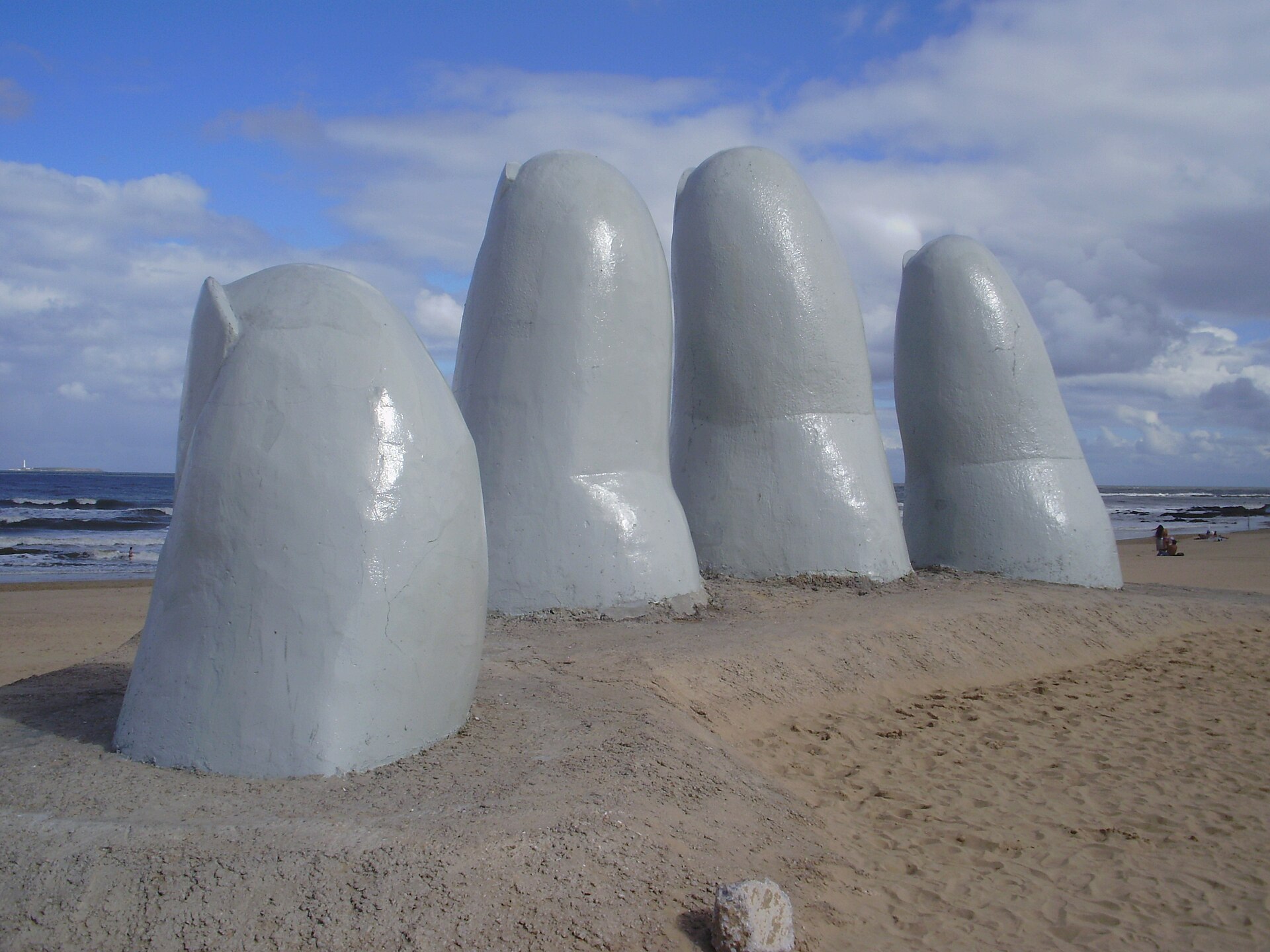 Photo: María Cecilia / Wikimedia Commons (CC0/Public Domain)
 - Casapueblo Late afternoon through sunset
Uruguayan artist Carlos Páez Vilaró began this whitewashed, terraced structure on the Punta Ballena headland in 1960 as a tin shack, inspired by the mud nests of the native hornero bird. Construction continued for 36 years; it's now a 13-level museum, gallery, and hotel famous for its sunset terrace.
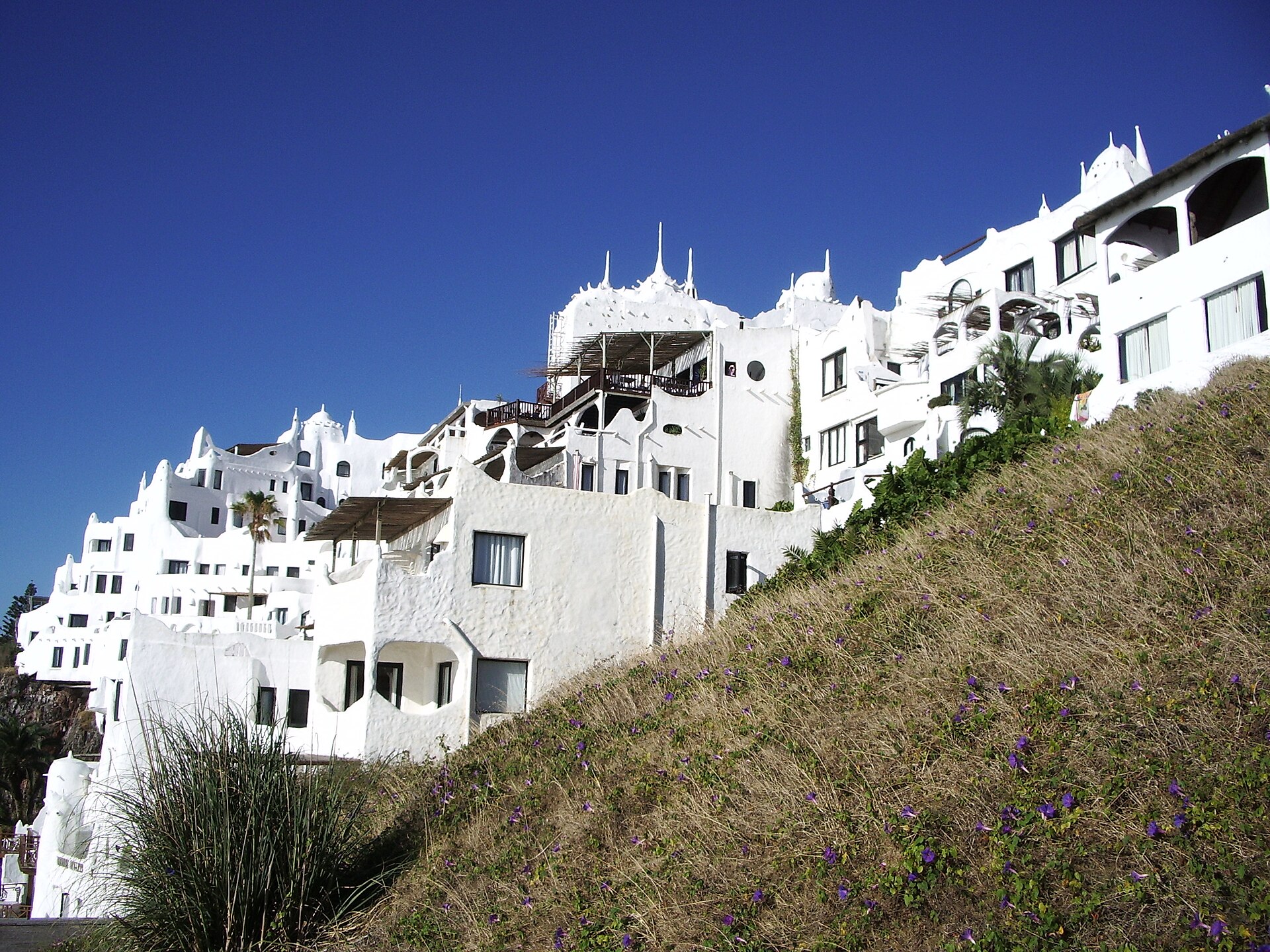 Photo: Talkingheads / Wikimedia Commons (CC BY-SA 3.0)
 - Faro de José Ignacio Late afternoon
Built in 1877 to help ships navigate the dangerous stretch of coast between Punta del Este and Cabo Polonio, the 25-meter tower was automated in 1983 and is still operated by Uruguay's navy — the village's namesake landmark.
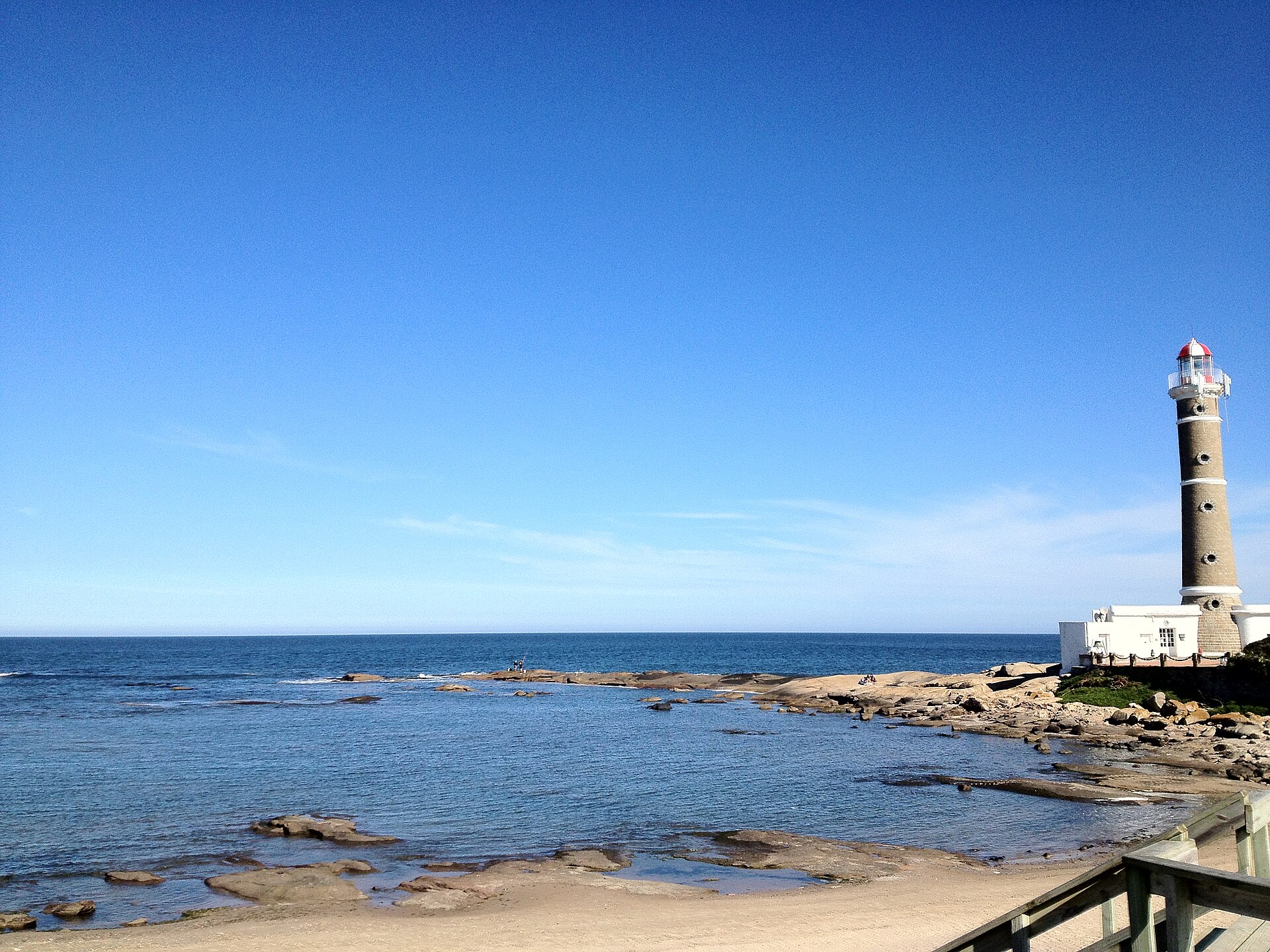 Photo: Lorisstragliotto / Wikimedia Commons (CC BY-SA 3.0)
 - Isla de Lobos Morning boat departures
A protected national park island 12 km off Punta del Este, home to one of the largest South American sea lion and fur seal colonies in the region — a marine protected area was declared around it in August 2024. Boat-viewing only; landing isn't permitted.
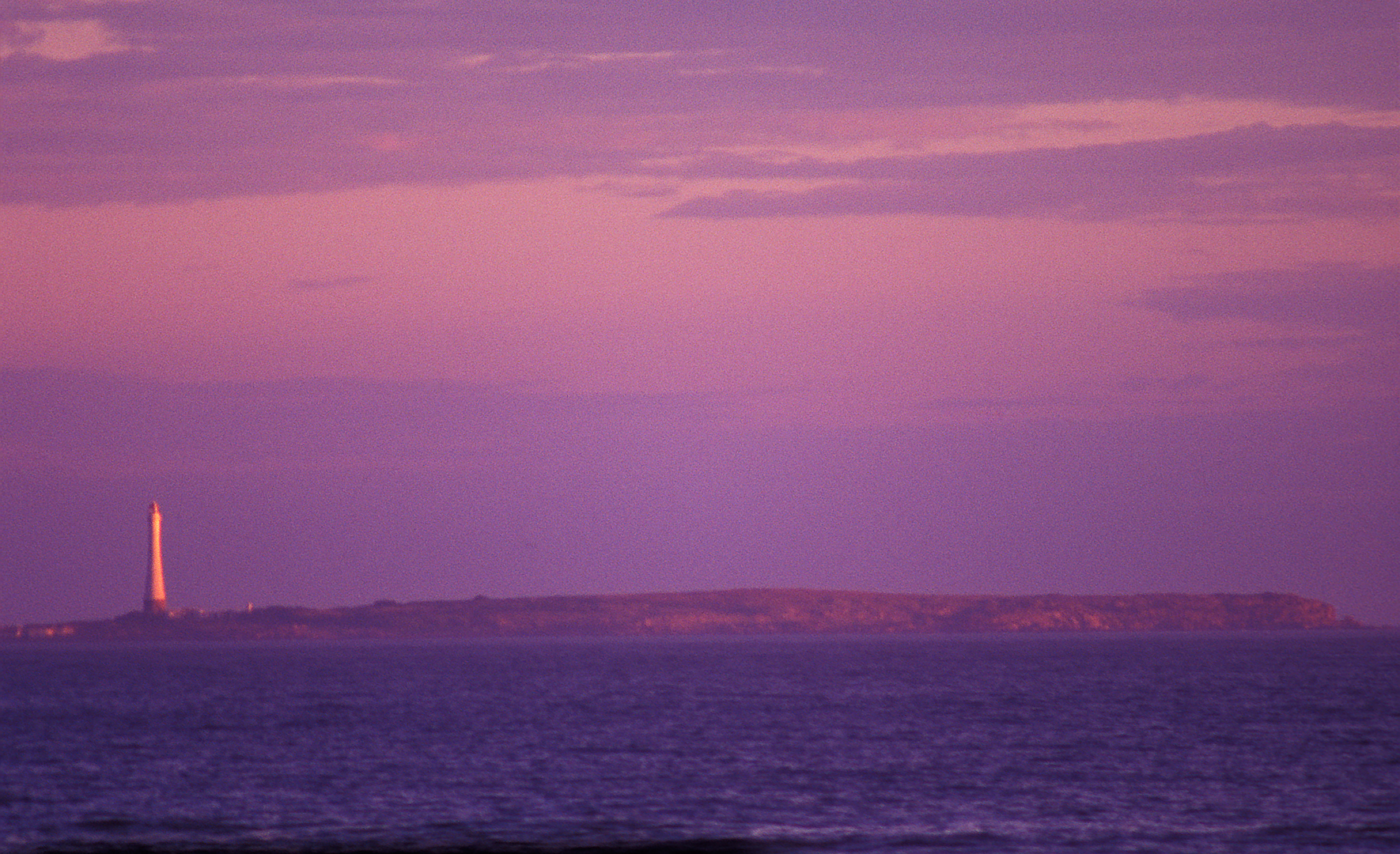 Photo: Felipe.Poittevin / Wikimedia Commons (CC BY-SA 3.0)
 - Cabo Polonio National Park Half-day minimum, official 4x4 truck access only
A national park since 2009 covering roughly 174 sq km of dunes and coastline with no electricity grid or running water — residents run on solar, wind, and generators. Its 19th-century lighthouse overlooks one of South America's largest sea lion colonies on the rocks below.
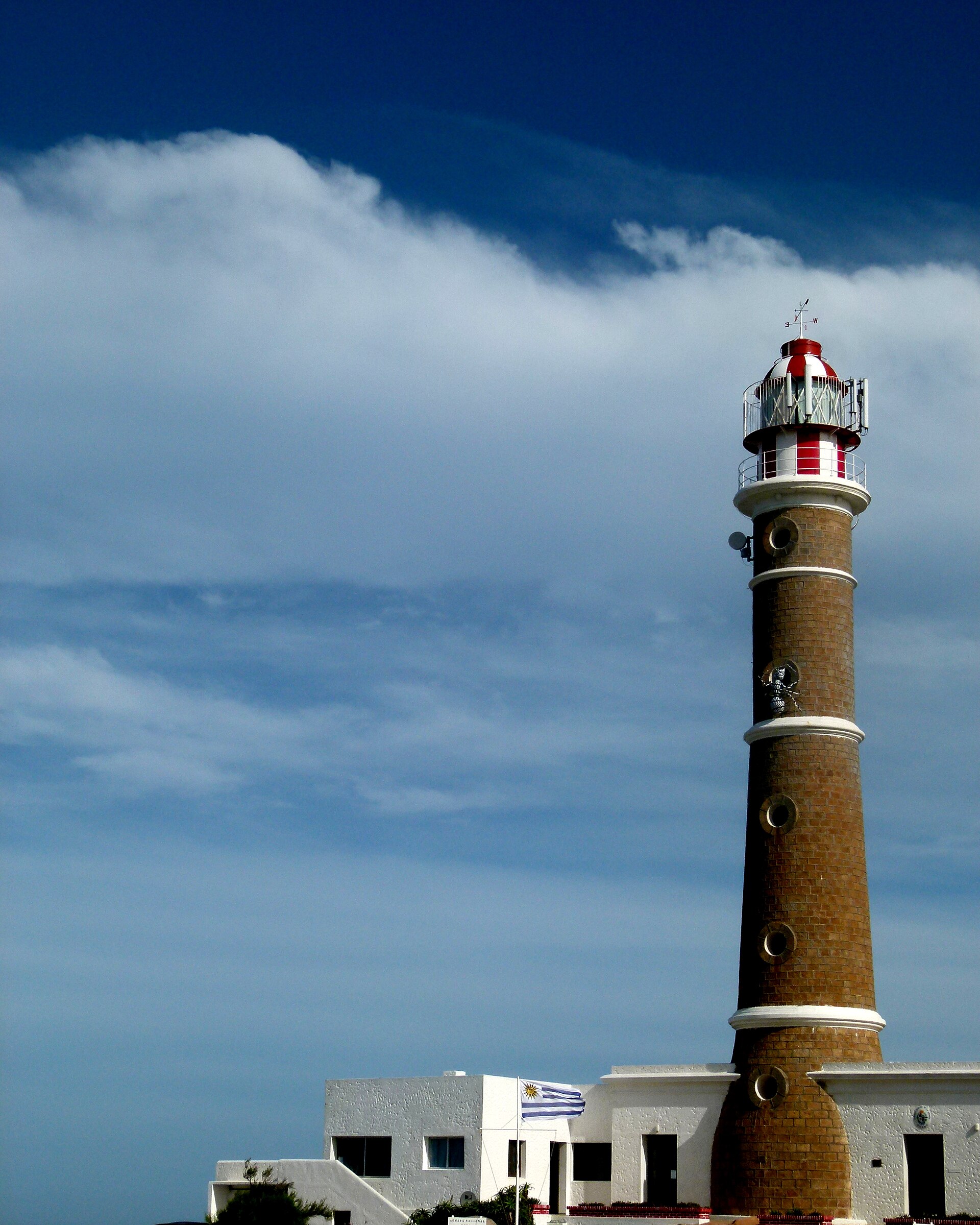 Photo: CyntiaVeiga / Wikimedia Commons (CC BY-SA 3.0)
 - Punta del Diablo's Fishing Village Early morning, when boats come in
Settled in 1935 and used seasonally from the 1940s by shark fishermen from Valizas, the village today has about 823 year-round residents, swelling to roughly 25,000 in summer — wooden fishing boats are still hauled up and worked by hand daily.
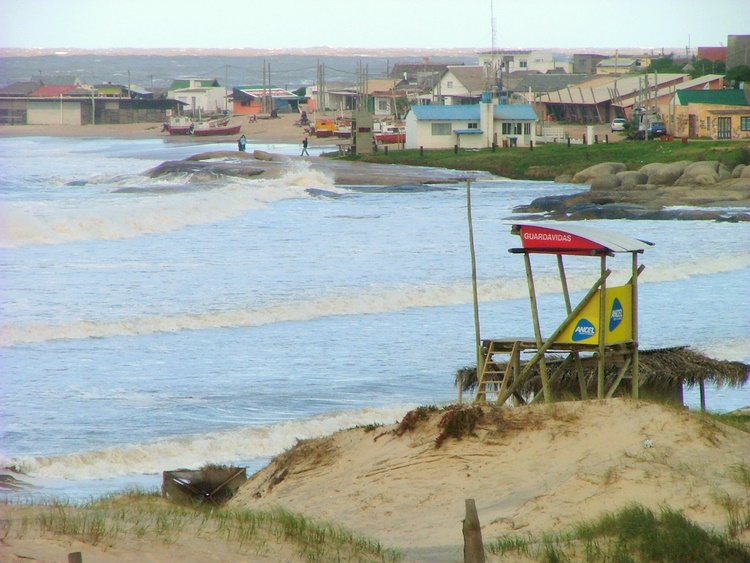 Photo: Libertinus / Wikimedia Commons (CC BY-SA 2.0)
 - Faro de Cabo Santa María Daytime
The first attempt at La Paloma's lighthouse collapsed in an 1872 storm, killing 17 Italian and French workers buried nearby. The rebuilt 30-meter tower was finally lit on September 1, 1874 — a date still marked as La Paloma's official founding day.
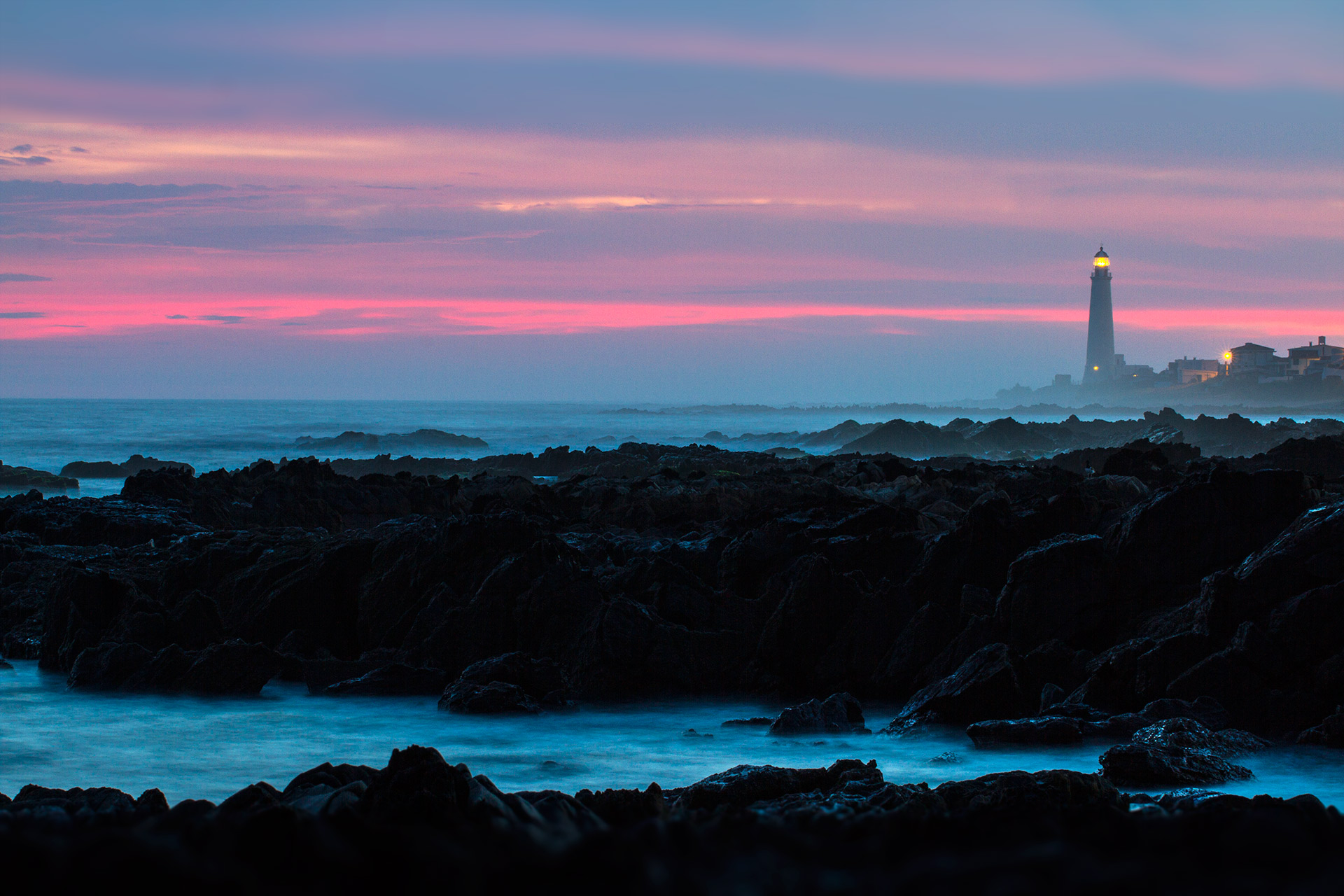 Photo: Marcelo Campi / Wikimedia Commons (CC BY-SA 2.0)
 - Isla Gorriti Day trip, short ferry from Punta del Este port
Discovered in 1516 by Juan Díaz de Solís and named for Spanish commander Francisco Gorriti — who was, ironically, imprisoned here himself in 1752 — the island still holds abandoned 18th-century cannon batteries built to defend against Portuguese and English incursions.
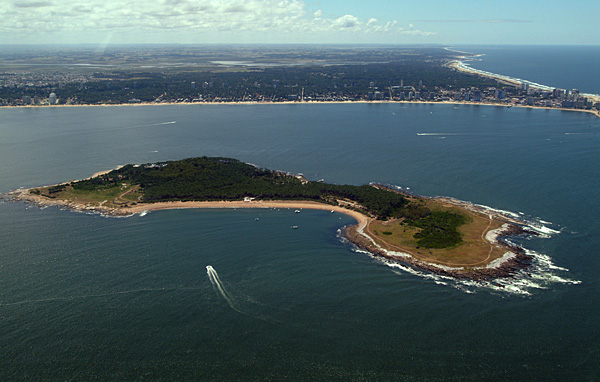 Photo: Daniel Stonek / Wikimedia Commons (CC BY 3.0)
 - Puente Laguna Garzón Any time; sunset for photos
Designed by Uruguayan-born architect Rafael Viñoly and completed in December 2015, this ring-shaped bridge has no straight roadway — cars circle a central open-water plaza on one lane while pedestrians and cyclists use a separate ring path, about 20 minutes from José Ignacio toward Rocha.
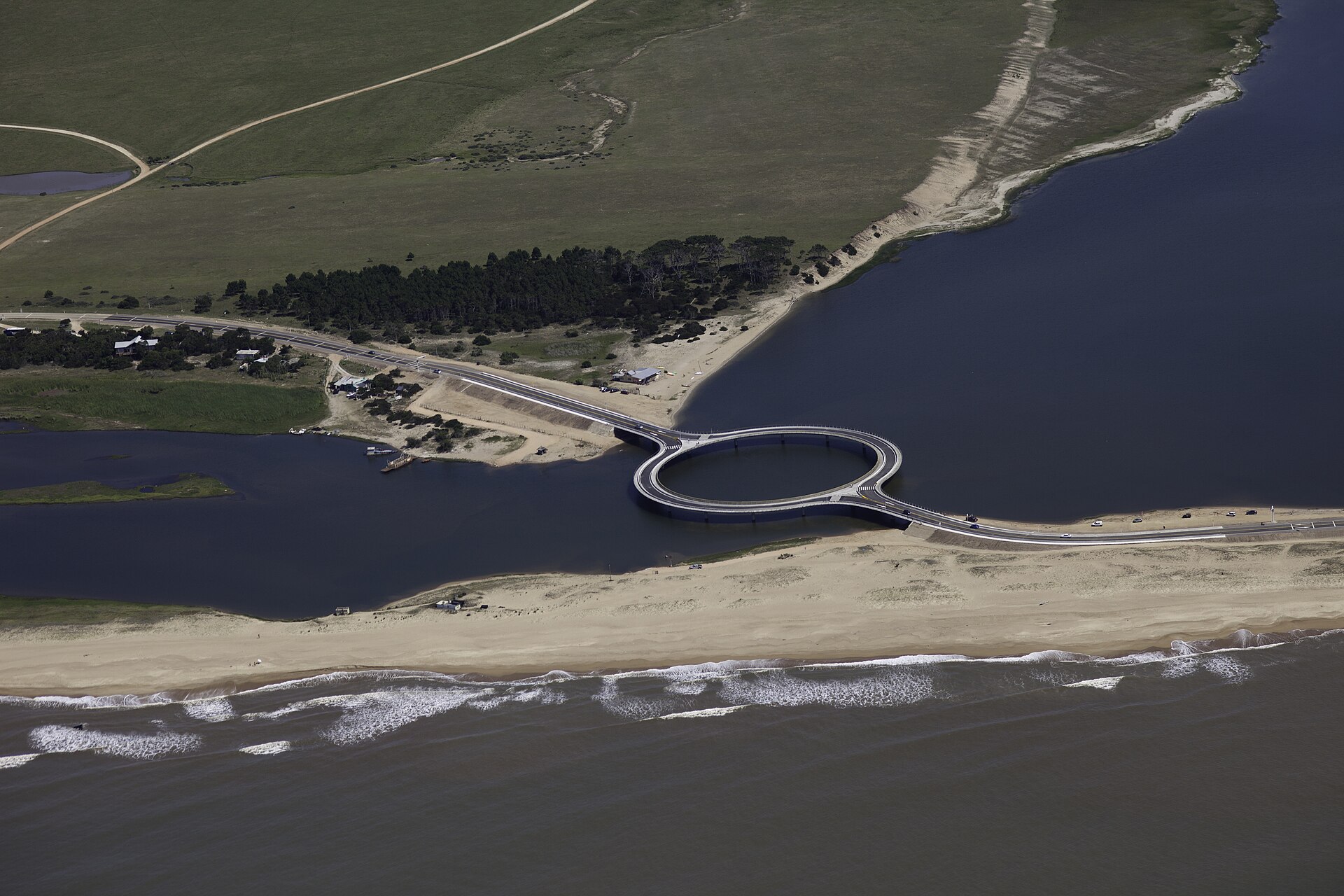 Photo: Jimmy Baikovicius / Wikimedia Commons (CC BY-SA 2.0)
Questions people actually ask.
How do I get to Uruguay's surf coast?
Carrasco International Airport (MVD) in Montevideo is the country's only real international gateway. American Airlines runs the only nonstop US route, Miami to Montevideo, close to daily as of 2026 — a genuine single-connection shot from the US, unlike much of the region where a Buenos Aires or São Paulo layover is standard. From MVD, COT buses run directly to Punta del Este (~1h45) and all the way to Punta del Diablo (~4hrs), a legitimate car-free way to start the trip.
Do I need a visa?
No. US citizens get visa-free entry for stays up to 90 days with a valid passport (6 months' validity beyond departure recommended).
Is Uruguay safe?
Genuinely one of the safest calls on this site. Uruguay is rated the only "full democracy" in South America by the Economist Democracy Index, the most peaceful country in Latin America on the 2026 Global Peace Index, and the region's least corrupt by Transparency International. The US State Dept sits it at Level 2, Exercise Increased Caution — the same tier as Italy or Spain — citing crime concentrated in Montevideo's urban core and three other departments; Rocha (La Paloma, Punta del Diablo) isn't named, and Maldonado's (Punta del Este, José Ignacio) tourist zones run well below the country's urban crime rates. Standard precautions apply: registered taxis over street-hailed cabs, don't flash valuables near ATMs after dark.
When should I go, and why doesn't surf season match Uruguay's famous high season?
This is the single most useful thing to know before booking. Uruguay's tourism high season — the famous Punta del Este jet-set scene when Argentina and Brazil's wealthy relocate there — runs late December through mid-February: warm, crowded, and expensive, and largely a low-surf window. Real surf season runs April-November, peaking June-August: cooler, quieter, and cheaper, with consistent Southern Hemisphere winter groundswell. Most general travel content pushes the summer season; surfers should target winter or the shoulder months instead.
What's the water like, and what wetsuit do I need?
A wide swing: water peaks around 20-24°C (68-75°F) in late January (summer) and bottoms out around 8-13°C (46-55°F) in early August (winter) — colder at its low end than Brazil. A 3/2mm suit covers summer; a 4/3mm with boots is standard for the June-August surf peak.
Disclosure & how this page works.
Straight talk: Some links on this page are affiliate links — if you book through them, Secrets of Surf Travel earns a small commission at no extra cost to you. We only link places and people we’d use ourselves, and coverage is never for sale. Those commissions are what keep this site running and fund the next trip.
Today, the “Search Vrbo rentals” and “Search Booking.com stays” links on this page are affiliate links — every vendor listing link is still a plain courtesy link. As partnerships with these local businesses come online, more links (and discount codes, where Secrets of Surf Travel benefits from their use) may earn us a commission, and this page will keep saying so plainly. Coverage is never for sale: nobody on this page paid to be here, and nobody can.
Every listing was researched in 2026 and is being verified in person. Prices, hours, and policies change — treat them as strong starting points and confirm directly with the business. And per the No-Reveal Code: you will find no surf spots on this page, ever.