
UK — Southwest England
This site's first UK zone, and a genuinely different kind of trip from anything built so far in Europe. Newquay has worn the "UK's surf capital" title since Australian lifeguards brought fiberglass boards here in 1962, and Fistral Beach has hosted real professional competition ever since. Croyde is a small North Devon village with one of the country's most powerful beach breaks. Woolacombe carries a genuine dual identity — Blue Flag family beach and legitimate surf destination at once. Polzeath is Cornwall's quieter, family-friendly corner, a short drive from Tintagel and "Padstein." Left-hand driving, pounds instead of euros, and a real cold-water gear reality — read the logistics carefully before you book.

Straight talk: Some links on this page are affiliate links — if you book through them, Secrets of Surf Travel earns a small commission at no extra cost to you. We only link places and people we’d use ourselves, and coverage is never for sale. Those commissions are what keep this site running and fund the next trip.
Some vacation-rental search links on this page (marked “Search Vrbo rentals” or “Search Booking.com stays”) are affiliate links. Every vendor link below is still a plain courtesy link. As more partnerships come online, more links may earn us a commission; the promise above holds either way.
Getting There
Newquay Cornwall Airport (NQY) is domestic/regional only — no international long-haul service, mostly UK routes plus a handful of short-haul European flights (Alicante, Faro, Zurich seasonal). London (Heathrow) is the real US gateway for this zone, with strong nonstop service from roughly 30 US airports as of 2026, including New York, Los Angeles, Boston, Atlanta, Miami, Washington DC, Chicago, San Francisco, and more, on British Airways, Virgin Atlantic, American, Delta, United, and JetBlue.
The trip from London is genuinely long — about 260-280 miles. By car, roughly 4 hours 20 minutes to 5+ hours via the M4/M5/A30, with summer weekend traffic pushing that further. By train, GWR runs a direct London Paddington-Newquay service, averaging around 5 hours. Bristol Airport (BRS) sits closer to this zone (about 2 hours 50 minutes to Newquay) but has no direct US flights — only useful if you're already connecting through the UK or Europe.
Entry requirements — a real, recent change worth getting right. The UK is not Schengen and has its own rules. US citizens remain visa-free for tourism up to 6 months, but since January 8, 2025 also need a UK Electronic Travel Authorisation (ETA) before travel — currently £20 as of April 2026, valid 2 years or until passport expiry, most approvals within minutes, and required for every traveler including children.
Ground Transport
- The UK drives on the LEFT — the opposite of every other European zone this site has built (France, Spain, and Portugal all drive on the right). This is a real, active adjustment for American visitors renting a car: left-lane driving, right-hand-drive vehicles, and roundabouts that flow the opposite way. Budget extra caution for your first day behind the wheel.
- Rail service here is genuinely strong — a real point of difference from this site's rural France/Iberia zones. GWR runs direct London Paddington-Newquay service, and Barnstaple (serving Croyde/Woolacombe) connects via Exeter onto the Tarka Line, roughly 3.5-4 hours from London with a well-timed connection.
- This zone is more spread out than it looks on a map. Newquay/Cornwall and the Croyde/Woolacombe cluster in North Devon sit roughly 85 miles apart — about 2 hours' drive. Visiting "the whole zone" is a real cross-country trip, not a coastal hop. Polzeath sits closer to Newquay, in North Cornwall.
- Local bus service exists but is patchy — Stagecoach South West and Transport for Cornwall cover parts of this zone, but no direct bus links Woolacombe to Newquay without multiple transfers.
- A car is still the most practical way to cover multiple hubs, though this zone is meaningfully more transit-connected than this site's rural Iberian zones — a car-free trip based in one hub with day trips is realistic here in a way it wasn't in Aljezur or Sagres.
When to Go & What to Pack
- This is a proper cold-water destination — a genuinely different gear reality than this site's Iberian and French zones. Summer water temperature peaks around 17-18°C (63-64°F), occasionally touching 19-20°C in sheltered coves during a warm year; winter drops to 7-10°C (45-50°F).
- Wetsuit thickness: 3/2mm is the realistic summer minimum — not a 2mm warm-water suit. 4/3mm for spring/autumn. Winter means 5/4mm plus boots, gloves, and a hood, which becomes essential below about 12°C.
- Best season: autumn (September-October) is repeatedly cited as the sweet spot — Atlantic swells building while the water still holds summer warmth, and fewer crowds. Winter brings the biggest, most powerful swells but is squarely advanced-surfer territory. Summer suits beginners best, with smaller, more forgiving surf.
- Weather, stated honestly: this coast is genuinely changeable — rain, wind, and swell go hand in hand here. A different, less sunny framing than this site's Portugal and Spain zones, worth knowing before you pack.
Good to Know
- Currency: British Pound Sterling (GBP) — a real change from every prior European zone this site has built, all of which use the Euro.
- Language: English. Emergency number: 999 is the UK's native number, though 112 also works UK-wide and reaches the same services — worth knowing since 112 may actually be more reliable on a US visitor's roaming phone than 999.
- Safety: the UK ranked 39th globally on the 2026 Global Peace Index, a real but noticeably lower ranking than the Iberian zones this site has covered (which typically place top-10) — driven by conflict-domain indicators rather than everyday street-crime metrics. The UK remains a very safe destination for ordinary tourism, but worth citing accurately rather than implying an equivalent "safest country" framing.
- Cost of living: meaningfully more expensive than Portugal — overall cost of living (with rent) runs about 36.6% higher than Portugal, according to 2026 comparison data, with groceries around 35.3% higher.
Respecting the Locals
Newquay has worn the "UK's surf capital" title since 1962, and that history means a lot of people here have made surfing their entire life and livelihood, not just their weekend. Croyde and Woolacombe are smaller villages where the lineup is a genuine community, not a rotating cast of tourists, and the crowds swell hard every summer. This whole coast deals with real seasonal tourist pressure on a limited number of breaks, which makes basic lineup etiquette matter here more, not less.
- Locals get first priority, always. Watch a session before you paddle out. Learn who's who before you learn the wave. Sit inside and catch what they let through — the leftovers are yours, not the set waves.
- Don't backpaddle. Ever. Being in position doesn't make the next wave yours, especially if you didn't wait your turn. If a local wants a wave, let them have it…even if it IS your turn. That older guy who may not be the best surfer out there has probably been surfing that wave before you even sat on a board. If you don't know someone, assume they're local.
- Don't snake. This shouldn't even need to be said, but…dropping in on someone, local or not, is the ultimate disrespect and the fastest way to be sent out of the water. Don't be that guy!
- Say hi. A “howzit,” “whatsup,” or “nice wave,” eye contact, or a nod in the channel — it costs nothing and it's the fastest way from stranger to welcome.
- This is somebody's home, not a resort amenity. The break you're surfing is where a local kid learned to swim, where someone's uncle has surfed for forty years. Act like a guest, because you are one.
- Spend where it actually helps. The food truck, the local shaper, the family-run rental, the local photographer — that's where a surf trip's money should land, not just the chain hotel gift shop. See The No-Reveal Code for why that's the whole premise of this site.
- Leave it better than you found it. Pick up trash that isn't yours. Don't touch reef, wildlife, or cultural sites.
Locals have watched hundreds, if not thousands, of people come and go — some for days, some for months or years — and almost all of them eventually go home. The locals are still there. It takes many, many years to actually become one. Keep that in mind the next time you feel entitled to the same waves they get.
None of this is a secret handshake. It's just how you'd want a guest to act in your own backyard.
Newquay
The UK's surf capital, and it's a real, earned title. Australian lifeguards brought fiberglass boards here in 1962; by 1983 a journalist had dubbed it England's "surf city," and it remains the country's dominant surf hub today. Fistral Beach has hosted real professional competition for decades, tracing back to the 1981 "Newquay Surf Classic" — the first international pro surf contest held in the UK — and continuing today as a WSL Qualifying Series stop.
Newquay's lodging runs from beachfront hotels to hostel bunks — the UK's surf-capital base for exploring Fistral and the wider Cornish coast.
Search Vrbo rentals in Newquay →
Surf Schools & Board Rental
- Fistral Beach Surf SchoolFistral Beach, NewquayThe only surf school actually sited down on Fistral Beach itself, board and wetsuit use bundled into instruction. fistralbeachsurfschool.co.uk · Instagram · Map
- Cornish Wave Surf SchoolTowan Beach & Fistral, NewquayOperating since 2012, 1,500+ five-star reviews. cornishwave.com · Facebook · Map"Ash was a great instructor who made us feel at ease from the very start." — reviewer
Stays
- Fistral Beach Hotel and SpaFistral Beach, NewquayUpperA genuine 5-star property right by the beach. fistralbeachhotel.co.uk · Map"The whole place drips luxury... staff were attentive and created a really welcoming atmosphere." — reviewer
- St Christopher's Inn NewquayCliff-top over Towan BeachBudgetHostel with an on-site bar and incredible ocean views. st-christophers.co.uk · Map
Where to Eat
- The Cod EndNewquayBudgetFish and chips with a secret family-recipe batter, patio with a sea view. Facebook · Map
- Smugglers Den InnCubert, near NewquayMid-rangeA genuine 16th-century thatched inn. thesmugglersden.co.uk · Facebook · Map
Wheels
- Cornish Wave e-bike hireFore Street, NewquayE-bike hire and tours. cornishwave.com · Map
Car rental in Newquay is mostly national chains (Europcar, Hertz) rather than independent local operators — worth knowing rather than expecting a distinctive local shop.
Surfboard & Wetsuit Repair — the deepest bench in the zone
- Bodyline Wetsuit Repairs9 Gover Lane, NewquayEurope's leading wetsuit repair centre, established 1987. bodylinewetsuits.co.uk · Facebook · Map
- Northshore Surf ShopNewquayServing Newquay's surf community for 45+ years. northshorenewquay.co.uk · Map
Massage & Wellness
- Ocean Breeze SpaNewquayWell-reviewed for massage quality and pressure, inside the Sands Resort. sandsresort.co.uk · Facebook · Map
Other Adventures
- South West Coast PathRuns through Newquay to Watergate BayBudgetEngland's longest National Trail runs directly along Newquay's clifftops. southwestcoastpath.org.uk · Map
Croyde
A small North Devon village with a real, well-documented reputation: one of the UK's most consistent and powerful beach breaks, heavier and more unforgiving than most of Cornwall's beaches. A genuinely small-village bench — camping and B&Bs rather than resort hotels.
Croyde reads camping-and-B&B first, a genuinely small-village bench — worth widening the net to the surrounding villages for hotel and cottage options.
Search Vrbo rentals in Croyde →
Surf Schools & Board Rental
- Surfing Croyde BayCroydeGold Standard-rated, #1 on Tripadvisor for Croyde activities. surfingcroydebay.co.uk · Map"By the end of the week they were doing tricks on their boards! The instructors are excellent." — reviewer
Stays
- Bay View Farm Caravan & Camping ParkCroydeBudgetWell-maintained, bay views, 4/5 across 260 reviews. bayviewfarmcampingcroyde.co.uk · Map
- Freshwell CampingCroydeBudgetFree pitching, bay views, short walk to shops. croydefreshwellcamping.co.uk · Facebook · Map
No standout mid or luxury hotel inside Croyde village itself — this is honestly camping-and-B&B territory, fitting the village's small size.
Where to Eat
- The ThatchCroydeMid-rangeCroyde's central pub, known for its Sri Lankan fish curry using locally-sourced Exmoor beef. thethatchcroyde.co.uk · Map
Wheels
Genuinely thin — no dedicated bike or car rental shop sits inside Croyde itself. Waterside Bike Hire in nearby Braunton is the closest real option.
Surfboard & Wetsuit Repair
- Croyde Surf Hire ("The Little Pink Shop")CroydeCroyde's largest hire range since 1987, proper UK-condition 4mm/5mm wetsuits. croyde-surf-hire.co.uk · Facebook · Map
Massage & Wellness
No standalone spa in the village — Makai Massage (Massage with Chloe) is a real mobile therapist covering Croyde, Saunton, and Georgeham, the honest local option. makaimassage.co.uk
Other Adventures
- Baggy Point circular walkCroydeBudgetA 4.43-mile South West Coast Path loop with views over Croyde Bay and Morte Bay. nationaltrust.org.uk · Map
Woolacombe
A genuine dual-identity beach — Blue Flag family destination and legitimate surf spot at once, not an either/or. Its 3-mile stretch is lifeguarded in season, and its surf credentials are independently rated among the best in the country.
Woolacombe's stays lean beachfront and clifftop hotel — the dual-identity family-and-surf beach town's anchor lodging tier.
Search Vrbo rentals in Woolacombe →
Surf Schools & Board Rental
- Woolacombe Surf CentreWoolacombePackage pricing bundling board, wetsuit, and qualified instruction; reviewers highlight the community feel. woolacombesurfcentre.com · Instagram · Map
- Surfing Woolacombe (Hunter Surf School)Woolacombe2-hour instruction plus wetsuit, boots, and board around £38 — called excellent value. surfingwoolacombe.co.uk · Map
Stays
- The Woolacombe Bay HotelWoolacombeUpperBeachfront location, well-regarded food. woolacombe-bay-hotel.co.uk · Facebook · Map"Fantastic location, excellent service and delicious food." — reviewer
- Watersmeet HotelAbove Combesgate BeachUpperCliff position over the beach, full spa. watersmeethotel.co.uk · Map"The setting is picture perfect." — reviewer
Where to Eat
- The Jubilee Inn ("The Jube")WoolacombeMid-rangeDog-friendly pub, strong vegan options, consistently praised. thejube.co.uk · Facebook · Map
- Captain JacksWoolacombeBudget/midPirate-themed family spot near the beach, generous portions. jackswoolacombe.co.uk · Facebook · Map
Wheels
- Woolacombe Bike HireWoolacombeE-bikes and kids' bikes for the Tarka Trail and coast. woolacombebikehire.co.uk · Map
Surfboard & Wetsuit Repair
- Hunter Surf WoolacombeWoolacombeSame family ownership since 1979. huntersurf.com · Instagram · Map
- Steve's Surf HireWoolacombeFamily-run since 1992. stevessurfhire.co.uk · Map
Massage & Wellness
- Watersmeet Hotel spaWoolacombeFull-service spa with indoor pool, jacuzzi, and steam room. watersmeethotel.co.uk · Map
Other Adventures
- South West Coast Path to Mortehoe & Morte PointWoolacombeBudgetA dramatic black-slate headland walk with views to Lundy Island; Mortehoe has Domesday-era history. nationaltrust.org.uk · Map
Polzeath
Cornwall's quieter, family-friendly corner — one of the UK's longest-established surf towns, and a short drive from both Tintagel and the culinary phenomenon of "Padstein."
Polzeath's bench runs from a caravan park to a spa hotel just outside town — Cornwall's quieter, family-friendly corner.
Search Vrbo rentals in Polzeath →
Surf Schools & Board Rental
- Surf's Up Surf SchoolPolzeathOne of the UK's longest-established schools, operating 7 days a week year-round. surfsupsurfschool.com · Map
Stays
- Valley Caravan ParkPolzeathBudget#1-ranked specialty lodging in Polzeath. valleycaravanpark.co.uk · Facebook · Map"Easy to walk to the beach... great price." — reviewer
- St Moritz HotelBetween Polzeath and RockUpperOn-site Cowshed Spa with six treatment rooms — the zone's honest answer to a thin in-village luxury bench. stmoritzhotel.co.uk · Map
Where to Eat
- Pasty CellarPolzeathBudget#1-ranked bakery in Polzeath, Cornwall's protected-origin pasty done right. Map"Flaky pastry, rich flavourful fillings and affordable to boot." — reviewer
- The Cracking CrabPolzeathMid-rangeSeafood perched above the beach. crackingcrab.co.uk · Map
Wheels
Thin in-village — the nearest real bike hire (for the Camel Trail) is a short drive away in Wadebridge.
Surfboard & Wetsuit Repair
- TJ's Surf Shop, Kitchen & BarPolzeathCombined surf shop, hire, and beach bar. tjssurfshop.co.uk · Facebook · Map
- North Coast Wetsuits (NCW)PolzeathDedicated local wetsuit hire operation. northcoastwetsuits.co.uk · Instagram · Map
Massage & Wellness
- Saunas By The Sea (Polzeath Wild Spa)PolzeathSauna with cold plunge or Himalayan salt brick sauna, set back behind the beach. saunasbythesea.co.uk · Map
Other Adventures
- Tintagel Castle13 miles / ~21 min from PolzeathMid-rangeA real Arthurian-legend site with dramatic coastal views. english-heritage.org.uk · Map
Local Secrets
Twelve non-surf reasons this zone rewards the curious — a stone hut where fishermen once shouted "Hevva!" at pilchard shoals, a shipwreck coast that earned its name from medieval sailors, and the real chef who turned a small Cornish town into "Padstein."
- The Huer's Hut Any time — exterior-only viewing from Towan Headland
This small Grade II*-listed stone lookout on Newquay's headland is where a "huer" once watched for pilchard shoals, shouting "Hevva! Hevva!" to signal fishing boats below. A plaque claims 14th-century origins, but the official listing dates the current structure to the late 18th or early 19th century, restored in 1836 and again in 2014 — a direct physical relic of Newquay's centuries as a fishing port before surfing arrived in 1962.
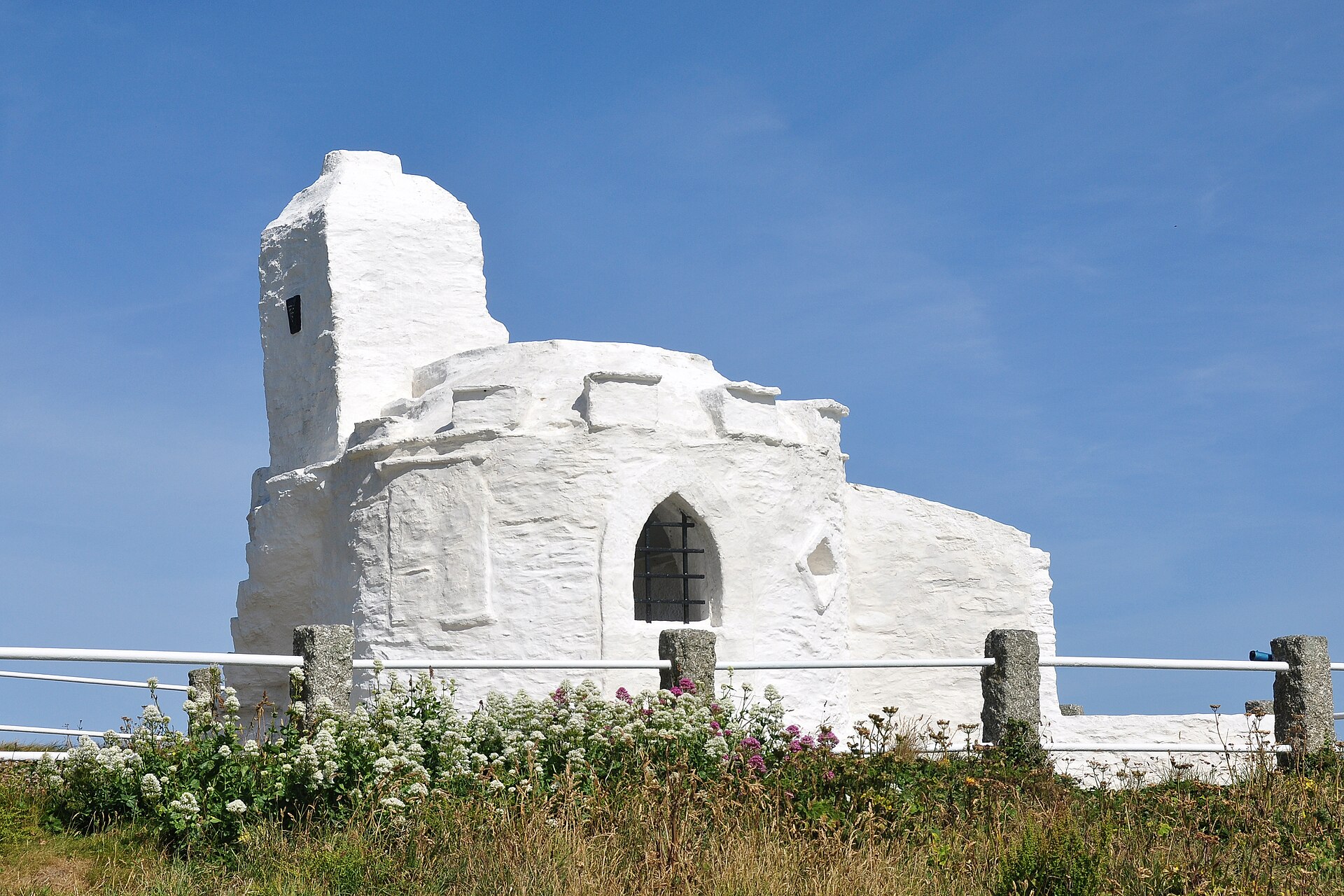 Photo: Nilfanion / Wikimedia Commons (CC BY-SA 3.0)
 - The South West Coast Path Spring or early autumn for clear long-range views
England's longest National Trail runs 630 miles from Minehead to Poole Harbour, tracing the old daily patrol routes walked by Coastguards watching for smugglers. Formally opened as a National Trail in 1978, though sections existed as trade and smuggling paths for centuries before — a section runs right along Newquay's own clifftops.
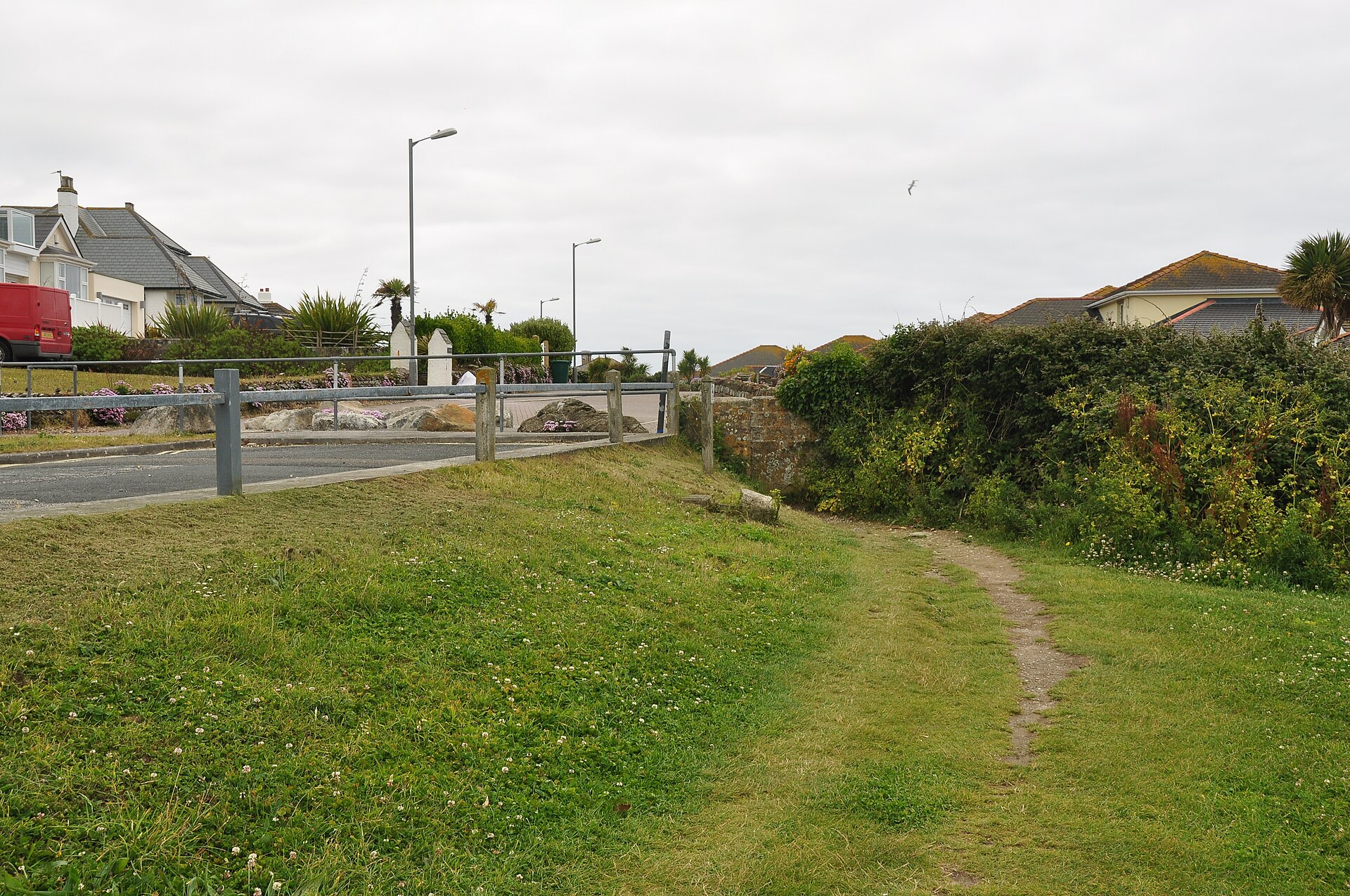 Photo: Nilfanion / Wikimedia Commons (CC BY-SA 4.0)
 - Trerice Manor Spring through early autumn, National Trust seasonal opening
A few miles inland from Newquay, this small Elizabethan manor was built 1570-73 by John Arundell V, whose family connected by marriage to nearly every landed family in Cornwall. Owned by the National Trust since 1953, it's unusually unaltered for its age — its Great Hall window holds 576 panes of 16th- and 19th-century glass.
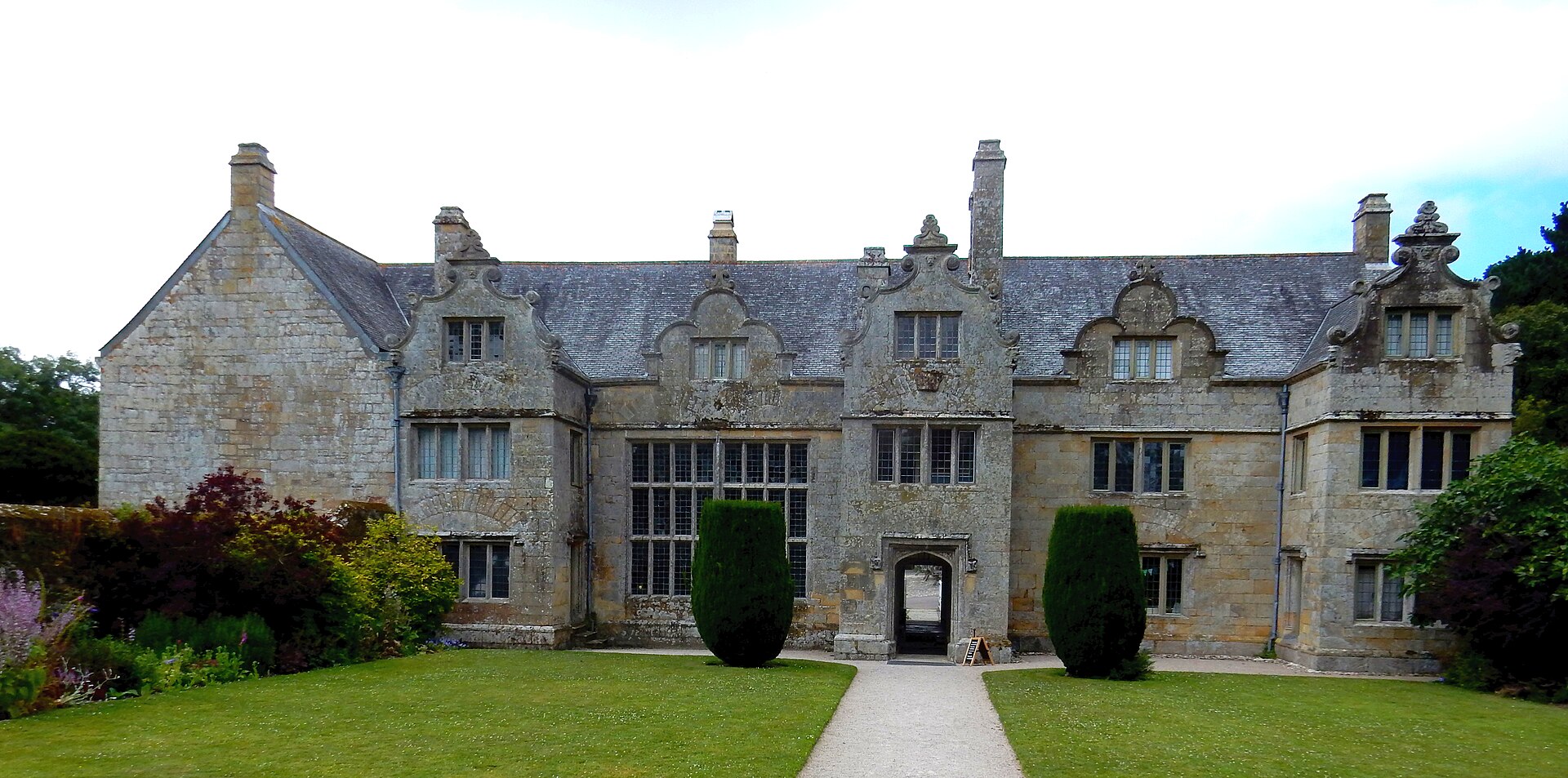 Photo: National Trust Images (contributor) / Wikimedia Commons (CC BY 2.0)
 - Baggy Point Clear-weather walk, any season
This dramatic headland forming the southern arm of Morte Bay was given to the National Trust in 1939, covering roughly 240 acres of Devonian sandstone. It holds hidden WWII history: in 1943 the US Army built dummy pillboxes here for D-Day coastal-assault training, replicating conditions on the Normandy beaches — seven of the original ten still survive.
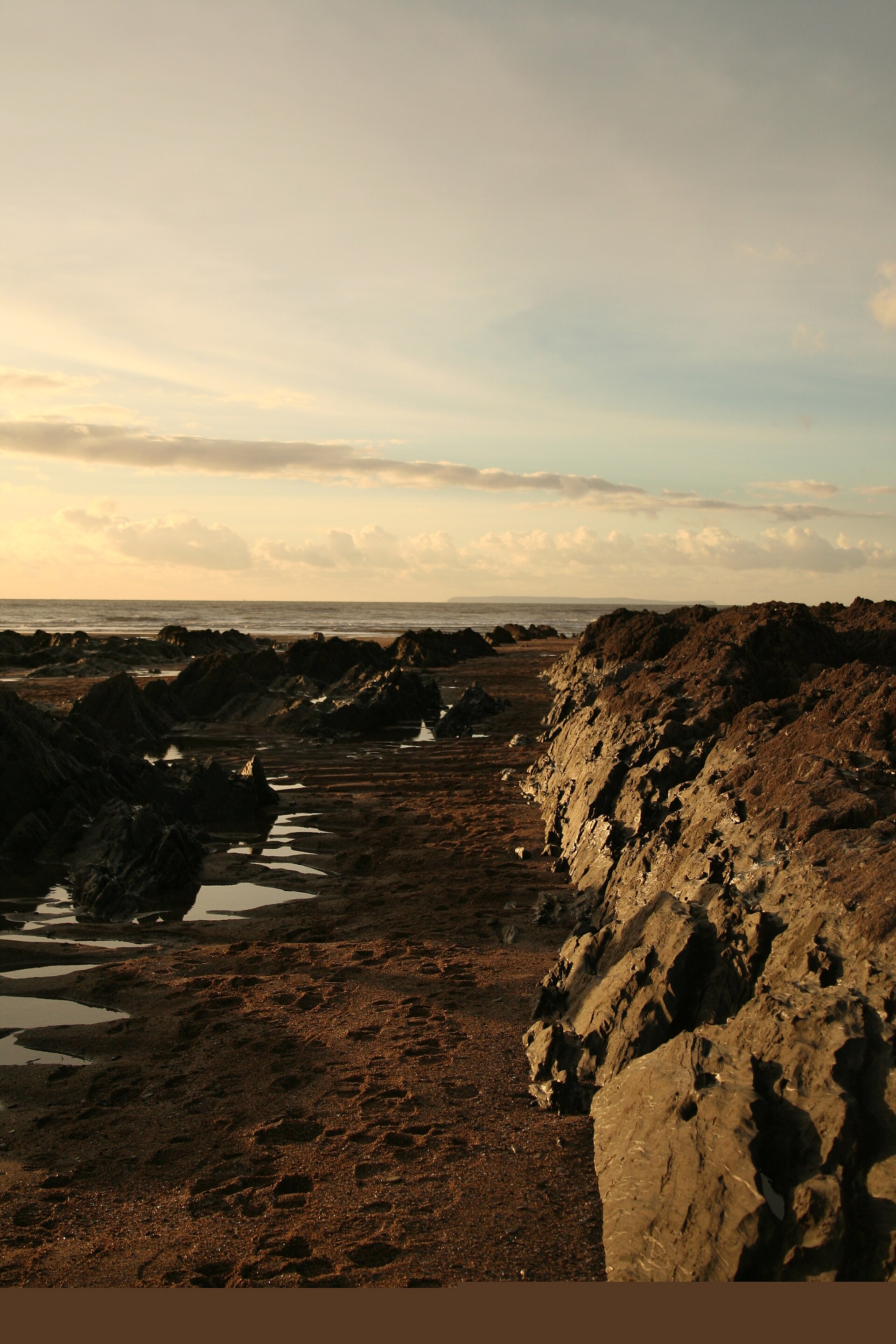 Photo: Kim Landberger / Wikimedia Commons (CC BY-SA 2.0)
 - Braunton Burrows Spring through summer for dune flora in bloom
Just inland of Croyde, this is England's largest sand dune system, covering roughly 1,357 hectares and forming the core of North Devon's UNESCO Biosphere Reserve, designated in 1976. It hosts over 400 recorded plant species — an extraordinary density for a dune landscape — and its resemblance to Normandy's coast also made it a US troop training ground before D-Day.
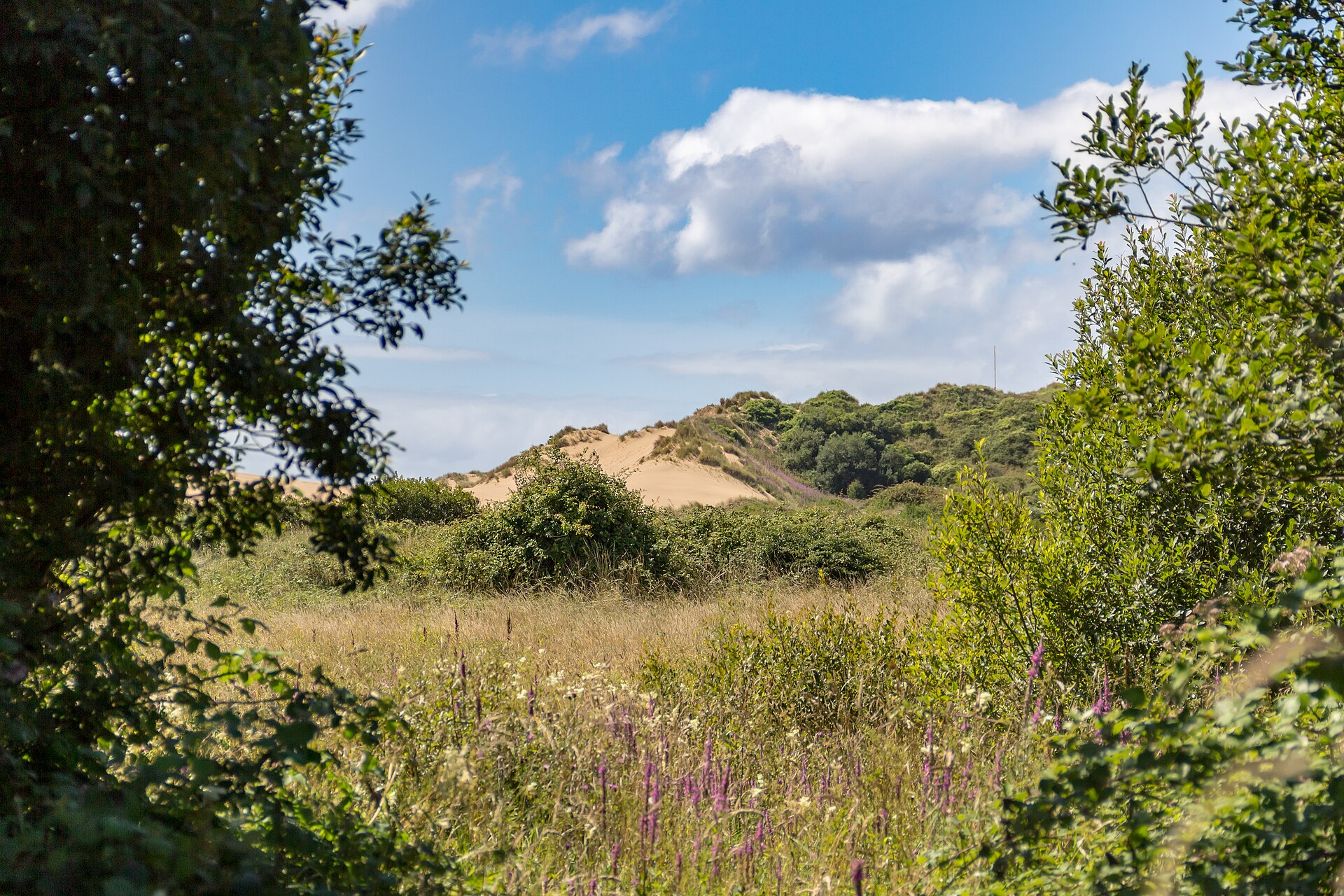 Photo: Dietmar Rabich / Wikimedia Commons (CC BY-SA 4.0)
 - Georgeham & the Home of "Tarka the Otter" Any time — churchyard is walkable year-round, cottage is exterior-view only
A mile inland from Croyde, this tiny village was home to novelist Henry Williamson from 1921, after being asked to help raise an orphaned otter cub. That encounter became the basis for Tarka the Otter (1927), set on the Rivers Taw and Torridge, which won the Hawthornden Prize in 1928 and has never been out of print.
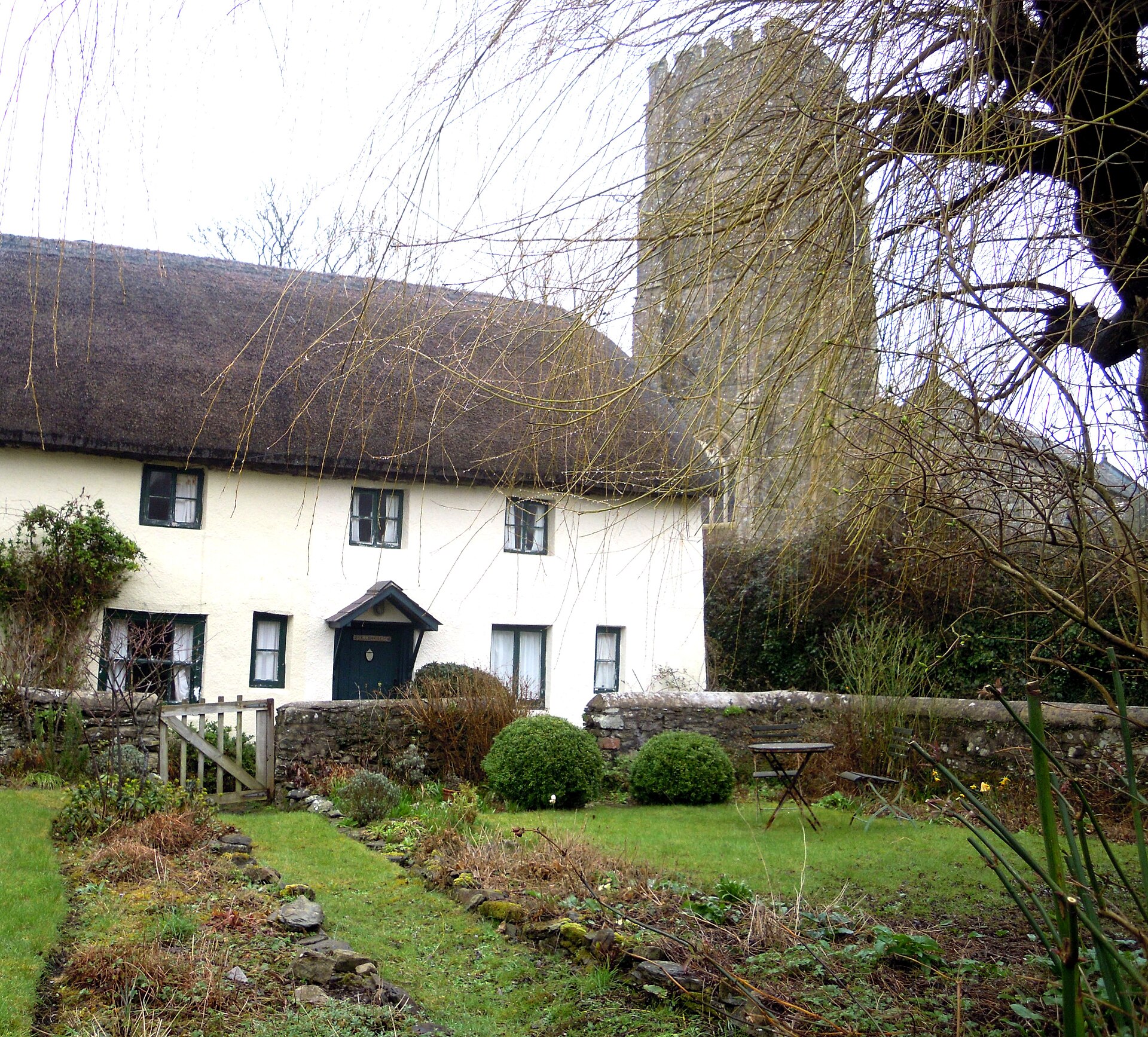 Photo: Jack1956 / Wikimedia Commons (CC0, public domain)
 - Woolacombe Beach's Real Award History Any beach visit — context piece, not time-specific
Woolacombe was the first beach in North Devon to earn the European Blue Flag and holds Blue Flag and Seaside Award status consistently. It has repeatedly placed in TripAdvisor's Travellers' Choice Awards, including the UK's number-one beach and fourth-best in Europe in 2015 — worth noting its rankings have varied by year, but the Blue Flag status has stayed consistent.
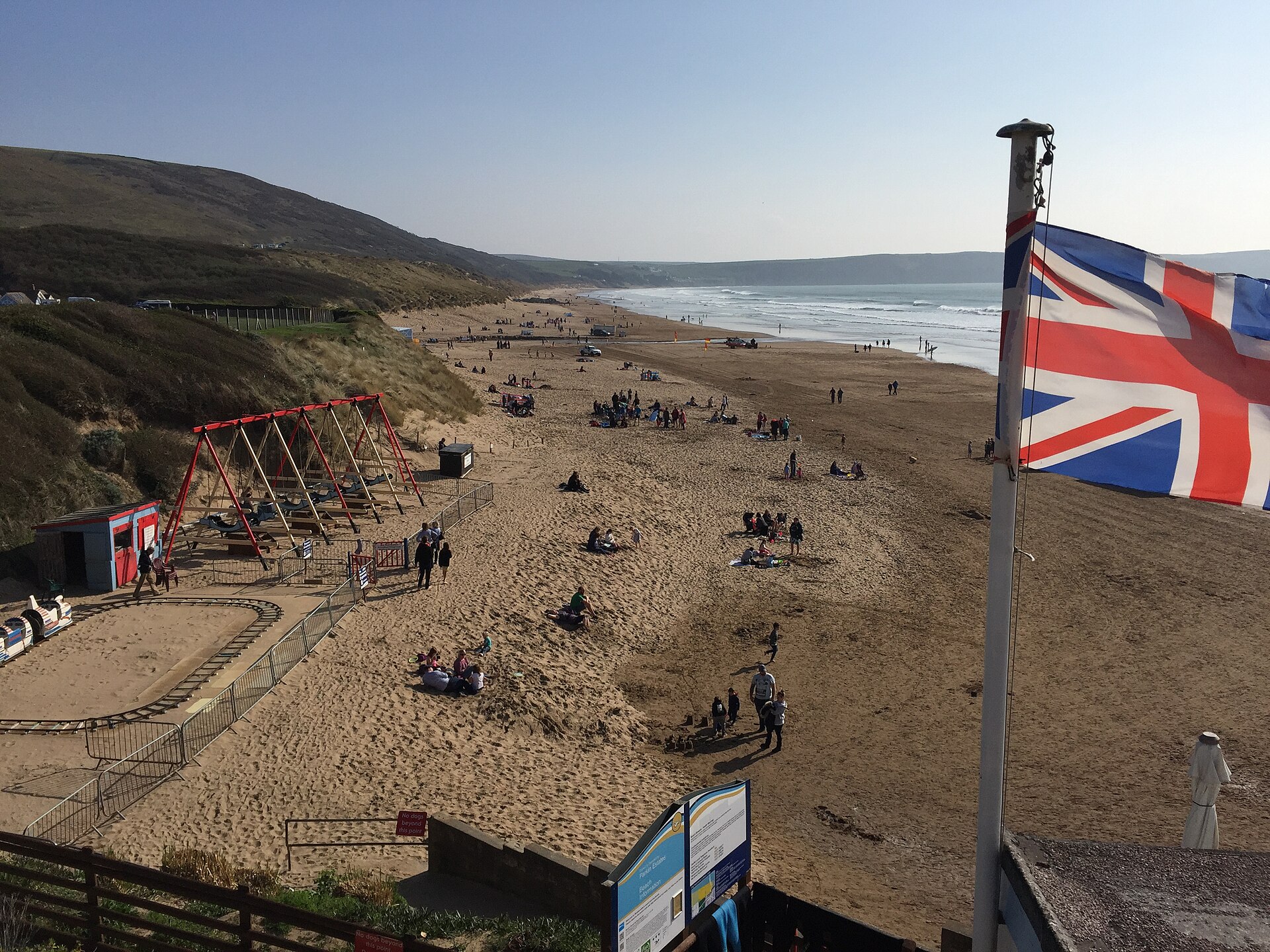 Photo: Alan Hughes / Wikimedia Commons (CC BY-SA 2.0)
 - Morte Point's Name & Shipwreck History Any time for the walk; storm-swell days for dramatic, safe, distant viewing
"Morte" derives from the Norman French for death — medieval sailors called it the "Death Stone." The offshore Morte Stone reef has wrecked ships for centuries: in 1852 alone, five vessels went down here, and 19th-century records count at least 47 wrecks between Baggy Point and Mortehoe. An RNLI lifeboat station built here in 1871 closed in 1900 — the exposed, west-facing beach made launches too difficult.
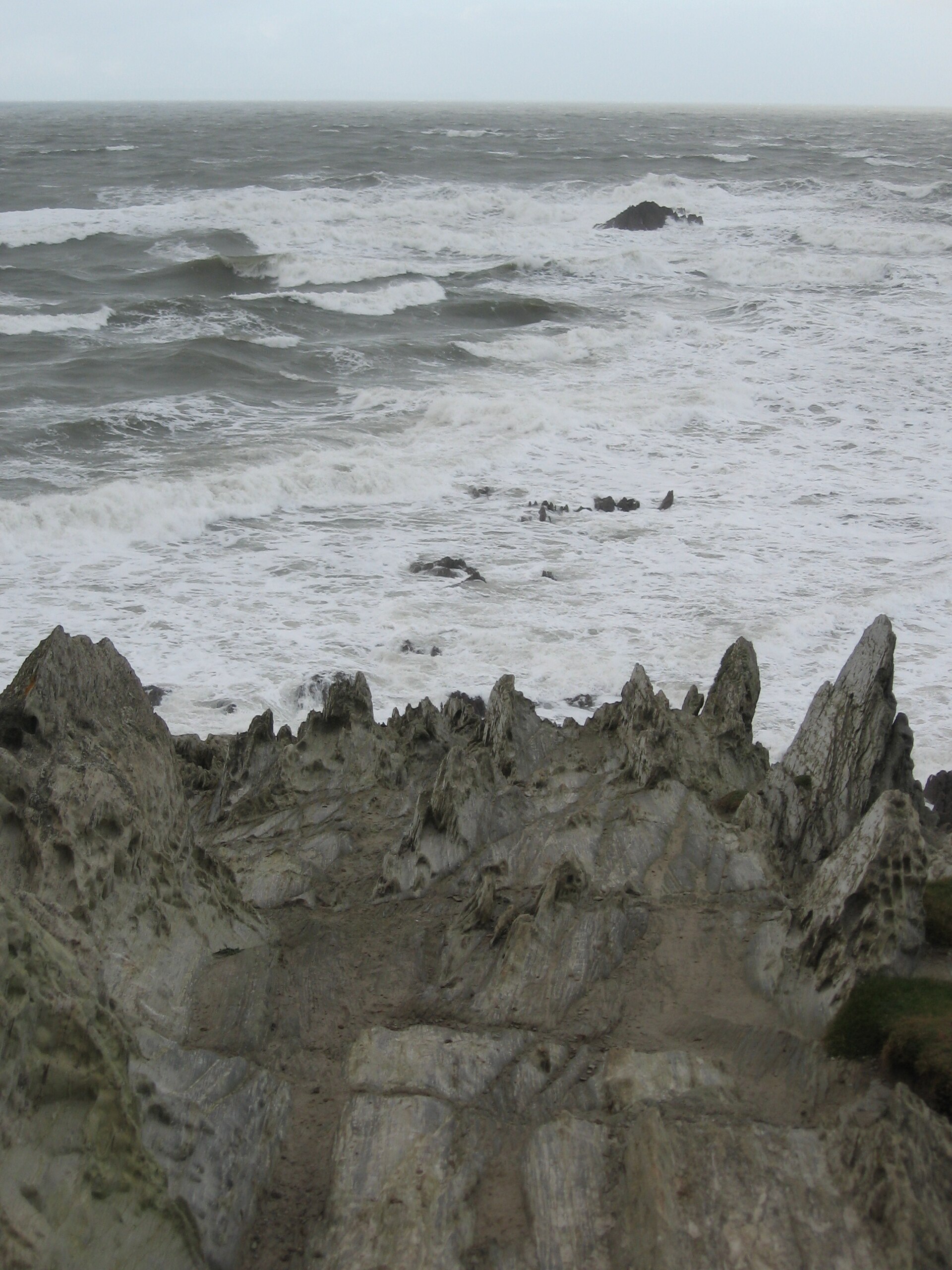 Photo: Chris Andrews / Wikimedia Commons (CC BY-SA 2.0)
 - Lundy Island April through October, MS Oldenburg ferry season
Visible on clear days from this coast, Lundy sits about 12 miles offshore, reached via a roughly 2-hour ferry from Ilfracombe or Bideford. It became England's first statutory Marine Nature Reserve in 1986, and carries roughly 4,000 years of human history across 42 scheduled monuments, including a 13th-century castle ruin.
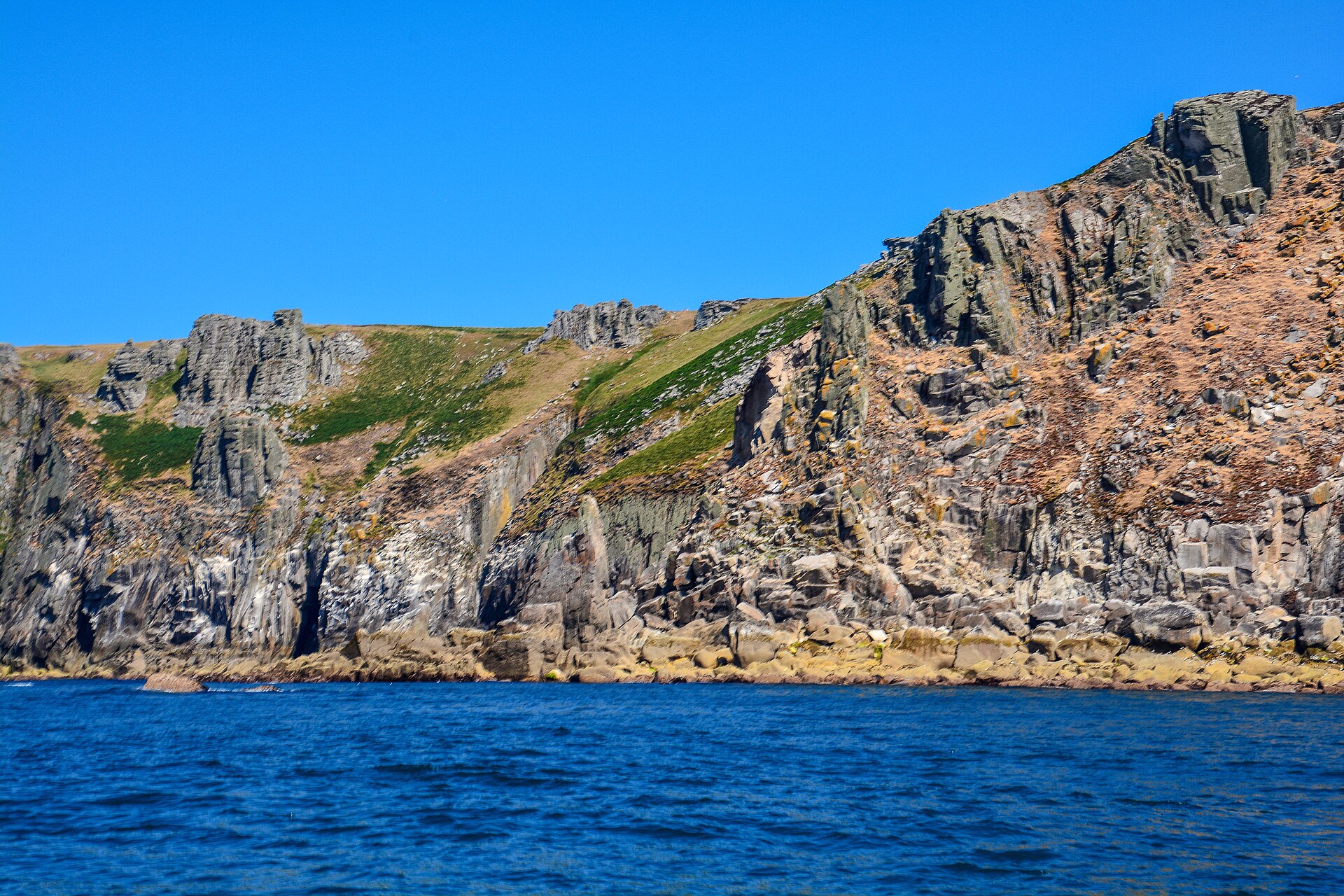 Photo: Lewis Clarke / Wikimedia Commons (CC BY-SA 2.0)
 - Tintagel Castle Spring or autumn for lighter crowds
The ruined castle atop Tintagel headland was built around 1225 — nearly 700 years after any historical "Arthurian" era. It's popularly billed as "the birthplace of King Arthur," but this is literary legend, not history, originating with Geoffrey of Monmouth's History of the Kings of Britain (1136). What's genuinely real: excavations show Tintagel was a significant stronghold of Dark Age Cornish rulers in the 5th-7th centuries — likely the memory that inspired Geoffrey's tale in the first place.
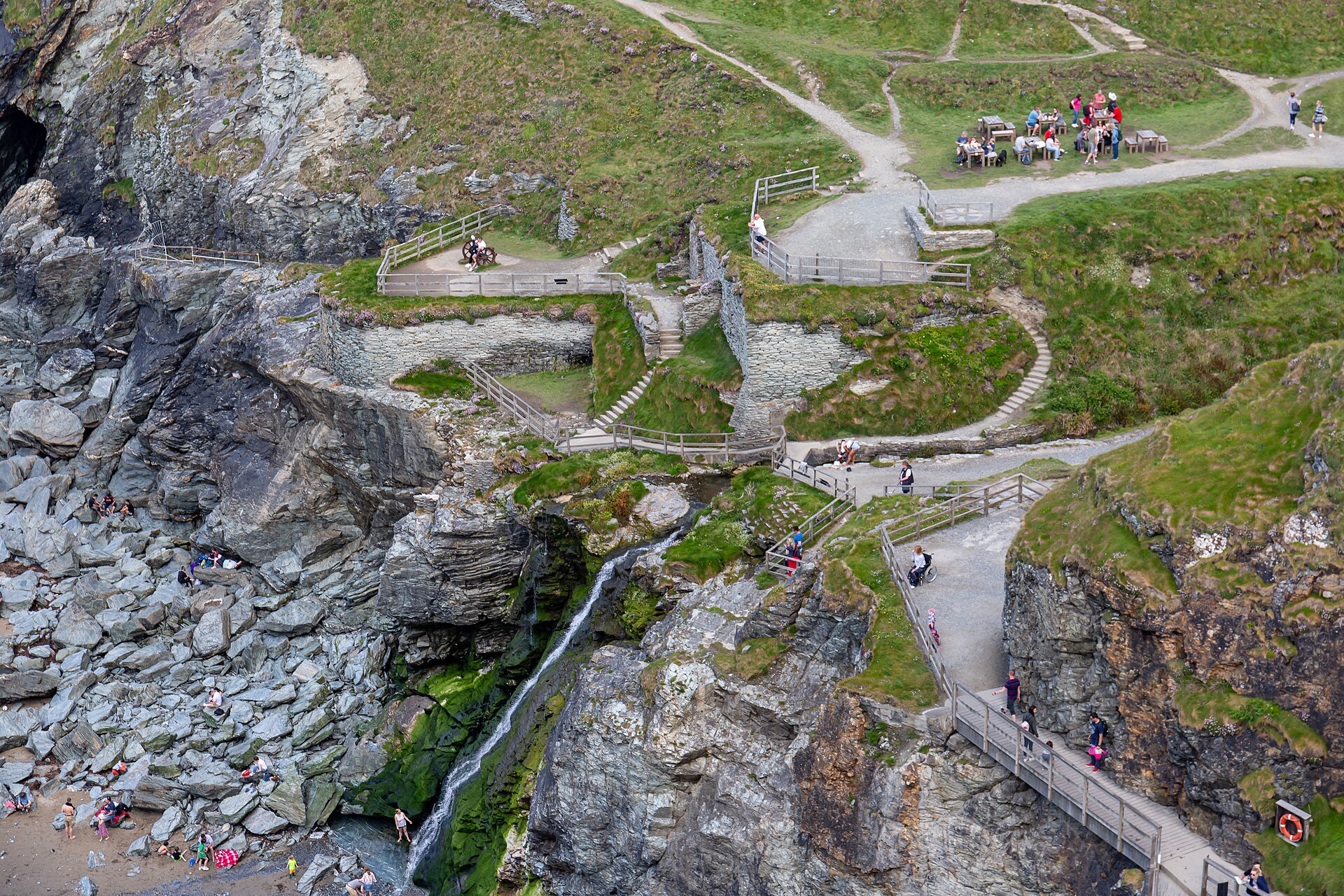 Photo: Balon Greyjoy / Wikimedia Commons (CC BY-SA 4.0)
 - Padstow & the Rick Stein Effect ("Padstein") Any time — the harbour is the town's focal point
Chef Rick Stein opened his Seafood Restaurant on Padstow's harbourfront in 1975, after earlier ventures failed, and it grew slowly into a national reputation. His business — now multiple restaurants, a fish-and-chip shop, shops, a cookery school, and a pub — has so reshaped the small town's economy that locals nicknamed it "Padstein." Padstow's year-round population is around 2,500, but commonly doubles or more with visitors in summer.
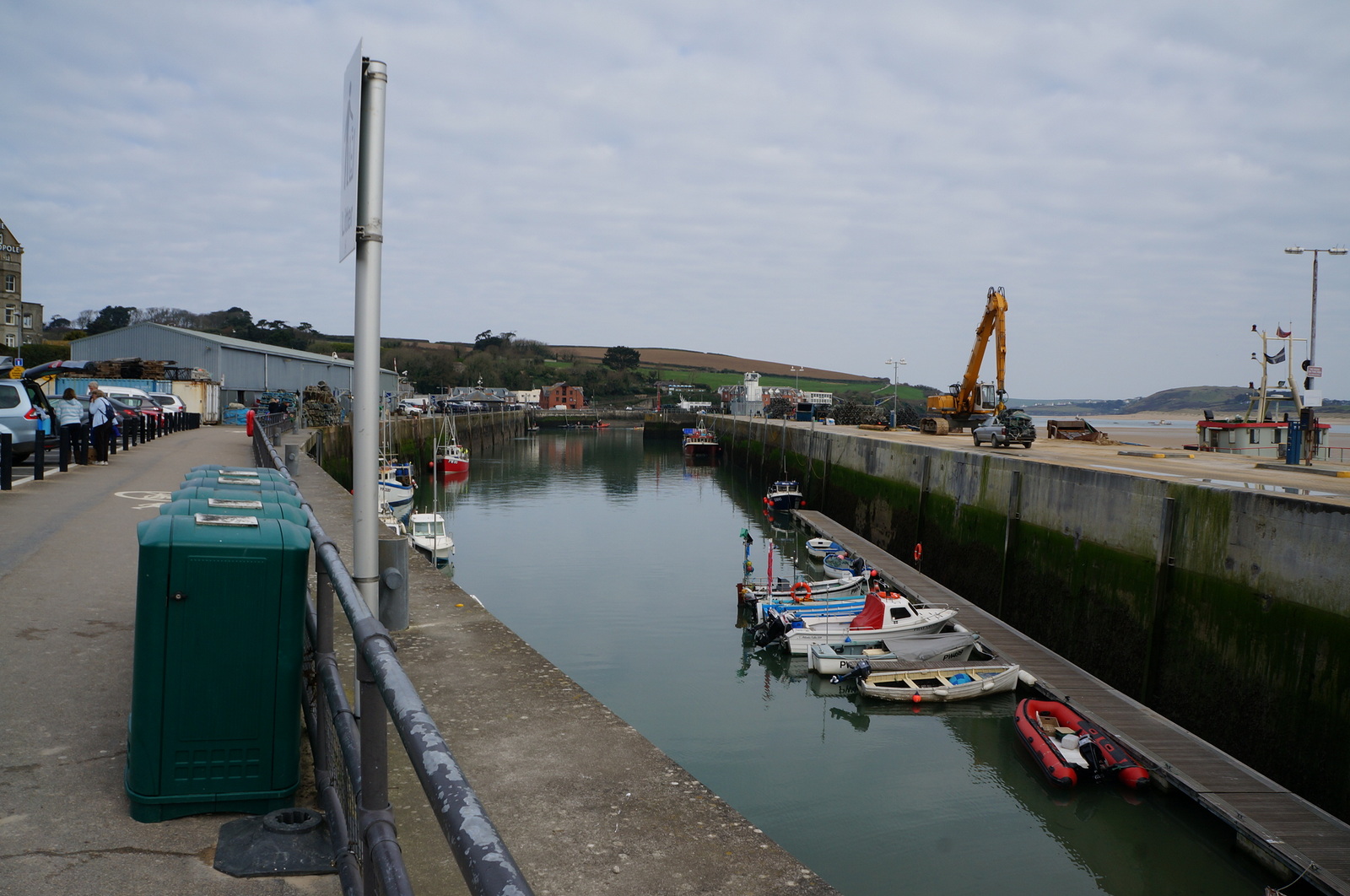 Photo: Ian S / Wikimedia Commons (CC BY-SA 2.0)
 - The Cornish Pasty's Legal Protected Status Food-heritage fact — any time
The Cornish pasty holds Protected Geographical Indication status under UK/EU law, granted on February 22, 2011, after a nine-year application led by the Cornish Pasty Association. Legally, only a D-shaped, crimped pasty made in Cornwall to the traditional recipe — raw meat and vegetables, not pre-cooked — can be sold as a genuine "Cornish pasty," the same category of protection given to Champagne or Parma ham.
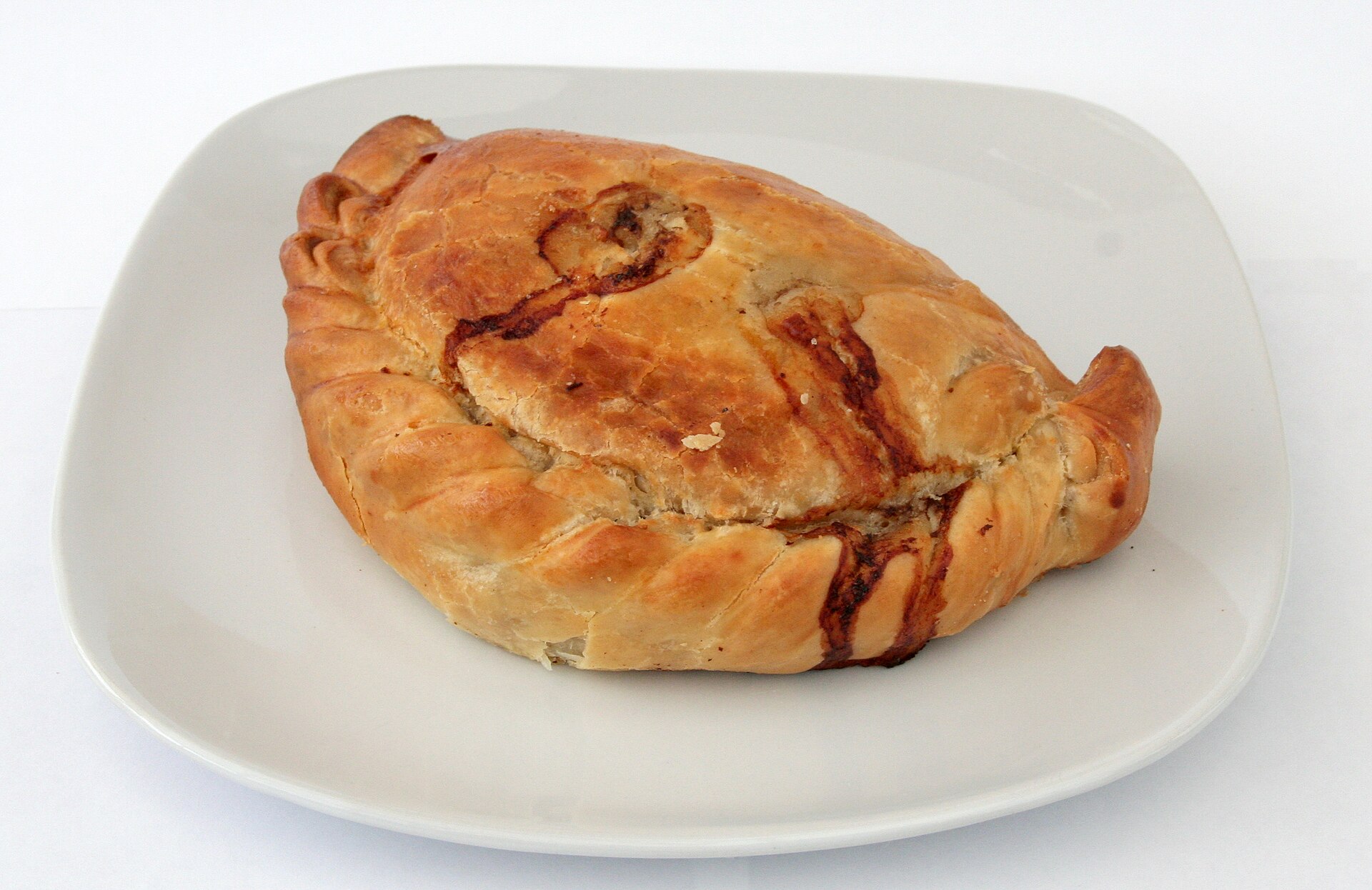 Photo: David Johnson / Wikimedia Commons (CC BY-SA 3.0)
Questions people actually ask.
Can I fly direct to this zone from the US?
Not directly into this zone itself. Newquay Cornwall Airport has no international long-haul service — it's domestic UK and short-haul European flights only. London (Heathrow) is the real US gateway, with strong nonstop service from roughly 30 US airports, then a genuinely long onward trip — about 4-5 hours by car or a direct GWR train (around 5 hours) from London Paddington to Newquay.
Do US citizens need anything special to enter the UK now?
Yes — this is a real, relatively new requirement worth knowing before you book. Since January 8, 2025, US citizens need a UK Electronic Travel Authorisation (ETA) before travel, currently £20 as of April 2026, valid for 2 years or until your passport expires, with most approvals landing within minutes. This is separate from and in addition to the visa-free 6-month tourist stay US citizens already have — every traveler, including children, needs their own ETA.
Which side of the road does the UK drive on?
The left — the opposite of every other European zone on this site, all of which drive on the right (France, Spain, Portugal). This is a real adjustment for American visitors renting a car: left-lane driving, right-hand-drive vehicles, and roundabouts that flow clockwise instead of counterclockwise. Budget extra caution for your first day behind the wheel.
Is the water actually cold here?
Yes, genuinely — this is a proper cold-water destination, a real gear-reality change from this site's Iberian and French zones. Summer water temperature peaks around 17-18°C (63-64°F); winter drops to 7-10°C (45-50°F). A 3/2mm wetsuit is the realistic summer minimum, not a 2mm warm-water suit, and winter means a 5/4mm plus boots, gloves, and a hood.
Disclosure & how this page works.
Straight talk: Some links on this page are affiliate links — if you book through them, Secrets of Surf Travel earns a small commission at no extra cost to you. We only link places and people we’d use ourselves, and coverage is never for sale. Those commissions are what keep this site running and fund the next trip.
Today, the “Search Vrbo rentals” and “Search Booking.com stays” links on this page are affiliate links — every vendor listing link is still a plain courtesy link. As partnerships with these local businesses come online, more links (and discount codes, where Secrets of Surf Travel benefits from their use) may earn us a commission, and this page will keep saying so plainly. Coverage is never for sale: nobody on this page paid to be here, and nobody can.
Every listing was researched in 2026 and is being verified in person. Prices, hours, and policies change — treat them as strong starting points and confirm directly with the business. And per the No-Reveal Code: you will find no surf spots on this page, ever.