
UK — Scotland
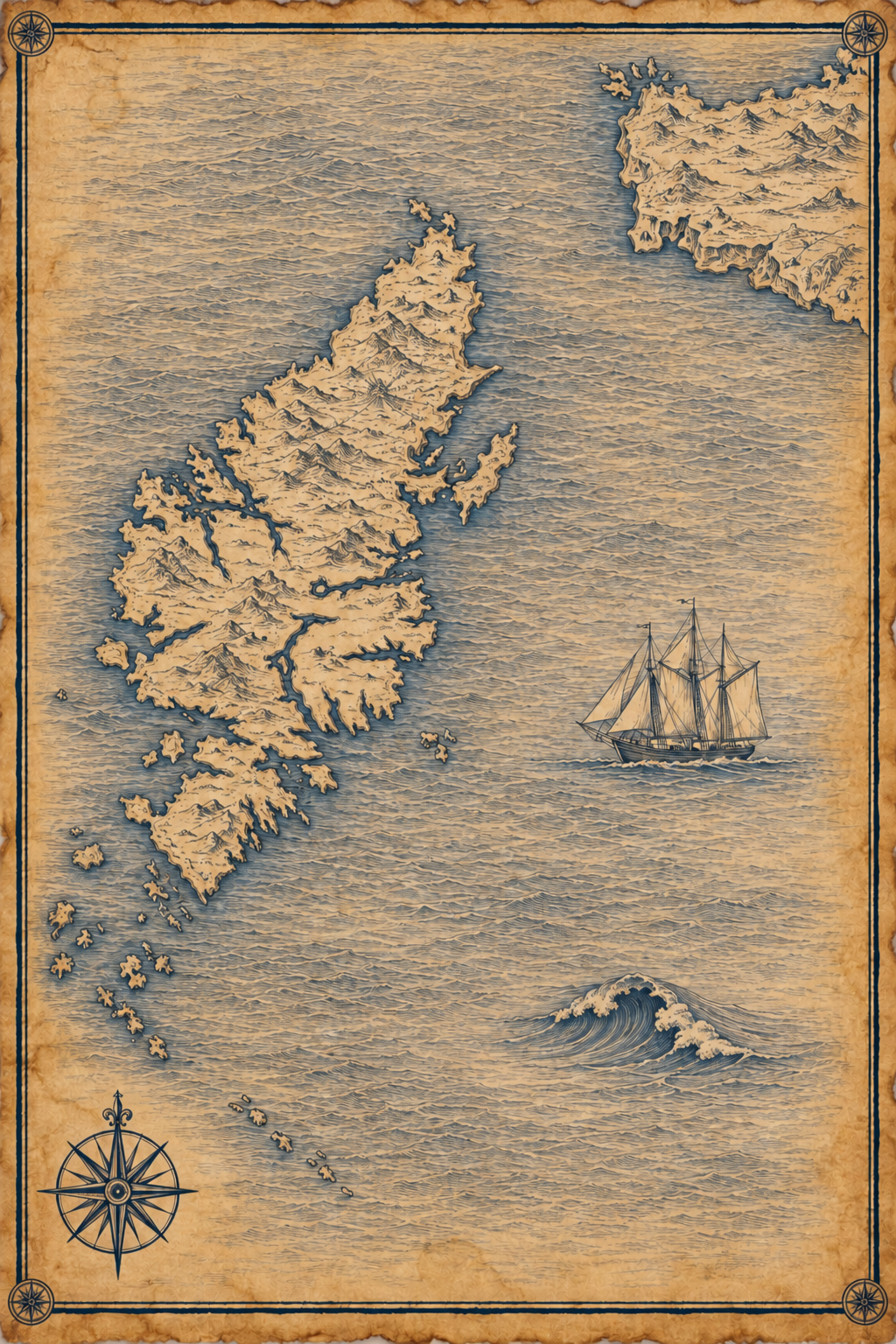
Three genuinely different corners of Scotland under one zone. Thurso, on the far-north mainland coast, is Britain's most northerly surf town — a cold-water pilgrimage site that once hosted the O'Neill Cold Water Classic. The Isle of Lewis and Isle of Harris share a single landmass in the Outer Hebrides, reached only by ferry or flight, with genuine Gaelic culture, ancient standing stones, and legally protected tweed. Stated honestly up front: this is Scotland's most remote zone on this site so far, and cold-water gear is not optional.

Straight talk: Some links on this page are affiliate links — if you book through them, Secrets of Surf Travel earns a small commission at no extra cost to you. We only link places and people we'd use ourselves, and coverage is never for sale. Those commissions are what keep this site running and fund the next trip.
Some vacation-rental search links on this page (marked "Search Vrbo rentals," "Search Booking.com stays," or "Search Agoda stays") are affiliate links. Every vendor link below is still a plain courtesy link. As more partnerships come online, more links may earn us a commission; the promise above holds either way.
Getting There
There is no direct US flight anywhere in this zone. The realistic routing for every hub starts the same way: a transatlantic flight into Edinburgh or Glasgow, both of which have genuine nonstop US service, then an onward domestic leg.
For Thurso: the nearest local airport, Wick John O'Groats (WIC), currently runs only a single subsidized route to Aberdeen — not a practical US-traveler connection. The real path is Edinburgh or Glasgow → Inverness Airport (INV) → a roughly 2-hour-18-minute drive north to Thurso.
For the Isle of Lewis: Stornoway Airport (SYY) is served directly by Loganair from Glasgow, Edinburgh, and Inverness, with up to four Inverness–Stornoway flights a day (about 30 minutes in the air). This is the most straightforward hub in the zone to reach.
For the Isle of Harris: there's no separate airport — fly into Stornoway and drive about 43 minutes south, or take the CalMac car ferry directly from Uig on the Isle of Skye to Tarbert (see Ground Transport below), which reaches Harris without touching Lewis at all.
Documents: Scotland is part of the United Kingdom, so the same entry rules from this site's England and Wales zones apply — US citizens get a visa-free 6-month tourist stay but also need a UK Electronic Travel Authorisation (ETA) before travel, currently £20, valid 2 years or until passport expiry.
Ground Transport
- This genuinely splits into a mainland trip and an island trip — but the two are more connectable than they first look. Thurso to Ullapool, the mainland ferry port for Lewis, is about 121 miles, roughly 2 hours 45 minutes by road. From there, a CalMac ferry crosses to Stornoway in about 2 hours 40 minutes. That's a real, driveable link — often built into a wider NC500-style Highland loop for travelers who want both — but it's a full day of travel each way, not a quick add-on. Most visitors plan Thurso and the Outer Hebrides as two separate trips.
- Isle of Lewis and Isle of Harris are one landmass — historically and administratively distinct, but road-connected by the A859, about 36 miles / 43 minutes between Stornoway and Tarbert. Once you're on the island, this genuinely is one coherent trip.
- A second, direct route onto Harris exists independent of Lewis: the CalMac car ferry from Uig, Isle of Skye, to Tarbert, about 1 hour 40 minutes, with 1-2 sailings a day. Vehicle pre-booking is recommended, and CalMac asks for arrival 45 minutes before departure.
- The UK still drives on the left, same as this site's England and Wales zones.
- A car is essential throughout this zone — public transport thins out fast north and west of Inverness, and neither Lewis nor Harris has a rail line.
When to Go & What to Pack
- This is the coldest-water zone on this site so far. Thurso and the Outer Hebrides sit at roughly 58-59°N — the same latitude band as Oslo and Moscow. Water bottoms out around 6-9°C (43-48°F) in late winter, and a 5/4mm to 6/5/4mm hooded wetsuit with 5mm boots and gloves is the standard year-round setup, thicker than every other UK or European zone on this site. Some winters have been cold enough for river ice to reach the surf zone at Thurso and shut sessions down entirely.
- Bring a full repair kit. No dedicated surfboard or wetsuit repair shop was found anywhere in this zone — Thurso, Lewis, and Harris alike. The nearest is hours south in the Scottish Borders. Resin, a ding kit, a spare fin, and wax are genuinely not optional here.
- Crowds are minimal virtually everywhere in this zone — a function of genuine remoteness rather than any local secrecy effort. Thurso East drew enough attention to host the O'Neill Cold Water Classic on the ASP tour starting in 2006, but it remains an obscure corner of the UK by any normal travel measure.
Good to Know
- Currency, emergency numbers, and the UK ETA requirement carry over unchanged from this site's England and Wales zones: GBP, 999 (with 112 also working UK-wide), and the same visa-free 6-month tourist stay plus mandatory Electronic Travel Authorisation.
- Gaelic is a real, actively spoken language across Lewis and Harris — not folklore, though genuinely declining. Outer Hebrides-wide, Gaelic speakers fell below half the population for the first time in the 2022 Census (45%, down from 52% in 2011), a drop of roughly 2,600 speakers in eleven years. As recently as the early 20th century, over 75% of parishes here were Gaelic-speaking.
- Sabbath observance still genuinely shapes Sunday business hours on the Isle of Lewis — a real, distinctive planning fact, not a stereotype. Most independent shops, cafés, and petrol stations close on Sundays, though this has relaxed somewhat in recent years (Sunday ferry sailings began in 2009). Fuel up, eat, and rent gear on Saturday if visiting Lewis; a small number of businesses noted below are open Sundays.
Respecting the Locals
Thurso's small, hardcore cold-water crew earned this coast's reputation the hard way — showing up through genuinely brutal winters long before an ASP tour event ever put the town on a surf map, and they're still the ones out there when the water is cold enough to ice up. The Outer Hebrides carry their own weight entirely apart from surfing: a living Gaelic language and a Sabbath-observant culture on Lewis that shape daily life whether or not a visitor is there to see it. Respect both — the ones who built this cold-water culture, and the community whose Sunday customs aren't there for tourists to work around.
- Locals get first priority, always. Watch a session before you paddle out. Learn who's who before you learn the wave. Sit inside and catch what they let through — the leftovers are yours, not the set waves.
- Don't backpaddle. Ever. Being in position doesn't make the next wave yours, especially if you didn't wait your turn. If a local wants a wave, let them have it…even if it IS your turn. That older guy who may not be the best surfer out there has probably been surfing that wave before you even sat on a board. If you don't know someone, assume they're local.
- Don't snake. This shouldn't even need to be said, but…dropping in on someone, local or not, is the ultimate disrespect and the fastest way to be sent out of the water. Don't be that guy!
- Say hi. A “howzit,” “whatsup,” or “nice wave,” eye contact, or a nod in the channel — it costs nothing and it's the fastest way from stranger to welcome.
- This is somebody's home, not a resort amenity. The break you're surfing is where a local kid learned to swim, where someone's uncle has surfed for forty years. Act like a guest, because you are one.
- Spend where it actually helps. The food truck, the local shaper, the family-run rental, the local photographer — that's where a surf trip's money should land, not just the chain hotel gift shop. See The No-Reveal Code for why that's the whole premise of this site.
- Leave it better than you found it. Pick up trash that isn't yours. Don't touch reef, wildlife, or cultural sites.
Locals have watched hundreds, if not thousands, of people come and go — some for days, some for months or years — and almost all of them eventually go home. The locals are still there. It takes many, many years to actually become one. Keep that in mind the next time you feel entitled to the same waves they get.
None of this is a secret handshake. It's just how you'd want a guest to act in your own backyard.
Thurso
Britain's most northerly town, on Scotland's far-north Caithness coast. A genuine cold-water surf pilgrimage site — obscure by most travel measures, but well known enough in surfing circles to have hosted the O'Neill Cold Water Classic. Scrabster, Thurso's harbor about 2 miles away, is also the mainland's jumping-off point for Orkney.
Surf Schools & Board Rental
- North Coast WatersportsDunnet, near ThursoBilled as the UK's most northerly surf school; instruction, SUP, kayak, wetsuit and board hire, free foam roof racks, even sauna add-ons. northcoastwatersports.com · Instagram · Facebook"Top advice, top board rental! We recommend 100%." — reviewer
A second long-running operator, Thurso Surf School, is locally cited but its current operating status couldn't be confirmed — treat North Coast Watersports as the verified active option.
Stays
- Forss House HotelForss, on the Thurso–Scrabster roadLuxuryGeorgian country house built 1810 on 20 acres along the River Forss. forsshousehotel.co.uk · Instagram · Facebook
- Pennyland House B&BEdge of ThursoMid-range200+ year old building with views toward the Orkney Islands. pennylandhouse.co.uk"You arrive a guest and leave a friend." — reviewer
- Castletown HotelCastletown, ~4 miles east on the NC500Mid-rangeLocally-sourced dining, geared toward NC500 travelers. castletownhotel.co.uk · Facebook
- Windhaven Camping and B&BThursoBudgetBeachfront property with garden. windhaven.co.uk · Facebook
Where to Eat
- The Captain's Galley Seafood RestaurantThe Harbour, Scrabster (~2 miles)Multi-award-winning; steps from the fish market, seasonal local seafood menu. captainsgalley.co.uk · Facebook
- BydandThursoUpscale European-influenced menu; the town's standout fine-dining option by local review standing. bydandthurso.com · Facebook
- Thurso Community CaféThursoBudgetVolunteer-run, donation-based; proceeds support local care-home residents. thursocommunitycafe.co.uk · Facebook
Wheels
- DunnetsMansons Lane, ThursoFord dealership established 1899, authorized Ford dealer since 1919; self-drive car and van hire. dunnets.co.uk · Facebook
- Thurso OnBoardThursoCommunity interest company running e-bike hire around town. Map
Surfboard & Wetsuit Repair
No dedicated repair shop found in Thurso — see the packing note above.
Massage & Wellness
- Revival WellbeingOrmlie Industrial Estate, ThursoSwedish, hot stone, and sports massage. revivalwellbeing.com · Instagram
- The Small Massage RoomTraill Street, ThursoKobido facial massage alongside Thai-yoga-assisted stretching. Facebook · Instagram
Other Adventures
- Wolfburn DistilleryThursoMid-rangeScotland's most northerly whisky distillery — see Local Secrets. wolfburn.com · Instagram · Facebook
- Castle of MeyMey, ~6 miles eastMid-rangeFormer home of Queen Elizabeth the Queen Mother, gardens open to visitors — see Local Secrets. castleofmey.org.uk · Instagram · Facebook
- John o' Groats~20 miles eastBudgetThe famous "Land's End to John o' Groats" endpoint and seasonal Orkney ferry point — though not, as commonly assumed, Britain's actual northernmost point. Map
Isle of Lewis
The northern, flatter, peat-covered part of the Outer Hebrides' main island, based around Stornoway — the whole landmass's only town of real size and its transport hub. Home to the Calanais Standing Stones, the Lewis Chessmen story, and a still-real Gaelic-speaking, Sabbath-observant culture.
Surf Schools & Board Rental
- Hebridean SurfLower Barvas, west coast of LewisEstablished 1995 — one of the longest-running surf operations in Scotland. hebrideansurf.co.uk · Map
- SurfLewis & HarrisSandwick, near StornowayASI-approved instruction covering beaches on both Lewis and Harris. surflewis.com · Facebook"Safety-conscious, professional, encouraging." — reviewer
Stays
- Woodside Guest HouseStornowayBudget15 miles from Calanais, 16-minute walk from Museum nan Eilean. Map
- Caladh InnStornowayMid-rangeStornoway's largest hotel, half a mile from the ferry terminal. caladhinn.co.uk · Facebook"The crowning memory will be the food, which is absolutely excellent." — reviewer
- Hebridean Guest HouseStornowayMid-range4-star, 10-minute walk to the arts centre, half a mile from the museum. hebridean-guest-house.co.uk · Facebook
- Cabarfeidh HotelStornowayLuxury4-star, about 2 miles from Stornoway Airport. cabarfeidh-hotel.co.uk · Instagram
Where to Eat
- The Boatshed RestaurantRoyal Hotel, Stornoway HarbourAA Rosette-awarded — one of the few Stornoway restaurants open Sundays. royalstornoway.co.uk · Instagram · Facebook
- Bangla SpiceCentral StornowayBudgetIndian restaurant with a wide vegetarian selection. Facebook
- Eleven Restaurant & BarInside the Caladh Inn, StornowayMid-rangeBritish comfort food. caladhinn.co.uk · Instagram
Wheels
- Stornoway Car HireNear the ferry terminal, StornowayMinutes from the ferry terminal, bus station, and town centre. stornowaycarhire.co.uk · Instagram · Facebook
- AD Cycle CentreStornowayBike sales, repair, and hire. ad-cycles.co.uk
Surfboard & Wetsuit Repair
No dedicated repair shop found on Lewis — see the packing note above.
Massage & Wellness
- Hebridean SpaTong Road, StornowayBilled as Scotland's most remote health spa; a hand-crafted wood-fired sauna overlooking Tong Beach. hebspa.co.uk · Instagram · Facebook
- Inner HarbourNorth St, StornowaySwedish massage and sea-inspired wellness treatments. innerharbour.co.uk · Instagram · Facebook
Other Adventures
- Lews Castle & Museum nan EileanStornowayBudgetFree entry; holds loaned pieces of the Lewis Chessmen — see Local Secrets. lews-castle.co.uk · Instagram · Facebook
- An LanntairCentral StornowayBudgetArts centre and cinema with up to six major exhibitions a year. lanntair.com · Instagram · Facebook
- Stornoway Seafari & Immerse HebridesStornoway Inner HarbourMid-rangeSeasonal wildlife boat tours for dolphins, seals, puffins, and sea eagles. Stornoway Seafari: stornowayseafari.com · Instagram · Facebook. Immerse Hebrides: immersehebrides.com · Instagram
Isle of Harris
The southern, genuinely more mountainous half of the same landmass as Lewis, based around Tarbert, the narrow valley town where North and South Harris meet. Home to the legally protected Harris Tweed trade, the famously white Luskentyre sands, and Scotland's newest whisky distillery.
Surf Schools & Board Rental
No school is physically based on Harris — SurfLewis & Harris and Hebridean Surf (listed under Isle of Lewis above) both run instruction across Harris beaches from a Lewis base.
Stays
- The Backpackers StopMain Street, TarbertBudget22-bed bunkhouse steps from the ferry terminal, self-catering kitchen. backpackers-stop.co.uk · Facebook
- Harris HotelTarbertMid-rangeFamily-owned and run for over 100 years, in a building dating to 1865. harrishotel.com · Instagram
- Hotel HebridesTarbertMid-rangeBoutique hotel near the ferry terminal, restaurant and separate bar. hotel-hebrides.com · Instagram · Facebook
- Ceol na Mara Guest House~1 mile from the Tarbert ferry terminalMid-range/UpperAA 5-star award-winning B&B, ranked #1 of 21 in Tarbert. ceolnamara.com · Facebook"How accommodation should be run... breathtaking views." — reviewer
- Ardhasaig House Hotel and RestaurantArdhasaig, near TarbertLuxurySmall award-winning hotel set against the Harris Hills, overlooking West Loch Tarbert. ardhasaig.co.uk · Instagram · Facebook"Of all the places we stayed in the Outer Hebrides this was the best." — reviewer
Where to Eat
- Pierhouse Café and RestaurantTarbertFormal dining using locally sourced produce, plus casual bar food at the attached Mote bar. hotel-hebrides.com · Instagram
- Talla na MaraNorthton, West HarrisBudgetCommunity-owned arts and visitor centre café, opposite Nisabost beach; genuinely run by the West Harris Trust, not a private operator. westharristrust.org · Instagram · Facebook
- The Machair KitchenNear Talla na MaraMid-rangeSeafood, steak, soup, and sandwiches — noted for one of the best views on the island. Map
Wheels
- Car Hire HarrisHarris Garage, TarbertFamily-run, offers both cars and bikes. carhireharris.co.uk
- AdventraCentral TarbertVehicle hire beside the Harris Hotel, walking distance from the ferry terminal. adventra.co.uk
Surfboard & Wetsuit Repair
No dedicated repair shop found on Harris — see the packing note above.
Massage & Wellness
No standalone massage or wellness business found on Harris itself — the nearest real option is Hebridean Spa in Stornoway, Isle of Lewis (a different hub).
Other Adventures
- Isle of Harris DistilleryTarbertMid-rangeScotland's newest single malt story — see Local Secrets. harrisdistillery.com · Instagram · Facebook
- Harris Tweed shopsCentral TarbertBudgetTwo adjacent shops — finished goods and cloth by the metre — with pre-arranged weaving demonstrations for groups. harristweedisleofharris.co.uk · Instagram · Facebook
- Harris Outdoor Adventure CentrePier Road, TarbertMid-rangeSea/surf kayaking, sailing, and land-yachting tuition. Map
Local Secrets
Twelve non-surf reasons this zone rewards the curious — stones older than Stonehenge, a chess set carved a thousand miles from where it was found, a fabric protected by its own Act of Parliament, and a lighthouse tower more genuinely northerly than the famous signpost everyone photographs instead.
- Dunnet Head — Britain's Real Northernmost Point Any time; autumn/winter storm swells add drama, clear days show Orkney across the firth
Built in 1831 by Robert Stevenson — of the famed lighthouse-engineering family, grandfather of author Robert Louis Stevenson — this lighthouse marks the true northernmost point of the British mainland, automated since 1989 and now monitored remotely from Edinburgh. Dunnet Head sits about 2.35 miles further north than John o' Groats, whose fame comes only from the "Land's End to John o' Groats" traveling expression, not actual geography — a genuinely underused fact even among UK travelers.
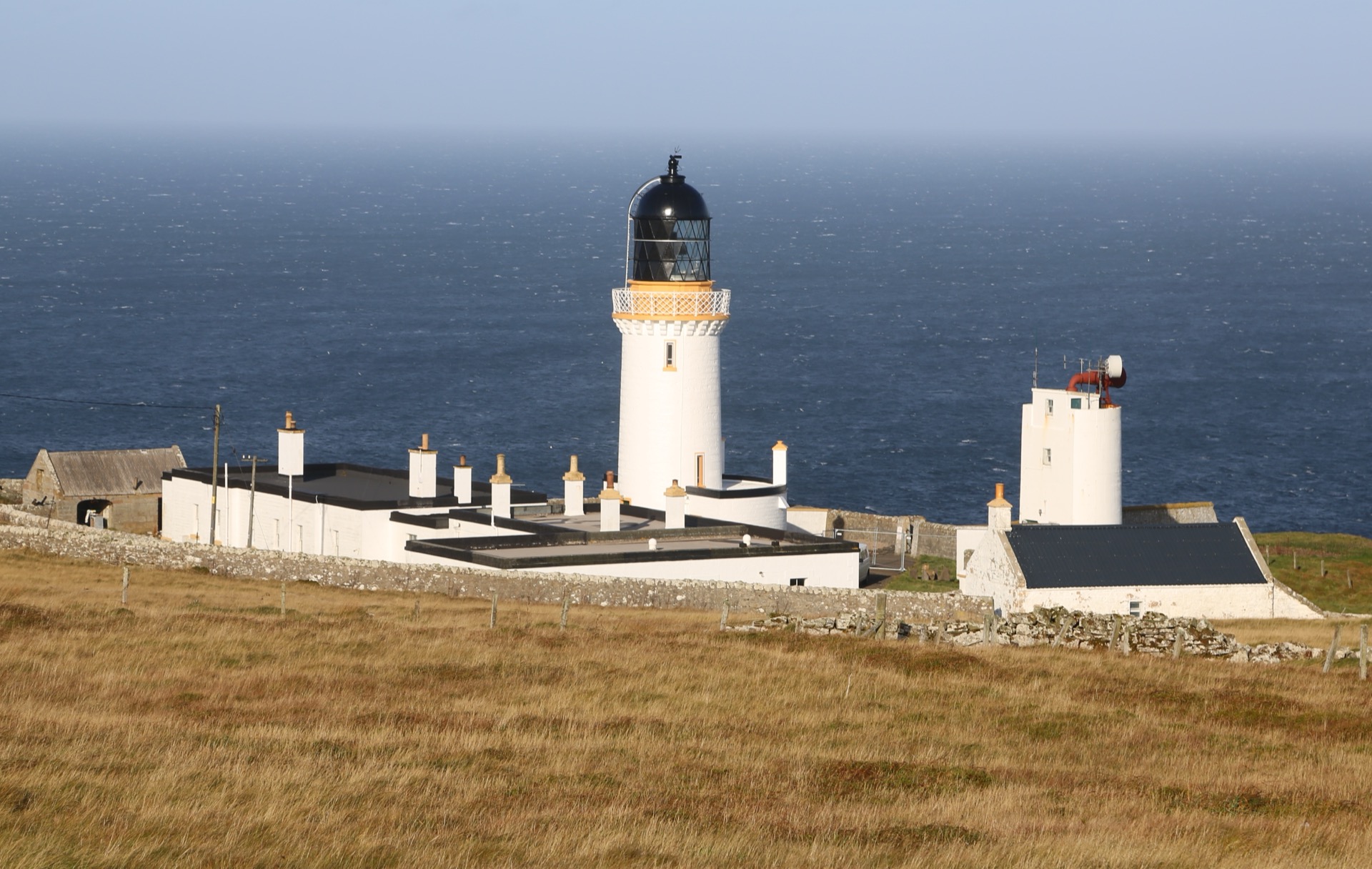 Photo: Geni / Wikimedia Commons (CC BY-SA 4.0)
 - Castle of Mey — Rescued by a Queen Gardens open seasonally to visitors; check current opening dates
Built roughly 1566-1572 as Barrogill Castle by George Sinclair, 4th Earl of Caithness, its early history is genuinely bloody — the Earl's son William was murdered in 1573 by his own imprisoned elder brother in a revenge killing. By 1952 the castle stood derelict until Queen Elizabeth the Queen Mother, widowed less than six months, bought it on a visit to Caithness, restored it and its gardens by 1955, and summered there for over 40 years until her death.
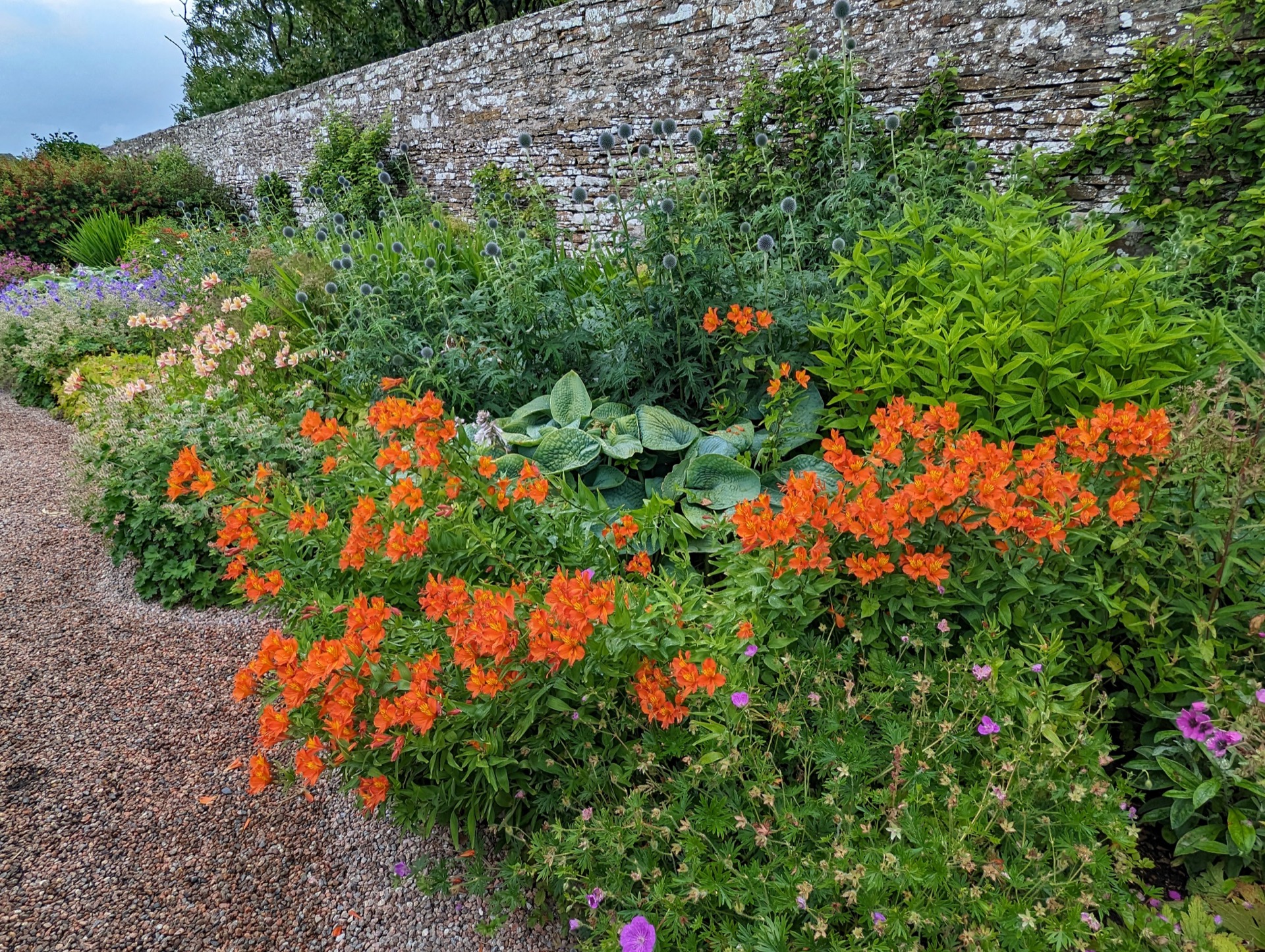 Photo: PaulT (Gunther Tschuch) / Wikimedia Commons (CC BY-SA 4.0)
 - Castle of Old Wick Daylight hours; the cliff-edge tower has no barriers, take care in wind
Traditionally attributed to Norse Earl Harald Maddadson in the 1100s, the surviving four-story tower on this narrow sea-cliff spine near Wick — nicknamed "the Old Man of Wick" — actually dates to the 14th century or later; the Norse origin story is flagged by historians as traditional, not proven. Real documented history includes an eight-day siege in 1569 during the Sutherland-Sinclair feud, which ended only when the defenders ran short of fresh water.
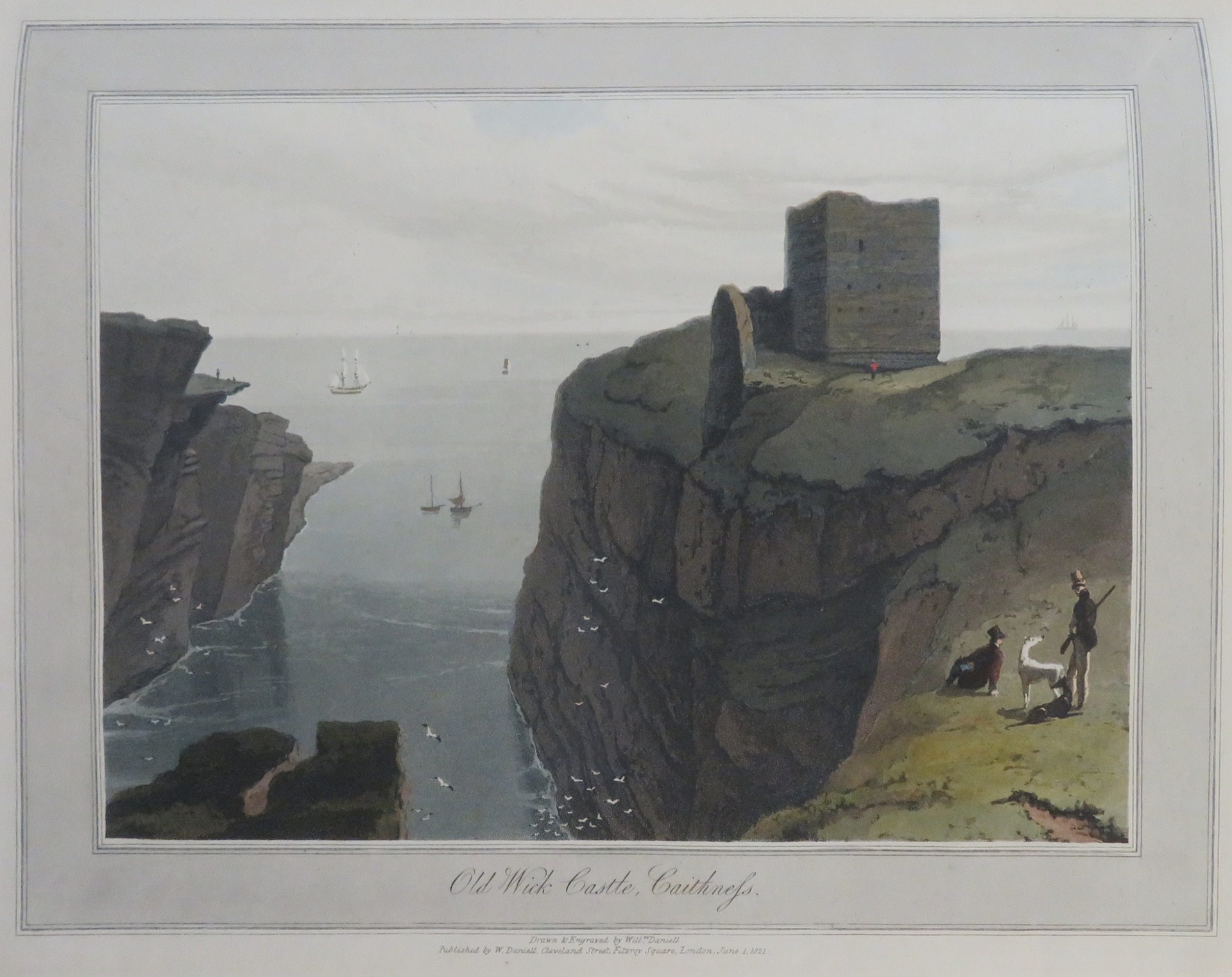 William Daniell, 1821 engraving / Wikimedia Commons (Public Domain)
 - Wolfburn Distillery — 160 Years Dormant Year-round; book a tour ahead in peak summer
The original Wolfburn distillery, founded 1821, was Caithness's largest whisky producer by the 1820s before closing in the 1860s-70s. The site sat dormant for over 160 years until a new distillery of the same name was built a short walk from the original foundations, restarting production in 2013 and releasing its first single malt in 2016 — marketed accurately as the most northerly whisky distillery on the Scottish mainland.
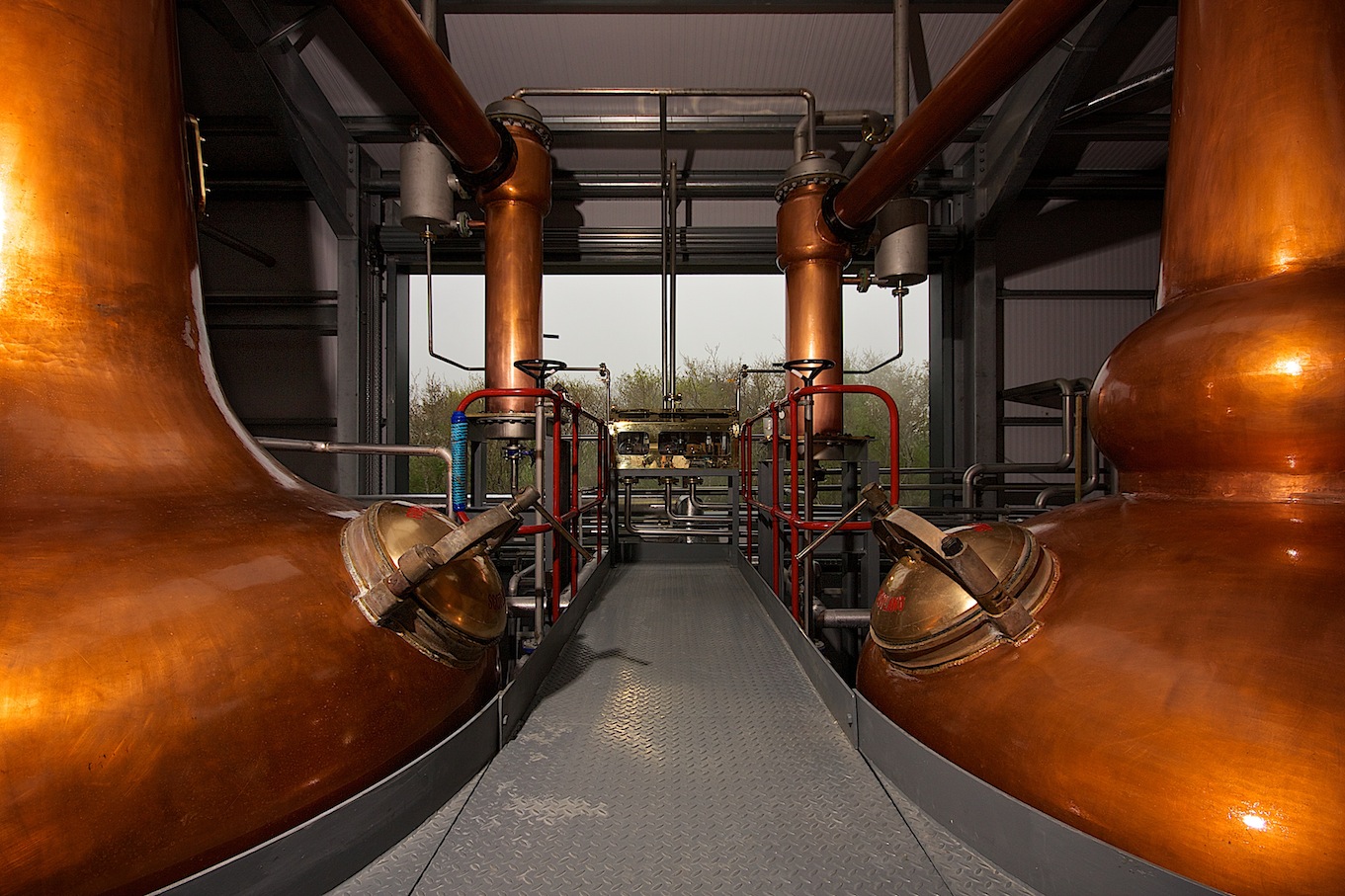 Photo: Htayler / Wikimedia Commons (CC BY-SA 4.0)
 - Calanais (Callanish) Standing Stones — Older Than Stonehenge Major lunar standstill years for the horizon-skimming moonrise (roughly every 18.6 years); otherwise any clear evening
Erected roughly 2900-2600 BC from Lewisian Gneiss — among the oldest exposed rock on Earth — predating the main stone circle at Stonehenge. Local Gaelic folklore calls the stones "the false men," giants turned to stone for refusing Christianity — pure legend, not history. A real, archaeoastronomically documented phenomenon does occur here: during the major lunar standstill, the moon appears to skim along the horizon hills before rising, though the stones' builders' actual intent remains unproven.
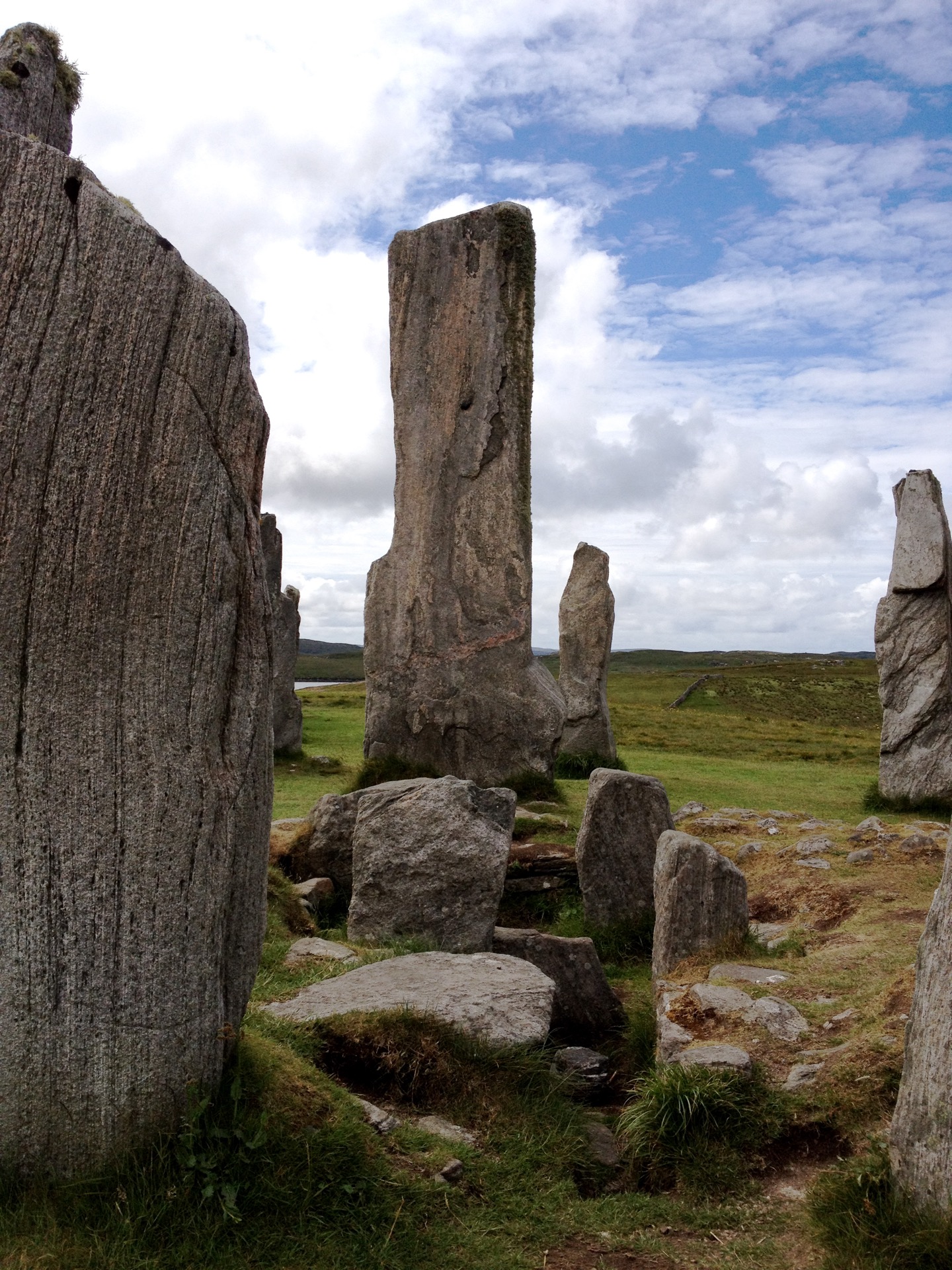 Photo: LornaMCampbell / Wikimedia Commons (CC BY-SA 4.0)
 - The Lewis Chessmen Museum nan Eilean open year-round; check current hours before visiting
94 objects carved from walrus ivory and whale teeth were found in 1831 near Uig Bay on Lewis's west coast, traditionally credited to a local crofter though the actual discovery accounts are contradictory. Most originals now live in the British Museum and National Museums Scotland — not on Lewis itself — but Museum nan Eilean in Stornoway displays loaned pieces, and the giant reproduction sculptures at Lews Castle are Lewis's own. Long attributed to 12th-century Trondheim workshops, the origin is genuinely disputed; some scholars argue for Iceland instead, a theory strengthened by a 2010 find at Siglufjörður.
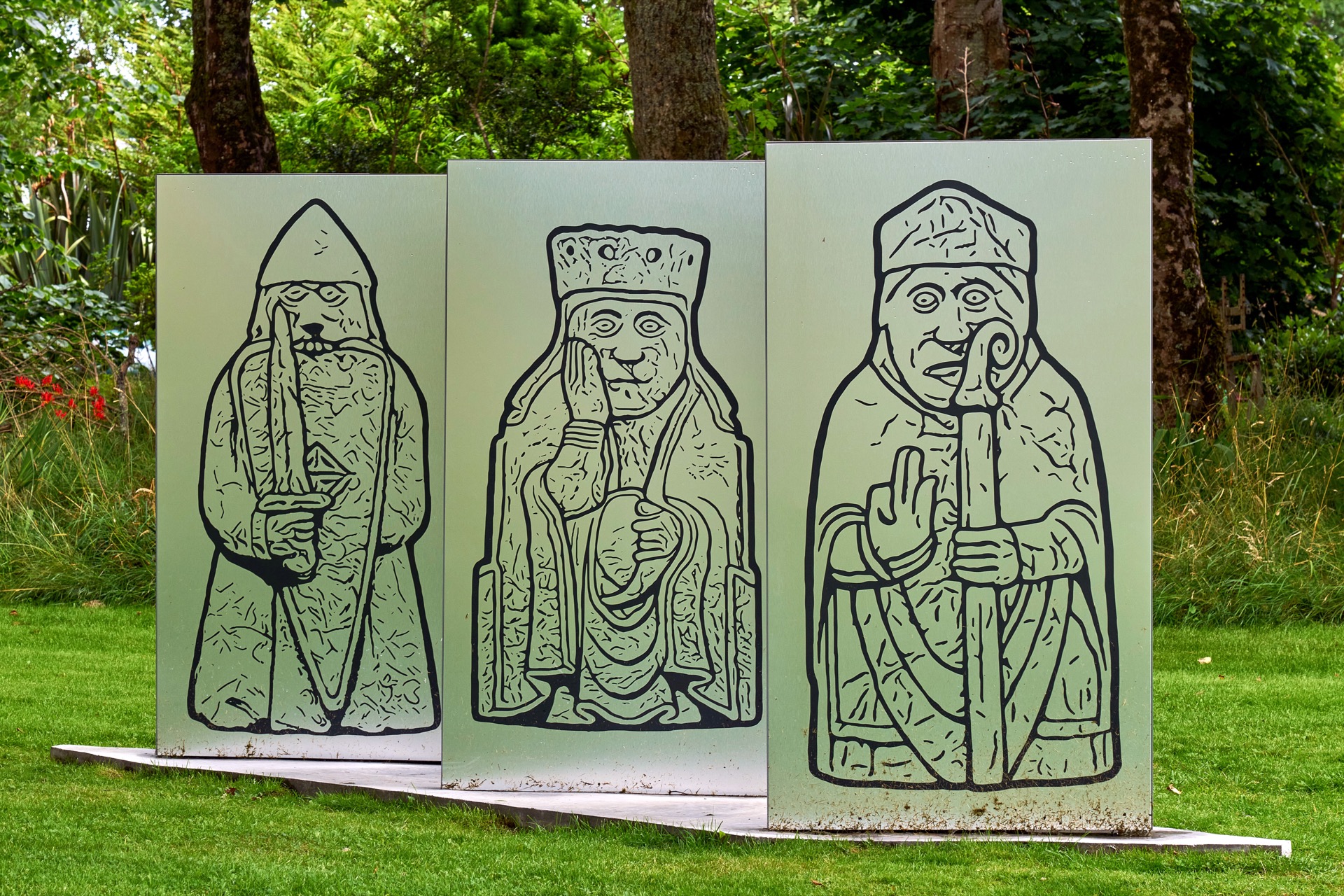 Photo: Virtual-Pano / Wikimedia Commons (CC BY-SA 4.0)
 - Gearrannan Blackhouse Village Year-round; self-catering blackhouse stays bookable ahead
This coastal crofting village north of Carloway has been occupied since ancient times, with its current blackhouse layout — double-thickness stone and turf walls, thatched roofs — dating to the 19th century. The last residents left as recently as the 1970s. In 1989 the local trust Urras nan Gearrannan began restoring the site; some blackhouses are now self-catering holiday lets, distinct from the separate, unmodified Arnol Blackhouse Museum nearby.
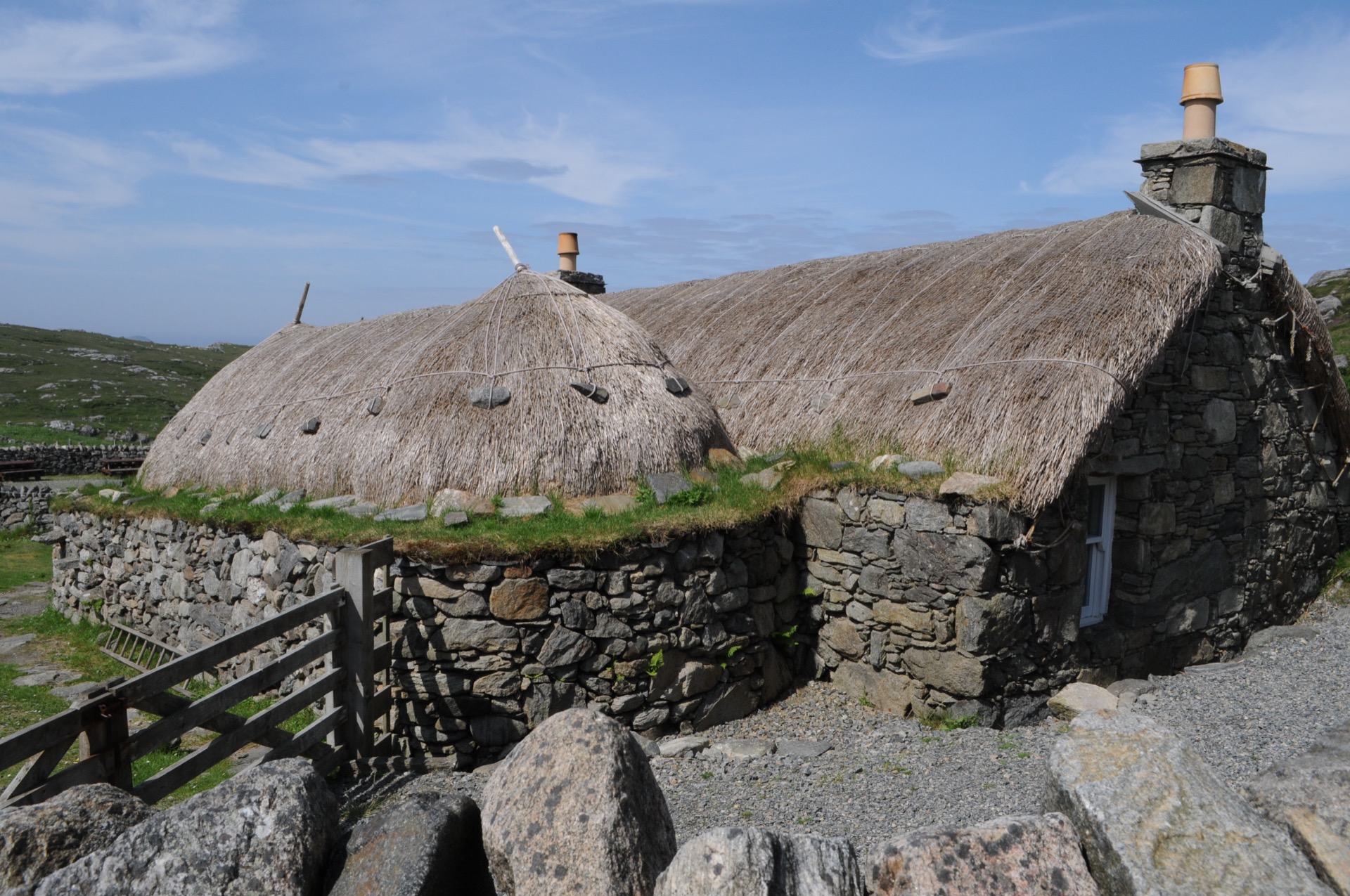 Photo: Dorothea Witter-Rieder / Wikimedia Commons (CC BY-SA 3.0)
 - Butt of Lewis Lighthouse — the UK's Windiest Point Any time; genuinely exposed to Atlantic weather, dress for wind regardless of season
Built in 1862 by David and Thomas Stevenson — David was grandfather of author Robert Louis Stevenson — for the Northern Lighthouse Board, this lighthouse ran on fish and vegetable oil until 1869, then paraffin until 1976, then electricity, before automation in 1998 ended 136 years of continuous on-site keepers. According to Guinness World Records, it marks the windiest spot in the UK.
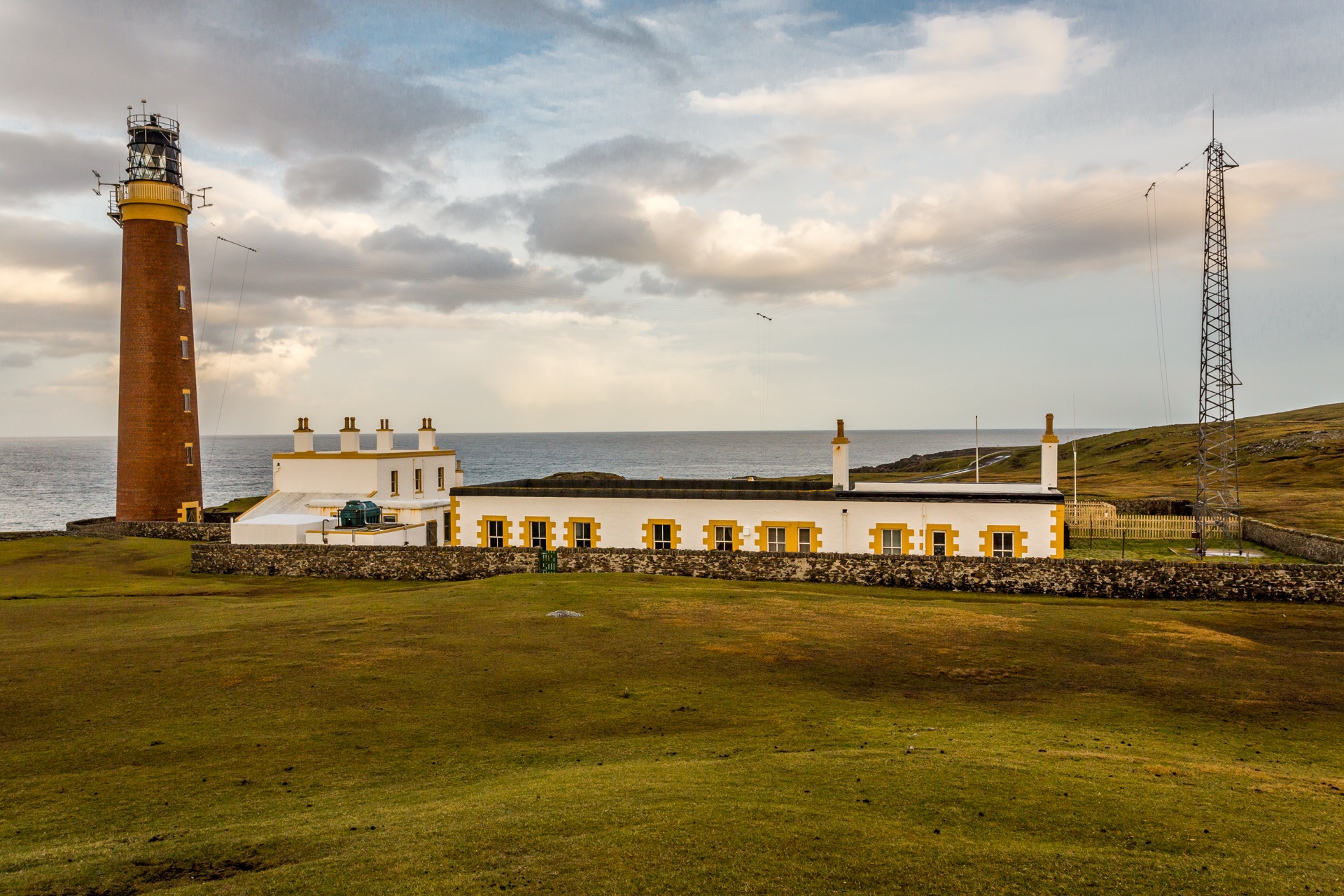 Photo: Alan Jamieson / Wikimedia Commons (CC BY 2.0)
 - St Clement's Church, Rodel Year-round; a genuine day-trip anchor at Harris's southern tip
Built from around 1520 by Alasdair "Crotach" MacLeod, 8th chief of Clan MacLeod, this cruciform church with a square west tower is generally regarded as the grandest surviving medieval building in the Western Isles. Inside is MacLeod's own tomb, carved in 1528 — two decades before his death — with mural panels Historic Scotland calls "the finest ensemble of late medieval sculpture to survive anywhere in the Western Isles." The exterior also carries real, catalogued carved figures, including a sheela-na-gig, whose original purpose is genuinely debated by historians rather than settled fact.
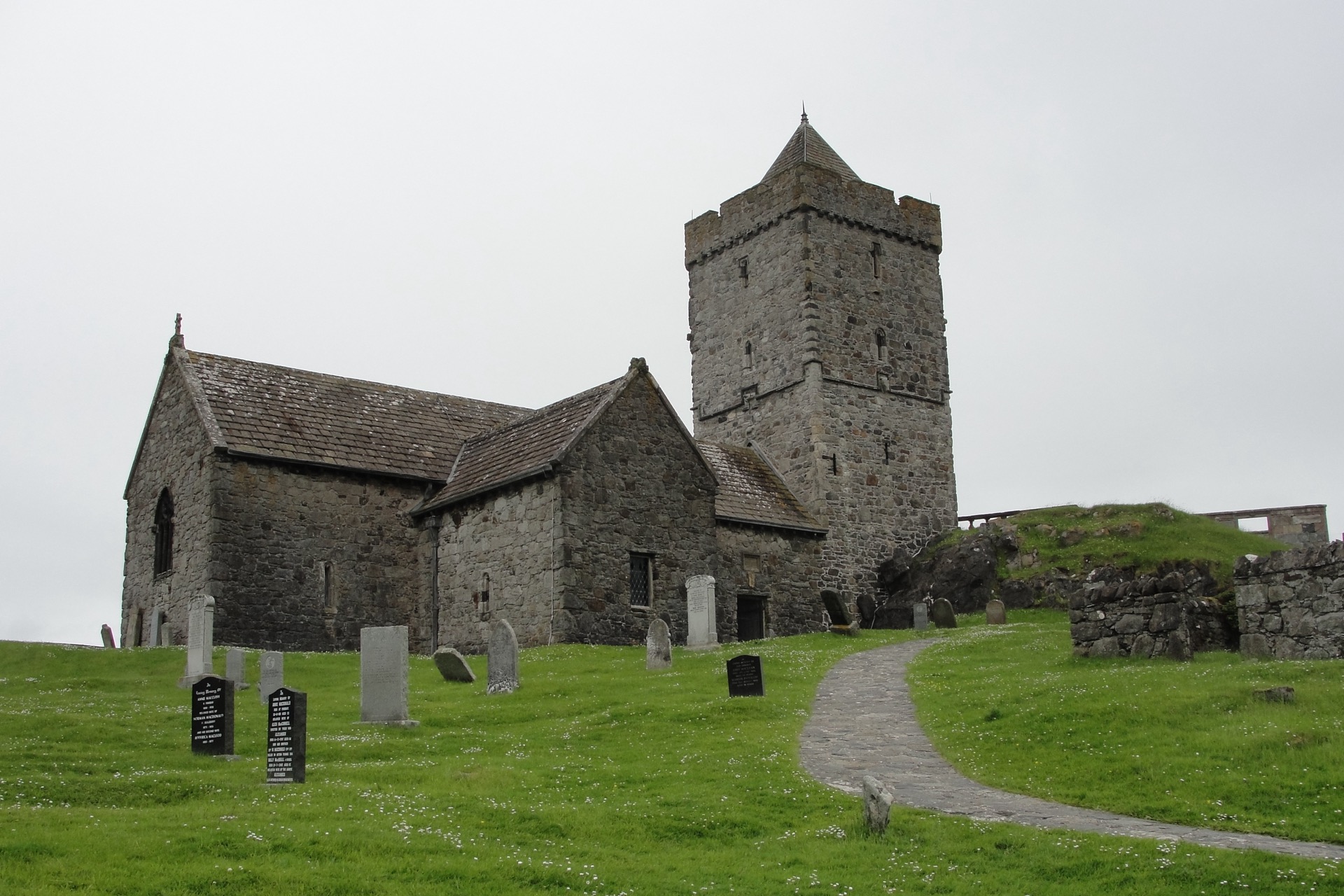 Photo: Nessy-Pic / Wikimedia Commons (CC BY-SA 3.0)
 - Luskentyre Beach's Real White Sand Low tide for the widest sand exposure; golden hour for the classic turquoise-water photos
This west-coast Harris beach's brilliant white sand comes from finely crushed shell and marine-life fragments ground by Atlantic wave action into calcium-carbonate powder — a real, scientifically explainable optical effect, not just marketing language. It has repeatedly placed in TripAdvisor's Travellers' Choice rankings, including 7th-best in Europe in 2022. Marketing copy commonly calls it a "coral beach" — more precisely, it's shell-sand with only some ancient coral content, not coral-reef-dominant.
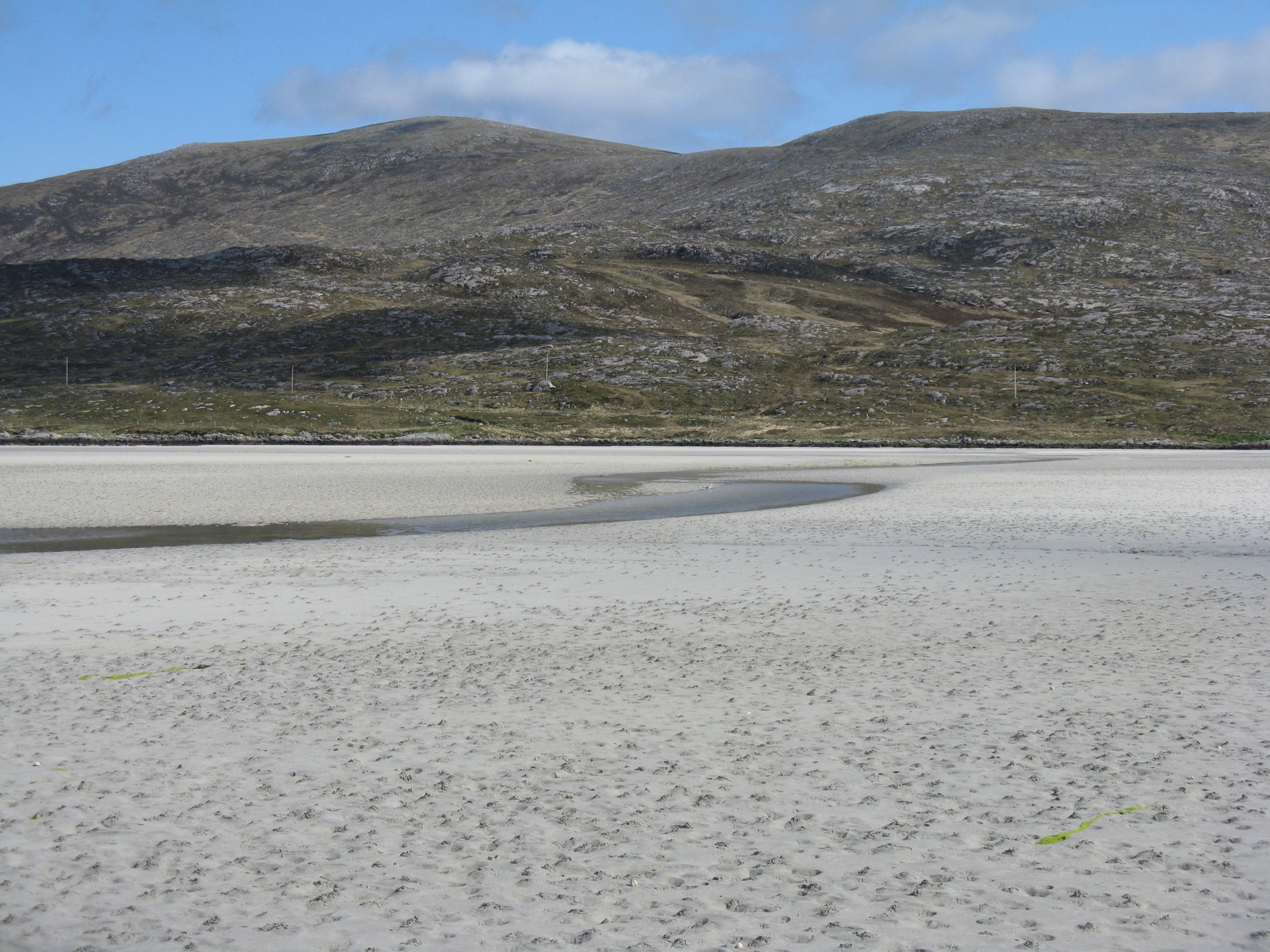 Photo: M J Richardson / Wikimedia Commons (CC BY-SA 2.0)
 - Isle of Harris Distillery — Built to Keep People Home Tours run year-round; book ahead in peak summer
Incorporated in 2007 by musicologist Anderson Bakewell specifically to counter Harris's declining population by creating year-round local jobs, this £10 million distillery opened in Tarbert in September 2015 — the first legal distillery ever built on Harris — and has grown to roughly 45 staff, by far the island's largest employer. Harris Gin launched first; the flagship single malt, "The Hearach," was distilled from November 2018 but not commercially released until May 2023 — worth stating precisely, since "first Harris whisky" claims sometimes blur that gap.
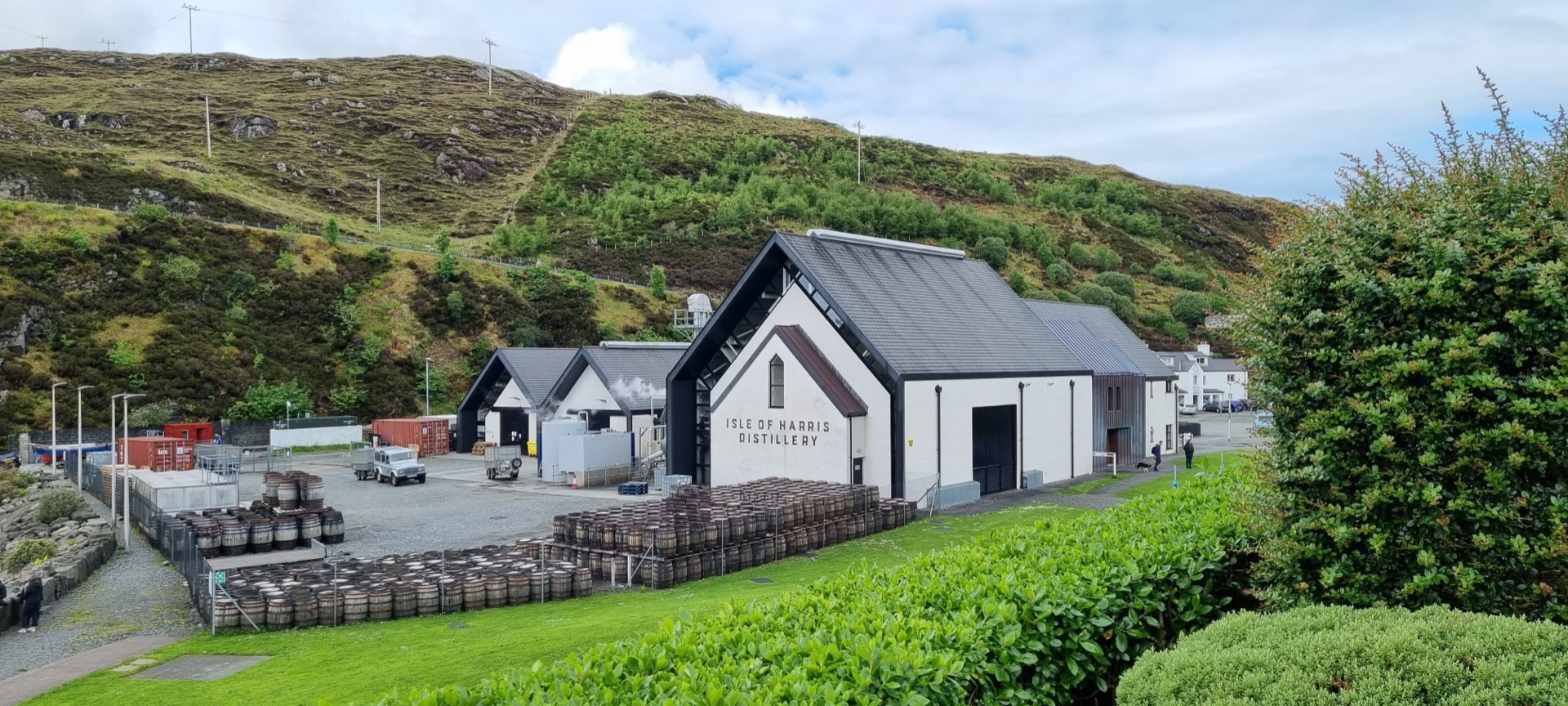 Photo: Coldupnorth / Wikimedia Commons (CC BY-SA 4.0)
 - Harris Tweed — Protected by Its Own Act of Parliament Weaving demonstrations pre-arranged for groups at the Tarbert shops; year-round
The Orb certification mark, registered in 1909, is one of the world's earliest such marks. The Harris Tweed Act 1993 is genuinely unique legislation — the only Act of Parliament anywhere passed to protect a single named cloth — creating the statutory Harris Tweed Authority, empowered to pursue counterfeit cases in over 50 countries. By law, genuine Harris Tweed must be handwoven by islanders at their own homes in the Outer Hebrides, from pure virgin wool dyed and spun locally — a real legal definition, not a marketing claim.
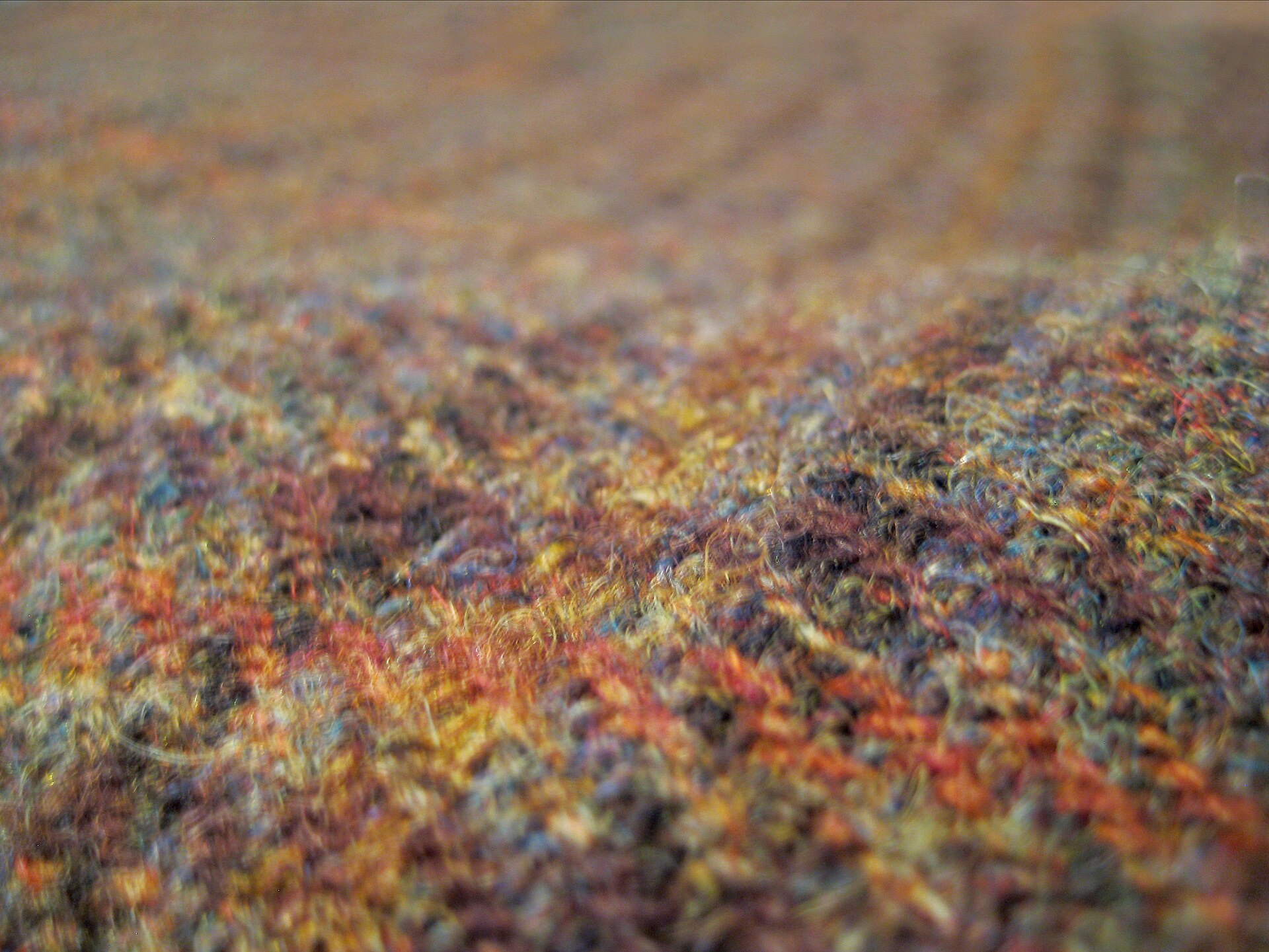 Photo: Lupus in Saxonia / Wikimedia Commons (CC BY-SA 4.0)
Questions people actually ask.
Is this one coherent Scotland trip?
Not casually, but it is genuinely connectable if you want it to be. Thurso sits on the Scottish mainland's north coast; the Isle of Lewis and Isle of Harris are Outer Hebridean islands reached by ferry or flight, not by road. Thurso to Ullapool (the mainland ferry port for Lewis) is about 121 miles, roughly 2 hours 45 minutes, then a 2-hour-40-minute CalMac crossing to Stornoway. That's a real, driveable connection — often built into a wider NC500-style Highland loop — but it's a full day of travel each way, not a quick hop. Most visitors treat Thurso and the Outer Hebrides as two separate trips.
Which airport should I fly into?
There's no direct US flight anywhere in this zone. The realistic routing for any hub is a transatlantic flight into Edinburgh or Glasgow (both have real nonstop US service), then an onward Loganair flight or a long drive. For Thurso, connect to Inverness Airport and drive about 2 hours 18 minutes north. For Isle of Lewis, connect directly to Stornoway Airport via Loganair from Glasgow, Edinburgh, or Inverness. For Isle of Harris, either fly into Stornoway and drive about 43 minutes south, or take the direct CalMac ferry from Uig on the Isle of Skye straight to Tarbert.
Do I need to plan around Sunday closures on the Isle of Lewis?
Yes — this is a real, worth-knowing local norm, not folklore. Lewis remains one of the last strongholds of Sabbath observance in Britain, and most independent shops, cafés, and petrol stations still close on Sundays, though this has relaxed somewhat in recent years (Sunday ferry sailings began in 2009, and some larger stores now open limited Sunday hours). Fuel up, eat, and rent gear on Saturday if you're visiting Lewis, and check specific business hours before a Sunday plan.
Do the same UK entry rules apply here as in England and Wales?
Yes — Scotland is part of the United Kingdom, so the same rules from this site's England and Wales zones apply: US citizens get a visa-free 6-month tourist stay but also need a UK Electronic Travel Authorisation (ETA) before travel, currently £20, valid 2 years. Same GBP currency, same left-hand driving, same 999/112 emergency numbers.
Disclosure & how this page works.
Straight talk: Some links on this page are affiliate links — if you book through them, Secrets of Surf Travel earns a small commission at no extra cost to you. We only link places and people we'd use ourselves, and coverage is never for sale. Those commissions are what keep this site running and fund the next trip.
Today, the "Search Vrbo rentals," "Search Booking.com stays," and "Search Agoda stays" links on this page are affiliate links — every vendor listing link is still a plain courtesy link. As partnerships with these local businesses come online, more links (and discount codes, where Secrets of Surf Travel benefits from their use) may earn us a commission, and this page will keep saying so plainly. Coverage is never for sale: nobody on this page paid to be here, and nobody can.
Every listing was researched in 2026 and is being verified in person. Prices, hours, and policies change — treat them as strong starting points and confirm directly with the business. And per the No-Reveal Code: you will find no surf spots on this page, ever.