
Trinidad and Tobago
A two-island nation with two very different characters: Tobago's Mount Irvine is calmer, golf-resort-developed, and genuinely safer, while Trinidad's Toco and Las Cuevas hold real northeast-coast wildness — a world-famous leatherback turtle nesting coast, and a current national safety situation worth reading carefully before you book.
Straight talk: Some links on this page are affiliate links — if you book through them, Secrets of Surf Travel earns a small commission at no extra cost to you. We only link places and people we’d use ourselves, and coverage is never for sale. Those commissions are what keep this site running and fund the next trip.
Some vacation-rental search links on this page (marked “Search Vrbo rentals” or “Search Booking.com stays”) are affiliate links. Every vendor link below is still a plain courtesy link. As more partnerships come online, more links may earn us a commission; the promise above holds either way.
Getting There
Piarco International Airport (POS), near Port of Spain on Trinidad, is the main gateway with real US connectivity: Caribbean Airlines flies direct from Miami, New York, Fort Lauderdale, and Orlando; American Airlines flies direct from Miami year-round; JetBlue flies direct from New York year-round. Tobago's A.N.R. Robinson Airport (TAB) has some direct international service, but coverage is thinner and less reliable than Trinidad's — confirm before counting on a direct flight.
Connecting the two islands: the Trinidad and Tobago Inter-Island Ferry Service takes 3-3.5 hours (cheap, roughly TT$75 one-way), or Caribbean Airlines runs a frequent ~25-minute domestic hop between Piarco and TAB — effectively a shuttle service.
Documents: no visa needed for US citizens — visa-free entry for up to 90 days, a strict window with no extensions. All travelers must complete an online Arrival/Departure Card within 72 hours of travel.
Ground Transport
- TAB airport to Mount Irvine: Tobago is small — roughly 15-25 minutes, given Mount Irvine sits on the leeward coast near the airport.
- Piarco to Toco: ~56 miles, roughly 1h15m — a genuinely significant, remote drive, consistent with Toco's reputation as too far for a day trip from Port of Spain.
- Piarco to Las Cuevas: ~35 miles, roughly 55-65 minutes, crossing the Northern Range — notably shorter than the Toco drive despite a similar straight-line distance, making Las Cuevas the more realistic base or day-trip option.
When to Go & What to Pack
- Surf season runs roughly December-April, best January-April, driven by NE trade-wind windswell (4-8ft) and longer-period N/NE groundswell (4-6ft). Rainy season runs June-December; dry season January-mid-April.
- Water temperature: warm year-round, roughly 79-86°F (26-30°C), lowest mid-February, highest late August. No wetsuit strictly required — boardshorts and a rashguard cover most sessions, with a light suit only useful on cooler, windier days.
- A real, legitimate hurricane-risk differentiator: Trinidad and Tobago sit at roughly 10-11°N latitude, at or just south of the main Atlantic hurricane development region — meaningfully lower storm risk than most of the Caribbean, a genuine reason this coast reads differently from the northern islands on this site.
Good to Know
- Currency: Trinidad and Tobago Dollar (TTD), roughly 6.7-6.8 to $1 USD through 2026. USD is widely accepted. Language: English, official.
- Tap water: generally safe and treated in Port of Spain and urban Trinidad, though infrastructure is inconsistent — bottled water is the safer default in rural areas and Tobago's rainwater-catchment zones.
- Emergency: Police 999 (911 also works), Fire 990, Ambulance 811.
- Connectivity: Digicel and bmobile are the main carriers, both with real roaming agreements — prepaid tourist SIMs are cheap and straightforward.
- Cost of living: mid-range for the Caribbean — roughly $210/day for a standard travel budget, with food and local transport notably cheap by regional standards.
Respecting the Locals
Surfing here still runs informally, taught beach-by-beach by individual local instructors rather than built-out schools, in villages thin enough on commercial infrastructure that a name-and-a-WhatsApp-number is the whole business. Toco and Las Cuevas lean on community-run turtle-conservation groups that have spent decades protecting a nesting coast most of the world will never see — that same protective instinct extends to how people expect visitors to treat the beach and each other. And with a real, current national safety situation in play, good relationships with the people who actually live here matter more than any guidebook.
- Locals get first priority, always. Watch a session before you paddle out. Learn who's who before you learn the wave. Sit inside and catch what they let through — the leftovers are yours, not the set waves.
- Don't backpaddle. Ever. Being in position doesn't make the next wave yours, especially if you didn't wait your turn. If a local wants a wave, let them have it…even if it IS your turn. That older guy who may not be the best surfer out there has probably been surfing that wave before you even sat on a board. If you don't know someone, assume they're local.
- Don't snake. This shouldn't even need to be said, but…dropping in on someone, local or not, is the ultimate disrespect and the fastest way to be sent out of the water. Don't be that guy!
- Say hi. A “howzit,” “whatsup,” or “nice wave,” eye contact, or a nod in the channel — it costs nothing and it's the fastest way from stranger to welcome.
- This is somebody's home, not a resort amenity. The break you're surfing is where a local kid learned to swim, where someone's uncle has surfed for forty years. Act like a guest, because you are one.
- Spend where it actually helps. The food truck, the local shaper, the family-run rental, the local photographer — that's where a surf trip's money should land, not just the chain hotel gift shop. See The No-Reveal Code for why that's the whole premise of this site.
- Leave it better than you found it. Pick up trash that isn't yours. Don't touch reef, wildlife, or cultural sites.
Locals have watched hundreds, if not thousands, of people come and go — some for days, some for months or years — and almost all of them eventually go home. The locals are still there. It takes many, many years to actually become one. Keep that in mind the next time you feel entitled to the same waves they get.
None of this is a secret handshake. It's just how you'd want a guest to act in your own backyard.
Mount Irvine
A developed, resort-adjacent stretch on Tobago's calmer leeward coast — reefs on both ends of the bay make it a strong snorkeling spot too, with the well-regarded Mount Irvine Bay Golf Club (est. 1968) rising on natural terraces above. Genuinely the safer, more tourist-friendly half of this zone.
Hillside villas cluster around Stonehaven Bay next door — a real independent-lodging alternative to the golf-resort rooms on the beach itself.
Search Vrbo rentals in Mount Irvine →
Surf Guides & Tours
- Surf Tobago — AlvinMount Irvine BeachMid-rangeThe most active, verifiably real surf-instruction operator directly on the beach — instruction and board rental.WhatsApp
- High Tide Surf — GeorgeMount Irvine BeachMid-rangeA 20-plus-year local instructor offering instruction and board rental.
Stays
- Mount Irvine Bay Resort3-min walk to Mount Irvine BayMid-range60 rooms on a former 154-acre plantation with golf course access, from ~$215/night.
- The Villas at StonehavenStonehaven Bay, adjacent to Mount IrvineLuxury1-3BR hillside villas with plunge pools, next to a bird sanctuary, ~15-min walk to the beach.
Where to Eat
- Anchor Bar and GrillMount Irvine Beach FacilityMid-range"Known for the afterwork or weekend hang out with friends" — local/international grill menu, signature Tropical Storm Cocktail.
Wheels: Car Rentals
- Singh's Auto RentalsBlack Rock/Stonehaven Bay45+ years in business, 5-location TT-wide chain.
- Sherman's Auto RentalsLambeau, Scarborough"Rent 6 days get the 7th free" — Tobago-focused fleet from $45/day.
Surfboard & Ding Repair / Surf Shops
Genuinely nonexistent on either island — no dedicated repair shop or standalone retail surf shop found. Board rental is handled informally by the beach instructors above.
Massage & Wellness
- Mount Irvine Bay Resort SpaOn-site, in the former sugar-factory buildingMid-rangeMassage, body wraps, beachside or golf-cabana treatment option.
Other Adventures
- Tobago Dive ExperienceSpeyside, opposite coast, ~45-60minMid-rangePADI 5-Star, 35+ years, 30-40 dive sites within 10 minutes of the dock — a ~70% repeat-customer rate."Come to dive, leave as friends." — operator motto
Toco
Trinidad's most northeasterly village — genuinely remote, dramatic lush cliffs bordering the water, and the gateway to one of the world's great leatherback turtle nesting coasts. A real, honestly thin commercial bench beyond stays and turtle tours.
Guesthouses and multi-bedroom rental houses — from The Lookout's 2BR units to Hosanna's hillside 3BR houses — are the real lodging bench in remote Toco.
Surf Guides & Tours
No surf operator is physically based in Toco. Trinidad and Tobago Surf Experience (Port of Spain-based) and SA Surf School (Santa Cruz-based) are Trinidad-wide leads reported to run trips to the northeast breaks — confirm directly before relying on either for a Toco-specific session.
Stays
- Guest House Toco ("The Lookout")TocoBudget2BR units sleeping 4-6, TT$1,275-1,475/night."Really accommodating and comfortable." — guest review
- Palmaires Trinidad & TobagoToco, 3 min from the beachMid-rangeModern rooms with air conditioning."Palmaires far exceeded our expectations!" — review
- Hosanna TocoTrois Roche village, near TocoBudget-to-upper-midNorthern Range hillside with Tobago views — a wide price spread within one property, guest rooms from $650/night up to 3BR houses.
Where to Eat, Wheels, Wellness
Genuinely thin — no specific named restaurant, local car-rental agency, or wellness business confirmed physically in Toco village itself. Pre-book a rental in Port of Spain or at Piarco (Singh's Auto Rentals) before driving out.
Other Adventures — Turtles (Toco's real draw)
- Grande Riviere Nature Tour Guide AssociationGrande Rivière, past TocoNon-profit conservation-through-ecotourism group — Trinidad's single most famous leatherback nesting beach, roughly 15,000 nesting events a year.
- Nature SeekersMatura, on the corridor toward TocoTurtle watching, tagging, and monitoring since 1990 — cut poaching from 30% to zero.
Las Cuevas
Trinidad's largest north-coast beach at roughly 2.2km, Blue Flag certified, calmer swimming water than the more famous, more crowded Maracas Bay nearby — closer to Port of Spain than Toco, and the thinnest commercial bench of this zone's three hubs, reported honestly.
Surf Guides & Tours
Same gap as Toco — no surf operator physically stationed here. The Trinidad-wide leads (TTSE, SA Surf School) are unconfirmed for this specific beach.
Stays
- Las Cuevas Beach LodgeDirectly on Las Cuevas BeachMid-rangeThe one confirmed hotel right on the beach — small eco-hotel with private beach access and an on-site international-menu restaurant.
Where to Eat
- Cuevas Sea View CafeNorth Coast Road, Las CuevasBudgetBeachfront with sunset views, fresh seafood specials — genuinely small review base so far, but promising.
Wheels, Ding Repair, Massage & Wellness
Genuinely nonexistent locally — this is a small, undeveloped beach village. Pre-book a rental car in Port of Spain (Singh's Auto Rentals, ~35-45 min away) before driving out.
Other Adventures
- Las Cuevas Eco-friendly AssociationLas Cuevas beachThe official turtle-watching tour operator for this beach specifically, adjacent to the more famous Grande Riviere/Matura nesting sites.
Local Secrets
Ten non-surf reasons this zone rewards the curious — one of the world's largest leatherback turtle nesting coasts, the oldest legally protected rainforest reserve in the Western Hemisphere, and a lighthouse still marking the same route it has since 1897.
- Leatherback Turtle Nesting — Grande Rivière & Matura March-August, peak April-May
Grande Rivière is believed to be the world's second-largest leatherback nesting beach, hosting 300-500 turtles a night at peak season. Matura, closer to Toco, sees 200+ turtles a night — monitored since 1990 by community group Nature Seekers, which cut poaching from 30% to zero. Guided night watches are licensed and required.
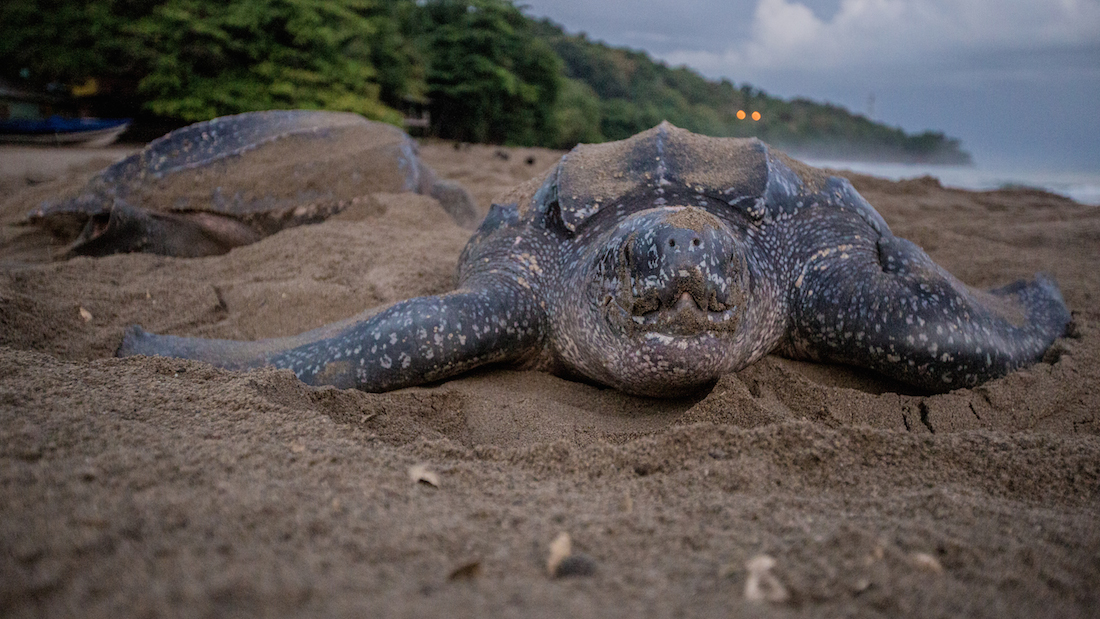 Photo: Jordan Beard / Wikimedia Commons (CC BY-SA 4.0)
 - Buccoo Reef Marine Park Year-round; calmest seas Dec-May
A protected reef and shallow lagoon off Tobago's southwest coast, home to brain, star, and elkhorn coral gardens — reached only by glass-bottom boat from Pigeon Point, Store Bay, or Buccoo village.
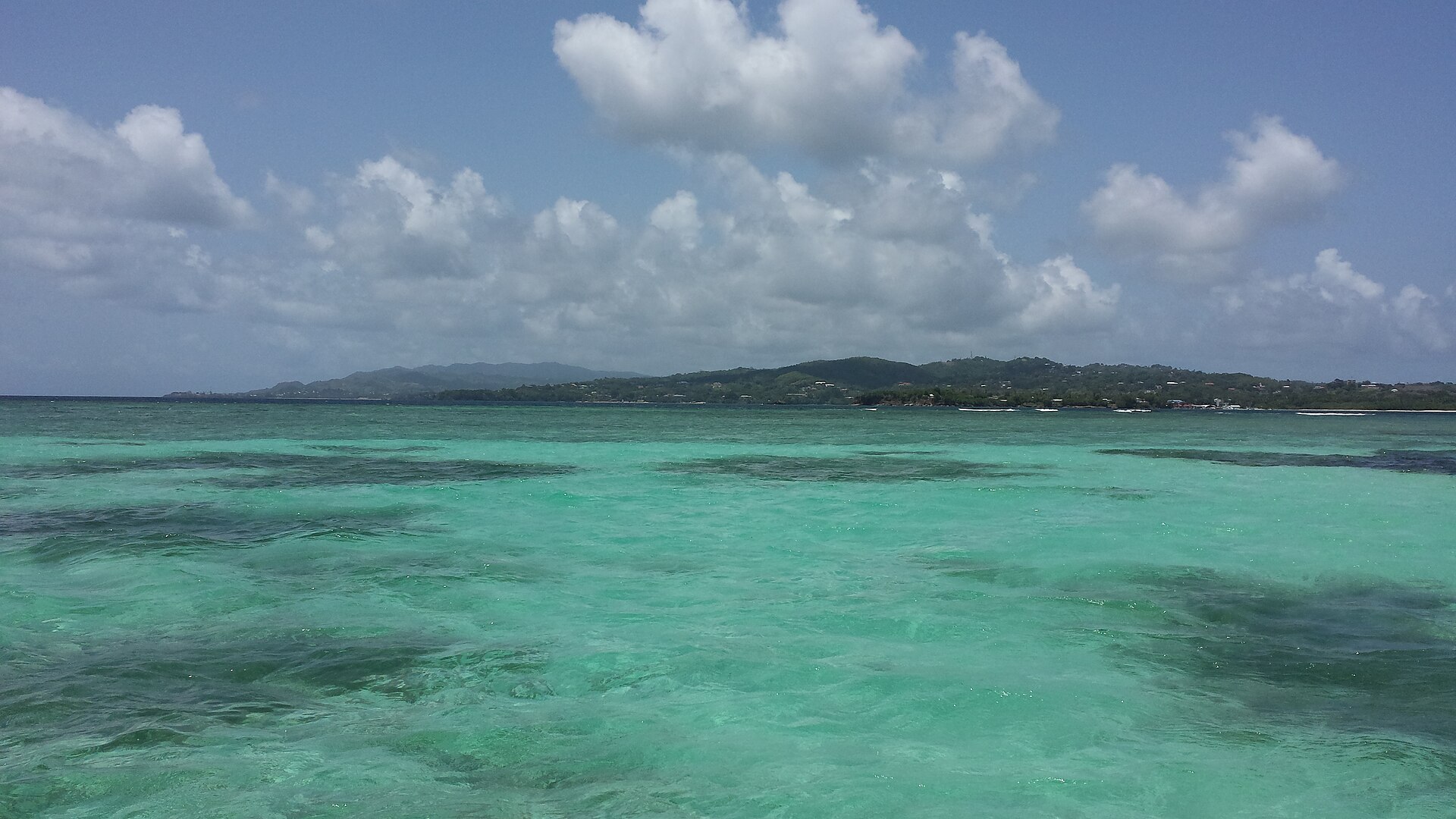 Photo: WhatsupDarren / Wikimedia Commons (CC BY-SA 4.0)
 - The Nylon Pool Year-round, calmest mornings
A natural sandbar-enclosed swimming pool about 3 feet deep in open sea off Pigeon Point, reachable only by boat — named by Princess Margaret in 1962 for its stocking-sheer clarity.
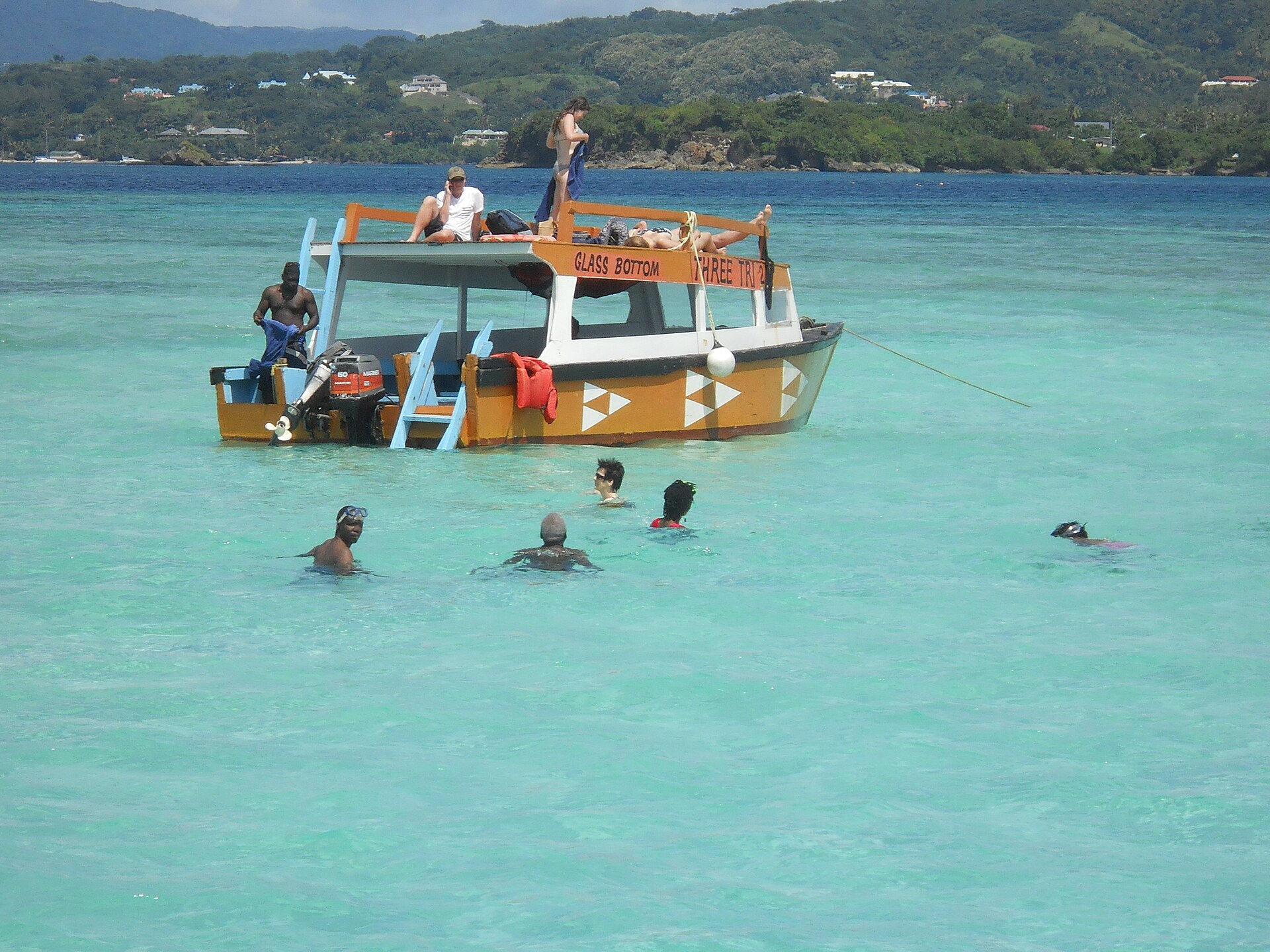 Photo: Darkonc / Wikimedia Commons (CC BY-SA 3.0)
 - Main Ridge Forest Reserve Year-round; dry season Jan-May easiest hiking
Declared a Crown Reserve on April 13, 1776, this is the oldest legally protected forest reserve in the Western Hemisphere — created explicitly to safeguard rainfall for plantation agriculture, an early instance of conservation law. Roughly 4,047 hectares, reaching 604m elevation.
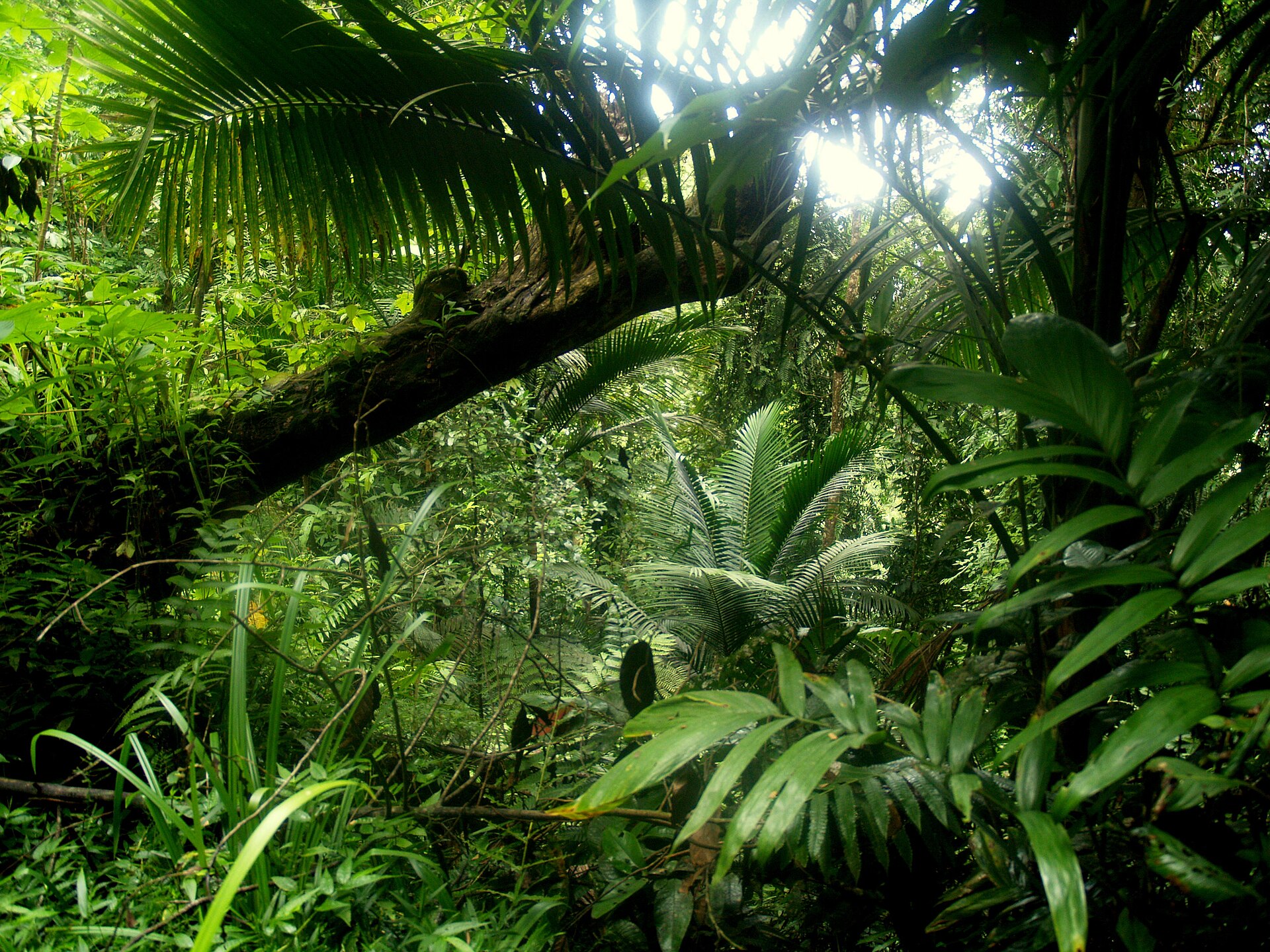 Photo: Aivar Ruukel / Wikimedia Commons (CC BY-SA 2.0)
 - Argyle Waterfall Year-round; fullest flow in rainy season (Jun-Dec)
Tobago's tallest waterfall at roughly 54m, falling in three tiers with a swimmable pool at each level, near Roxborough — reached by a 15-20 minute guided trail walk.
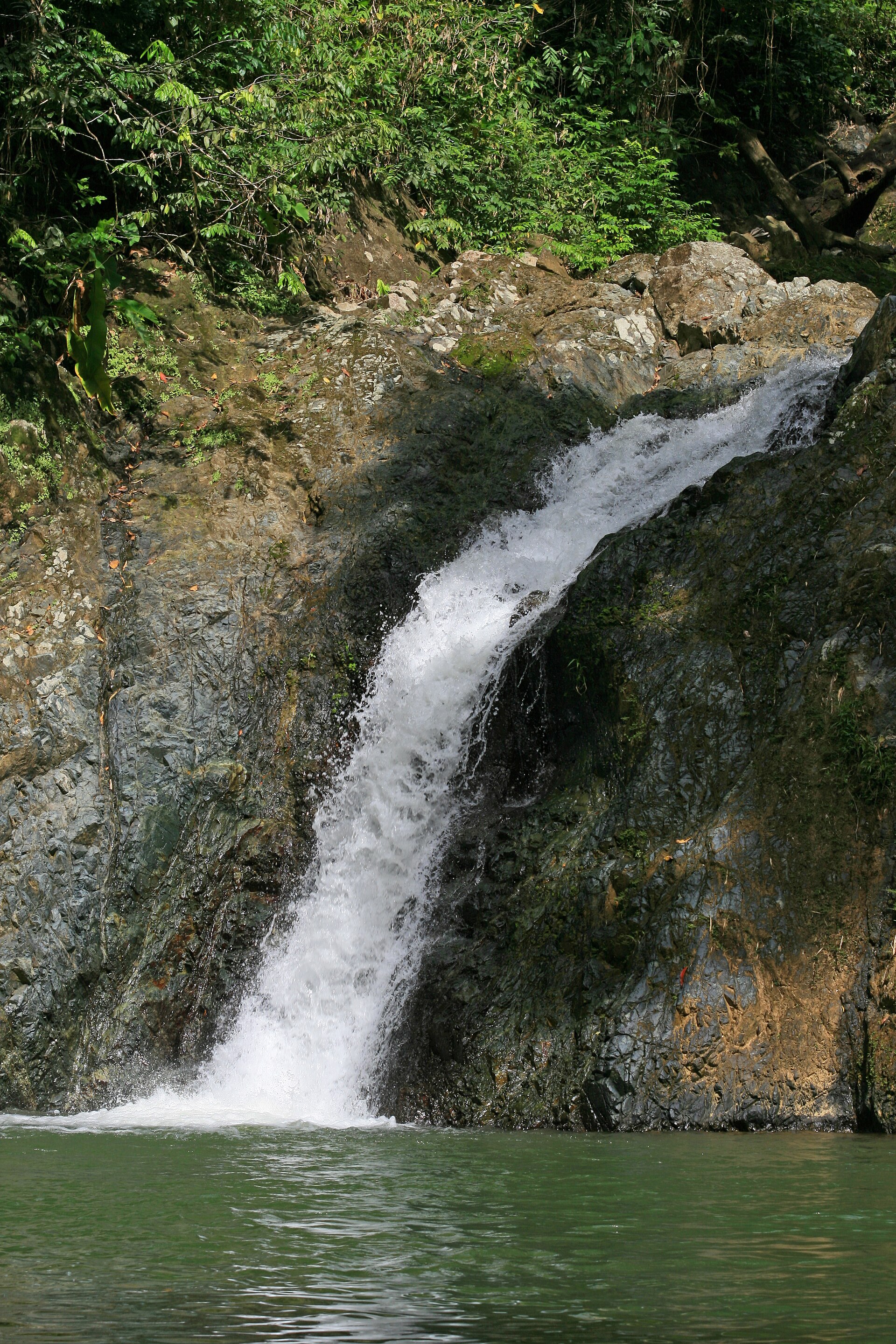 Photo: cheesy42 / Wikimedia Commons (CC BY 2.0)
 - Asa Wright Nature Centre Year-round; dawn is prime birding time
A former cocoa/coffee estate in Trinidad's Northern Range converted into a nonprofit nature reserve in 1967 — 256-plus bird species recorded, one of the Caribbean's premier birdwatching lodges.
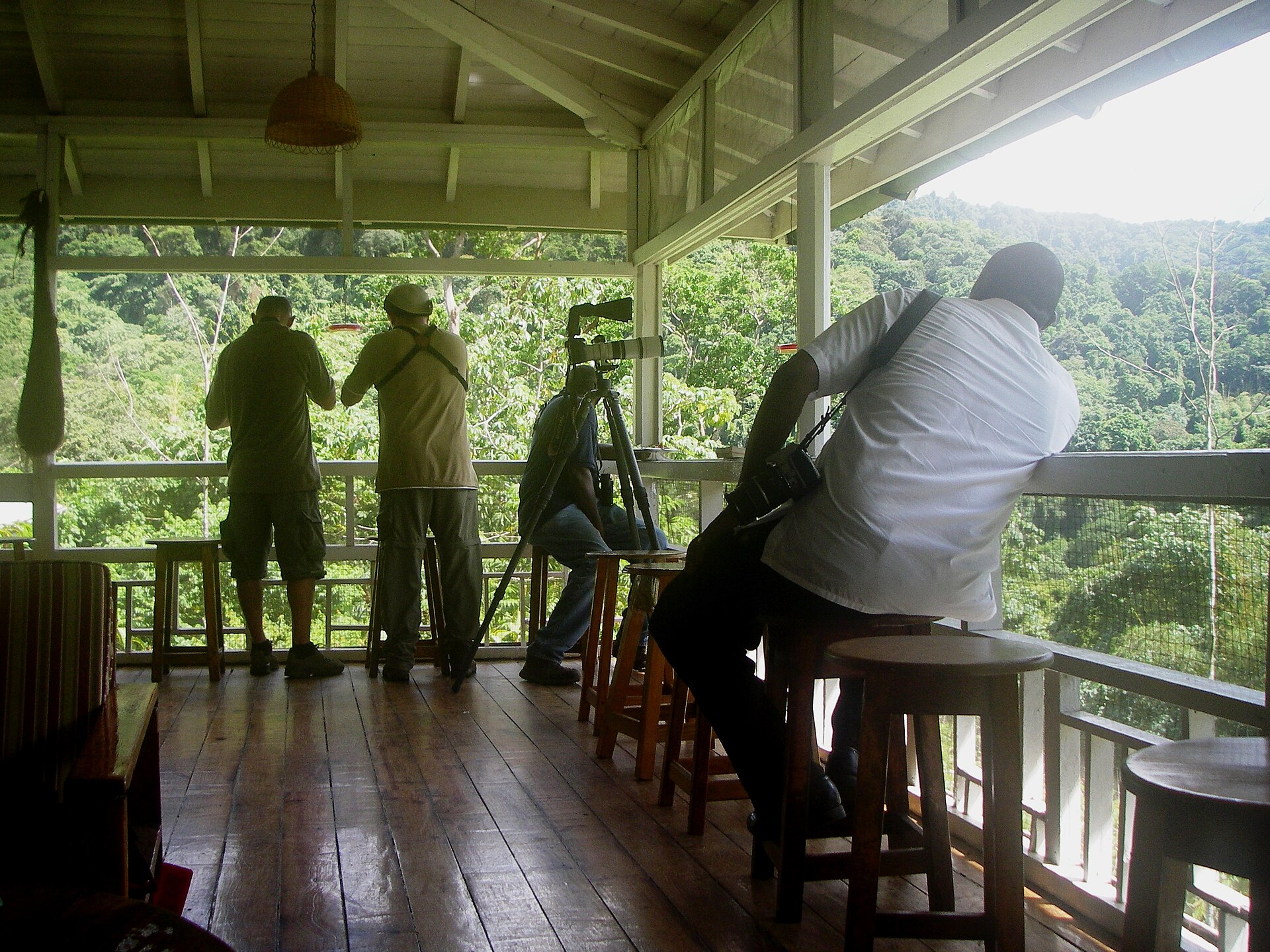 Photo: Tereva (Trevor Coote) / Wikimedia Commons (Public Domain)
 - Caroni Bird Sanctuary Late afternoon, arrive by 4-4:30pm for the sunset roost
A 5,000-plus-acre mangrove swamp near Port of Spain where over 3,000 scarlet ibis — Trinidad's national bird — roost at sunset. A real day-trip add-on, roughly 1.5-2 hours from Las Cuevas or Toco, not a north-coast-adjacent site.
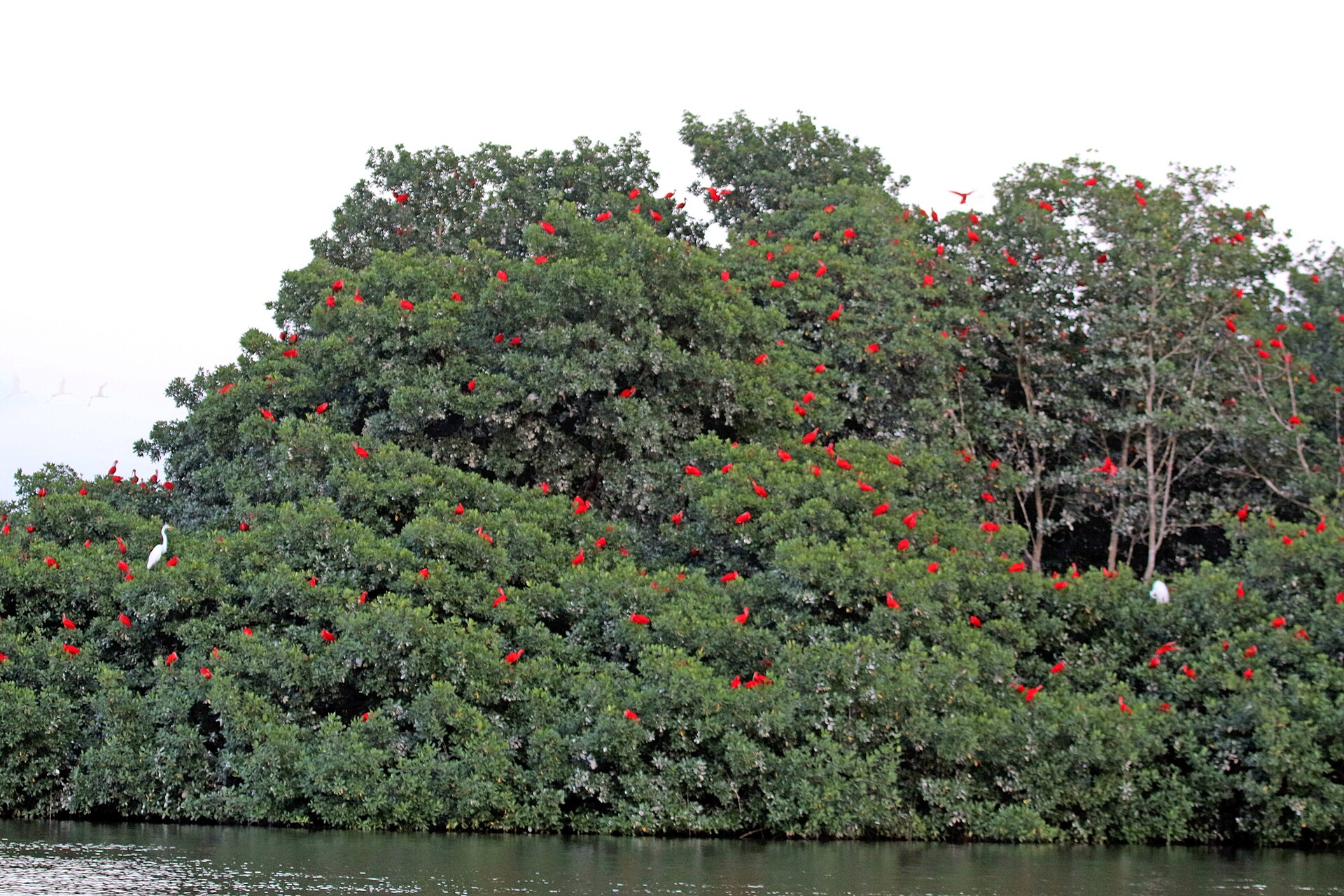 Photo: Charles J. Sharp / Wikimedia Commons (CC BY-SA 4.0)
 - Fort King George Year-round, daytime
Built starting 1777 under Governor Lord George Macartney, changing hands between Britain and France before being permanently named for King George III in 1804 — now houses the Tobago Museum, with original cannons still overlooking Scarborough.
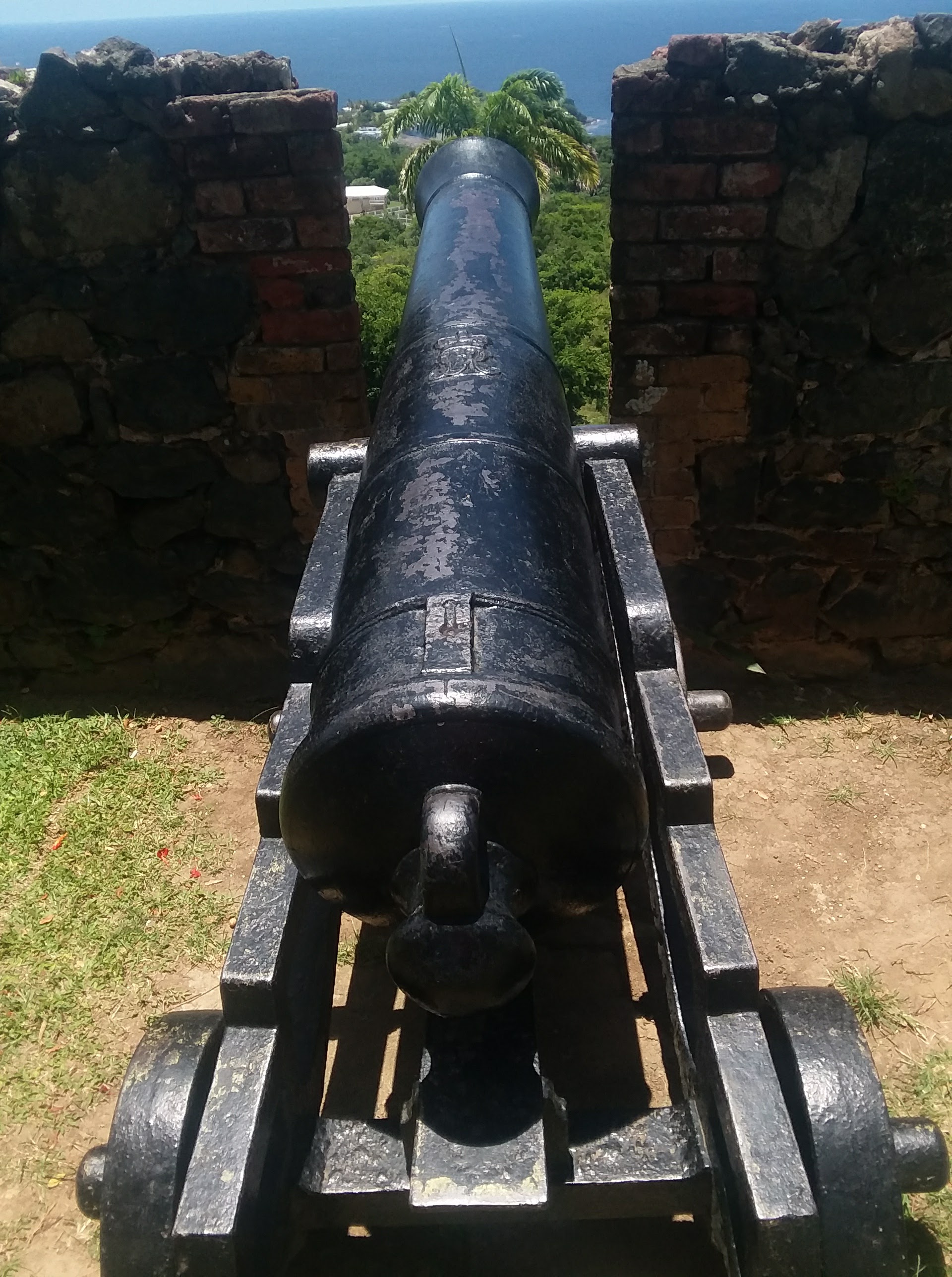 Photo: 999real / Wikimedia Commons (CC0/Public Domain)
 - Pigeon Point Heritage Park Year-round
A public heritage park on Tobago's southwest coast, ranked among CNN's top 100 beaches worldwide — its thatched-roof jetty is the most-photographed structure in Tobago tourism imagery.
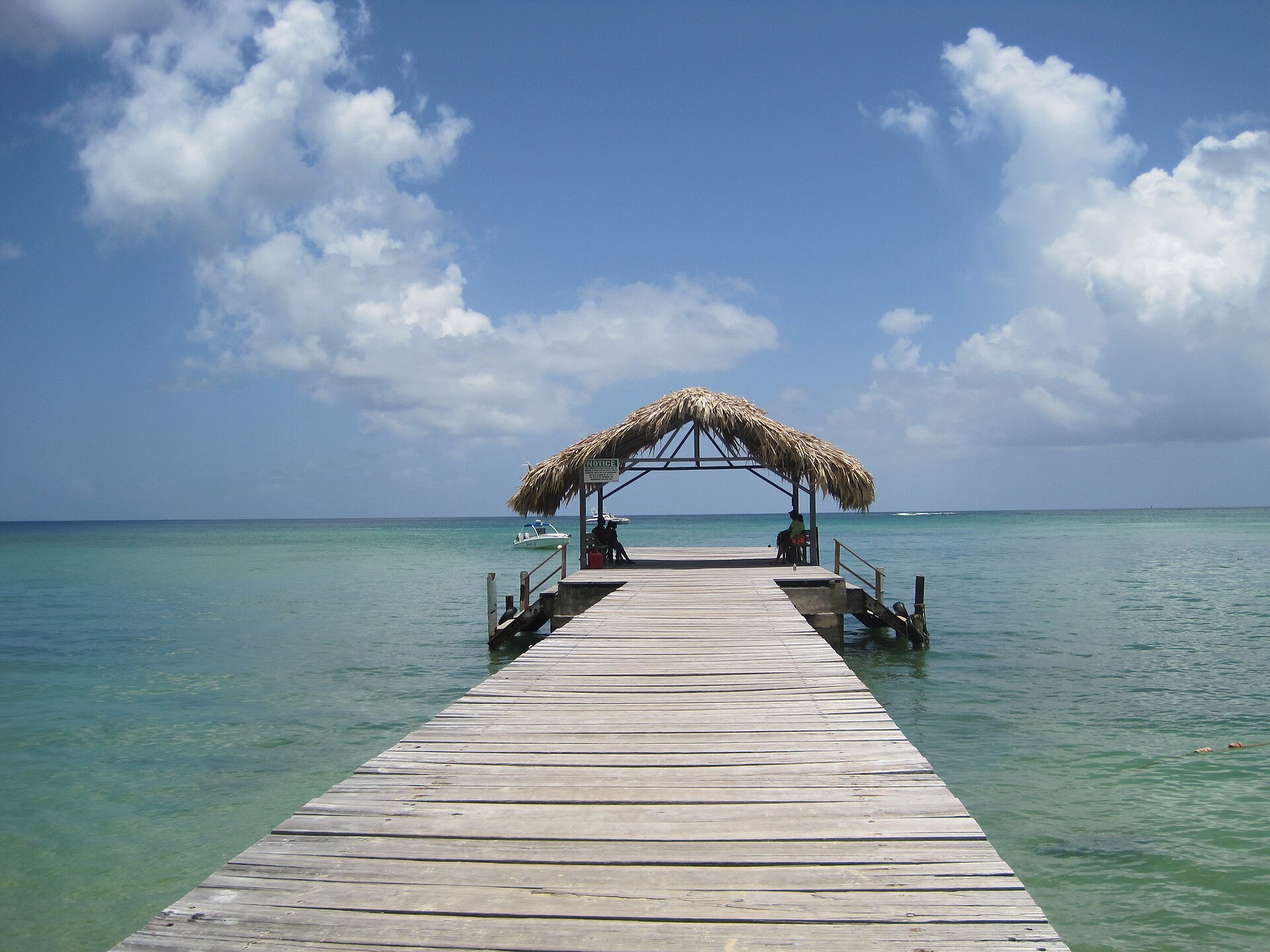 Photo: Kp93 / Wikimedia Commons (CC BY-SA 3.0)
 - Galera Point Lighthouse Year-round, daytime
Built in 1897 and lit that November, this 70-ft lighthouse at Toco's Galera Point once guided the coastal steamer service linking Toco, Grande Rivière, and Matelot before roads existed — still active today, marking Trinidad's northeastern tip.
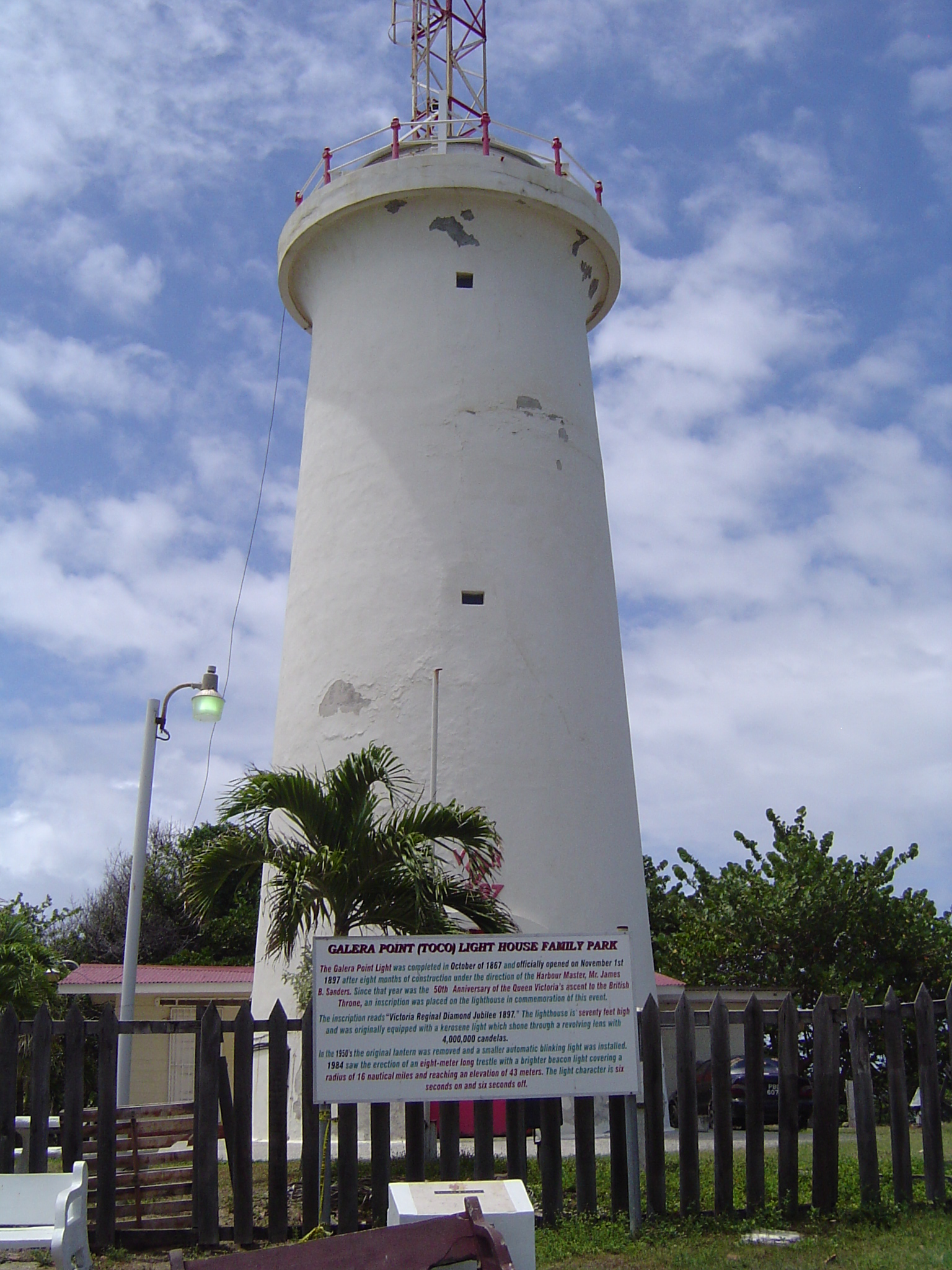 Photo: Gyeowell / Wikimedia Commons (Public Domain)
Questions people actually ask.
How do I get to Trinidad and Tobago, and how do I get between the two islands?
Piarco International (POS), near Port of Spain on Trinidad, is the main gateway with real US connectivity — Caribbean Airlines, American, and JetBlue all fly direct from Miami or New York. Tobago's A.N.R. Robinson Airport (TAB) has some direct international service, but it's thinner and less reliable than Trinidad's — confirm before counting on it. To connect the two islands: the Inter-Island Ferry takes 3-3.5 hours, or Caribbean Airlines runs a frequent ~25-minute domestic hop.
Do I need a visa?
No — US citizens get visa-free entry for up to 90 days, a strict window with no extensions. All travelers must complete an online Arrival/Departure Card within 72 hours of travel.
Is Trinidad and Tobago safe right now?
This needs a direct, current answer, not a glossed-over one. As of this research, the US State Department rates Trinidad and Tobago Level 3, Reconsider Travel — a real step up from most zones on this site. The government declared a nationwide State of Emergency on March 3, 2026 in response to gang-related violence, extended multiple times since (most recently through roughly mid-September 2026 as of the last confirmed data point). We could not confirm whether it's still active as of today — check travel.state.gov directly before booking, not this page. Crime is concentrated in specific parts of Trinidad (East Port of Spain, Belmont, Morvant, Laventille); Tobago is genuinely, meaningfully safer and more tourist-oriented, but the advisory applies to the whole country, since Trinidad and Tobago is one nation under one rating — a zone page can't claim Tobago is separately cleared.
When should I go?
Surf season runs roughly December-April, best January-April, driven by NE trade-wind windswell and longer-period groundswell. A genuine differentiator: Trinidad and Tobago sit at roughly 10-11°N, at or south of the main Atlantic hurricane development region — a real, legitimate lower-hurricane-risk selling point versus most of the Caribbean.
What's the water like, and do I need a wetsuit?
Warm year-round, roughly 79-86°F (26-30°C), lowest mid-February, highest late August. No wetsuit strictly required — boardshorts and a rashguard cover most sessions.
Disclosure & how this page works.
Straight talk: Some links on this page are affiliate links — if you book through them, Secrets of Surf Travel earns a small commission at no extra cost to you. We only link places and people we’d use ourselves, and coverage is never for sale. Those commissions are what keep this site running and fund the next trip.
Today, the “Search Vrbo rentals” and “Search Booking.com stays” links on this page are affiliate links — every vendor listing link is still a plain courtesy link. As partnerships with these local businesses come online, more links (and discount codes, where Secrets of Surf Travel benefits from their use) may earn us a commission, and this page will keep saying so plainly. Coverage is never for sale: nobody on this page paid to be here, and nobody can.
Every listing was researched in 2026 and is being verified in person. Prices, hours, and policies change — treat them as strong starting points and confirm directly with the business. And per the No-Reveal Code: you will find no surf spots on this page, ever.