Sierra Leone
Bureh Beach, home to a genuine community-owned surf club that put Sierra Leone on the world surfing map — and River Number Two Beach nearby, one of West Africa's most photographed stretches of sand, a short trip from Freetown.

Straight talk: Some links on this page are affiliate links — if you book through them, Secrets of Surf Travel earns a small commission at no extra cost to you. We only link places and people we’d use ourselves, and coverage is never for sale. Those commissions are what keep this site running and fund the next trip.
Some vacation-rental search links on this page (marked “Search Vrbo rentals” or “Search Booking.com stays”) are affiliate links. Every vendor link below is still a plain courtesy link. As more partnerships come online, more links may earn us a commission; the promise above holds either way.
Getting There
No direct US flights. The realistic routing is via Brussels — Brussels Airlines flies nonstop from Brussels to Freetown (FNA), about 7 hours in the air. Total door-to-door travel time from a US West Coast city runs roughly 25-26 hours with connections.
A genuinely distinctive logistics wrinkle worth planning around: Freetown's international airport isn't actually in Freetown. It sits at Lungi, across the wide Sierra Leone River estuary from the city itself — there's no bridge connecting them. A water taxi (roughly 30-40 minutes, $40-60) is the standard tourist option, landing at Aberdeen on the peninsula side; a much cheaper public ferry also runs but takes longer and only operates roughly 6am-6pm. A helicopter shuttle used to make this crossing but was permanently grounded after a fatal 2007 crash and hasn't returned — don't plan around it. Budget 2-3 hours from touching down to actually reaching the peninsula, once the shuttle to the jetty and the crossing itself are factored in.
Documents need real advance planning. An e-visa applied for online ahead of time is the recommended path, valid for stays up to 30 days — a visa-on-arrival option technically exists but is less reliable. A yellow fever vaccination certificate is a hard entry requirement, not just a recommendation; get vaccinated at least 10 days before departure and bring the physical certificate.
Ground Transport
- Freetown to River Number Two Beach: the shorter trip — roughly 15-25km, about 45 minutes to an hour by taxi or shared minibus. A real half-day option from the city.
- Freetown to Bureh Beach: a further, more committed trip — roughly 60km via Hill Station, Waterloo, and Tombo, generally 1.5-2.5 hours depending on traffic and road conditions. Private taxi costs somewhere around $7-10; a budget alternative is a shared minibus to Waterloo followed by a shared taxi onward, cheaper but can stretch to several hours total.
- No car or scooter rental business is based in Bureh itself — rentals and drivers are arranged from Freetown. Chartering a private taxi for the day (negotiated directly, no formal booking line) is the common approach once you're in the area.
When to Go & What to Pack
- No wetsuit needed. Water runs warm year-round, roughly 24-28°C — a rash vest and reef-safe sunscreen (UV is strong even under cloud cover) cover it.
- A real trade-off worth planning around: the stronger swell window (roughly March through October) overlaps significantly with the rainy season (May through October, heaviest in July-August). Dry season (November-April) trades some swell size for calmer, more comfortable travel conditions — there's no single obviously perfect month that maximizes both.
Good to Know
- The advisory: Sierra Leone sits at Level 2, Exercise Increased Caution, citing crime and limited health infrastructure — guidance includes avoiding travel outside the Freetown peninsula after dark.
- Civil war and Ebola are closed historical chapters, not live concerns. Sierra Leone's civil war ended in 2002, and the 2014-2016 Ebola outbreak — the same regional epidemic that hit Liberia — has been fully resolved for years with no active transmission. Both shaped the country's current infrastructure baseline more than they represent any risk to a visitor today.
- Malaria prophylaxis is recommended for all travelers — the same regional pattern as this site's other West African zones.
- Currency: Sierra Leonean Leone (new Leone, post-2022 redenomination) — worth confirming the current exchange rate directly before your trip rather than relying on an older figure, since the redenomination shifted the numbers significantly.
Respecting the Locals
Bureh Beach is a fishing village of roughly 600 people, and its surf club is a genuine community cooperative — founded by local surfers, with proceeds reinvested locally and free board access for village youth. This isn't a resort town borrowing an "authentic" label; it's a small village that built its own surf economy from the ground up. Give the club, the fishermen heading out at dawn in hand-carved canoes, and the village itself the weight that deserves.
- Locals get first priority, always. Watch a session before you paddle out. Learn who's who before you learn the wave. Sit inside and catch what they let through — the leftovers are yours, not the set waves.
- Don't backpaddle. Ever. Being in position doesn't make the next wave yours, especially if you didn't wait your turn. If a local wants a wave, let them have it…even if it IS your turn. That older guy who may not be the best surfer out there has probably been surfing that wave before you even sat on a board. If you don't know someone, assume they're local.
- Don't snake. This shouldn't even need to be said, but…dropping in on someone, local or not, is the ultimate disrespect and the fastest way to be sent out of the water. Don't be that guy!
- Say hi. A “howzit,” “whatsup,” or “nice wave,” eye contact, or a nod in the channel — it costs nothing and it's the fastest way from stranger to welcome.
- This is somebody's home, not a resort amenity. The break you're surfing is where a local kid learned to swim, where someone's uncle has surfed for forty years. Act like a guest, because you are one.
- Spend where it actually helps. The food truck, the local shaper, the family-run rental, the local photographer — that's where a surf trip's money should land, not just the chain hotel gift shop. See The No-Reveal Code for why that's the whole premise of this site.
- Leave it better than you found it. Pick up trash that isn't yours. Don't touch reef, wildlife, or cultural sites.
Locals have watched hundreds, if not thousands, of people come and go — some for days, some for months or years — and almost all of them eventually go home. The locals are still there. It takes many, many years to actually become one. Keep that in mind the next time you feel entitled to the same waves they get.
None of this is a secret handshake. It's just how you'd want a guest to act in your own backyard.
Bureh Beach
A small fishing village of roughly 600 people, and home to a genuinely remarkable story: a community-owned surf club that helped put Sierra Leone on the world surfing map. River Number Two Beach, a short trip away, is primarily a scenic beach day-trip destination from Freetown rather than a dedicated surf town in its own right — but it does have a real, if secondary, beginner-friendly break.
Surf Guides & Tours
- Bureh Beach Surf ClubBeach Road, Bureh TownBudget Sierra Leone's first surf club, founded 2012 by local surfers alongside Irish surfer Shane O'Connor — a genuine community cooperative, roughly 30 members sharing teaching, board rental, and beachside cooking duties, with proceeds reinvested locally and free board access for village youth. Sierra Leone joined the International Surfing Association in 2017 partly on the strength of this club. Founding member John Small: "We wanted to change our community through surfing. That day we opened, there was a huge party." burehsurfclub.wixsite.com @bureh_beach_surf_club WhatsApp
Surf Camps
- Bureh Beach Surf Club rooms & tentsSame site as the clubBudget5 basic rooms plus tent camping and a small on-site restaurant — the closest thing to a dedicated surf camp in town.
Board donations here are a real, documented story — Christian Surfers Bureh Beach has received board deliveries via international surf-aid programs (Groundswell Aid, Christian Surfers UK, Mercy Ships), and earlier equipment came through Shane O'Connor's own fundraising and ISA support. No independent local shaper or standalone ding-repair shop exists — repair is informal, folded into the club and occasional donor-run workshops.
Stays
- Australeone Guesthouse & RestaurantBureh BeachBudgetSolar-powered ensuite cabins with WiFi, breakfast included — the most consistently reviewed sit-down guesthouse right on the beach.
- GEM Beach Resort5 Baboon Brook, Bureh TownMid-rangeMore upscale than most Bureh options — pool, ocean-view chalets, seafood restaurant, 24/7 security.gemresort.sl
- Lumthubul GardensBeach Road, Bureh TownBudgetSecluded beachfront bungalows with home-cooked meals — booking runs through Facebook Messenger rather than a phone line.facebook.com/lumthubul
- Robinson's HutBeach Road 1, Bureh TownMid-range3-bedroom bungalow with kitchen and terrace steps from the sea — booking is via OTA platforms only, no direct line found.
Where to Eat
Genuinely thin as a standalone category — Bureh Beach doesn't have restaurants independent of its guesthouses. Dining is bundled into stays at Australeone, Lumthubul Gardens, GEM Beach Resort, and Bureh Beach Surf Club itself.
Wheels & Transport
No car or scooter rental company is based in Bureh — arrangements run through Freetown-based agencies or a chartered private taxi negotiated on arrival, roughly $5/hour or about $50 for a full day.
Surf Shops & Board Rentals
- Bureh Beach Surf ClubBeach Road, Bureh TownThe only board-rental point of contact in town — half-day rental runs around $10.
Surf Photographers, Massage & Wellness
Both confirmed empty — no independent photographer/videographer and no standalone massage or wellness business found in Bureh Beach. Honest gaps for a village this size.
Other Adventures
- River Number Two BeachShort drive from BurehA whitewater river meeting the ocean at a lagoon estuary, with locals ferrying visitors by canoe between the two sides — one of West Africa's most photographed beaches, busiest on Sundays with a local weekend crowd.
- Dawn fishing canoesBureh TownLocal fishermen head out at dawn in hand-carved wooden canoes for barracuda, snapper, and grouper — a genuine daily-life scene worth an early morning walk to see.
Local Secrets
Seven non-surf reasons this zone rewards the curious — a modest list by design, honest for Sierra Leone's tourism-infrastructure level rather than padded out.
- River Number Two Beach Dry season (Nov-Apr) for calm water and clear skies; weekends for the local beach-party scene
A white-sand beach where a whitewater river empties into the Atlantic against a rainforest-mountain backdrop — famous since a 1980s Bounty Bar commercial as one of West Africa's most photogenic beaches.
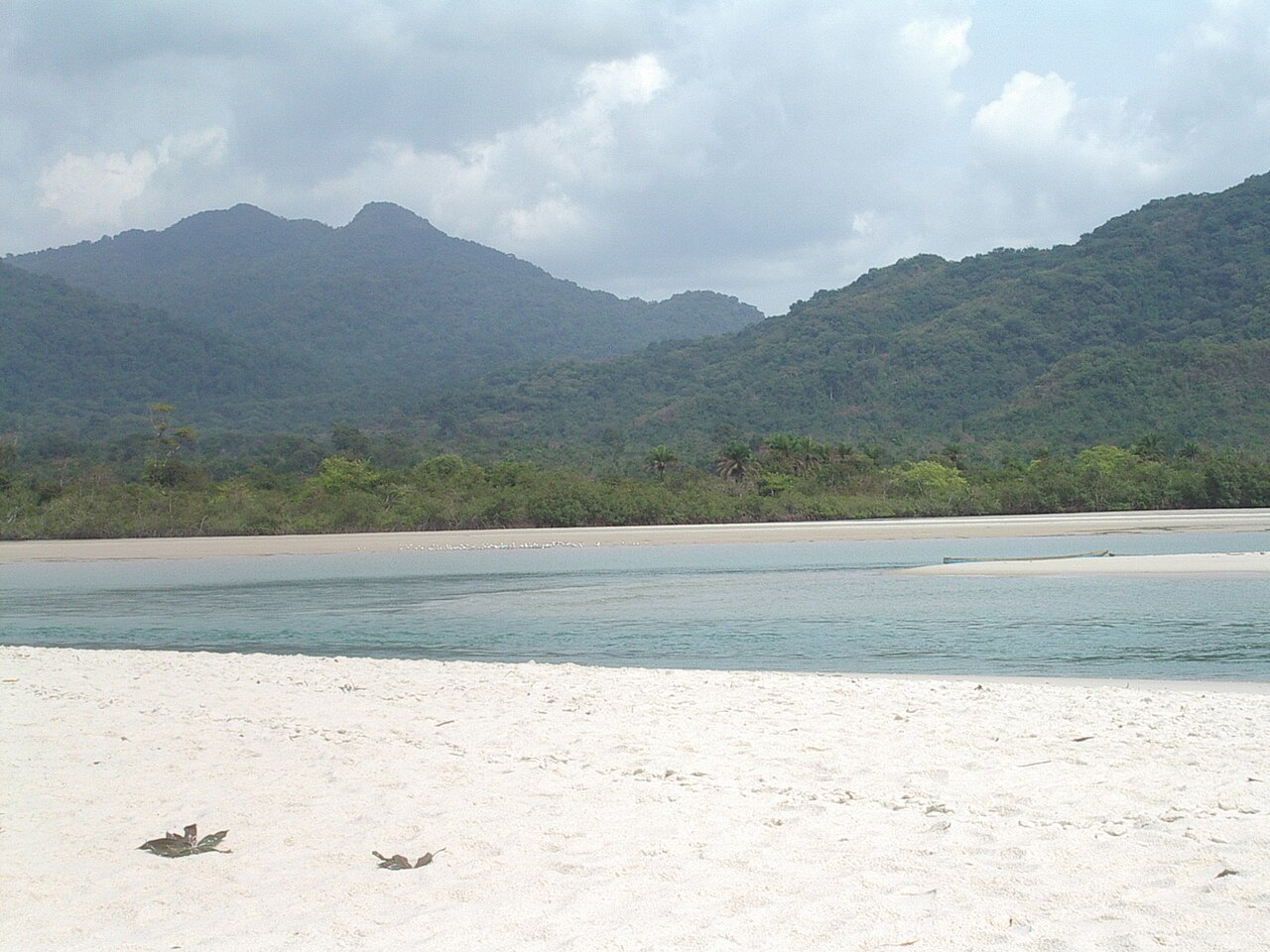 Photo: Christian Trede / Wikimedia Commons (Attribution)
 - Tacugama Chimpanzee Sanctuary Year-round; dry season for easier forest trails
Sierra Leone's oldest and largest chimpanzee rescue center, home to roughly 120 rescued western chimpanzees inside a rainforest reserve near Freetown — guided viewing, forest walks, and treehouse overnight stays available.
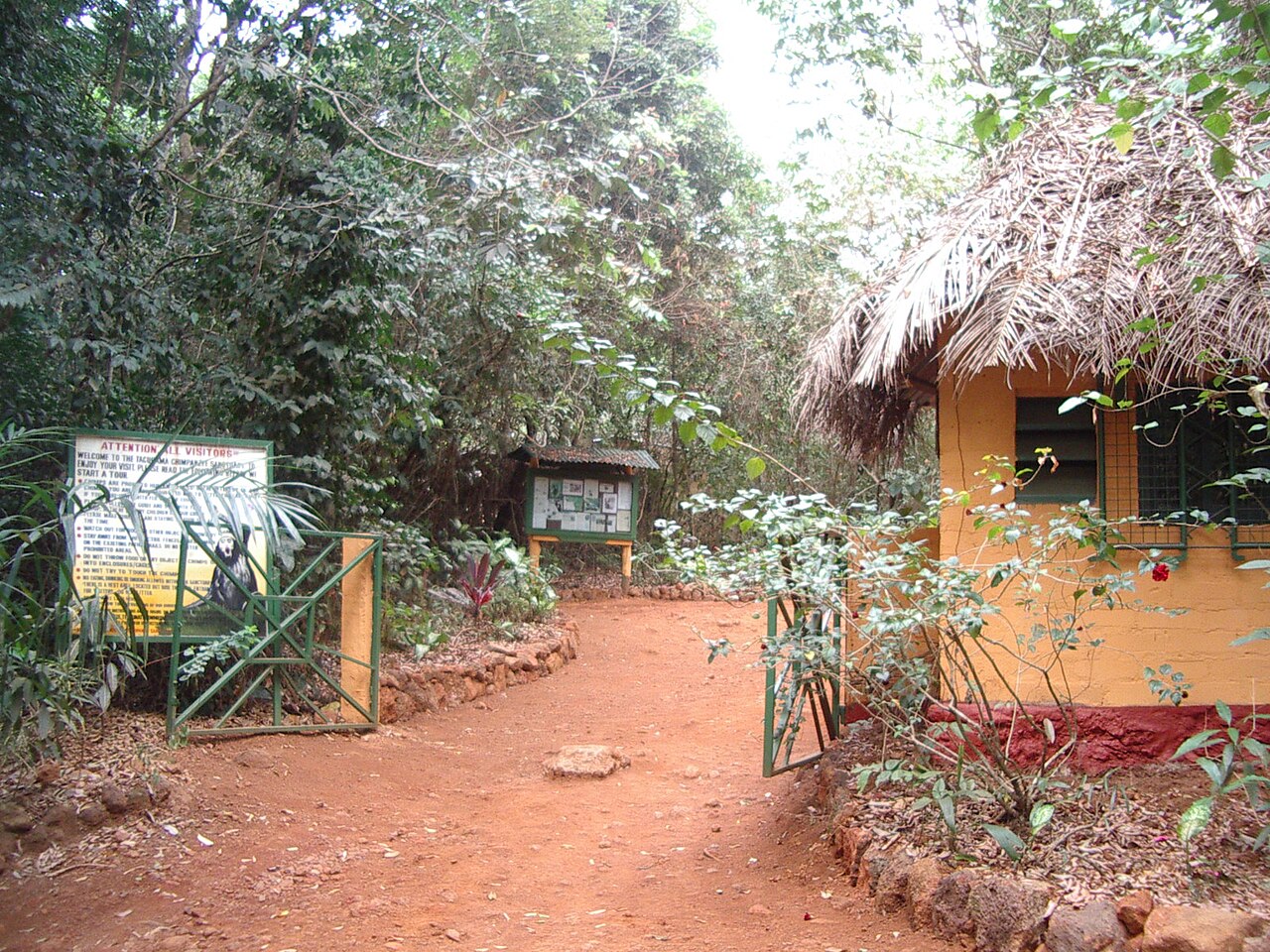 Photo: Christian Trede / Wikimedia Commons (Attribution)
 - Banana Islands Dry season (Nov-Apr) for calmer boat crossings and better visibility
A small archipelago off the peninsula reachable by boat, with snorkeling over a 1747 shipwreck, secluded beaches, and slave-trade-era ruins from its history as a trading post.
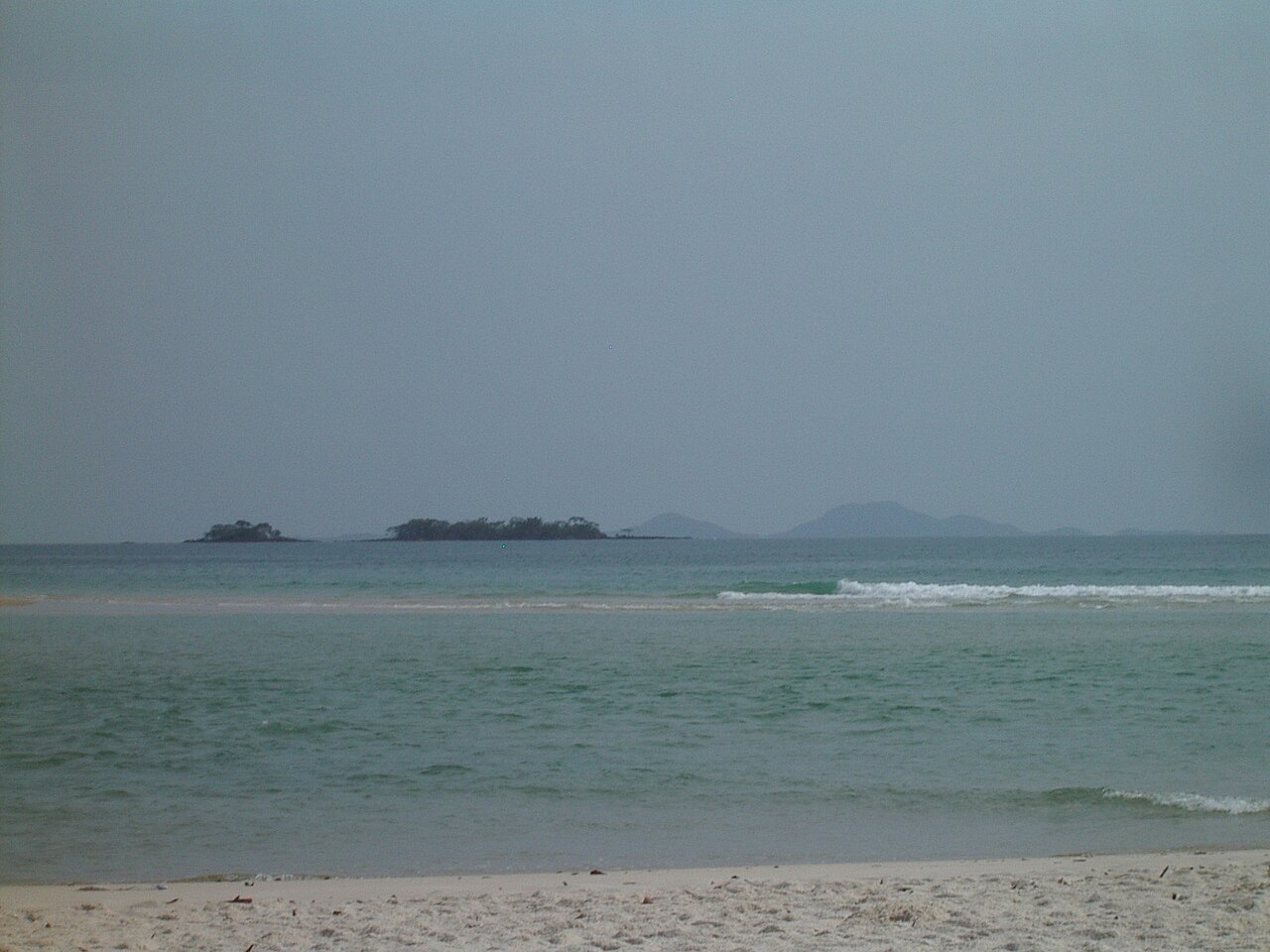 Photo: Christian Trede / Wikimedia Commons (Attribution)
 - Bunce Island Dry season (Nov-Apr) — the river crossing is rougher during the May-Oct rains
A former British slave-trading fort roughly 20 miles up the Sierra Leone River, directly tied to the Gullah/Geechee ancestry of many African-Americans — fortress ruins, a cannon, gravestones, and the "Door of No Return."
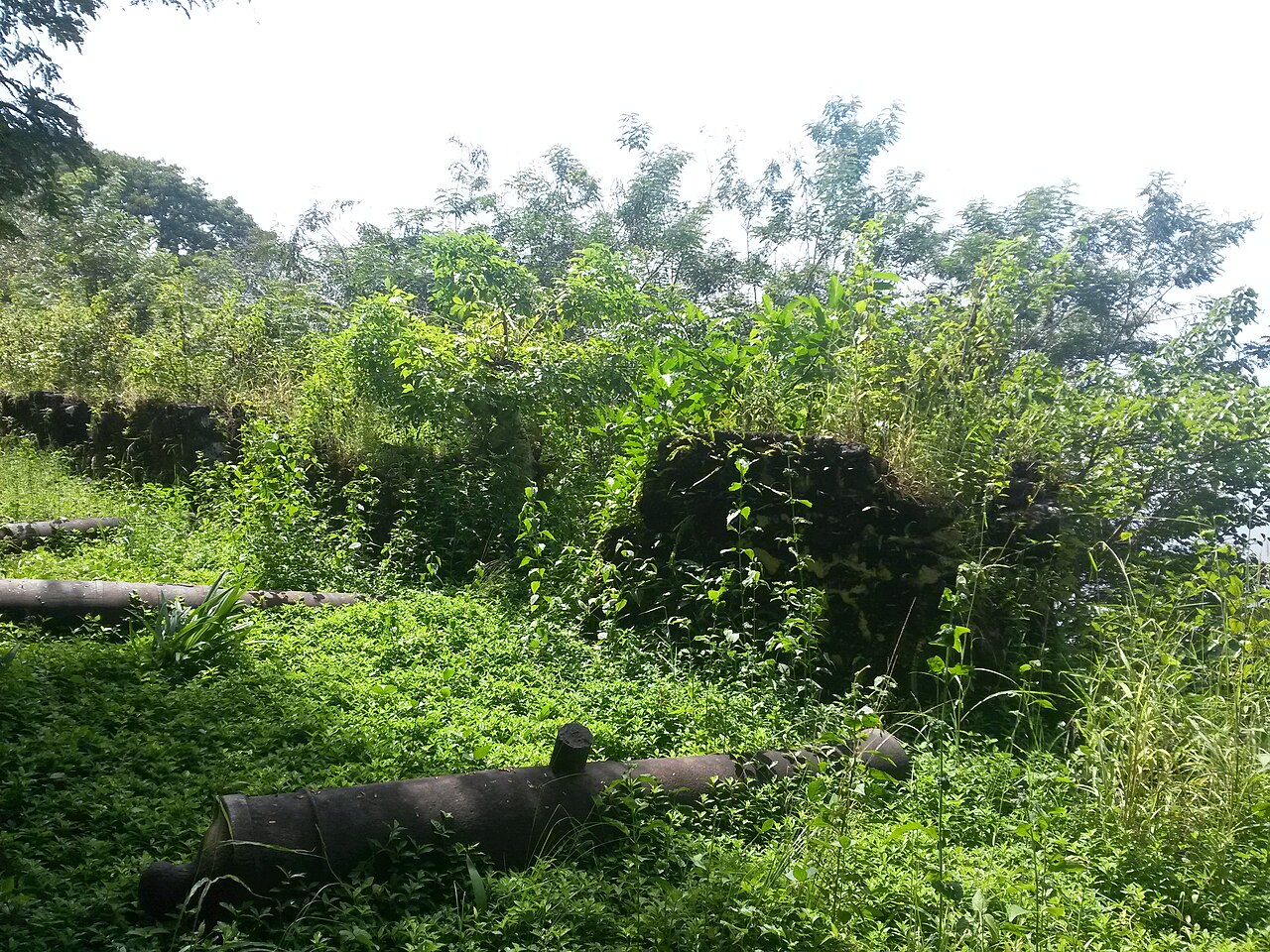 Photo: Pierre Chrzanowski / Wikimedia Commons (CC0)
 - Sierra Leone National Museum Year-round; a good rainy-season indoor option
A central Freetown museum holding Sierra Leonean artifacts including 500-year-old nomoli stone sculptures, traditional masks, and prehistoric tools.
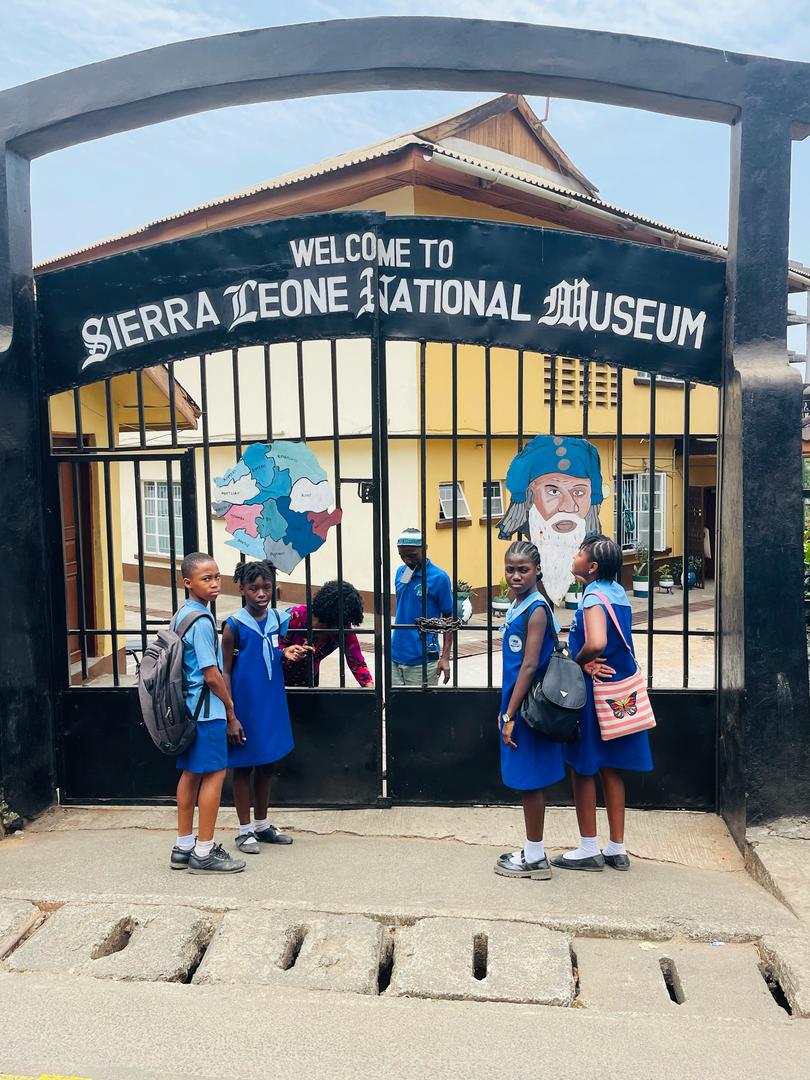 Photo: ODC-SIERRA-LEONE / Wikimedia Commons (CC0)
 - St. George's Cathedral Year-round
Freetown's oldest church, built 1817-1828, the Anglican Diocese's cathedral and a landmark closely tied to the city's Krio/Creole heritage.
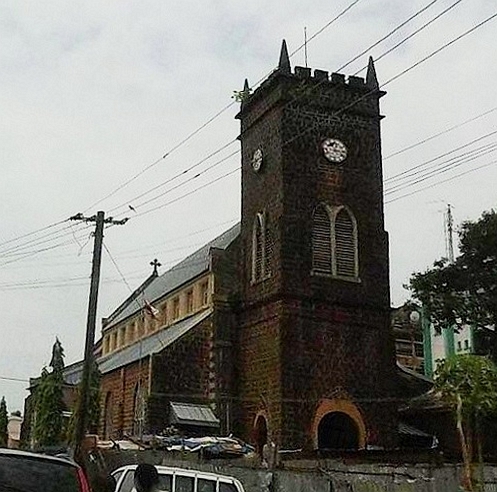 Photo: danbjoseph, edited by Rabanus Flavus / Wikimedia Commons (CC BY-SA 4.0)
 - The Cotton Tree Year-round; go in daylight for the surrounding street market energy
Freetown's roughly 400-year-old symbolic founding tree in the city center — worth an honest note that a storm partially toppled it in May 2023, so it now stands as a reduced trunk rather than the full canopy of postcard fame, still meaningful for the history.
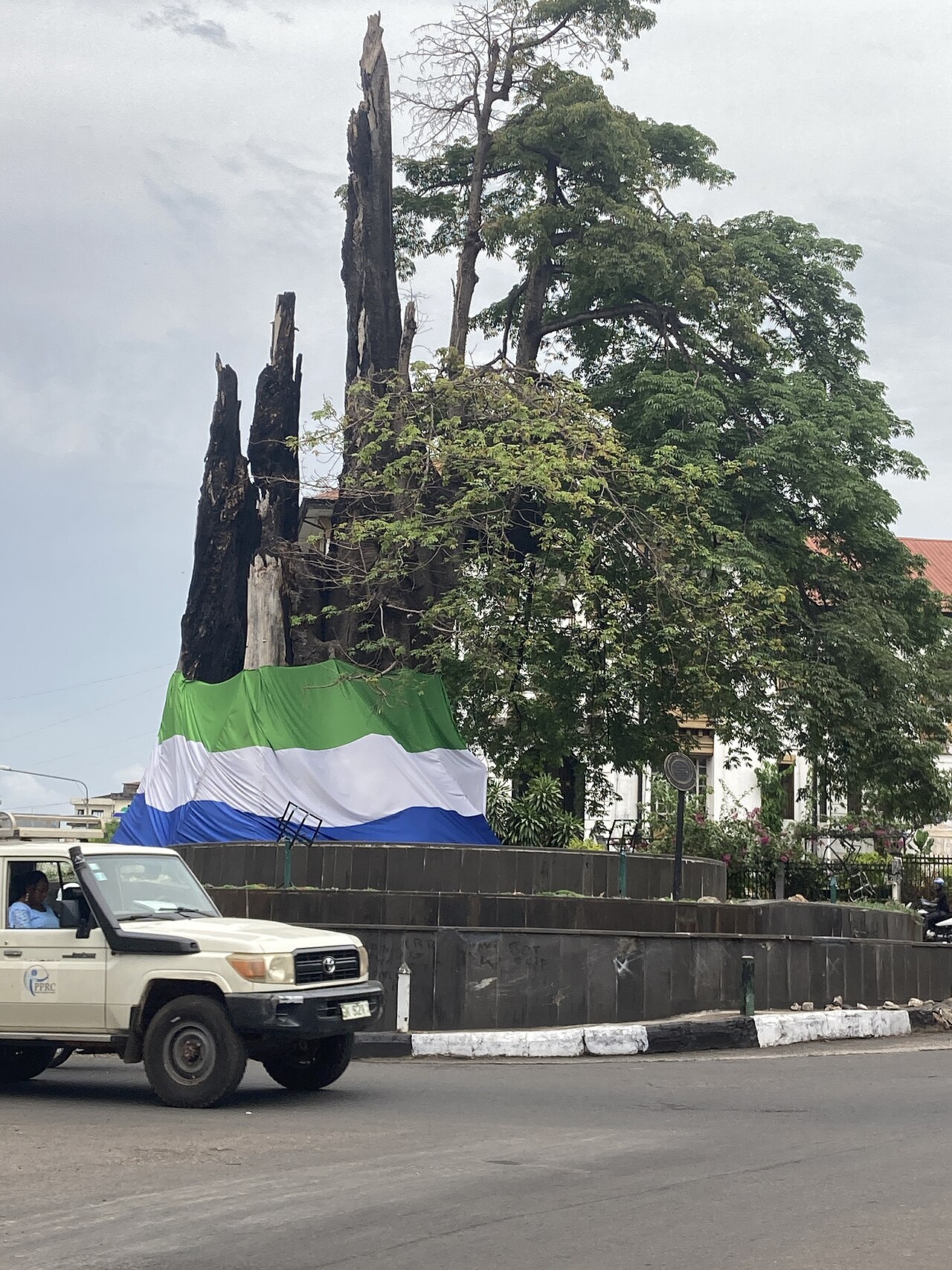 Photo: Smoking Tyre / Wikimedia Commons (CC BY-SA 4.0)
Questions people actually ask.
Are there direct flights from the US to Sierra Leone?
No. The realistic routing is via Brussels — Brussels Airlines flies nonstop from Brussels to Freetown, about 7 hours in the air. Total travel time from a US West Coast city runs roughly 25-26 hours door to door with connections.
Why does everyone mention a boat to get to Freetown?
Freetown's international airport sits at Lungi, across the wide Sierra Leone River estuary from the city itself — there's no bridge. A water taxi (roughly 30-40 minutes, $40-60) is the standard option; a much cheaper public ferry also runs but takes longer. A helicopter shuttle used to cross that gap but was permanently grounded after a fatal 2007 crash and hasn't returned. Budget 2-3 hours from landing to actually reaching the peninsula once you count the shuttle to the jetty and the crossing itself.
Do I need a visa for Sierra Leone?
Yes. An e-visa applied for online in advance is the recommended path — valid for stays up to 30 days. A visa-on-arrival option technically exists at the airport and at land borders, but it's less reliable than arranging the e-visa ahead of time. A yellow fever vaccination certificate is also a hard entry requirement, not just a recommendation.
What's the water like, and do I need a wetsuit?
No wetsuit needed — water runs warm year-round, roughly 24-28°C. There's a real trade-off worth knowing: the stronger swell window (March-October) overlaps heavily with the rainy season (May-October, heaviest in July-August), so there's no single obviously perfect month that maximizes both wave size and easy travel weather.
Is Sierra Leone safe to visit?
It carries a Level 2 advisory, Exercise Increased Caution — the same tier as most of this site's West African zones, with guidance to avoid travel outside the Freetown peninsula after dark. The civil war that shaped the country ended in 2002, and the 2014-2016 Ebola outbreak (the same regional epidemic that hit Liberia) has been fully resolved for years — both closed historical chapters, not live risks, though genuinely part of why the country's tourism infrastructure is still thin.
Disclosure & how this page works.
Straight talk: Some links on this page are affiliate links — if you book through them, Secrets of Surf Travel earns a small commission at no extra cost to you. We only link places and people we’d use ourselves, and coverage is never for sale. Those commissions are what keep this site running and fund the next trip.
Today, the “Search Vrbo rentals” and “Search Booking.com stays” links on this page are affiliate links — every vendor listing link is still a plain courtesy link. As partnerships with these local businesses come online, more links (and discount codes, where Secrets of Surf Travel benefits from their use) may earn us a commission, and this page will keep saying so plainly. Coverage is never for sale: nobody on this page paid to be here, and nobody can.
Every listing was researched in 2026 and is being verified in person. Prices, hours, and policies change — treat them as strong starting points and confirm directly with the business. And per the No-Reveal Code: you will find no surf spots on this page, ever.