
Samoa
Two real islands, two real hubs, honestly unequal in weight. South coast Upolu, anchored by Salani village, is where Samoa's surf-tourism industry actually lives — a run of boat-access resorts with years of track record. Savai'i's surf scene, around Aganoa, is real but smaller and more rustic. Both run on boats out to reef passes, not paddle-outs from the sand, and this page says so plainly.
Straight talk: Some links on this page are affiliate links — if you book through them, Secrets of Surf Travel earns a small commission at no extra cost to you. We only link places and people we'd use ourselves, and coverage is never for sale. Those commissions are what keep this site running and fund the next trip.
Some vacation-rental search links on this page (marked "Search Vrbo rentals," "Search Booking.com stays," or "Search Agoda stays") are affiliate links. Every vendor link below is still a plain courtesy link. As more partnerships come online, more links may earn us a commission; the promise above holds either way.
Getting There
Faleolo International Airport (APW), on Upolu about 35-40 minutes from Apia, is the gateway. There's no reliable nonstop US mainland service — Fiji Airways runs the only nonstop, out of Honolulu, but as of 2026 it's down to roughly once a week, a real bottleneck worth flagging before building an itinerary around it. Air New Zealand via Auckland is the most frequent route into Faleolo (around 40% of weekly arrivals); Fiji Airways also connects via Nadi. A third option: Talofa Airways runs several short (~30-minute) hops daily from American Samoa's Pago Pago into Apia, useful if a trip is already routing through there.
Documents: US citizens don't need a visa for stays of 90 days or less — a passport valid 6+ months beyond the trip and proof of onward/return travel are required. Stays can be extended up to 60 additional days for a WST 100 fee.
Ground Transport
- Samoa drives on the left — see Good to Know for why this is a genuinely distinctive, recent fact, not a colonial holdover.
- Visitors need a temporary Samoa driving licence (WST 21/month, from the Land Transport Authority or arranged via the rental company) before driving.
- Samoana Rentals — Apia, island-wide — the largest local fleet, operating since 2001. samoana.ws · Instagram · Map
- AA Rent-A-Car — three locations: Lepea and Lotopa (Apia) and Faleolo Airport. aarent-a-car.net · Map
- South Pac Rental — Apia-based, 20+ years, free pickup/delivery in Apia. southpacrental.com · Map
- International chains (Hertz, Avis, Budget) also operate from Apia and Faleolo Airport.
- Reaching Savai'i: the Samoa Shipping Corporation vehicle/passenger ferry crosses the Apolima Strait between Mulifanua Wharf (Upolu) and Salelologa (Savai'i) roughly every 2 hours, 6am-4pm Mon-Sat and 10am-4pm Sunday, a 60-90 minute crossing. Buy tickets at the terminal at least 30 minutes ahead — schedules only publish 1-2 months out, so verify current times directly with the ferry operator rather than trusting a fixed table. Salelologa is still a real further drive from Aganoa/Fa'aala or the southwest surf coast — the ferry gets you to the island, not to the lodge door.
When to Go & What to Pack
- Dry season, May-October, brings the biggest and most consistent swell — up to roughly 10ft from the Southern Ocean via SE trade winds. This is the primary surf season.
- Wet season, November-April, has smaller swell (up to ~5ft), but February-April often brings the cleanest, glassiest conditions as trade winds ease. Southern Hemisphere summer also pushes North Pacific-sourced swell onto the north shores of both islands.
- Water temperature sits warm year-round, roughly 78-84°F (26-29°C) — no wetsuit needed.
- Cyclone season runs November-April, peaking December-February — this genuinely overlaps the wet/smaller-swell season. Don't conflate "smaller swell" with "no storm risk"; they're different things happening at the same time of year.
Good to Know
- Currency is the Samoan tālā (WST), 100 sene = 1 tālā.
- Emergency number: 911 (dial +685 911 from a mobile) covers police, fire, and ambulance. Response outside Apia can be slower — a real, honest logistics note, not a scare tactic.
- Samoa switched to left-hand driving on September 7, 2009 — the first country in over 30 years to make the change. The reason was economic: it let the large Samoan diaspora in Australia and New Zealand (both left-hand-drive countries, roughly 170,000 people) ship cheaper used right-hand-drive cars home instead of importing far pricier US-spec vehicles.
- Language: Samoan and English are both official; English is widely spoken in tourism-facing businesses.
- Fa'a Samoa etiquette worth knowing before arrival: many villages observe an evening sā — a bell or conch shell signals a 10-20 minute prayer period, usually around 6-7pm, when visitors should stop and stay quiet. Sunday is largely for church and family to'ona'i lunch; many businesses close.
- No dedicated surf shop for board/wetsuit repair exists in the country — Horizon Surf Shop in Apia sells wax, leashes, and reef shoes but isn't a repair specialist. Bring a travel ding-repair kit; most surf lodges keep basic supplies on hand for guests.
Respecting the Locals
Fa'a Samoa — "the Samoan way" — is genuinely still lived here, not staged for visitors: village councils, communal land tenure, and the matai chief-title system structure daily life on both islands. Visitors will run straight into it, from the evening sā prayer curfew to Sunday's to'ona'i family lunch, and both deserve the same real respect as any other local custom, not a shrug because you're on vacation. The surf-tourism side runs on lodges and guide boats rather than a walk-out-front-door scene, so the people to build trust with are the guides and boat crews as much as anyone in the water.
- Locals get first priority, always. Watch a session before you paddle out. Learn who's who before you learn the wave. Sit inside and catch what they let through — the leftovers are yours, not the set waves.
- Don't backpaddle. Ever. Being in position doesn't make the next wave yours, especially if you didn't wait your turn. If a local wants a wave, let them have it…even if it IS your turn. That older guy who may not be the best surfer out there has probably been surfing that wave before you even sat on a board. If you don't know someone, assume they're local.
- Don't snake. This shouldn't even need to be said, but…dropping in on someone, local or not, is the ultimate disrespect and the fastest way to be sent out of the water. Don't be that guy!
- Say hi. A “howzit,” “whatsup,” or “nice wave,” eye contact, or a nod in the channel — it costs nothing and it's the fastest way from stranger to welcome.
- This is somebody's home, not a resort amenity. The break you're surfing is where a local kid learned to swim, where someone's uncle has surfed for forty years. Act like a guest, because you are one.
- Spend where it actually helps. The food truck, the local shaper, the family-run rental, the local photographer — that's where a surf trip's money should land, not just the chain hotel gift shop. See The No-Reveal Code for why that's the whole premise of this site.
- Leave it better than you found it. Pick up trash that isn't yours. Don't touch reef, wildlife, or cultural sites.
Locals have watched hundreds, if not thousands, of people come and go — some for days, some for months or years — and almost all of them eventually go home. The locals are still there. It takes many, many years to actually become one. Keep that in mind the next time you feel entitled to the same waves they get.
None of this is a secret handshake. It's just how you'd want a guest to act in your own backyard.
South Coast Upolu (Salani)
The south coast of Upolu, running roughly from Salamumu in the west through Salani/Falealili to Lalomanu/Aleipata in the east, is where Samoa's surf-tourism industry actually lives — multiple purpose-built resorts, professional boat guiding, and decades of track record. This is a lodge-and-boat destination: resorts here run guided boat access to reef passes, not a walk-out-front-door scene.
Surf Lodges & Resorts
- Salani Surf ResortSalani village, FalealiliMid/SplurgeThe original dedicated Samoa surf resort — 8 fales, three guide boats, CPR-trained boatmen, access to 4+ regular breaks plus conditions-dependent spots. salanisurf.com · Instagram · Map
- Sinalei Reef Resort & SpaSiumuLuxuryFive-star beachfront, guided boat access to seven-plus breaks, on-site day spa. sinalei.com · Instagram · Map
- Coconuts Beach Club & ResortManinoa/SiumuLuxuryOver-water fales, dedicated surf-guest catering. cbcsamoa.com · Map
- Maninoa Surf CampManinoa/Siumu, beside SinaleiBudgetWall-less beach fales sharing the same local guide/boat network as its upscale neighbor. maninoa.com · Map
- Sa'Moana ResortSalamumuMid-rangeBeachfront bungalows, the southwest-coast alternative base. Map
Stays
- Taufua Beach FalesLalomanuBudgetTraditional open fales, family-run. taufuabeachfales.com · Map
- Litia Sini Beach ResortLalomanuBudget/midBeach fales on the well-known Lalomanu stretch. Facebook · Map
- Return to Paradise Resort & SpaLefaga areaLuxuryHouses Lomi Spa & Wellness — see below. returntoparadiseresort.com · Instagram · Map
Where to Eat
- Salani Surf Resort restaurant & barOn-site, SalaniMid-rangeHearty, well-priced meals including fresh sushi and tuna — the default option for guests. salanisurf.com · Map
- Mika's RestaurantCoconuts Beach Club, ManinoaMid-rangeResort restaurant open to non-guests, on the Main South Coast Road. cbcsamoa.com · Map
Independent standalone restaurants are genuinely thin along this stretch — most south-coast stays and resorts are meal-inclusive, and that's the realistic dining model here.
Surfboard & Wetsuit Repair
No dedicated repair shop on the south coast. Horizon Surf Shop in Apia sells gear but isn't a repair specialist; most surf lodges here keep basic supplies for guests. Bring a travel kit.
Massage & Wellness
- Lomi Spa & WellnessReturn to Paradise Resort & SpaLuxuryBlends traditional Samoan lomilomi with modern spa treatments. returntoparadiseresort.com · Map
- Manaia Polynesian SpaMid-rangePopular enough to book out days in advance. samoabeachresort.com · Map
- Touch of SamoaMid-rangeIndependent operator, 30/60/90-minute and couples massage. Facebook · Map
Other Adventures
Savai'i (Aganoa)
Stated honestly: Savai'i's surf scene is real but smaller and more rustic than Upolu's, built around one flagship lodge with a mixed recent maintenance record, plus one genuinely basic beach-fale operation. This isn't a mirror of the Salani hub — it suits travelers who want a quieter, less polished trip and understand the tradeoff going in.
Surf Lodges & Resorts
- Aganoa LodgeFa'aala village, bordering Tafua Rainforest PreserveSplurge8 fales, max 8 surf guests, all-inclusive, boat/short-run access to 10+ reef breaks. Worth knowing before booking: recent guest reviews are mixed — strong praise for the setting and surf guide, but repeated notes that facilities haven't been well maintained and booking-inquiry responsiveness can be inconsistent. pegasuslodges.com · Facebook · Map
- Satuiatua Beach FalesSatuiatua village, Palauli district, southwest coastBudgetThe only beach-fale operation on this coast, family-run, on-site restaurant serving daily-caught fish, a treehouse, and a nearby reef break. Facebook · Map
Stays
- Stevenson's at ManaseManase, north coastMid-range21 rooms spanning traditional fale to modern suite, beachfront, turtle snorkeling — a general beach resort, not a surf-guide operation. stevensonsresortsamoa.com · Facebook · Map
- Le Lagoto Resort & SpaFagamalo, north coastMid-range~10 bungalows overlooking the beach. lelagoto.ws · Map
Where to Eat
Standalone independent restaurants are essentially absent on Savai'i outside Salelologa, the ferry-port town. Aganoa Lodge and Satuiatua Beach Fales are both meal-inclusive with fresh local fish; Stevenson's at Manase has a dining room open to non-guests overlooking the water. That's the honest shape of eating here — resort dining rooms, not a restaurant scene.
Wheels
Coverage is thinner than Upolu. Most visitors either rent on Upolu and bring the car across on the vehicle ferry, or arrange transfers directly with their lodge. Local taxis/buses exist around Salelologa but are sparse further out toward Fa'aala or the southwest coast.
Surfboard & Wetsuit Repair / Massage & Wellness
Both genuinely thin to nonexistent as standalone local businesses on Savai'i. Aganoa keeps some repair supplies for guests; no independent spa business turned up in research. Stated honestly rather than padded.
Other Adventures
- Alofaaga (Taga) BlowholesTaga village, Palauli districtBudgetVillage-owned — see Local Secrets. Map
- Pulemelei MoundLetolo Plantation, Palauli districtBudgetSee Local Secrets. Map
- Snorkeling, kayaking, fishingBudgetRun in-house at Aganoa Lodge and Satuiatua Beach Fales. Aganoa Lodge · Satuiatua Beach Fales
Local Secrets
Eight non-surf reasons this zone rewards the curious, spanning both islands — the real estate where Robert Louis Stevenson lived and died, the largest ancient stone structure in Polynesia, and a piece of local history handled with the honesty it deserves.
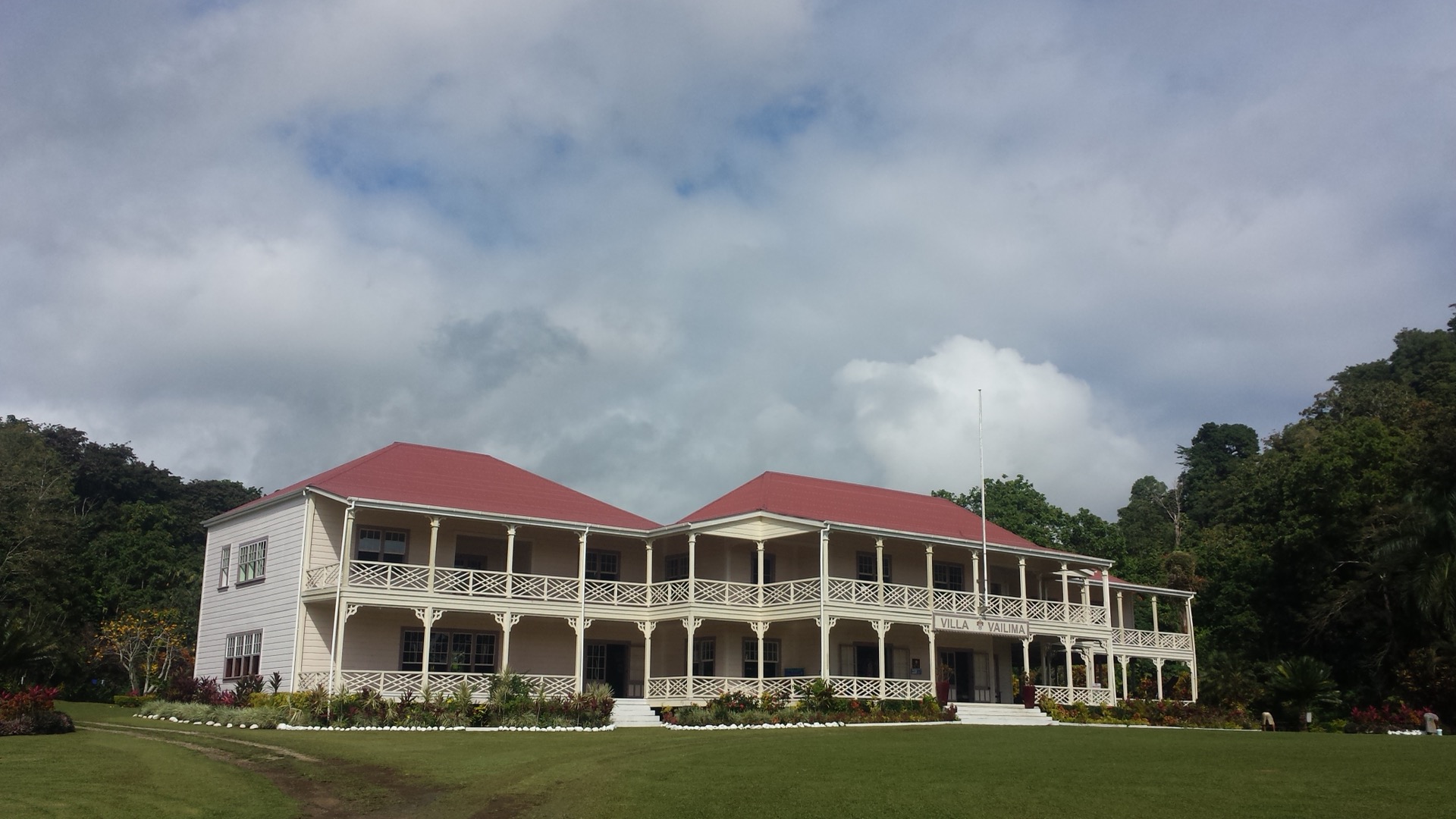
- Robert Louis Stevenson Museum, Vailima Open Tue-Sat, 12-4pm, near Apia
Stevenson built Villa Vailima in 1890, hoping Samoa's climate would help his tuberculosis. He lived there until his death in 1894 and is buried nearby on Mt Vaea, overlooking the reef. The restored mansion is open to visitors today.
 Wikimedia Commons (CC BY-SA 4.0)
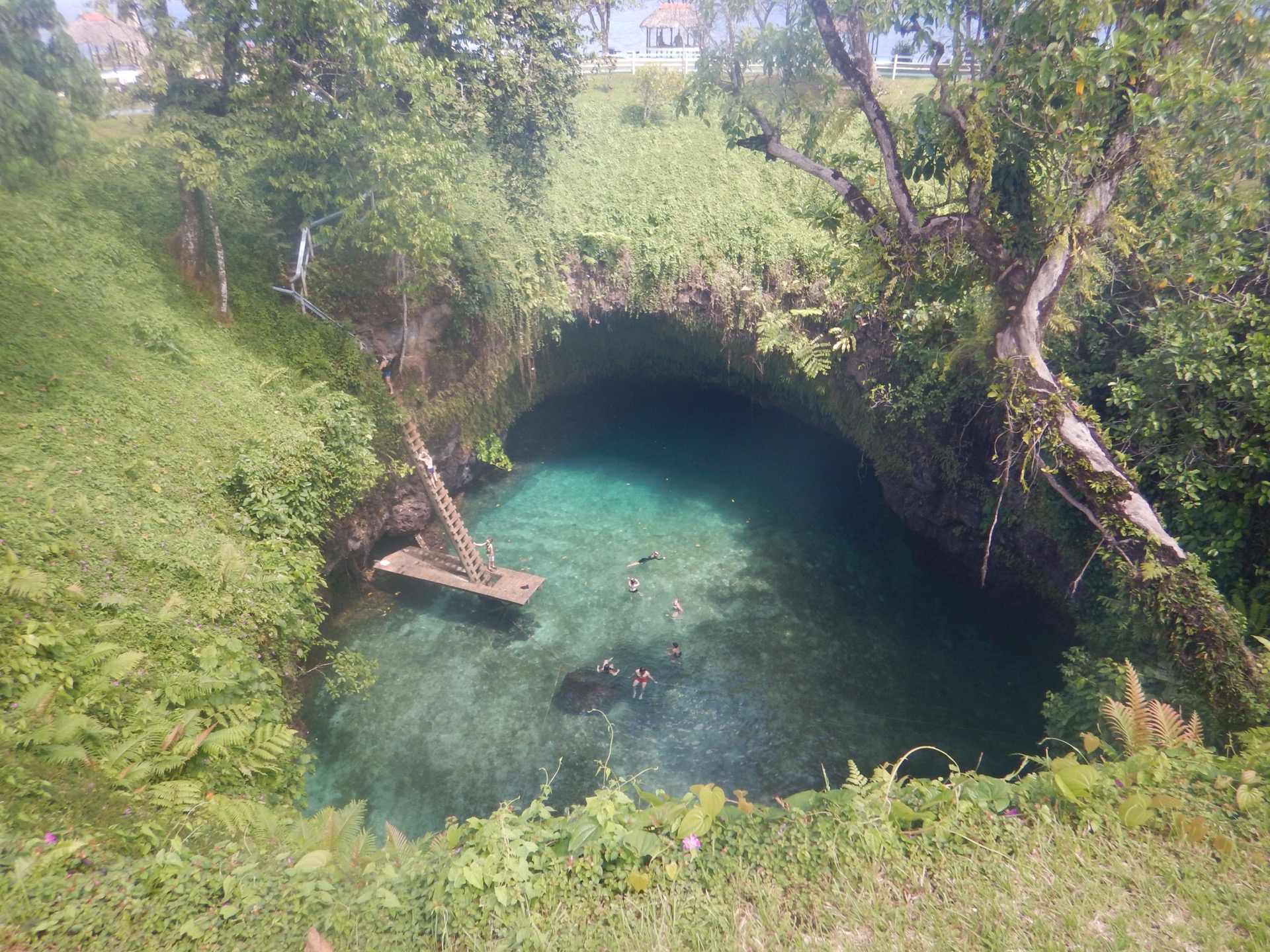
 - To Sua Ocean Trench Year-round, Lotofaga village
A roughly 30-meter-deep turquoise natural swimming hole reached by a wooden ladder — one of Samoa's most photographed natural sites, and a real swim, not just a lookout. WST 20 entry.
 Wikimedia Commons (CC BY-SA 4.0)
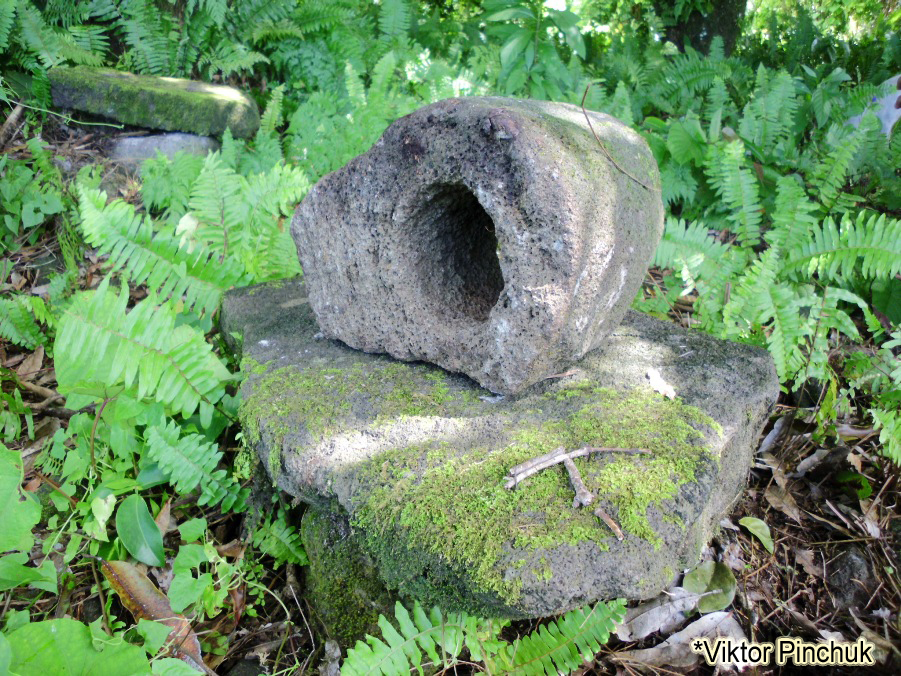
 - Pulemelei Mound Open year-round, Letolo Plantation, Palauli district, Savai'i
The largest and oldest known ancient structure in Polynesia — a basalt stone platform roughly 65 by 60 meters and up to 12 meters tall, built somewhere between 1100 and 1400 AD and interpreted as a ceremonial or status site.
 Wikimedia Commons (CC BY-SA 4.0)
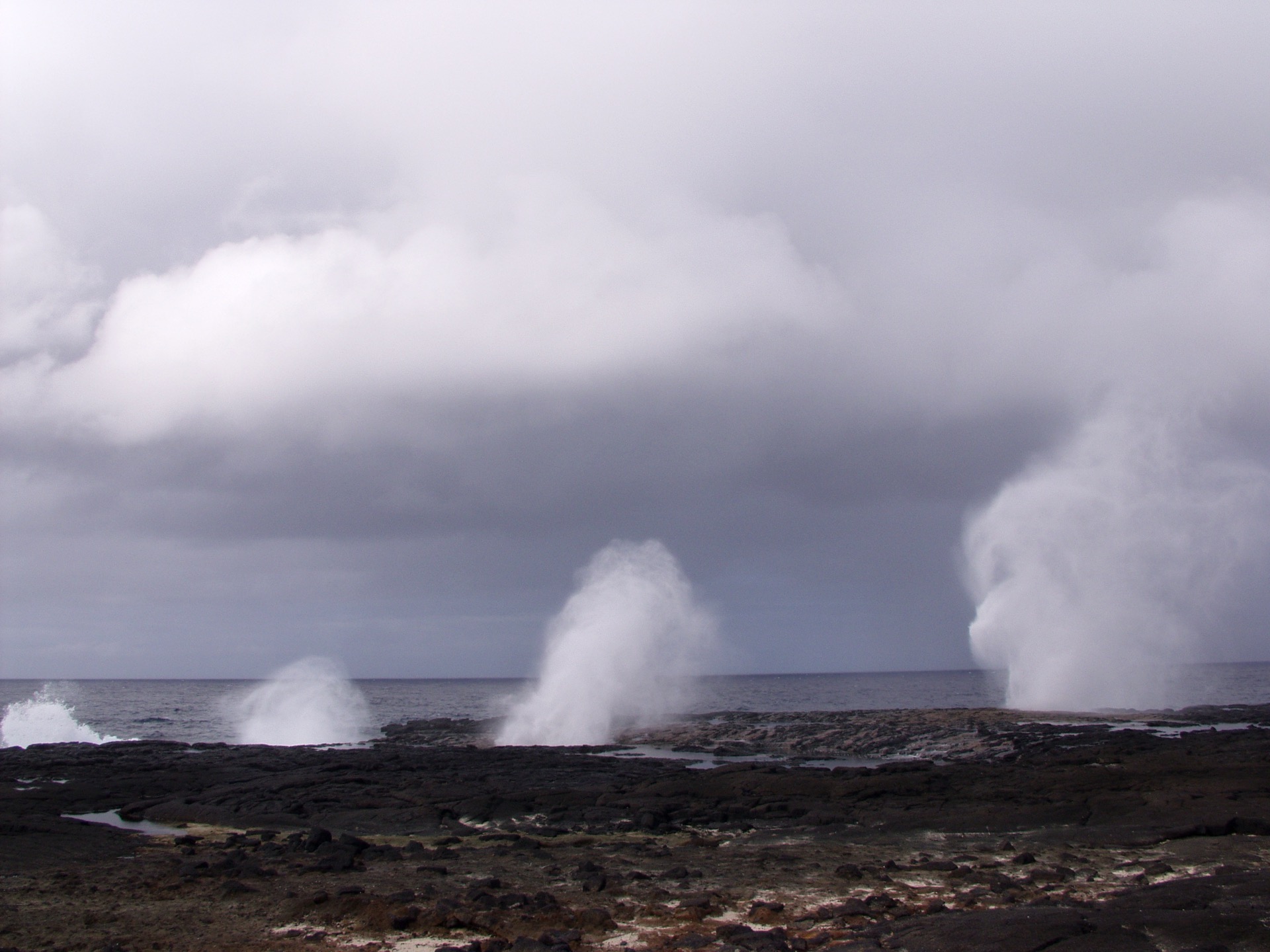
 - Alofaaga (Taga) Blowholes Year-round, Taga village, Savai'i
Village-owned lava-tube blowholes shooting seawater up to 30 meters — locals toss coconuts in for the show, and the village collectively owns and monetizes the site, a real local-economy tie-in.
 Wikimedia Commons (CC BY-SA 3.0)
 - The 2009 South Pacific Tsunami Historical context, south/southeast Upolu — Aleipata and Lalomanu area
Handled here factually and respectfully, because it shaped the very coastline this zone covers: an 8.0 earthquake roughly 190km south of Apia triggered a tsunami about 10-20 minutes later on September 29, 2009. It killed 143 people in Samoa and displaced thousands, with villages and resorts along the south and southeast coast — including the Aleipata and Lalomanu area covered in this zone's Upolu hub — destroyed or damaged. The coast has since rebuilt, and this is offered as real, recent local history rather than a footnote.
- 1962 Independence Historical context, national
Samoa was a German colony from the 1899 Pacific partition until WWI, then administered by New Zealand under a League of Nations mandate. The Mau movement pushed for self-governance for decades, including the 1929 "Black Saturday" killings under NZ colonial police. Independence came January 1, 1962 — making Samoa the first Pacific nation of the post-WWII era to achieve self-rule.
- Saleaula Lava Fields Open year-round, north coast Savai'i near Maunga village
The 1905-1911 eruption of Mt Matavanu buried five villages under lava up to 9 meters thick. Half-buried church ruins remain walkable today, along with the "Virgin's Grave" — a local legend holding that the lava flow parted around a young nun's grave rather than burying it.
- Fa'a Samoa Village Culture Ongoing, both islands
The Samoan way of life is genuinely still lived, not staged for visitors — village councils (fono), communal land tenure, and the matai chief-title system continue to structure daily life across both islands. The evening sā prayer curfew and Sunday to'ona'i (see Good to Know) are the two pieces of this a visitor will actually encounter firsthand.
Three of the eight — the 2009 tsunami, 1962 independence, and Saleaula's lava fields — run without a photo here. The tsunami and independence are historical context rather than single visitable sites; Saleaula's only clearly relevant Commons image was a low-resolution NASA satellite frame, not a usable ground-level photo, so it runs as text rather than force an unrepresentative image through.
Questions people actually ask.
Is this Samoa or American Samoa?
This page covers the independent Samoa (formerly Western Samoa) — Upolu and Savai'i islands, capital Apia. American Samoa, a separate US territory built around Tula and Poloa Bay, is a genuinely different zone with different logistics, currency, and entry rules; don't confuse the two when booking.
Why does Samoa drive on the left?
A real, specific, and fairly recent fact: Samoa switched from right-hand to left-hand traffic on September 7, 2009, becoming the first country in over 30 years to make the change. The reason was economic, not colonial nostalgia — it let Samoa's large diaspora in Australia and New Zealand (both left-hand-drive countries, roughly 170,000 people) ship cheaper used right-hand-drive cars home instead of importing far pricier US-spec vehicles. The switch was domestically controversial but went smoothly on the day itself.
How do the two hubs — Upolu and Savai'i — actually compare?
Stated honestly, not evenly: south coast Upolu, anchored by Salani village, is where Samoa's surf-tourism industry actually lives — multiple purpose-built resorts with boat fleets and years of track record. Savai'i's surf scene is real but smaller and more rustic, built around one flagship lodge (Aganoa) whose facilities get mixed reviews on upkeep, plus one very basic beach-fale operation. Both are genuine hubs worth including, but this isn't two peer destinations — Upolu is the deeper, more reliable option, and Savai'i suits travelers who specifically want a quieter, less polished trip.
What's the water like, and when should I go?
Warm year-round, roughly 78-84°F (26-29°C) — no wetsuit needed. Dry season, May-October, brings the biggest and most consistent swell from the Southern Ocean; wet season, November-April, has smaller swell but often glassier conditions February-April as trade winds ease. South Pacific cyclone season runs November-April, peaking December-February — genuinely overlapping the wet/smaller-swell season, so don't confuse "smaller swell" with "no storm risk."
Disclosure & how this page works.
Straight talk: Some links on this page are affiliate links — if you book through them, Secrets of Surf Travel earns a small commission at no extra cost to you. We only link places and people we'd use ourselves, and coverage is never for sale. Those commissions are what keep this site running and fund the next trip.
Today, the "Search Vrbo rentals," "Search Booking.com stays," and "Search Agoda stays" links on this page are affiliate links — every vendor listing link is still a plain courtesy link. As partnerships with these local businesses come online, more links (and discount codes, where Secrets of Surf Travel benefits from their use) may earn us a commission, and this page will keep saying so plainly. Coverage is never for sale: nobody on this page paid to be here, and nobody can.
Every listing was researched in 2026 and is being verified in person. Prices, hours, and policies change — treat them as strong starting points and confirm directly with the business. And per the No-Reveal Code: you will find no surf spots on this page, ever.