
Puerto Rico
This site's first US-territory zone — no passport, no currency exchange, US phone plans just work. Rincón's 1968-World-Championship surf-town culture, Aguadilla's World Surfing Reserve coastline anchoring the closer airport, and Isabela's karst-country caves and cliffside luxury. South America's rules don't apply here — read Getting There before you book flights into the wrong airport.
Straight talk: Some links on this page are affiliate links — if you book through them, Secrets of Surf Travel earns a small commission at no extra cost to you. We only link places and people we’d use ourselves, and coverage is never for sale. Those commissions are what keep this site running and fund the next trip.
Some vacation-rental search links on this page (marked “Search Vrbo rentals” or “Search Booking.com stays”) are affiliate links. Every vendor link below is still a plain courtesy link. As more partnerships come online, more links may earn us a commission; the promise above holds either way.
Getting There
Puerto Rico is a US territory — this is domestic travel for US citizens. No passport, visa, or customs required, just standard TSA ID (REAL ID-compliant license, passport, or other accepted ID).
Skip San Juan if you can. San Juan (SJU) is the main gateway with the most flights, but it sits roughly 90+ miles and 2 hours from this zone. Rafael Hernández Airport in Aguadilla (BQN) sits inside the zone itself — about 20-30 minutes from Rincón — and is a real, well-served regional airport: JetBlue flies JFK 2-3x daily, Frontier flies Philadelphia daily, plus Allegiant, United (seasonal), and American (seasonal). Orlando, New York, and Fort Lauderdale are the top routes. Flying into BQN instead of SJU saves about 1.5 hours of driving each way.
Ground Transport
- SJU to Rincón: ~93 miles, roughly 2 hours via the direct toll route (PR-22). BQN to Rincón: ~17 miles, ~27-30 minutes — the real reason to route through Aguadilla's airport instead.
- Hub-to-hub: Aguadilla-Rincón ~14 miles (~24 min); Rincón-Isabela ~19 miles (~56 min via the coast road). All three hubs form a tight, drivable cluster.
- Rental car is the realistic option. Highways are in generally good condition; driving is normal/familiar for US travelers (US-style signage, right-hand drive, bilingual signage). Puerto Rico's toll network (AutoExpreso) is largely cashless now — rental companies charge $10-25/day for a toll transponder, and driving tolled roads without one triggers penalty fees.
- Public transit is thin outside San Juan. The "públicos" system (privately operated shared vans) covers rural routes informally but isn't a reliable tourist option — a rental car or arranged private transport is the practical baseline here.
When to Go & What to Pack
- Surf season runs November through March/April, driven by North Atlantic groundswells, with east-to-west trade winds keeping the west-facing breaks groomed and offshore during this window.
- Water temperature: warm tropical Caribbean water year-round, roughly 77-85°F (25-29°C) — coldest around Feb/March, warmest in September. No wetsuit needed at any point; a rash guard covers sun and reef protection.
- Hurricane season runs June 1-November 30, peaking mid-August through October — this mostly doesn't overlap with winter surf season, but November travelers should still watch forecasts as a shoulder-season precaution.
Good to Know
- Currency: US Dollar — no exchange needed anywhere. Phone: Puerto Rico is on the standard US cellular network (Verizon, T-Mobile, AT&T/Liberty) — mainland plans work on arrival with no international roaming, though it's worth confirming your specific plan before departure.
- Safety: US State Dept Level 1, Exercise Normal Precautions — the lowest risk tier. Petty theft (car break-ins, pickpocketing) is the more relevant risk for travelers than violent crime, which concentrates in specific non-tourist neighborhoods elsewhere on the island. Nothing in our research flagged Rincón, Aguadilla, or Isabela specifically as elevated-risk.
- The power grid — an honest note, not alarmism or false reassurance: nearly nine years after Hurricane Maria, Puerto Rico's grid remains genuinely fragile. Ratepayers have averaged dozens of hours of outages a year in recent years, and a full island-wide blackout hit in 2025. Federal emergency generation support and grid-hardening work continue, but this is unresolved, not resolved — pack a headlamp and a portable charger rather than assuming mainland-US reliability.
- Tap water: generally meets US standards in tourist areas, but water quality is genuinely hyper-local — a 2018 USGS study found lead in a majority of tested rural samples, and major treatment-plant upgrades are still underway as of 2026. Bottled or filtered water is a fair, conservative call outside the main hotel zones.
- Emergency: 911, same as the mainland.
- Cost of living: lodging tends to run cheaper than mainland US (housing costs roughly 42% lower on average), but groceries, gas, and rental cars run comparable-to-slightly-elevated versus the mainland due to import dependency — don't expect a "cheap tropical destination" on the ground-cost side.
Respecting the Locals
US currency and cell coverage make this zone feel familiar, but Puerto Rico is its own place, not a mainland extension — and Rincón's decades-long mainland-transplant surf culture, going back to the 1968 World Surfing Championship, sits layered on top of eight distinct local barrios that were there long before any of it. Aguadilla and Isabela stay more Spanish-forward and local by comparison. None of that history belongs to visitors, no matter how long the transplant scene has existed. The same underlying code applies across all three hubs:
- Locals get first priority, always. Watch a session before you paddle out. Learn who's who before you learn the wave. Sit inside and catch what they let through — the leftovers are yours, not the set waves.
- Don't backpaddle. Ever. Being in position doesn't make the next wave yours, especially if you didn't wait your turn. If a local wants a wave, let them have it…even if it IS your turn. That older guy who may not be the best surfer out there has probably been surfing that wave before you even sat on a board. If you don't know someone, assume they're local.
- Don't snake. This shouldn't even need to be said, but…dropping in on someone, local or not, is the ultimate disrespect and the fastest way to be sent out of the water. Don't be that guy!
- Say hi. A “howzit,” “whatsup,” or “nice wave,” eye contact, or a nod in the channel — it costs nothing and it's the fastest way from stranger to welcome.
- This is somebody's home, not a resort amenity. The break you're surfing is where a local kid learned to swim, where someone's uncle has surfed for forty years. Act like a guest, because you are one.
- Spend where it actually helps. The food truck, the local shaper, the family-run rental, the local photographer — that's where a surf trip's money should land, not just the chain hotel gift shop. See The No-Reveal Code for why that's the whole premise of this site.
- Leave it better than you found it. Pick up trash that isn't yours. Don't touch reef, wildlife, or cultural sites.
Locals have watched hundreds, if not thousands, of people come and go — some for days, some for months or years — and almost all of them eventually go home. The locals are still there. It takes many, many years to actually become one. Keep that in mind the next time you feel entitled to the same waves they get.
None of this is a secret handshake. It's just how you'd want a guest to act in your own backyard.
Rincón
Puerto Rico's original, most famous surf town — internationally known since hosting the 1968 World Surfing Championship, with a genuine 30-plus-year mainland-transplant surf culture layered onto eight distinct barrios. English-forward, the deepest vendor bench in the zone.
Rincón's stays run from beachfront inns and B&Bs to independent guesthouses — the deepest lodging bench in this zone.
Search Vrbo rentals in Rincón →
Surf Guides & Tours
- Surf 787 — RogerRincónMid-rangeA guide-and-villa combo — drives clients up and down the coast daily matching swell and wind to the least crowded break, at roughly a third the price of comparable guided options."The REAL Rincon Surf Guru." — TripAdvisor reviewsurf787.com
- Duke's Surf School & Eco AdventuresRincónMid-rangeRincón's first non-profit water-sports school — also runs SCUBA certs, boat/fishing charters, and SUP.
- Puntas Surf School & ShopRoad 413 km 3.2, Barrio PuntasMid-rangeRunning since 2004, instructors with 15+ combined years — over 50 rental boards on-site.puntassurfschool.com
Stays
- Coconut Palms Inn On The BeachRincónBudgetBeachfront, small-but-clean rooms — 9.4/10, TripAdvisor #23 of 211 Rincón B&Bs.
- Villa CofresiMid-range/upper-midRincónFamily-owned since the 1960s, direct beach access — TripAdvisor #1 of 8 Rincón hotels, 4.5/5."A family-owned gem." — reviewer
- Rincón of the Seas Grand Caribbean HotelNear Domes BeachUpper-mid3-star full-service hotel near one of the zone's most famous beaches.
Where to Eat
- EstelaRincónUpscaleChef Abel Mendoza, a 2022 James Beard Best Chef: South semifinalist — 22 seats, reservations essential. TripAdvisor #1 of 97 Puerto Rico restaurants.estelarest.com
- La Copa Llena (at The Black Eagle)RincónMid/upperA sunset institution since the 1970s — 4.5/5, 582 reviews, #8 of 99 island-wide."The best place to see the sunset." — review
- Rincón Beer CompanyRincónCasualThe first brewpub in western Puerto Rico — fish tacos and burgers.
Wheels: Car Rentals
- Angelo's Car RentalRincónLocal, also rents bikes/car seats/strollers — (787) 823-3438.
- Beep Beep Jeep Puerto RicoServes the west coastJeep-only specialist.
Surfboard & Ding Repair / Surf Shops
- Desecheo Surf ShopCarr. 413 Km 2.0Opened 1990 as Captain Bill's Dive Shop, Rincón's first dive shop — a 35-year family-run local anchor.
- Zambrana SurfboardsRincónLocal shaper Ernesto Zambrana — custom shapes built on lifelong local-break knowledge.
Massage & Wellness
- Centro La PazCarretera 115, KM 14.1, Bo. EnsenadaMid-rangePrivate/group yoga and Pilates, massage, ACE cupping, Arvigo Mayan abdominal therapy."Best Massage in Rincon!" — TripAdvisor review title
Other Adventures
- Simply Caught ChartersDeparts RincónMorning/evening humpback whale-watching charters, January-mid-March.
- Taíno DiversRincónWhale watching and Desecheo Island snorkel trips.
Desecheo Island (14 miles offshore) is a protected wildlife refuge — snorkel-only, no landing. Puerto Rico's bioluminescent bays are NOT on this coast — the nearest, La Parguera, is about 1.5 hours south (see Local Secrets).
Aguadilla
Home to the zone's airport and the Punta Borinquen World Surfing Reserve — a real, serious surf destination in its own right, not just a transit point. More bilingual/Spanish-forward than Rincón but still fully tourist-fluent.
Aguadilla's independent beds include a surf hostel and a traditional Puerto Rican parador guesthouse alongside the surf lodges.
Search Vrbo rentals in Aguadilla →
Surf Guides & Tours
- Aquatica Dive & SurfCarretera 110 North Km 32.9Mid-rangeEstablished 1987, one of the oldest working dive shops in Puerto Rico — owners Jose and Karin Rafols are named directly in reviews for expert local-site knowledge. Also runs scuba, board rental, and bikes.
The Punta Borinquen World Surfing Reserve (designated 2018) covers roughly 5 miles of protected coastline from Crash Boat to Surfer's Beach.
Stays
- Aguadilla Surf LodgeAguadillaMid-range9.6-9.8/10 across platforms."Most comfortable hotel bed, super clean modern rooms." — reviewaguadillasurflodge.com
- Secret Spot HostelAguadillaBudget$22/person/night, shared kitchen and bath, free wifi.
- Parador El FaroAguadillaMid-rangeA 69-room traditional Puerto Rican guesthouse with two pools.
Where to Eat
- Sal de Mar Restaurant & Rooftop BarAguadillaUpscaleSeafood with ocean views.
- The Reef Fresh Fish & Gourmet FoodNear the airportMid-rangeVenezuelan-owned, Puerto Rican-operated.
Wheels: Car Rentals
- Charlie Car RentalAguadillaLocally owned, founded September 1982.charliecars.com
Major chains (Alamo, Sixt, Hertz, Avis, Economy) also have counters at BQN airport.
Surfboard & Ding Repair / Surf Shops
- Verdeazul Surf ShopAguadillaSales, rentals (shortboard/funboard/longboard), and repair all under one roof.@verdeazulpr
Massage & Wellness
- The Green SpaRoad 107 km 2.5Mid-rangeThe only spa on Puerto Rico's west coast formally endorsed by the Puerto Rico Tourism Company.
Other Adventures
- Gozalandia WaterfallSan Sebastián, short drive from AguadillaA genuinely popular local swimming-hole waterfall.
Several cave/underground-river operators (rappelling, ziplining, kayaking) service the northwest region — the largest-scale zipline parks are central-island and too far for a day trip here.
Isabela
Quieter and more local than Rincón, centered on Jobos Beach, with real karst-country adventure options nearby (caves, a historic rail tunnel) and the zone's one true luxury anchor.
Isabela's high end leans private villas and cliffside casitas, with a simple surf inn holding down the budget end.
Search Vrbo rentals in Isabela →
Surf Guides & Tours
- Moku Surf ShopPlaya JobosMid-rangeCertified instructors right on Jobos — reviewers highlight first-timers catching and riding waves in one instruction.
- Aloha Surf School & Rental466 Jobos Beach RoadMid-range10+ years teaching, kids' instruction offered specifically.
- Hang Loose Surf ShopRoad 4466 km 1.2, Bo. BajurasMid-rangeA true one-stop shop — custom/used boards, repair, instruction, and rental.
Stays
- Bella Surf InnSteps from Jobos BeachBudgetSimple, close to the water.
- Villa Montaña Beach ResortIsabelaUpper-midPlantation-style villas with private patios/jacuzzis on 35 acres, 3 miles of beach — 2024 TripAdvisor Travelers' Choice winner.
- Royal IsabelaIsabelaUltra-luxuryThe zone's true luxury anchor — only 20 private cliffside casitas, each with a private plunge pool, plus a championship golf course on the bluffs."The most challenging and fun round I've played." — golf reviewerroyalisabela.com
Where to Eat
- Kairos GastrobarIsabelaMid-rangeLive music/comedy nights, known for frituras and its passion-fruit mojito.
- Eclipse RestaurantBeachfrontUpscaleWood-fired pizza, grass-fed filet, daily catch.
- Jobos Food StopPlaya JobosBudgetA real food-truck cluster — pinchos, BBQ, quesabirria, pastelillos.
Wheels: Car Rentals
No Isabela-exclusive local operator — served by the same Rincón/Aguadilla-based companies (Angelo's, Charlie Car Rental).
Massage & Wellness
- Esencias Spa IsabelaIsabelaMid-rangeFull day-spa menu — massage, aromatherapy, facials, body scrub/wrap.
Royal Isabela's spa offers in-casita massage/facials for guests.
Other Adventures
Guajataca State Forest (caves, birdwatching, an interpretive trail and viewing tower) and Cueva del Indio near Arecibo are both covered in Local Secrets below.
Local Secrets
Ten non-surf reasons this zone rewards the curious — a lighthouse rebuilt after a 1918 tsunami, a cave with 80 Taíno petroglyphs, and the island's only motorized-boat bioluminescent bay.
- Faro de Punta Higüero (Rincón Lighthouse) January-March for whale season; otherwise sunset year-round
Built in 1892 by the Spanish, badly damaged in the 1918 San Fermín earthquake/tsunami, and rebuilt by the US in 1922. Its bluff is one of Puerto Rico's most reliable land-based spots to watch migrating humpback whales through the Mona Passage.
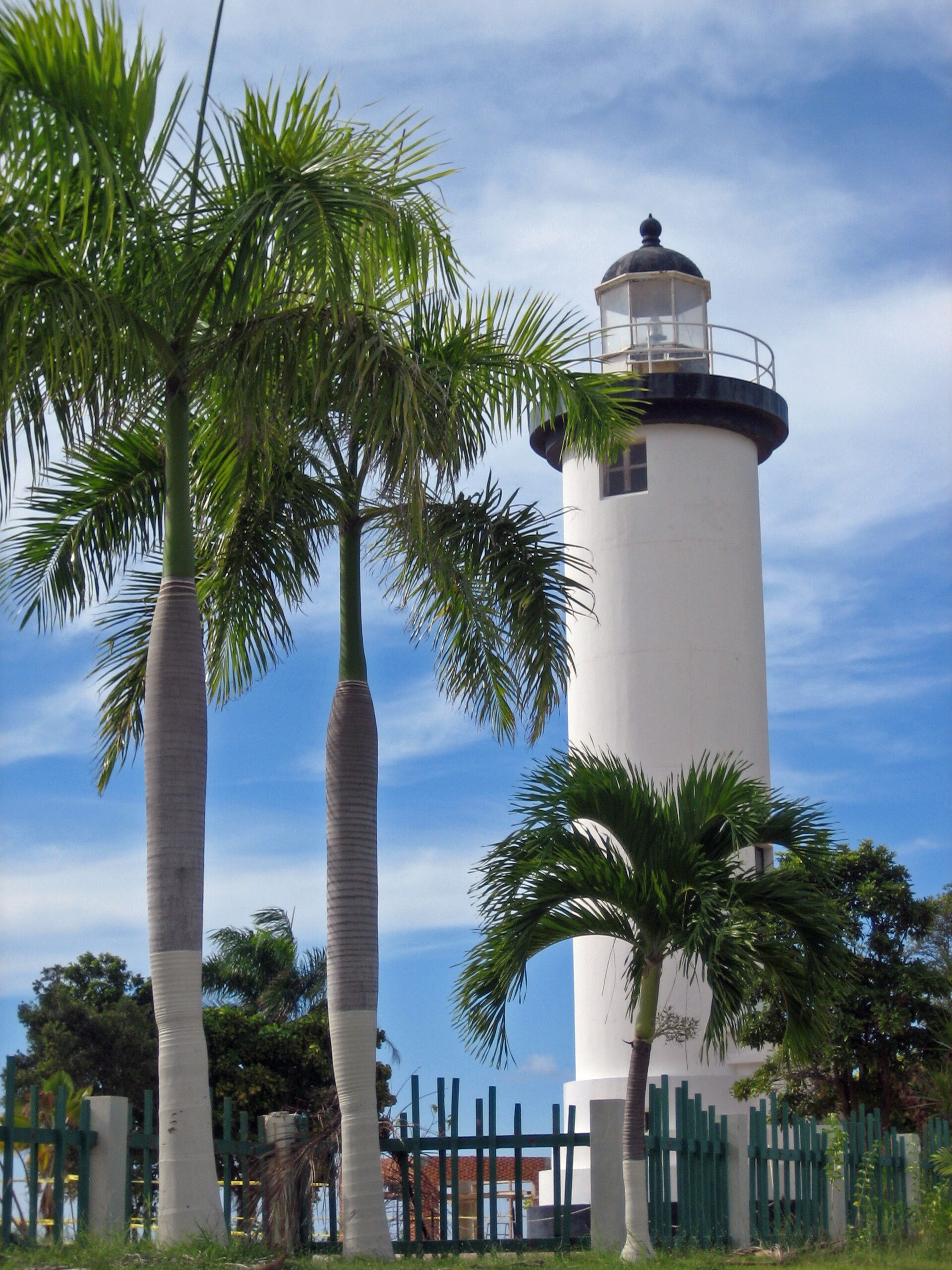 Photo: Oquendo / Wikimedia Commons (CC BY 2.0)
 - Tres Palmas Marine Reserve Year-round; summer for the calmest snorkeling
Established in 2004 after a community-led campaign — Puerto Rico's first marine reserve on the mainland — protecting roughly 1,200-1,400 acres including one of the Caribbean's largest surviving stands of endangered elkhorn coral.
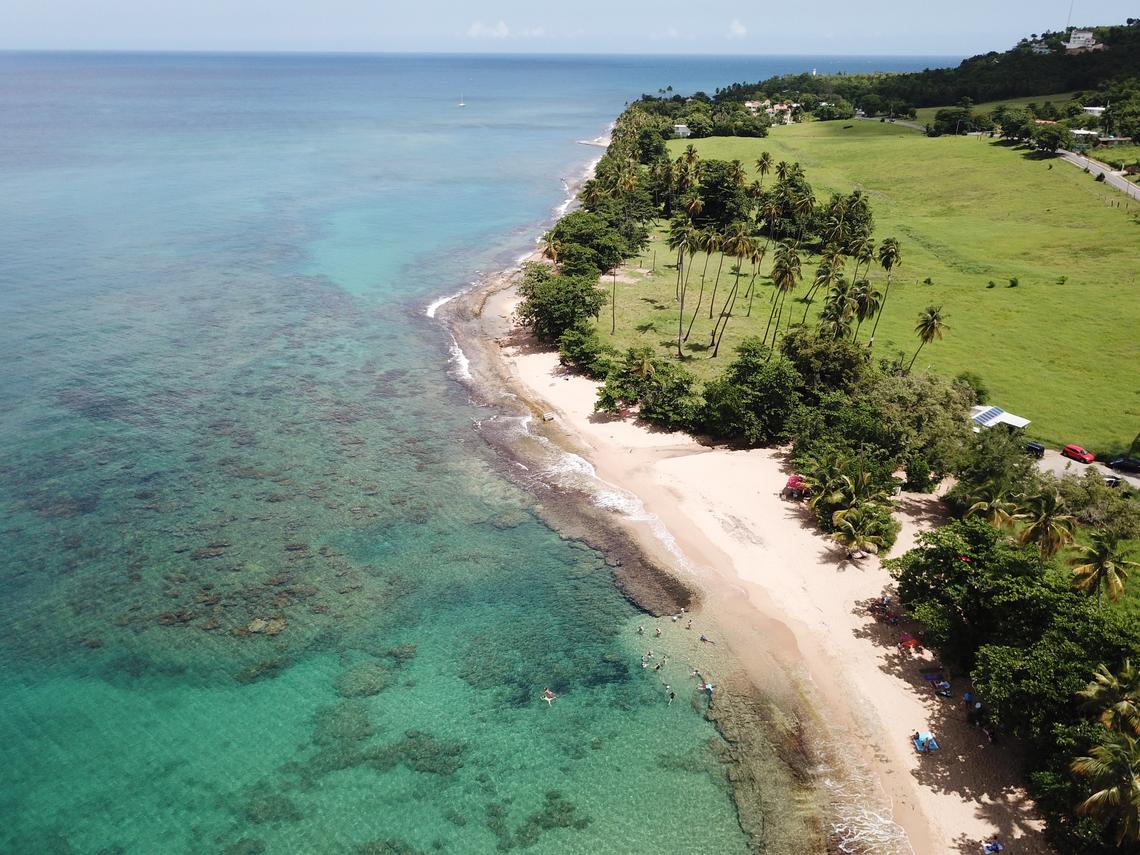 Photo: USGS / Shawn Harrison / Wikimedia Commons (Public Domain)
 - Crash Boat Beach Year-round; weekday mornings are quietest
Site of a former US military pier used to launch WWII-era air-sea rescue "crash boats" for nearby Ramey Field, opened to civilians in the mid-1970s. Known today for its brightly hand-painted fishing boats lined up onshore and the concrete pier remnants people jump from.
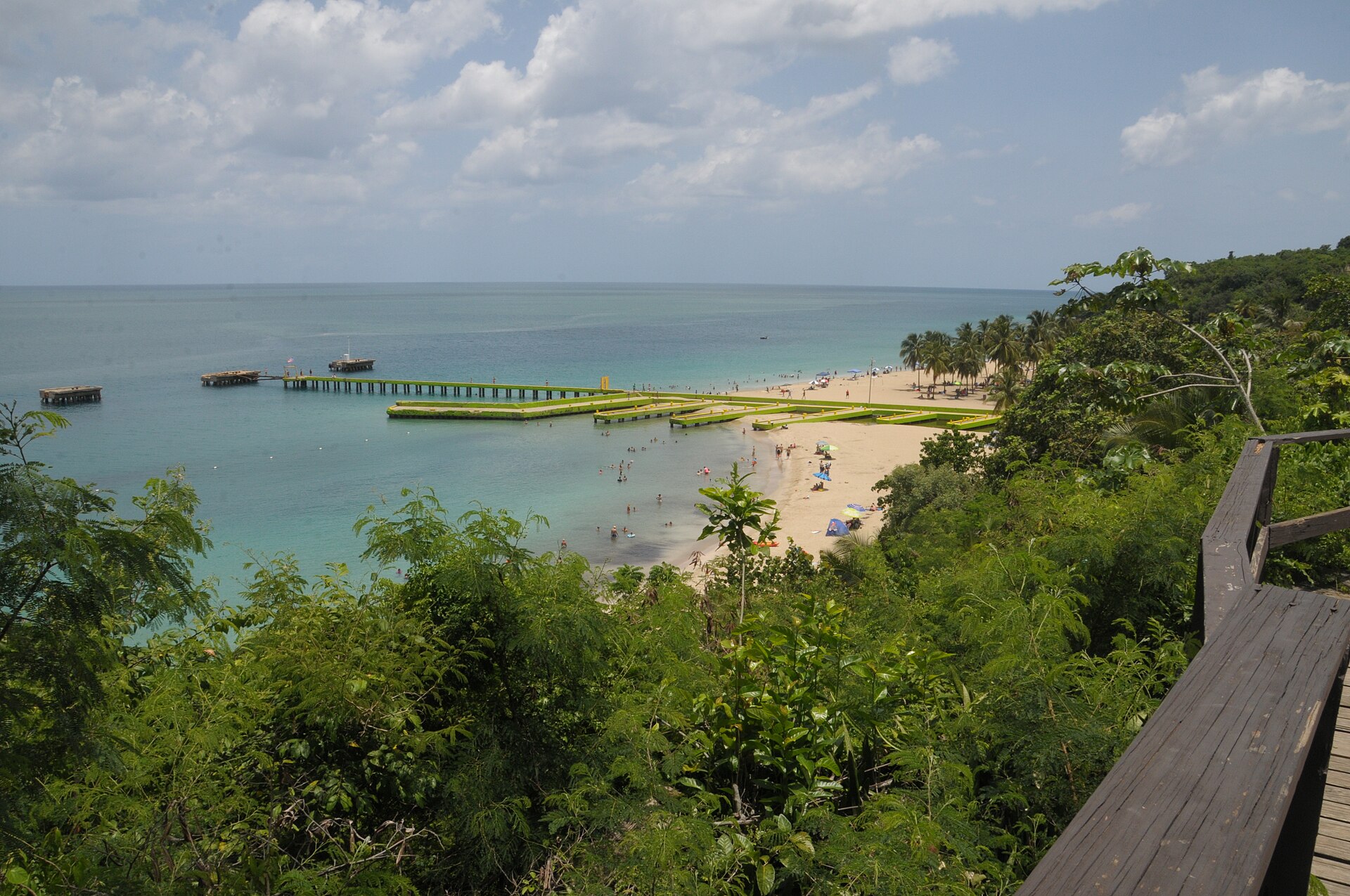 Photo: Ktorrespr / Wikimedia Commons (CC BY-SA 4.0)
 - Punta Borinquen Lighthouse Ruins Daytime, sunset for photos
Built in 1889 by Spain, destroyed in the 1918 earthquake/tsunami and never rebuilt on-site — only sections of brick wall and foundation remain, on the grounds of the former Ramey Air Force Base.
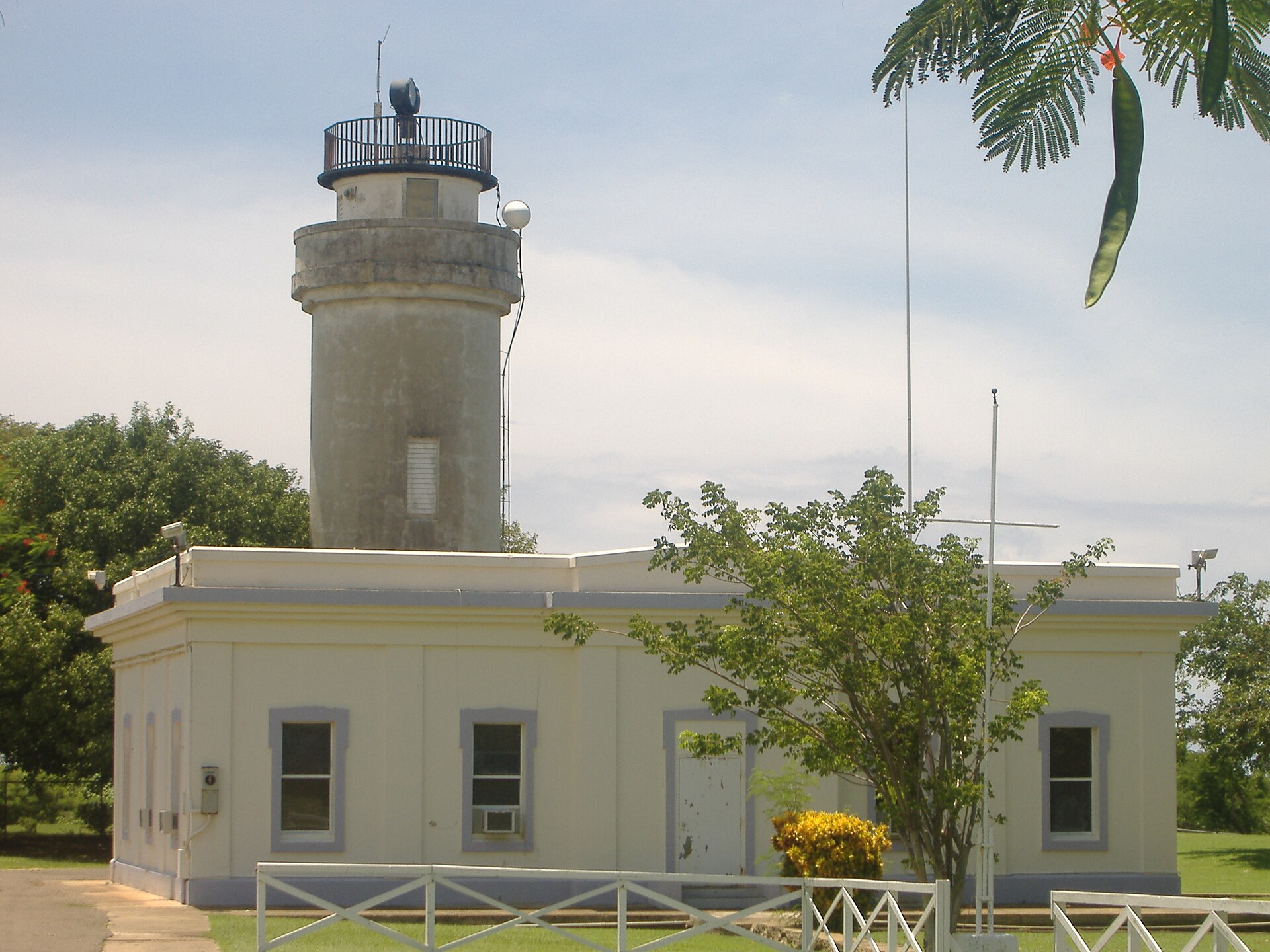 Photo: Mtmelendez / Wikimedia Commons (CC BY-SA)
 - Guajataca Tunnel Daytime; bring a flashlight
A roughly 300-ft rail tunnel cut through the Guajataca River canyon around 1904-05 by the American Railroad Co. of Puerto Rico, declared a historic monument in 2000 — the out-and-back walk emerges at a hidden river-mouth beach.
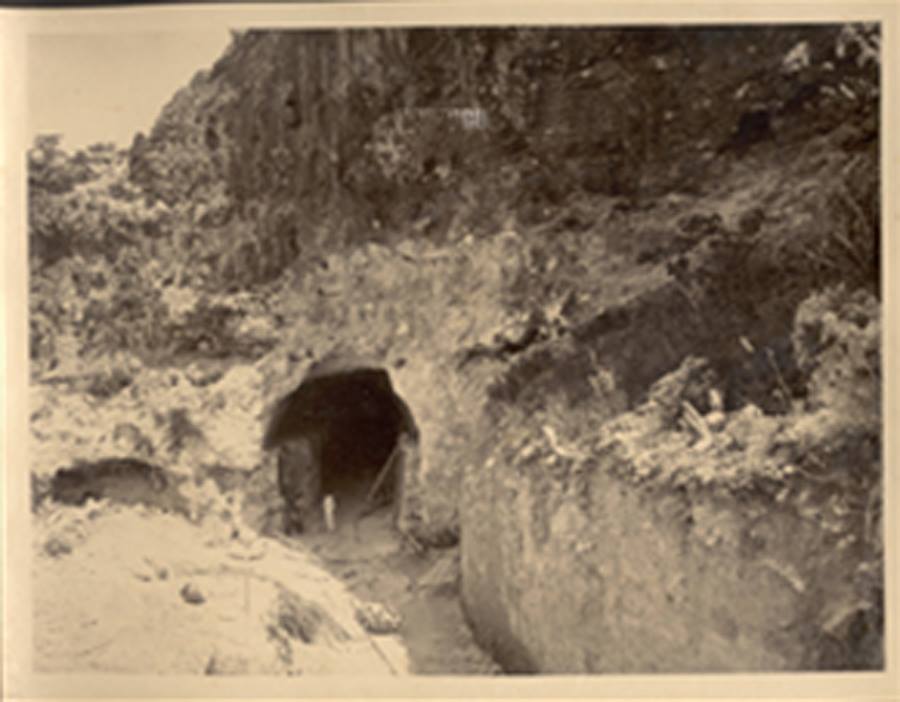 Photo: US Federal Government, c. 1904-05 / Wikimedia Commons (Public Domain)
 - Cueva del Indio Daytime, calm-sea days
A seaside limestone sinkhole cave holding over 80 Taíno petroglyphs carved roughly 1200-1500 AD, discovered in 1982 and listed on the National Register of Historic Places in 2003 — about 30-40 minutes from Isabela in neighboring Arecibo.
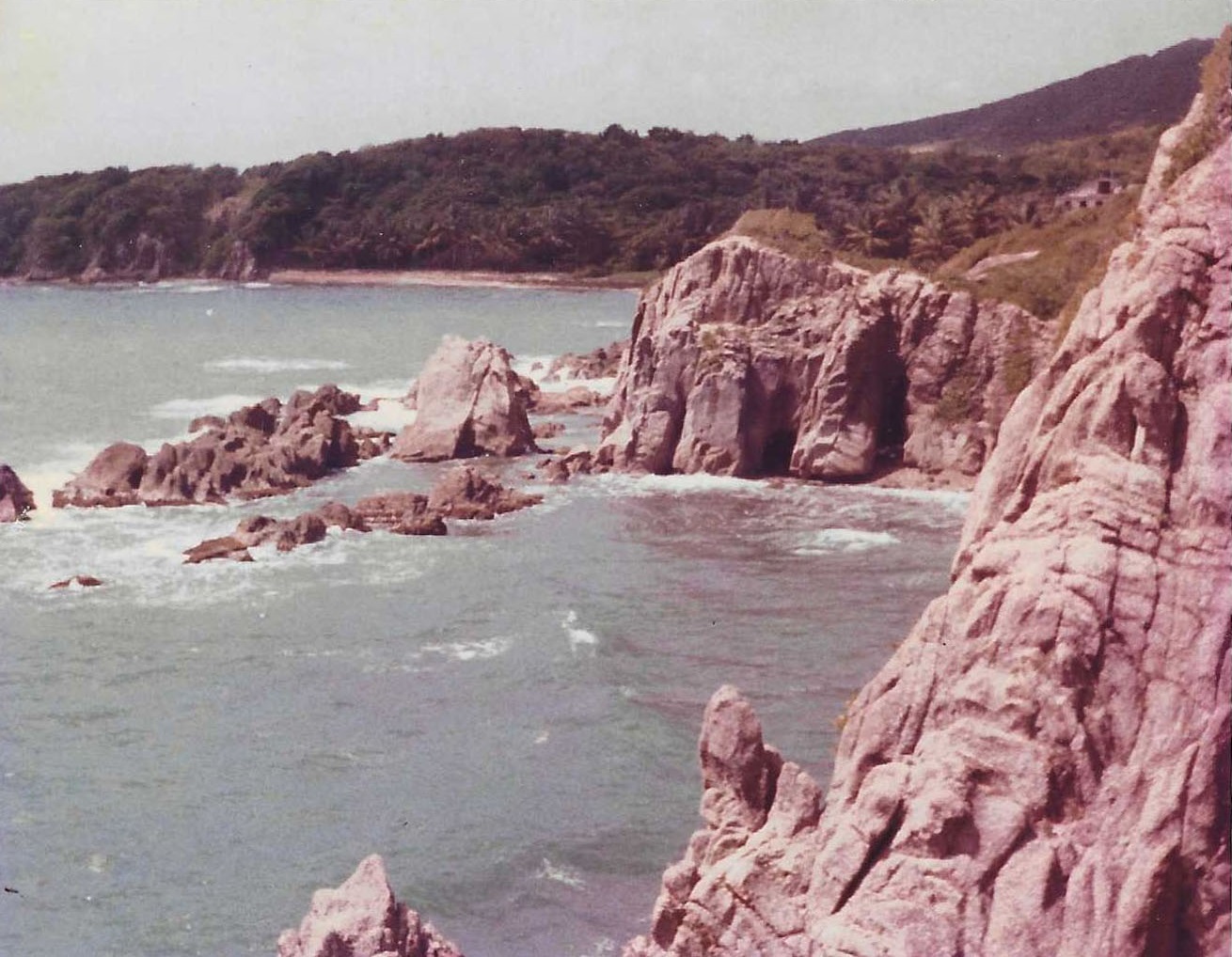 Photo: The Eloquent Peasant / Wikimedia Commons (CC0/Public Domain)
 - Río Camuy Cave Park Daytime; book ahead for timed entry
A 268-acre park protecting part of a cave network cut by the Camuy River — the third-largest underground river in the world. The show cave Cueva Clara runs about 700ft long and up to 200ft high, roughly 30-40 minutes from Isabela.
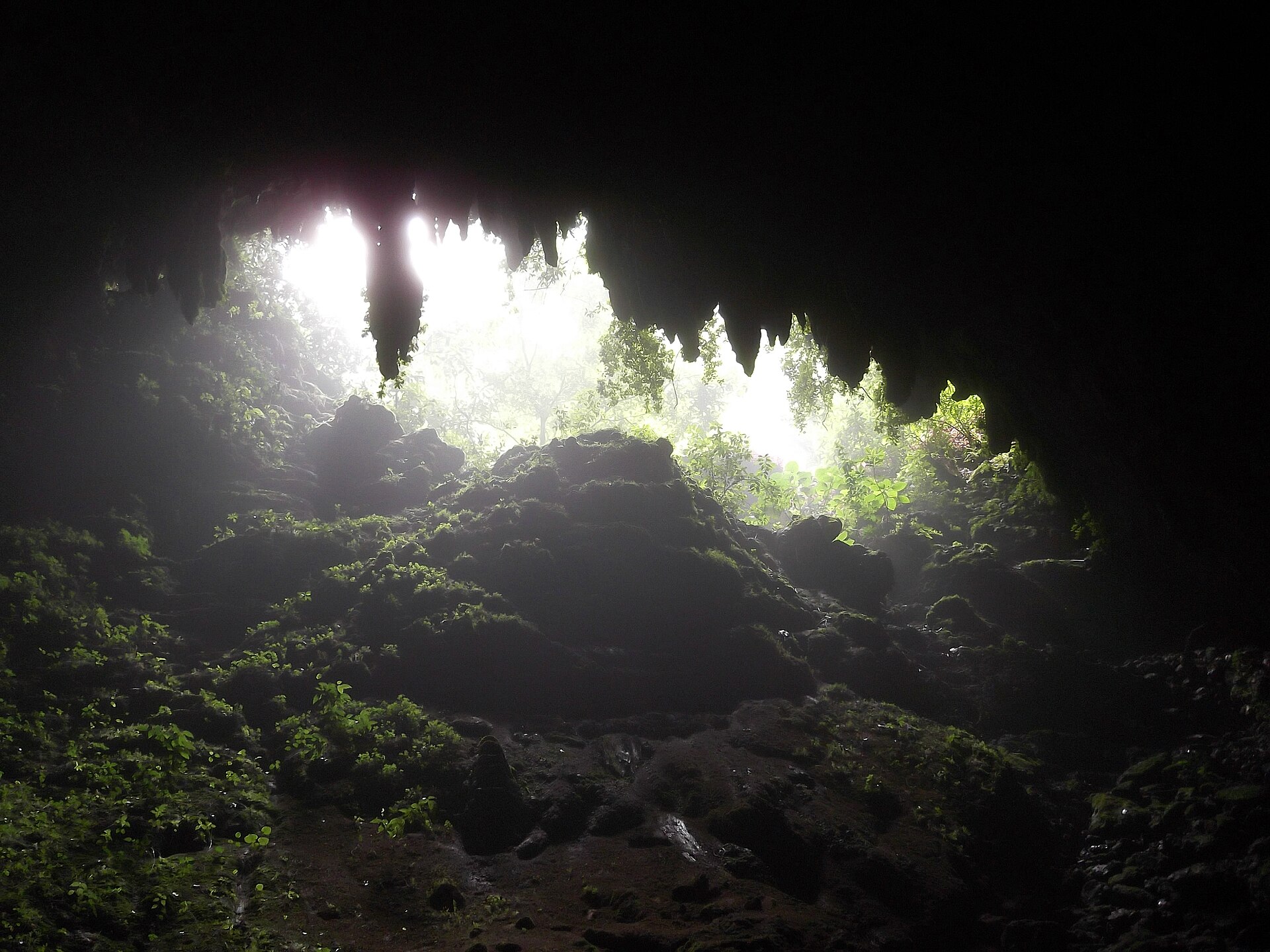 Photo: Jay Sturner / Wikimedia Commons (CC BY 2.0)
 - Jobos Beach Natural Pool Daytime, calmer conditions
The western end of this limestone-cliff-lined cove has a natural rock arch and sheltered tide pools distinct from the reef break at the east end — a spot locals bring kids to swim safely.
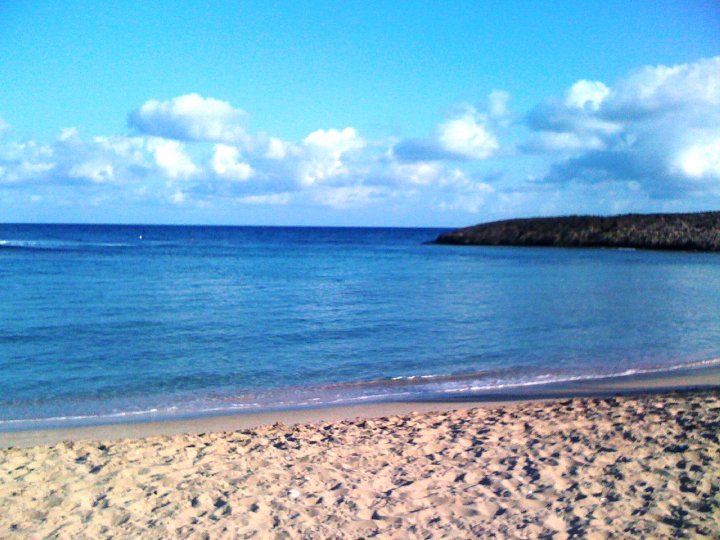 Photo: Gonzvaldo / Wikimedia Commons (CC BY-SA 3.0)
 - Mofongo & Comida Criolla Culture Any mealtime — lunch is traditional
A dish blending Taíno mortar-and-pestle technique, Spanish sofrito, and an Angolan Kikongo name: fried green plantains mashed with garlic and chicharrón, found at fondas and lechoneras across the island including Rincón's local spots.
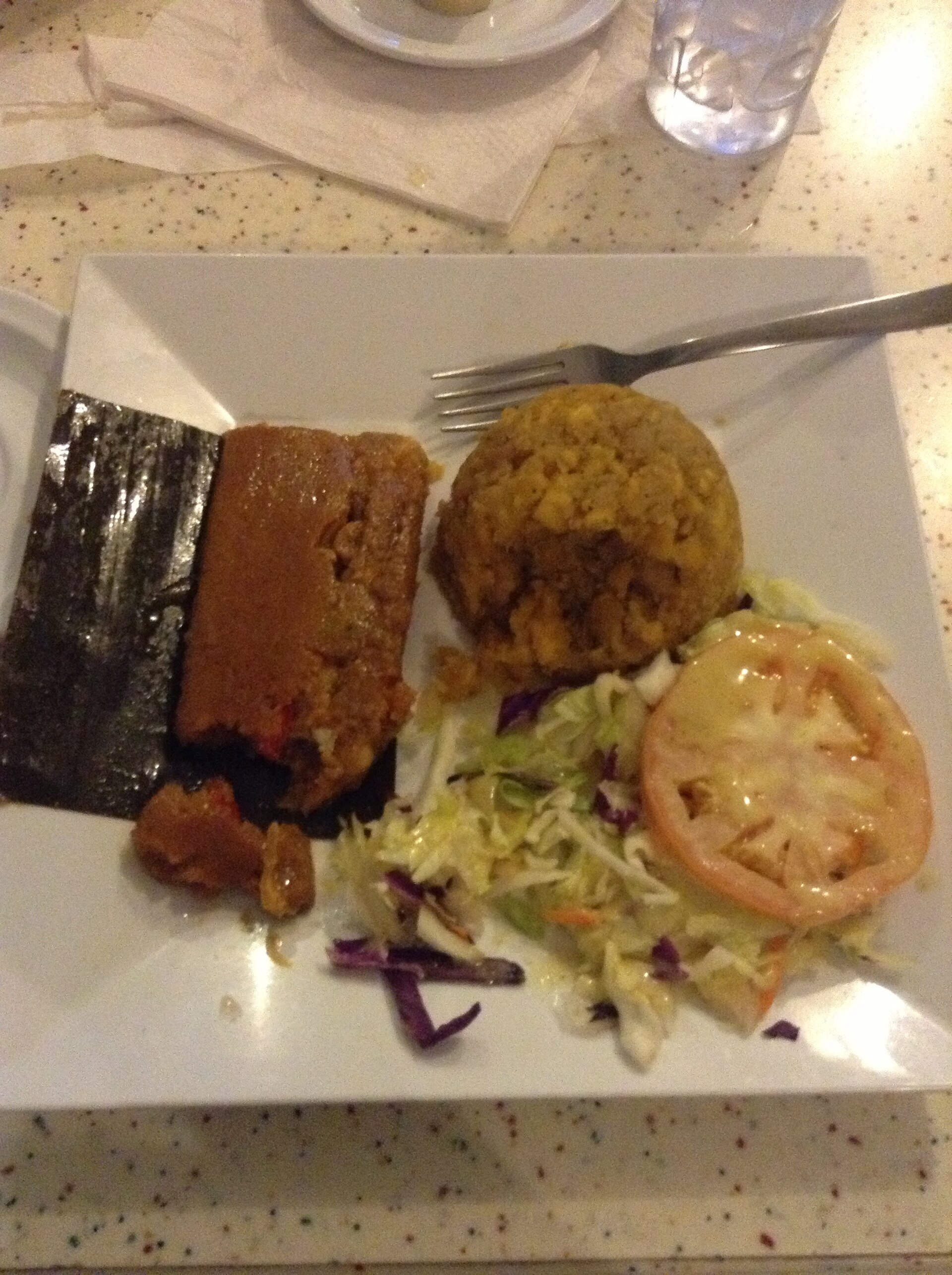 Photo: Alexgerena / Wikimedia Commons (CC BY-SA 4.0)
 - La Parguera Bioluminescent Bay Night tours, new-moon weeks for the brightest glow
About an hour's drive south of Rincón — genuinely outside this zone's three hubs, but the most accessible bio bay for west-coast travelers, and the only one of Puerto Rico's three where motorized tour boats are permitted.
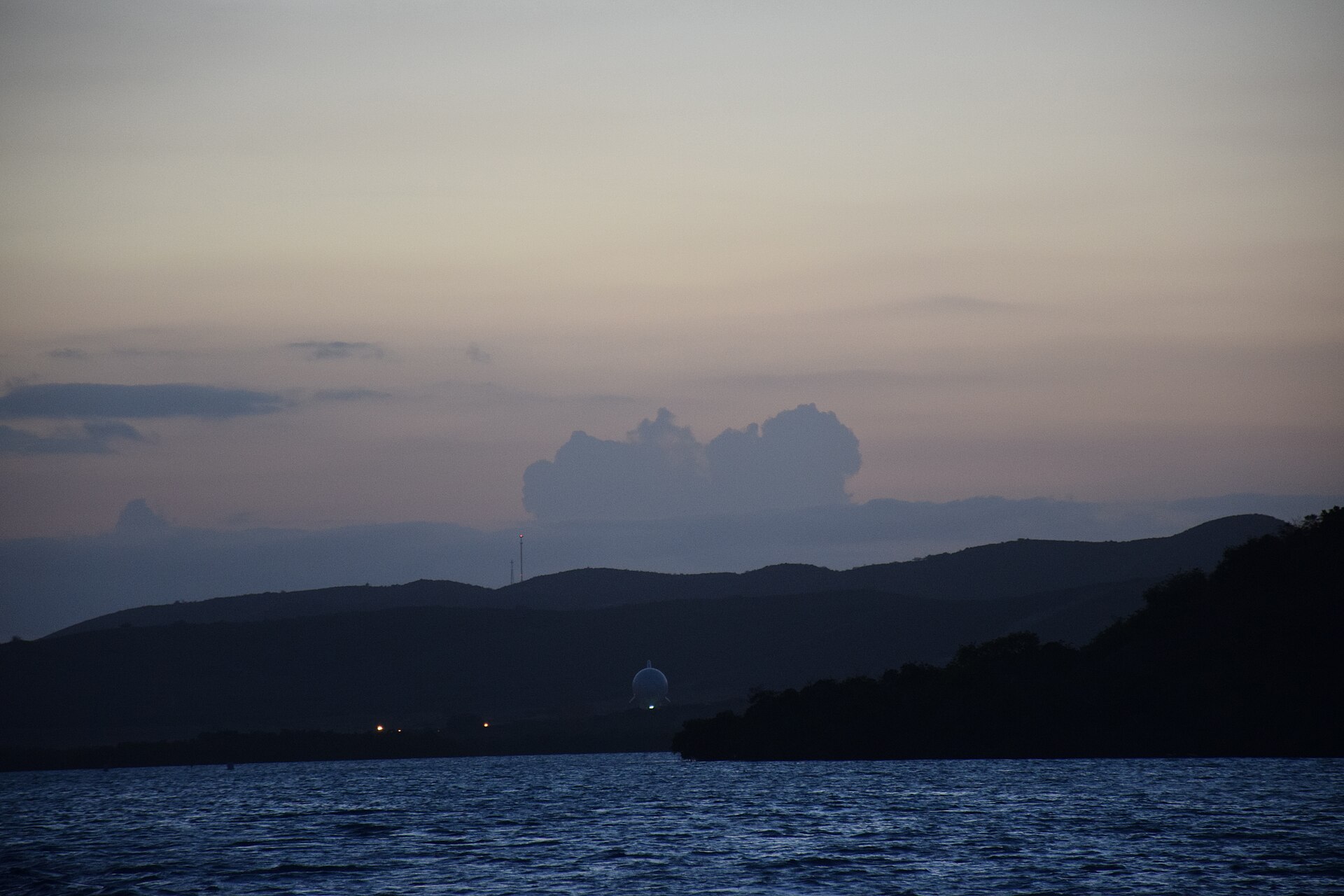 Photo: Clembore Memotech / Wikimedia Commons (CC BY-SA 2.0)
Questions people actually ask.
Do I need a passport to go to Puerto Rico?
No — Puerto Rico is a US territory, so US citizens flying from the mainland don't need a passport or visa. It's a domestic flight; the only ID requirement is the same TSA REAL ID rule that applies to any US flight.
Should I fly into San Juan or a closer airport?
For this zone, skip San Juan if you can. Rafael Hernández Airport in Aguadilla (BQN) sits inside the surf zone itself — about 20-30 minutes from Rincón, versus roughly 2 hours driving from San Juan (SJU). BQN has real, well-served direct routes from JetBlue (JFK), Frontier (Philadelphia), Allegiant, United, and American, with Orlando, New York, and Fort Lauderdale as the top routes.
Is Puerto Rico safe, and what about the power grid?
The US State Department rates Puerto Rico Level 1, Exercise Normal Precautions — the lowest risk tier. Petty theft (car break-ins, pickpocketing) is the more relevant risk for travelers than violent crime, which concentrates in specific non-tourist neighborhoods. Worth an honest note nearly nine years after Hurricane Maria: the power grid remains genuinely fragile — outages happen, including a full island-wide blackout in 2025 — pack accordingly (a headlamp, a portable charger) rather than assuming mainland-US reliability.
When should I go, and do I need to worry about hurricanes?
Surf season runs November through March/April, driven by North Atlantic groundswells — winter is also when trade winds keep the west-facing breaks groomed. Hurricane season runs June 1-November 30, peaking mid-August through October, which mostly doesn't overlap with the winter surf season — November travelers should still watch forecasts as a shoulder-season precaution.
What's the water like, and do I need a wetsuit?
Warm tropical Caribbean water year-round — roughly 77-85°F (25-29°C), coldest in Feb/March, warmest in September. No wetsuit needed at any point; a rash guard covers sun and reef protection.
Disclosure & how this page works.
Straight talk: Some links on this page are affiliate links — if you book through them, Secrets of Surf Travel earns a small commission at no extra cost to you. We only link places and people we’d use ourselves, and coverage is never for sale. Those commissions are what keep this site running and fund the next trip.
Today, the “Search Vrbo rentals” and “Search Booking.com stays” links on this page are affiliate links — every vendor listing link is still a plain courtesy link. As partnerships with these local businesses come online, more links (and discount codes, where Secrets of Surf Travel benefits from their use) may earn us a commission, and this page will keep saying so plainly. Coverage is never for sale: nobody on this page paid to be here, and nobody can.
Every listing was researched in 2026 and is being verified in person. Prices, hours, and policies change — treat them as strong starting points and confirm directly with the business. And per the No-Reveal Code: you will find no surf spots on this page, ever.