
Portugal — Algarve
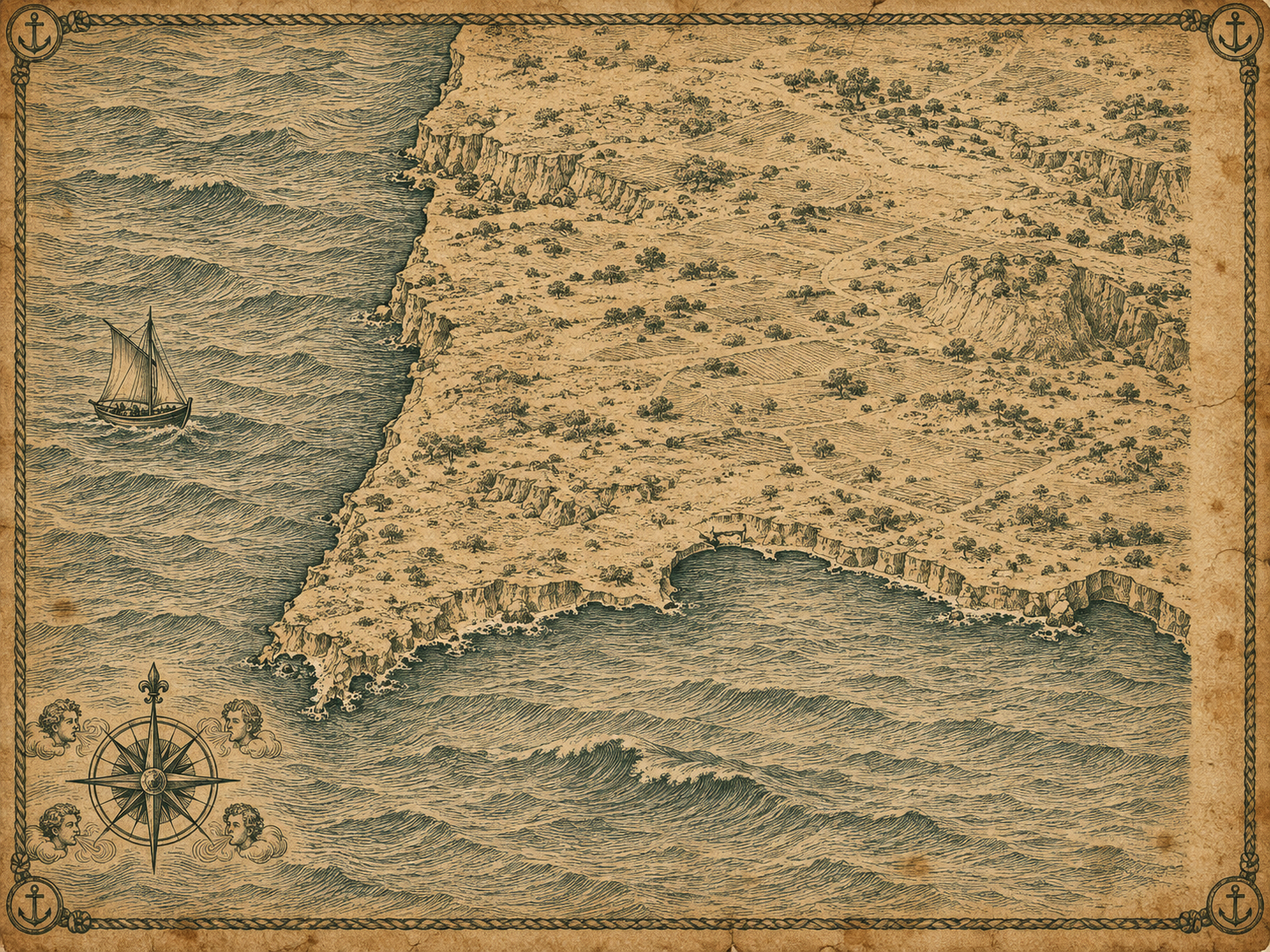
This is the wild, Atlantic-facing southwest — not the developed Mediterranean-style coast most people picture when they hear "Algarve." Sagres sits at Portugal's southwesternmost tip, where the coast bends and gives surfers a genuine multi-exposure wind-shadow advantage. Lagos is a real historic port town carrying both the romance and the hard history of Portugal's Age of Discoveries. And Aljezur, inland from the wild Costa Vicentina beaches of Arrifana and Amado, is a quiet market town inside one of the largest protected coastlines in Europe. This closes out Portugal, 3/3.

Straight talk: Some links on this page are affiliate links — if you book through them, Secrets of Surf Travel earns a small commission at no extra cost to you. We only link places and people we’d use ourselves, and coverage is never for sale. Those commissions are what keep this site running and fund the next trip.
Some vacation-rental search links on this page (marked “Search Vrbo rentals” or “Search Booking.com stays”) are affiliate links. Every vendor link below is still a plain courtesy link. As more partnerships come online, more links may earn us a commission; the promise above holds either way.
Getting There
Two real gateway options, worth weighing honestly. Faro (FAO) is the regional Algarve airport, roughly 57 minutes to Lagos, 1 hour 24 minutes to Sagres, and 1 hour 13 minutes to Aljezur — but its direct-US service is thin: only a seasonal United Airlines nonstop from Newark, 4x weekly, running roughly May through September. Outside that window, or for other US departure cities, Lisbon remains the stronger recommendation, same as this site's other two Portugal zones — strong year-round direct service from multiple carriers, then about a 3-hour drive or direct Rede Expressos coach (~3.5 hours) south to Lagos.
Documents: same Schengen rules as this site's other Portugal zones — no visa needed for US citizens for stays under 90 days within any 180-day period. The EU's ETIAS system, previously expected in late 2026, had its Q4 2026 launch target quietly dropped in mid-2026 — a 2027 launch now looks more likely, so treat any specific date you see elsewhere as unconfirmed.
Ground Transport
- Portugal drives on the right, same as this site's other Portugal, Spain, and France zones.
- The Algarve rail line ends at Lagos — it runs 139km from Lagos east to Vila Real de Santo António via Faro, but there's no rail beyond Lagos. Sagres and Aljezur/Arrifana/Amado are bus-or-car only.
- Lagos-Sagres is well served by bus — local and regional operators run roughly 9 weekday departures (5 on weekends, more in summer), as fast as 38 minutes on the quicker runs.
- Aljezur-Sagres runs about 6x a week, roughly 45 minutes, €8-9.
- A car is genuinely more important in this zone than in this site's other two Portugal zones. This coast is rural and spread out — Aljezur in particular has no local car-rental agency (scooters and e-bikes are the norm there), and reaching Arrifana or Amado's beach access beyond the town centers realistically requires your own wheels. Lagos is the practical car-rental base for the whole zone.
When to Go & What to Pack
- Sagres' real geographic advantage: a genuine wind-shadow, multi-exposure coast. Because Sagres sits exactly where Portugal's west coast bends to become the south-facing Algarve coast, beaches with completely different exposures sit within a 15-20 minute drive of each other. Whatever the wind is doing, some exposure nearby is likely offshore or clean — a real, documented geographic phenomenon that makes this zone distinct from this site's other two Portugal zones, where the whole coast faces one direction.
- Best season: broadly September through April, with October-April prime for size and consistency. September-October is a genuine sweet spot — the warmest water of the season plus swell already returning.
- Crowds, stated honestly: less crowded than Ericeira or Peniche, especially around Aljezur, Arrifana, and Amado — much of this coast sits inside a natural park that limits development, and sources describe it as uncrowded even in August by comparison. Sagres draws a real but smaller crowd than the site's Silver Coast towns.
- Water temperature: peaks around 20-23°C (68-73°F) in mid-August, dropping to 15-17°C (59-63°F) by late February, with occasional cold-snap dips to 14-15°C on the west-facing beaches.
- Wetsuit thickness: 2mm shorty or 3/2mm at peak summer warmth; 4/3mm with boots is the November-March standard; 5/4mm only for prolonged cold snaps or dawn patrols in January-February.
Good to Know
- Safety: Portugal is ranked 7th on the 2026 Global Peace Index, a position it has held since 2023, and has ranked in the GPI's top 10 every year since 2015 — same fact carried forward from this site's other Portugal zones.
- Currency: Euro. Language: Portuguese, with English widely spoken in tourist areas. Emergency number: 112.
- Southwest Alentejo and Vicentine Coast Natural Park: established in 1988, covering roughly 89,569 hectares (about 895 km², combining land and marine zones) along some 110km of coastline — one of the last stretches of undeveloped coastline in Europe, and it covers nearly the entire Aljezur hub.
Respecting the Locals
This zone runs from a real historic port town through a mythologized end-of-the-world outpost to a quiet market town wrapped almost entirely inside a protected natural park — three different communities, none of them built around tourism first. Lagos in particular carries genuinely heavy history that deserves to be treated with weight, not glossed over for a postcard. The same underlying code applies everywhere along this coast:
- Locals get first priority, always. Watch a session before you paddle out. Learn who's who before you learn the wave. Sit inside and catch what they let through — the leftovers are yours, not the set waves.
- Don't backpaddle. Ever. Being in position doesn't make the next wave yours, especially if you didn't wait your turn. If a local wants a wave, let them have it…even if it IS your turn. That older guy who may not be the best surfer out there has probably been surfing that wave before you even sat on a board. If you don't know someone, assume they're local.
- Don't snake. This shouldn't even need to be said, but…dropping in on someone, local or not, is the ultimate disrespect and the fastest way to be sent out of the water. Don't be that guy!
- Say hi. A “howzit,” “whatsup,” or “nice wave,” eye contact, or a nod in the channel — it costs nothing and it's the fastest way from stranger to welcome.
- This is somebody's home, not a resort amenity. The break you're surfing is where a local kid learned to swim, where someone's uncle has surfed for forty years. Act like a guest, because you are one.
- Spend where it actually helps. The food truck, the local shaper, the family-run rental, the local photographer — that's where a surf trip's money should land, not just the chain hotel gift shop. See The No-Reveal Code for why that's the whole premise of this site.
- Leave it better than you found it. Pick up trash that isn't yours. Don't touch reef, wildlife, or cultural sites.
Locals have watched hundreds, if not thousands, of people come and go — some for days, some for months or years — and almost all of them eventually go home. The locals are still there. It takes many, many years to actually become one. Keep that in mind the next time you feel entitled to the same waves they get.
None of this is a secret handshake. It's just how you'd want a guest to act in your own backyard.
Lagos
A real historic port town and the main regional base for this zone — a genuine old town behind 16th-century walls, a lively marina, and honest, weighty history: this is the port Henry the Navigator's expeditions actually sailed from, and the site of the first recorded sale of enslaved sub-Saharan Africans on European soil, in 1444.
Lagos' lodging bench runs mid-range to upper hotels along Dona Ana and Meia Praia — the regional base for the whole zone.
Surf Schools & Board Rental
- Lagos Surf Center Surf ShopLagos marina areaConfirm on the groundOperating since 1999, the long-standing name in town — instruction, board/SUP/kayak rentals, bike rental, and repair all in one shop. lagossurfcenter.com · Instagram · Map
- Magic Board CenterLagosConfirm on the groundStrong on gear quality and conditions-based coaching. magicboardcenter.com · Instagram · Map"Staff are extremely friendly, efficient and helpful, advise on where to go given wind, tide & swell." — reviewer
Stays
- Carvi Beach HotelDona Ana Beach, LagosMid-rangeRooftop pool and private balconies right on the beach. carvihotel.com · Map"There is a beautiful rooftop patio with some of the best mojitos I have ever had." — reviewer
- Vila Galé LagosMeia Praia, LagosUpperBeachfront, large pool, spa, and tennis courts — a good pick for non-surfing travel companions. vilagale.com · Map
Where to Eat
- Casinha do PetiscoLagos old townMid-rangeThe cataplana spot locals and repeat visitors point to; cash-only, expect a wait. casinhadopetisco.pt · Map"The best cataplana in the world! The most delicious fish stew you can imagine." — reviewer
- Restaurante Prato CheioOutside Lagos' tourist centerBudgetWhere locals actually go — packed even on weeknights. Instagram · Map
Wheels
- Sidecar32 Scooter & Motorbike RentalLargo das Portas de Portugal, LagosConfirm on the groundStrongest-reviewed operator in town — helmets, insurance, top case, and unlimited km included. sidecar32.com · Facebook · Map"Top notch rental service in Lagos." — reviewer
Lagos is the practical car-rental base for this whole zone — standard international agencies operate here, given how spread out Sagres and Aljezur are.
Surfboard & Wetsuit Repair
- Magic Board CenterLagosConfirm on the groundDing, delamination, hole, snap, and crease repair. magicboardcenter.com · Instagram · Map"Absolutely top quality and very reasonably priced." — reviewer
Massage & Wellness
- The Massage Studio LagosRua José d'Abreu Pimenta, LagosConfirm on the groundRanked among the top wellness spots in town, also offers in-room/hotel massage. themassagestudiolagos.com · Map
Other Adventures
- Ponta da Piedade grotto & sea-cave boat toursDeparts Lagos marinaMid-rangeSmall boats built to enter the smallest grottos, roughly 90 minutes — genuinely one of the best-reviewed activities in the whole region. lagosboattours.com · Map
Sagres
A small, remote town at Portugal's — and mainland Europe's — southwesternmost tip, long mythologized as the edge of the known world. Its real history is more nuanced than the postcard version, and worth getting right (see Local Secrets below).
Sagres' bed stock leans small and independent — guesthouses and hostels close to the beaches, not resort chains.
Surf Schools & Board Rental
- Sagres Surf SchoolSagresConfirm on the groundTop-praised local operator, credited with knowing lesser-known, uncrowded spots and driving groups there. sagressurfschool.com · Map
- Freeride Surfcamp & SchoolSagresConfirm on the groundInstructors noted for teaching technique patiently while emphasizing safety. frsurf.com · Instagram · Map
Stays
- Blacksheep Sagres Guesthouse & SurfNext to Sagres' best beachesBudget/midHands-on owners, huge fully-equipped kitchen. blacksheepsagres.com · Facebook · Map"Amazing hosts, who really care about the guests." — reviewer
- The Lighthouse HostelSagresBudgetPoolside bar/lounge vibe, good social/backpacker pick. thelighthousehostel.com · Map
Sagres' accommodation bench skews budget/mid — hostel and guesthouse heavy, fitting the town's small, remote character. No standout luxury-tier property inside Sagres town itself was confirmed in this research pass.
Where to Eat
- Restaurante CarlosSagresMid-rangeFresh grilled fish sold by the kilo, shown to you before grilling. restaurantecarlos.eatbu.com · Facebook · Map
- A SagresSagresMid-rangeOutdoor veranda; stuffed squid with rice and grilled sea bream are the standouts. asagres.pt · Map
Wheels
- Maretta ShopSagresConfirm on the groundOne-stop: scooter and bike rental, plus surfboard/wetsuit rental and instruction. maretasurfshop.com · Instagram · Map
No standout independent car-rental agency inside Sagres itself — renting in Lagos and driving down (about 35-40 minutes) is the realistic pattern.
Surfboard & Wetsuit Repair
- Board Trader AlgarveSagresConfirm on the groundA large inventory of rental and used boards, plus repairs and accessories. boardtraderalgarve.com · Instagram · Map
Massage & Wellness
- Finisterra SpaRua do Martinhal, SagresUpperThe one established destination spa in town. martinhal.com · Map"Amazing relaxation massages." — reviewer
Other Adventures
- Fortaleza de SagresSagresBudgetA real 15th-century fortress with a dramatic clifftop platform — drew over 443,000 visitors in 2024. fortalezadesagres.pt · Map
- Cabo de São Vicente6km from SagresBudgetMainland Europe's southwesternmost point, with a lighthouse and small maritime museum. Map
Aljezur, Arrifana & Amado
Aljezur is a quiet inland market town; Arrifana and Amado are its two well-known nearby surf beaches on the wild Costa Vicentina coast. Genuinely the least developed, least crowded hub in this zone — most of it sits inside the Southwest Alentejo and Vicentine Coast Natural Park.
Aljezur's beds are guesthouses and hostels around Arrifana and the market town — small and independent, fitting this hub's off-grid character.
Surf Schools & Board Rental
- Arrifana Surf School & CampArrifana beachConfirm on the groundHolds the official seasonal concession to operate on the beach itself; small-group instruction. arrifanasurfschool.com · Instagram · Map
- Aljezur SurfCovers Arrifana & AmadoConfirm on the groundSeasonal surf-guide model that moves with conditions across both beaches. aljezursurf.com · Map
Stays
- Arrifana Ocean View Guest HouseArrifanaBudget/midShort drive to the beach, strong on host quality. Map"Comfortable, clean guest house with a perfect location." — reviewer
- Hi Arrifana Destination HostelArrifanaBudgetSocial pick with crazy views. destinationhostels.com · Instagram · Map"Good beach for surfing and great hiking for the sunset." — reviewer
No luxury-tier property surfaced for this hub — it's guesthouse and hostel territory, fitting its small-market-town, off-grid-surf-beach character.
Where to Eat
- O PauloArrifanaMid-rangeOcean and fortress views; known for fresh percebes, octopus salad, and spider crab. restauranteopaulo.com · Map
- Tasca d'ArrifanaArrifanaMid-rangeGrilled sea bass and percebes in season, through mid-September. tasca-arrifana.com · Facebook · Map
Wheels
- Indy ScootersAljezurConfirm on the groundThe only licensed scooter rental in Aljezur, with transfer service. Map
- Hire Service Scooter & BikeRua 25 de Abril 61, AljezurConfirm on the groundE-bike rental specifically suited to reaching Arrifana and touring the Costa Vicentina. Map
No car-rental agency based in Aljezur itself — scooter and e-bike territory, with cars realistically sourced from Lagos.
Surfboard & Wetsuit Repair
Massage & Wellness
Real but almost entirely mobile/independent rather than storefront — operators like Massage Aljezur by Thaís Zanna and Bodywisdom Holistic Therapies cover the area, but there's no destination spa here the way Sagres has Finisterra or Lagos has The Massage Studio.
Other Adventures
- Rota Vicentina — Historical Way, Aljezur to Arrifana segmentStarts in AljezurBudgetA real ~7.3-mile, free public trail through farmland, streams, and woodland connecting the market town to the surf coast. rotavicentina.com · Map
Local Secrets
Twelve non-surf reasons this zone rewards the curious — a mysterious stone wind-rose whose real age nobody has settled, a building in Lagos that holds genuinely heavy history, and the long-distance trail network that finally stitched this wild coast together in 2012.
- The Sagres Wind Rose (Rosa dos Ventos) Early morning or late afternoon, year-round
A massive stone-paved circle, 43 meters across, uncovered during excavations around 1919-1921 inside the walls of the Fortaleza de Sagres. It's popularly linked to Henry the Navigator's 15th-century fortress, but the attribution is genuinely disputed — some historians argue the construction points to a 16th-century or later origin, and its actual function remains unresolved between mariner's compass, sundial, or purely decorative feature.
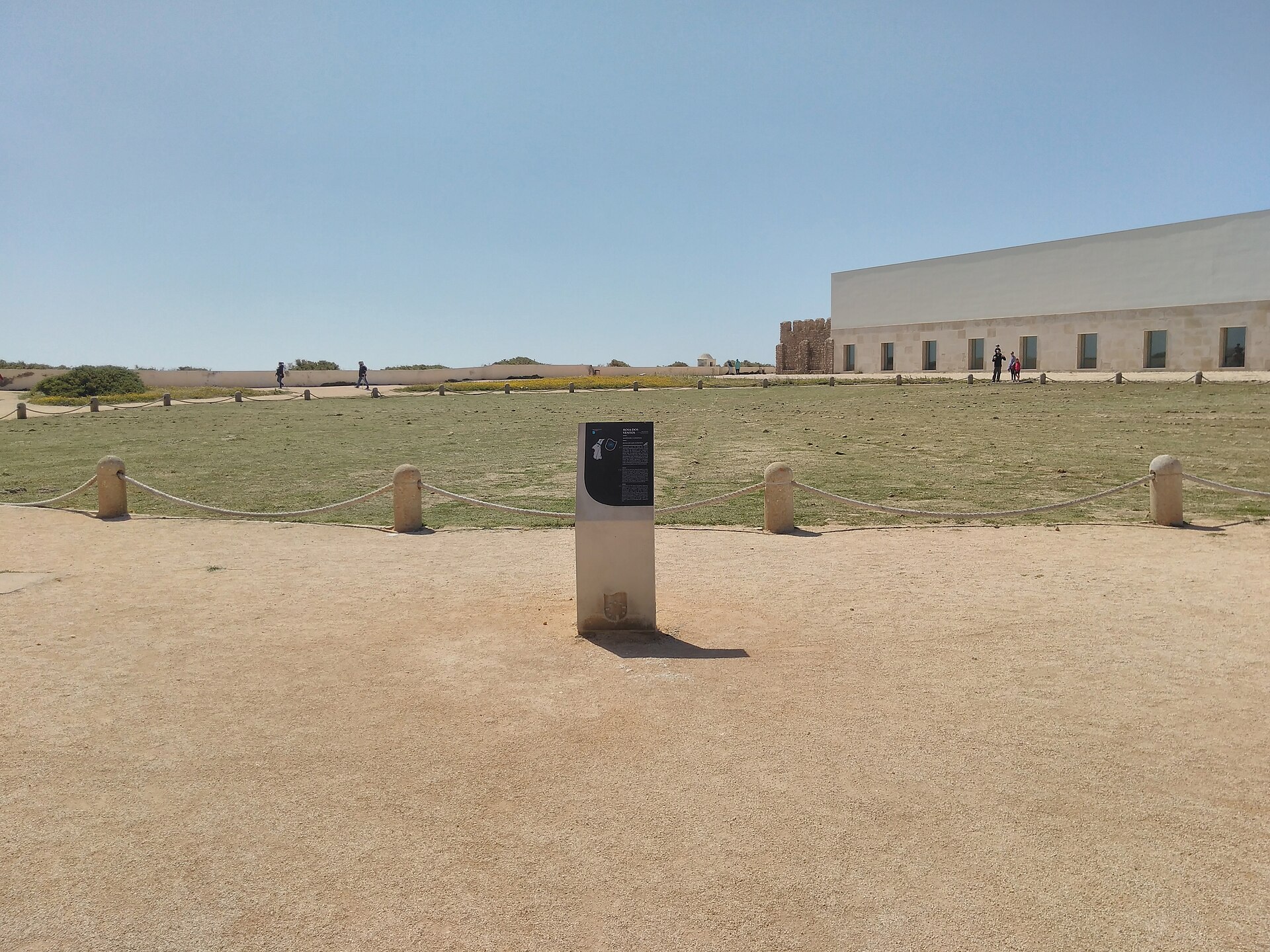 Photo: Threeohsix / Wikimedia Commons (CC BY-SA 4.0)
 - Cabo de São Vicente — "The End of the Known World" Sunset
The southwesternmost point of mainland Europe, a stark 75-meter headland where the land simply stops. The Romans called it Promontorium Sacrum — "Sacred Promontory" — and considered it too holy for mortals to spend the night, according to ancient writers like Strabo. Its present name comes from a Spanish martyr whose relics were reportedly carried past the cape by boat, guarded by ravens, in the 12th century.
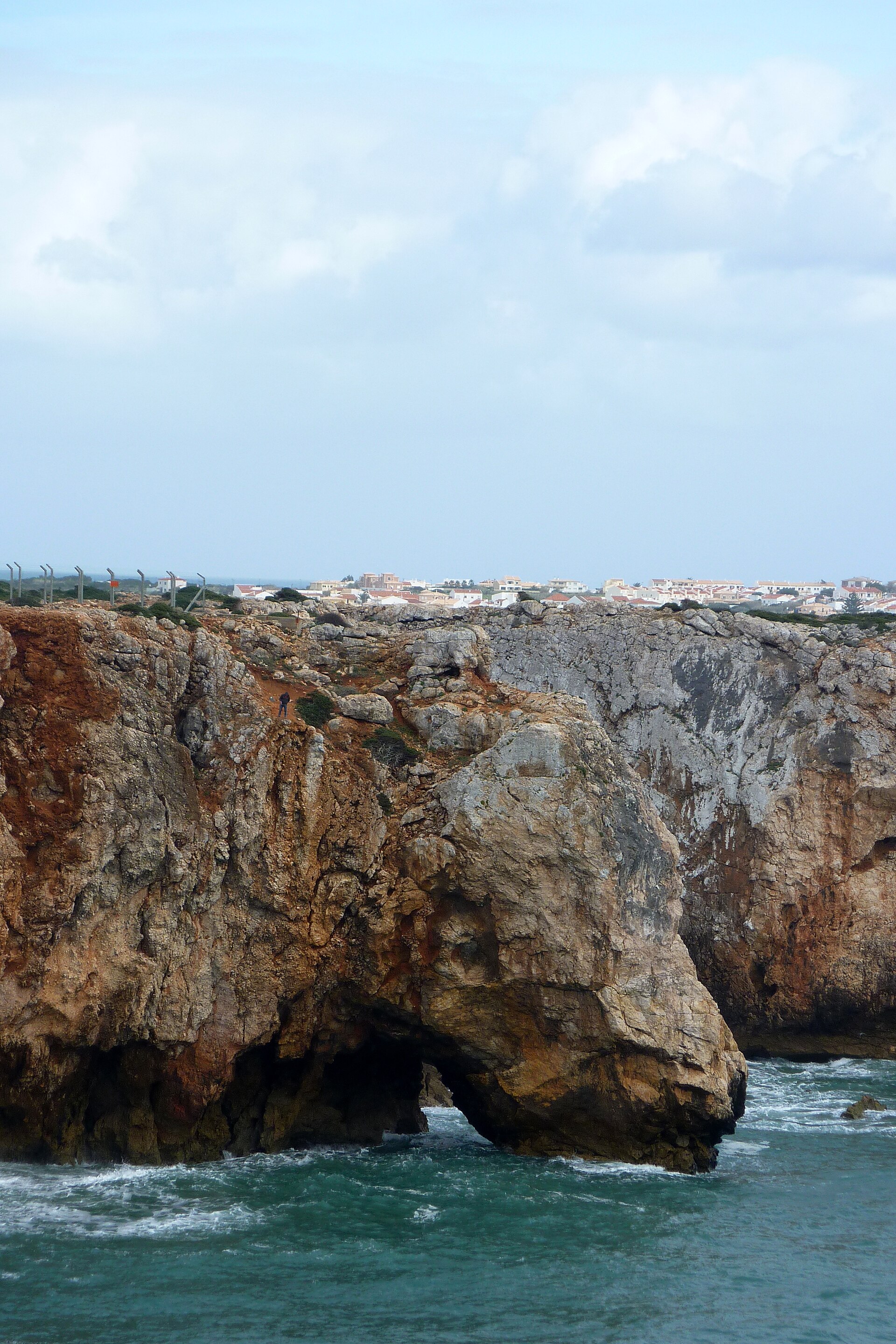 Photo: muffinn / Wikimedia Commons (CC BY 2.0)
 - The Cabo de São Vicente Lighthouse Wednesday afternoons for the museum interior; the courtyard and exterior are viewable other days
Built in 1846 atop the ruins of a 16th-century Franciscan convent, this 28-meter lighthouse has run on a hyper-radiant Fresnel lens — the largest optic of any lighthouse in Portugal — since 1908, throwing a beam roughly 60km out to sea. For centuries, this was the last landmark ships bound for the Americas or Africa would see before losing sight of Europe entirely.
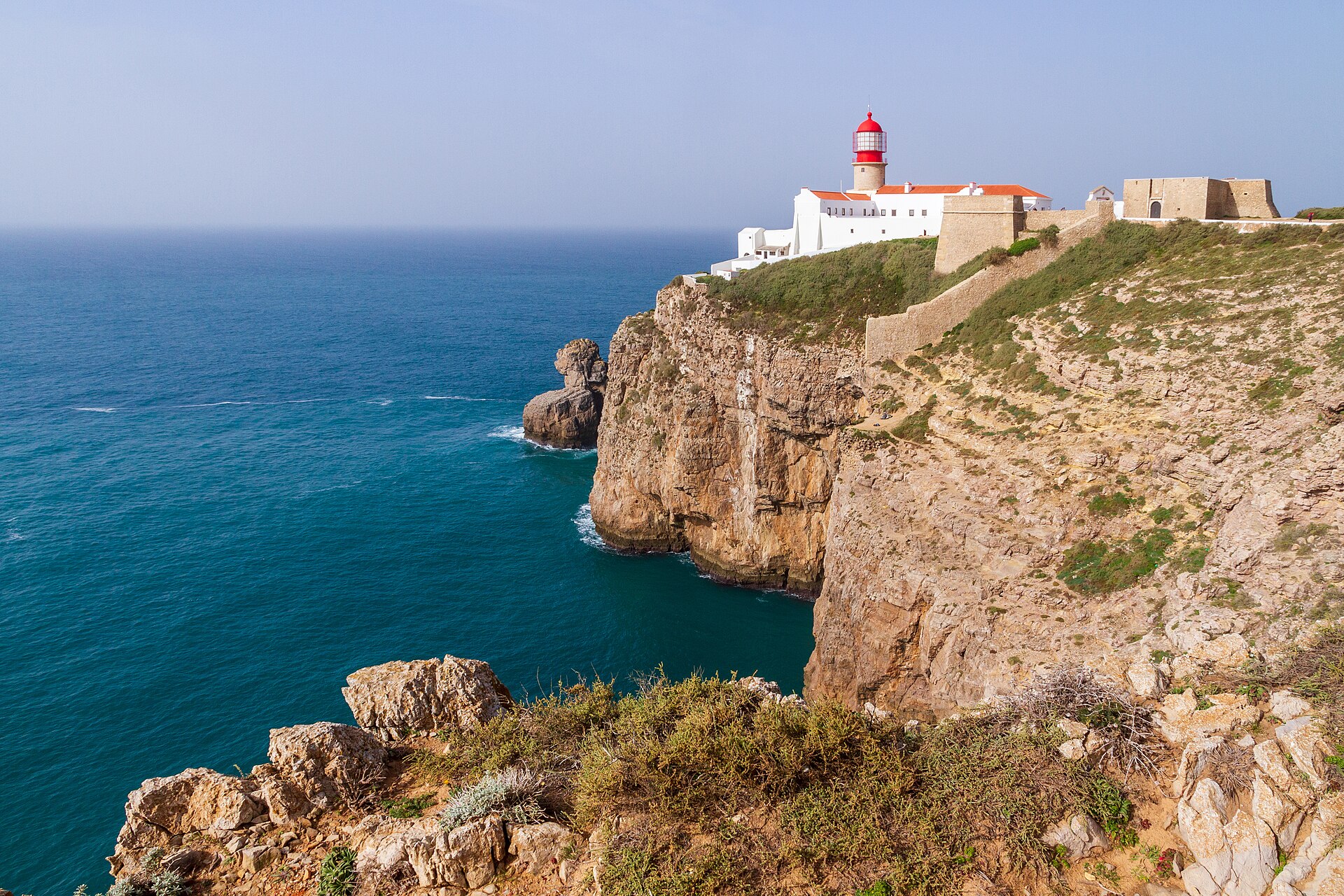 Photo: Matthias Süßen / Wikimedia Commons (CC BY-SA 4.0)
 - Fortaleza de Sagres — Myth vs. Reality Any daytime visit, year-round
Sagres is popularly marketed as the site of a 15th-century "School of Navigation" founded by Henry the Navigator. This is a myth most modern historians have discredited — no contemporary document mentions a formal school, and the real departure port for Henry's African voyages was Lagos, which had actual harbor facilities that Sagres lacked. What's real: Henry did establish a nearby estate and did employ real cartographers and instrument-makers. Visit the fortress for its genuine 15th-16th century fortifications and dramatic clifftop setting, not as a literal schoolhouse.
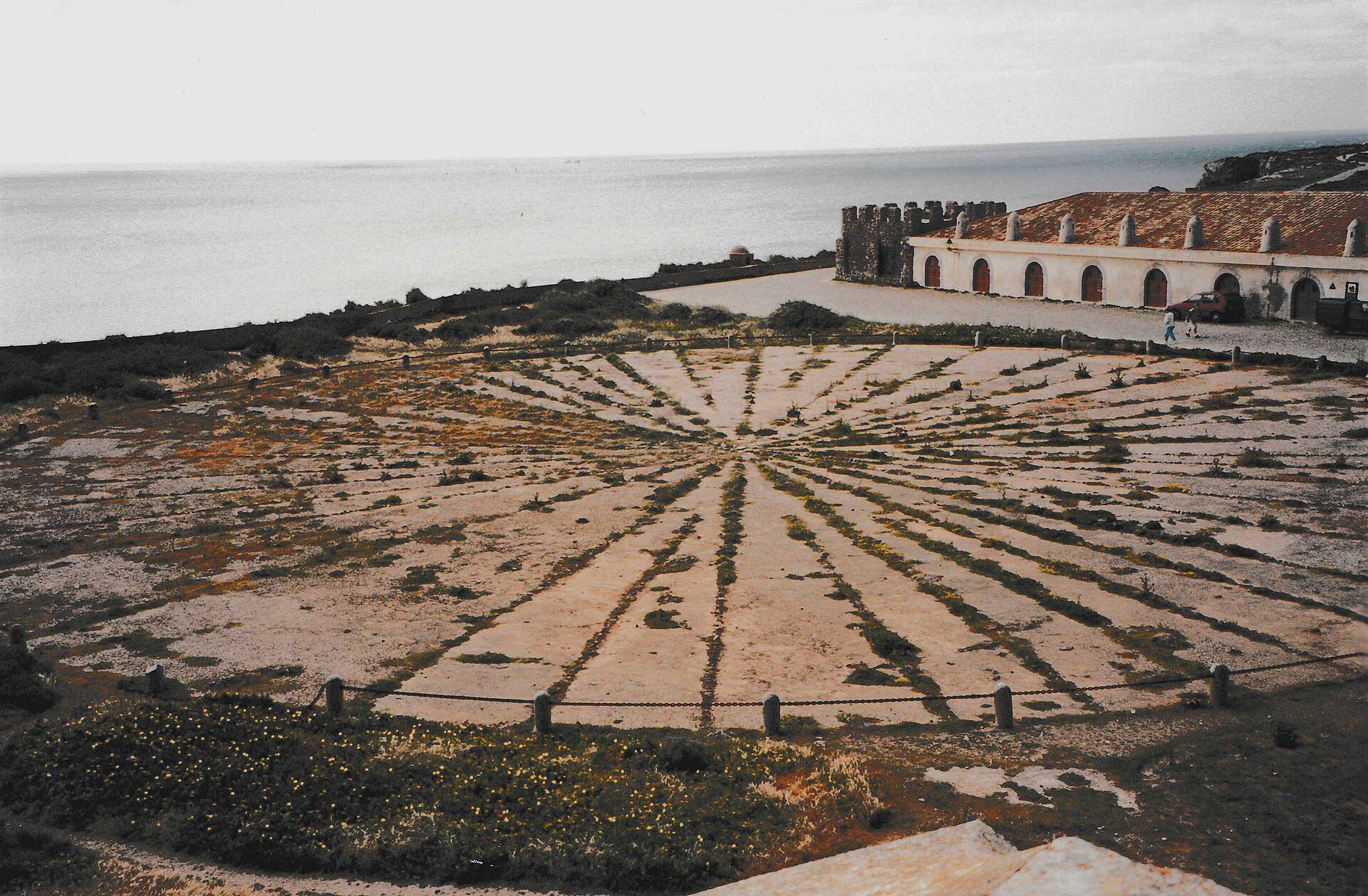 Photo: Monika Hoerath / Wikimedia Commons (CC BY-SA 4.0)
 - The 16th-Century City Walls of Lagos Early morning, for soft light along Avenida dos Descobrimentos
Lagos' walls trace a roughly 1.5km perimeter with nine towers and seven gates. What stands today dates mainly to the 16th century, enlarged under Kings Manuel I and João III against pirate raids and Spanish threats — built atop earlier Roman and Moorish fortifications on the same site, some over a thousand years older.
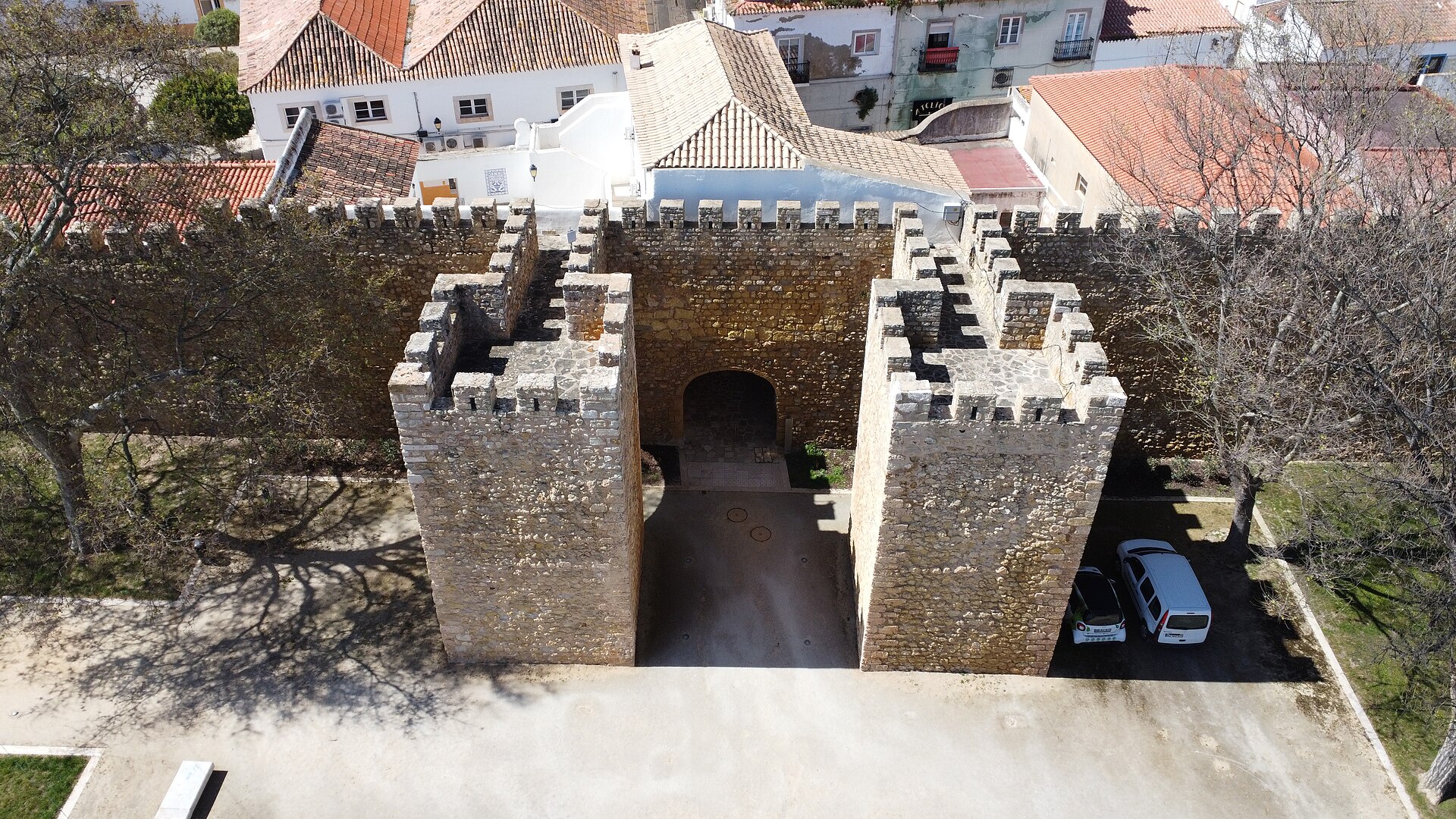 Photo: Bextrel / Wikimedia Commons (CC BY-SA 4.0)
 - Igreja de Santo António's Gilded Interior Weekday mornings, alongside the adjoining museum
Behind a modest facade, this small church holds one of Portugal's most lavish baroque interiors — wall-to-ceiling gilded woodwork paired with 18th-century azulejo tile panels. Rebuilt in 1769 after earthquake damage, under the patronage of Hugo Beaty, an Irish-born commander of the Lagos infantry regiment — an unusual detail for a Portuguese national monument.
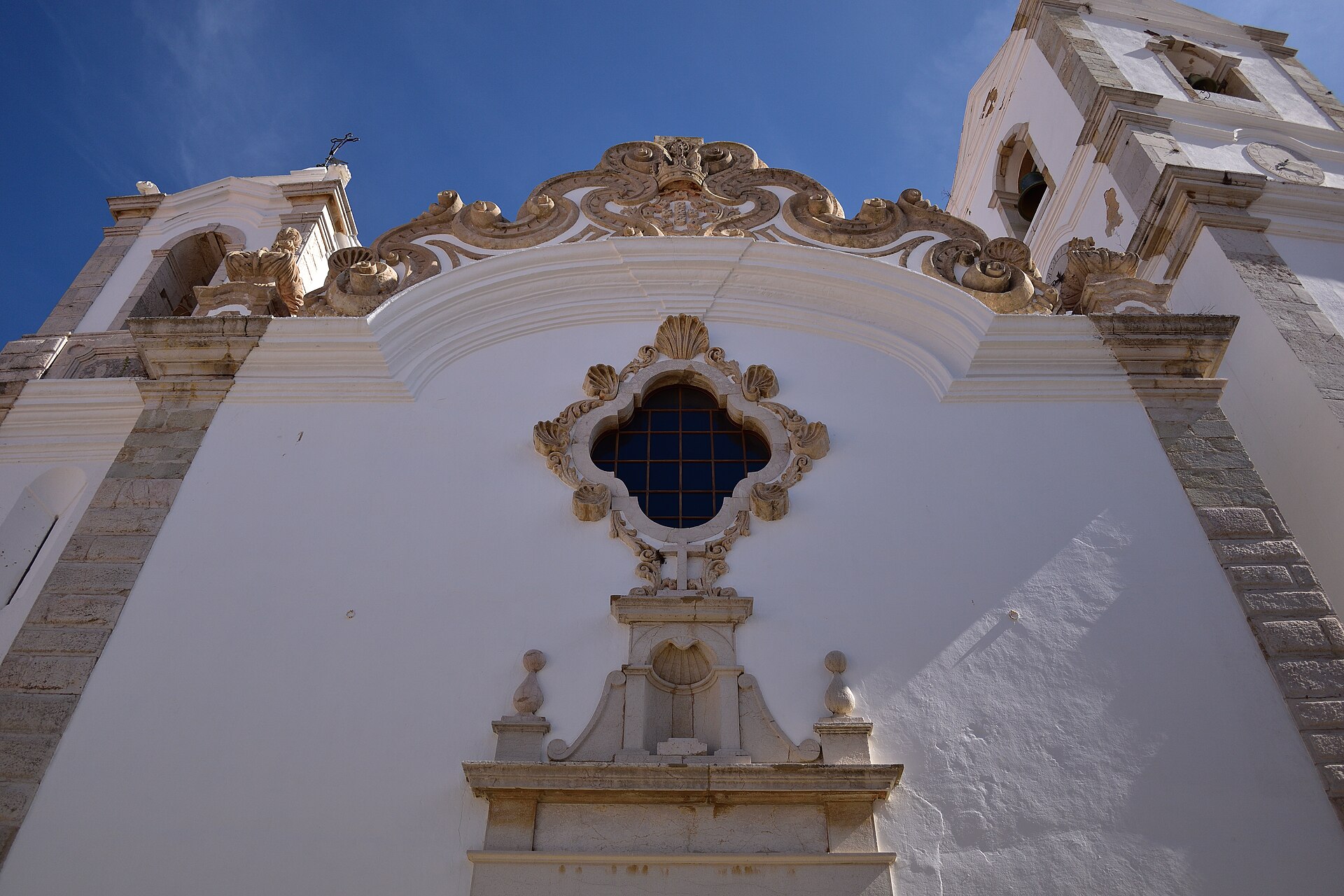 Photo: Bextrel / Wikimedia Commons (CC BY-SA 4.0)
 - Mercado de Escravos — Europe's First Slave Market Weekday mornings, to visit without cruise-excursion crowds
This modest building on Praça Infante Dom Henrique marks documented, heavy history: in 1444, it hosted the first recorded sale of enslaved sub-Saharan Africans on European soil, following the arrival of Portuguese ships from West Africa under Prince Henry's sponsorship. Converted in 2016 into a small bilingual museum dedicated to this history — treated here with the same seriousness this site gives its other hard-history entries, not as a passing curiosity stop.
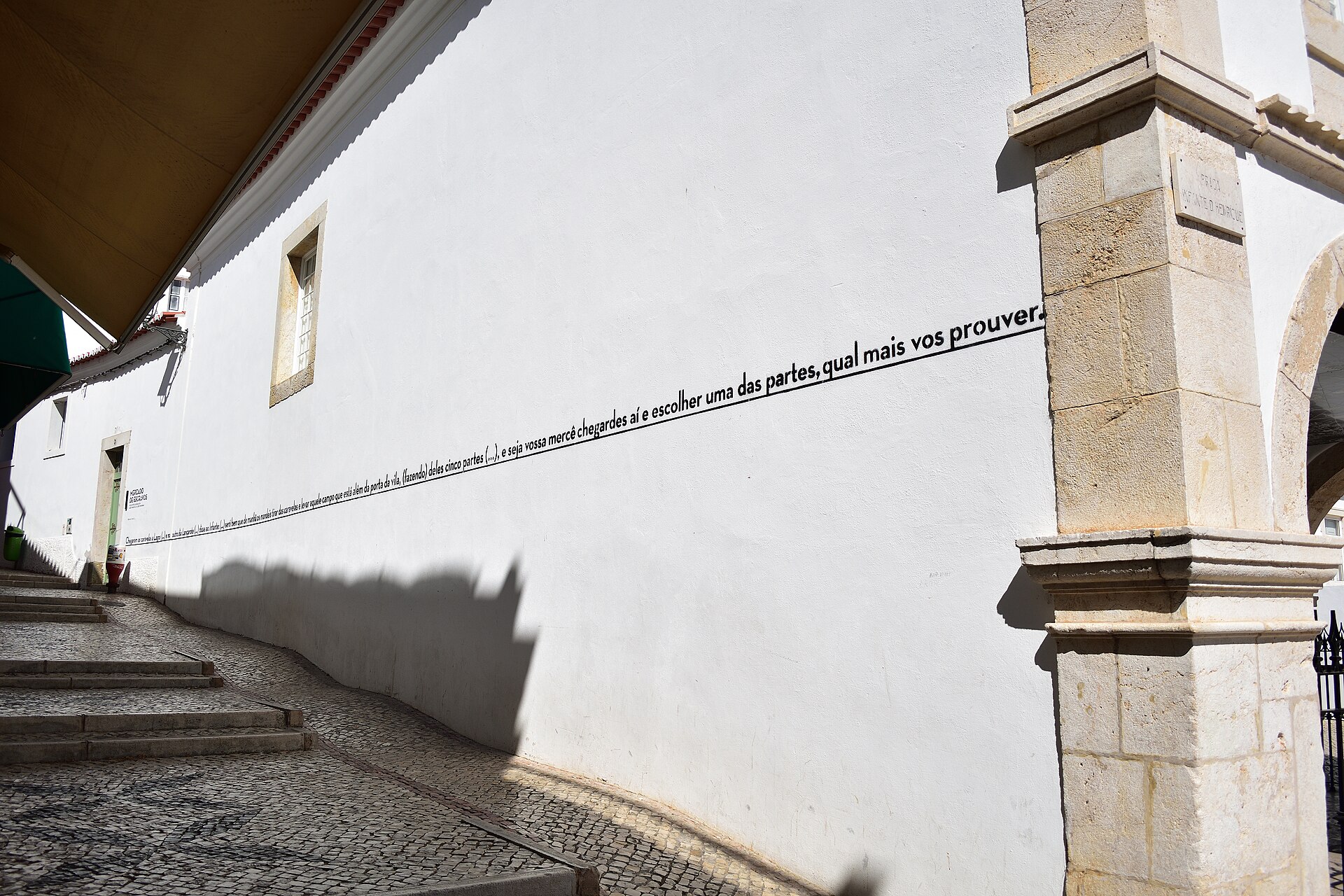 Photo: Bextrel / Wikimedia Commons (CC BY-SA 4.0)
 - Ponta da Piedade's Golden Sea Caves Sunrise, when the limestone glows warmest
Just south of Lagos, wind and sea have carved this limestone headland into arches, pinnacles, and grottoes rising about 20 meters above the water in shades of ochre and gold. Much of it is only reachable by boat or kayak, though clifftop boardwalks give good free views — one of the most photographed coastal landscapes in the Algarve.
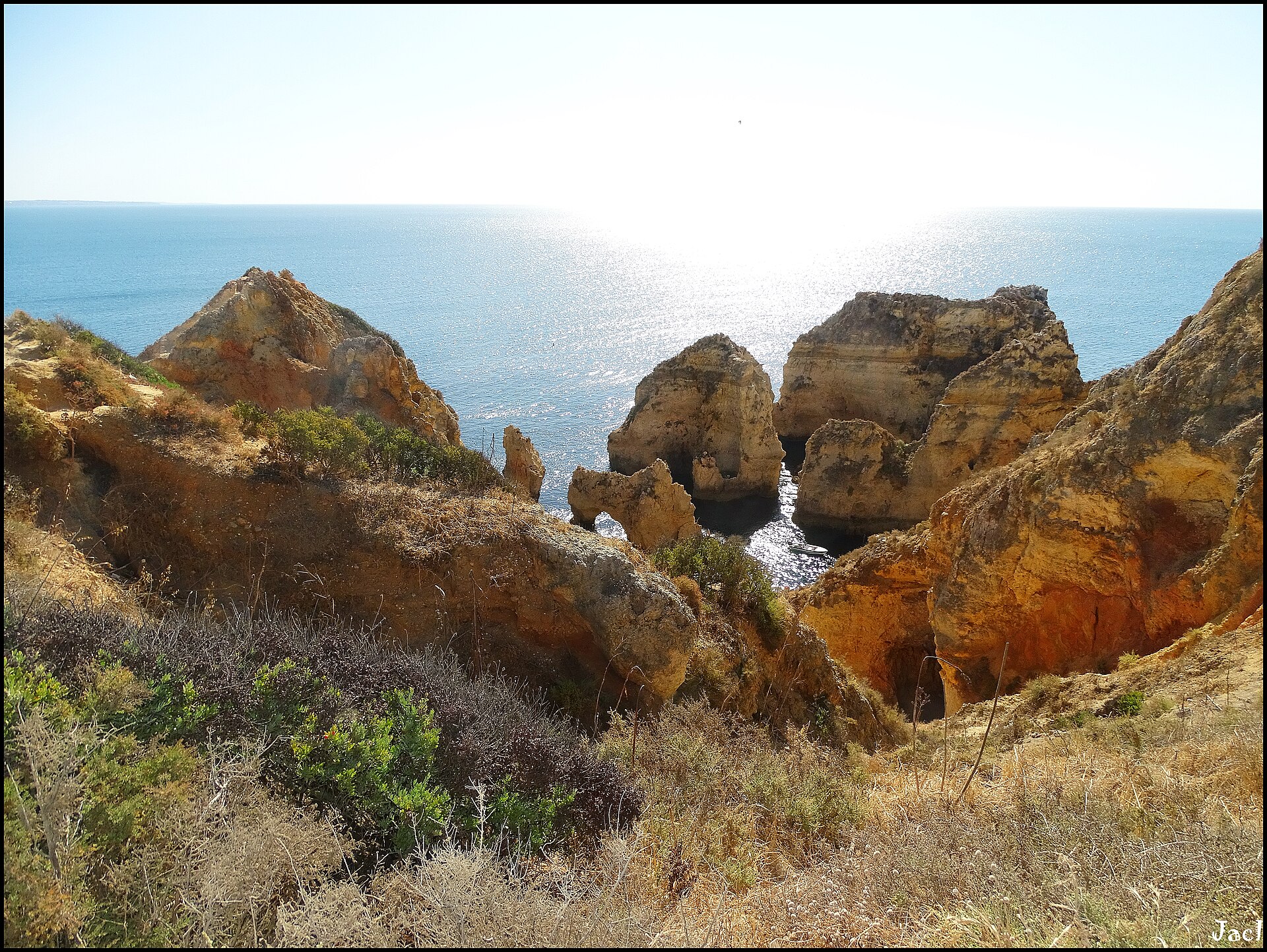 Photo: Jose A. / Wikimedia Commons (CC BY 2.0)
 - Castelo de Aljezur Late afternoon, for the light and coastal views
This ruined hilltop castle above Aljezur dates to the Moorish period, with archaeological evidence going back to Roman and Visigothic occupation. It fell to Christian forces under King Afonso III in the mid-13th century; by the mid-15th century it was already reported ruinous, and most of what stands today reflects a partial 1940-41 reconstruction rather than untouched medieval fabric.
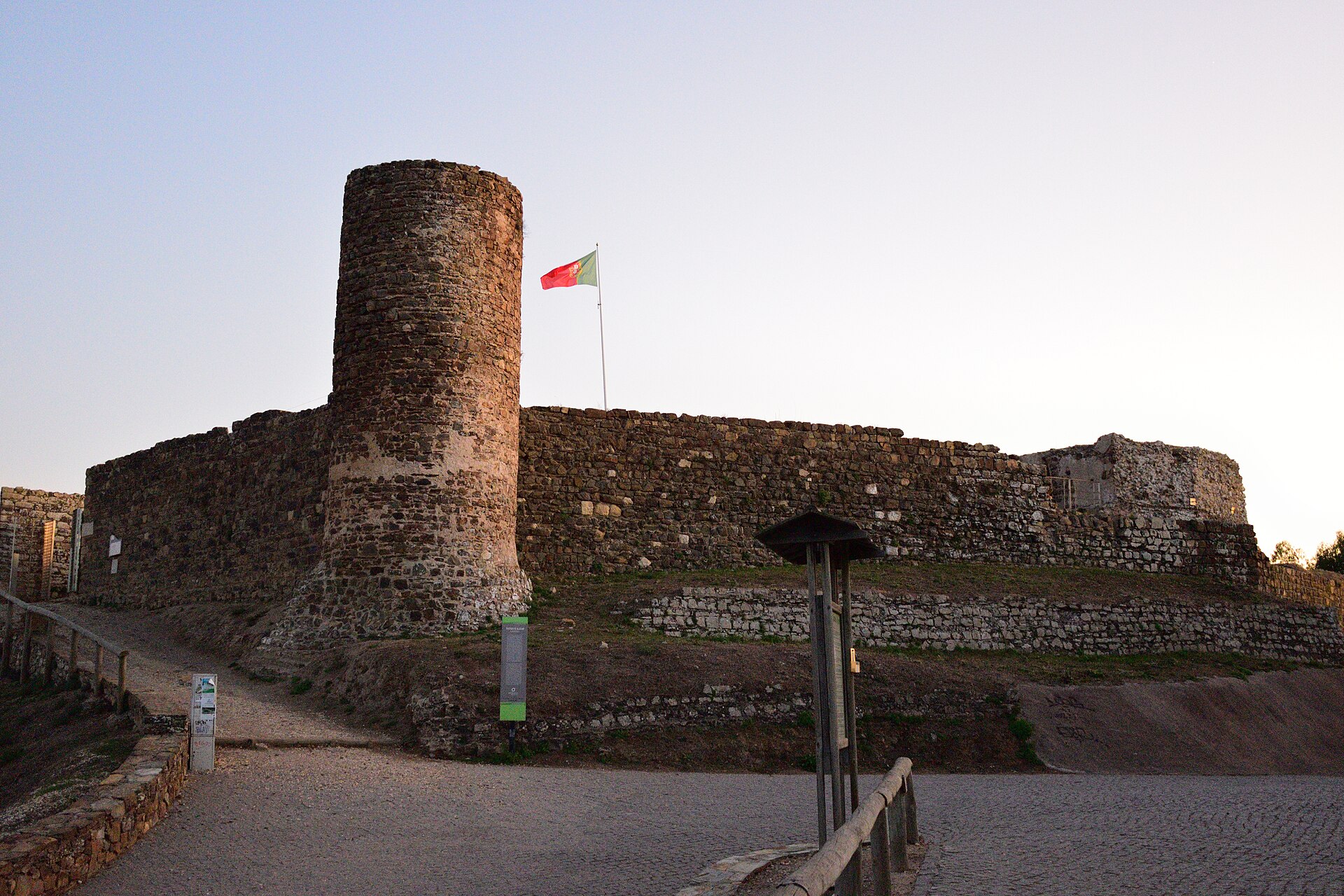 Photo: Bextrel / Wikimedia Commons (CC BY-SA 4.0)
 - The Aljezur Sweet Potato (Batata-doce de Aljezur) The Festival da Batata-Doce de Aljezur, held annually in late November
Grown in the sandy coastal soils around Aljezur, where a compacted clay-and-bark layer beneath the sand holds moisture unusually well, this purple-brown-skinned sweet potato is sweeter and less fibrous than standard varieties. The EU granted it Protected Geographical Indication status in 2009, and roughly 300 local farmers grow it today; the town's festival, running since 1998, draws tens of thousands over a single November weekend.
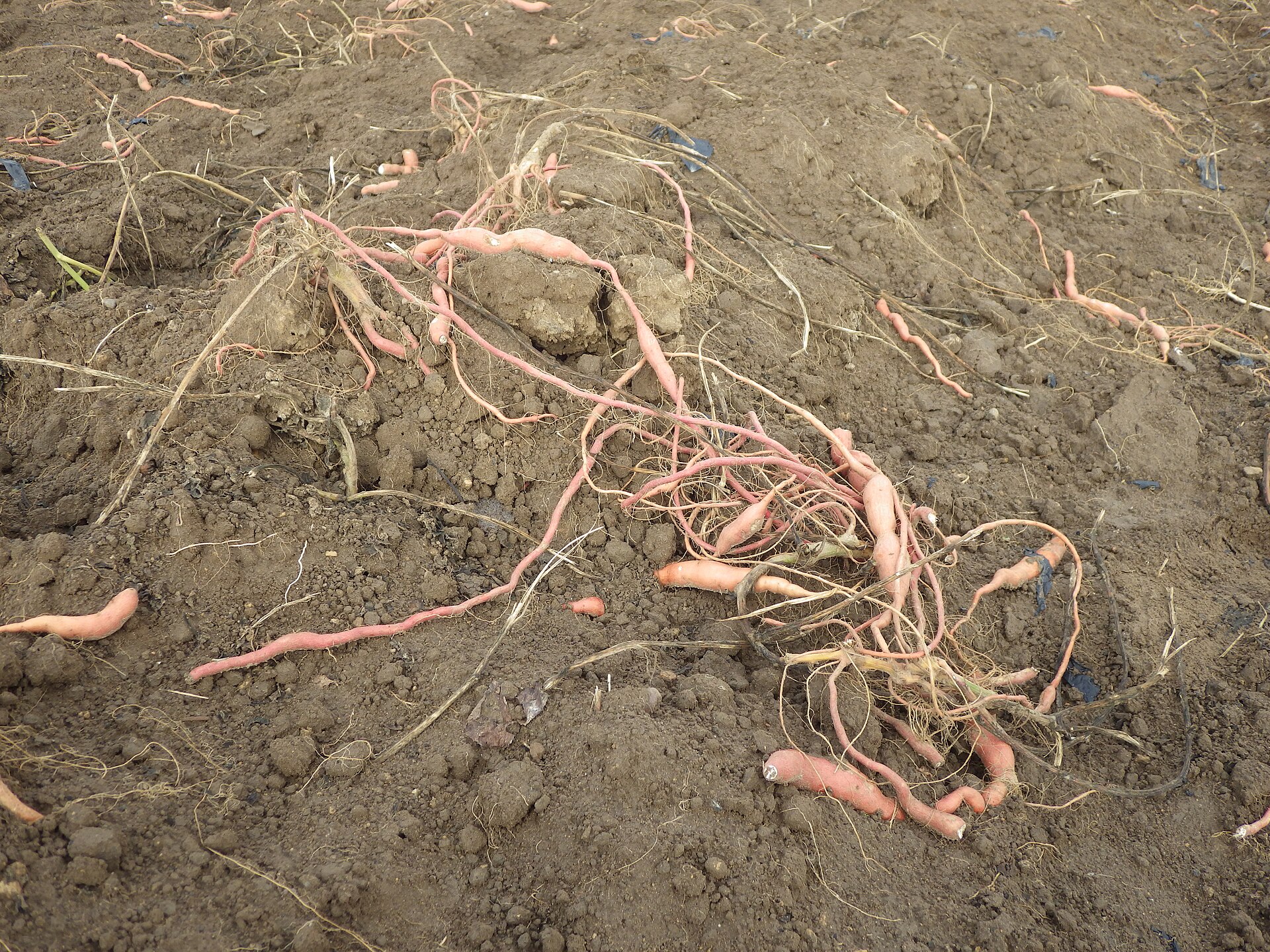 Photo: Josef Schlaghecken / Wikimedia Commons (CC BY-SA 4.0) — illustrative; no Aljezur-specific image was available
 - Southwest Alentejo and Vicentine Coast Natural Park Spring (February-May), for wildflowers and migratory birds
Established in 1988, this protected area spans roughly 89,569 hectares along about 110km of Atlantic coastline from south of Sines down to Burgau, near Lagos. One of the last stretches of undeveloped coastline in Europe, protecting maritime cliff, dune, and scrubland habitat — nearly the entire Aljezur hub sits inside its boundary.
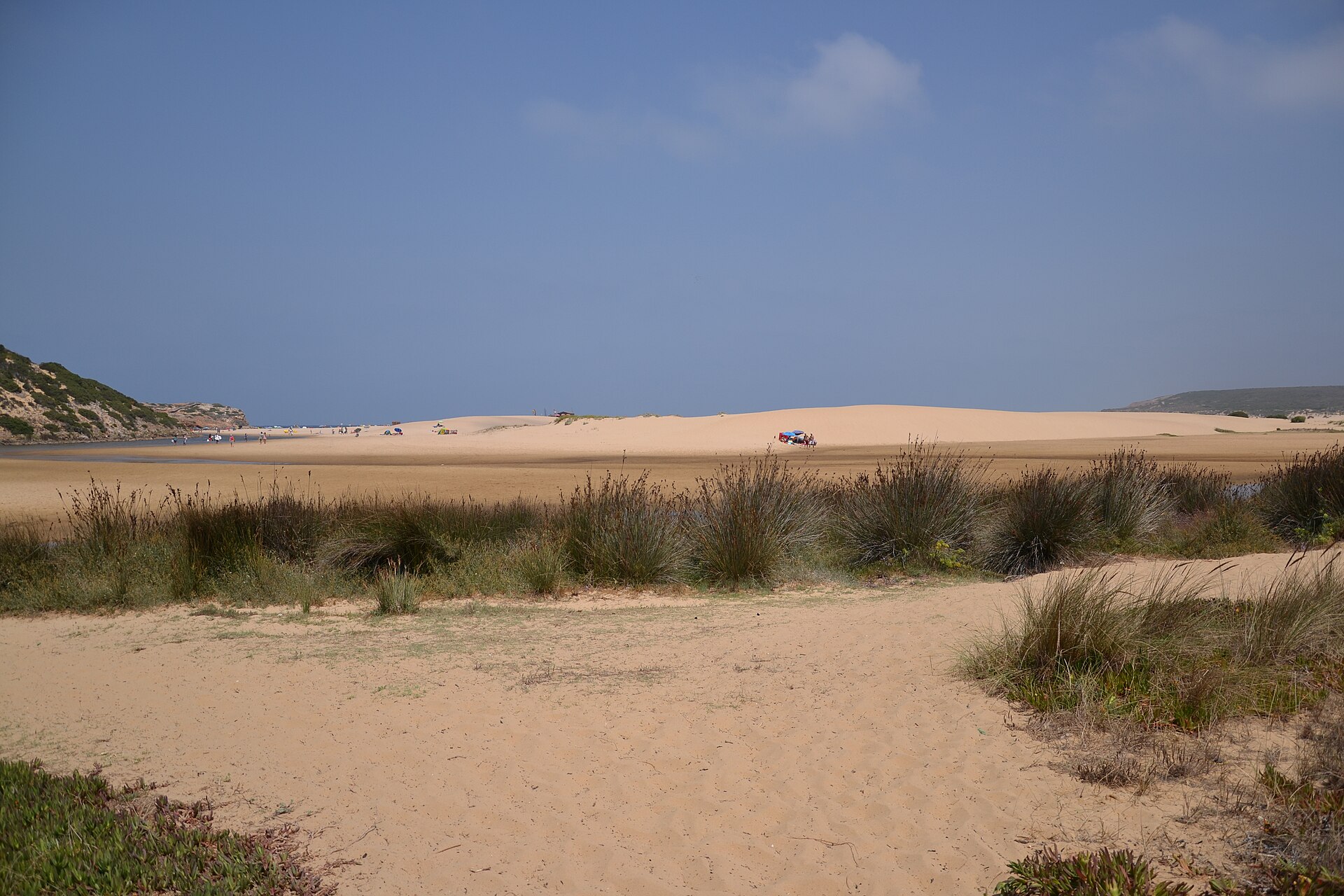 Photo: Rossella Vignola / Wikimedia Commons (CC BY-SA 4.0)
 - The Rota Vicentina Trail Network Spring or autumn, for mild temperatures on the exposed, shadeless clifftop sections
A network of waymarked hiking trails spanning roughly 750km through the Alentejo and Algarve, built around two main routes: the coastal Fishermen's Trail and the inland Historical Way. Launched in May 2012, stitching together older pilgrimage and working fishing paths, with the nonprofit that maintains it founded in June 2013. Both main routes converge at Cabo de São Vicente.
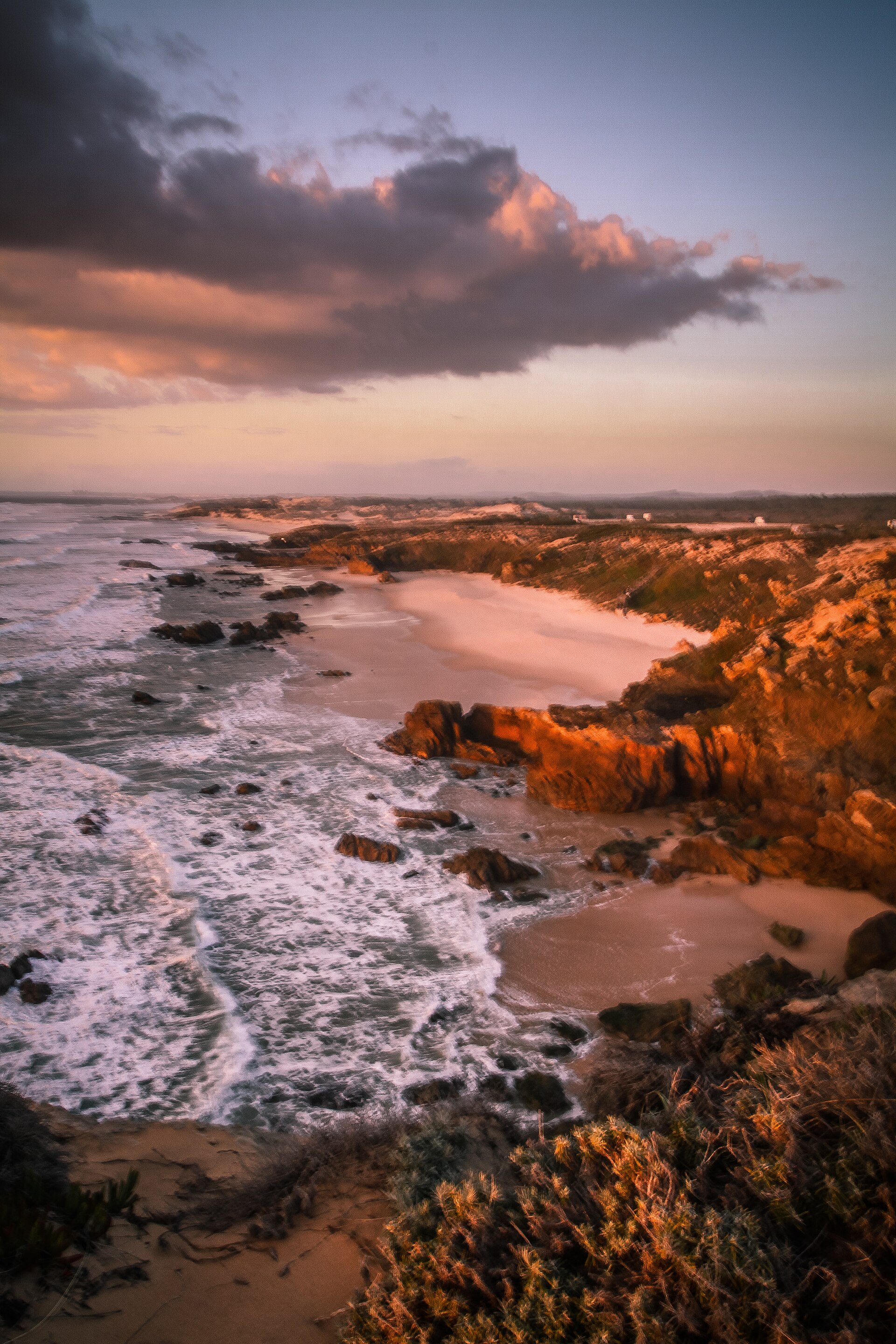 Photo: Joaomartinho63 / Wikimedia Commons (CC BY-SA 4.0)
Questions people actually ask.
Can I fly direct to this zone from the US?
Faro (FAO), the regional airport, has thin direct-US service — only a seasonal United nonstop from Newark, roughly May through September, 4x a week. For most travelers, Lisbon remains the stronger US gateway, same as this site's other Portugal zones, with a roughly 3-hour drive or bus ride south to Lagos from there.
Do I need a car for this zone?
More so than this site's other two Portugal zones. The Algarve rail line ends at Lagos, so Sagres and Aljezur/Arrifana/Amado are bus-or-car only, and Aljezur in particular has no local car-rental agency — scooters and e-bikes are the norm there, with car rental realistically sourced from Lagos. A car is genuinely recommended for flexibility across this spread-out, rural stretch of coast.
Did Henry the Navigator really run a school at Sagres?
This is a widely repeated but largely discredited legend. No contemporary document mentions a formal navigation school or observatory at Sagres, and the actual departure port for Henry's African voyages was Lagos, which had real harbor facilities — Sagres didn't. What's real: Henry did establish a nearby estate and did employ skilled cartographers and pilots. The popular "campus" image took shape well after his lifetime.
Is this coast more or less crowded than Ericeira or Peniche?
Less crowded, especially around Aljezur, Arrifana, and Amado. This stretch sits largely within the Southwest Alentejo and Vicentine Coast Natural Park, which limits development, and sources describe it as uncrowded even in August by comparison to Peniche or Ericeira. Sagres itself draws a real but smaller crowd than those two better-known towns.
Disclosure & how this page works.
Straight talk: Some links on this page are affiliate links — if you book through them, Secrets of Surf Travel earns a small commission at no extra cost to you. We only link places and people we’d use ourselves, and coverage is never for sale. Those commissions are what keep this site running and fund the next trip.
Today, the “Search Vrbo rentals” and “Search Booking.com stays” links on this page are affiliate links — every vendor listing link is still a plain courtesy link. As partnerships with these local businesses come online, more links (and discount codes, where Secrets of Surf Travel benefits from their use) may earn us a commission, and this page will keep saying so plainly. Coverage is never for sale: nobody on this page paid to be here, and nobody can.
Every listing was researched in 2026 and is being verified in person. Prices, hours, and policies change — treat them as strong starting points and confirm directly with the business. And per the No-Reveal Code: you will find no surf spots on this page, ever.