
Nova Scotia
This site's first cold-water zone, and its first in Canada. Lawrencetown is the real, well-documented birthplace of Canadian surfing — a scene founded by American surfers who followed hurricane swells up the Atlantic coast and stayed. Cow Bay sits just down the shore, quieter and more exposed. Halifax, the gateway city, carries its own deep maritime history, including a real and sobering connection to the Titanic.

Straight talk: Some links on this page are affiliate links — if you book through them, Secrets of Surf Travel earns a small commission at no extra cost to you. We only link places and people we’d use ourselves, and coverage is never for sale. Those commissions are what keep this site running and fund the next trip.
Some vacation-rental search links on this page (marked “Search Vrbo rentals” or “Search Booking.com stays”) are affiliate links. Every vendor link below is still a plain courtesy link. As more partnerships come online, more links may earn us a commission; the promise above holds either way.
Getting There
Worth knowing before you map anything yourself: Nova Scotia has two unrelated places named Lawrencetown. The surf town sits in Halifax County, about 30 minutes from the airport. A separate farming village also called Lawrencetown sits roughly 170km away in Annapolis County — a real name collision that trips up generic travel sites regularly. Everything on this page refers to the Halifax County surf town.
Halifax Stanfield International (YHZ) is the gateway. Lawrencetown itself is about 49km, roughly 39 minutes by car. Most US airline service here is genuinely seasonal — worth checking exact dates if you're planning around the fall hurricane-swell season, since several routes stop by early October: American flies seasonal routes from Boston, Chicago, New York-LaGuardia, Philadelphia, and Washington-DCA; Delta flies seasonal Boston and New York-LaGuardia; United flies a year-round Newark route plus seasonal Chicago and Washington-Dulles. Air Canada also runs year-round service from Boston and Newark.
Documents: a valid US passport is required for air travel to Canada — no visa or eTA needed for US citizens visiting as tourists. No 6-month extra-validity rule like some countries; just don't let it expire mid-trip. Maximum stay runs up to 180 days at the discretion of the Canada Border Services Agency officer at entry.
Ground Transport
- Nova Scotia drives on the RIGHT, same as the US — no adjustment needed. Roads are well-maintained with clear signage; late spring through early fall brings the best driving conditions.
- A rental car is effectively required. Halifax Transit doesn't run a direct route to Lawrencetown Beach, and public transit becomes impractical once you leave the city anyway — especially carrying a board. Expect roughly $40-60 CAD/day for a rental.
- Cow Bay sits roughly 20-30 minutes from Lawrencetown along the scenic Marine Drive (Highway 7) route — worth confirming exact minutes via map before your trip, since no single authoritative source nailed down a precise figure between the two towns.
- A rural door-to-door para-transit service, MusGo Rider, serves the Eastern Shore including Lawrencetown as a non-car fallback, though it's not a practical primary plan for a board-carrying surf trip.
When to Go & What to Pack
This is the centerpiece of what makes this zone different from every other one on this site. Nova Scotia's peak surf season runs September through November, driven specifically by hurricane-generated groundswell traveling up the Atlantic from the tropics — the same storm systems that threaten the Caribbean and US East Coast arrive here as clean, powerful surf. Lawrencetown fires from March through November, narrowing in deep winter; Lawrencetown Reef peaks in the fall, while Lawrencetown Right Point actually peaks in winter.
- Water temperature is genuinely cold, year-round. Even at the warmest point (roughly August), water averages only 63-64°F (17.6-18.1°C), occasionally reaching 66-70°F on the very warmest days. By February, it drops to roughly 33-36°F (0.8-2°C), sometimes lower. A wetsuit isn't optional here at any time of year, unlike every other zone this site has built so far.
- Wetsuit thickness by season (per Halifax Surf School's own seasonal guide): winter (Jan-Apr) — 6/5 or 5/4mm hooded, 7mm booties, 5mm mitts. Late spring (May) — 5/4 or 4/3mm hooded. Summer (Jun-Aug, the warmest window) — 4/3mm, with a detached hood plus 5mm booties/gloves still the recommended versatile setup. Fall (Sep-Nov, the actual best-swell season) — 4/3mm building toward heavier gear as the season progresses. December — back to winter specs.
- Air temperature: January averages a high of just 34°F (1°C), with lows around 22°F (-5.6°C). July/August average highs run 73°F (23°C), with nights as cool as 61°F (16°C). Winters are genuinely cold and snowy — roughly 60 inches (1.5m) of snow annually.
Good to Know
- Safety is a genuinely different category than most of this site's zones — Nova Scotia carries a very low general crime profile, with only routine petty-theft-style precautions (pickpocketing, car break-ins in tourist areas) rather than any elevated advisory. The real safety consideration here is the cold water itself: cold shock (involuntary gasping on sudden immersion — most cold-water deaths happen in this initial phase, not from prolonged hypothermia), hypothermia if underdressed, and rip currents genuinely present and dangerous at both Lawrencetown and Cow Bay specifically.
- Currency: Canadian Dollar (CAD), roughly 0.71-0.72 USD per CAD as of publish, fluctuating day to day.
- Sales tax is a real, easy-to-miss added cost: Nova Scotia's HST runs 14%, applying to virtually everything — worth budgeting in rather than assuming the sticker price is final.
- Language: English. A genuine bit of Maritime culture worth knowing: locals sometimes call visitors "come from away" (CFA) — descriptive Atlantic Canada terminology, generally used warmly rather than as an insult.
- Connectivity: many US carriers offer Canada roaming or day-passes (roughly $15-25 USD/day where not already included) — check your specific plan. Local carriers present here include Bell, Telus, Rogers, and regional player Eastlink.
- Emergency number: 911 works exactly as it does in the US.
- Cost of living: mid-range travelers run roughly $131 USD (~CA$180)/day covering hotel, food, local transport, and sightseeing; budget travelers can manage around CA$150/day. Car rental is typically the biggest non-lodging line item at $40-60 CAD/day. Tipping 15-18% at restaurants is standard and expected.
Respecting the Locals
Lawrencetown is the real, well-documented birthplace of Canadian surfing — founded by American surfers who followed hurricane swells up the Atlantic coast and simply stayed, and that founding generation's roots run deep here. Locals in Maritime Canada sometimes call visitors "come from away" (CFA), a genuine bit of regional culture used warmly rather than as an insult — but it's still a real, spoken reminder that you're a guest in someone else's cold-water home. Cow Bay and Halifax carry their own layers of maritime history on top of that, and this whole coast deserves the same respect as any warm-water lineup, even in a wetsuit thick enough to hide a smile.
- Locals get first priority, always. Watch a session before you paddle out. Learn who's who before you learn the wave. Sit inside and catch what they let through — the leftovers are yours, not the set waves.
- Don't backpaddle. Ever. Being in position doesn't make the next wave yours, especially if you didn't wait your turn. If a local wants a wave, let them have it…even if it IS your turn. That older guy who may not be the best surfer out there has probably been surfing that wave before you even sat on a board. If you don't know someone, assume they're local.
- Don't snake. This shouldn't even need to be said, but…dropping in on someone, local or not, is the ultimate disrespect and the fastest way to be sent out of the water. Don't be that guy!
- Say hi. A “howzit,” “whatsup,” or “nice wave,” eye contact, or a nod in the channel — it costs nothing and it's the fastest way from stranger to welcome.
- This is somebody's home, not a resort amenity. The break you're surfing is where a local kid learned to swim, where someone's uncle has surfed for forty years. Act like a guest, because you are one.
- Spend where it actually helps. The food truck, the local shaper, the family-run rental, the local photographer — that's where a surf trip's money should land, not just the chain hotel gift shop. See The No-Reveal Code for why that's the whole premise of this site.
- Leave it better than you found it. Pick up trash that isn't yours. Don't touch reef, wildlife, or cultural sites.
Locals have watched hundreds, if not thousands, of people come and go — some for days, some for months or years — and almost all of them eventually go home. The locals are still there. It takes many, many years to actually become one. Keep that in mind the next time you feel entitled to the same waves they get.
None of this is a secret handshake. It's just how you'd want a guest to act in your own backyard.
Lawrencetown
The real, well-documented birthplace of Canadian surfing — not marketing copy. The Landymore family are among the earliest confirmed pioneers, starting in the 1960s, in a scene founded by American surfers who followed hurricane swells up the Atlantic coast and some of whom settled here. The gear culture that grew up around that history is genuinely deep for a town this size.
Lawrencetown's oceanfront suites and B&Bs share the beach road with a growing short-term rental scene, especially around East Lawrencetown.
Search Vrbo rentals in Lawrencetown →
Surf Schools, Board & Wetsuit Rental
- East Coast Surf SchoolEast Lawrencetown, on the beachMid-rangeOperating since 2009, co-owned by Nico Manos, Nova Scotia's first professional surfer — instruction run $75-105, full-day board/wetsuit rental $25 each, boots/gloves/racks free."The best surfboard rental spot in Nova Scotia." — Tripadvisor reviewer
- Kannon Beach4144 Lawrencetown RoadMid-rangeNova Scotia's oldest and largest surf shop, 20+ years running — the broadest retail selection in the zone, from $20 rentals to $95-750 wetsuits."Fits the profile of the real deal. No glitz or glamour, friendly staff, good prices." — Google reviewer, 4.8/5
- Lawrencetown Surf Co.3733 Lawrencetown RdFounded 2020 by Nico Manos — the retail/gear-culture landmark of the scene, describing itself as "an authentic, community based Halifax surf shop."
- Happy Dudes Surf EmporiumThree Fathom Harbour, ~3km eastBudgetThe cheapest rental option in the zone — boards from $20, wetsuits from $15 — plus a mobile rental van right at the Lawrencetown Beach headbank.
Stays
- Moonlight Beach SuitesEast Lawrencetown, oceanfrontMid-rangeFamily-owned 25 years — individual suites with kitchenettes and private decks, hot tub common room."It doesn't get any better than Moonlight Beach Suites." — Tripadvisor guest
- Bell Lake Bed & Breakfast~2km from Lawrencetown BeachMid-rangeLarge jacuzzi, full hot breakfast, garden grounds.
Where to Eat
- Lawrencetown Beach CaféOn the hill overlooking the beachBudgetCoffee, baked goods, light meals — the genuine surf-culture hangout of the town, self-described as a place "to relax, grab a coffee & local food, check the surf."
Beyond the café, sit-down dining directly in Lawrencetown is genuinely thin — most visitors drive to Dartmouth, Cole Harbour, or Halifax for a full dinner.
Board & Wetsuit Repair
No dedicated repair-only business found — this is handled in-house by the rental and retail shops above, which function together as the town's gear ecosystem.
Other Adventures
- Salt Marsh TrailCole Harbour-Lawrencetown Coastal Heritage Provincial ParkBudget6.5km one-way (13km return) flat crusher-dust trail over a tidal-marsh causeway — hiking, cycling, birdwatching.
Cow Bay
A small (population roughly 1,224), rural coastal community founded 1763-73 on the Marine Drive scenic route — quieter and more exposed than Lawrencetown, with a quick, hollow point break that draws shortboarders on the right east swell and offshore wind. Strong rip currents are a genuine, documented hazard here — worth real respect, not just a passing mention.
Cow Bay has no standalone hotel — nearly every overnight stay here is effectively a short-term vacation rental.
Search Vrbo rentals in Cow Bay →
Surf Schools, Board & Wetsuit Rental
No dedicated surf shop or rental counter is based in Cow Bay itself — surfers here rely on the Lawrencetown-area shops, a 5-10 minute drive away. A real, correctly-thin gap, not a research miss.
Stays
No independently-confirmed named hotel or inn brand exists in Cow Bay proper — most visitors staying "in Cow Bay" are effectively booking short-term vacation rentals rather than a distinct local property.
Where to Eat
- Cow Bay Pizza and Variety388 Cow Bay Road, Eastern PassageBudgetFamily-run pizzeria and corner store — wings, garlic bread, salads.
- Boondocks RestaurantFisherman's Cove, Eastern PassageMid-rangeSeafood and pub fare with waterfront deck seating — the closest genuine sit-down seafood option to Cow Bay.
Massage & Wellness
- Passage to Wellness and BeautyEastern PassageThe closest dedicated massage-and-esthetics business to Cow Bay itself — genuinely useful given how physically demanding cold-water surfing is.
Other Adventures
- A&M Sea ChartersEastern PassageMid-rangeThe one legitimate whale and nature-watching operator close to this zone — minke and fin whales, dolphins, seals, roughly 1.5hrs. Nova Scotia's marquee whale-watching (Brier Island, Bay of Fundy) sits 3+ hours away, out of scope for this zone."The highlight of our Nova Scotia trip." — Tripadvisor reviewer
- Fisherman's CoveEastern PassageBudgetA small historic wharf and boardwalk with shops, restaurants, and ice cream — a built-in half-day stop near Cow Bay.
Halifax
Founded 1749 around one of the world's largest natural harbors, Halifax carries genuine weight as more than just the airport town — a staging port for both World Wars' transatlantic convoys, and the closest major seaport with rail links when the Titanic sank in 1912, which is why the city holds more Titanic graves than anywhere else on Earth.
Halifax's downtown vacation-rental scene runs alongside its heritage inns and hotels, concentrated around the waterfront and historic core.
Search Vrbo rentals in Halifax →
Surf Shops
- If Only Surf Shop1300 Queen St., downtownAn authorized Bing Surfboards dealer, billed as the premier surf shop in Canada's Maritime Provinces — the only true downtown surf retail presence, useful for visitors basing in the city before heading to the beach towns.
Worth knowing: Halifax's other well-known downtown shop, Dacane Surf Shop, has closed — don't go looking for it.
Stays
- HI Halifax Heritage House HostelDowntown, 2 min from the train stationBudgetFrom roughly $24/night, community kitchen, renovated 2024.
- Waverley InnDowntownMid-rangeA 34-room heritage boutique inn — canopy beds, jacuzzi baths, free breakfast, from roughly $105.
- The Prince George HotelDowntownLuxuryFour Diamond property with the award-winning Gio restaurant on-site.
Where to Eat — real Nova Scotia seafood culture
- The Press Gang Restaurant & Oyster BarHistoric brick building, downtownUpperHalifax's premier oyster bar.
- The Five Fishermen RestaurantDowntownMid-rangeNoted for rich, creamy, plentiful seafood chowder and lobster ravioli.
- MysticDowntownUpperNamed to Canada's 100 Best Restaurants 2026 — a hyper-local tasting menu of Nova Scotia land and sea, worth a splurge dinner.
- The Bicycle ThiefWaterfrontMid-rangeItalian-leaning waterfront dining, frequently ranked among the city's top downtown restaurants.
Worth knowing: Salty's, once a Halifax waterfront institution, has permanently closed — its former sister restaurant McKelvie's is the still-operating alternative.
Wheels
- Halifax Stanfield Airport rental countersLower Level, Airport ParkadeDollar, Thrifty, Hertz, Alamo, National, Payless, Avis, Budget, and Enterprise all present — average roughly $119 CAD/day.
Massage & Wellness
- Urban RetreatDowntownMid-rangeRegistered massage therapists specializing in sports-injury and performance-recovery work — genuinely relevant after a session in cold water.
Other Adventures & Craft Breweries
- Maritime Museum of the AtlanticLower Water St, waterfrontMid-rangeMajor Titanic exhibition including a surviving deck chair, plus Halifax Explosion history.
- Garrison BrewingSeaport districtPart of a legitimate, walkable brewery and cidery cluster spanning both sides of the harbour, alongside Gahan House, New Scotland Brewing Co., and Lake City Cider.
Local Secrets
Ten non-surf reasons this zone rewards the curious — a lighthouse among the most photographed in the world, a bell tower commemorating the largest human-made explosion before the nuclear age, and the largest collection of Titanic graves anywhere on Earth.
- Peggy's Point Lighthouse Early morning or shoulder season (May-Jun, Sep-Oct) to beat the crowds
Built in 1868 and rebuilt in its current concrete-octagon form in 1915, this is one of the most photographed lighthouses in the world, marking the entrance to St. Margarets Bay from the still-working fishing village of Peggy's Cove — roughly 43km (about a 50-minute drive) southwest of Halifax.
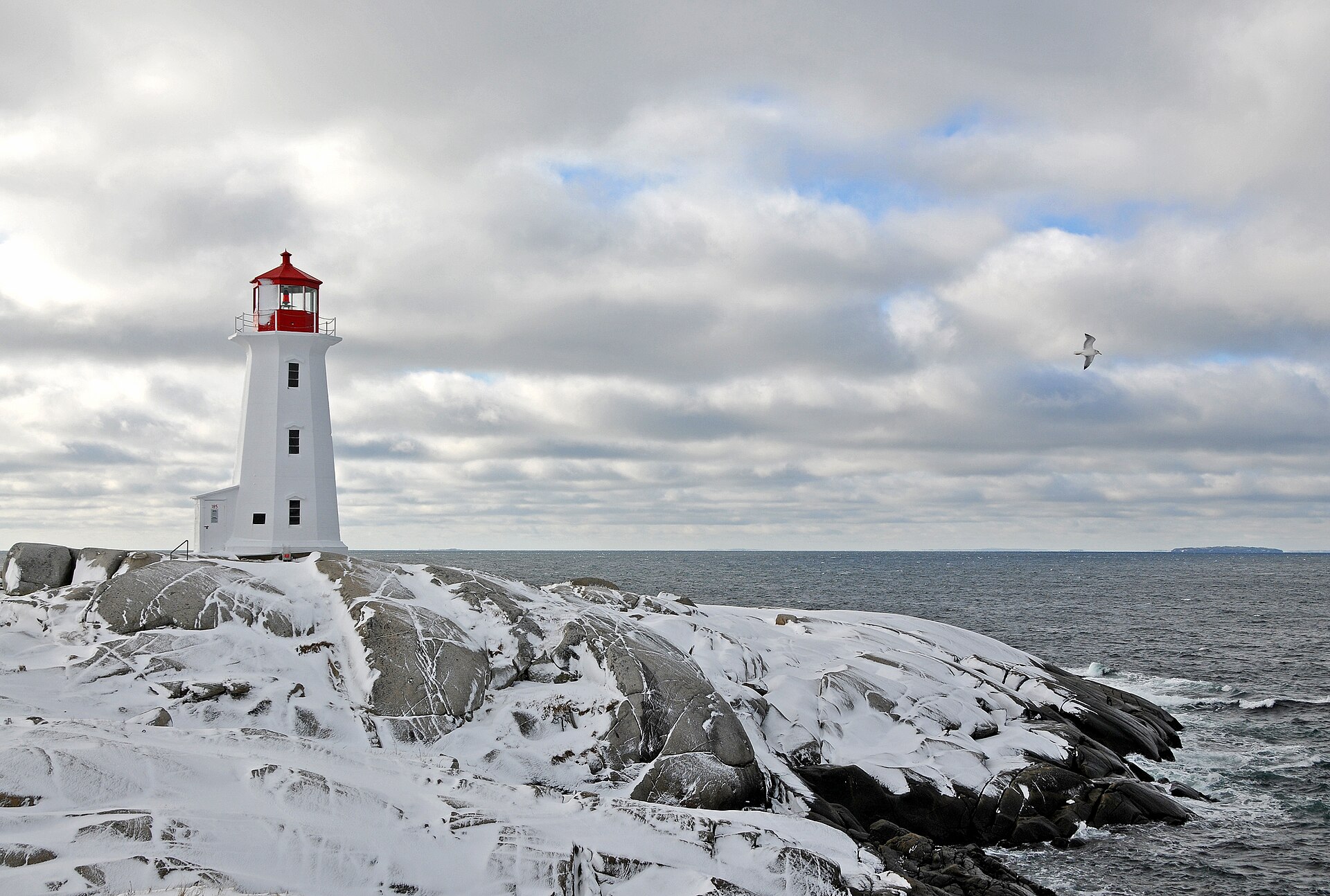 Photo: Dennis G. Jarvis / Wikimedia Commons (CC BY-SA 2.0)
 - Halifax Explosion Memorial Bell Tower Any clear day for panoramic harbour views; the annual commemorative service runs December 6
On December 6, 1917, the munitions ship Mont-Blanc collided with another vessel in the Halifax Narrows and detonated in one of the largest human-made explosions prior to nuclear weapons, killing roughly 2,000 people and injuring about 9,000. The memorial bell tower in Fort Needham Memorial Park, completed in 1985, houses a carillon donated by survivor Barbara Orr, who lost both parents and five siblings that morning.
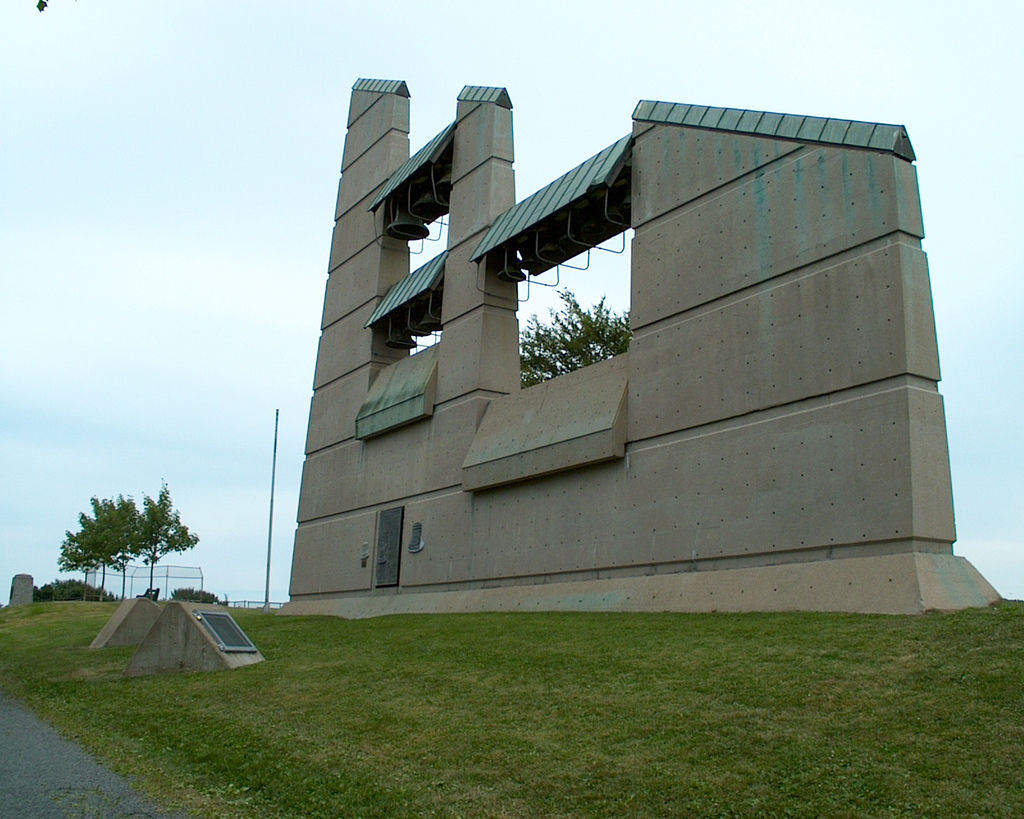 Photo: Jesse David Hollington / Wikimedia Commons (CC BY 2.0)
 - Fairview Lawn Cemetery — Titanic Graves Quiet weekday mornings; free, open year-round
Fairview Lawn Cemetery holds 121 graves of RMS Titanic victims — more than any other cemetery in the world. Halifax was chosen as the burial site in 1912 as the closest major seaport with rail connections, serving as the base for the ships that recovered bodies from the wreck. The most-visited grave belongs to the "Unknown Child," DNA-identified in 2007 as 19-month-old Sidney Leslie Goodwin.
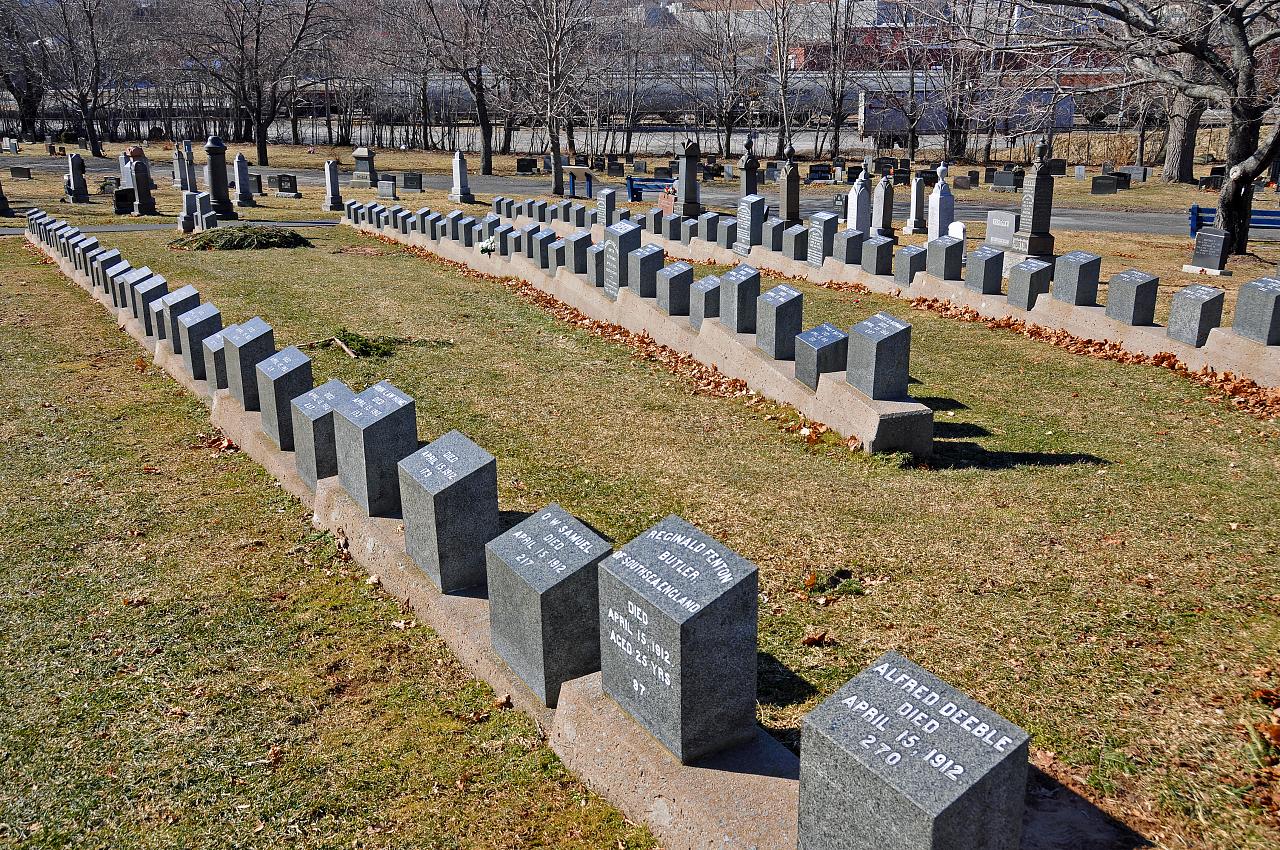 Photo: Dennis G. Jarvis / Wikimedia Commons (CC BY-SA 2.0)
 - Maritime Museum of the Atlantic Weekday mornings, 1.5-2.5 hours needed
Canada's oldest and largest maritime museum holds the world's largest collection of Titanic wooden artifacts, including the only intact deck chair recovered from the wreck, alongside a permanent exhibit on the Halifax Explosion featuring fragments of the SS Mont-Blanc.
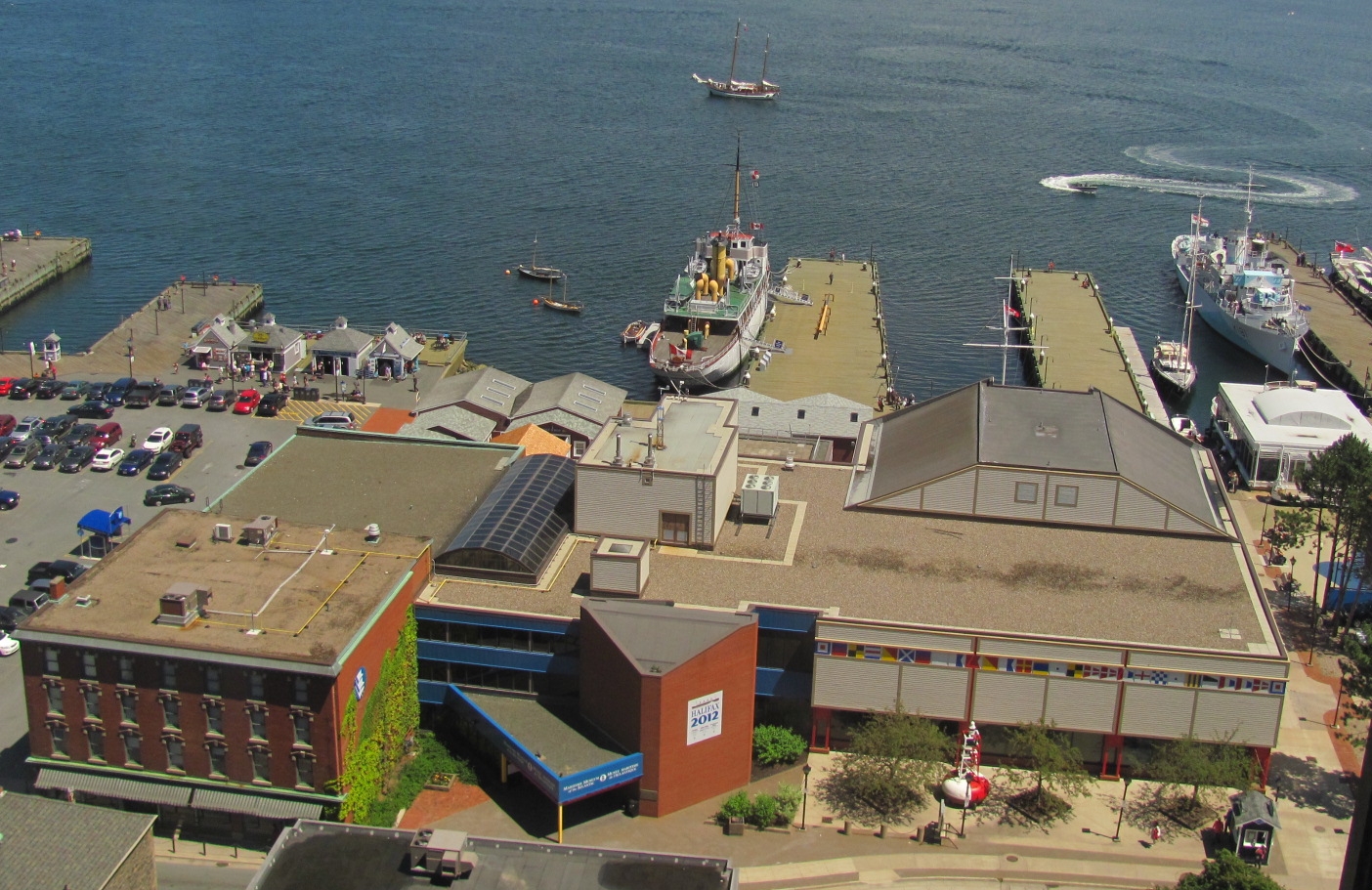 Photo: Letterofmarque / Wikimedia Commons (CC BY 3.0)
 - Halifax Seaport Farmers' Market Saturday mornings, the traditional peak day
Established in 1750 by Royal Proclamation, just a year after Halifax itself was founded, this is the oldest continuously operating farmers' market in North America — after moving locations for over 270 years, it settled into its current Seaport building in 2010, selling Nova Scotia seafood, produce, and Maritime crafts.
 Photo: Citobun / Wikimedia Commons (CC BY-SA 4.0)
 - Africville Museum Weekday afternoons; check seasonal hours before visiting
An exact replica of the Seaview African United Baptist Church, standing in Seaview Park on the Bedford Basin, telling the history of Africville — a self-sufficient Black community founded in the 1830s by Black Loyalists and formerly enslaved people, whose residents built their own institutions for over a century before the City of Halifax razed the community in the 1960s. In 2024 the site became Canada's first UNESCO "Place of History and Memory" for enslavement and the slave trade.
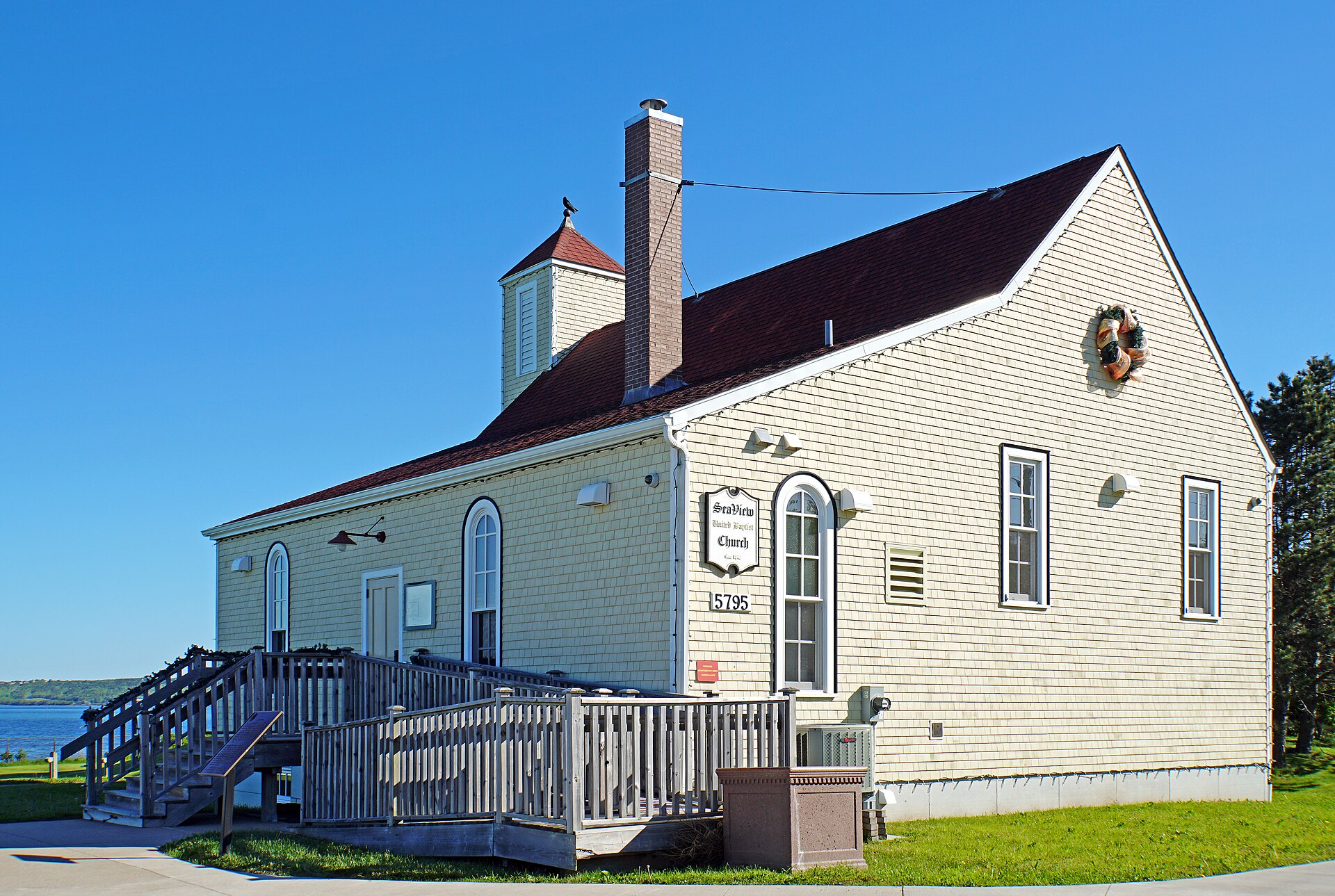 Photo: Dennis G. Jarvis / Wikimedia Commons (CC BY-SA 2.0)
 - Fisherman's Cove Summer weekends for full activity; weekday mornings for a quieter stroll
A restored, roughly 200-year-old fishing village at the entrance to Halifax Harbour, about 20 minutes from downtown. Its boardwalk is lined with brightly painted fishing shanties, built in 1996, that now house artisan studios, craft shops, and cafés — while lobster pots stacked along the water confirm it's still a working harbour.
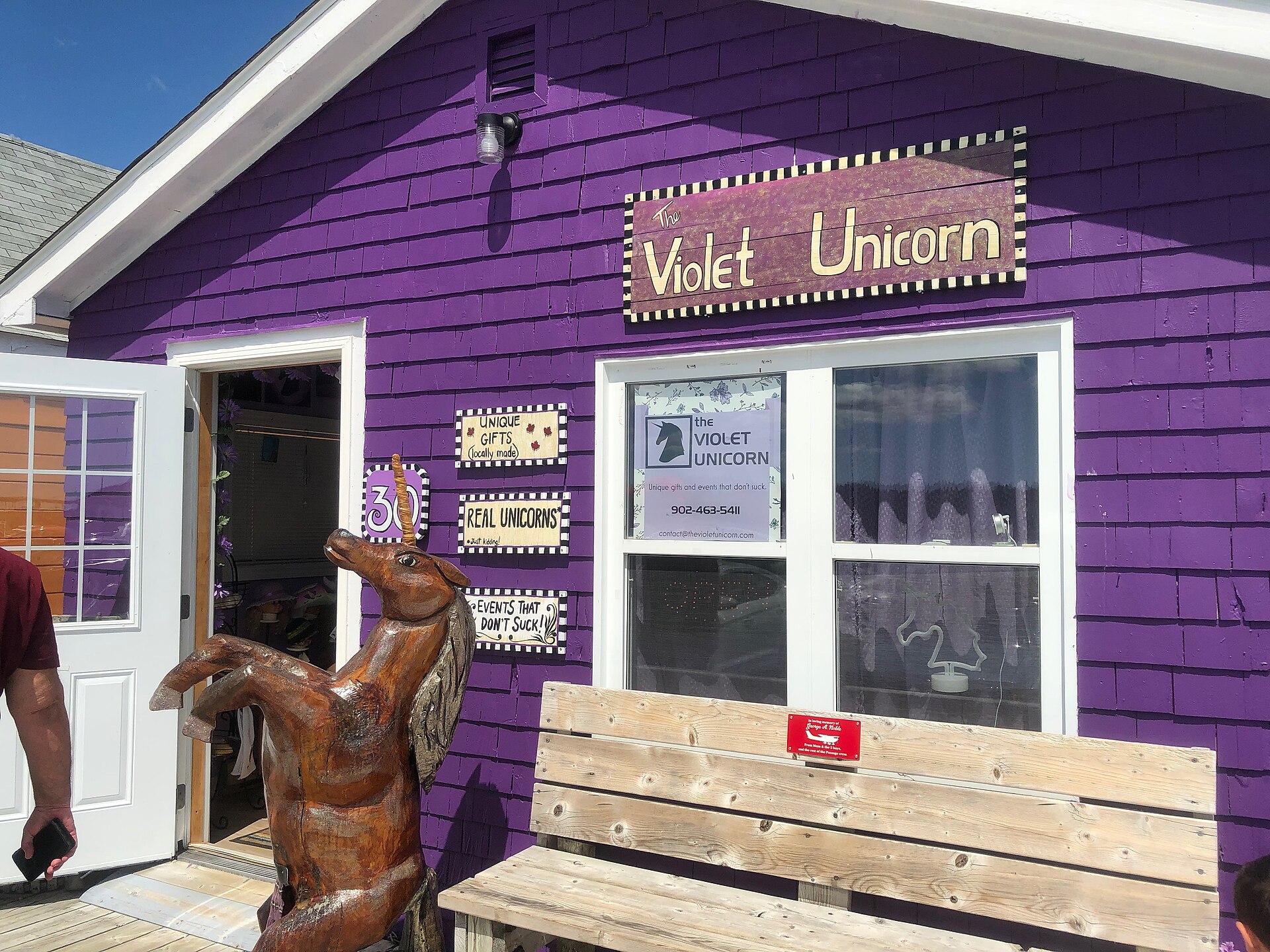 Photo: Paulo O / Wikimedia Commons (CC BY 2.0)
 - Salt Marsh Trail Early morning, spring or fall migration season, for the best birdwatching
Built along an abandoned rail line and now part of the Trans Canada Trail, this flat 6.5km (13km return) trail crosses a causeway through the Cole Harbour tidal salt marsh — right next to Lawrencetown and Cow Bay — with strong birdwatching for sandpipers, plovers, and bald eagles.
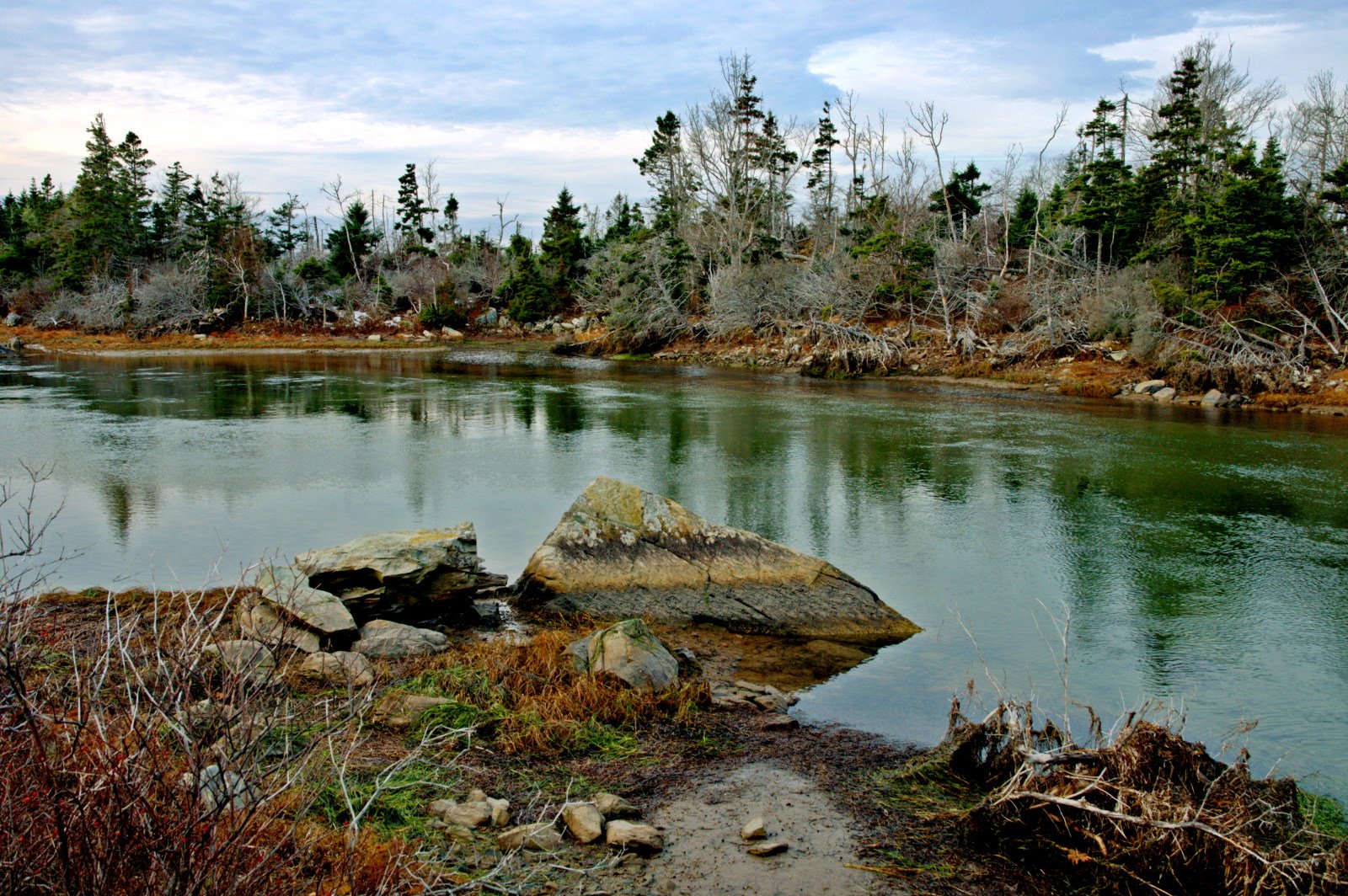 Photo: joeri-c / Wikimedia Commons (CC BY-SA 2.0)
 - Point Pleasant Park Any season for the trails; sunset at the Harbour Lookoff
A 185-acre forested park at the tip of the Halifax peninsula, known to the Mi'kmaq as Amntu'kati ("spiritual place") before becoming a British defensive site in the 18th century. It holds seven historic fortifications, including the Prince of Wales Tower — the oldest Martello tower in North America — and has been leased to the city from the British Crown since 1866 for a symbolic one shilling a year.
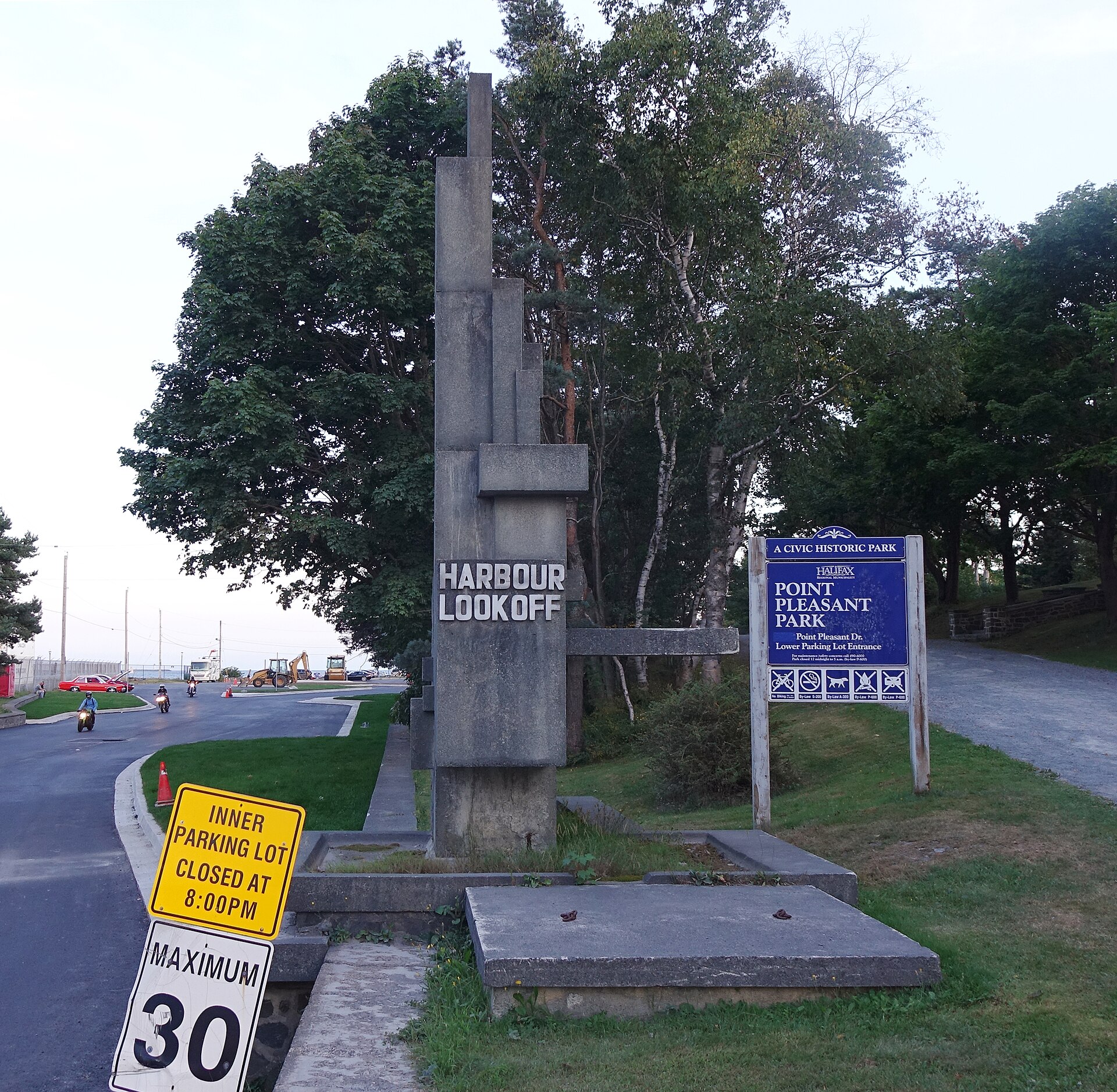 Photo: Coastal Elite / Wikimedia Commons (CC BY-SA 2.0)
 - Halifax Citadel National Historic Site Summer for full living-history programming; the hilltop grounds are accessible outside museum hours too
The star-shaped fort atop Citadel Hill is the fourth fortification on this site since Halifax's 1749 founding, with the current stone structure completed in 1856 to protect what was then one of four principal British naval stations. It became a National Historic Site in 1956 and remains Halifax's most-visited attraction.
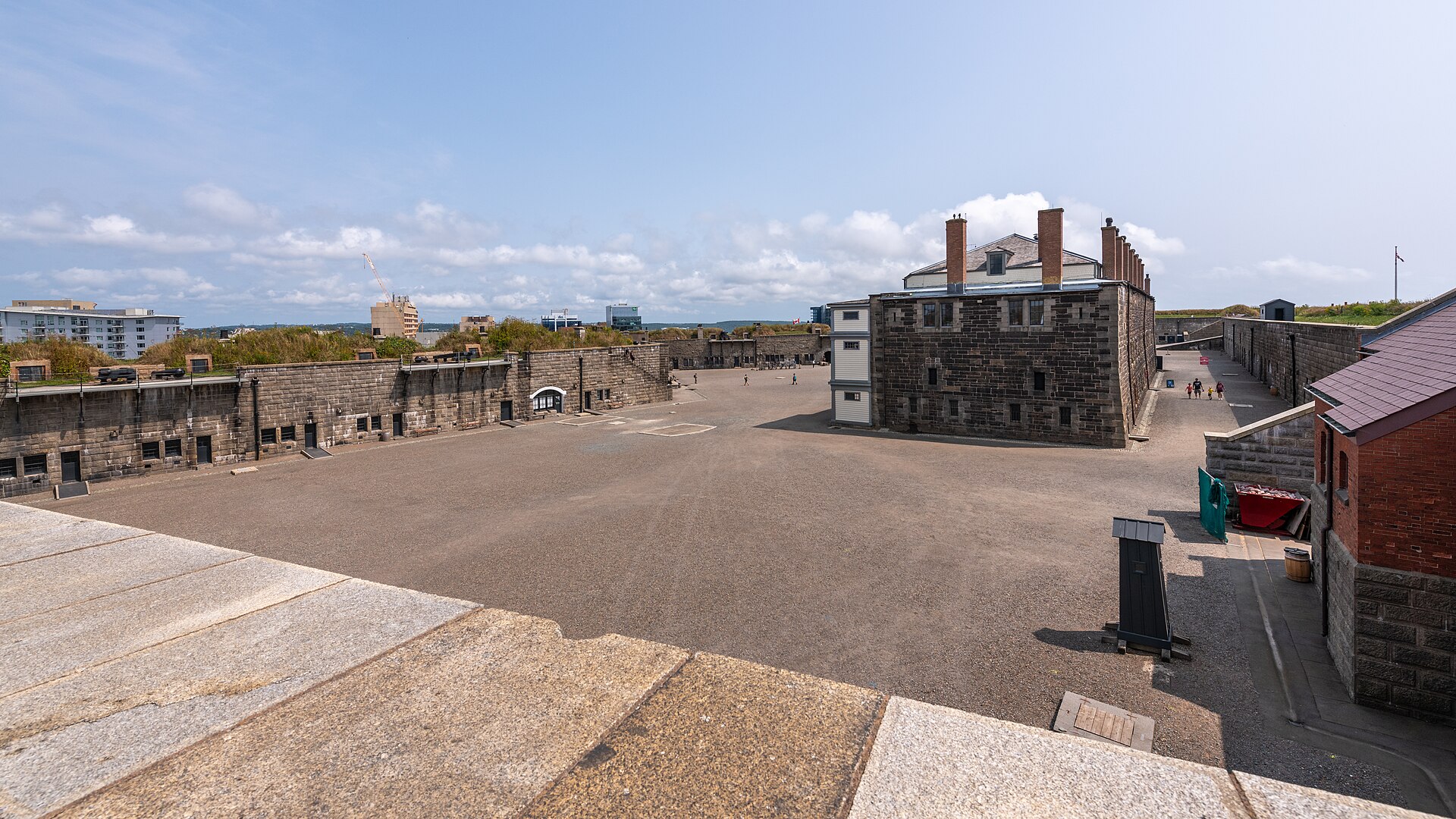 Photo: Dionysos1970 / Wikimedia Commons (CC BY-SA 4.0)
Questions people actually ask.
Do I really need a thick wetsuit in Nova Scotia?
Yes — this is genuinely different from every other zone on this site. Even at the warmest point of the year (around August), water temperature averages only about 63-64°F (17.6-18.1°C), and drops to roughly 33-36°F (0.8-2°C) in February. A 4/3mm wetsuit is the summer minimum; winter surfers run 6/5 or 5/4mm hooded suits with 7mm booties and 5mm mitts.
When is the best time to surf in Nova Scotia?
September through November — driven specifically by hurricane-generated groundswell traveling up the Atlantic coast from the tropics. This is genuinely the zone's defining feature: the same hurricane swells that threaten the Caribbean and US East Coast arrive here as clean, powerful surf. Lawrencetown fires from March through November, narrowing in deep winter, though winter surf can be excellent for those prepared for the cold.
Is there really a two-Lawrencetowns mix-up I should know about?
Yes, genuinely — Nova Scotia has two unrelated places named Lawrencetown. The surf town is in Halifax County, about 30 minutes from the airport. A separate farming village called Lawrencetown sits in Annapolis County, roughly 170km away in the opposite direction. If you're mapping or researching on your own, double-check you have Halifax County — this mix-up trips up generic travel sites regularly.
How do I get to Lawrencetown and Cow Bay from the airport?
Fly into Halifax Stanfield International (YHZ). Lawrencetown (the Halifax County surf town) is about 49km, roughly 39 minutes by car. A rental car is effectively required — Halifax Transit doesn't run a direct route out to Lawrencetown Beach, and carrying a board on public transit isn't practical anyway.
Is Nova Scotia actually the birthplace of surfing in Canada?
This is a well-corroborated claim, not just marketing copy. Multiple independent sources credit Lawrencetown Beach as the birthplace of Canadian surfing, with the Landymore family among the earliest documented pioneers starting in the 1960s — the scene's founding is directly tied to American surfers who followed hurricane swells up the Atlantic coast and some of whom settled in the area.
Disclosure & how this page works.
Straight talk: Some links on this page are affiliate links — if you book through them, Secrets of Surf Travel earns a small commission at no extra cost to you. We only link places and people we’d use ourselves, and coverage is never for sale. Those commissions are what keep this site running and fund the next trip.
Today, the “Search Vrbo rentals” and “Search Booking.com stays” links on this page are affiliate links — every vendor listing link is still a plain courtesy link. As partnerships with these local businesses come online, more links (and discount codes, where Secrets of Surf Travel benefits from their use) may earn us a commission, and this page will keep saying so plainly. Coverage is never for sale: nobody on this page paid to be here, and nobody can.
Every listing was researched in 2026 and is being verified in person. Prices, hours, and policies change — treat them as strong starting points and confirm directly with the business. And per the No-Reveal Code: you will find no surf spots on this page, ever.