
Ningaloo & Coral Coast
Stated honestly up front: this is a reef and marine-wildlife zone first, a surf zone second — the first time this site has needed to say that. Exmouth (the full hub) and Coral Bay (a real, smaller second stop 150km south) both sit on Ningaloo Reef, a UNESCO World Heritage fringing reef you can walk onto directly from shore. Genuinely remote — 1,250km from Perth — and priced and paced accordingly.
Straight talk: Some links on this page are affiliate links — if you book through them, Secrets of Surf Travel earns a small commission at no extra cost to you. We only link places and people we'd use ourselves, and coverage is never for sale. Those commissions are what keep this site running and fund the next trip.
Some vacation-rental search links on this page (marked "Search Vrbo rentals," "Search Booking.com stays," or "Search Agoda stays") are affiliate links. Every vendor link below is still a plain courtesy link. As more partnerships come online, more links may earn us a commission; the promise above holds either way.
Real remoteness, real hazards, calmly stated: this is genuinely remote country — long, monotonous highway stretches between towns, real fatigue risk, sparse services, and kangaroo/emu strike risk at dusk and night (arrive before dark). High UV and heat exposure are standard outback conditions here. Saltwater crocodile habitat technically extends to this latitude, with rare, isolated incidents on record — not traditionally a crocodile-prone area, but standard croc-safe-water precautions apply near river mouths and creeks. On sharks: this is whale-shark tourism territory, not great-white territory — reef sharks present are small and timid, with no fatal shark incidents on record here, a genuinely calmer profile than Margaret River far to the south.
Getting There
Flying: Qantas runs the only direct route, Perth (PER) to Learmonth/Exmouth (LEA), roughly 1h55, around 11 flights a week — the realistic choice for most standard one-to-two-week trips.
Driving: 1,248km one-way, ~13 hours straight through — but almost nobody does it in one push. Most self-drive travelers spread it over 7-10 days, treating Pinnacles, Shark Bay/Monkey Mia, and Kalbarri as waypoints on what effectively becomes its own separate road trip. Treat flying and driving as two genuinely different traveler profiles, not one blended narrative.
Documents: standard Australian ETA/eVisitor visa rules apply for most nationalities — check requirements for your passport before booking.
Ground Transport
- Driving is on the left, standard for Australia.
- Exmouth ↔ Coral Bay: ~153km, ~1.5-1hr48 — a genuine day trip or easy one-night add-on.
- A car is necessary throughout this zone — there is no meaningful public transport network this far from Perth.
- Geraldton, Kalbarri, and Shark Bay sit 650-800+ km from Exmouth — a separate multi-day leg of the Coral Coast Highway with their own real character, genuinely belonging to a future, separate zone rather than this one.
When to Go
- Whale shark season should drive your calendar here, not swell season. The season runs March-August, peaking April-July — tied to a mass coral spawning event each March-May that draws the whale sharks in to feed.
- Manta rays run May-November, peaking through winter alongside the whale sharks.
- Turtle nesting runs roughly October-March, with hatching January-March.
- Surf swell is secondary but real — best window July-October; summer surf is unreliable.
- Water temperature is genuinely tropical/warm relative to Margaret River far south — roughly 22.6°C in winter up to 27-28.4°C at the summer peak. Peak visitor season (whale sharks) and best swell season substantially overlap in winter, a genuinely useful convergence.
Good to Know
- Currency: Australian Dollar (AUD). Language: English. Emergency number: 000.
- Market positioning — state plainly: this is genuinely more expensive and remote than every zone built on this site so far. Whale shark tours run around AU$500 standard, up to AU$750 for premium/small-group options, driven by real spotter-plane costs. Accommodation books out up to a year ahead for peak season and school holidays — plan and book far earlier than usual for this zone.
- Ningaloo Reef comes right up to shore in many spots — a genuinely unusual feature among the world's major reef systems, most of which require a boat.
Respecting the Locals
This zone is a reef and marine-wildlife destination first, a surf zone second, and that ordering matters for how you show up here. Ningaloo Reef comes right up to shore in a way most major reef systems don't, and the small towns of Exmouth and Coral Bay run on a genuinely remote, tourism-dependent economy built around protecting that reef and the whale sharks, manta rays, and turtles that draw people here. Respecting the locals in this zone means respecting the reef and its wildlife with the same seriousness as any lineup.
- Locals get first priority, always. Watch a session before you paddle out. Learn who's who before you learn the wave. Sit inside and catch what they let through — the leftovers are yours, not the set waves.
- Don't backpaddle. Ever. Being in position doesn't make the next wave yours, especially if you didn't wait your turn. If a local wants a wave, let them have it…even if it IS your turn. That older guy who may not be the best surfer out there has probably been surfing that wave before you even sat on a board. If you don't know someone, assume they're local.
- Don't snake. This shouldn't even need to be said, but…dropping in on someone, local or not, is the ultimate disrespect and the fastest way to be sent out of the water. Don't be that guy!
- Say hi. A “howzit,” “whatsup,” or “nice wave,” eye contact, or a nod in the channel — it costs nothing and it's the fastest way from stranger to welcome.
- This is somebody's home, not a resort amenity. The break you're surfing is where a local kid learned to swim, where someone's uncle has surfed for forty years. Act like a guest, because you are one.
- Spend where it actually helps. The food truck, the local shaper, the family-run rental, the local photographer — that's where a surf trip's money should land, not just the chain hotel gift shop. See The No-Reveal Code for why that's the whole premise of this site.
- Leave it better than you found it. Pick up trash that isn't yours. Don't touch reef, wildlife, or cultural sites.
Locals have watched hundreds, if not thousands, of people come and go — some for days, some for months or years — and almost all of them eventually go home. The locals are still there. It takes many, many years to actually become one. Keep that in mind the next time you feel entitled to the same waves they get.
None of this is a secret handshake. It's just how you'd want a guest to act in your own backyard.
Exmouth
The full hub and gateway to Ningaloo Reef. The real center of gravity here is whale sharks, manta rays, and reef life — surf is a genuine but honestly secondary niche, listed second on this page rather than first for that reason.
Whale Shark, Manta Ray & Reef Tours
- Ningaloo DiscoveryUpperLicensed whale shark swims, spotter-plane assisted. ningaloodiscovery.com.au · Instagram · Map
- Whale Shark ToursUpperTrades as Ningaloo Whaleshark n Dive. whalesharktours.com.au · Instagram · Map
- Ocean Eco AdventuresUpperoceanecoadventures.com.au · Instagram · Map
- Exmouth Dive & Whalesharks NingalooUpperDiving plus whale shark swims under one operator. exmouthdiving.com.au · Instagram · Map
- Tackle World ExmouthMid-rangeSnorkel, dive, and spearfishing gear. tackleworldexmouth.com.au · Map
Surf School & Shop
- Exmouth Surf Centre441 Murat Rd, instruction at Wobiri BeachMid-rangeASI-accredited, daily instruction at a genuinely good beginner beach — gentle, long-breaking waves over sand, waist-deep. Board, wetsuit, and soft-rack rental plus snorkel gear. exmouthsurfcentre.com.au · Facebook · Map
- Edge WatersportsSideshore, Exmouth SeafrontMid-rangeWetsuits, kites, wing/kitesurf gear, paddleboards. Map
This is essentially the last real surf spot heading north up the WA coast — a modest 4-break cluster (a primary break plus a beginner-friendly option) within a ~5km stretch, plus boat-access reef at Yardie Creek and offshore options at the Muiron and Montebello Islands for those with a boat. Best swell window July-October; summer surf is unreliable.
Stays
Stated honestly: a genuinely remote, premium-leaning market. Exmouth books out up to a year ahead for school holidays and peak season — a real pattern shift from every zone built on this site so far.
- Mantarays Ningaloo Beach ResortUpperOcean-view rooms, the zone's clear luxury anchor. mantaraysningalooresort.com.au · Instagram · Map
- Ningaloo Reef ResortMid-rangeTrades as RAC Ningaloo Reef Resort, Coral Bay. parksandresorts.rac.com.au · Facebook · Map
- Potshot Hotel ResortBudgetDorms and budget doubles — the hostel-tier anchor. potshotresort.com · Facebook · Map
- RAC Exmouth Cape Holiday ParkBudgetCamping/caravan sites. parksandresorts.rac.com.au · Facebook · Map
Where to Eat
- Mantarays RestaurantNingaloo Beach ResortUpperSeafood and modern Australian, gulf-view alfresco. mantaraysningalooresort.com.au · Map
- Whalers RestaurantExmouth Escape ResortMid-rangeTiger prawns, Shark Bay crab cake, Goldband snapper. whalersrestaurant.com.au · Map
- Adrift CafeBudgetadriftcafe.com.au · Facebook · Map
Massage & Wellness
- Our Luxe Co Wellness SpaMid-rangeMassage, sauna, ice plunge, facials. ourluxecowellnessspa.com · Map
- Imbibe Body TherapyMid-rangeHolistic/remedial massage. imbibebodytherapy.com · Facebook · Map
Other Adventures
- Cape Range National ParkSee Local Secrets.
- Yardie Creek GorgeSee Local Secrets.
- Vlamingh Head LighthouseSee Local Secrets.
- Turtle nesting/hatching viewingSee Local Secrets.
- Fishing charters
Coral Bay
A tiny settlement whose entire identity is walk-in shore access to Ningaloo Reef — one of the few places on Earth where you walk from your accommodation straight onto living coral. Genuinely reef-first and surf-absent: no surf school, break, or surf retail presence was found here.
Whale Shark, Manta Ray & Reef Tours
- Coral Bay Eco ToursUpperWhale shark, manta ray, and snorkel/glass-bottom-boat trips run directly from the bay. coralbayecotours.com.au · Instagram · Map
- Ningaloo Marine InteractionsUpperningaloomarineinteractions.com.au · Instagram · Map
Stays
Smaller and more remote-feeling than Exmouth, with real scarcity-driven pricing given the tiny footprint — books out months ahead, especially winter and school holidays.
- Ningaloo Reef ResortMid-rangeTrades as RAC Ningaloo Reef Resort. parksandresorts.rac.com.au · Facebook · Map
- Bayview Coral BayBudgetCaravan park, now trading as Ningaloo Coral Bay. ningaloocoralbay.com · Map
- Peoples ParkBudgetSecond caravan park option. peoplesparkcoralbay.com.au · Facebook · Map
Where to Eat, Repair & Wellness
Genuinely thin — Coral Bay is a small settlement built around the reef itself rather than a full-service town. Dining options are limited to what the resorts and caravan parks run in-house; no dedicated repair or wellness businesses were confirmed. Stated honestly rather than padded.
Other Adventures
- Manta ray aggregationSee Local Secrets.
- Shore snorkelingDirect walk-in access to living coral, genuinely unusual worldwide.
- Glass-bottom boat tours
Local Secrets
Seven reasons this zone rewards the curious — a reef you can walk onto without a boat, and 30,000+ years of continuous Indigenous connection to this coast.
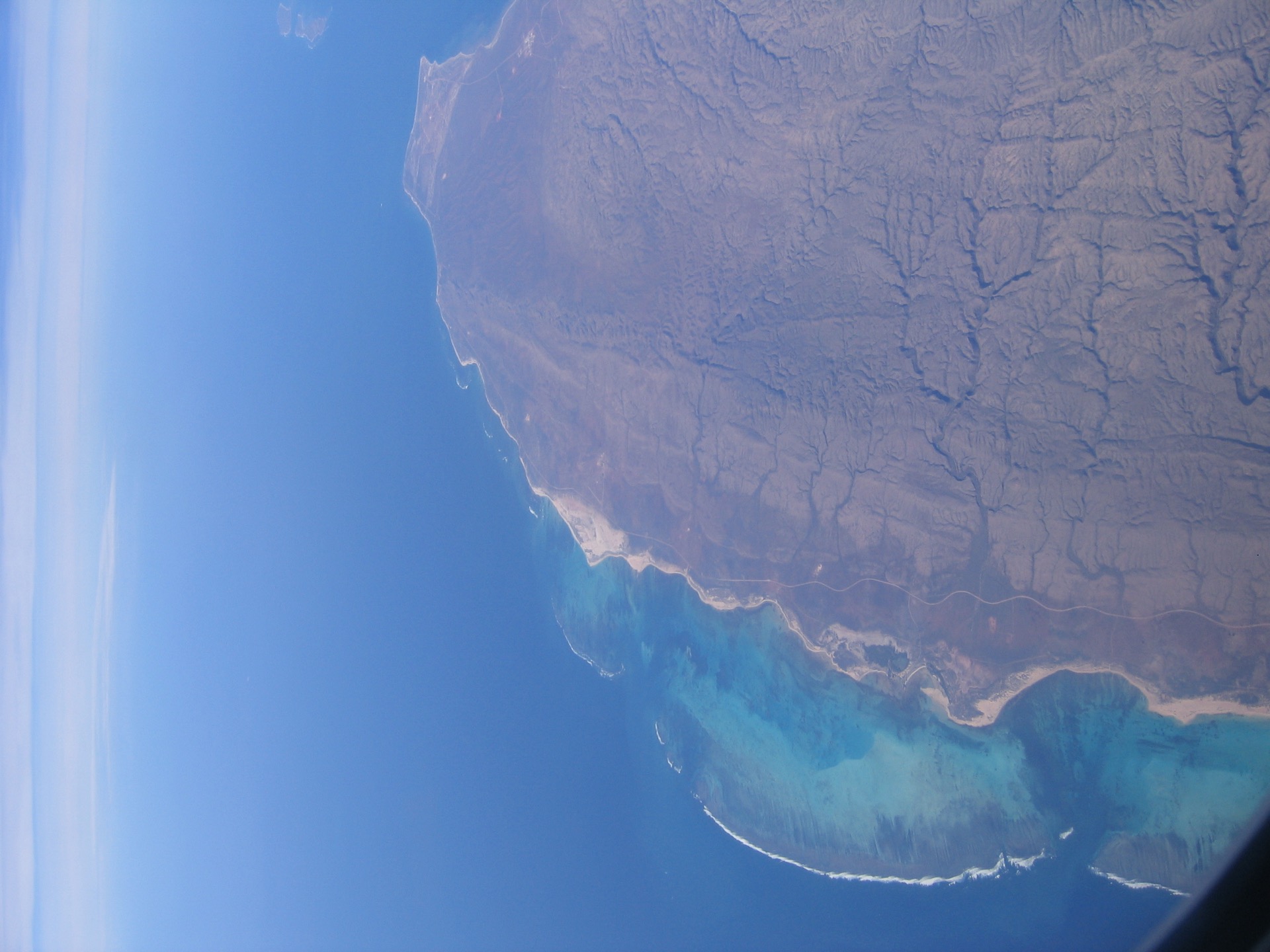
- Ningaloo Reef, UNESCO World Heritage fringing reef Inscribed 2011
One of the world's largest fringing reefs at roughly 260-300km — coral starts meters from shore in many spots, no boat required, genuinely unusual among the world's major reef systems.
 Wikimedia Commons (CC BY-SA 4.0)
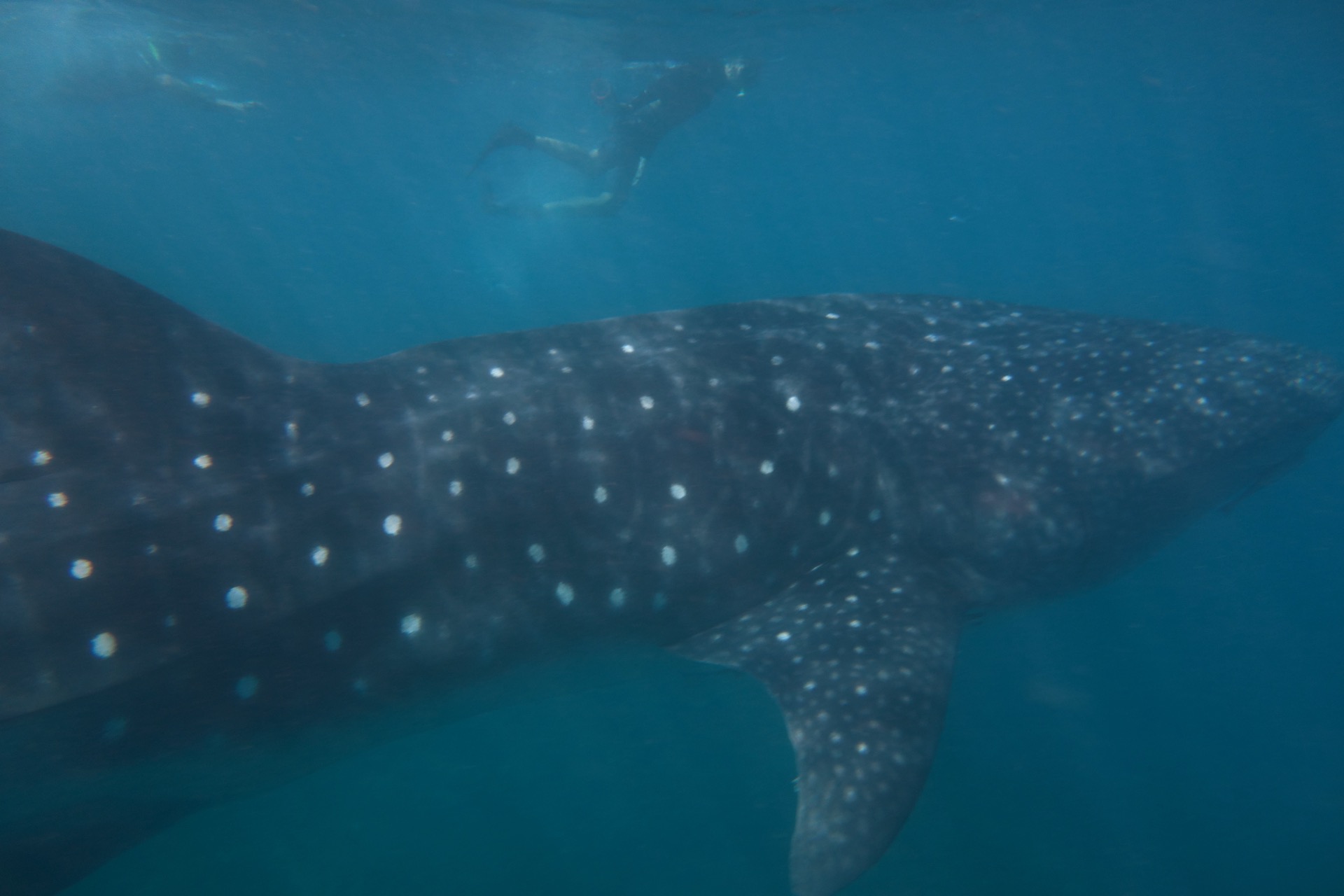
 - The whale shark migration / coral spawning story March-August, peak April-July
A real, tellable natural-history hook: a mass coral spawning event each March-May draws the whale sharks in to feed, creating one of the world's most reliable whale shark aggregations.
 Wikimedia Commons (CC BY-SA 2.0)
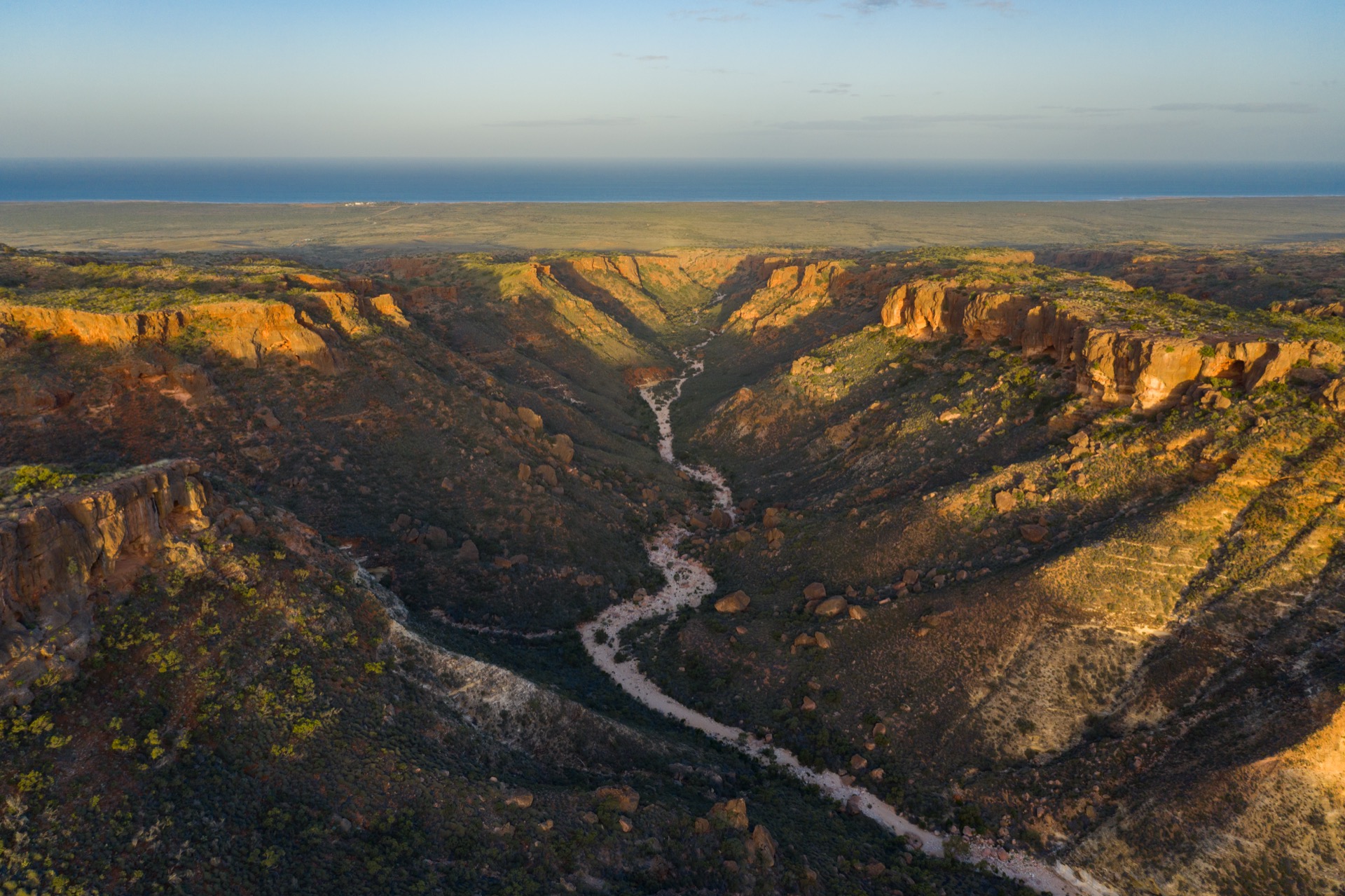
 - Cape Range National Park Open year-round
A limestone range meeting the reef directly — a dramatic contrast of red desert range against turquoise water, unlike anything else on this site.
 Wikimedia Commons (CC BY-SA 4.0)
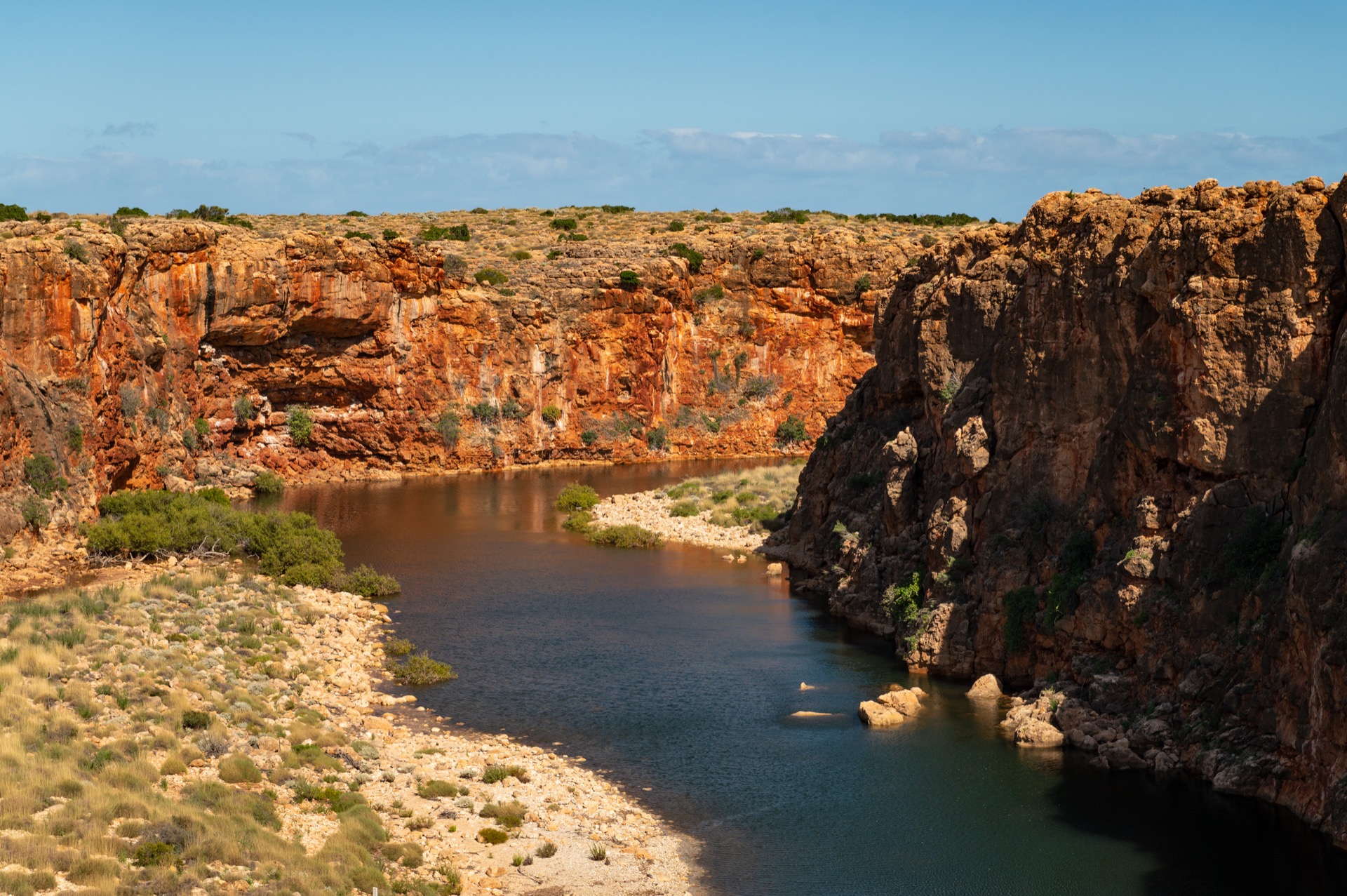
 - Yardie Creek Gorge Open year-round — walking trail or boat cruise
A permanent water source cutting through Cape Range limestone, home to rare black-footed rock wallabies — a 2km trail or a boat cruise option.
 Wikimedia Commons (CC BY-SA 4.0)
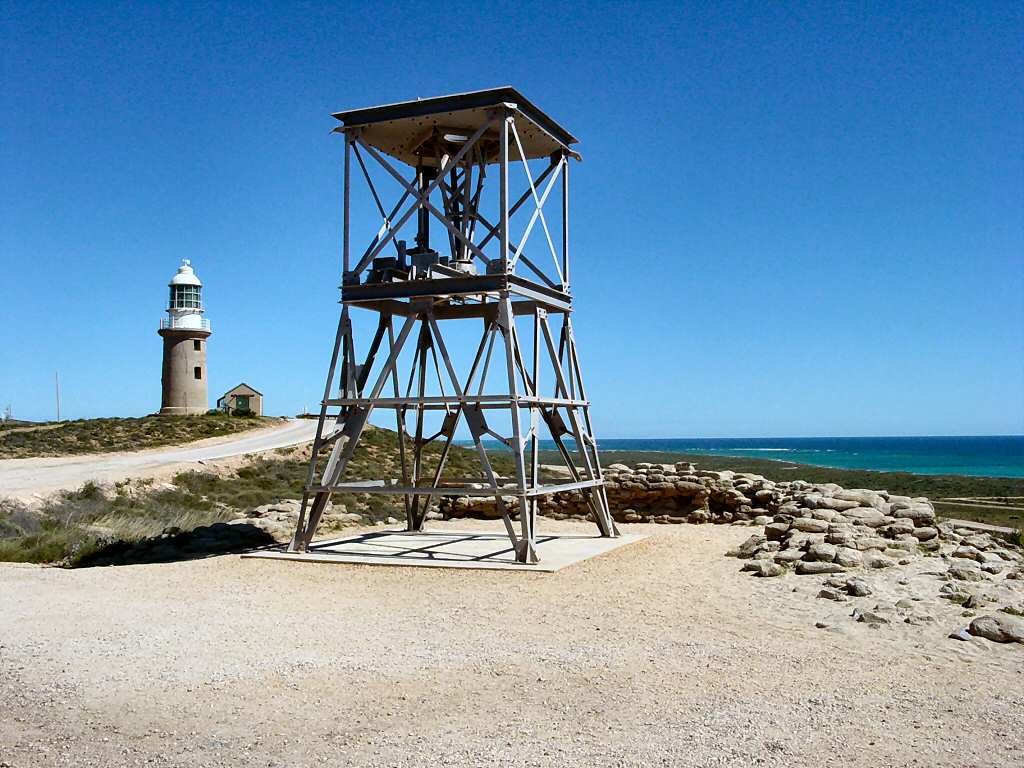
 - Vlamingh Head Lighthouse Best at sunrise or sunset
A historic lighthouse 17km north of Exmouth at the cape's tip — a genuine sunrise and sunset viewpoint over the whole of Ningaloo.
 Wikimedia Commons (CC BY-SA 3.0 / GFDL)
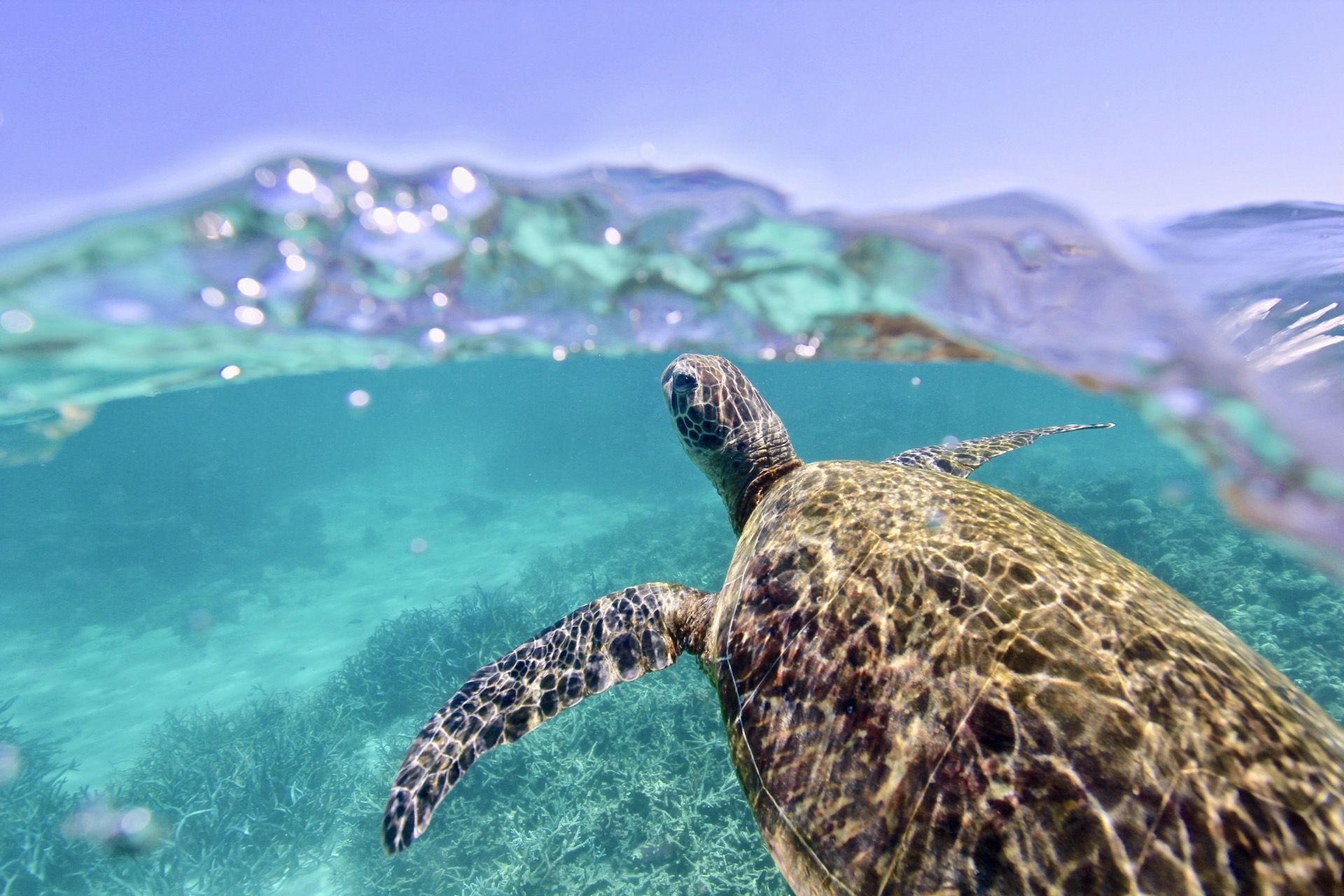
 - Turtle nesting & hatching season Nesting Oct-March, hatching Jan-March
Green, loggerhead, and hawksbill turtles nest on Ningaloo's beaches — a real, seasonal wildlife draw independent of the whale sharks and mantas.
 Wikimedia Commons (CC BY-SA 4.0)
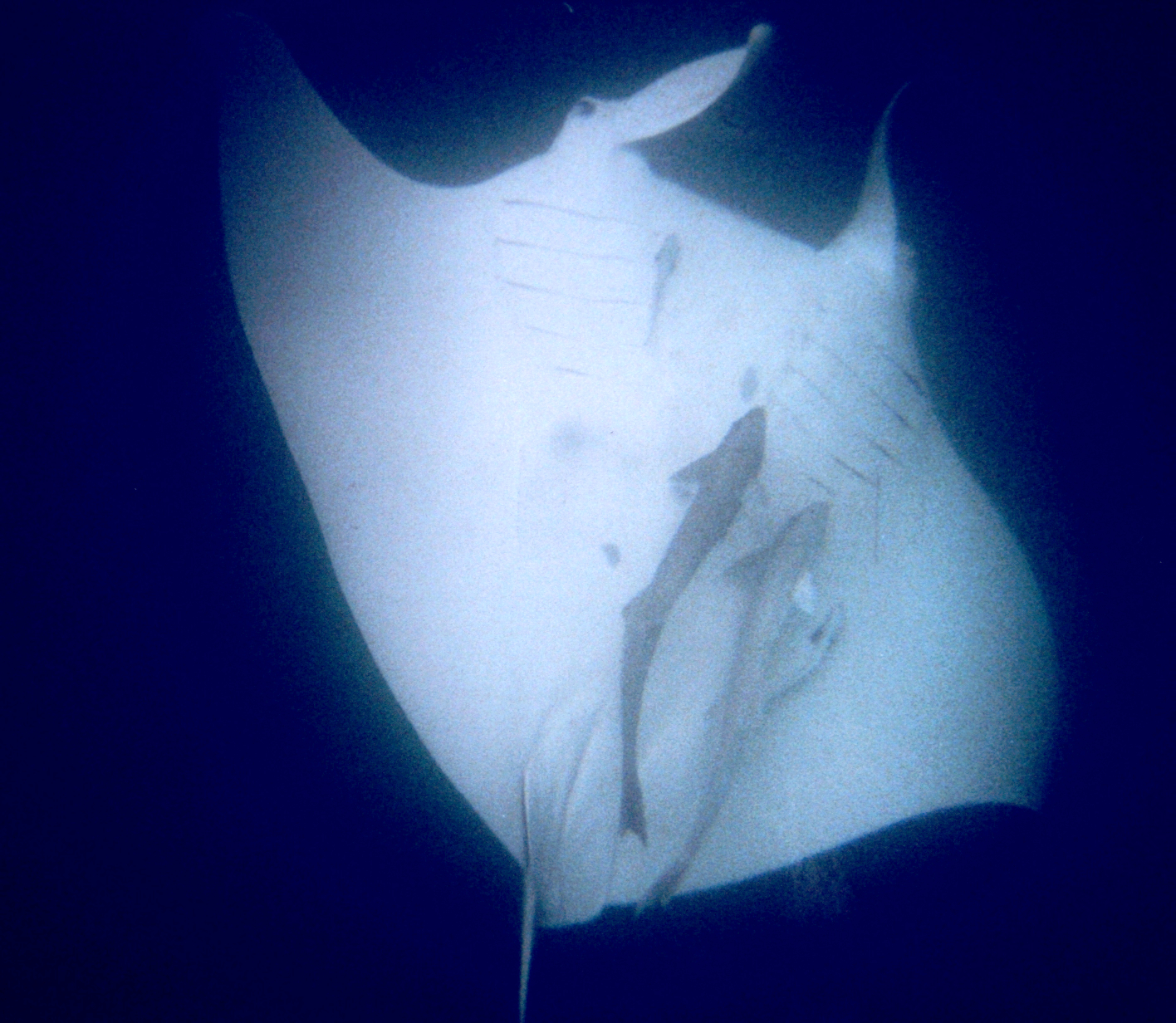
 - Manta ray aggregation May-November, peaking through winter
A genuine, less-hyped counterpart to the whale shark story, peaking through the same winter months.
 Wikimedia Commons (CC BY-SA 3.0)
Beyond any single site: the Baiyungu, Thalanyji, and Yinigudura peoples have held documented, continuous connection to the Nyinggulu (Ningaloo) coast for 30,000-60,000 years. Rock shelters and shell middens across Cape Range document some of the earliest evidence of human decorative ornaments found anywhere in Australia — real, respectful context worth knowing rather than a single attraction to visit.
Questions people actually ask.
Is this actually a surf zone?
Honestly, surf is a real but distinctly secondary draw here. Exmouth is essentially the last surf spot heading north up Western Australia's coast — a modest 4-break cluster with a decent beginner beach, best July-October. The actual visitor economy is built overwhelmingly around whale sharks, manta rays, and snorkeling/diving on Ningaloo Reef, a UNESCO World Heritage fringing reef you can walk onto directly from shore in many spots. This page leads with that reality rather than forcing a surf-town template onto a reef destination.
Should I fly or drive to get here?
Both are real, commonly used options serving different trip types. Flying Perth to Learmonth/Exmouth is about 1h55 and the realistic choice for a standard one-to-two-week trip. Driving is 1,248km one-way — almost nobody does it in one 13-hour push; most self-drive travelers spread it over 7-10 days, treating Pinnacles, Shark Bay/Monkey Mia, and Kalbarri as waypoints on what becomes its own separate road trip, not a quick add-on.
Are there crocodiles or dangerous sharks here?
Real but genuinely marginal for both. Saltwater crocodile habitat technically extends to about this latitude, with rare, isolated incidents on record — locals describe it as "not traditionally a crocodile-prone area," not Kimberley-level croc country. On sharks: this is whale-shark tourism territory, not great-white territory — the water's too warm for great whites, reef sharks present are small and timid, and there are no fatal shark incidents on record here. A genuinely different, calmer risk profile than Margaret River far to the south.
When's the best time to see whale sharks?
March through August, peaking April-July — tied to a mass coral spawning event each March-May that draws the whale sharks in to feed. Manta rays run May-November, peaking through winter alongside the whale sharks. Usefully, this overlaps with the best swell window (July-October) for anyone who wants both.
Disclosure & how this page works.
Straight talk: Some links on this page are affiliate links — if you book through them, Secrets of Surf Travel earns a small commission at no extra cost to you. We only link places and people we'd use ourselves, and coverage is never for sale. Those commissions are what keep this site running and fund the next trip.
Today, the "Search Vrbo rentals," "Search Booking.com stays," and "Search Agoda stays" links on this page are affiliate links — every vendor listing link is still a plain courtesy link. As partnerships with these local businesses come online, more links (and discount codes, where Secrets of Surf Travel benefits from their use) may earn us a commission, and this page will keep saying so plainly. Coverage is never for sale: nobody on this page paid to be here, and nobody can.
Every listing was researched in 2026 and is being verified in person. Prices, hours, and policies change — treat them as strong starting points and confirm directly with the business. And per the No-Reveal Code: you will find no surf spots on this page, ever.