Namibia
Where the Namib Desert meets the cold Atlantic — Swakopmund's German colonial streets backed by towering dunes, and Walvis Bay's flamingo-filled lagoon nearby. A genuinely different kind of African zone: cold water, real self-drive infrastructure, and adventure tourism that already exists independent of surf.

Straight talk: Some links on this page are affiliate links — if you book through them, Secrets of Surf Travel earns a small commission at no extra cost to you. We only link places and people we’d use ourselves, and coverage is never for sale. Those commissions are what keep this site running and fund the next trip.
Some vacation-rental search links on this page (marked “Search Vrbo rentals” or “Search Booking.com stays”) are affiliate links. Every vendor link below is still a plain courtesy link. As more partnerships come online, more links may earn us a commission; the promise above holds either way.
Getting There
No direct US flights. The realistic routing is US to Frankfurt, then Discover Airlines (Lufthansa's leisure carrier, also sold under Lufthansa flight numbers) nonstop overnight to Windhoek — about 10.5 hours, evening departure from Frankfurt arriving the following morning. An alternative is routing through Johannesburg or Cape Town and connecting on Airlink, useful if you're already combining the trip with South Africa.
Windhoek to the coast is easy either way. Airlink flies Windhoek to Walvis Bay multiple times daily, about an hour in the air. Driving is a genuine, well-supported option too — roughly 360km on the fully paved B2 highway, 3.5-4 hours. Windhoek's own airport sits about 45km outside the city, worth factoring into total transit time.
Documents — a real "get this right" item, since the rule changed recently. As of April 1, 2025, Namibia requires a visa for US citizen tourists, replacing what used to be a visa-free arrangement — don't trust older travel content that says otherwise. Visa on arrival is available at major airports and land borders, roughly $70-95, or apply online in advance through the Namibian Ministry of Home Affairs e-Services portal. Bring a passport valid 6+ months beyond your trip with at least 3 blank visa pages.
Ground Transport
- Namibia is genuinely one of the few places in Africa where self-driving is a realistic, well-supported choice — wide, safe roads, reliable rental agencies, and a country-wide reputation for this being the normal way to travel. A standard 2WD rental is fine for the Windhoek-to-coast drive and getting around Swakopmund and Walvis Bay themselves.
- The exception is reaching more remote desert terrain, including the area around the zone's legendary desert wave — Walvis Bay is the closer airport for this (15-30 minutes away, versus roughly 6 hours if starting from Windhoek), but actually getting onto the beach itself requires 4WD through soft sand for the final stretch. Fuel stations are rare out that way — top off before heading out, and local operator support is genuinely worth having rather than optional. This is the one piece of real expedition-style friction inside an otherwise easy, developed zone.
- Coastal fog is a near-daily feature, especially mornings, and can affect visibility on coastal roads — worth building extra time into early starts.
When to Go & What to Pack
- Cold water — the headline contrast with every other African zone on this site so far. The Benguela Current keeps water in the roughly 13.6-20°C range year-round (coldest around August, warmest around February). A 3/2mm wetsuit covers the warmer window (roughly December-April); step up to 4/3mm plus booties for winter (May-September), with a hood worth considering at the coldest end.
- Surf season runs opposite the calendar logic of the tropical zones on this site — the best window is May through August, peaking in June, when Southern Hemisphere winter storms send long-period groundswell up the coast. Even in peak season, wind is the real limiting factor on clean conditions, not swell size.
- Pack for genuine temperature swings if venturing inland — the Namib interior sees extreme daily and seasonal variation, while coastal Swakopmund itself stays far more moderate thanks to the near-constant fog. Layering and real sun protection matter for any desert excursion.
Good to Know
- The advisory: Namibia sits at Level 2, Exercise Increased Caution — a genuinely reassuring tier, and the country carries a strong reputation as one of Africa's more stable, tourism-friendly destinations. Concerns are mostly limited to opportunistic, non-violent crime.
- Emergency numbers: 10111 for general/police, with 112 and 999 also cited as working lines. Private ambulance/rescue services (e.g., E-Med Rescue) are worth knowing about too, given how spread out the country is.
- Currency: Namibian Dollar (NAD), pegged 1:1 to the South African Rand — and Rand is accepted everywhere in Namibia, so there's no need to pre-convert if you're arriving with Rand already. Note this doesn't work the other way: Namibian Dollars aren't accepted in South Africa.
Respecting the Locals
Swakopmund's German colonial streets and adventure-tourism infrastructure existed long before surfers started showing up for the desert coast, and Walvis Bay's working port and lagoon economy runs independent of surf tourism too. Namibia's reputation as one of Africa's more stable, tourism-friendly countries doesn't change the basic fact that the coastline surfers travel here for belongs first to the towns and communities that were already living on it.
- Locals get first priority, always. Watch a session before you paddle out. Learn who's who before you learn the wave. Sit inside and catch what they let through — the leftovers are yours, not the set waves.
- Don't backpaddle. Ever. Being in position doesn't make the next wave yours, especially if you didn't wait your turn. If a local wants a wave, let them have it…even if it IS your turn. That older guy who may not be the best surfer out there has probably been surfing that wave before you even sat on a board. If you don't know someone, assume they're local.
- Don't snake. This shouldn't even need to be said, but…dropping in on someone, local or not, is the ultimate disrespect and the fastest way to be sent out of the water. Don't be that guy!
- Say hi. A “howzit,” “whatsup,” or “nice wave,” eye contact, or a nod in the channel — it costs nothing and it's the fastest way from stranger to welcome.
- This is somebody's home, not a resort amenity. The break you're surfing is where a local kid learned to swim, where someone's uncle has surfed for forty years. Act like a guest, because you are one.
- Spend where it actually helps. The food truck, the local shaper, the family-run rental, the local photographer — that's where a surf trip's money should land, not just the chain hotel gift shop. See The No-Reveal Code for why that's the whole premise of this site.
- Leave it better than you found it. Pick up trash that isn't yours. Don't touch reef, wildlife, or cultural sites.
Locals have watched hundreds, if not thousands, of people come and go — some for days, some for months or years — and almost all of them eventually go home. The locals are still there. It takes many, many years to actually become one. Keep that in mind the next time you feel entitled to the same waves they get.
None of this is a secret handshake. It's just how you'd want a guest to act in your own backyard.
Swakopmund
A genuinely unusual town — German colonial architecture backed directly by towering desert dunes, with real, established adventure-tourism infrastructure that existed long before anyone came here to surf. This is the zone's primary hub, and the base for reaching the legendary desert wave.
Surf Guides & Tours
- Surf Guide NamibiaSwakopmundMid-range The only dedicated Swakopmund-based surf school and guiding outfit with a long track record — runs 6-day guided programs including access to the legendary desert wave alongside beginner/intermediate instruction. Reviewers single out guides by name for going in the water to explain wave mechanics, and one account describes the team improvising rental gear and calling them "the friendliest locals" met while traveling, after a board-delivery mishap. @surfguidenamibia
- South Africa Surf ToursCape Town-based, runs desert-wave "strike missions" Founded by Tracey and Ruan — picks clients up at Walvis Bay Airport, includes guide, transport, and accommodation; also runs a 14-day Namibia-Cape Town combo trip. southafricasurftours.com
Given how central 4WD desert access is to actually reaching the legendary desert wave, a guided trip through one of these operators is genuinely worth the cost here, more so than at most zones on this site.
Surf Camps
- Salty Jackal Surf CampSwakopmundBudget Established 2017, described as the only accommodation in Swakopmund geared specifically toward surfers — ISA Level 1 and First Aid certified instructors, board rental, desert-wave strike missions, plus non-surf add-ons like safaris and sandboarding. #14 of 51 specialty lodging in Swakopmund on TripAdvisor, 4/5 across 31 reviews — praised for its homey atmosphere and honesty bar. saltyjackal.com @saltyjackal264
Stays
- Hansa HotelHendrik Witbooi Street No 3Mid-range A genuine piece of German-colonial Swakopmund — the building dates to 1905. hansahotel.com.na @hansa_hotel
- Strand Hotel SwakopmundMolewegLuxury Rebuilt 2015 on the site of the historic original Strand Hotel, ocean on three sides — considered the most luxurious address on this stretch of coast. strandhotelswakopmund.com
- Cornerstone GuesthouseQuiet corner of townMid-rangeAward-winning B&B.cornerstoneguesthouse.com
- AT THE SEA Boutique GuesthouseVineta districtMid-rangeSteps from the beach.
Where to Eat
- Kücki's Pub & RestaurantA block off the main street, ~3 blocks from the jettyMid-rangeA local institution for 40+ years, housed in an early-1900s building, with a strong German beer selection.kuckispub.com
- Swakopmund BrauhausSwakopmundMid-rangeAuthentic German cuisine and beer — repeatedly called a "must visit" for the experience.
- Jetty 1905On/near the Swakopmund JettyMid-rangeSeafood-focused, with ocean views right on the jetty.
Wheels: Car & 4WD Rentals
- Swakopmund Car Hire (SCH)Kaiser Wilhelm/Sam Nujoma Avenue20 years in business, branches in Windhoek and Swakopmund, will collect/drop at Walvis Bay Airport.swakopmundcarhire.com
- Namibia2Go"The Delight," SwakopmundFree transfer from Walvis Bay Airport to their Swakopmund office, zero-excess insurance, no-deposit model.namibia2go.com
- Zambezi Car RentalNational, serves SwakopmundReal 4x4 self-drive fleet (Hilux, Fortuner, Land Cruiser), camping-equipped — relevant given how much a solid 4WD matters here.
This is one of the strongest, most verifiable categories in this entire zone — a real reflection of how central self-drive and 4WD access are to actually experiencing this coast.
Surfboard & Ding Repair
Genuinely thin — no independent local shaper and no dedicated repair shop confirmed in either Swakopmund or Walvis Bay. Namibia's surf scene is small and imported-board dependent; basic fixes are handled informally by the surf camps/schools rather than a standalone business.
Surf Shops & Board Rentals
- Element Riders Gear Shop15 Swakop Street, The Court Yard, Shop 5Describes itself as "your one and only real surf shop in Namibia" — new and secondhand gear plus rental.
- Coworksurf SwakopmundSwakopmundA coworking/coliving space run by Oliver & Iris that also rents a wide range of boards and runs ISA-qualified beginner instruction.
Massage & Wellness
- Fusion Wellness SpaShop 3, Super Spar CentreReal, reviewed spa with a range of treatments including a gemstone massage.fusion-wellness-spa.com
- Ciana Day Spa & Wellness CenterSwakopmundSkin treatments plus massage.
Other Adventures
- Alter Action Sandboarding25 Moses Garoeb Street Operating since 1996 — standup and lie-down sandboarding (lie-down hits up to 70kph), daily departures, includes transport, gear, and lunch. alter-action.info @sandboarding_namibia
- Ground Rush Adventures / Skydive SwakopmundSwakopmund Airfield Operating since 1997 with 70,000+ tandem jumps — one of the largest tandem skydiving operations on the continent, jumps over the dunes meeting the Atlantic. skydiveswakop.com
- Daredevil AdventuresHalfway between Swakopmund and Walvis BayQuad biking, dune-boarding, and sundowner dune excursions.
Walvis Bay
Namibia's main harbor town, built around a real Ramsar-listed lagoon with world-class birdlife — also the closer airport for reaching the legendary desert wave, and the departure point for the coast's well-developed dolphin and seal cruise industry.
Stays
- Pelican Point LodgeRemote peninsula, Walvis BayLuxuryA former harbor control tower converted into a penthouse suite — thousands of seals on one side, lagoon on the other, plus arranged kayaking-with-seals and dune quad biking.
- The Rez Guesthouse2 minutes from Pelican Lagoon/waterfrontMid-rangeEclectic, cozy decor with strong reviews.
- Lagoon LodgeOverlooking the lagoonMid-range8 individually decorated rooms with sea-view verandas.
Other Adventures
- Levo ToursDeparts Walvis Bay Waterfront Founded 1990 — dolphin/seal cruises past oyster farms and a shipwreck to the Pelican Point seal colony, plus Sandwich Harbour tours. Complimentary oysters and sparkling wine are typical on the boat. levotours.com
- Sun Sail Catamarans NamibiaWalvis Bay WaterfrontDaily marine dolphin cruise plus 4x4 tours.sunsailnamibia.com
Local Secrets
Twelve non-surf reasons this zone rewards the curious — a fuller list than most of this site's African zones, matching Namibia's genuinely rich, well-developed non-surf tourism infrastructure.
- Dune 7 Early morning or late afternoon — cooler temps, easier climbing
The tallest dune in the immediate area at roughly 383m, a famous climbing and sandboarding landmark right outside Walvis Bay, with panoramic desert-meets-Atlantic views from the top.
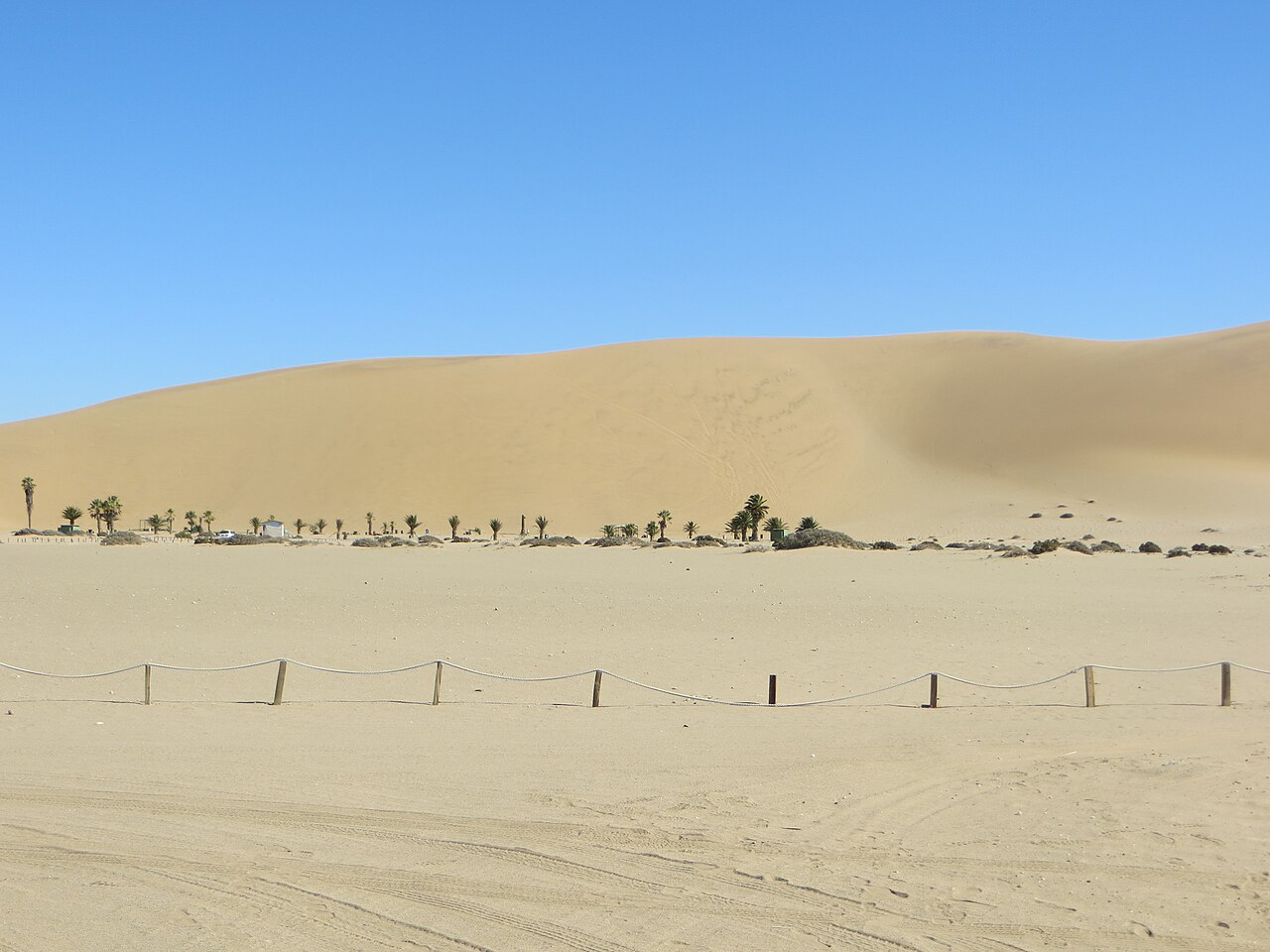 Photo: Visem / Wikimedia Commons (CC BY-SA 4.0)
 - Sandboarding on the Namib Dunes Cooler months (May-Sep), mornings before wind roughens the sand
Sliding or standing down the dune slopes near Swakopmund — lie-down boarding hits speeds up to 80km/h, with runs suited to all skill levels.
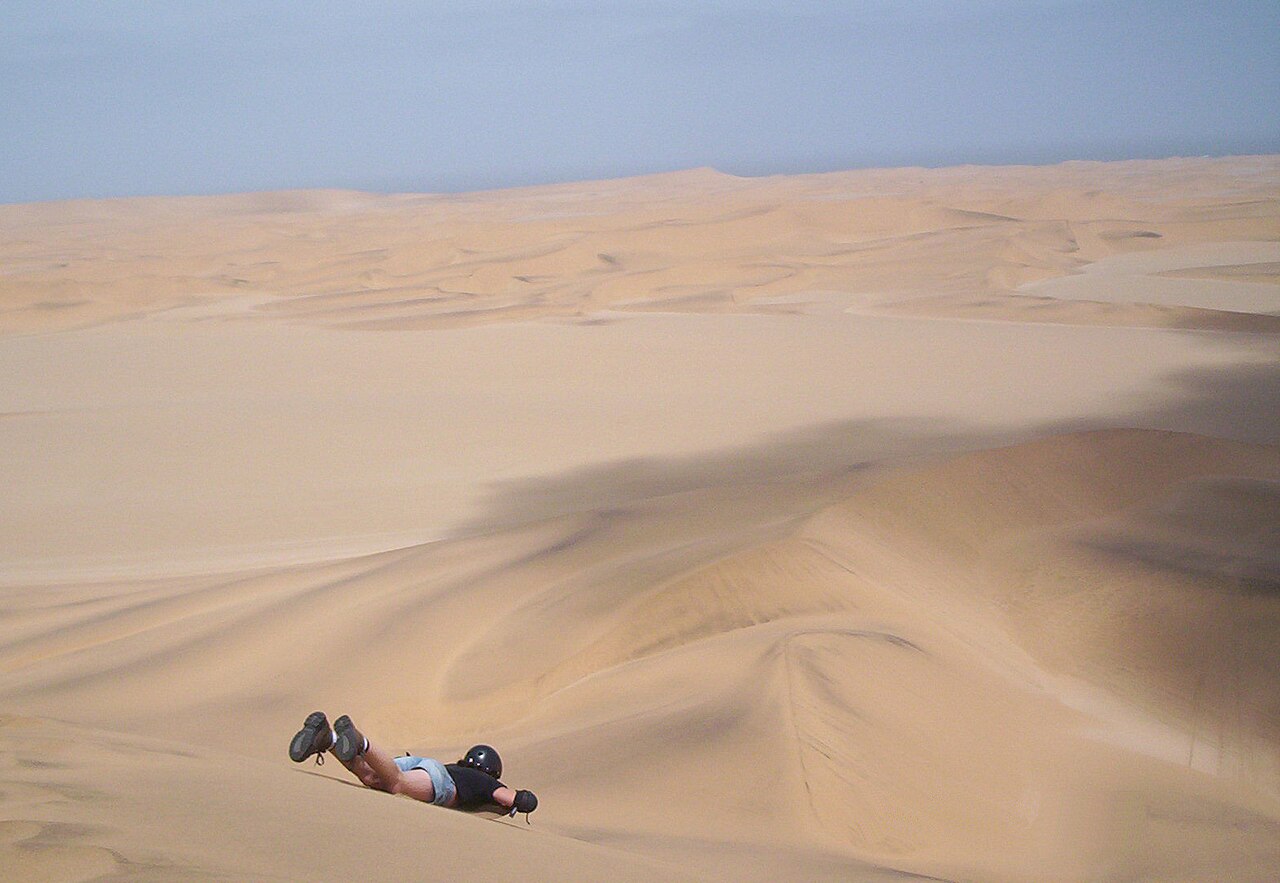 Photo: Katie Hunt / Wikimedia Commons (CC BY 2.0)
 - Walvis Bay Lagoon Nov-Apr for peak flamingo numbers; pelicans year-round
A Ramsar wetland of international importance and one of southern Africa's most significant coastal bird habitats — flamingo numbers can reach 50,000 at peak.
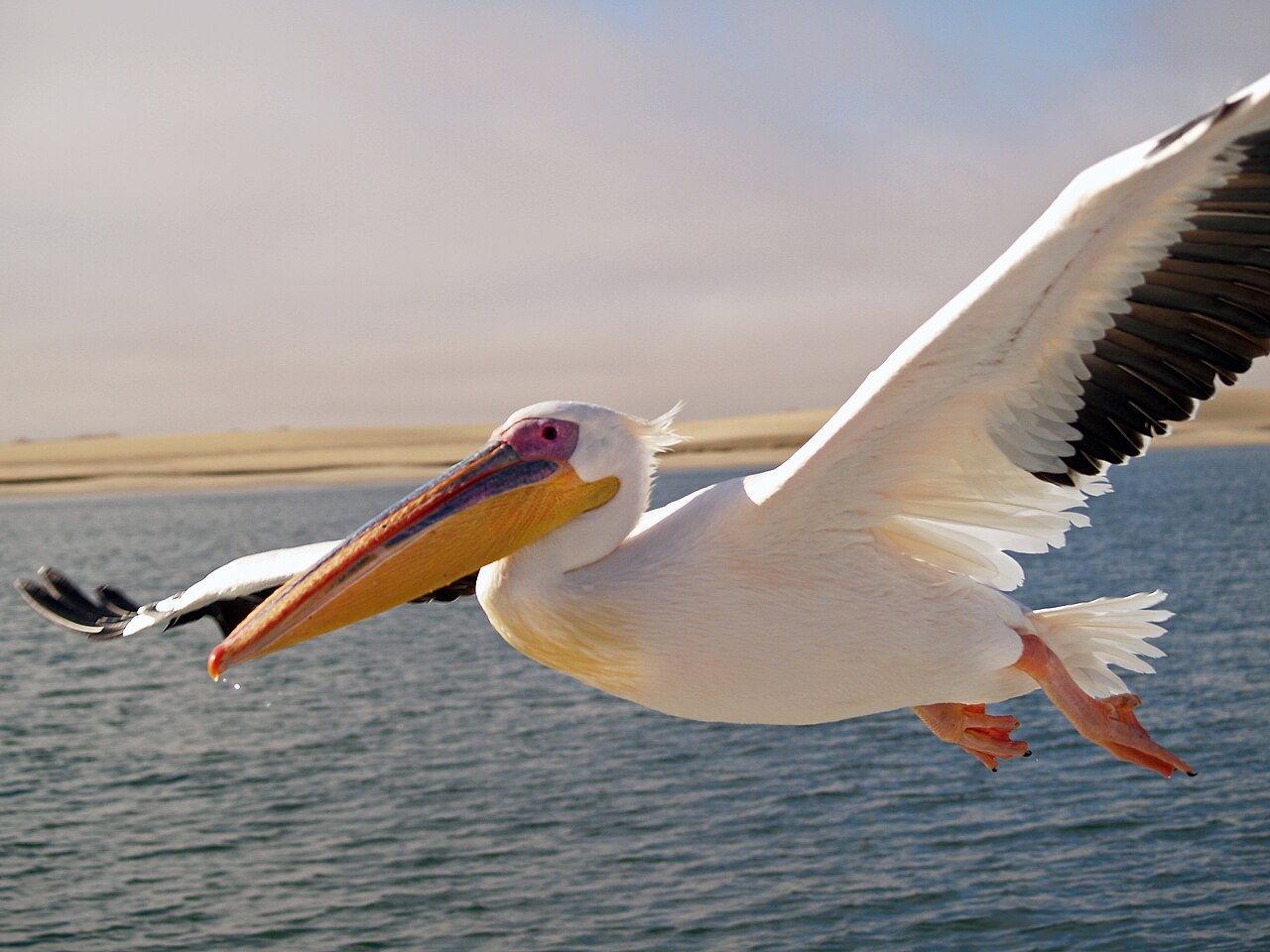 Photo: Rui Ornelas / Wikimedia Commons (CC BY 2.0)
 - Pelican Point Boat Cruise Morning departures for calmer water; Jul-Aug adds a chance of whale sightings
A catamaran trip out to Pelican Point, where seals swim right up to the boat and dolphins often ride the bow — oysters and sparkling wine typically included.
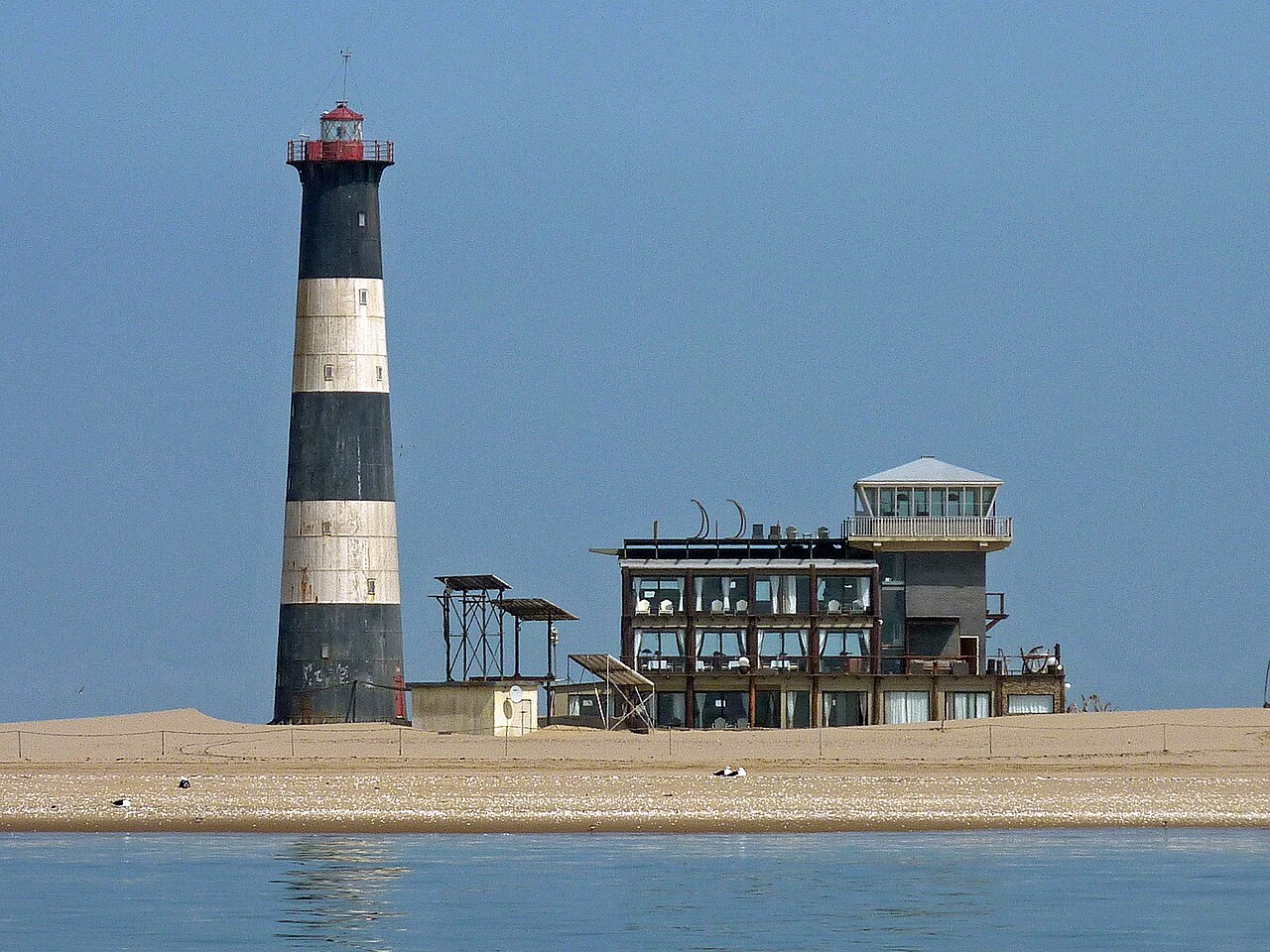 Photo: Wolfgang Fricke / Wikimedia Commons (CC BY 3.0)
 - The Mole & Lighthouse Anytime — a reliable sunset spot year-round
A red-and-white 1902 lighthouse and the historic harbor mole that together form the classic Swakopmund skyline shot, the light visible over 33km out to sea.
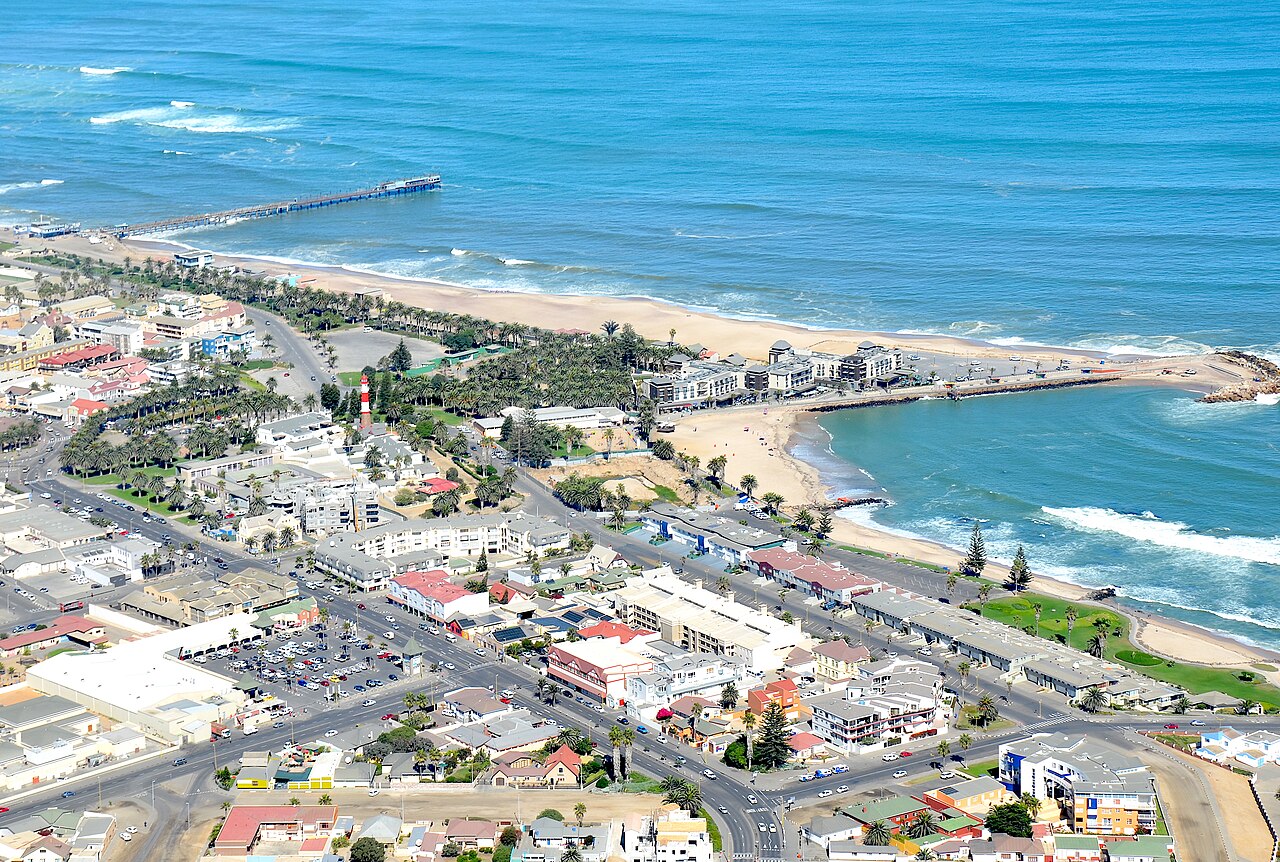 Photo: Olga Ernst / Wikimedia Commons (CC BY-SA 4.0)
 - Woermannhaus Weekday daytime hours
An 1894/1905-era German colonial building with the landmark Damara Tower, now housing the town library — climb the tower for rooftop views over Swakopmund and the sea.
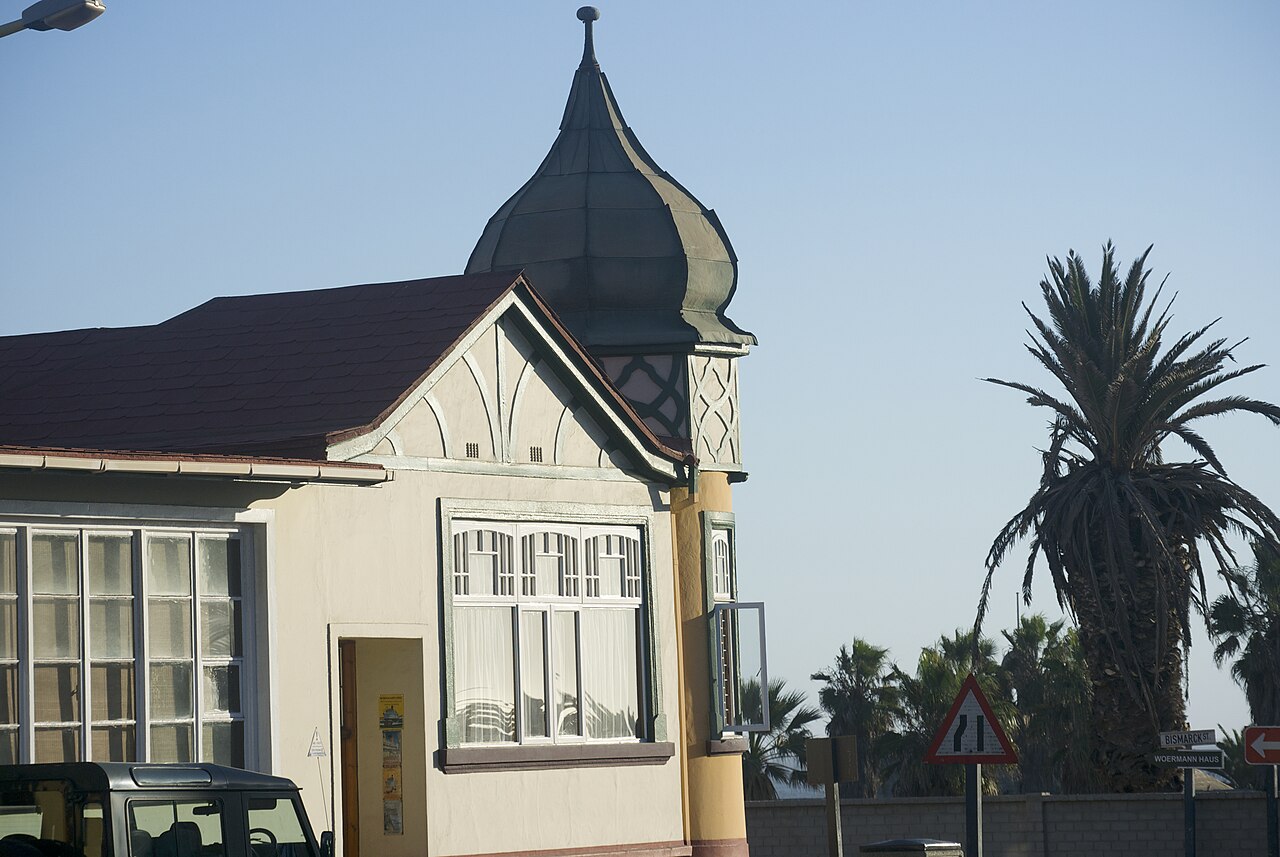 Photo: Lidine Mia / Wikimedia Commons (CC BY-SA 4.0)
 - Swakopmund Museum Year-round, weekday mornings for a quieter visit
Namibia's largest privately-run museum, founded 1951, covering natural history, Skeleton Coast shipwreck lore, colonial-era artifacts, and Namibia's indigenous cultures.
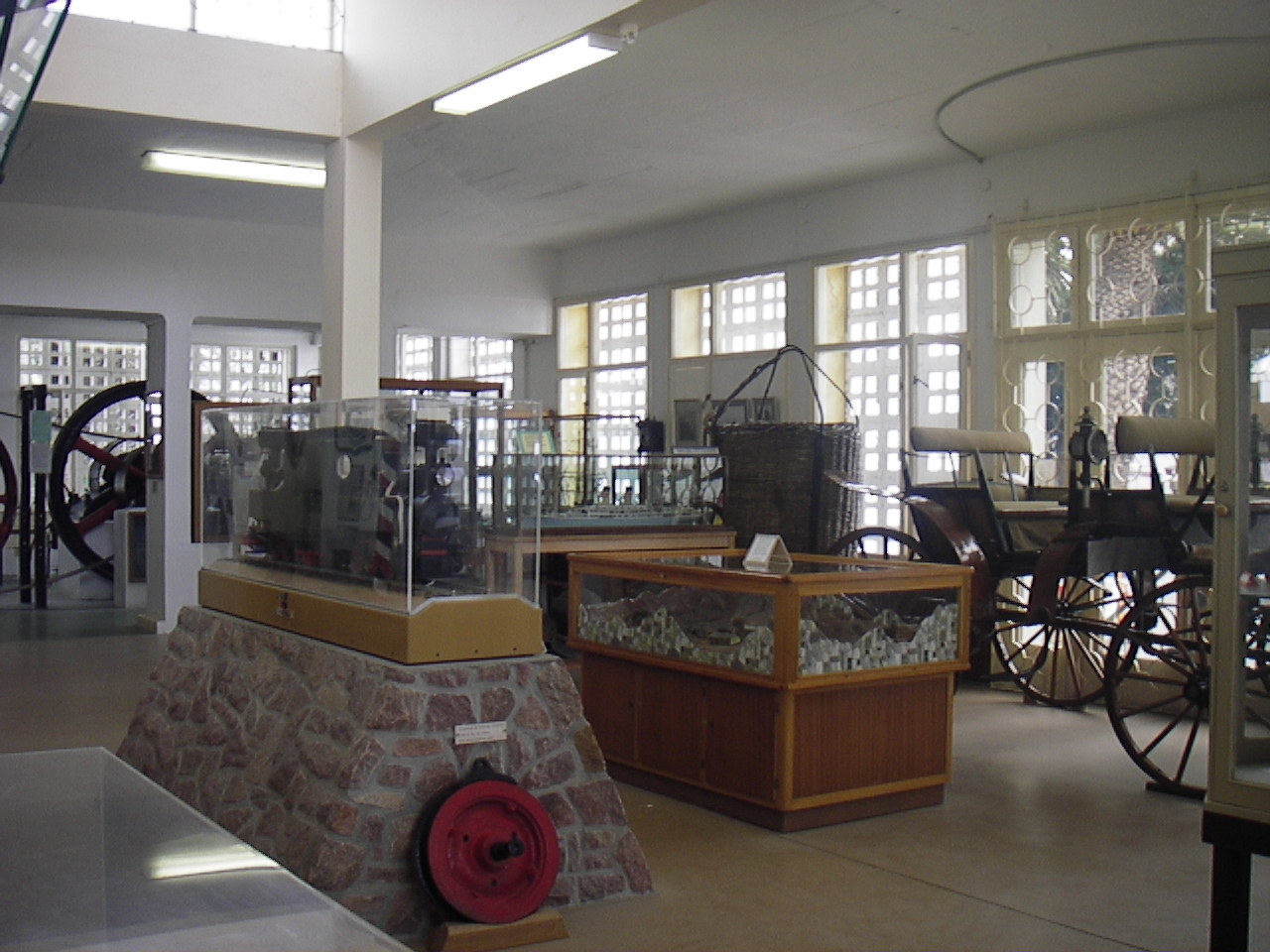 Photo: SqueakyMarmot / Wikimedia Commons (CC BY 2.0)
 - Cape Cross Seal Reserve Nov-Dec for peak breeding numbers, Dec-Jun for pup season
Home to the world's largest Cape fur seal breeding colony, up to roughly 210,000 seals in season, about 120km north of Swakopmund with a walkway right along the colony. Fair warning: it's a famously pungent stop.
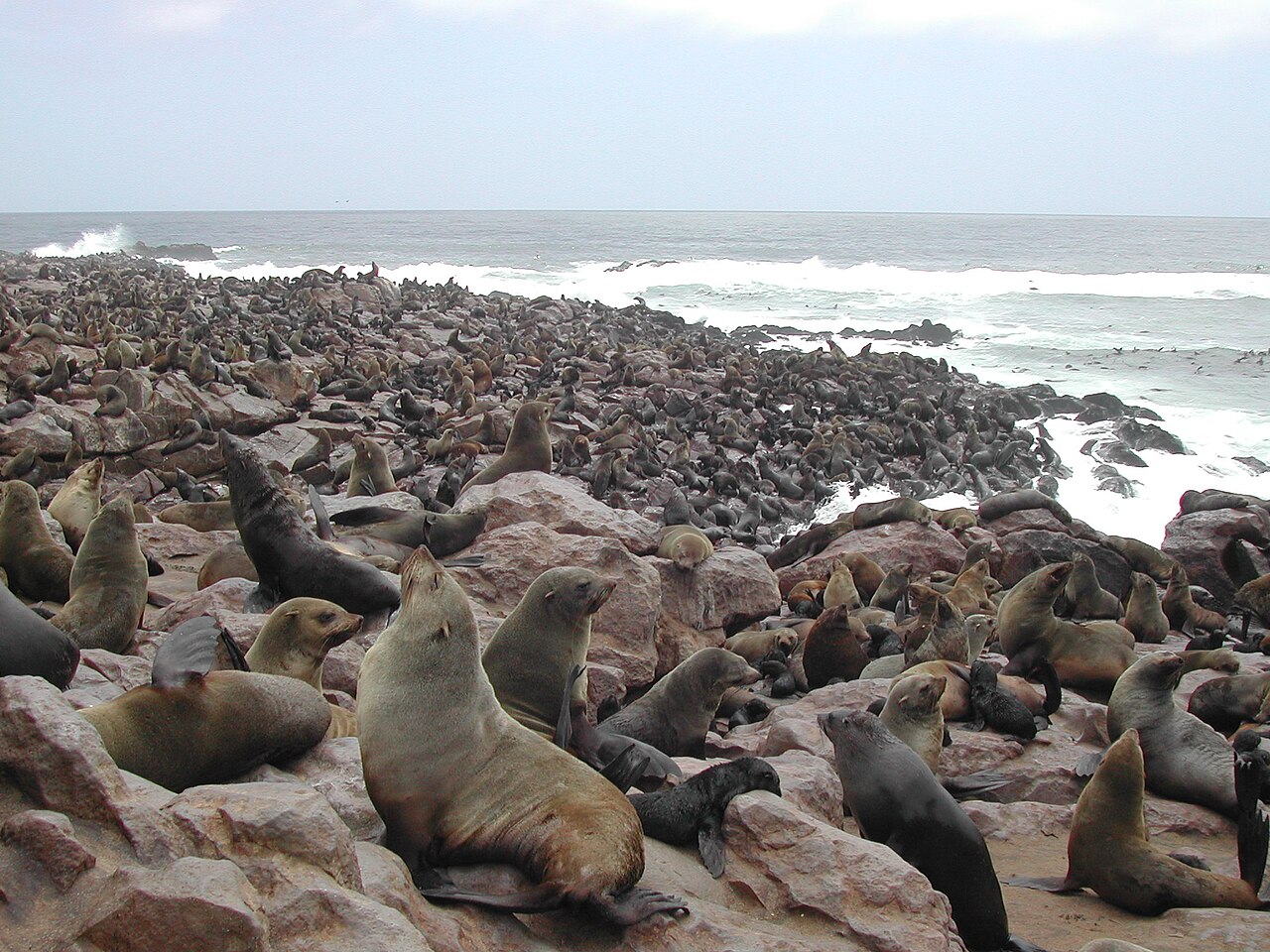 Photo: Bries / Wikimedia Commons (CC BY-SA 3.0)
 - Skeleton Coast Shipwreck Drive Year-round; early morning for good light and lower wind
A scenic gravel-road drive up the Skeleton Coast — the Zeila trawler wreck near Henties Bay is the most accessible and photogenic of the coast's shipwrecks, just steps from a parking area.
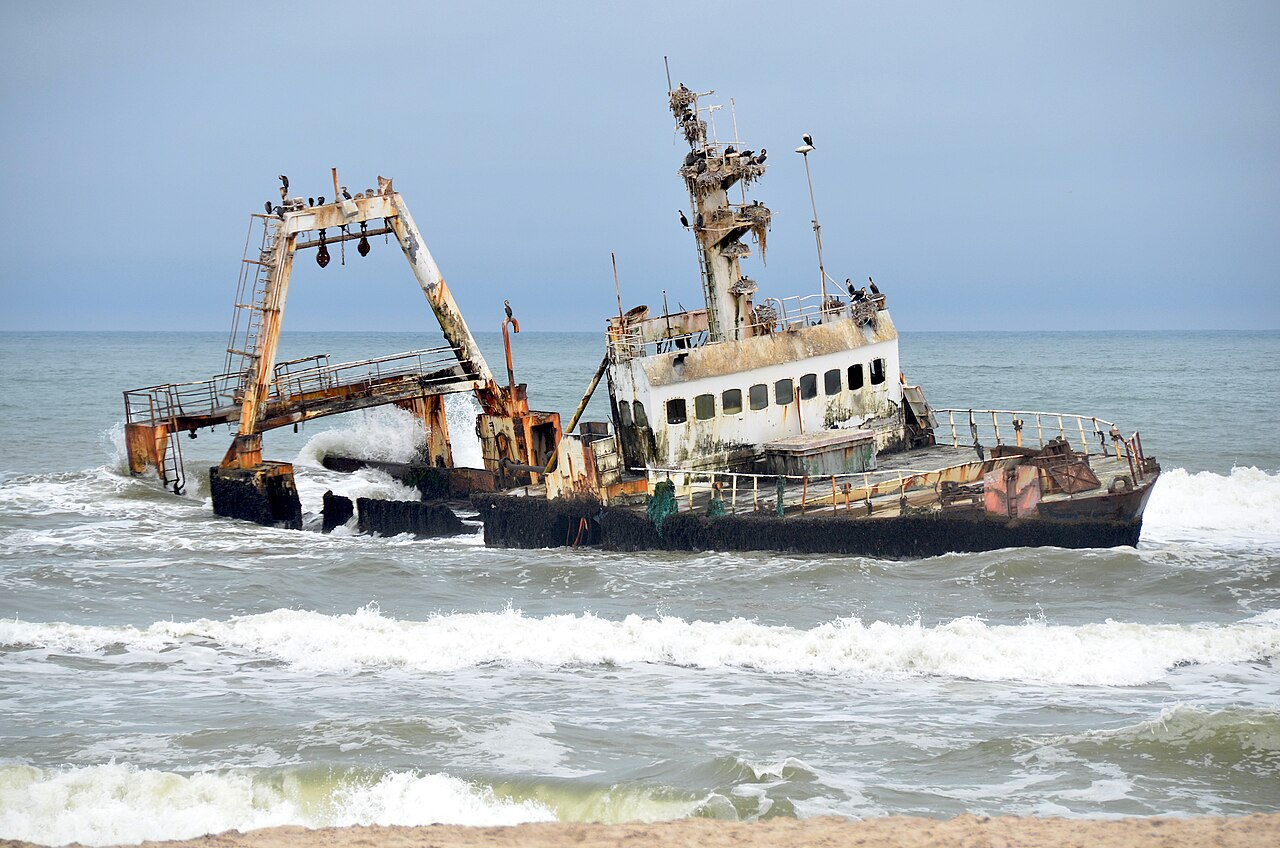 Photo: Olga Ernst / Wikimedia Commons (CC BY-SA 4.0)
 - Moon Landscape & Welwitschia Plains Cooler months (Apr-Sep) for the drive; morning light for photos
Stark, eroded lunar-like terrain in the Swakop River valley about 20km east of town, often paired on tours with sightings of ancient Welwitschia mirabilis plants, some over 1,000 years old.
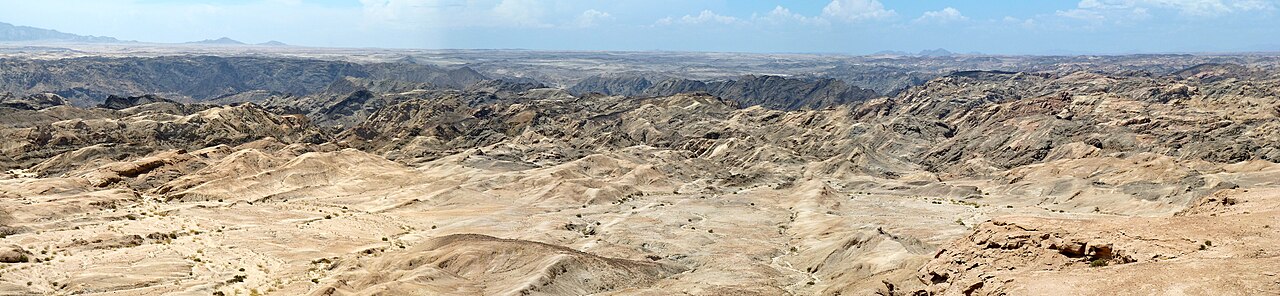 Photo: Willyman / Wikimedia Commons (CC BY-SA 4.0)
 - Rössing Uranium Mine Viewpoint Tours run limited scheduled days — book via the Swakopmund Museum in advance
One of the world's largest open-pit uranium mines, roughly 3.5km by 1.5km and 400m deep, about 70km from Swakopmund — a genuinely unusual sight, with guided overlook tours of the pit.
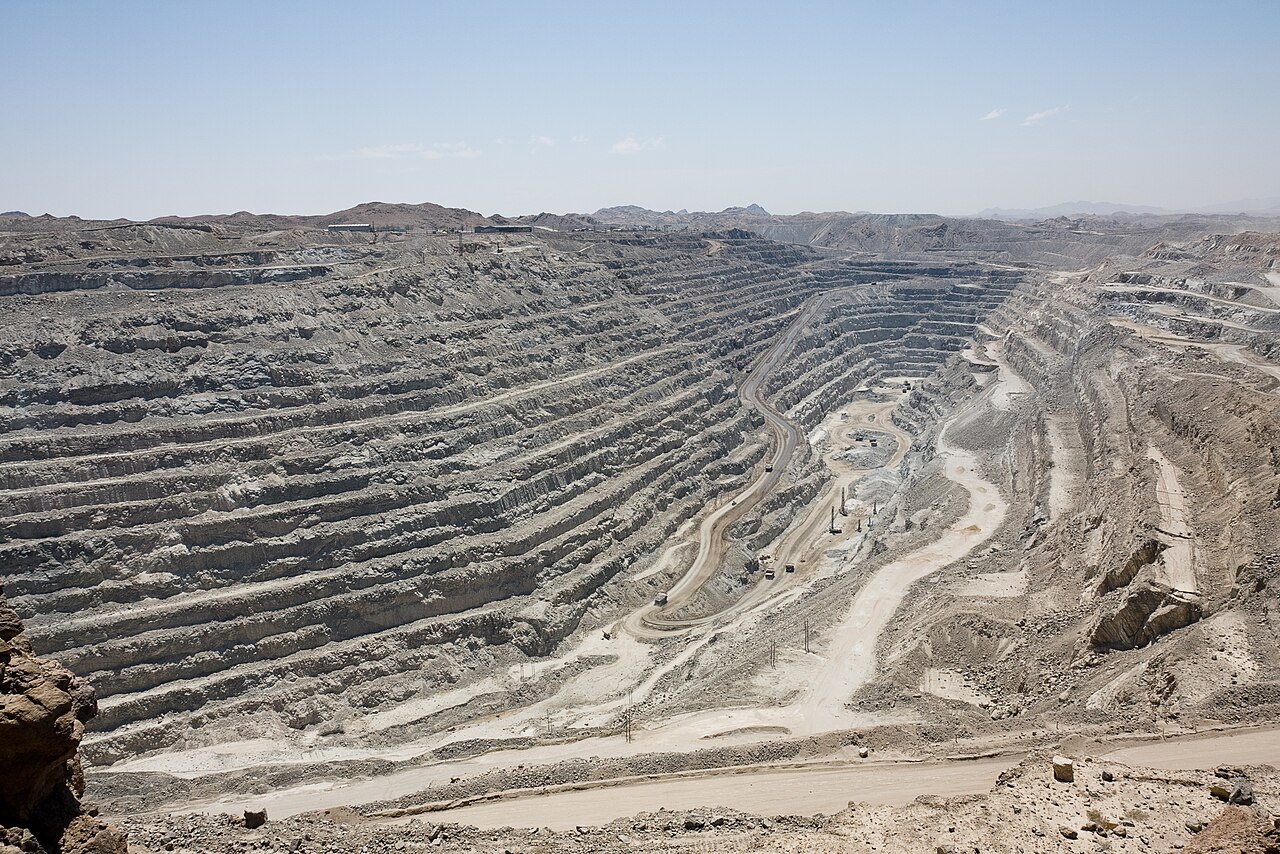 Photo: Ikiwaner / Wikimedia Commons (GFDL 1.2)
 - Sossusvlei & Dune 45 Sunrise; dry-season months (May-Sep) — a 2-3 day multi-day extension, not a day trip
Namibia's most iconic red dunes and clay pan, inside Namib-Naukluft National Park — genuinely bucket-list, but an honest note: it's roughly 410km / 6 hours one-way from Swakopmund on gravel roads, so budget an overnight near Sesriem rather than a rushed day trip.
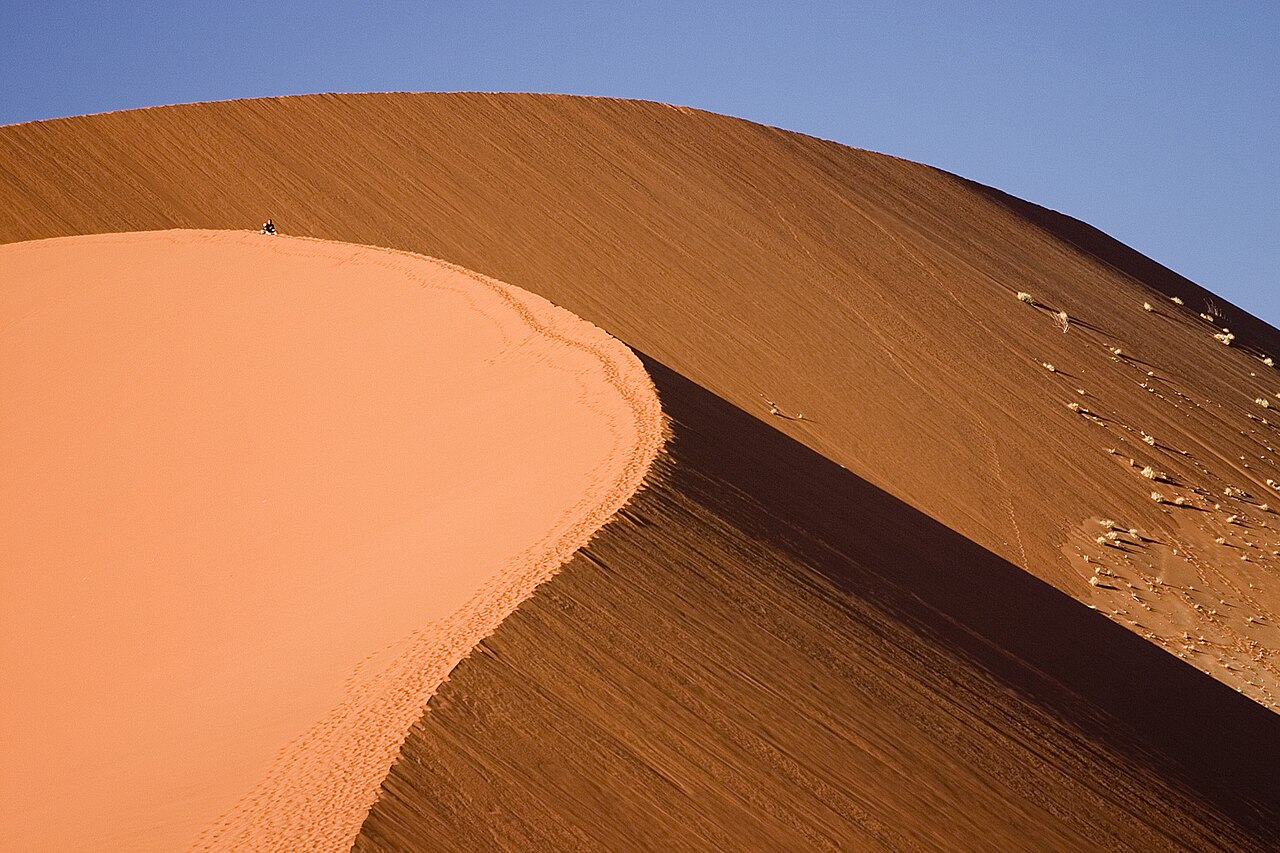 Photo: Luca Galuzzi / Wikimedia Commons (CC BY-SA 2.5)
Questions people actually ask.
Are there direct flights from the US to Namibia?
No. The realistic routing is US to Frankfurt, then Discover Airlines (Lufthansa's leisure carrier) nonstop overnight to Windhoek, about 10.5 hours in the air. From Windhoek, Airlink flies to Walvis Bay several times daily (about an hour), or it's a 3.5-4 hour drive on a fully paved highway.
Do I need a visa for Namibia?
Yes — and this is worth double-checking against older information, since the policy changed. As of April 2025, Namibia now requires a visa for US citizens, replacing the prior visa-free arrangement. Visa on arrival is available at major airports and land borders (roughly $70-95), or apply online in advance through the Ministry of Home Affairs e-Services portal.
What's the water like, and what wetsuit do I need?
Cold — a real contrast to this site's West African zones. The Benguela Current keeps water in the 13.6-20°C range year-round. A 3/2mm suit covers the warmer months (roughly December-April); step up to 4/3mm plus booties for winter (May-September), with a hood worth considering at the coldest end.
Is Namibia a real self-drive destination?
Yes, genuinely — Namibia is one of the few places in Africa where independent self-driving is a realistic, well-supported option. The Windhoek-to-coast highway is fully paved, rental agencies are established, and the country carries a reassuring Level 2 safety advisory. The one real exception is reaching more remote desert terrain off the main roads, which calls for a 4WD and some local know-how.
Is Namibia safe to visit?
Namibia carries a Level 2 advisory, Exercise Increased Caution — a genuinely reassuring tier, and the country has a strong reputation as one of Africa's more stable, tourism-friendly destinations. Concerns are mostly limited to opportunistic, non-violent crime rather than anything travel-restrictive.
Disclosure & how this page works.
Straight talk: Some links on this page are affiliate links — if you book through them, Secrets of Surf Travel earns a small commission at no extra cost to you. We only link places and people we’d use ourselves, and coverage is never for sale. Those commissions are what keep this site running and fund the next trip.
Today, the “Search Vrbo rentals” and “Search Booking.com stays” links on this page are affiliate links — every vendor listing link is still a plain courtesy link. As partnerships with these local businesses come online, more links (and discount codes, where Secrets of Surf Travel benefits from their use) may earn us a commission, and this page will keep saying so plainly. Coverage is never for sale: nobody on this page paid to be here, and nobody can.
Every listing was researched in 2026 and is being verified in person. Prices, hours, and policies change — treat them as strong starting points and confirm directly with the business. And per the No-Reveal Code: you will find no surf spots on this page, ever.