Martinique
Tartane is a genuine working fishing village on the Caravelle Peninsula — colorful boats still launch from the same cove as the surf schools — sitting right next to a protected nature reserve with 18th-century plantation ruins. A real, honest one-town zone: small bench, deep local character, no padding.
Straight talk: Some links on this page are affiliate links — if you book through them, Secrets of Surf Travel earns a small commission at no extra cost to you. We only link places and people we’d use ourselves, and coverage is never for sale. Those commissions are what keep this site running and fund the next trip.
Some vacation-rental search links on this page (marked “Search Vrbo rentals” or “Search Booking.com stays”) are affiliate links. Every vendor link below is still a plain courtesy link. As more partnerships come online, more links may earn us a commission; the promise above holds either way.
Getting There
Martinique Aimé Césaire International Airport (FDF), near Fort-de-France, is the island's sole gateway. American Airlines runs the only nonstop US route, year-round from Miami — no direct New York service was found, so travelers from elsewhere in the US connect through Miami.
Documents: same status as Guadeloupe — a French overseas department, part of the EU/eurozone but outside the Schengen Area for standard entry purposes. No visa needed for US tourists on stays up to 90 days, with a passport valid at least 6 months beyond arrival.
Ground Transport
- FDF airport to Tartane: ~28-30km, roughly 35-45 minutes by car — a meaningfully longer transfer than a same-coast hub, since Tartane sits on the opposite (northeast Atlantic) side of the island from the airport.
- Rental car is the practical default. Major agencies (Avis, Europcar, Hertz, Budget) have desks right in the arrivals terminal. Public bus service exists but is capital-centric and doesn't run out to the Caravelle Peninsula on a tourist-friendly schedule — a rental car is the realistic choice for reaching Tartane.
When to Go & What to Pack
- Surf season runs roughly November-April, the same North Atlantic winter groundswell pattern as Guadeloupe, hitting the island's northern and eastern-facing coasts — exactly where the Caravelle Peninsula sits, with consistency strongest in winter on swells from 3ft+.
- Water temperature: warm and narrow-ranged year-round, roughly 79-84°F (26-29°C) — coolest February-March, warmest September-October. No wetsuit needed at any point.
- Climate: dry season runs roughly January-mid-April, overlapping nicely with surf season as the best overall travel window. Rainy/hurricane season runs mid-June through November, with the heaviest rain August-November — a real seasonal-risk factor worth planning around.
Good to Know
- Safety: the US State Department's French West Indies advisory reads Level 1, Exercise Normal Precautions, based on the sources available — we could not directly verify this against the primary travel.state.gov page in this research pass, so confirm directly before booking rather than relying on this alone.
- Language: French is dominant, Antillean Creole is the everyday home language — English is limited mostly to larger hotels and tourist zones, even less than in Guadeloupe. A translation app is genuinely useful here.
- Currency: Euro (€). Emergency: 15 (SAMU/medical), 17 (police), 18 (fire), or the EU-wide 112.
- Tap water: generally safe and treated, especially in developed/tourist areas — some local press reports of aging-infrastructure issues exist, so treat rural areas with a bit more caution than the main coast.
- Connectivity: strong 4G/5G coverage, wifi widely available; eSIM options work for pre-arrival setup.
- Cost of living: pricier than the site's Spanish-Caribbean zones, consistent with Guadeloupe's French-territory pricing — a budget/self-catering traveler runs roughly €75/day, mid-range comfortable around €160/day.
Respecting the Locals
Tartane is a genuine working fishing village, not a resort town built for visitors — the same harbor that launches the colorful fishing boats each morning is the one the surf schools share. French is dominant here and Antillean Creole is the everyday home language, a reminder that you're a guest in someone's daily working life, not a curated tourist zone. This is a small, honest bench with deep local character, and it deserves to be treated that way.
- Locals get first priority, always. Watch a session before you paddle out. Learn who's who before you learn the wave. Sit inside and catch what they let through — the leftovers are yours, not the set waves.
- Don't backpaddle. Ever. Being in position doesn't make the next wave yours, especially if you didn't wait your turn. If a local wants a wave, let them have it…even if it IS your turn. That older guy who may not be the best surfer out there has probably been surfing that wave before you even sat on a board. If you don't know someone, assume they're local.
- Don't snake. This shouldn't even need to be said, but…dropping in on someone, local or not, is the ultimate disrespect and the fastest way to be sent out of the water. Don't be that guy!
- Say hi. A “howzit,” “whatsup,” or “nice wave,” eye contact, or a nod in the channel — it costs nothing and it's the fastest way from stranger to welcome.
- This is somebody's home, not a resort amenity. The break you're surfing is where a local kid learned to swim, where someone's uncle has surfed for forty years. Act like a guest, because you are one.
- Spend where it actually helps. The food truck, the local shaper, the family-run rental, the local photographer — that's where a surf trip's money should land, not just the chain hotel gift shop. See The No-Reveal Code for why that's the whole premise of this site.
- Leave it better than you found it. Pick up trash that isn't yours. Don't touch reef, wildlife, or cultural sites.
Locals have watched hundreds, if not thousands, of people come and go — some for days, some for months or years — and almost all of them eventually go home. The locals are still there. It takes many, many years to actually become one. Keep that in mind the next time you feel entitled to the same waves they get.
None of this is a secret handshake. It's just how you'd want a guest to act in your own backyard.
Tartane
A real, still-working fishing village on the Caravelle Peninsula, roughly 6km from La Trinité — colorful fishing boats share the harbor with the surf schools clustered at Anse Bonneville. Honestly small bench; every category below is reported as it actually exists, not padded.
Au Citron Vert's studio-to-six-bedroom renovated units, tucked inside the nature reserve itself, are Tartane's clearest independent-rental play alongside the village's small hotel bench.
Search Vrbo rentals in Tartane →
Surf Guides & Tours
- Surf Evolution MartiniqueRue du Surf, TartaneMid-rangeFounded 2020 by Adrien Rapp — a triple French surf champion and 10x Réunion champion with 30+ years surfing. Group instruction €45.surfevolution.frWhatsApp
- Bliss École de Surf28 Rue du Surf, Anse BonnevilleMid-rangeEstablished 1999 — one of the oldest operators on the peninsula, 25+ years continuous operation. Run by Morgane, offers 7-day all-inclusive surf camps.surf-martinique.com
- One Love Martinique Surf SchoolPlage Anse l'ÉtangMid-rangeFounder Florent Sirveaux is also a certified hypnotherapist — offers "hypno-surf" and sunrise yoga-plus-surf sessions alongside standard instruction.martinique-ecole-surf.com
Stays
- Hôtel la CaravelleAnse l'ÉtangBudgetFamily-run 2-star, 13 studios, 150m from Anse l'Étang beach — from ~€60/night.
- Hôtel Résidence OcéaneAnse Bonneville beachfrontMid-range24 studios, outdoor pool, from ~€75/night — 8.4/10 from 196 reviews, the highest review volume of any Tartane stay.
- Au Citron VertAnse l'Étang, inside the Caravelle nature reserveLuxuryStudio-to-6-bedroom renovated units, private pools, ocean views, self-described 5-star — set inside the reserve itself rather than the village center.aucitronvert.com
Where to Eat
- Cocoa Beach CaféAnse l'ÉtangMid-rangeBeachfront bar/restaurant with hammocks and swings, open Wed-Sun — 4.4/5, the best-rated spot in the village.
- Le Jardin des LuciolesEntrance to Tartane villageMid-rangeFranco-Creole menu from chef André Ruiz, fresh daily-caught fish — 4.0/5 from 195 reviews.
- L'Escapade Chez Tatie LiseVillage waterfront, near the fishermen's stallsBudgetCreole home-style plates, €15-20/head — the local-value option among the sit-down spots.
Wheels: Car Rentals
- Caravelle LocationVoie N°2, TartaneOperating since 1991 — the incumbent local agency, based physically in Tartane rather than just delivering there. Delivers to Lamentin airport or Fort-de-France port.
Surfboard & Ding Repair / Surf Shops
- Itacaré Surf ShopRue du Surf, Anse BonnevilleThe only dedicated repair capability in Tartane — a shaper works on-site alongside retail and rental, in a bamboo/exotic-wood open-air shop overlooking the lineup.
Massage & Wellness
- Clarisse Massage Bien-êtrePlage des Raisiniers, La TrinitéBudgetWellness massage from €20/20min, sports massage from €25/20min, oceanfront setup.
- Tartane Beach SpaTartaneMid-range3-hour pass with jacuzzi, pool, hammock access, capped with a 40-minute massage.
Other Adventures
- Bon Bagay ScubaAnse Spoutourne, TartaneMid-rangeThe only dive operator physically based in Tartane itself — baptisms year-round, exploration dives March-November, also runs sea excursions on a traditional saintoise boat.
- Le Ti BatoDeparts Anse Spoutourne, TartaneMid-rangeA 10m catamaran sailing to Baie du Trésor inside the nature reserve, with onboard kayaks — Captain Frank speaks fluent English, one of the only English-forward operators in the zone. Full day €55pp.
Local Secrets
Nine non-surf reasons this zone rewards the curious — an active volcano that destroyed a city in minutes, a scale replica of Sacré-Cœur, and the birthplace of Napoleon's empress.
- Château Dubuc Ruins, Caravelle Nature Reserve Dry season (Dec-May)
Built in 1725 by Louis Dubuc as a sugar and coffee estate, abandoned after a 1766 cyclone — the ruins sit inside the 388-hectare Caravelle National Nature Reserve, created 1976, directly adjacent to Tartane.
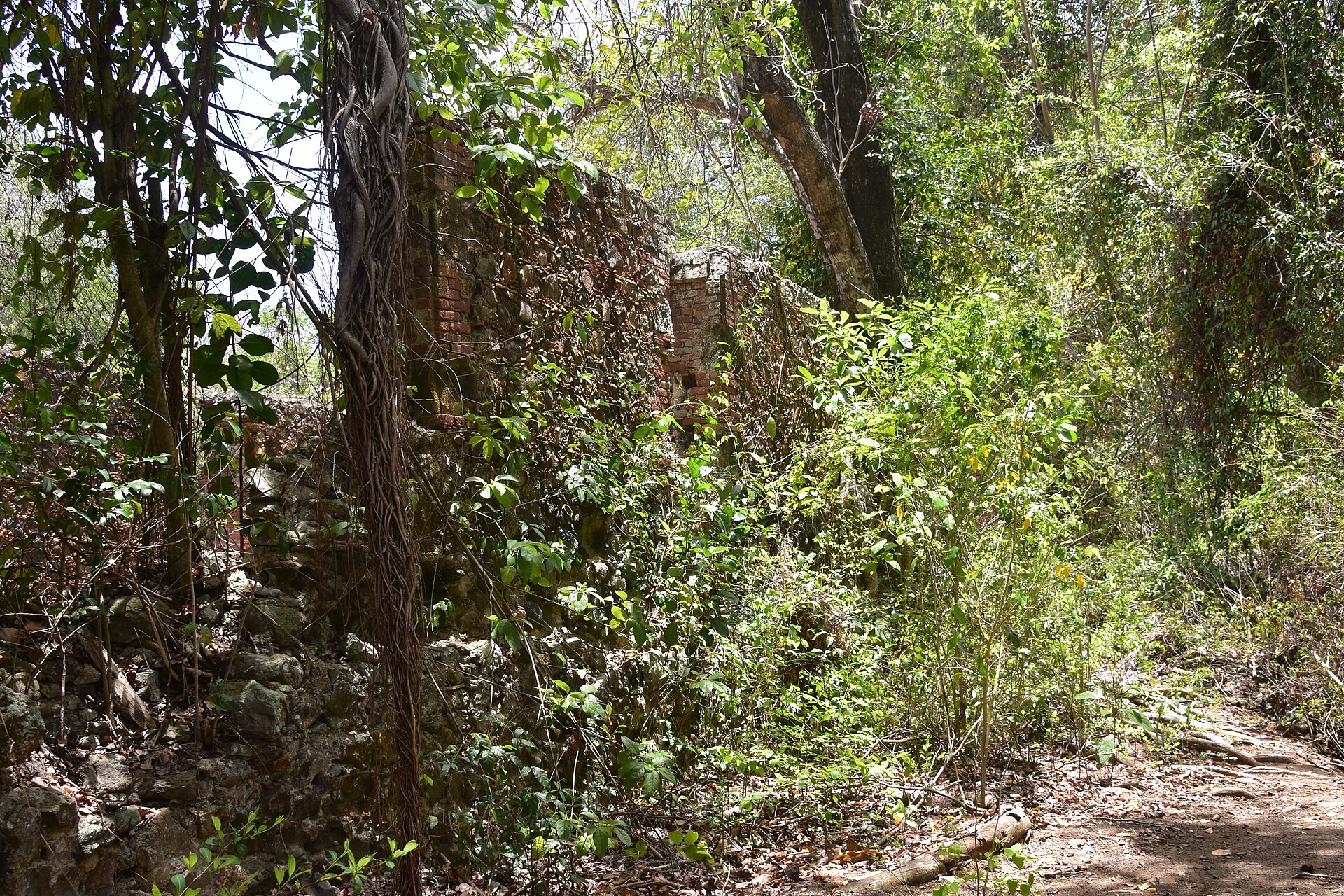 Photo: Bastenbas / Wikimedia Commons (CC BY-SA 4.0)
 - Mont Pelée Dec-May (dry season)
At 1,397m, Martinique's highest point and an active volcano — its May 8, 1902 eruption destroyed Saint-Pierre and killed roughly 30,000 people in minutes, giving the "Peléan" eruption type its name. UNESCO World Heritage Site since 2023.
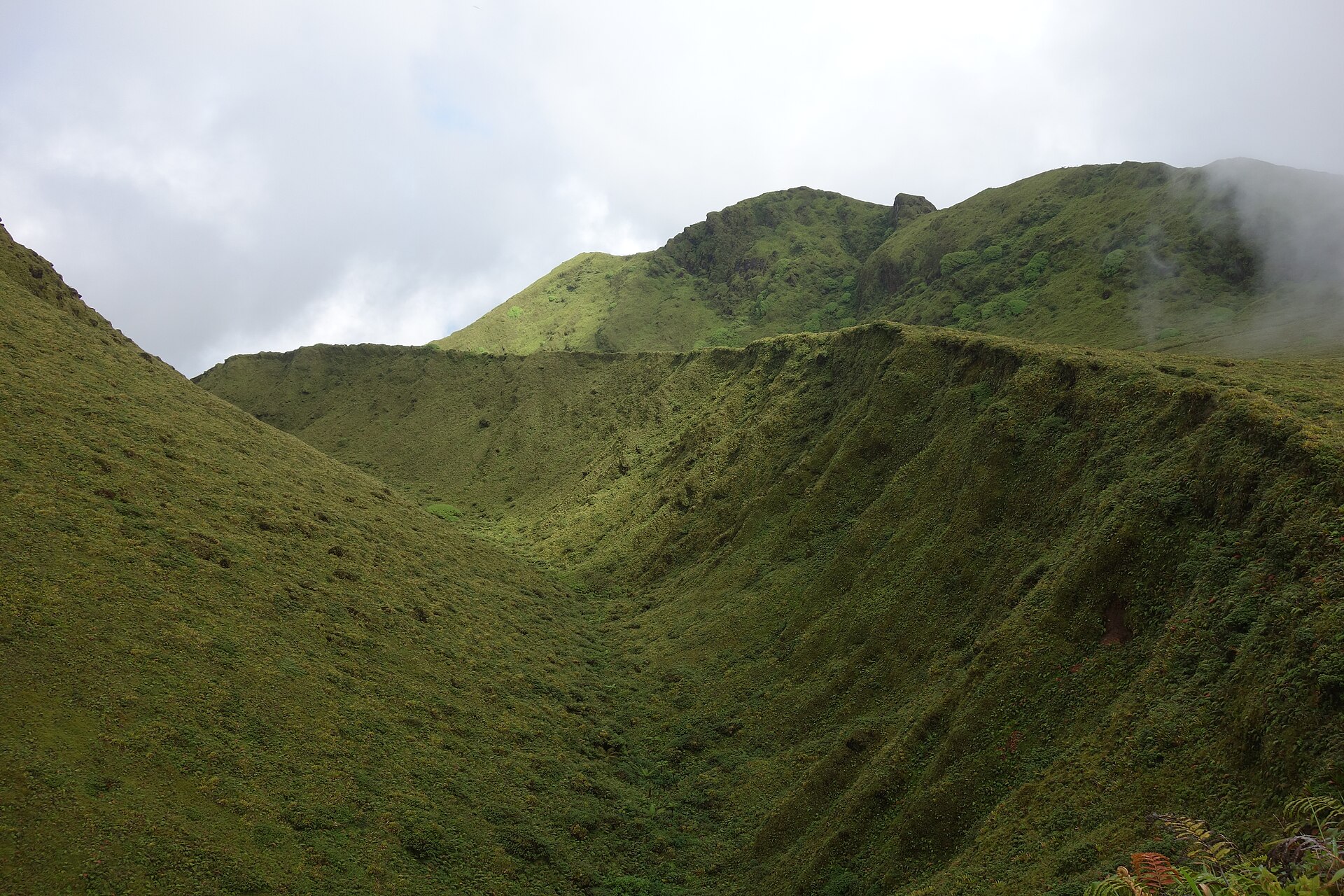 Photo: Vincent B / Wikimedia Commons (CC BY-SA 3.0)
 - Saint-Pierre & the Volcanology Museum Year-round, morning to avoid midday heat
Once the "Little Paris" of the Antilles, wiped out in the 1902 eruption and nicknamed the "Pompeii of the Caribbean" — the volcanology museum, founded 1933 by American volcanologist Frank A. Perret, displays relics recovered from the ash and lava.
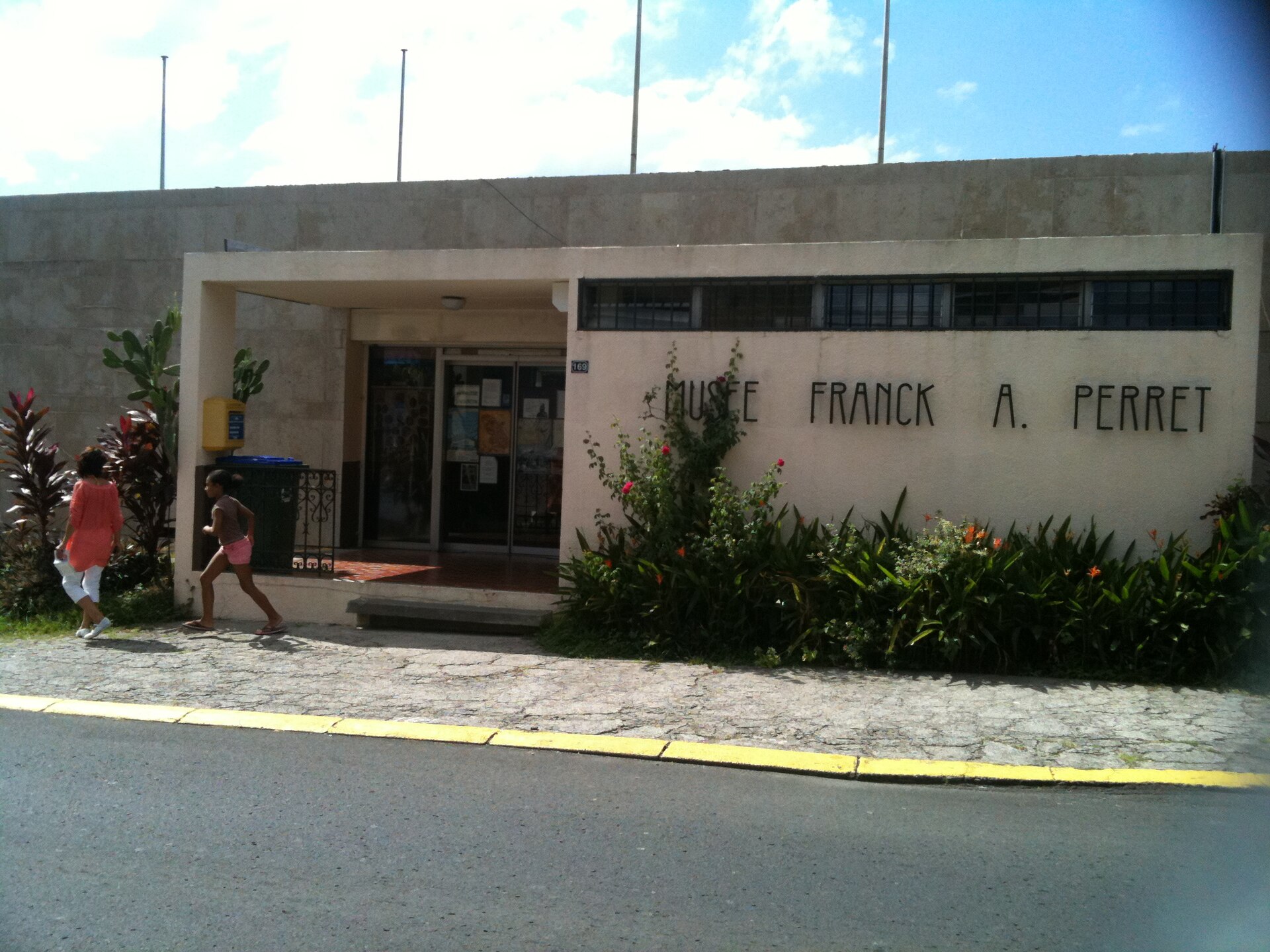 Photo: Jean-Louis Lascoux / Wikimedia Commons (CC BY-SA 3.0)
 - Jardin de Balata Year-round, 9am-6pm, early to beat tour groups
A private botanical garden begun in 1982, opened 1986, roughly 10km outside Fort-de-France — roughly 3,000 tropical plant varieties including 300 palm species, plus a canopy walkway suspended 15m up.
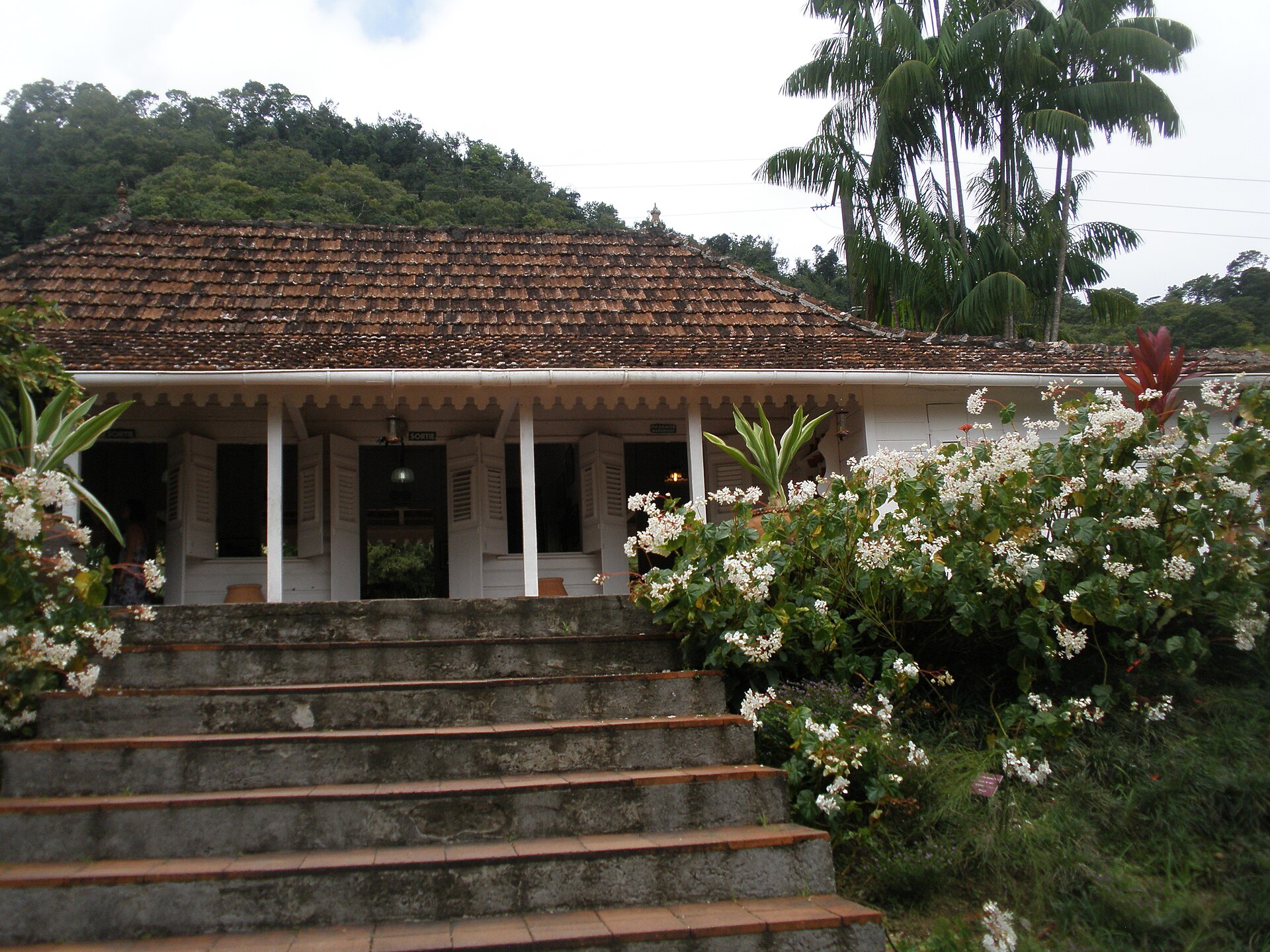 Photo: Thérèse Gaigé / Wikimedia Commons (CC0/Public Domain)
 - Sacré-Cœur de Balata Year-round; pair with Jardin de Balata, same road
A roughly 1:5-scale replica of Paris's Sacré-Cœur Basilica, built 1923-1925 to serve displaced Saint-Pierre survivors and commemorate WWI dead — listed as a historic monument in 2015.
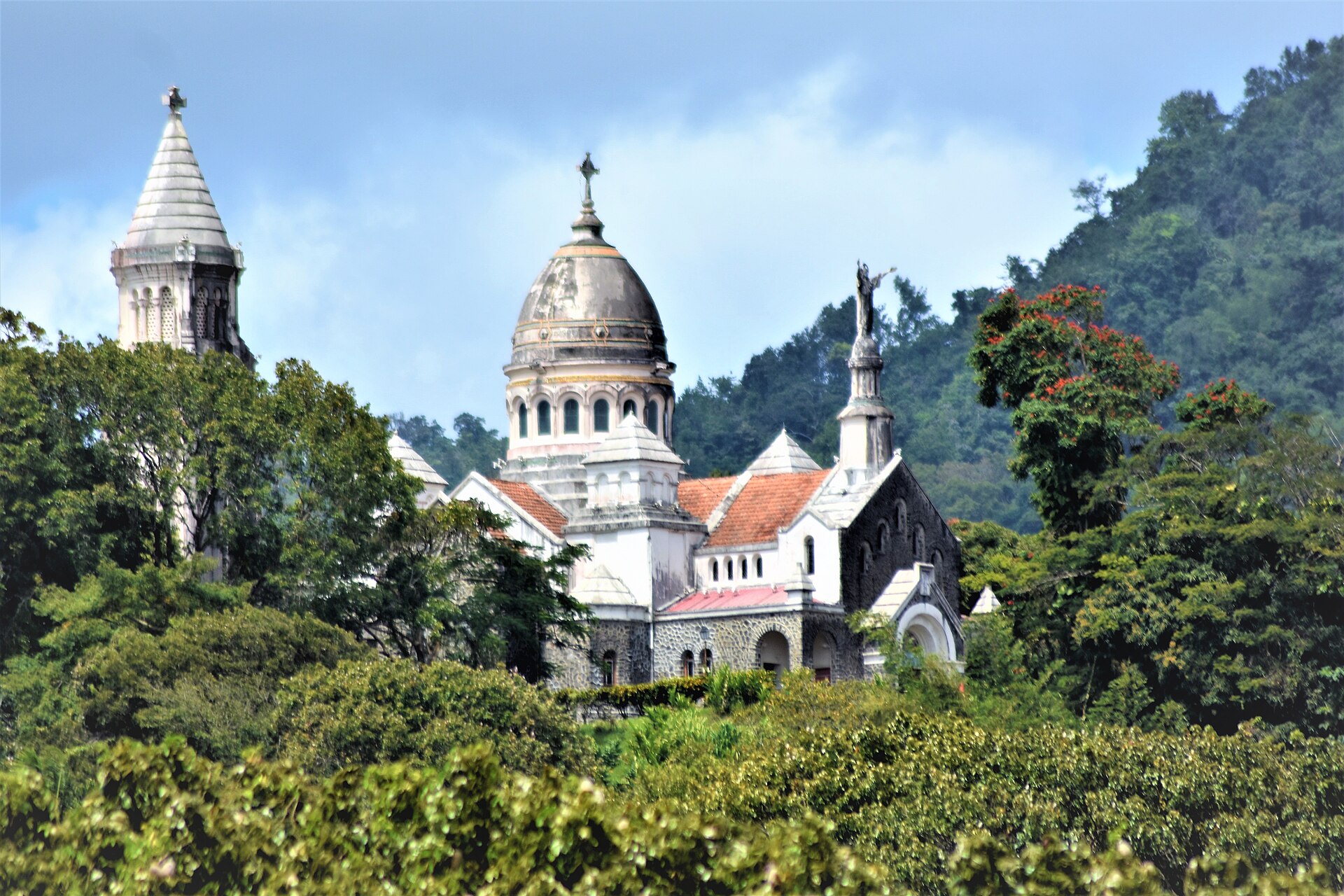 Photo: Rehcral / Wikimedia Commons (CC BY-SA 4.0)
 - Habitation Clément Year-round, daytime
A rhum agricole estate dating to 1887, producing since 1917 in Le François on Martinique's east coast — geographically close to Tartane. Production stopped in 1988; the site became a rum-heritage museum and hosted the 1991 Mitterrand-Bush summit.
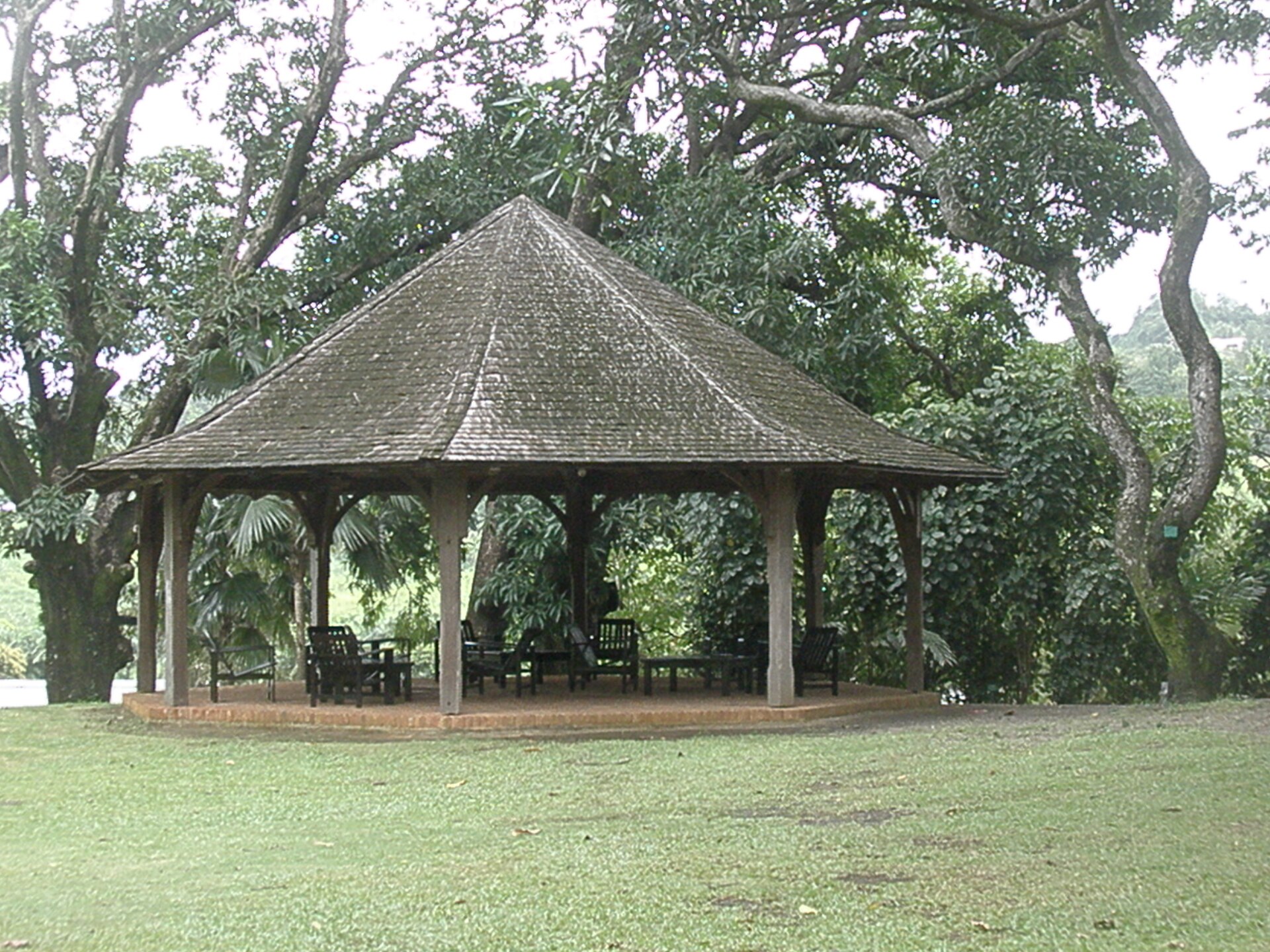 Photo: Thérèse Gaigé / Wikimedia Commons (CC0/Public Domain)
 - Bibliothèque Schoelcher During library opening hours
In 1883 abolitionist Victor Schoelcher donated 10,000 books on condition Martinique build a public library — the ornate iron-and-concrete building, first exhibited at the 1889 Paris Exposition then shipped and rebuilt in Fort-de-France, opened in 1893 and now holds nearly 130,000 works.
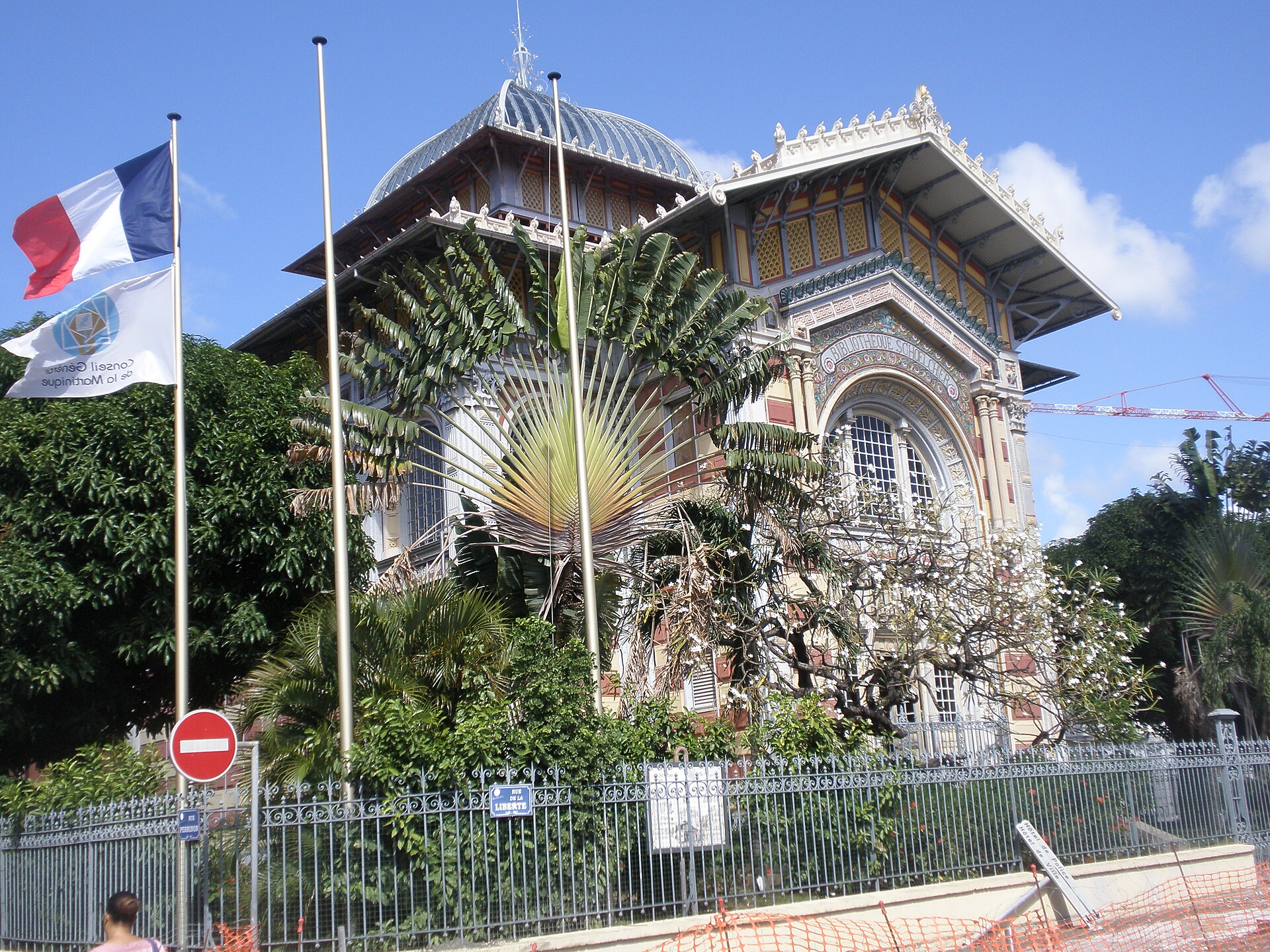 Photo: Thérèse Gaigé / Wikimedia Commons (CC0/Public Domain)
 - Musée de la Pagerie Tue-Fri 9am-4:30pm, weekends 9:30am-2:30pm — confirm current hours
Birthplace, in 1763, of Marie-Josèphe Rose Tascher de la Pagerie — later Empress Joséphine, wife of Napoleon. The former sugar estate displays her childhood bed, portraits, and letters, plus mill ruins and gardens.
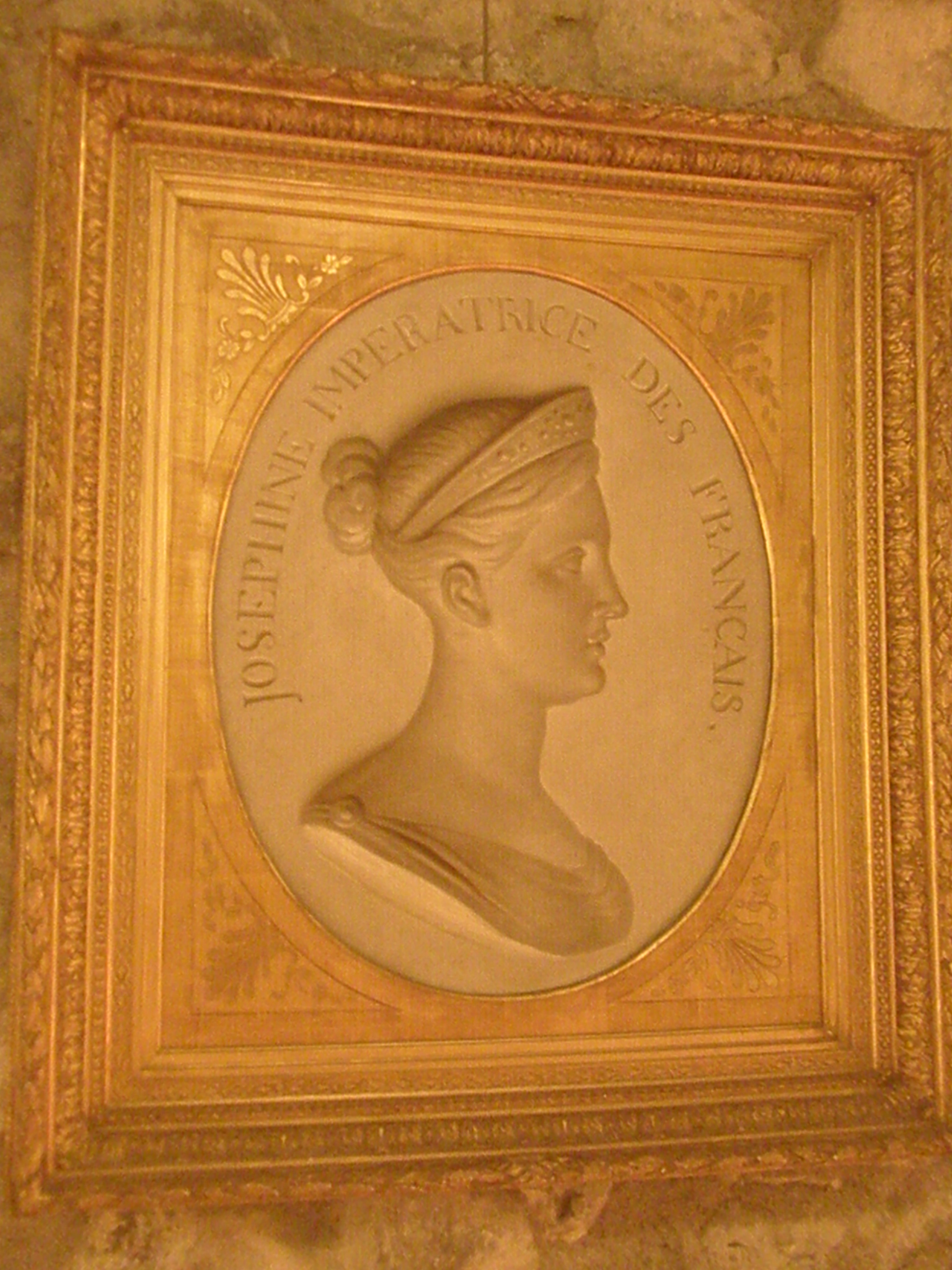 Photo: Thérèse Gaigé / Wikimedia Commons (CC0/Public Domain)
 - Fort Saint-Louis Year-round; guided tours daily, book ahead when cruise ships are in port
A Vauban-influenced fortress begun around 1640, taking final shape by 1680 — still an active French Navy base today, with public tours since 2014 covering a limited circuit of the bastions and harbor views.
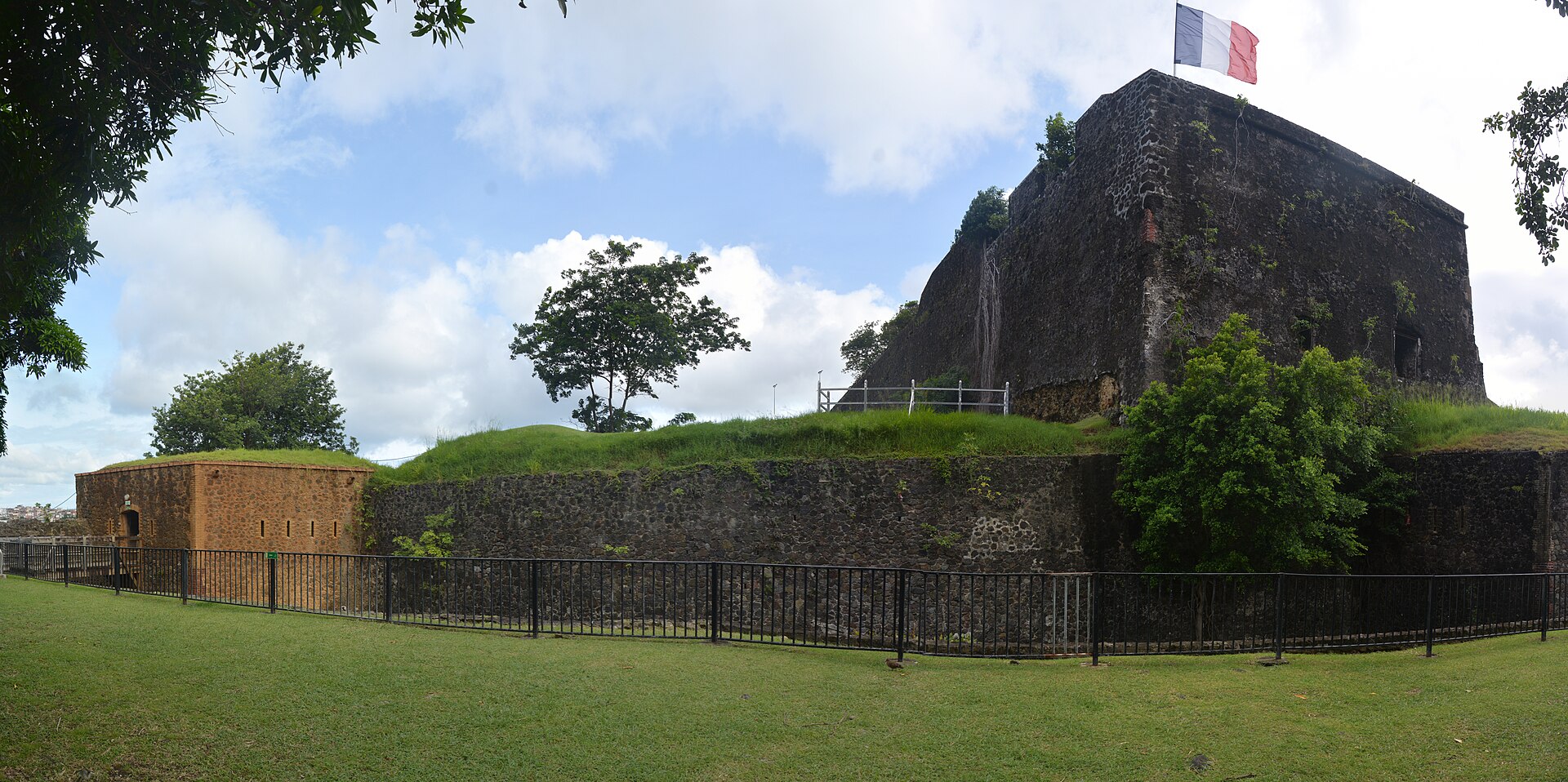 Photo: G. Mannaerts / Wikimedia Commons (CC BY-SA 4.0)
Questions people actually ask.
How do I get to Martinique?
Fly into Martinique Aimé Césaire International Airport (FDF) near Fort-de-France. American Airlines runs the only nonstop US route, year-round from Miami — no direct New York service was found, so travelers from elsewhere connect through Miami. From FDF, Tartane is a meaningful cross-island transfer: about 28-30km, 35-45 minutes by car, since it sits on the opposite (northeast Atlantic) side of the island from the airport.
Do I need a visa?
No. Martinique is a French overseas department, same status as Guadeloupe — part of the EU/eurozone but outside the Schengen Area for standard entry-rule purposes. US citizens don't need a visa for stays up to 90 days, with a passport valid at least 6 months beyond arrival.
Is Martinique safe, and do I need to speak French?
The US State Department's French West Indies advisory reads Level 1, Exercise Normal Precautions, based on the research available — we could not directly verify this against the primary travel.state.gov page in this pass, so confirm directly before booking. Language-wise: French is dominant and Antillean Creole is the everyday home language — English is limited mostly to larger hotels and tourist zones, even less than in Guadeloupe. A translation app is genuinely useful here.
When should I go?
Surf season runs roughly November-April, the same North Atlantic winter groundswell pattern as Guadeloupe, hitting the island's northern and eastern-facing coasts — exactly where the Caravelle Peninsula sits. This overlaps nicely with the dry season (January-mid-April), the best overall travel window. Rainy/hurricane season runs mid-June through November, heaviest August-November.
What's the water like, and do I need a wetsuit?
Warm and narrow-ranged year-round — roughly 79-84°F (26-29°C), coolest February-March, warmest September-October. No wetsuit needed; boardshorts and a rashguard cover it.
Disclosure & how this page works.
Straight talk: Some links on this page are affiliate links — if you book through them, Secrets of Surf Travel earns a small commission at no extra cost to you. We only link places and people we’d use ourselves, and coverage is never for sale. Those commissions are what keep this site running and fund the next trip.
Today, the “Search Vrbo rentals” and “Search Booking.com stays” links on this page are affiliate links — every vendor listing link is still a plain courtesy link. As partnerships with these local businesses come online, more links (and discount codes, where Secrets of Surf Travel benefits from their use) may earn us a commission, and this page will keep saying so plainly. Coverage is never for sale: nobody on this page paid to be here, and nobody can.
Every listing was researched in 2026 and is being verified in person. Prices, hours, and policies change — treat them as strong starting points and confirm directly with the business. And per the No-Reveal Code: you will find no surf spots on this page, ever.