
Madagascar
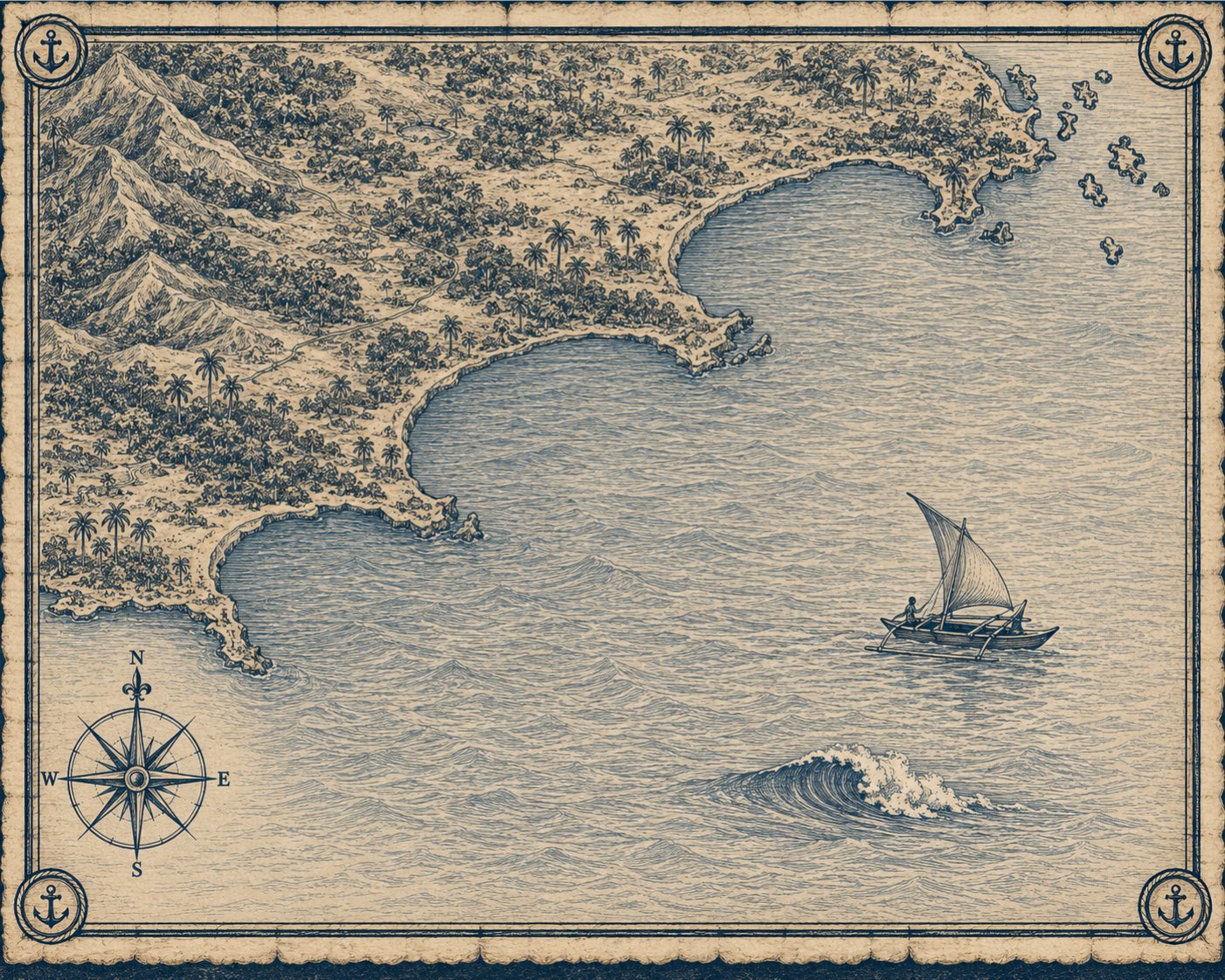
Fort Dauphin, on Madagascar's remote southeast tip — where rainforest, spiny desert, and open Indian Ocean coast sit within a few kilometers of each other, ring-tailed lemurs are a short drive away, and the whole region still runs on genuine edge-of-the-map logistics.

Straight talk: Some links on this page are affiliate links — if you book through them, Secrets of Surf Travel earns a small commission at no extra cost to you. We only link places and people we’d use ourselves, and coverage is never for sale. Those commissions are what keep this site running and fund the next trip.
Some vacation-rental search links on this page (marked “Search Vrbo rentals” or “Search Booking.com stays”) are affiliate links. Every vendor link below is still a plain courtesy link. As more partnerships come online, more links may earn us a commission; the promise above holds either way.
Getting There
No direct US flight — plan on two legs after you land in Africa. The international gateway is Antananarivo (Ivato, TNR). Air France runs the only nonstop from Europe (Paris CDG, year-round). From the US, the most common routing connects through Addis Ababa on Ethiopian Airlines or through Istanbul on Turkish — there's no single "best" path, so compare current fares and layover lengths before booking. From Antananarivo, Madagascar Airlines (which absorbed the former domestic carrier Tsaradia in mid-2024 — ignore any older source still naming Tsaradia) flies roughly daily to Fort Dauphin/Tôlanaro (airport code FTU), about an hour in the air, one-way fares starting around $147.
A genuinely useful alternate route: Air Austral (Réunion's national carrier) flies direct between Saint-Denis, Réunion and Fort Dauphin — worth knowing if your trip is already routing through Réunion, since it skips Antananarivo entirely. Confirm current frequency directly with Air Austral before counting on it.
Documents: US citizens need an e-visa or visa-on-arrival (same price either way) — apply ahead at the official evisamada-mg.com portal or get it on landing at Ivato. Fees rose in February 2026: roughly $35 for 15 days, up to $59 for 90 days — treat these as directional and check the official portal for the current schedule. Passport must be valid 6+ months beyond entry with at least 3 blank pages, and you'll need proof of onward/return travel.
Ground Transport
- Nearly everyone reaches Fort Dauphin by air, not by road — and that's a deliberate choice, not just convenience. RN13, the main road connecting Fort Dauphin to the rest of the country, alternates between deteriorated tarmac and unpaved stretches over roughly 560km, with real security concerns on part of the route (see Good to Know). Flying in is the standard, sensible option.
- In and around Fort Dauphin itself, hired 4x4-with-driver is the norm for reaching reserves and beaches outside town — a WhatsApp-based booking service called MadaAssist connects travelers to local drivers and vehicles (see Wheels below), and this is genuinely the easiest way to arrange transport here rather than expecting a self-serve rental counter.
- No dedicated scooter-rental option was found — a real gap, not an oversight, given how much of the surrounding terrain outside town is dirt/laterite rather than pavement.
- Fuel stations thin out fast outside town — plan refueling ahead for any day trip into the surrounding reserves.
When to Go & What to Pack
- Surf season runs April through October — Southern Hemisphere winter, when South Indian Ocean storm activity sends the most consistent south groundswell to this coast. June is repeatedly cited as the standout month for clean, consistent conditions (south groundswell paired with northwest offshore wind).
- Water stays mild year-round — roughly 22-24°C at the winter minimum (early August) up to 25-28°C at the summer peak (early February). No wetsuit needed; a rash vest for UV protection is the more useful piece of gear.
- Cyclone season — genuinely avoid November through March/April. This overlaps neatly with the off-surf-season window, which makes the "go April-October" call an easy one, but it's worth being explicit that this is a real safety matter, not just a wave-quality one. Named cyclones have made landfall on Madagascar's east coast in recent seasons (Cyclone Fytia in January 2026, Cyclone Gezani with 250+ km/h winds in February 2026) — this is current, active risk, not historical trivia.
Good to Know
- The advisory, and why it's worth being precise: Madagascar sits at State Department Level 2, Exercise Increased Caution, as of December 2025 — a downgrade from a brief Level 3, Reconsider Travel spell in late 2025 amid civil unrest. Treat this as a genuinely fluid situation rather than settled fact, and check the current advisory before you travel. The specific, geographically-bounded risk worth knowing: RN13 between Ihosy and Betroka — part of the overland route toward Fort Dauphin — is explicitly flagged for armed robbery, banditry, and carjacking risk, and US government employees need special authorization to travel it. This is exactly why flying in, rather than driving, is the standard approach here — Fort Dauphin town and the immediate coast don't carry that same road-corridor risk profile.
- Health infrastructure is genuinely limited here — serious medical emergencies require medevac, per the State Department's own language. Real travel insurance with medevac coverage is worth treating as essential, not optional, for this zone specifically.
- Malaria is a real, present risk in this region (Antananarivo is the one part of the country where it's rare) — talk to a travel clinic about prophylaxis (Malarone, doxycycline, or mefloquine) ahead of your trip.
- One honest footnote on plague: Madagascar does see endemic, seasonal plague activity (roughly September-April, mostly bubonic) — this is a real, ongoing baseline fact about the country, not a 2026 crisis on the scale of the 2017 epidemic, and not currently an active outbreak. Worth knowing, not worth alarm.
- Water: tap water isn't safe anywhere in Madagascar, cities included — bottled or treated water only, and treat rural sources (wells, rivers, rain tanks) as unsafe by default. Rabies is present in stray dogs and bats; pre-exposure vaccination is worth discussing for longer stays or remote trekking.
- Connectivity: expect real coverage in Fort Dauphin town itself, and expect it to drop fast once you're outside it — Telma has the broadest rural reach of the three national carriers (Telma, Orange, Airtel), but this remains a genuinely thin-signal region. Don't count on connectivity once you're at a reserve or remote beach.
- Currency: Malagasy Ariary (MGA), a volatile rate against the dollar — check current conversion rather than assuming a fixed number.
- Emergency numbers: Police/Ambulance 17 (landline) / 117 (mobile); Fire 18 (landline) / 118 (mobile).
Respecting the Locals
Fort Dauphin sits at the genuine edge of the map — rainforest, spiny desert, and open ocean coast within a few kilometers of each other, and a logistics reality (flying in rather than driving certain overland routes, connectivity that drops fast outside town) that shapes how carefully you should move. This page doesn't have a deep, documented local surf-culture story to tell the way some zones do, and we're not inventing one. But the same respect applies double in a place this remote: the people and the reserves here are working with genuinely limited infrastructure, and a careless visitor costs more here than somewhere better resourced.
- Locals get first priority, always. Watch a session before you paddle out. Learn who's who before you learn the wave. Sit inside and catch what they let through — the leftovers are yours, not the set waves.
- Don't backpaddle. Ever. Being in position doesn't make the next wave yours, especially if you didn't wait your turn. If a local wants a wave, let them have it…even if it IS your turn. That older guy who may not be the best surfer out there has probably been surfing that wave before you even sat on a board. If you don't know someone, assume they're local.
- Don't snake. This shouldn't even need to be said, but…dropping in on someone, local or not, is the ultimate disrespect and the fastest way to be sent out of the water. Don't be that guy!
- Say hi. A “howzit,” “whatsup,” or “nice wave,” eye contact, or a nod in the channel — it costs nothing and it's the fastest way from stranger to welcome.
- This is somebody's home, not a resort amenity. The break you're surfing is where a local kid learned to swim, where someone's uncle has surfed for forty years. Act like a guest, because you are one.
- Spend where it actually helps. The food truck, the local shaper, the family-run rental, the local photographer — that's where a surf trip's money should land, not just the chain hotel gift shop. See The No-Reveal Code for why that's the whole premise of this site.
- Leave it better than you found it. Pick up trash that isn't yours. Don't touch reef, wildlife, or cultural sites.
Locals have watched hundreds, if not thousands, of people come and go — some for days, some for months or years — and almost all of them eventually go home. The locals are still there. It takes many, many years to actually become one. Keep that in mind the next time you feel entitled to the same waves they get.
None of this is a secret handshake. It's just how you'd want a guest to act in your own backyard.
Fort Dauphin — Libanona & Monsignor Bay
A single, genuinely remote hub built around Libanona and Monsignor Bay, with three real, distinct surf operators — a better bench than most of Madagascar's coast — set against a town where several usual categories (board repair, dedicated diving, standalone surf retail) are honestly absent rather than padded out to look complete.
Fort Dauphin's independent-lodging bench runs from oceanfront camping-and-bungalow setups to hillside bungalows above Libanona Bay — genuinely small, and genuinely real.
Search Vrbo rentals in Fort Dauphin →
Surf Guides & Tours
- École de Surf Lenda — Toky Joe KennedyAmpotatra Beach, Fort DauphinBudget Fort Dauphin's oldest surf school, run by a Madagascar World Surf League competitor and his father — 20 years of free instruction for underserved local kids, weekly free girls' sessions, and free community lifeguard training. lendasurfschool @surf_school_lenda WhatsApp
- Surf Born NakedBased near Monsignor Bay, guests stay at Lavasoa HotelMid-range Currently the only dedicated multi-day surfari operator in Madagascar — an 8-person instructor team led by founder Samson, blending surf coaching with wildlife and cultural add-ons. "Despite going out of 'season' we scored incredible waves and to top it off we were the only ones in the line-up at almost every break." — TripAdvisor surfbornnaked.com @surfinmadagascar
- Monseigneur Bay Surf Club — TsilavoAnse Monseigneur (Monsignor Bay)Budget Run by a local surfer in the bay since 1998 — instruction for all levels with hotel pickup, plus windsurf/kitesurf instruction and a youth equipment-outreach program running since 2015.
Stays
- Hôtel du Phare de Fort-DauphinAmpasikabo, ~800m from Libanona BeachBudgetSimple air-conditioned rooms with restaurant and bar, walking distance to the bay.
- Libanona Woods Campgrounds and Surf ResortPeninsula near Monsignor/Venom BayBudgetOceanfront camping-and-bungalow setup a short walk from multiple breaks.
- Lavasoa BungalowsHillside above Libanona BeachMid-rangeSix hillside bungalows with hammocks and what guests call the bay's best sunset view — where Surf Born Naked houses its guests.
- Talinjoo Boutique HotelHills above Libanona BayMid-rangeRanked #1 lodging in Tôlanaro on TripAdvisor — casuarina-forest setting with restaurant, small spa, and pool."The food at the Talinjoo is superb and rivalled any restaurant in both quality and price." — TripAdvisortalinjoo.comWhatsApp
- Manafiafy Beach & Rainforest LodgeMahatalaky/Sainte Luce, ~2-3hr drive — worth the tripLuxuryFive beachfront bungalows, private beach, whale watching and rainforest walks arranged on-site — genuinely outside the immediate hub, but the standard luxury reference point for this region.
Libanona Woods' contact details couldn't be independently re-verified this pass (site returned empty on fetch) — a real, named business, but confirm directly before booking.
Where to Eat
- La KabaneWaterfront, Fort DauphinBudgetLocal go-to for fresh seafood, open daily 11am-late.
- L'ArrivageAnkoba Beach, Fort DauphinMid-rangeFrench-brasserie-style seafood — oysters, mussels, lobster, tuna tartare — with sunset ocean views."The best restaurant of a three-week Madagascar tour." — TripAdvisor
- Le Tournesol Hôtel & RestaurantEsokaka, town centerBudgetIn-house Malagasy cuisine at a central, small hotel.
Wheels: Car & 4x4 Rentals
- MadaAssistFort-Dauphin/TaolagnaroWhatsApp-based booking service connecting travelers to local car owners and 4x4 operators — the easiest way to arrange ground transport here.madaassist.comWhatsApp
- 4WDMadaFort DauphinPremium 4x4 vehicles, self-drive or with a driver-guide.4wdmada.com
No dedicated scooter-rental business was found — likely a real gap given how much of the surrounding terrain is unpaved.
Surfboard & Ding Repair
Genuinely nonexistent as a standalone service — no dedicated repair shop or named local shaper found. Bring your own repair kit; the surf schools almost certainly handle minor fixes informally as part of their rental fleets, but nothing operates as a public repair business.
Surf Shops & Board Rentals
No standalone surf shop exists here — board and wetsuit rental is bundled into the three surf schools above rather than run as a separate retail business.
Massage & Wellness
- Talinjoo Boutique Hotel SpaTalinjoo, above Libanona BayMid-rangeThe only fixed-location spa facility tied to this hub.
- MadaAssist mobile massageBooks to your hotelSwedish, deep-tissue, and traditional Malagasy techniques, therapists come to you.
Other Adventures
- Berenty Reserve lemur day tours~90km/2-4hr drive from Fort DauphinBookable through MadaAssist, Viator, or GetYourGuide — reliable close-up sightings of ring-tailed lemurs and dancing sifaka.
- Lokaro Bay boat excursionsVia Evatraha fishing village, ~20kmBoat-in white-sand bay with snorkeling, SUP, and kayak add-ons, bookable through MadaAssist and local Evatraha guides.
- Spearfishing tripsVia Monseigneur Bay Surf ClubRun informally alongside the club's surf/windsurf/kitesurf instruction.
Genuinely absent, not just thin: no dedicated dive center or scuba operator, and no fixed deep-sea/big-game fishing charter, operates out of Fort Dauphin despite the coast's obvious potential — a real gap for a future visit to confirm on the ground.
Local Secrets
Eight non-surf reasons this zone rewards the curious — Fort Dauphin sits at a genuine ecological crossroads where rainforest, spiny desert, and coastal ecosystems compress into a few kilometers, plus a real layer of colonial and Antanosy history most visitors fly straight past.
- Berenty Private Reserve Year-round — habituated troops make sightings consistent
A private reserve about 90km from Fort Dauphin famous for large, easily-viewed troops of ring-tailed lemurs and Verreaux's sifaka — this is the reserve behind most of the iconic ring-tailed-lemur footage you've seen.
 Photo: David Dennis / Wikimedia Commons (CC BY-SA 2.0)
 - Nahampoana Reserve Year-round; the easiest reserve visit in the region
A small, easy-access former colonial botanical garden at the foot of Pic Saint-Louis, just 7km from town — flat trails through rainforest, bamboo, and mangroves, with several lemur species and a bungalow restaurant on site.
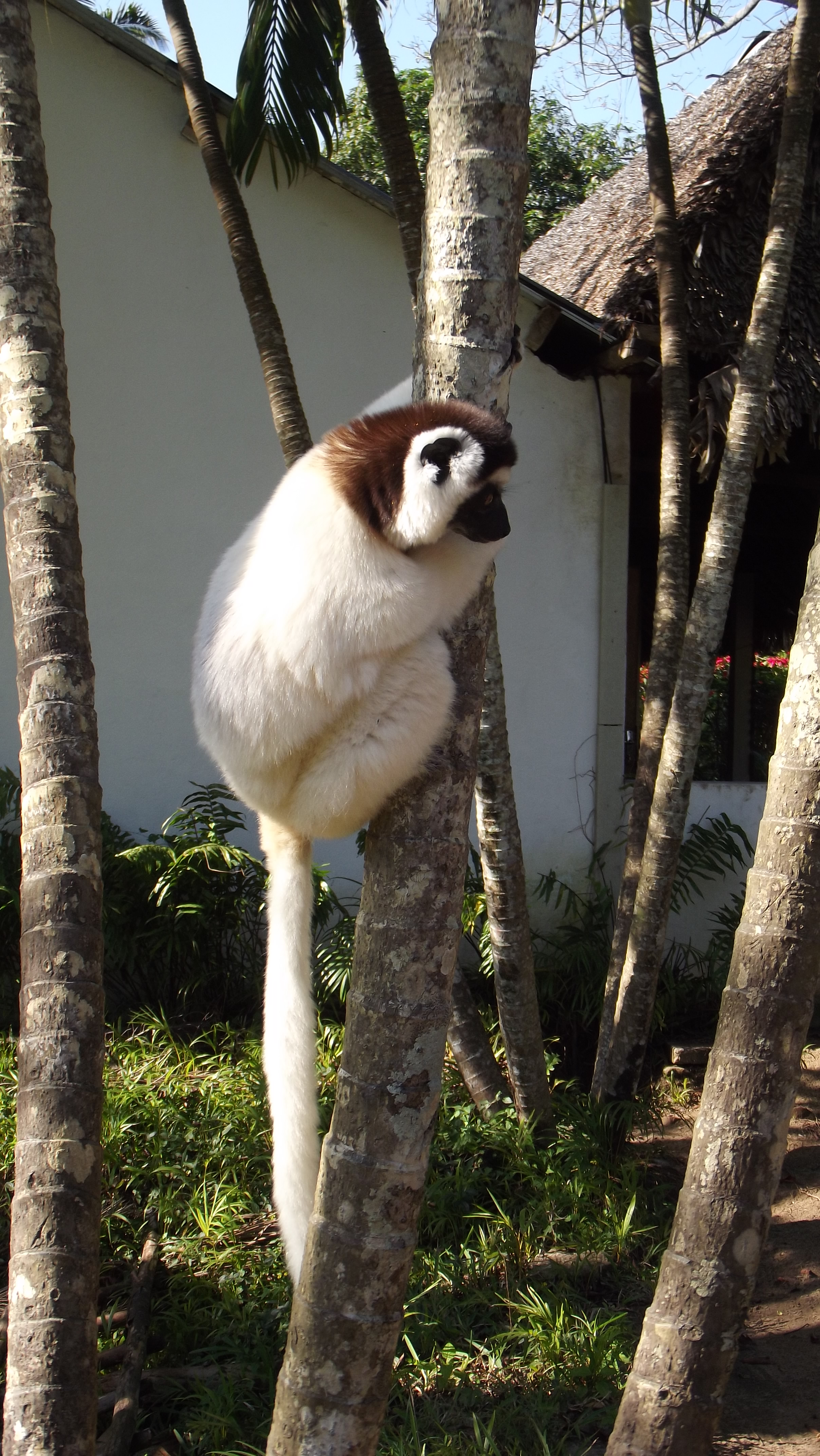 Photo: Smiley.toerist / Wikimedia Commons (CC BY-SA 3.0)
 - Andohahela National Park Best in the drier April-October months
A UNESCO World Heritage-listed park roughly 40km northwest of town, uniquely spanning humid rainforest and dry spiny forest in one park — home to the triangle palm, a species found nowhere else on Earth outside this region.
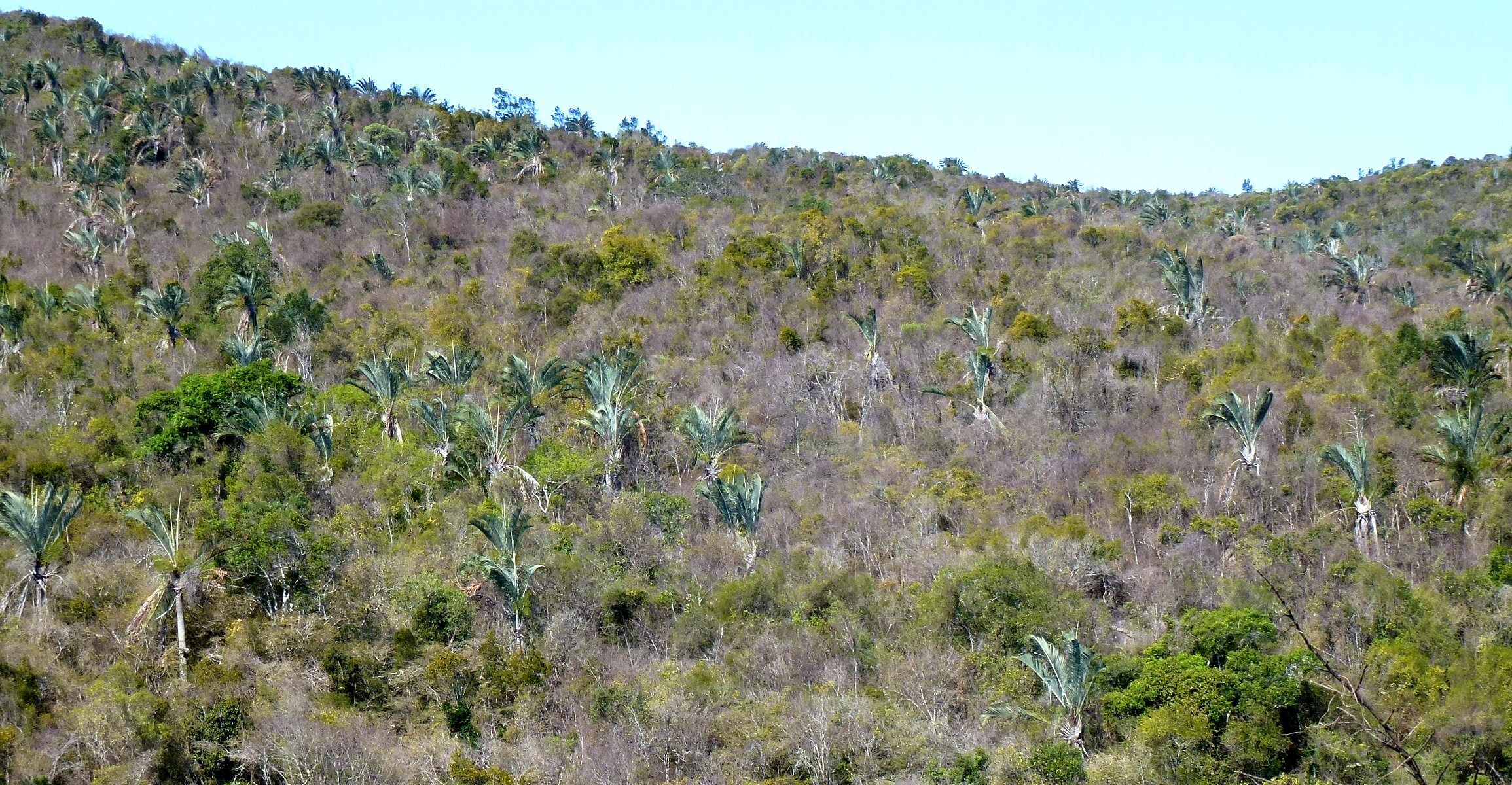 Photo: Hiroki Ogawa / Wikimedia Commons (CC BY 3.0)
 - Fort Flacourt Ruins & Colonial Old Town Any time — a walkable town-center stop
Founded in 1643 as the first major French settlement in Madagascar, abandoned in 1674 after conflict with the Antanosy — the bastion ruins and a small colonial-history museum sit right in town, layered against the older Antanosy heritage around them.
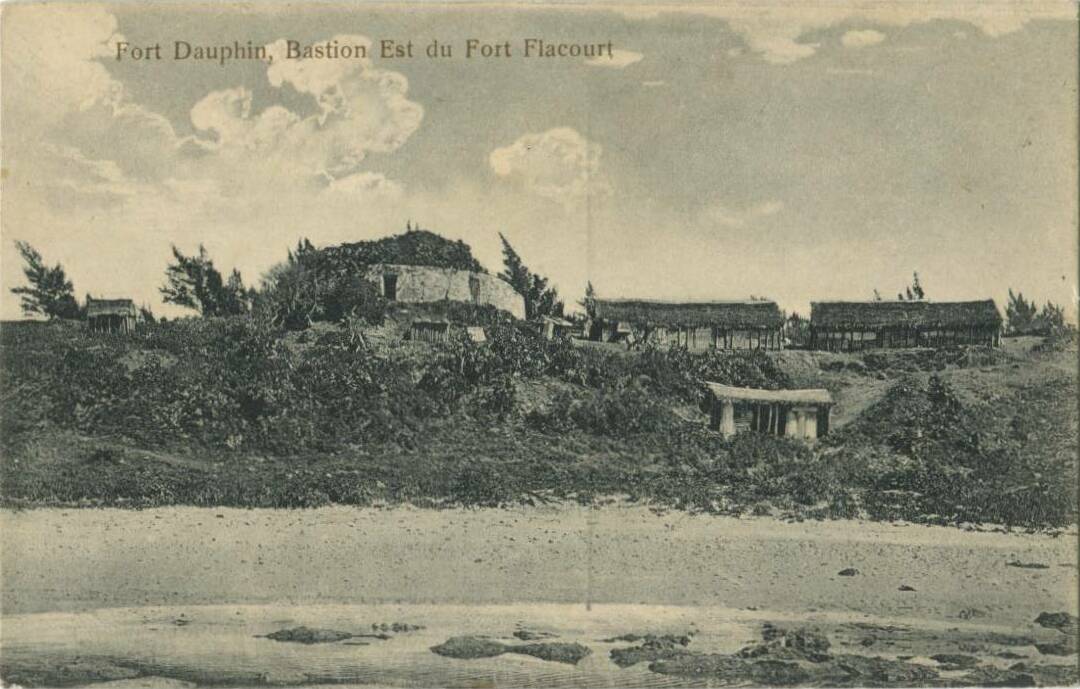 Photo: circa 1900-1905 postcard photographer unknown / Wikimedia Commons (Public Domain)
 - Pic Saint-Louis Hike Best April-May; hire a local guide
A 529m peak at the edge of town, roughly 1.5 hours up a steep trail through native ravinala and orchids — the single best viewpoint over the whole Fort Dauphin coastline, Sainte-Luce and Lokaro bays included.
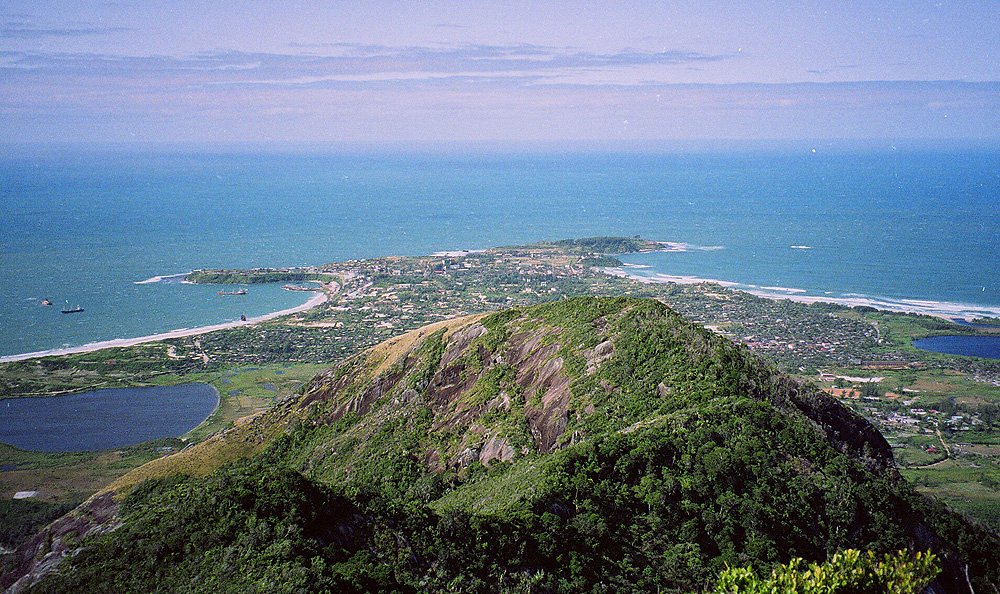 Photo: Henry Trotter, 1995 / Wikimedia Commons (Public Domain)
 - Lokaro Bay & the Piscine Naturelle April-October, outside cyclone season
Reached by boat through the lagoon village of Evatraha, roughly 20km from town — a natural rock-and-sand pool that reads like a giant swimming hole, plus secluded coves and Antanosy fishermen working pirogues along the way.
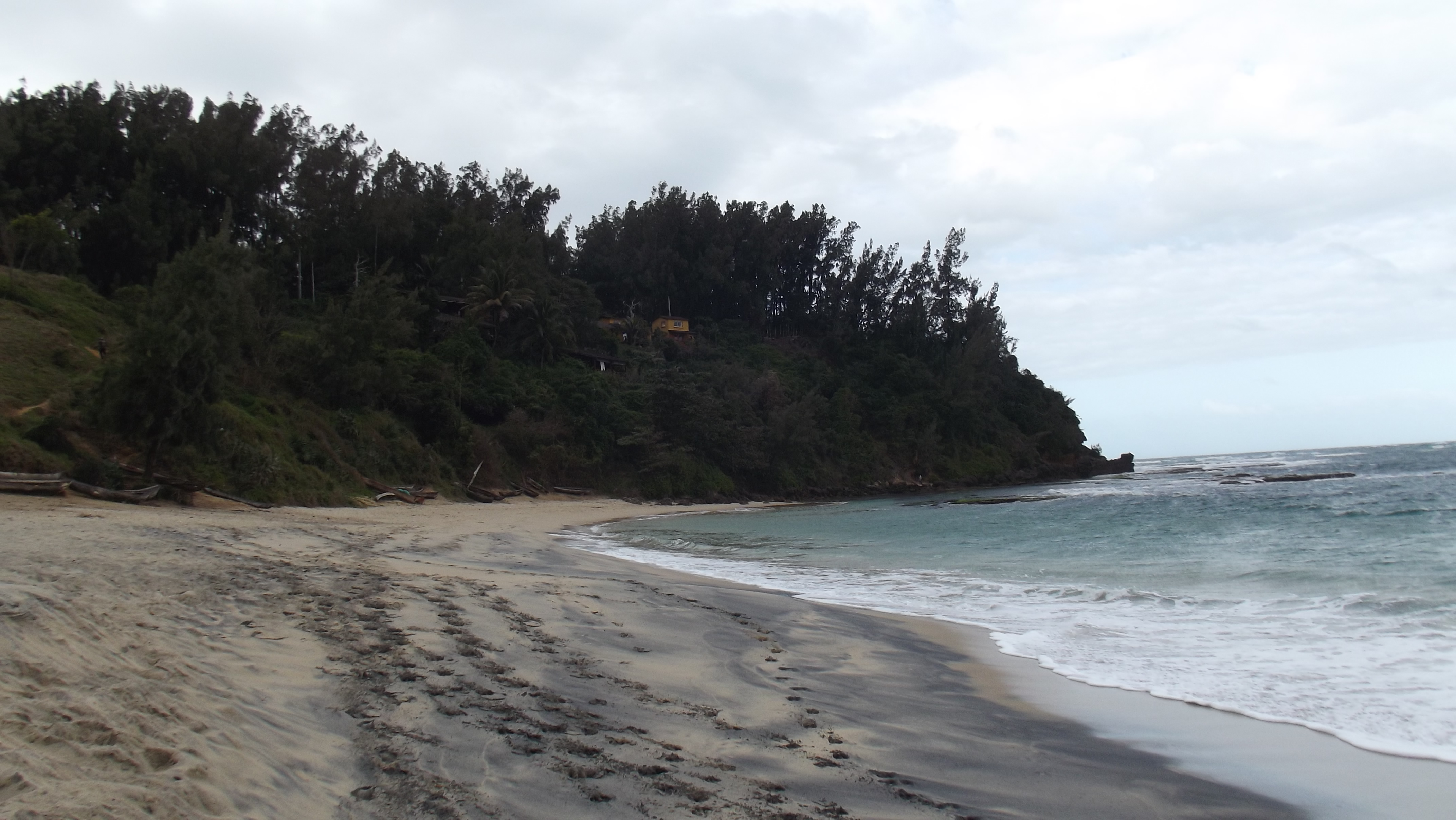 Photo: Smiley.toerist / Wikimedia Commons (CC BY-SA 3.0)
 - Sainte Luce Reserve Year-round
One of the last fragments of intact littoral coastal forest in southeast Madagascar, about 50km northeast of town, home to the endemic Southern Woolly Lemur — set among three traditional fishing villages at the center of the region's spiny-lobster trade.
 Photo: Maky (Alex Dunkel) / Wikimedia Commons (CC BY 3.0)
 - Antanosy Fishing Culture Early morning at the shoreline
Fort Dauphin is the traditional seat of the Antanosy people — hand-carved dugout pirogues still work the bay daily, alongside weekly local markets selling rice, honey, and reeds, real everyday texture distinct from any staged tourist show.
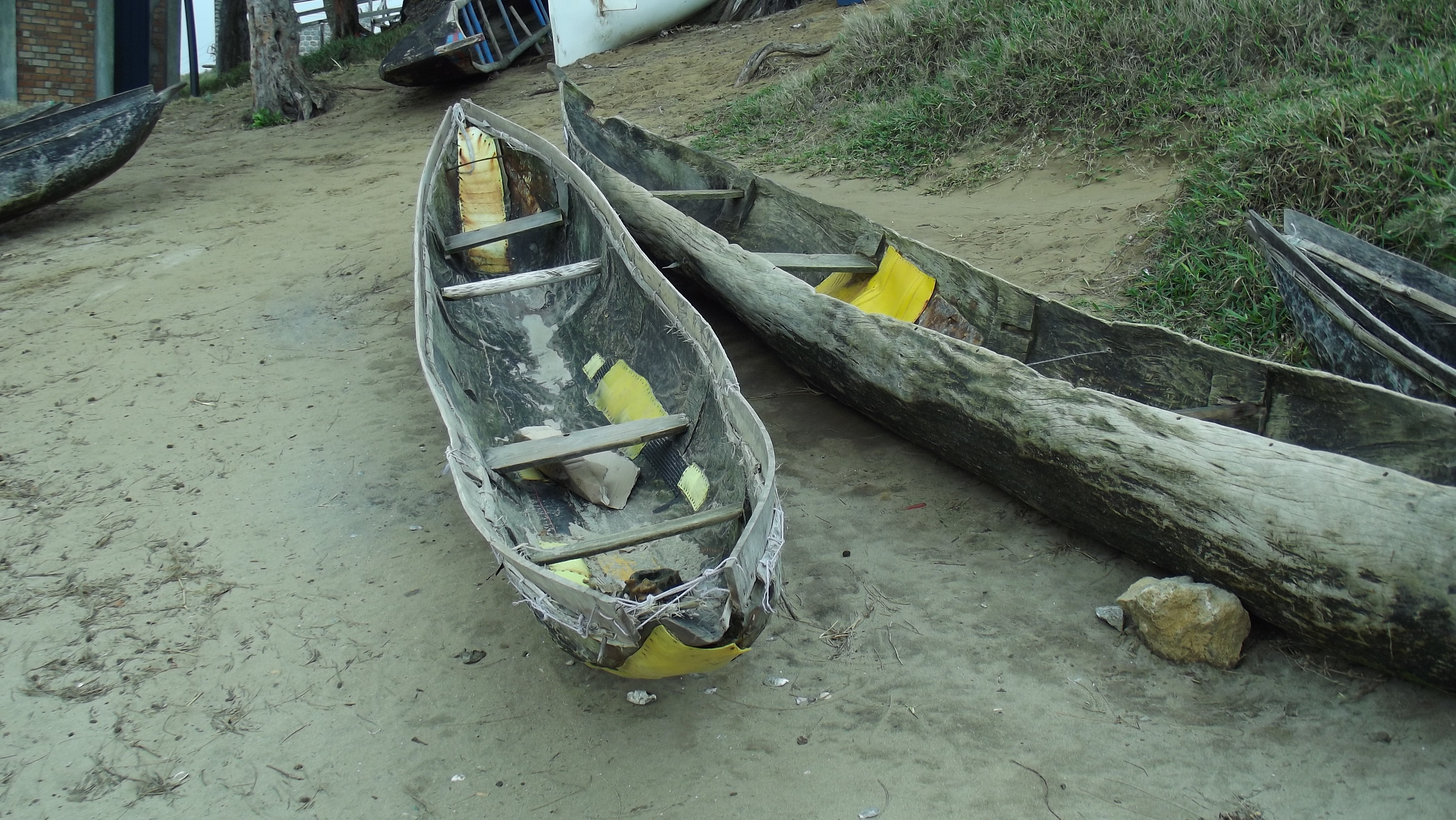 Photo: Smiley.toerist / Wikimedia Commons (CC BY-SA 3.0)
Questions people actually ask.
How do I get to Fort Dauphin, Madagascar?
No direct US flight exists. Fly into Antananarivo (Ivato, TNR) via Europe (Air France direct from Paris), the Gulf, or East Africa (Ethiopian via Addis Ababa is a common one-stop routing), then connect on Madagascar Airlines' roughly daily domestic hop to Fort Dauphin (FTU), about an hour. A lesser-known alternate: Air Austral flies direct between Réunion and Fort Dauphin, skipping Antananarivo entirely if you're routing through Réunion. Budget 24+ hours door-to-door from the US and confirm current schedules before booking, since domestic frequency can shift.
Do US citizens need a visa for Madagascar?
Yes — an e-visa or visa-on-arrival, same price either way. Fees rose in February 2026 (roughly $35 for 15 days up to $59 for 90 days), so check the official evisamada-mg.com portal for current pricing before you go. You'll need a passport valid 6+ months beyond entry with at least 3 blank pages, plus proof of onward or return travel.
When should I go, and is there a cyclone season to avoid?
Go April through October — that's both the dry season with the region's best south groundswells (June is the standout month) and, just as important, outside cyclone season. November through March/April brings Madagascar's real cyclone risk to the east coast; this isn't just a wave-quality call, it's a genuine safety one, and multiple named cyclones have made landfall on this coast in recent seasons. Water stays a mild 22-28°C year-round, so no wetsuit is needed — a rash vest for UV is the more useful piece of gear.
Is Fort Dauphin safe to visit?
Madagascar sits at a State Department Level 2, Exercise Increased Caution, as of December 2025 — a downgrade from a brief Level 3 spell in late 2025, so treat the situation as genuinely fluid rather than settled. The specific risk worth knowing: RN13, the overland road connecting Fort Dauphin toward the rest of the country, is flagged for armed robbery and banditry, particularly the Ihosy-Betroka stretch — which is exactly why nearly every visitor flies in rather than drives. Fort Dauphin town itself and the immediate coast don't carry that same road-corridor risk.
What about malaria and other health risks?
Malaria risk is real in this region (Antananarivo is the one part of Madagascar where it's rare) — talk to a travel clinic about prophylaxis (Malarone, doxycycline, or mefloquine) before you go. Tap water isn't safe anywhere in the country, bottled/treated only. Madagascar does see periodic plague activity, but it's endemic background risk rather than an active outbreak — worth knowing about, not worth alarm. Health infrastructure in this region is genuinely limited, so decent travel insurance with medevac coverage is a real, not optional, consideration.
Disclosure & how this page works.
Straight talk: Some links on this page are affiliate links — if you book through them, Secrets of Surf Travel earns a small commission at no extra cost to you. We only link places and people we’d use ourselves, and coverage is never for sale. Those commissions are what keep this site running and fund the next trip.
Today, the “Search Vrbo rentals” and “Search Booking.com stays” links on this page are affiliate links — every vendor listing link is still a plain courtesy link. As partnerships with these local businesses come online, more links (and discount codes, where Secrets of Surf Travel benefits from their use) may earn us a commission, and this page will keep saying so plainly. Coverage is never for sale: nobody on this page paid to be here, and nobody can.
Every listing was researched in 2026 and is being verified in person. Prices, hours, and policies change — treat them as strong starting points and confirm directly with the business. And per the No-Reveal Code: you will find no surf spots on this page, ever.