
Italy — Mainland & Sicily
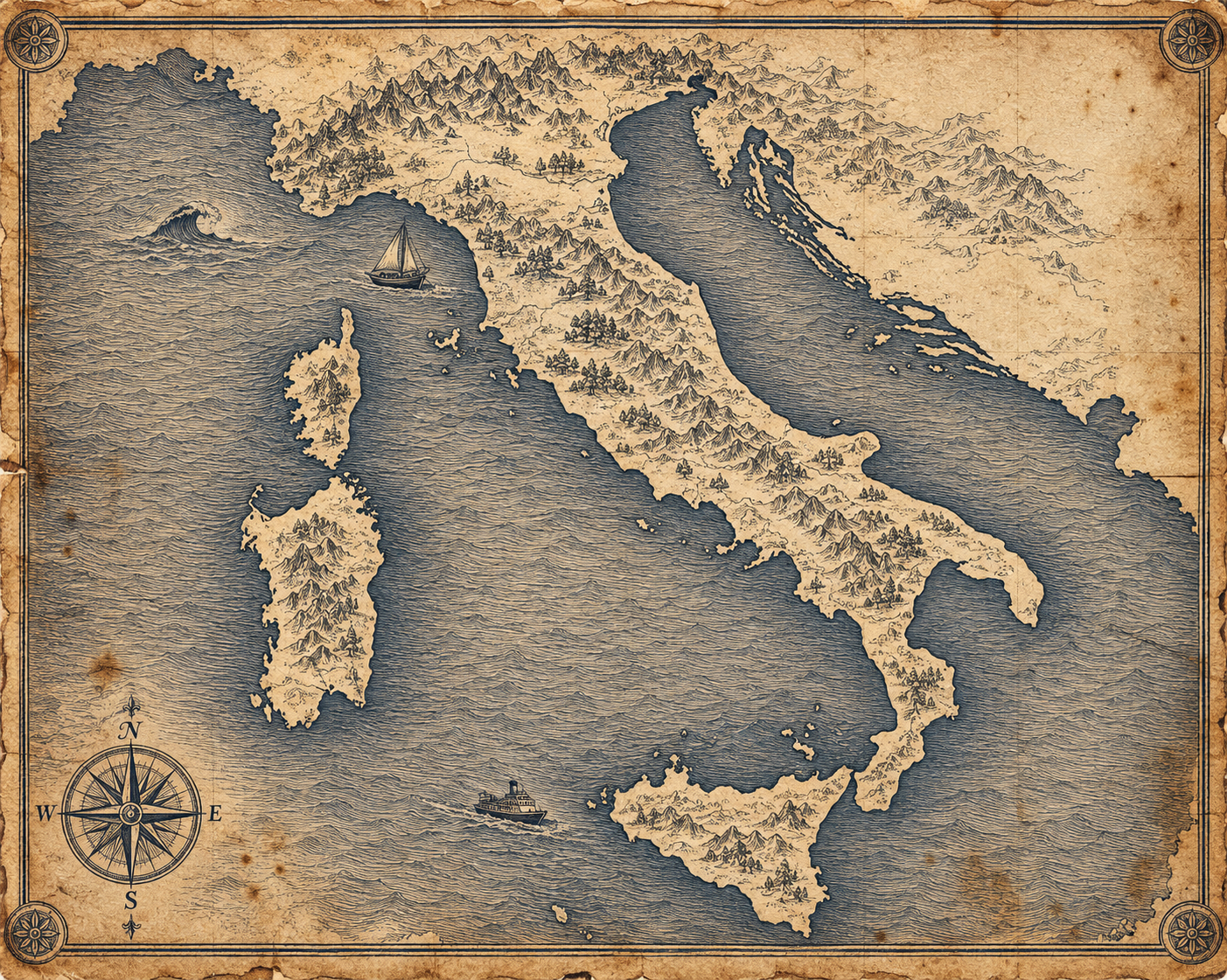
The most spread-out zone on this site so far, and the one that closes out Italy. Levanto, Liguria, is the sensible place to park a car and step into the Cinque Terre by train — and, in the cooler months, a real winter surf town in its own right. Forte dei Marmi, an hour south in Tuscany, is a genuinely upscale, celebrity-linked resort town that happens to sit on a real cold-water break. Isola delle Femmine, Sicily — birthplace of the DiMaggio brothers' parents, as it turns out — is a different trip entirely: no same-day drive links it to the other two, only a flight or an overnight ferry.

Straight talk: Some links on this page are affiliate links — if you book through them, Secrets of Surf Travel earns a small commission at no extra cost to you. We only link places and people we'd use ourselves, and coverage is never for sale. Those commissions are what keep this site running and fund the next trip.
Some vacation-rental search links on this page (marked "Search Vrbo rentals," "Search Booking.com stays," or "Search Agoda stays") are affiliate links. Every vendor link below is still a plain courtesy link. As more partnerships come online, more links may earn us a commission; the promise above holds either way.
Getting There
For Levanto, Genoa (GOA) is closest (about 68km/42 miles), with Pisa (PSA) a bigger-gateway alternative (about 83km/51 miles). Neither has direct US service; realistic routing connects through Rome or another major European hub.
For Forte dei Marmi, Pisa (PSA) is the real local option — about 43km/27 miles, 30-45 minutes' drive — with Florence (FLR) about 111km/69 miles, 1h15-1h21m, as a secondary choice for anyone combining a Florence stay. Same story: no direct US flights from either, connect through Europe.
For Isola delle Femmine, Palermo Airport (PMO) is genuinely one of the shortest airport-to-surf-town hops on this entire site — about 10-15 minutes, under 15km. It also has real, if limited, direct US service: United flies Newark-Palermo nonstop about 3 times a week (~9 hours), and Neos runs a seasonal nonstop to New York JFK. Outside those windows, connect through Rome or Milan.
Documents: unchanged from this site's Sardinia zone — Italy is in the Schengen Area, US citizens get a 90-day-in-180 visa-free stay, no ETA currently required, Euro currency, right-hand driving throughout.
Ground Transport
- Levanto and Forte dei Marmi are genuinely one trip — about 58 minutes apart by car along the coastal A12. No direct train link, so drive time is the number to plan around.
- Isola delle Femmine is a real, separate trip — the most extreme split on this site so far. No same-day drive exists; the practical links are a domestic flight (Palermo-Pisa, ~1h20m, about 11 flights a week) or an overnight ferry (Palermo-Genoa, ~19-20 hours).
- The Cinque Terre villages near Levanto are largely car-restricted — Levanto is the sensible place to park and continue by the Cinque Terre Express train (roughly every 20 minutes in season, 4-20 minutes to each village).
- Right-hand driving throughout, same as this site's Sardinia zone.
When to Go & What to Pack
- Levanto and Forte dei Marmi run a genuinely inverted season from typical Mediterranean tourism — the real surf window is September through April, driven by Libeccio and Maestrale swells, while this coast typically goes flat in summer (exactly when the Cinque Terre's hiking crowds peak). Winter water runs 12-16°C — a 4/3mm wetsuit is the standard call; summer needs little more than a rash vest, though summer is also when there's rarely surf to use it for.
- Isola delle Femmine is genuinely the mildest water in this zone — 14-16°C at the winter low up to 22-27°C in summer. A 3/2mm suit covers most winter sessions, stepping up to 4/3mm with boots for the coldest, longest days.
Good to Know
- Entry rules and driving side carry over unchanged from this site's Sardinia zone across all three hubs, Sicily included — Schengen 90-day-in-180 visa-free stay, no ETA yet, Euro, right-hand driving.
- Emergency number: 112, the standard EU-wide number, throughout.
Respecting the Locals
This zone spans three very different Italian communities — Levanto's real winter surf town sits beside the car-restricted Cinque Terre villages that locals actually live in and commute through daily, not just a scenic backdrop for hikers. Forte dei Marmi is a genuinely upscale, celebrity-linked resort town, which makes it easy to forget it's still a real working coastal community outside the summer season. And Isola delle Femmine, Sicily — birthplace of the DiMaggio brothers' parents — is its own island culture entirely, reached only by flight or overnight ferry, deserving to be treated as a destination in its own right rather than a Sicily afterthought.
- Locals get first priority, always. Watch a session before you paddle out. Learn who's who before you learn the wave. Sit inside and catch what they let through — the leftovers are yours, not the set waves.
- Don't backpaddle. Ever. Being in position doesn't make the next wave yours, especially if you didn't wait your turn. If a local wants a wave, let them have it…even if it IS your turn. That older guy who may not be the best surfer out there has probably been surfing that wave before you even sat on a board. If you don't know someone, assume they're local.
- Don't snake. This shouldn't even need to be said, but…dropping in on someone, local or not, is the ultimate disrespect and the fastest way to be sent out of the water. Don't be that guy!
- Say hi. A “howzit,” “whatsup,” or “nice wave,” eye contact, or a nod in the channel — it costs nothing and it's the fastest way from stranger to welcome.
- This is somebody's home, not a resort amenity. The break you're surfing is where a local kid learned to swim, where someone's uncle has surfed for forty years. Act like a guest, because you are one.
- Spend where it actually helps. The food truck, the local shaper, the family-run rental, the local photographer — that's where a surf trip's money should land, not just the chain hotel gift shop. See The No-Reveal Code for why that's the whole premise of this site.
- Leave it better than you found it. Pick up trash that isn't yours. Don't touch reef, wildlife, or cultural sites.
Locals have watched hundreds, if not thousands, of people come and go — some for days, some for months or years — and almost all of them eventually go home. The locals are still there. It takes many, many years to actually become one. Keep that in mind the next time you feel entitled to the same waves they get.
None of this is a secret handshake. It's just how you'd want a guest to act in your own backyard.
Levanto
Liguria's real gateway to the Cinque Terre — the sensible base to park a car and continue into the UNESCO-listed villages by train. In its own right, a genuine cooler-season surf town: Levanto hosted the ASP World Longboard Tour's 2011 season finale, the first time the world tour's finals were held in Europe (the deciding heats ultimately ran at a backup site after the local swell went flat, worth stating precisely).
Surf Schools & Board Rental
- Brothers Surf ClubVia Amerigo Vespucci 1, LevantoConfirm on the groundUISP-affiliated, over a decade running — full school, shop, SUP tours, and kayak excursions. brothersurf.com · Instagram · Map
- Surf LevantoVia Giuseppe Garibaldi 125, LevantoConfirm on the groundEstablished 2013 — surf school combined with bike rental for the coastal tunnel-path ride to Bonassola/Framura. Map
Stays
- A DurmìLevanto, 5-min walk from the train stationBudget#6 of 65 B&Bs/inns in Levanto on Tripadvisor. adurmi.it · Map
- Hotel NazionaleCentral LevantoBudget/midClose to both the train station and the beach. nazionale.it · Map
- Villa MargheritaLevanto beachfrontMid-range3-star, #5 of 15 Levanto hotels on Tripadvisor. villamargherita.net · Map
- Park Hotel ArgentoLevanto waterfrontLuxury4-star resort with a full spa/wellness center, 9.6/10 guest rating. parkhotelargento.com · Map
Where to Eat
- Osteria TumelinHistoric center, LevantoMid-rangeFounded 1970, inside the gothic-romantic Casa del Capitanato — seafood specialist. tumelin.it · Map
- Antica Trattoria CentroCorso Italia 4, LevantoMid-rangeUnder the same ownership for nearly two decades, known for fritto misto and Vermentino wine pairings. Facebook · Map
- La Picea Pizzeria & BraceriaLevantoBudgetInventive pizzas and a real craft beer selection. lapicea.it · Instagram · Map
Wheels
- Cicli RasoVia Garibaldi 63, LevantoConfirm on the groundCity, mountain, racing, and e-bikes, well reviewed for value and selection. cicliraso.com · Map
No standalone local car-rental storefront in Levanto — most visitors use the train plus bike or foot, given the Cinque Terre's car-restricted villages.
Surfboard & Wetsuit Repair
No dedicated repair business confirmed in Levanto — a genuine gap.
Massage & Wellness
- Park Hotel Argento Spa & Wellness CenterLevanto waterfrontConfirm on the groundSauna, Turkish bath, relaxation lounge with hillside views. parkhotelargento.com · Map
Other Adventures
- Rosa dei Venti Boat ToursLevantoMid-rangeThe area's first dedicated boat-tour operator, running sightseeing and snorkeling routes through the National Park. rosadeiventi5terreboattours.com · Facebook · Map
- Cinque Terre by trainFrom Levanto stationBudgetThe Cinque Terre Express reaches Monterosso in 4 minutes, Riomaggiore in 20 — see Local Secrets. Map
Forte dei Marmi
A genuinely upscale, celebrity-linked Tuscan resort town — real documented history, not marketing gloss — that happens to sit on a legitimate cold-water winter surf break. Named for a real 18th-century fort built for marble shipping, backed by the Apuan Alps and the world-famous Carrara quarries.
Surf Schools & Board Rental
- WeRide Surf SchoolBagno Piero, Forte dei Marmi & Bagno Faruk, Marina di PietrasantaConfirm on the groundOperating since 2012 — the longest-running dedicated surf school in the area. weridesurfschool.com · Instagram · Map
- Pura Versilia Surf SchoolForte dei MarmiConfirm on the groundFounded 2021 by three board-sports specialists. puraversiliasurfschool.it · Map
- ThePier Surf SchoolForte dei Marmi & Marina di PietrasantaConfirm on the groundInstruction include a safety/theory briefing before water time. thepiersurfschool.it · Facebook · Map
- Wave Shop~100m from the sea, Forte dei MarmiConfirm on the groundBoutique retail run by Jacopo Conti, an informal locals' gathering point. Facebook · Map
Stays
- Forte InnForte dei MarmiBudgetA genuine budget-tier option in an overall upscale town. forte-inn.fortedeimarmihotels24.com · Map
- Hotel Giulio CesareForte dei MarmiMid-range3-star, positioned for golf and activity-minded travelers. hotelgiuliocesarecinquale.com · Map
- Augustus Hotel & ResortForte dei MarmiLuxury5-star, roots to 1953 as Countess Augusta Pesenti's private villa, run by the same family since 1954. augustus-hotel.it · Instagram · Map
- Hotel Principe Forte dei MarmiForte dei MarmiLuxury5-star, interiors by named Italian design houses (Antonio Citterio, Armani Casa, B&B Italia). principefortedeimarmi.com · Map
Where to Eat
- Ristorante LorenzoForte dei MarmiUpperMichelin-starred, open since 1981. ristorantelorenzo.com · Instagram · Map"Superb food, a great wine list and some of the best fish in Forte." — reviewer
- Bagno AlpemareForte dei Marmi beachfrontUpperOwned and operated by Andrea Bocelli and his wife since 2017 — named Italy's best beach club 2025. alpemare.com · Instagram · Map
Wheels
- Forte BikeForte dei MarmiConfirm on the groundDaily/weekly rentals with delivery and on-rental technical assistance. Map
- Cicli MaggiForte dei MarmiConfirm on the groundRoad, mountain, and children's bikes for rent. Map
A genuinely distinctive detail for this town: alongside standard agencies, a small cluster of luxury/exotic car-rental outfits specifically serves Forte dei Marmi's affluent clientele.
Surfboard & Wetsuit Repair
No dedicated repair specialist confirmed — a genuine gap.
Massage & Wellness
- Natural SpaHotel St. Mauritius, Forte dei MarmiConfirm on the groundOpen daily, open to non-guests. Map
- Augustus SpaAugustus Hotel & ResortConfirm on the groundAnti-aging facials, aromatherapy, customized body massage. augustus-hotel.it · Map
Other Adventures
- Forte dei Marmi Golf ClubForte dei MarmiMid-range18-hole, par-71, set between the sea and the Apuan Alps. versiliagolfresort.com · Instagram · Map
- Apuan Alps hikingTrailheads near Seravezza/StazzemaBudgetThe Alta Versilia Trail links 20 historic villages across 12 stages. Map
- Antro del CorchiaSouthern Apuan Alps Natural ParkMid-rangeA real, bookable stalactite-and-stalagmite show cave. corchiapark.it · Instagram · Map
Isola delle Femmine
A small town on Sicily's northwest coast, about 15km/25 minutes from Palermo — genuinely the mildest water, the shortest airport hop, and the most surprising history in this zone: the parents of baseball's DiMaggio brothers were born and raised here. Despite the name, the town itself isn't on an island — the real "Island of Women" is a tiny protected islet just offshore.
Surf Schools & Board Rental
- Isola SurfIsola delle Femmine/MondelloConfirm on the groundFounded 2011 by Danilo La Mantia — billed as the first and only authorized surf school in the Palermo area. Map
- Scuola Surf & Kitesurf PalermoViale dei Saraceni, Isola delle FemmineConfirm on the groundBoth surf and kitesurf instruction, with board rental. Map
- Sun Life Beach – Surf SchoolViale dei Saraceni, Isola delle FemmineConfirm on the groundA beach club with an attached surf school program. sunlifebeach.it · Instagram · Map
Stays
- Bed PonenteIsola delle FemmineBudget~10-minute walk from the Capaci beach, sea views. Facebook · Map
- Villa Seven PalmsIsola delle FemmineMid-rangeRecently renovated B&B with a saltwater pool and garden. Map
- Hotel SirenettaIsola delle Femmine beachfrontLuxuryPrivate beach, pool, on-site wellness center. Map
- Saracen Sands Hotel & Congress CenterIsola delle FemmineLuxury~15-minute drive from Palermo Airport, spa/wellness area. Facebook · Map
Where to Eat
- Trattoria Del Pesce FrescoIsola delle FemmineMid-rangeFish-focused trattoria. Map
- Pizzeria Zio FeHistoric center, Isola delle FemmineBudgetWood-fired pizza at genuinely budget prices. Facebook · Map
- Trattoria Sapori di CasaNear the marina, Isola delle FemmineMid-rangeFish specialties and Mediterranean cuisine. Map
Wheels
- L'elettronica NoleggiaVia Cristoforo Colombo 126, Isola delle FemmineConfirm on the groundBike, ATV, and car rental, including options without a credit card requirement. Map
Surfboard & Wetsuit Repair
No dedicated repair shop found — consistent with Sicily's small, young surf scene; likely handled informally through the surf schools.
Massage & Wellness
- Charme e Relax Centro BenessereHotel Sirenetta, Isola delle FemmineConfirm on the groundSpa with massage, chromotherapy, hydrotherapy. Map
Other Adventures
- Riserva Naturale Isola delle FemmineThe offshore islet itselfBudgetA real protected nature reserve — see Local Secrets. Map
- Capo Gallo Nature ReserveNear Mondello/SferracavalloBudgetCoastal reserve good for hiking and snorkeling. Map
- Palermo day trip~15km/25 min awayMid-rangeArab-Norman UNESCO heritage and real Arab-influenced street food — see Local Secrets. Map
Local Secrets
Twelve non-surf reasons this zone rewards the curious — a footpath built to safely store railway dynamite that became known as the Path of Love, marble Michelangelo picked out with his own hands, and a Sicilian town whose real name has three competing, unsettled theories.
- The Cinque Terre — a UNESCO Cultural Landscape Year-round; reachable from Levanto by the Cinque Terre Express train
Officially inscribed December 5, 1997 as "Portovenere, Cinque Terre, and the Islands," covering the five villages — Monterosso, Vernazza, Corniglia, Manarola, Riomaggiore — plus Portovenere and its three offshore islands. This is a cultural-landscape listing, recognizing the human-built terracing as much as the coastline itself. The area also holds a separate designation as Italy's smallest but most densely protected National Park, established 1999.
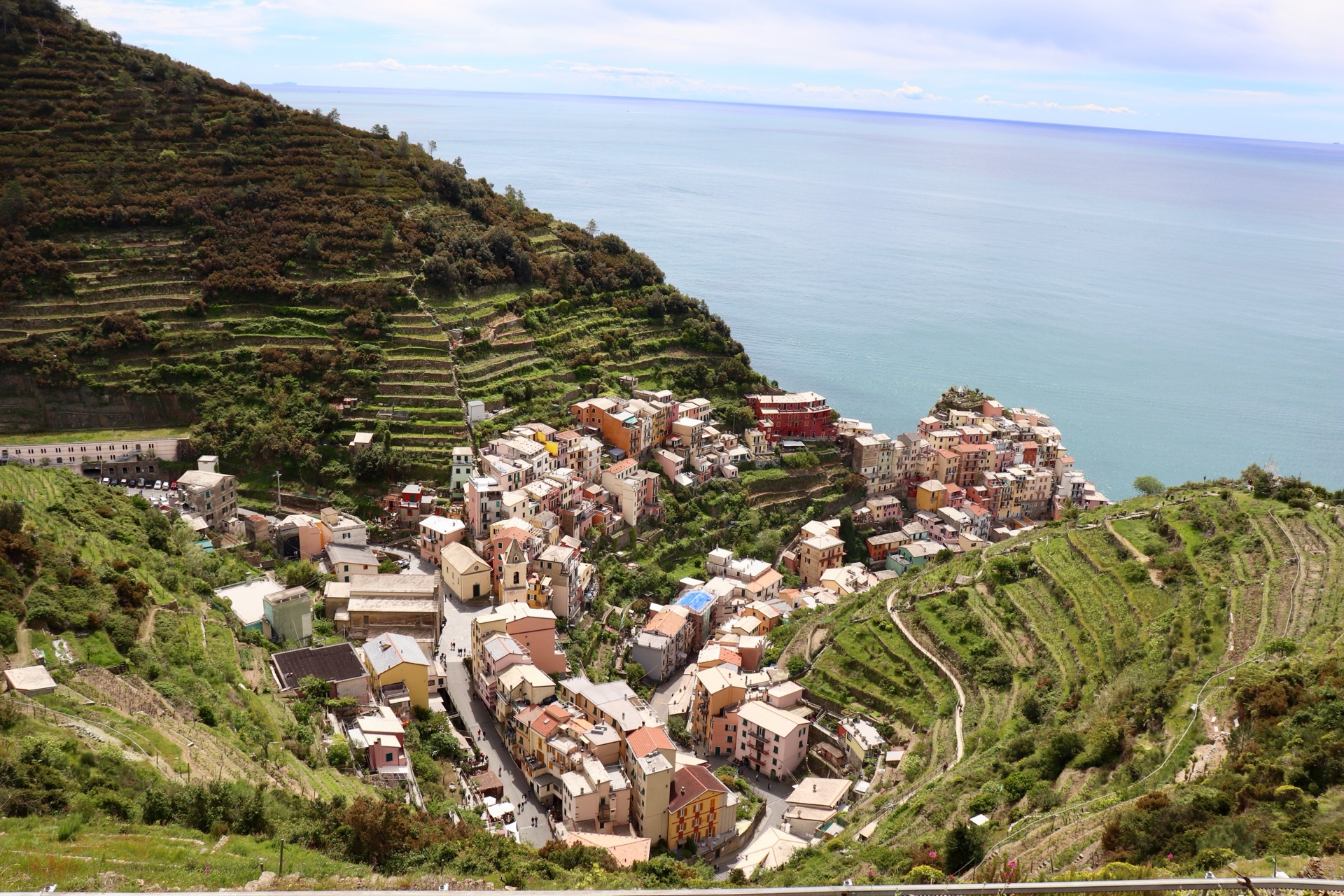 Photo: Elisavans / Wikimedia Commons (CC BY-SA 4.0)
 - The Terraced Vineyards of the Cinque Terre Spring for the greenest terraces; harvest season (September-October) for real working activity
Roughly a thousand years of continuous, hand-built dry-stone terracing turned near-vertical cliff faces into cultivable land for the Cinque Terre DOC wine appellation — built entirely without mortar. Since 1980, small monorail cars have moved materials and harvested grapes across terrain with no roads at all, first installed above Manarola. A popular comparison of the walls' total length to the Great Wall of China is rhetorical tourism language, not a literal historical or engineering claim — worth stating precisely.
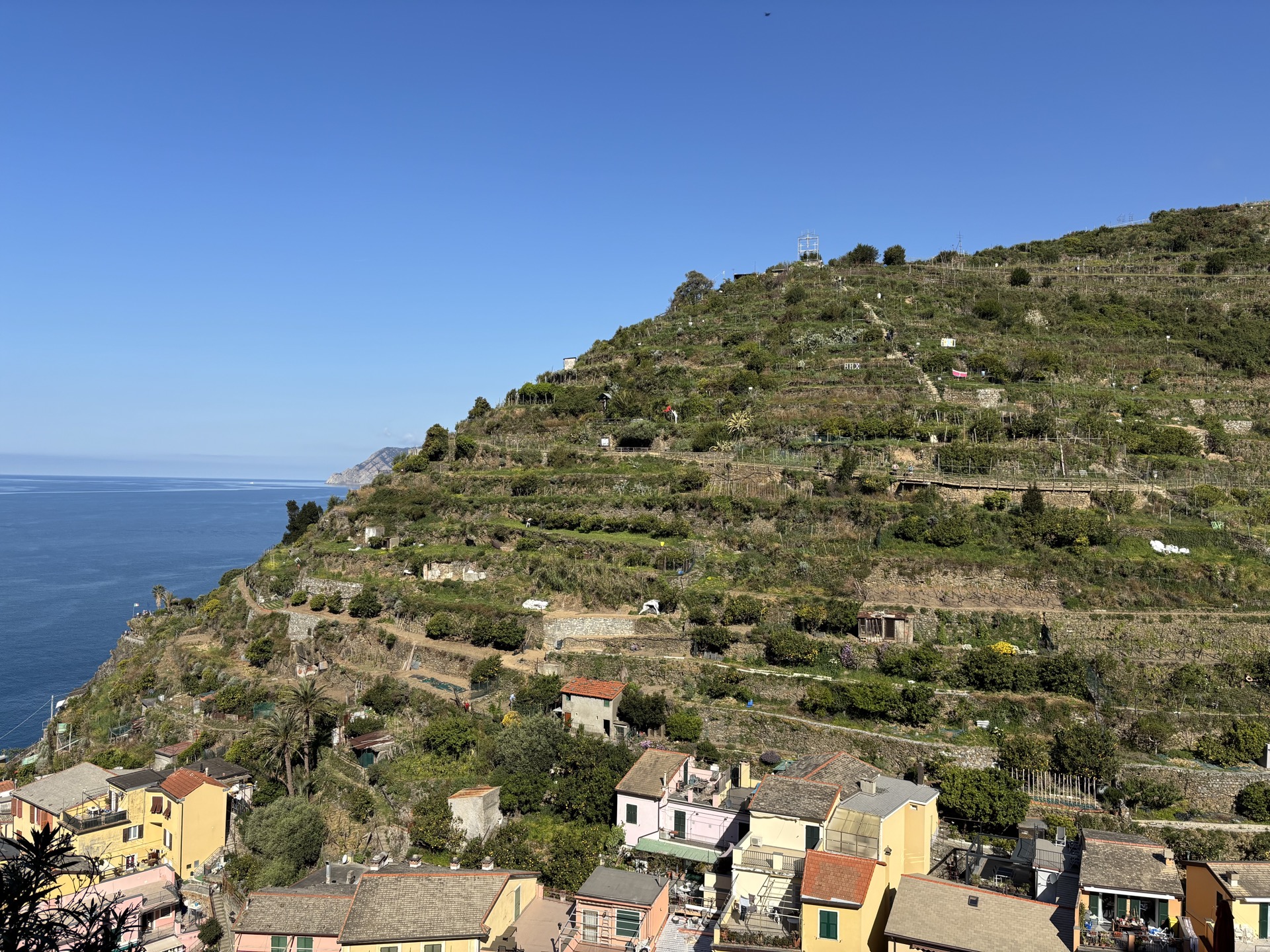 Photo: Mathieu Chollet / Wikimedia Commons (CC BY-SA 4.0)
 - Levanto's Medieval Loggia Exterior viewing year-round, in the town center
Documented since the 13th century as a merchants' hall tied to Levanto's medieval port-canal; the structure standing today is a late-16th-century reconstruction, historically used as a market hall, courthouse, and municipal archive. Worth a precise distinction: this building is not part of the Cinque Terre's UNESCO World Heritage cultural-landscape listing — it carries its own separate, smaller UNESCO recognition, a "monument bearing witness to a culture of peace" designation awarded in July 2007.
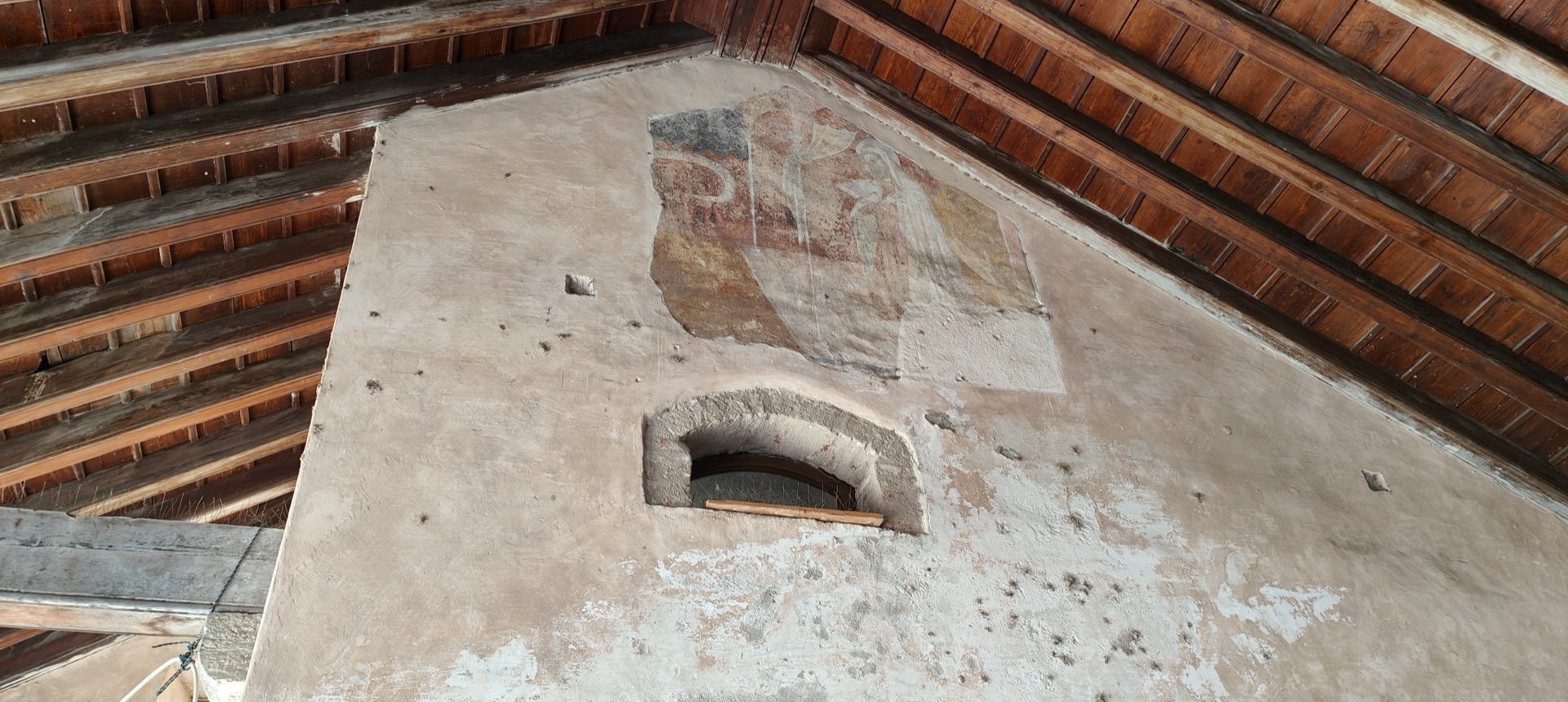 Photo: Al*from*Lig / Wikimedia Commons (CC BY-SA 4.0)
 - Via dell'Amore — the Path of Love Check current trail access before visiting — sections periodically close for landslide repairs
Part of the medieval-origin Sentiero Azzurro footpath system that was, for centuries, the only overland link between the five Cinque Terre villages. The Riomaggiore-Manarola segment known today as the Via dell'Amore has a specific, verifiable origin: it was cut in the 1920s during construction of the Genoa-La Spezia railway, built as a safe storage and access route for blasting explosives, only repurposed as a public path afterward. Its romantic nickname is genuine but later — coined by a journalist after noticing graffiti left by couples using the path as a meeting spot after WWII, not a folk legend from the trail's actual origin.
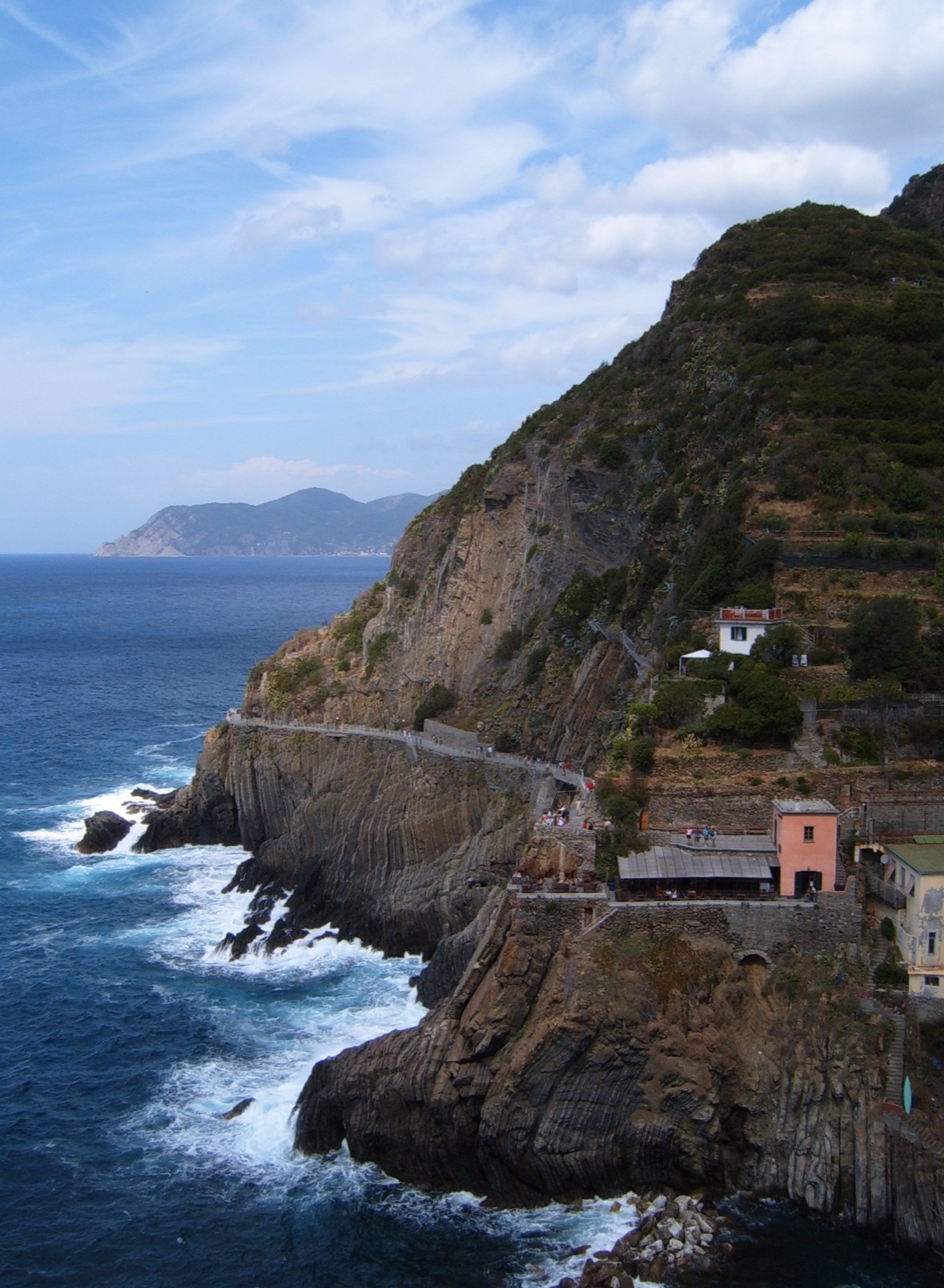 Photo: Markus Bernet / Wikimedia Commons (CC BY-SA 2.5)
 - The Carrara Marble Quarries — and the Real Michelangelo Connection Quarry tours run seasonally; check current operators before visiting
Michelangelo first traveled to Carrara in 1497 to source marble for the Pietà, personally inspecting the quarries and choosing that block himself — he returned repeatedly through 1520, including while sourcing marble for the Moses. Worth a precise correction to a commonly blurred claim: the David is often lumped into this "Michelangelo chose it personally" story, but that block came from a different quarry and had already been purchased and partially worked, then abandoned, by the Florence Cathedral's own works decades earlier — Michelangelo inherited the existing block in 1501 rather than selecting it himself. True for the Pietà and Moses, not true for the David.
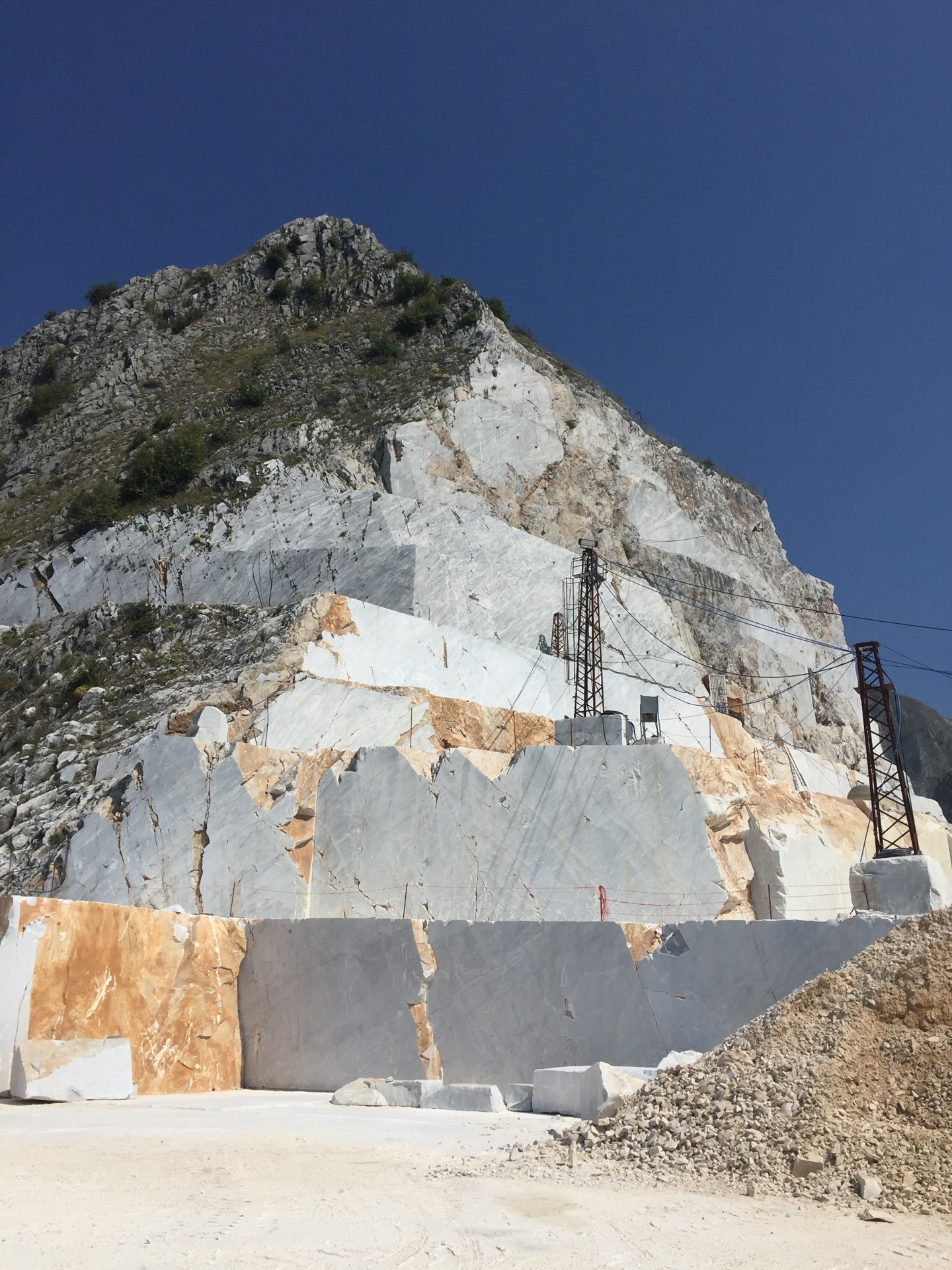 Photo: Wikimedia Commons (CC BY-SA 4.0)
 - Forte dei Marmi's Namesake Fort Exterior viewing year-round, in the town center
Built 1785-1788, completed February 6, 1788, commissioned by Grand Duke Pietro Leopoldo of Habsburg-Lorraine (later Holy Roman Emperor Leopold II). A compact multi-use structure — marble storage and customs point, plus coastal defense against pirate raids — that gave the town its name. Its two small corner towers were used for flag signaling and smoke danger-signals respectively. The town itself only split off from Pietrasanta to become its own municipality in 1914.
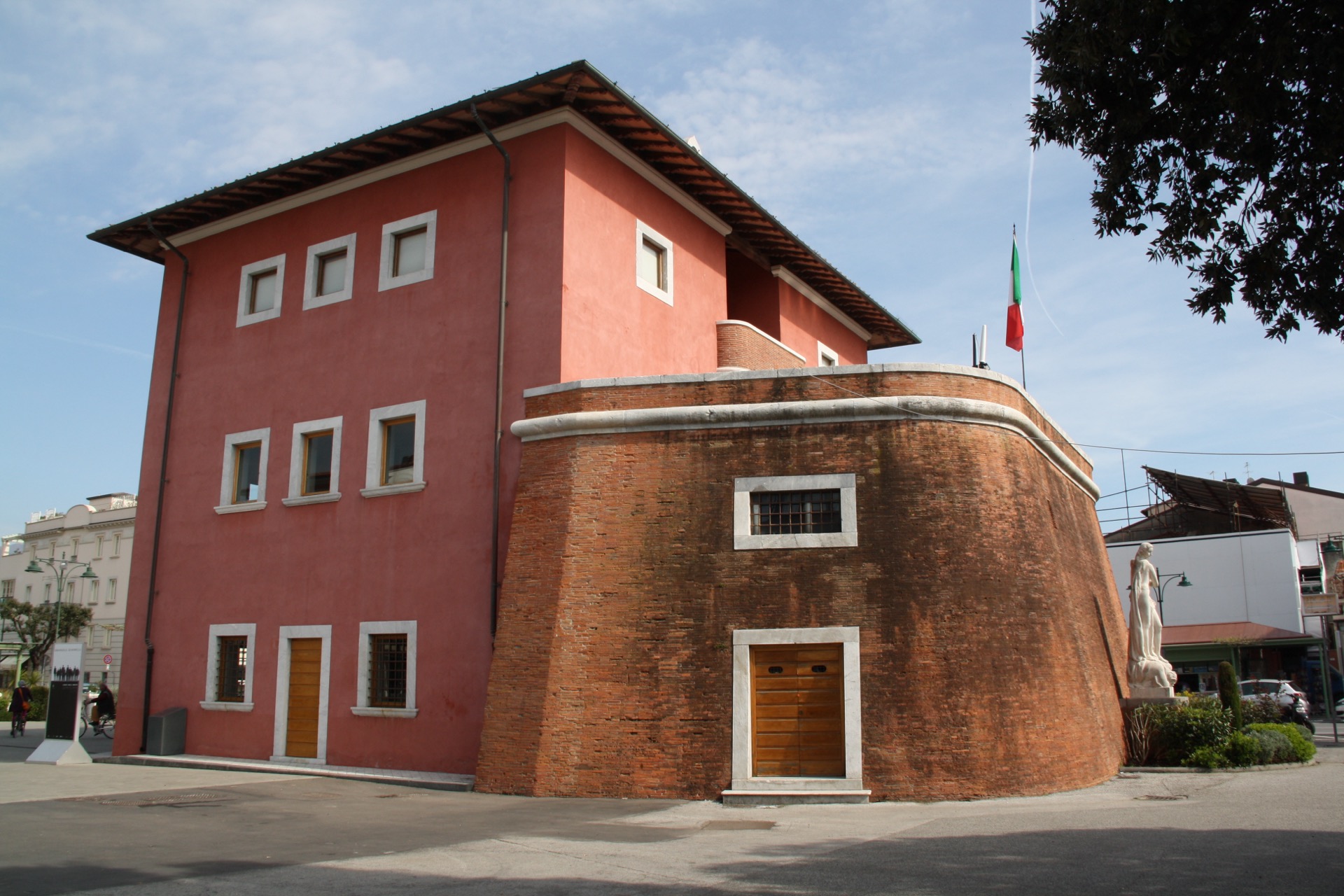 Photo: Piergiuliano Chesi / Wikimedia Commons (CC BY 3.0)
 - Pietrasanta — the Sculptors' Town Year-round; the piazza galleries stay active through most of the year
Founded in 1255 by Guiscardo da Pietrasanta, its name meaning "holy stone" — a nod to the Carrara quarries roughly 8km away. Michelangelo himself worked there from 1516, and the town has hosted a continuous international sculptors' community ever since — Henry Moore was among the first postwar regulars, arriving in the late 1950s, later joined by Fernando Botero, Igor Mitoraj, and others. Piazza del Duomo displays a marble column celebrating Florence's reacquisition of the town in 1513.
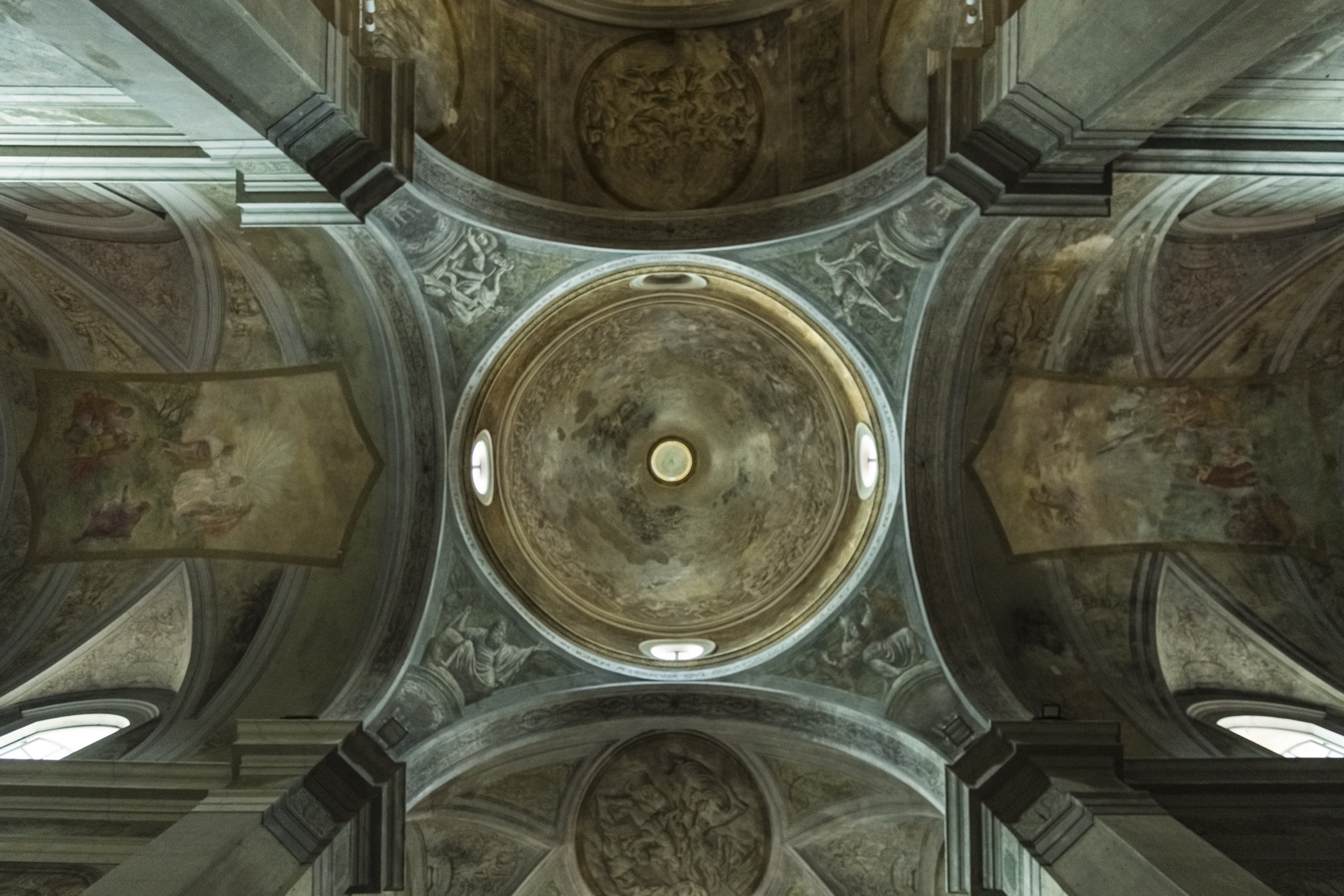 Photo: Wikimedia Commons (CC BY-SA 4.0)
 - Versilia's Liberty Architecture — Gran Caffè Margherita Year-round, on Viareggio's seafront promenade
Originally built in wood in 1902, demolished and rebuilt in masonry in 1928 by engineer Alfredo Belluomini working with ceramicist Tito Chini, whose colorful ceramic-tiled domes remain the recognized symbol of Belle Époque Viareggio. The wider Liberty (Art Nouveau) style took hold along the Versilia coast as wealthy Italian families began summering here from the early 1900s.
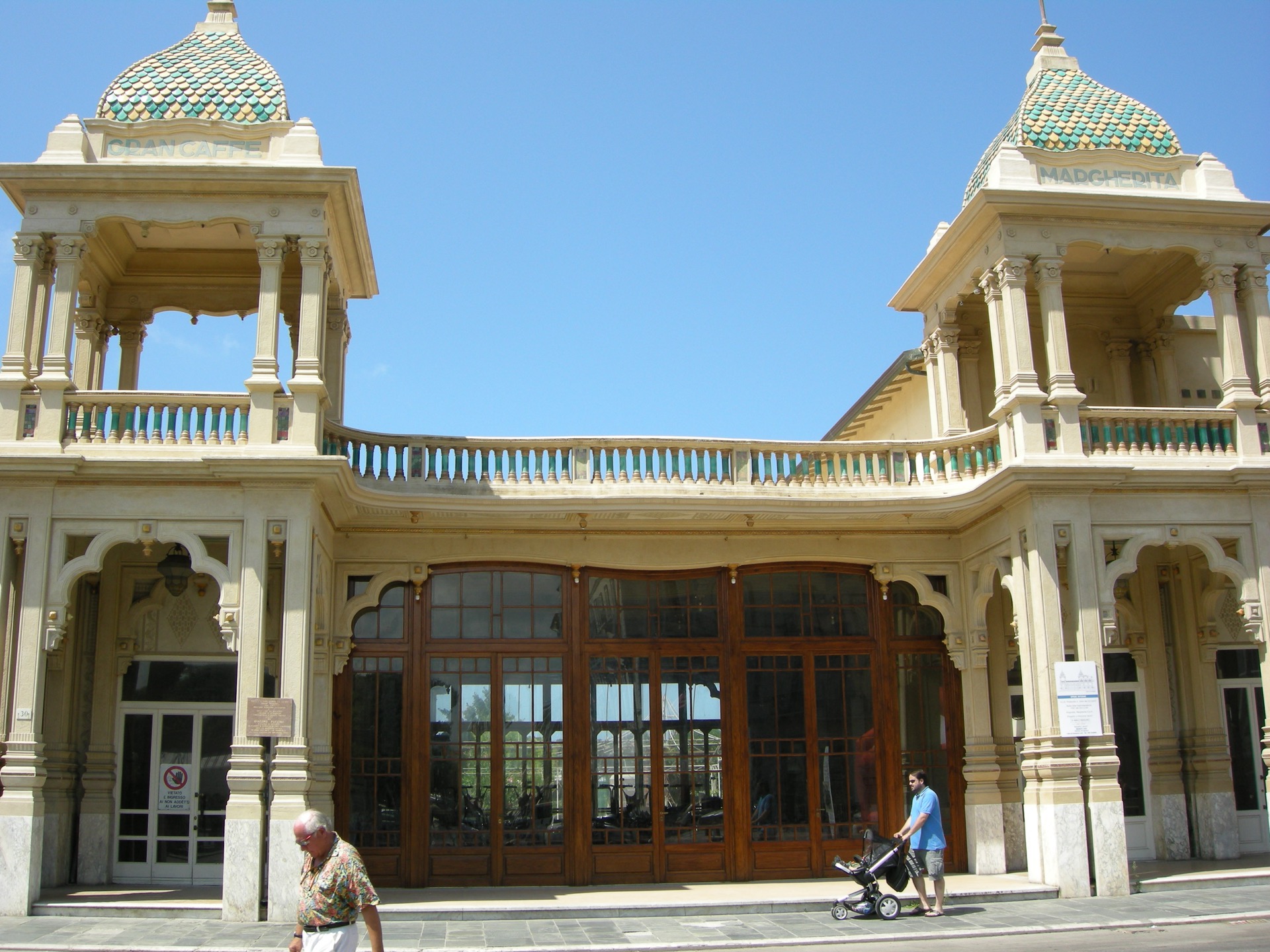 Photo: Sailko / Wikimedia Commons (CC BY-SA 3.0)
 - Puccini's Villa, Torre del Lago Year-round; the summer opera festival (since 1930) draws real crowds
Puccini settled at Torre del Lago in June 1891 while composing Manon Lescaut; Villa Puccini itself was completed in 1900, overlooking Lake Massaciuccoli. He composed Tosca, Madama Butterfly, La Fanciulla del West, La Rondine, and Il Trittico there. His son Antonio converted the villa into a museum in 1925, and Puccini is buried on site — the Torre del Lago opera festival launched the following decade and continues today.
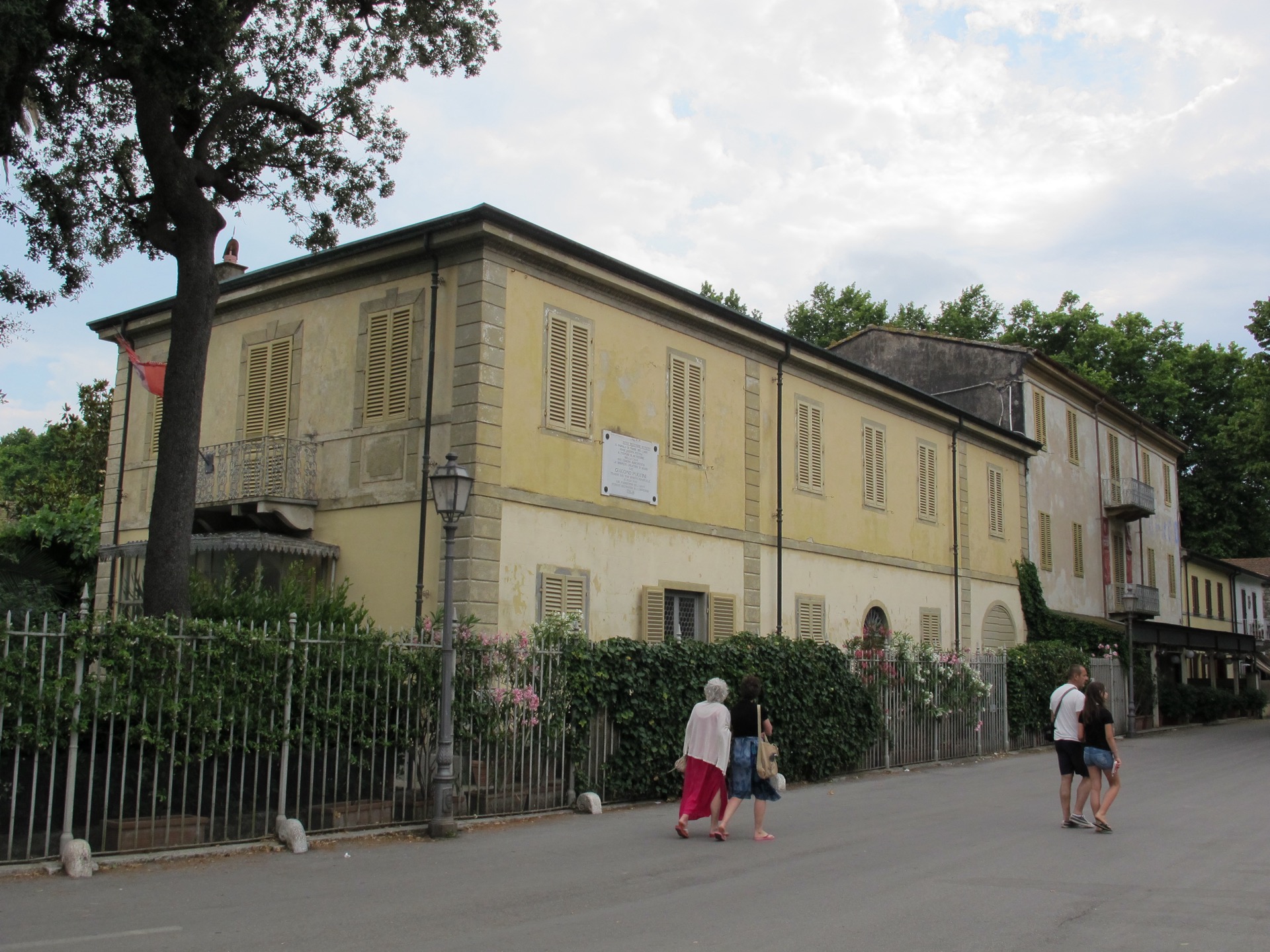 Photo: Sailko / Wikimedia Commons (CC BY-SA 3.0)
 - The Isola delle Femmine Reserve — and a Real Prison Myth, Busted Visitable by appointment only
A genuine 15-hectare protected islet roughly 300 meters offshore, established as a regional nature reserve in 1997 and managed by LIPU (Italy's bird-protection league) from 1998 — home to a significant nesting colony of the Mediterranean herring gull and a land snail species documented nowhere else. It carries a ruined defensive watchtower, the "Torre di fuori," built in the late 1500s as part of Sicily's coastal warning-tower network. A popular legend holds the tower was a prison exclusively for women — real historical research finds no evidence of this; it was a standard defensive tower. The town's own name carries a similarly unresolved history: historians propose at least three competing origin theories (an Arabic word for "mouth/entrance," a Byzantine governor named Euphemius, or a disputed Roman legend), and the popular "women exiled here as punishment" story is considered folklore, not documented fact. A genuinely unexpected real connection: families from this exact town emigrated to Pittsburg, Martinez, and Monterey, California in the fishing-industry migration — Isola delle Femmine is officially sister-cities with all three — and the parents of baseball's DiMaggio brothers (Joe, Vince, Dom) were born and raised here.
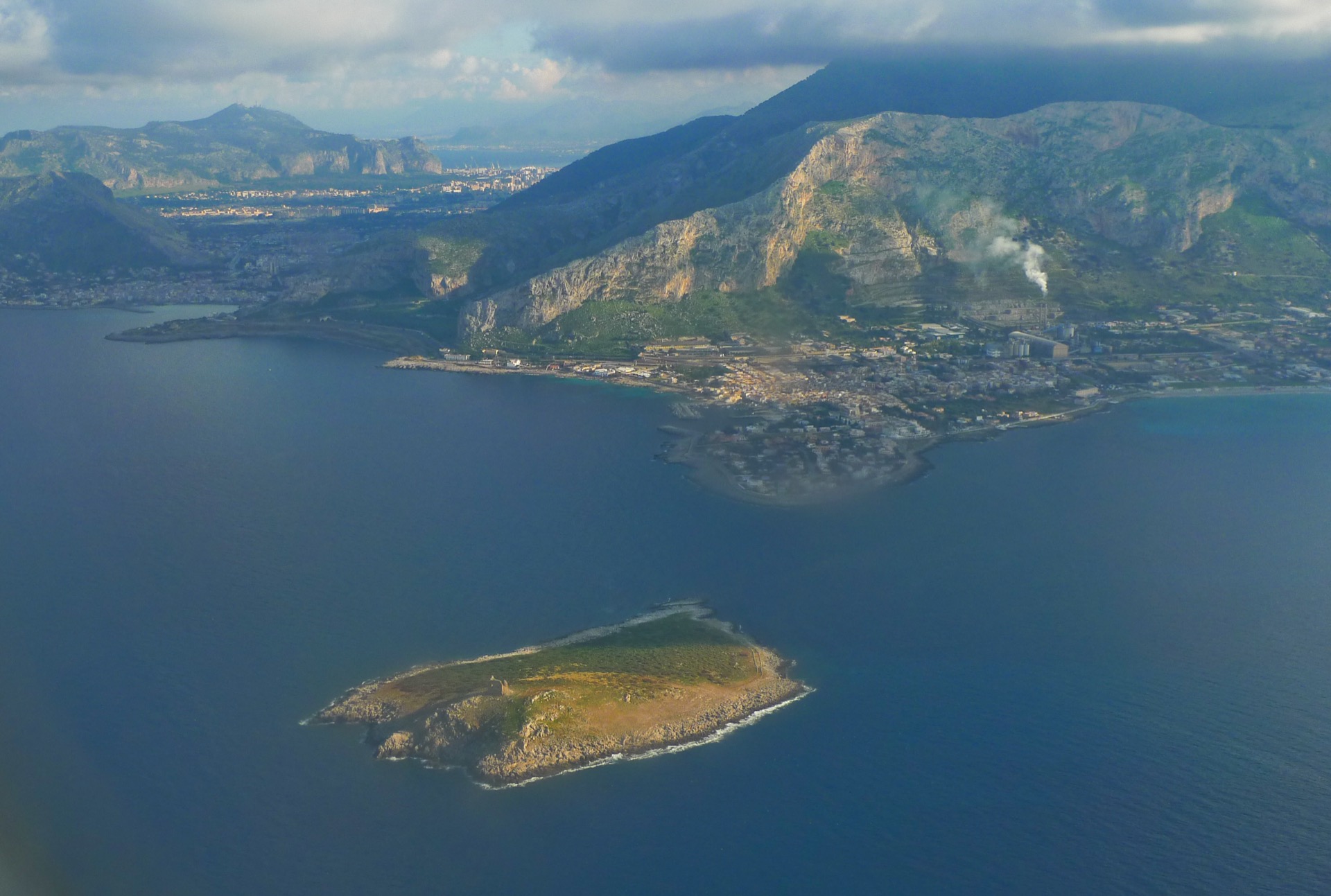 Photo: Gigi Agostino / Wikimedia Commons (CC BY 2.0)
 - Palermo's Arab-Norman UNESCO Heritage Year-round; a genuine half-day trip from Isola delle Femmine
"Arab-Norman Palermo and the Cathedral Churches of Cefalù and Monreale" was inscribed as a UNESCO World Heritage Site in 2015, comprising nine structures built during the Norman Kingdom of Sicily (1130-1194) — palaces, churches, the cathedral, a bridge, and the Cefalù and Monreale cathedrals. UNESCO cites it as physical evidence of the genuine fusion of Western, Islamic, and Byzantine building traditions under Norman rule, with construction on Palermo Cathedral itself beginning in 1184.
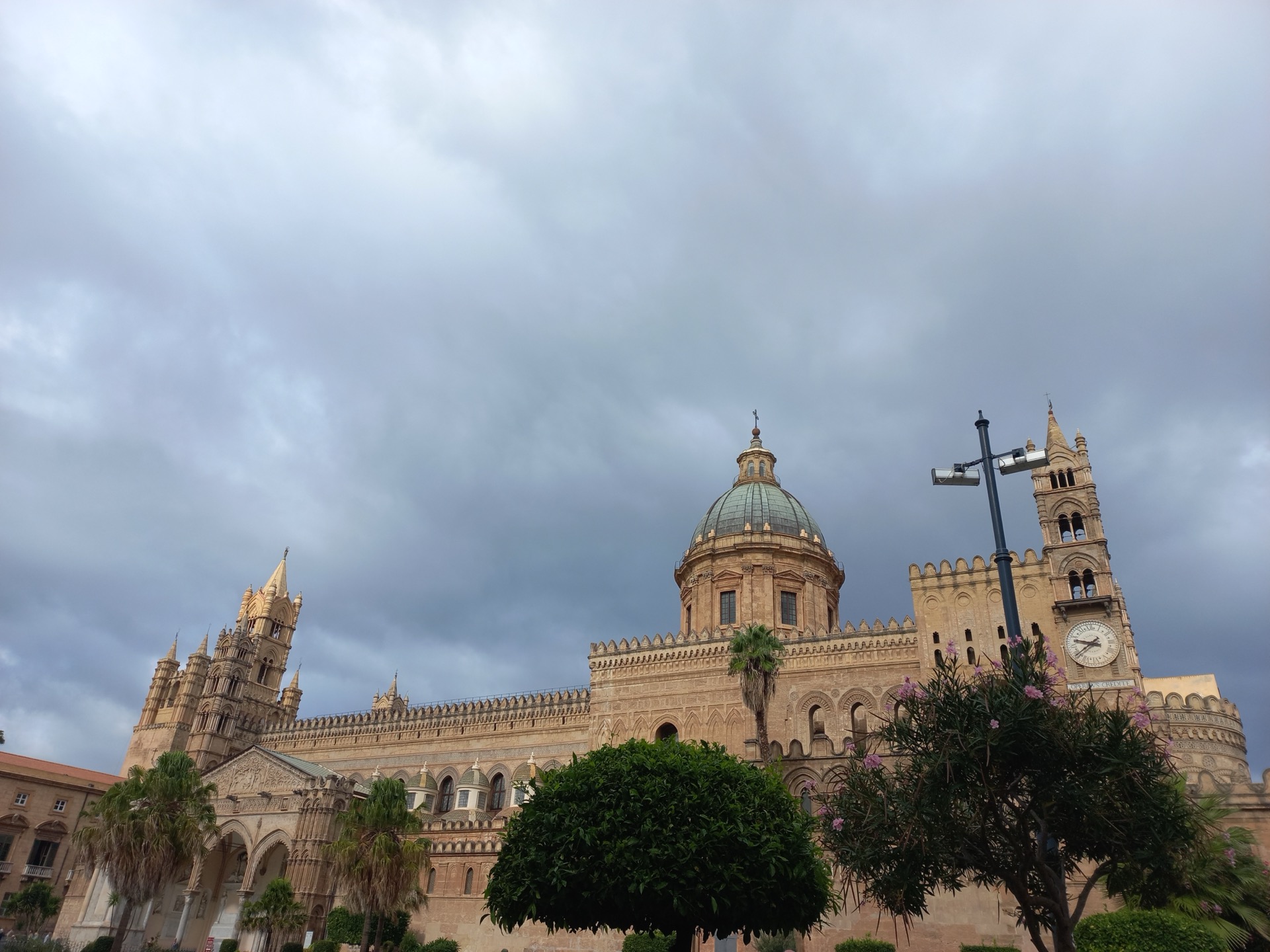 Photo: Carmelovunque / Wikimedia Commons (CC0)
 - Palermo's Arab-Rooted Street Food Ballarò market runs daily except Sunday
Palermo's signature street food traces directly to Arab rule: chickpea flour was introduced to Sicily during the 9th-11th century, and the technique of frying it into flat cakes evolved into today's panelle, usually served in a sesame roll. The Ballarò market — Palermo's oldest and largest — traces its own origins to the same period of Arab rule, and remains one of the best places to eat this tradition today, alongside arancina and cassata.
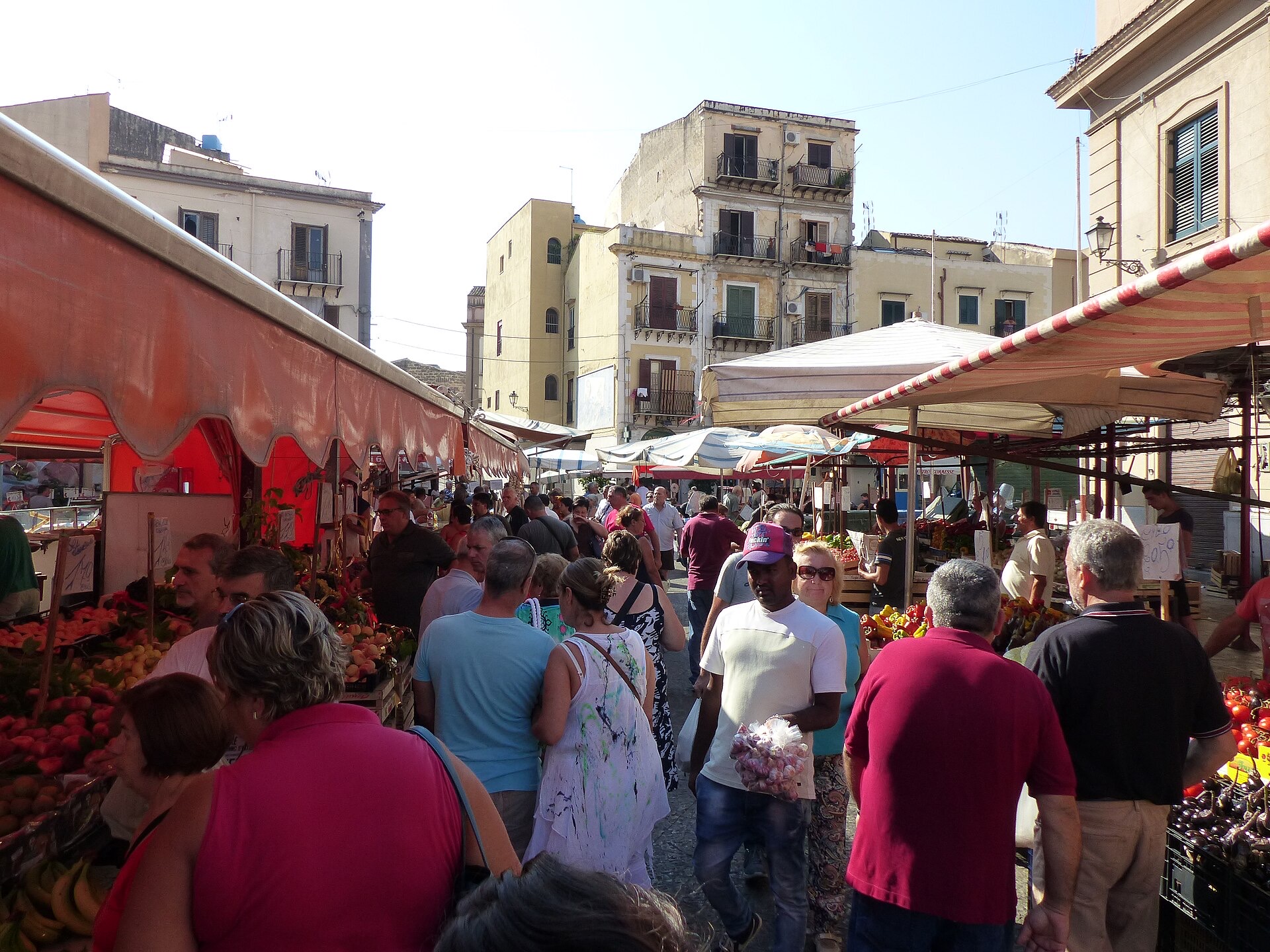 Photo: Wikimedia Commons (CC BY-SA 4.0)
Questions people actually ask.
Is this one coherent trip?
Two of the three hubs are. Levanto (Liguria) and Forte dei Marmi (Tuscany) are about 58 minutes apart by car — genuinely one mainland trip. Isola delle Femmine, in Sicily, is a different matter entirely: there's no realistic same-day drive. The practical link is a domestic flight (Palermo to Pisa, about 1 hour 20 minutes, roughly 11 times a week) or an overnight ferry (Palermo to Genoa, about 19-20 hours). Plan Sicily as its own separate trip.
Which airport should I fly into?
For Levanto, Genoa (about 68km) or Pisa (about 83km) are the real local options, neither with direct US service. For Forte dei Marmi, Pisa (about 43km, 30-45 minutes) is closest, with Florence as a secondary option — also no direct US flights. For Isola delle Femmine, Palermo Airport is genuinely one of the shortest airport-to-surf-town hops on this whole site, about 10-15 minutes — and it has limited but real direct US service: United flies Newark-Palermo nonstop about 3 times a week, and Neos runs a seasonal nonstop to New York JFK. Outside those windows, connect through Rome or another major European hub for any of the three.
Why does Levanto's surf season run opposite the area's tourist season?
Because the real swell window here is September through April, not summer. The Cinque Terre's hiking crowds peak in summer, when this coast typically goes flat; Levanto's own surf identity is a cooler-season one, driven by Libeccio and Maestrale swells. Worth planning around directly if surf is the priority over hiking season.
Is Forte dei Marmi really as upscale as it sounds?
Yes, genuinely and with real documented history, not just marketing. The Agnelli family (FIAT) summered at a villa here for 30+ years starting in 1926; Thomas Mann, Aldous Huxley, and sculptor Henry Moore were documented visitors in the 1920s-30s; and Andrea Bocelli has personally owned and operated a beachfront club here since 2017, named Italy's best beach club in 2025. A genuinely upscale resort town sitting directly on a real cold-water winter surf break is the distinctive combination here.
Disclosure & how this page works.
Straight talk: Some links on this page are affiliate links — if you book through them, Secrets of Surf Travel earns a small commission at no extra cost to you. We only link places and people we'd use ourselves, and coverage is never for sale. Those commissions are what keep this site running and fund the next trip.
Today, the "Search Vrbo rentals," "Search Booking.com stays," and "Search Agoda stays" links on this page are affiliate links — every vendor listing link is still a plain courtesy link. As partnerships with these local businesses come online, more links (and discount codes, where Secrets of Surf Travel benefits from their use) may earn us a commission, and this page will keep saying so plainly. Coverage is never for sale: nobody on this page paid to be here, and nobody can.
Every listing was researched in 2026 and is being verified in person. Prices, hours, and policies change — treat them as strong starting points and confirm directly with the business. And per the No-Reveal Code: you will find no surf spots on this page, ever.