
Guatemala
El Paredón is a black-sand, car-free village on a narrow spit of Pacific coastline, reached only by a mangrove-canal boat crossing or a dead-end dirt road — with a real, conservation-backed sea turtle nesting program woven into almost every visit. Sipacate, across the estuary, is the quieter mainland town most people pass through on the way in.
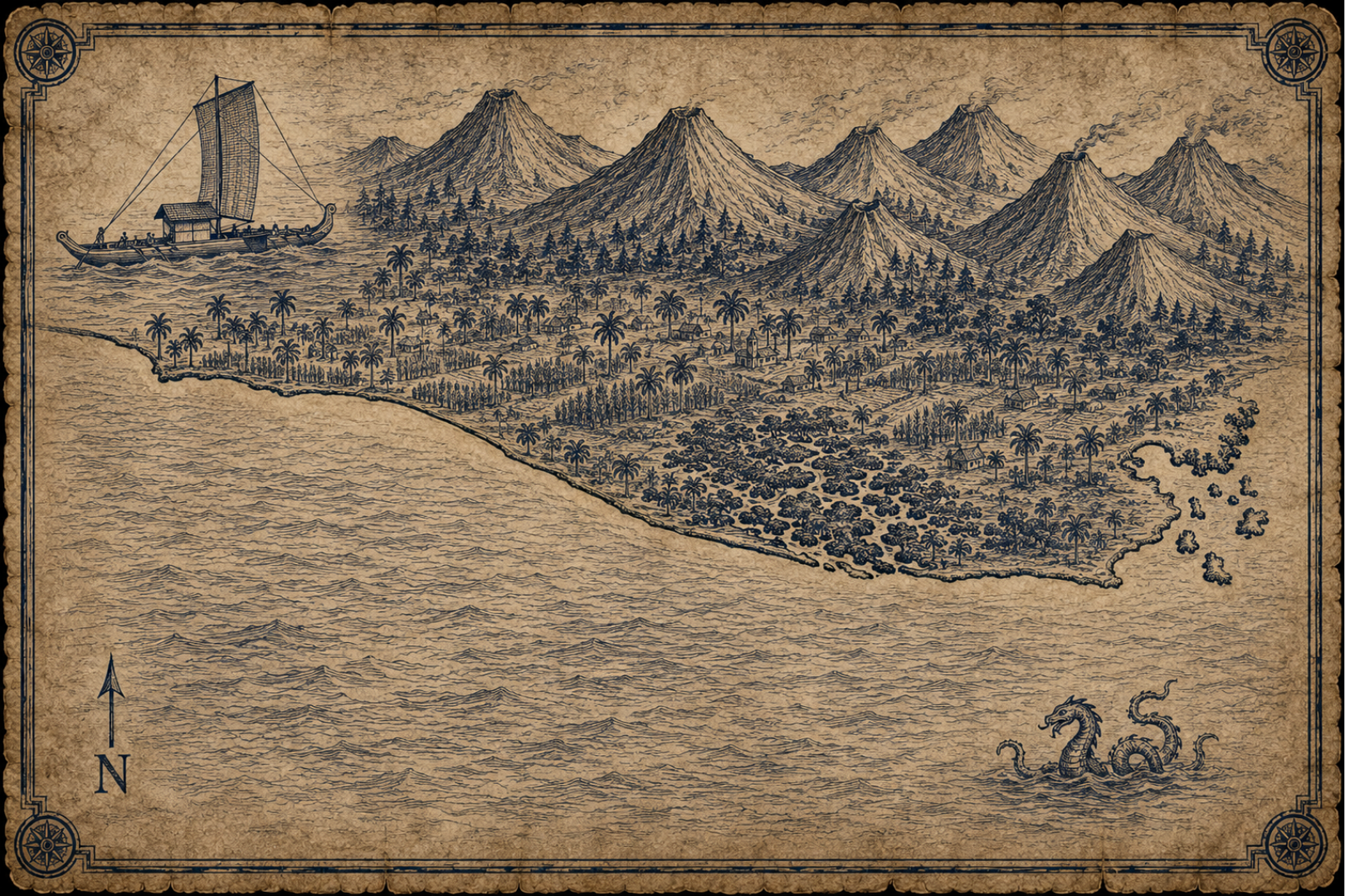

Straight talk: Some links on this page are affiliate links — if you book through them, Secrets of Surf Travel earns a small commission at no extra cost to you. We only link places and people we’d use ourselves, and coverage is never for sale. Those commissions are what keep this site running and fund the next trip.
Some vacation-rental search links on this page (marked “Search Vrbo rentals” or “Search Booking.com stays”) are affiliate links. Every vendor link below is still a plain courtesy link. As more partnerships come online, more links may earn us a commission; the promise above holds either way.
Getting There
Guatemala City's La Aurora International Airport (GUA) is the country's only real international gateway. From there, sources genuinely disagree on the exact drive time to El Paredón — figures range from roughly 2 to 3 hours depending on the routing tool and reference point — so treat roughly 2.5-3 hours, with the final ~14km on unpaved dirt track, as the safe range to plan around. From Antigua, it's just under 2 hours by direct shuttle or self-drive.
The mangrove-boat route is real and commonly used, not just a novelty: boats cross the Canal de Chiquimulilla from Puerto San José's pier (roughly 15 minutes, Q20-50 per person shared) or from Sipacate town itself (as little as 5 minutes, different crossing point) directly into "El Paredón Buena Vista."
Airlines to GUA from the US: Avianca flies year-round from LAX, JFK, and Washington-Dulles (seasonal Chicago, San Francisco); American from Dallas and Miami year-round (seasonal Chicago); Delta from Atlanta; Alaska from LAX; Frontier seasonally from Dallas and Orlando; United added a new Houston route in January 2026.
Documents: no visa needed for US citizens — a free entry stamp allows up to 90 days, part of the CA-4 zone shared with El Salvador, Honduras, and Nicaragua, renewable once for up to 180 days total through Guatemalan immigration. Passport valid 6+ months beyond entry, with at least one blank page. Proof of onward travel may be requested.
Ground Transport
- Guatemala drives on the RIGHT, same as the US. Real hazards worth knowing: potholes, unmarked speed bumps, unpaved stretches, no highway lighting at night, and landslide risk in rainy season on mountain roads. Standing advice across every source: don't self-drive after dark outside towns, and bring an International Driving Permit alongside your home license if renting.
- El Paredón to Sipacate is really a boat crossing, not a road trip — about 5 minutes across the estuary from Sipacate's dock. A land route exists but is a long way around and not how anyone actually makes this crossing.
- Shuttles: tourist shuttle from Antigua runs roughly Q110/person (~2hrs, daily, book ahead); private shuttle roughly Q700 flat (up to 3 people) from Antigua or Q850 from Guatemala City/GUA.
- Chicken buses run from Guatemala City's South Terminal toward the coast, but no route runs a chicken bus all the way into El Paredón itself — plan on a shuttle or private transfer for the final leg.
- Rental cars work fine for the paved majority of the route, but the unpaved final stretch and general road-hazard profile make a shuttle or private transfer the more commonly recommended option, especially for a first trip.
When to Go & What to Pack
- November-April (dry season) brings the most consistent south/southwest swell with clean morning offshore winds along this stretch of black-volcanic-sand beach break. May-October (rainy season) still delivers consistent S/SW swell, described by some as punchier and favored by more experienced surfers — alongside real daily rain.
- Water temperature: a warm, steady 79-84°F (26-29°C) year-round. No wetsuit needed at any point — a rashguard for sun protection is the real gear call here.
- A genuine positive: Guatemala's Pacific coast sits outside the direct path of Atlantic hurricanes. That risk concentrates on the country's Caribbean side (Izabal department) instead. The Pacific coast can still see Eastern Pacific storm activity and heavy monsoonal rain June-November, but it's a materially different — and lower — risk profile than the Caribbean side.
Good to Know
- Currency: Guatemalan Quetzal (GTQ), roughly 7.6 to $1 USD.
- Language: Spanish, official and dominant on this coast. Guatemala is also home to 20+ Mayan languages, though that presence concentrates more in the highlands than on the Escuintla coast.
- Tap water: not safe to drink anywhere in this zone — bottled or purified water only, including for brushing teeth, and skip ice unless you can confirm it's purified.
- Emergency numbers: Guatemala doesn't use 911 — Police 110, Ambulance/Fire 122. A dedicated English-speaking tourist assistance line also exists: 1500 (ASISTUR/PROATUR).
- Connectivity: Claro and Tigo are the two dominant carriers. Claro is generally the easier pick for visitors — cheaper prepaid plans and full eSIM support; Tigo has broader rural coverage but no eSIM option.
- Cost of living: a genuinely budget-friendly zone — figure roughly $60-70/day covering a bed, meals, a few beers, board rental, and a tour. Hostel dorm beds run around $5/night, private rooms from roughly $41 (some as low as $8). Restaurant meals run $10-15; surf instruction run roughly Q180-200/hour (~$24-26).
Respecting the Locals
This stretch of black-volcanic-sand coast runs on a mangrove-boat economy — locals cross the Canal de Chiquimulilla by boat the way other places drive, and that same estuary is how you'll get around too. It's also a genuinely budget-friendly zone by this site's standards, which means the food stalls, the boatmen, and the small guesthouses you'll pass are a bigger share of the local economy here than in a wealthier destination. Guatemala's coast is Spanish-speaking, distinct from the Mayan-language highlands, and a working fishing-and-surf community, not a resort strip.
- Locals get first priority, always. Watch a session before you paddle out. Learn who's who before you learn the wave. Sit inside and catch what they let through — the leftovers are yours, not the set waves.
- Don't backpaddle. Ever. Being in position doesn't make the next wave yours, especially if you didn't wait your turn. If a local wants a wave, let them have it…even if it IS your turn. That older guy who may not be the best surfer out there has probably been surfing that wave before you even sat on a board. If you don't know someone, assume they're local.
- Don't snake. This shouldn't even need to be said, but…dropping in on someone, local or not, is the ultimate disrespect and the fastest way to be sent out of the water. Don't be that guy!
- Say hi. A “howzit,” “whatsup,” or “nice wave,” eye contact, or a nod in the channel — it costs nothing and it's the fastest way from stranger to welcome.
- This is somebody's home, not a resort amenity. The break you're surfing is where a local kid learned to swim, where someone's uncle has surfed for forty years. Act like a guest, because you are one.
- Spend where it actually helps. The food truck, the local shaper, the family-run rental, the local photographer — that's where a surf trip's money should land, not just the chain hotel gift shop. See The No-Reveal Code for why that's the whole premise of this site.
- Leave it better than you found it. Pick up trash that isn't yours. Don't touch reef, wildlife, or cultural sites.
Locals have watched hundreds, if not thousands, of people come and go — some for days, some for months or years — and almost all of them eventually go home. The locals are still there. It takes many, many years to actually become one. Keep that in mind the next time you feel entitled to the same waves they get.
None of this is a secret handshake. It's just how you'd want a guest to act in your own backyard.
El Paredón
A black-sand village on a narrow spit of coastline where nearly everything is a 10-minute walk away and there are no cars in town — real tourism infrastructure concentrates here, not in Sipacate across the water. A genuine, conservation-backed sea turtle nesting program (independently corroborated by the international NGO Seacology) is woven into the village's identity, alongside a growing digital-nomad and surf-camp scene.
El Paredón's stays run from a Guatemalan-owned eco-hostel to boutique pool properties and an upper-end surf camp built around an infinity pool and bamboo yoga deck.
Surf Guides & Board Rental
- Zoah Boutique Hotel & Surf School60m from the beachPrivate and group instruction plus 5-day surf camps, with an on-site yoga studio and Starlink-backed co-working space.@zoahsurfelparedon
- Cocorí LodgeEl ParedónHome base for the local surf break — stocks leashes, fins, and sunscreen, and runs a volunteer program.@cocorilodge
- Paredon Surf HouseEl ParedónThe iconic stilted-bungalow surf house on the beach — the Financial Times once called it "Crusoe-style."@paredonsurfhouse
- Green Belly Surf Lodge50m from the beachA Guatemalan-owned operation running beginner instruction alongside more advanced guiding and yoga.@greenbellysurflodge
- Escuelita de Surf Torre FuerteEl ParedónA small, family-run outdoor rental and instruction operation led by Juan Carlos and coaches Emilio and Yuseph — genuinely local, not a foreign-owned camp.
Stays
- MacarenaEl ParedónBudgetAn eco-hostel and one of the few 100% Guatemalan-owned properties in the village.
- Casa ZalaEl ParedónBoutiqueCapped at 17 guests — pool, yoga area, full kitchen, 3 king suites plus 2 queen rooms and a studio.@casazala
- Zoah Boutique HotelEl ParedónBoutiqueSee surf listing above — doubles as one of the village's better-appointed stays.
- Shanti Surf CampEl ParedónUpper6 architect-designed suites around an infinity marble pool and a 250m² bamboo yoga structure — all-inclusive retreat meals, 9.3/10 on Booking.com.@shantisurfcamp
Where to Eat
- DoshaEl ParedónMid-rangeThe village's first vegetarian/vegan restaurant, run by an Ayurvedic-trained chef — a plantain-tortilla specialty, and the only laptop-friendly wifi café in town.
- The Driftwood SurferBeachfrontMid-rangeBeachfront surf-hostel restaurant."The best fish and chips we've ever had." — reviewer
- PacificoEl ParedónMid-rangePizza, pasta, and burgers."Easily one of the best pizzas we've had outside of Italy." — reviewer
- Cafecito Del MarEl ParedónBudgetCoffee and smoothie bowls — regularly cited as some of the best coffee in Guatemala.
- Chef in Flip FlopsEl ParedónUpperA weekly-changing tasting menu, notably more ambitious than the village's usual casual fare.
Wheels: Scooter & ATV Rentals
- Simoon Rentals & ToursEl ParedónThe only ATV-tour and scooter-rental operator based in the village itself — scooters from roughly $17/hour including gas.
Standalone car rental is thin locally — most visitors rent in Guatemala City or Antigua and drive in.
Surfboard & Ding Repair / Surf Shops
Genuinely nonexistent as standalone businesses — multiple sources explicitly advise bringing your own repair kit, since the village doesn't yet support specialized services. Board rentals run informally through the surf camps and hostels listed above instead.
Massage & Wellness
No independent spa or standalone massage business found — wellness here is folded into hotel offerings, with Casa Zala and Shanti Surf Camp both arranging yoga and massage for guests and retreat groups on request.
Other Adventures
- Tortugario El ParedónEl ParedónBudgetThe village's sea turtle sanctuary — nest protection and hatchling releases, typically at sunrise, for a small Q10-20 donation.
- El Paredón ToursDeparts the village dockMid-rangeLocally guided whale-watching boat tours (December-May, humpbacks) with marine biologists — a portion of every booking funds the village's secondary school.
Sipacate
Honestly, Sipacate is the mainland gateway town, not a parallel surf-town hub — this is where you park and catch the boat across the estuary to El Paredón. Its own draw is separate: it sits right alongside Sipacate-Naranjo National Park's mangrove system, a genuine destination in its own right for boat tours and birdwatching.
Sipacate's stays are simple and budget — a bunk-room surf camp and a straightforward hotel with free breakfast and parking — though double-check which side of the estuary a "Sipacate" listing is actually on before booking.
Surf Guides & Board Rental
None based in Sipacate itself — every surf school and rental operation on this zone sheet is across the water in El Paredón.
Stays
- El Paredon Surf CampRegistered under SipacateBudgetBudget bunk rooms and cheap meals — one reviewer called it "the best kept secret in Guatemala."
- Mayan Surf HotelSipacateBudgetFree breakfast, wifi, and parking.
Worth knowing: several "Sipacate"-tagged listings on booking platforms are physically located in El Paredón — geography here gets conflated on search sites often enough that it's worth confirming a stay's actual side of the estuary before booking.
Where to Eat
- Restaurante El PelicanoSipacateBudgetSeafood and traditional Guatemalan fare.
- El PescadorSipacateBudgetAnother local seafood spot.
A real correction worth stating: Restaurante El Rancho appears widely on booking sites as a Sipacate restaurant, but the management itself confirmed on Tripadvisor that this location closed around 2017 and relocated to Cocales, Patulul — it's not currently operating in Sipacate and isn't listed here.
Wheels
No dedicated rental operator based in Sipacate town — most visitors drive in from Guatemala City or Antigua and park at the boat launch before crossing to El Paredón.
Surfboard & Ding Repair / Massage & Wellness
Neither category has a confirmed standalone business in Sipacate — the same honest gap as El Paredón, more pronounced here.
Other Adventures
- Sipacate-Naranjo National Park mangrove toursDeparts Sipacate's dockMid-range1.5-hour (Q350, 2-7 people) or 3-hour (Q700, 2-7 people) boat tours through tunneled mangrove canals — herons, pelicans, egrets, iguanas, and crocodiles.
Deep-sea and sailfish fishing charters exist on this coast but are based out of neighboring Puerto San José and Iztapa, not Sipacate itself — worth knowing before you go looking for one locally.
Local Secrets
Six non-surf reasons this zone rewards the curious — a real sea turtle conservation program, a mangrove canal system thick with wildlife, and Mesoamerica's oldest monumental stone sculpture tradition, a short trip inland.
- Sea Turtle Nesting & Hatchery September-early December for evening hatchling releases, peak October-November
El Paredón sits on an active olive ridley and green sea turtle nesting beach. The local hatchery, Tortugario El Paredón, buys eggs back from local collectors — a genuine harm-reduction model, since collecting is otherwise common and legal in Guatemala — reburies them in a protected hatchery, and runs community-led hatchling releases. Independently corroborated by the international conservation NGO Seacology, not just travel-blog marketing.
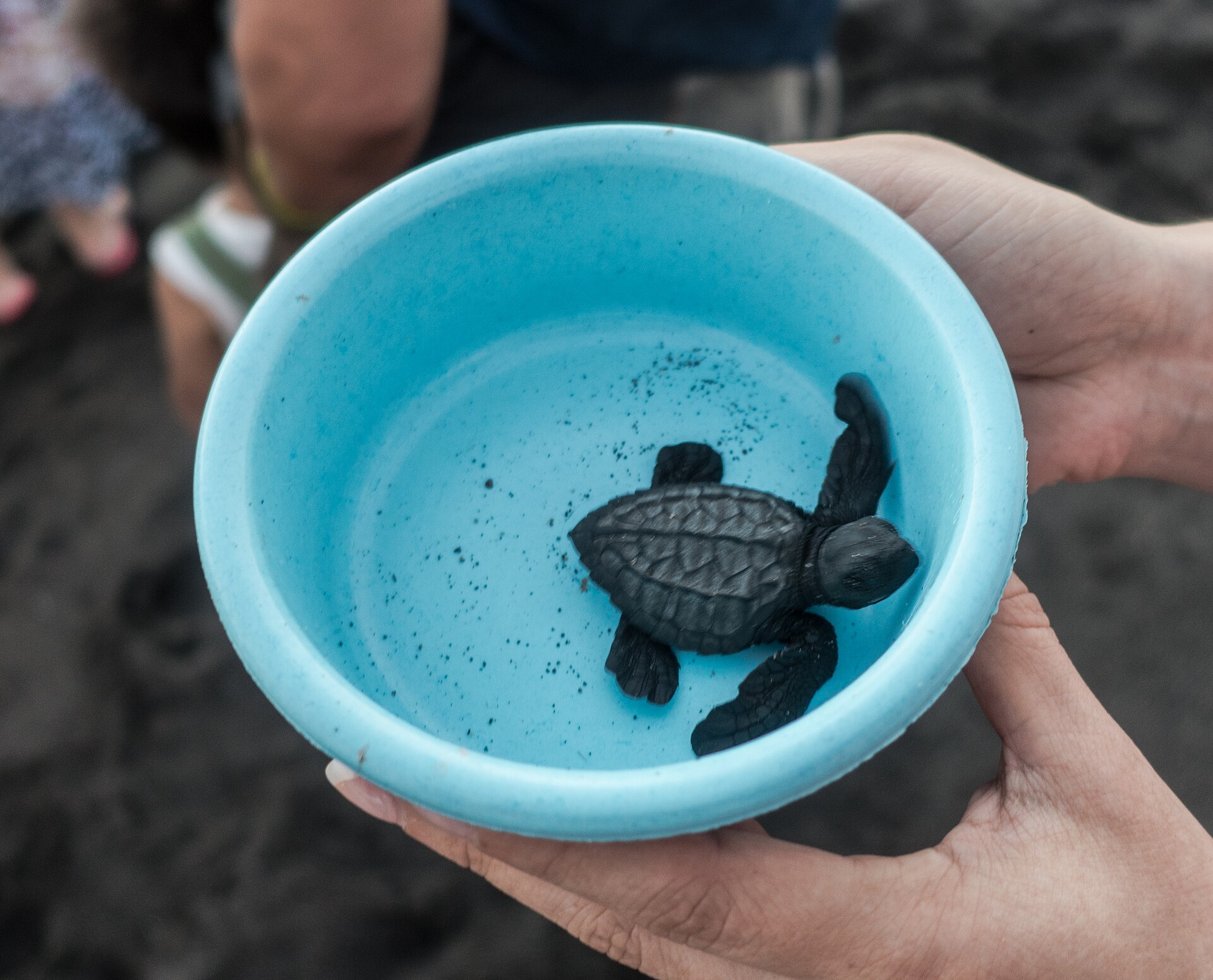 Photo: DrStockPhoto.com / Wikimedia Commons (CC BY 4.0) — photographed at Monterrico, ~150km down the same Pacific coast, same hatchery model and species as El Paredón's own program
 - Sipacate-Naranjo National Park Mangrove Tours Early morning, dry season (Nov-Apr), for calm water and best wildlife activity
El Paredón and Sipacate sit beside a red-mangrove estuary system that's part of the 140km Canal de Chiquimulilla, which begins at the Sipacate lagoon. Boat tours run through tunneled mangrove canals with regular sightings of herons, pelicans, egrets, and iguanas.
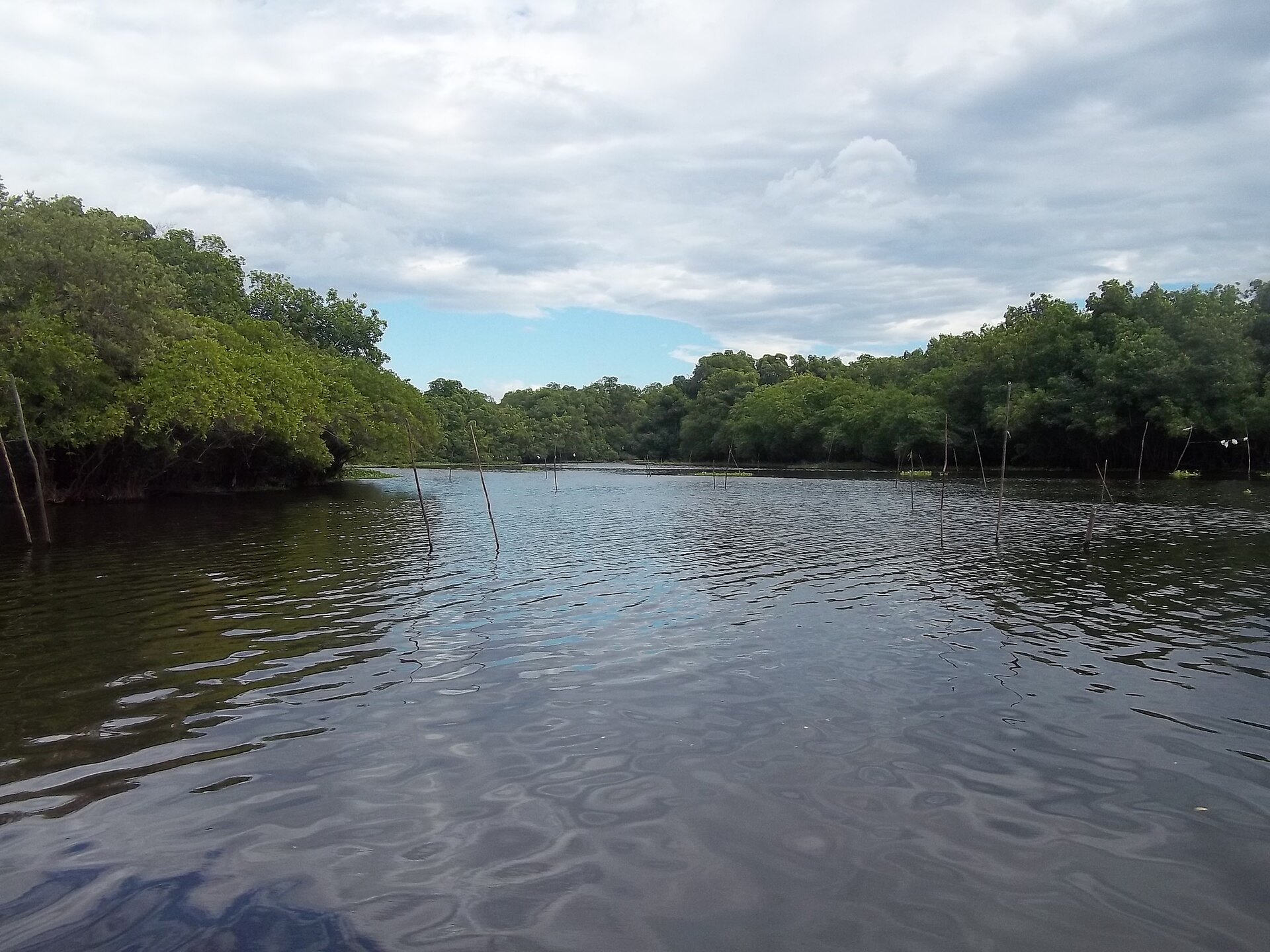 Photo: Simon Burchell / Wikimedia Commons (CC BY-SA 4.0) — photographed further along the same 140km canal near Taxisco
 - Mangrove Wildlife — Spectacled Caimans Dawn or dusk, dry season, for the best basking activity
Tour operators specifically advertise caiman sightings as a highlight of the mangrove canal system — this is genuine, documented habitat, not an exaggerated claim for tourists.
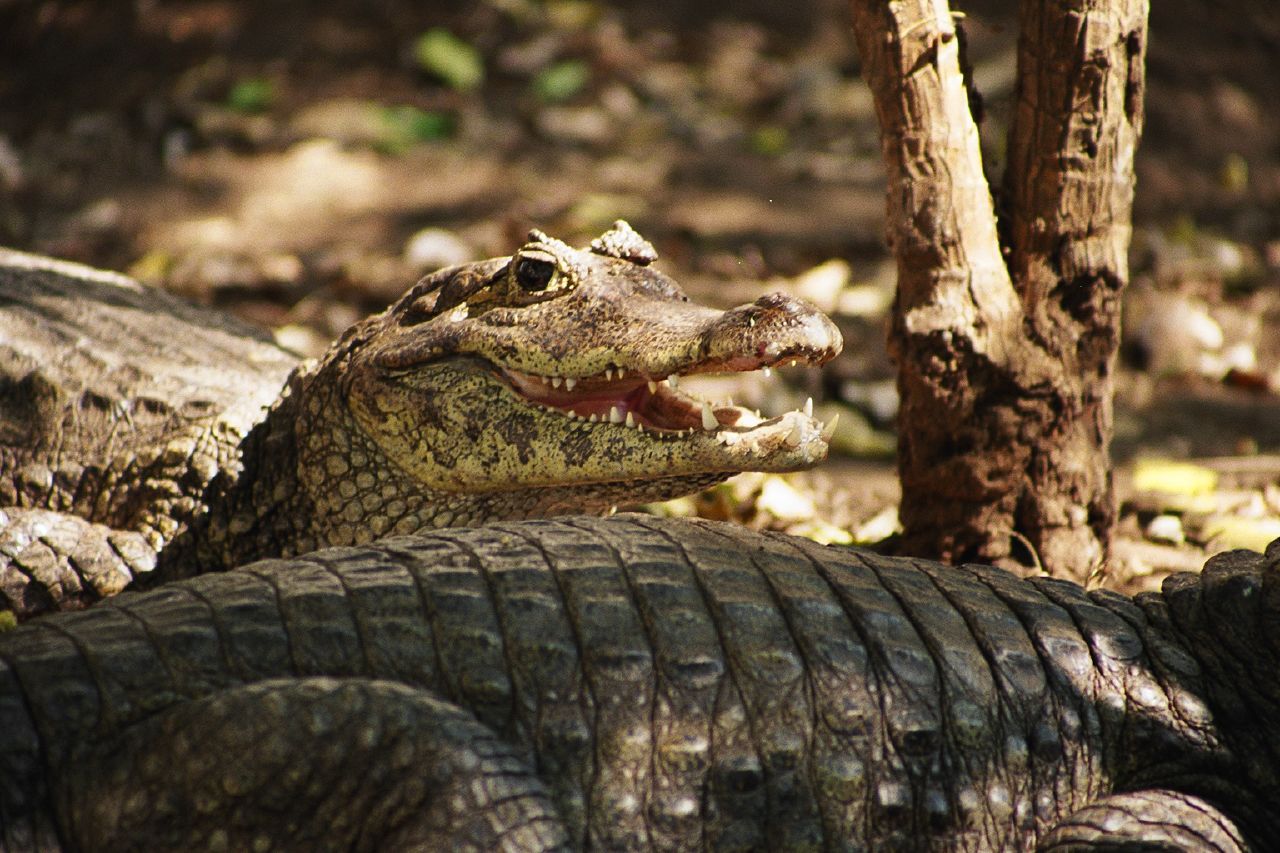 Photo: Bruno Girin / Wikimedia Commons (CC BY-SA 2.0) — photographed at Monterrico, same coastal mangrove system
 - La Democracia's Monte Alto Stone Heads Daytime, dry season (Nov-Apr) — the sculptures sit outdoors in the town square
The town of La Democracia, a day trip inland toward Escuintla, displays colossal Olmec-influenced stone heads and "potbelly" (barrigón) sculptures from the nearby Monte Alto archaeological site, dated roughly 500-200 BCE — considered among the oldest monumental sculpture traditions in Mesoamerica.
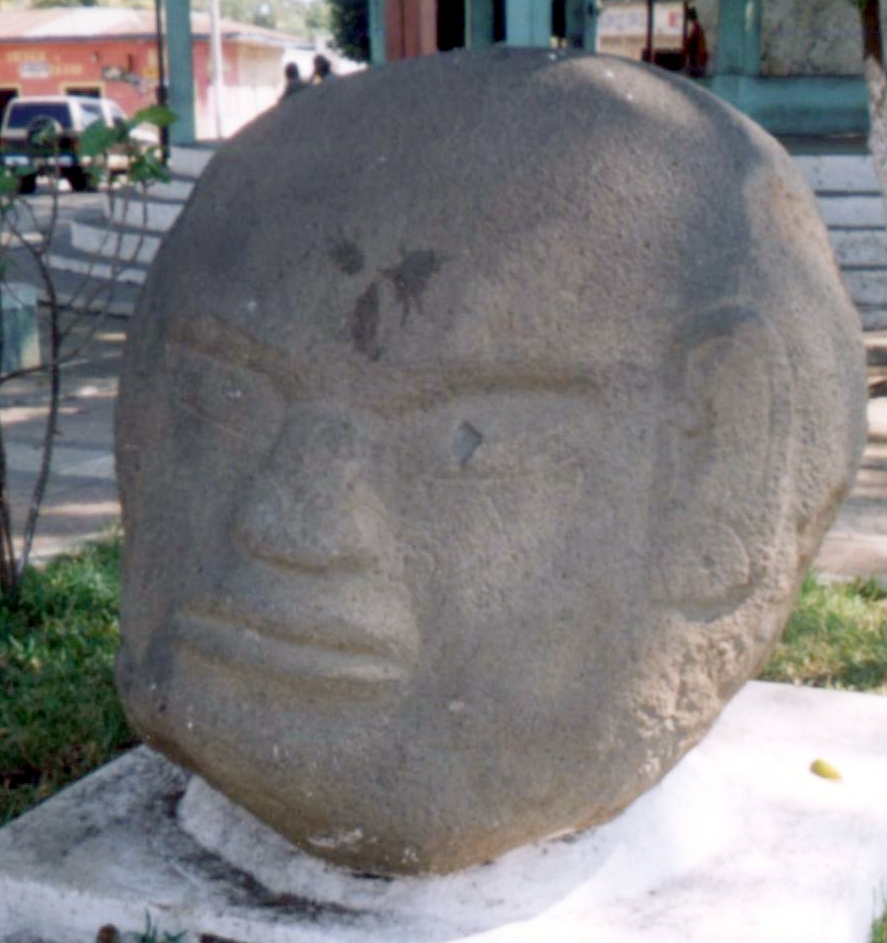 Photo: Simon Burchell / Wikimedia Commons (CC BY-SA 3.0)
 - Black Volcanic Sand Beaches Early morning or after 4pm — the sand gets very hot midday
This whole stretch of coast is formed from eroded volcanic lava and ash, washed down from Guatemala's inland volcanoes and ground fine by the Pacific — the source of the black sand that defines El Paredón and Sipacate's beaches alike.
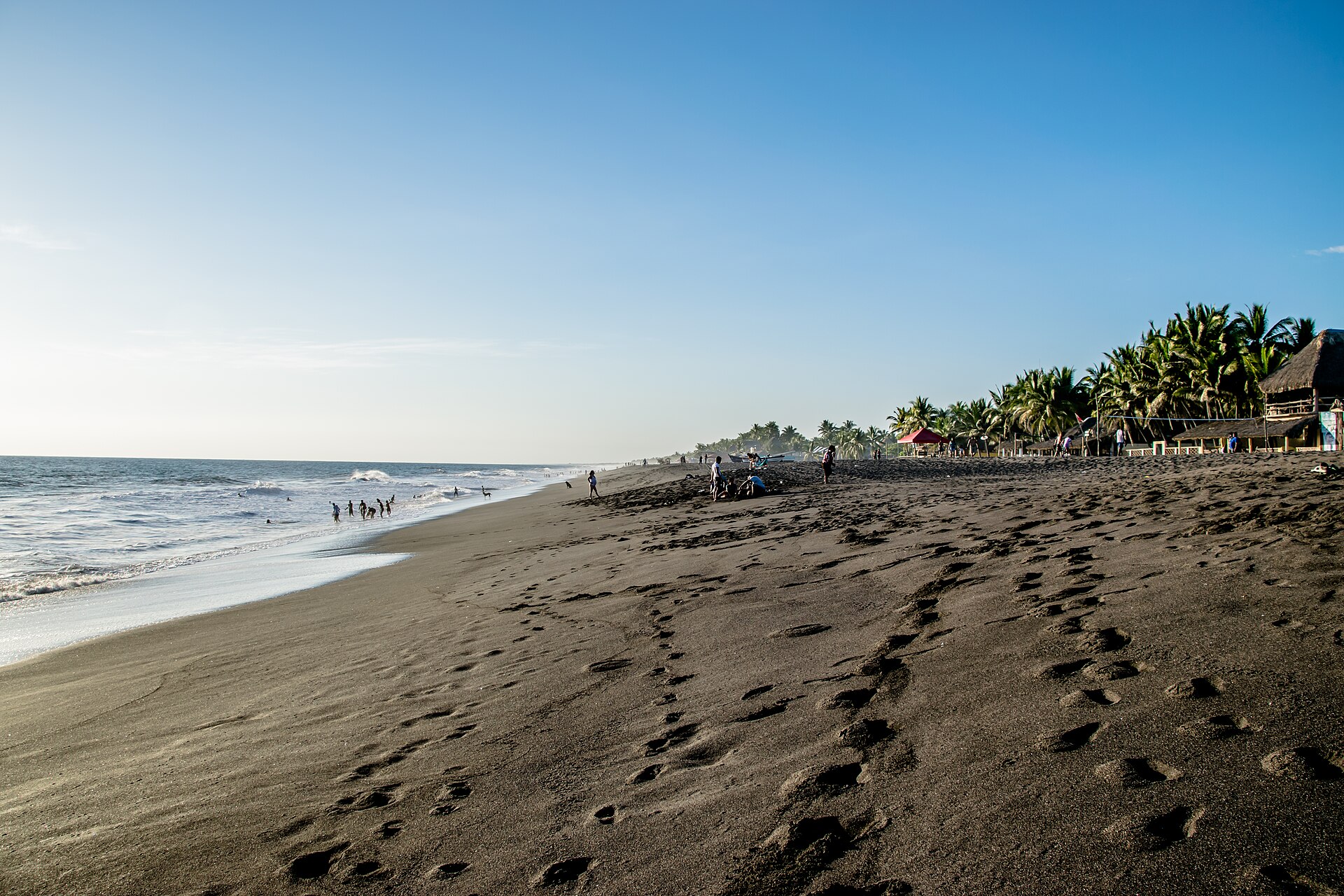 Photo: DrStockPhoto.com / Wikimedia Commons (CC BY-SA 4.0) — photographed at Monterrico, same volcanic coastal sand system
 - Sipacate Town Center Daytime
Sipacate's municipal building anchors a genuine, functioning town square — a useful reminder that this is a real Guatemalan municipality serving as your gateway in, not just a boat dock.
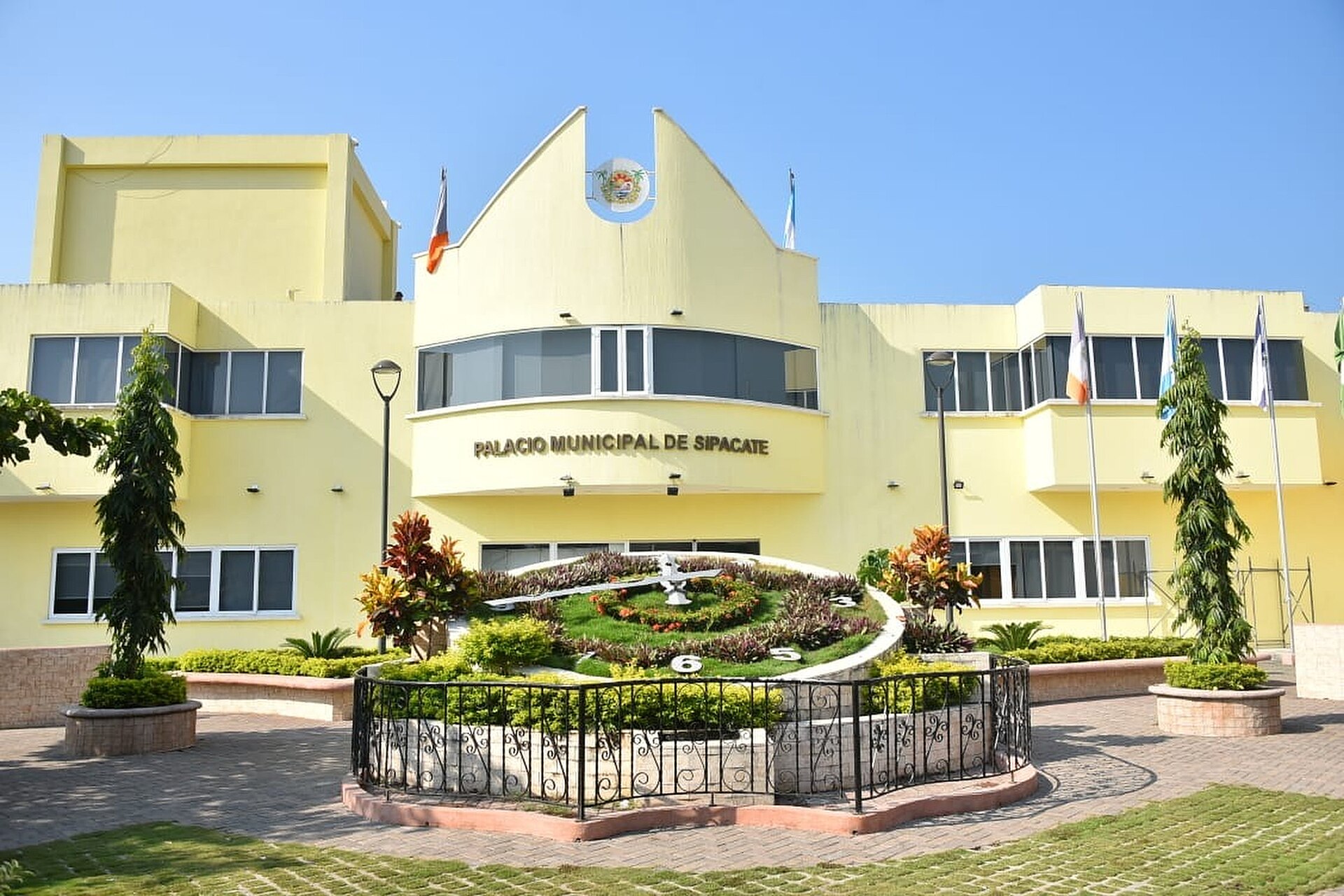 Photo: Gobierno de Guatemala / Wikimedia Commons (Public Domain)
Questions people actually ask.
How do I actually get to El Paredón?
Fly into Guatemala City (GUA), the country's only international gateway. From there it's roughly 2.5-3 hours by road or shuttle, with the final ~14km into El Paredón running on unpaved dirt track. The other real option: drive or shuttle to Puerto San José or Sipacate, then take a short boat crossing through the mangrove-lined Canal de Chiquimulilla — about 15 minutes from Puerto San José, or as little as 5 minutes from Sipacate town itself. Both routes are genuinely used; which one makes sense depends on where you're coming from.
Is Guatemala safe to visit?
The US State Department rates Guatemala at Level 3, Reconsider Travel, with specific Do Not Travel zones in San Marcos and Huehuetenango departments and parts of Guatemala City — all far from this zone. Worth knowing specifically: official guidance treats Pacific coast trips to Escuintla and Santa Rosa departments (where El Paredón and Sipacate sit) as normal tourism routes alongside Antigua, Lake Atitlán, and Tikal, with practical advice to arrange transport through your hotel and travel the coast road only in daylight. Separately, and just as important: this coast's beaches have real currents and undertow with no lifeguards — that's an ocean-safety fact for swimmers and surfers alike, not a crime-risk one.
Do I need a visa?
No visa needed for US citizens. A free entry stamp allows up to 90 days, part of Central America's CA-4 zone (Guatemala, El Salvador, Honduras, Nicaragua) — renewable once for up to 180 days total via Guatemalan immigration. Passport must be valid 6+ months from your entry date with at least one blank page.
Is Sipacate worth visiting on its own, separate from El Paredón?
Honestly, most of the surf-town infrastructure — surf schools, restaurants, hotels — is concentrated in El Paredón, not Sipacate itself. Sipacate functions more as the mainland gateway town and boat launch, with its own separate draw being the Sipacate-Naranjo National Park mangrove system right alongside it. Plan on El Paredón as your base, with Sipacate as the way in and a mangrove-tour add-on.
When should I go, and do I need a wetsuit?
November-April (dry season) brings the most consistent south/southwest swell with clean morning offshore winds. May-October (rainy season) still delivers consistent swell — some describe it as punchier, favored by more experienced surfers — alongside more rain. Water runs 79-84°F (26-29°C) year-round; no wetsuit needed, a rashguard is the real gear call for UV. Guatemala's Pacific coast is also not in the direct path of Atlantic hurricanes, unlike the Caribbean side of the country.
Disclosure & how this page works.
Straight talk: Some links on this page are affiliate links — if you book through them, Secrets of Surf Travel earns a small commission at no extra cost to you. We only link places and people we’d use ourselves, and coverage is never for sale. Those commissions are what keep this site running and fund the next trip.
Today, the “Search Vrbo rentals” and “Search Booking.com stays” links on this page are affiliate links — every vendor listing link is still a plain courtesy link. As partnerships with these local businesses come online, more links (and discount codes, where Secrets of Surf Travel benefits from their use) may earn us a commission, and this page will keep saying so plainly. Coverage is never for sale: nobody on this page paid to be here, and nobody can.
Every listing was researched in 2026 and is being verified in person. Prices, hours, and policies change — treat them as strong starting points and confirm directly with the business. And per the No-Reveal Code: you will find no surf spots on this page, ever.