
Guadeloupe
This site's first French zone — Euro pricing, French-first language, and entry rules genuinely different from every other Caribbean zone here. Le Moule's Atlantic-facing reef break sits on a former sugar-export port with a real working rum distillery; Sainte-Anne trades the surf focus for beach-resort polish and a serious kitesurf lagoon.
Straight talk: Some links on this page are affiliate links — if you book through them, Secrets of Surf Travel earns a small commission at no extra cost to you. We only link places and people we’d use ourselves, and coverage is never for sale. Those commissions are what keep this site running and fund the next trip.
Some vacation-rental search links on this page (marked “Search Vrbo rentals” or “Search Booking.com stays”) are affiliate links. Every vendor link below is still a plain courtesy link. As more partnerships come online, more links may earn us a commission; the promise above holds either way.
Getting There
Pointe-à-Pitre (PTP) is the gateway airport, but direct US service is genuinely limited. Air France flies Miami-PTP year-round (a Paris-based carrier routing through Miami, not a US carrier), and American Airlines flies it seasonally — confirm current dates before booking. From anywhere else in the US, expect a connection through Miami, San Juan, or Paris.
Documents: no visa needed for US tourists. Guadeloupe is a French overseas department, part of the EU and eurozone, but explicitly not part of the Schengen Area — different entry rules apply than mainland France. A 90-day-within-180-day allowance is commonly cited, but the exact relationship between that clock and mainland Schengen time couldn't be confirmed against a fully authoritative source in this research — verify directly if combining this trip with mainland Europe travel.
Ground Transport
- PTP airport to Le Moule: ~24km, ~24 minutes. PTP to Sainte-Anne: ~14 miles, ~24 minutes. Le Moule to Sainte-Anne: ~15km, ~16 minutes — both hubs sit close together on Grande-Terre.
- Rental car is the practical choice. Roads are normal EU-standard quality, not a "rough Caribbean roads" situation. A real public bus network exists (Le Moule-Sainte-Anne service runs), but frequency is low — roughly every 4 hours, Monday-Saturday — genuinely inconvenient for dawn-patrol flexibility.
When to Go & What to Pack
- Surf season runs November-April, driven by North Atlantic groundswell (NE/N direction, best wind offshore from south-southwest). Le Moule is the island's most consistent, most popular surf town. Summer (roughly May-October) runs flatter on the Atlantic-facing breaks, though tropical-system swells can occasionally bring surf July-November.
- Water temperature: warm year-round, roughly 79-84°F (26-29°C) — coolest around January, warmest around September. No wetsuit needed at any point.
- Hurricane season runs June 1-November 30, with real risk concentrated August-October. This isn't boilerplate caution — Guadeloupe took direct hits from both Irma and Maria in 2017.
Good to Know
- Language — a genuine practical difference from this site's other Caribbean zones: French is the official language, Guadeloupean Creole is the everyday home language for most locals. English is spoken mainly by tourism-industry workers in hotels and visitor-facing businesses, not the general population — a translation app is genuinely useful here.
- Safety: we were not able to independently confirm a current US State Department advisory level for Guadeloupe in this research pass (the relevant government pages didn't return usable results) — check travel.state.gov directly before booking rather than relying on a number here.
- Currency: Euro (€) — this is genuinely pricier than the site's Puerto Rico or Dominican Republic zones, real French/EU pricing (restaurant meals run roughly €5-40, hotels span from budget up to €200-700+/night at the top end).
- Emergency: 112 (general EU emergency), or the French system directly — 15 medical (SAMU), 17 police, 18 fire/rescue.
- Tap water: generally safe to drink, consistent with EU infrastructure — just avoid anything explicitly labeled "eau non potable."
- Connectivity: country code +590. Orange Caribbean, SFR Caribbean, and Digicel are the main carriers — standard EU-territory coverage.
Respecting the Locals
French is the official language here, but Guadeloupean Creole is what people actually speak at home and in the water — English is mostly limited to tourism-facing staff, so a visitor who doesn't at least try a French or Creole greeting stands out fast. Le Moule's lineup sits on a former sugar-export port with its own working rum distillery, a real local economy that predates surf tourism by centuries. This isn't a resort backdrop — it's a French overseas department with its own language, pace, and history, and it deserves to be treated that way.
- Locals get first priority, always. Watch a session before you paddle out. Learn who's who before you learn the wave. Sit inside and catch what they let through — the leftovers are yours, not the set waves.
- Don't backpaddle. Ever. Being in position doesn't make the next wave yours, especially if you didn't wait your turn. If a local wants a wave, let them have it…even if it IS your turn. That older guy who may not be the best surfer out there has probably been surfing that wave before you even sat on a board. If you don't know someone, assume they're local.
- Don't snake. This shouldn't even need to be said, but…dropping in on someone, local or not, is the ultimate disrespect and the fastest way to be sent out of the water. Don't be that guy!
- Say hi. A “howzit,” “whatsup,” or “nice wave,” eye contact, or a nod in the channel — it costs nothing and it's the fastest way from stranger to welcome.
- This is somebody's home, not a resort amenity. The break you're surfing is where a local kid learned to swim, where someone's uncle has surfed for forty years. Act like a guest, because you are one.
- Spend where it actually helps. The food truck, the local shaper, the family-run rental, the local photographer — that's where a surf trip's money should land, not just the chain hotel gift shop. See The No-Reveal Code for why that's the whole premise of this site.
- Leave it better than you found it. Pick up trash that isn't yours. Don't touch reef, wildlife, or cultural sites.
Locals have watched hundreds, if not thousands, of people come and go — some for days, some for months or years — and almost all of them eventually go home. The locals are still there. It takes many, many years to actually become one. Keep that in mind the next time you feel entitled to the same waves they get.
None of this is a secret handshake. It's just how you'd want a guest to act in your own backyard.
Le Moule
Guadeloupe's first commercial port and the historic export outlet for Grande-Terre's sugar trade — today the island's most consistent, most popular Atlantic-facing surf town, anchored by a real working rum distillery on the old sugar estate.
Le Moule's stays run from a budget guesthouse near Autre Bord Beach to an oceanside upper-mid property with the deepest review base in town, plus a hostel bundled with surf instruction.
Search Vrbo rentals in Le Moule →
Surf Guides & Tours
- Poyo Surf ClubLa Mineur, 821 Route de BoriesMid-rangeRun by instructor Cyril Villoing, also runs a satellite presence on Marie-Galante — hosts the "Timoun Tour" youth competition, in its 10th edition in 2026.poyosurfclub.com
- RIDE IN / Frédo Hostel Surf CampRoute du Moule, near Morne-à-l'EauMid-rangePrivate instruction from €100, plus a real Handi-surf adapted-surfing program.guadeloupesurfcamp.com
Stays
- Le Margouillat10-min walk to Autre Bord BeachBudget~€57/night, 9.4/10 rating.
- Le Moulin de la BaieOceansideUpper-mid~€144/night, 9.2/10 from 119 reviews — the largest review base of any Le Moule stay, pool and bar.
- RIDE IN / Frédo HostelNear Morne-à-l'EauBudget/midDorms and private studios bundled with surf instruction.
Where to Eat
Le Moule's real everyday eating scene runs through "lolos" — casual creole eateries at the market and waterfront serving colombo de cabri, matété de crabe, and accras for roughly €8-15/dish — plus a Wednesday night waterfront market (6-11pm) with food vendors and live gwoka music. A stronger, more authentic pick for a surf traveler than any single restaurant.
Wheels: Car Rentals
- ALMA LocationLe MouleLocal independent rental agency.
- BK LocationLe MouleLocal independent rental agency.
A genuinely deep local category — Le Moule has over a dozen small independent rental agencies beyond these two.
Surfboard & Ding Repair / Massage & Wellness
Both genuinely thin here — no dedicated ding-repair or standalone surf shop confirmed (boards rent through the surf schools), and the only wellness businesses found are medical physiotherapy practices, not tourist-facing spas.
Other Adventures
- Distillerie DamoiseauBellevue estate, Le MouleFounded 1942, still family-run — the last operating distillery on Grande-Terre, holding over 50% of the Guadeloupean rum market. Free self-guided tours with tastings, Mon-Sat 8am-5pm.
- Edgar Clerc Archaeological MuseumLe MouleFree entry, pre-Columbian Amerindian artifacts.
Sainte-Anne
One of Grande-Terre's most popular resort towns, trading Le Moule's surf focus for beach-resort polish — and a genuine kitesurf hub at the protected Anse du Belley lagoon.
Sainte-Anne's stays lean resort — a mid-range pool-and-garden property, an adults-only boutique with its own spa, and the town's marquee beachfront resort at La Toubana.
Search Vrbo rentals in Sainte-Anne →
Surf, Kitesurf & Wingfoil
- École de Surf de Guadeloupe (ESG)Le Helleux beachMid-rangeTripAdvisor Traveller's Choice 2026 — 4.9/5 from 457 reviews on surf courses. Instruction from €40, mangrove kayak excursions from €40.ecole-surf-guadeloupe.fr
- Kokoplaj Family Surf SchoolRésidence Le HelleuxBudgetFounded 2019 by Greg, a state-certified instructor who has surfed Helleux his whole life. Instruction from €25.@kokoplajsurfschoolWhatsApp
- Sainte-Anne Kite Surf SchoolAnse du Belley lagoonMid-rangeKitesurf and wingfoil courses in a protected, flat-water lagoon — 15-25 knot side-on wind."Best people, best spot!" — customer testimonialWhatsApp
Stays
- Ti Village Créole15-min walk to Sainte-Anne BeachMid-range9.4/10, pool and garden.
- Le Relais du MoulinSainte-AnneUpper-midAdults-only boutique with on-site spa, popular with couples — 9.2/10.
- La Toubana Hotel & SpaRoute de Sainte-Anne, ThézanLuxuryThe town's marquee resort — beachfront suites and bungalows, full spa, from ~€454/night, 8.6/10.
Where to Eat
- Chez CoconakRue PlageBudgetA long-running local creole favorite.
- Kouleur KreolRoute de la PlageMid-rangeSeafood with live music.
Wheels: Car Rentals
Genuinely thin here as a standalone local category — lean on the Le Moule operators a short drive away, or confirm current status of SARL Mary (scooter/bicycle rental) locally.
Surfboard & Ding Repair
No dedicated retail shop or repair business confirmed — board rental runs through ESG and Kokoplaj as part of their instruction packages.
Massage & Wellness
- La Toubana Hotel & SpaSainte-AnneResort spa, bookable by outside guests.
- Le Relais du MoulinSainte-AnneAdults-only boutique spa.
Other Adventures
- Aqua Zen PlongéeSainte-AnneDive baptisms and beginner certification.
- Ti Boat62 Poirier de GissacBoat charters.
Local Secrets
Nine non-surf reasons this zone rewards the curious — a wind-scoured headland drawing 500,000 visitors a year, an island older than any other rock in the Lesser Antilles, and a nature reserve holding 9,500 native iguanas.
- Pointe des Châteaux Sunrise or late afternoon; Dec-May for clearest sightlines
An 11km limestone peninsula at Grande-Terre's easternmost tip, with wave-eroded sea stacks offshore and a large cross at the highest point — classified a protected natural site in 1997, drawing roughly 500,000 visitors a year.
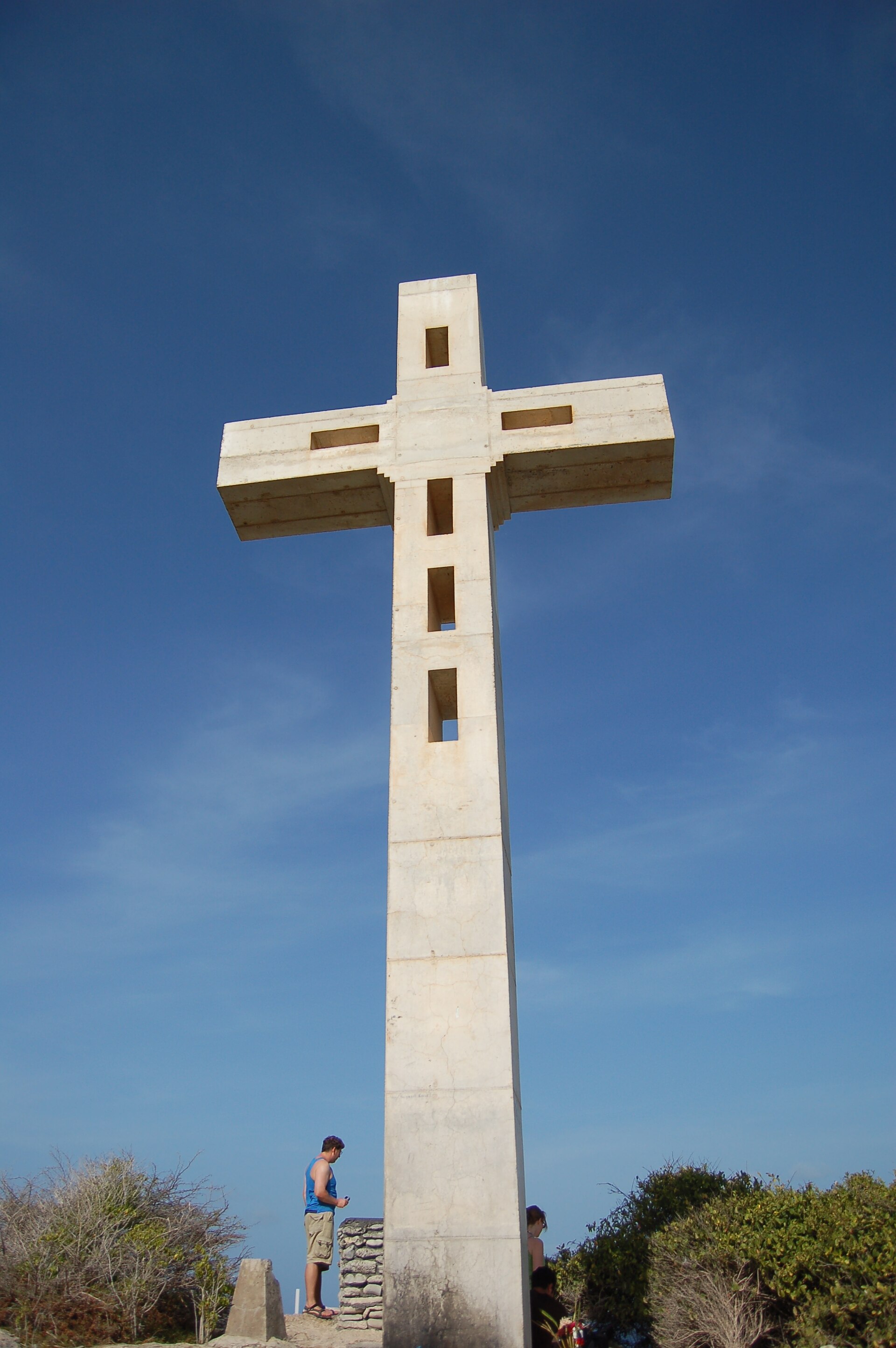 Photo: KoS / Wikimedia Commons (CC BY-SA)
 - Église Saint-Jean-Baptiste, Le Moule Year-round; Dec-May for comfortable walking
A neoclassical church built 1825-1850 in imported sandstone and limestone with four Ionic columns, restored after hurricanes in 1932 and 1990 — the anchor of Le Moule's old sugar-port town center.
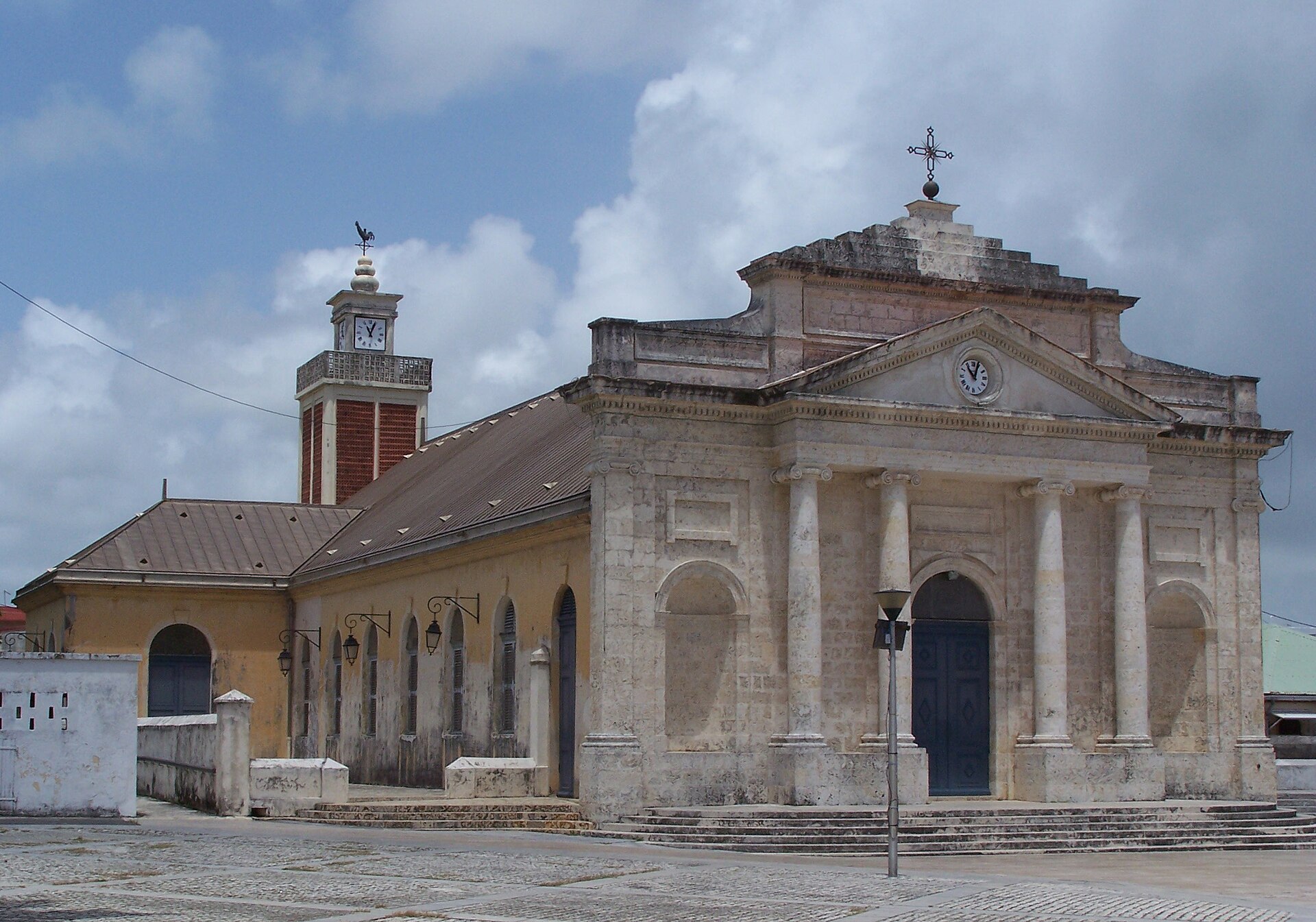 Photo: LPLT / Wikimedia Commons (CC BY-SA 3.0)
 - Distillerie Damoiseau Year-round for tours; Feb-June to see the harvest
Founded 1942 on the former Bellevue sugar estate, still family-run — the last operating distillery on Grande-Terre, holding over half the Guadeloupean rum market and exporting to 40-plus countries.
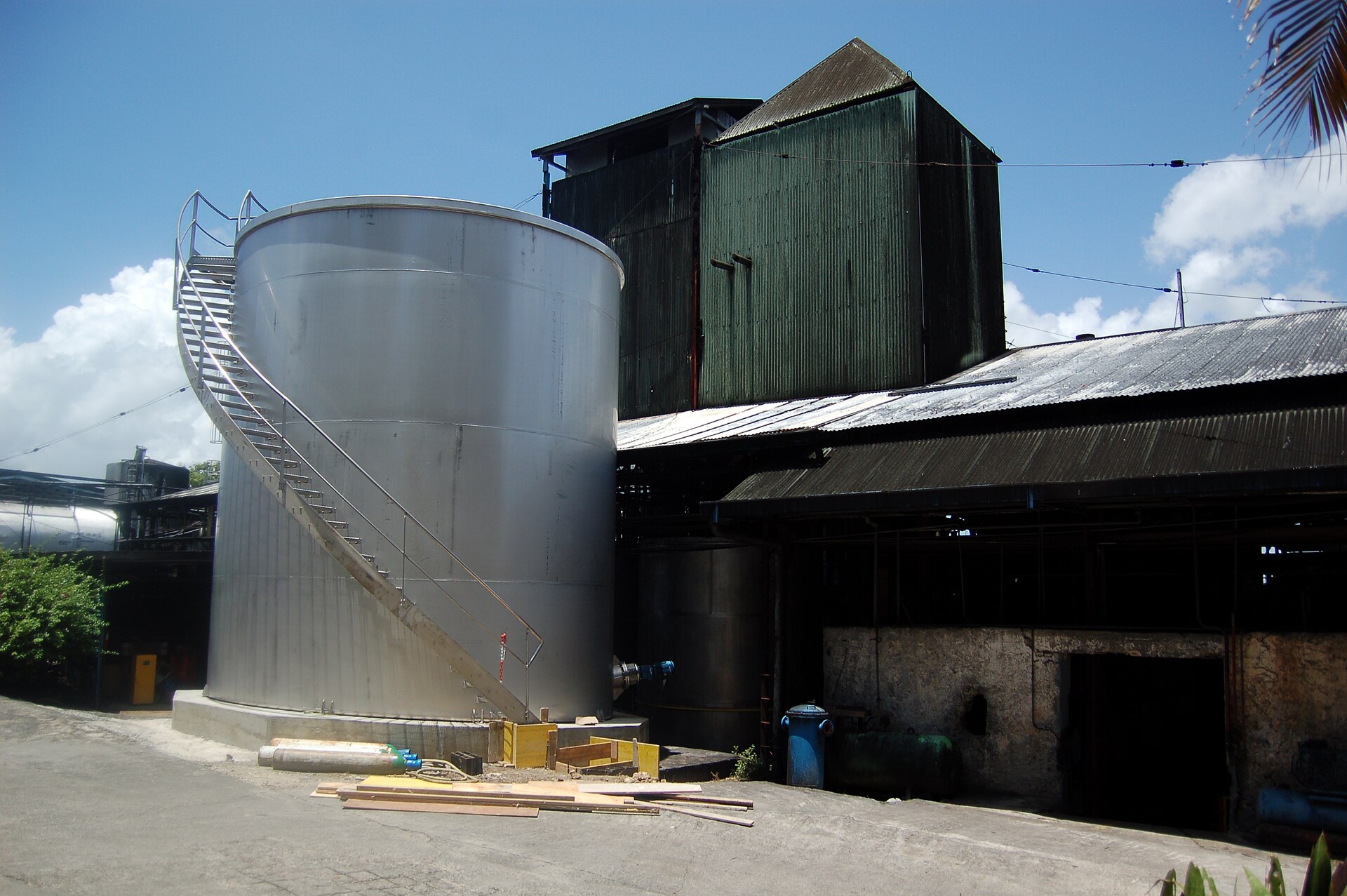 Photo: KoS / Wikimedia Commons (CC BY-SA)
 - Pointe de la Grande Vigie Clear dry-season days, Dec-May
Grande-Terre's northernmost tip, 80-meter limestone cliffs compared in character to the Norman coast — on a clear day you can see Antigua (70km), Montserrat (80km), and La Désirade (50km) from the point.
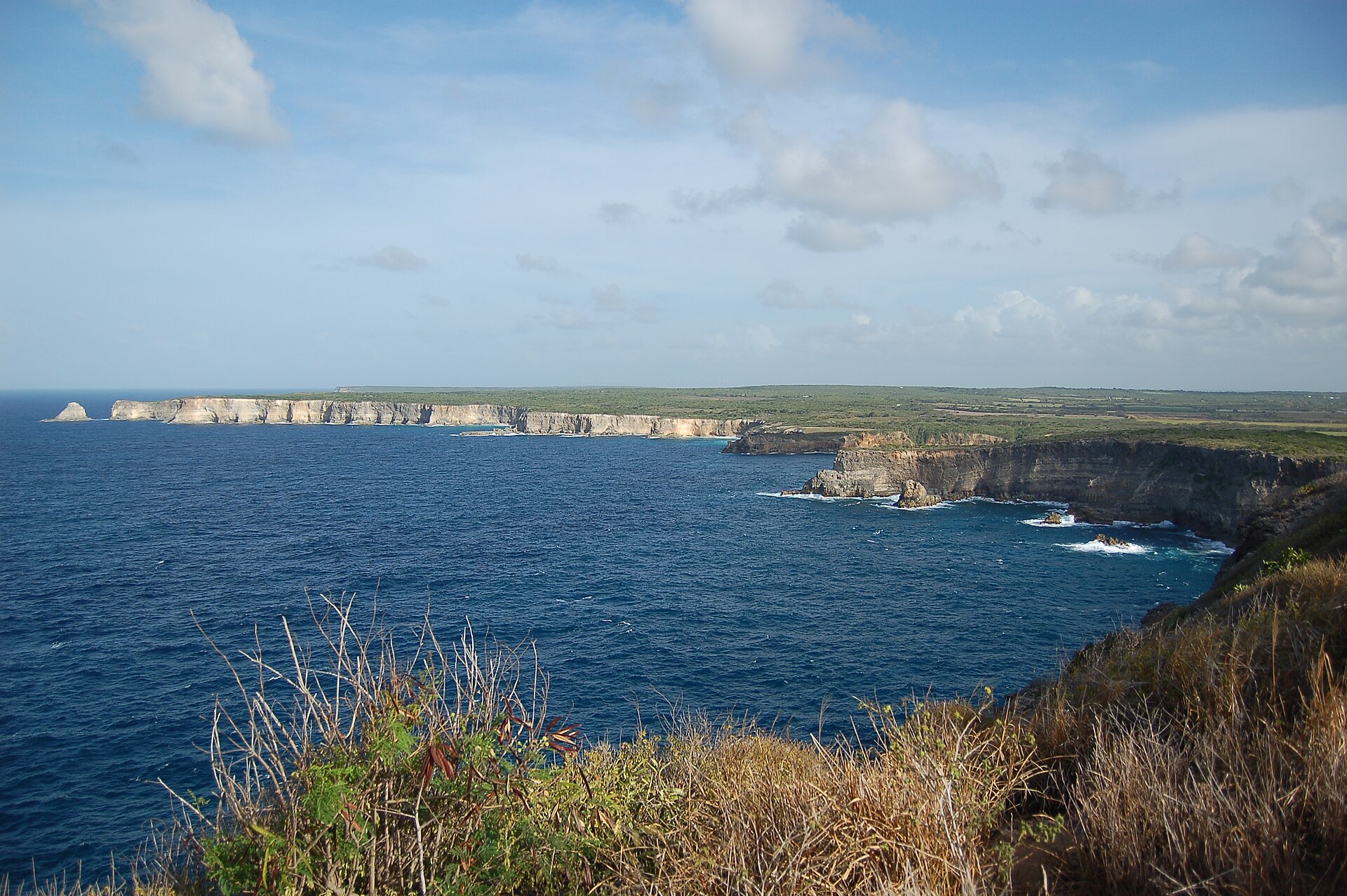 Photo: KoS / Wikimedia Commons (CC BY-SA)
 - La Désirade Dec-June for calmer seas
An island 8km off Grande-Terre reached by boat from Saint-François — Columbus sighted and named it in 1493. At 145 million years old, it holds the oldest exposed rock in the Lesser Antilles.
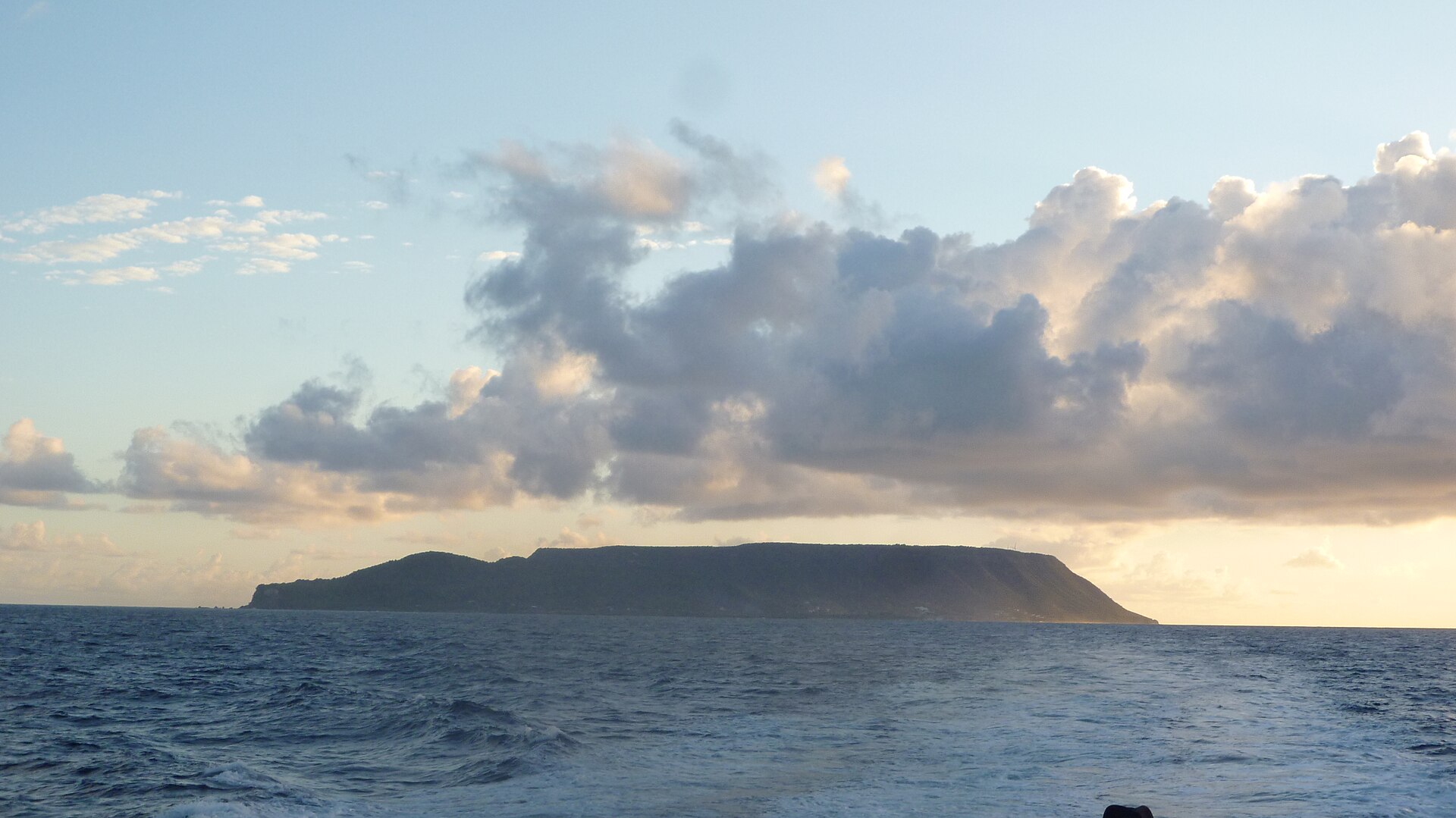 Photo: F6ITD / Wikimedia Commons (CC BY-SA 3.0)
 - Petite-Terre Nature Reserve Dry season (Dec-June); access limited to two daily boat departures
Two uninhabited islets 10km southeast of Pointe des Châteaux, made a national nature reserve in 1998 — home to roughly 9,500 native Lesser Antillean iguanas, a species now largely confined to this reserve and Désirade.
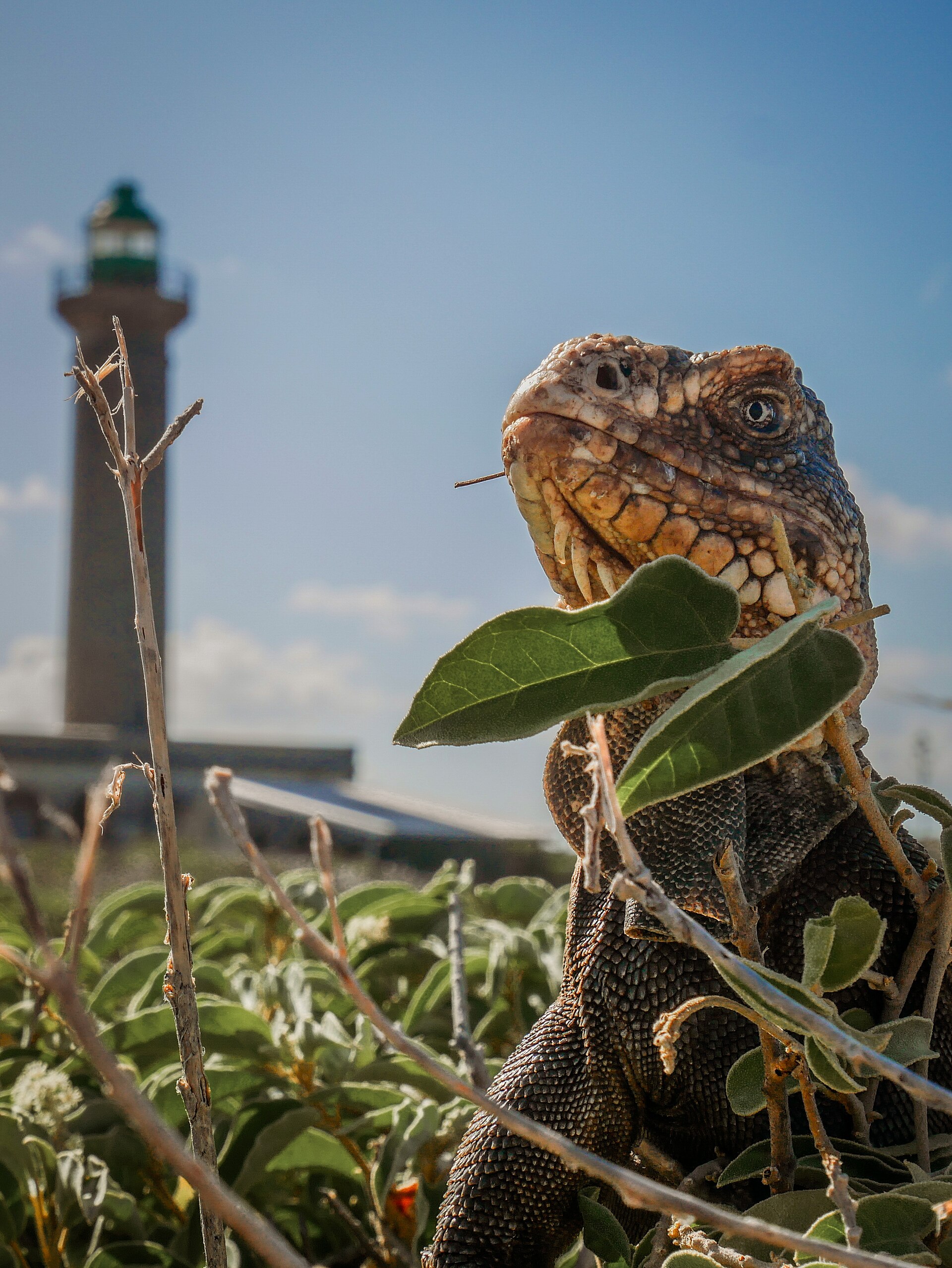 Photo: Mélina ROBIN / Wikimedia Commons (CC BY-SA 4.0)
 - Fort Fleur d'Épée Year-round; late afternoon for the ramparts view
An 18th-century coastal fort overlooking Grande Baie in Le Gosier — a battery from 1763, converted to a fort in 1792, captured by the English in 1794 and retaken by French forces the same year. Holds underground galleries and over 200 engravings dated 1812-2002.
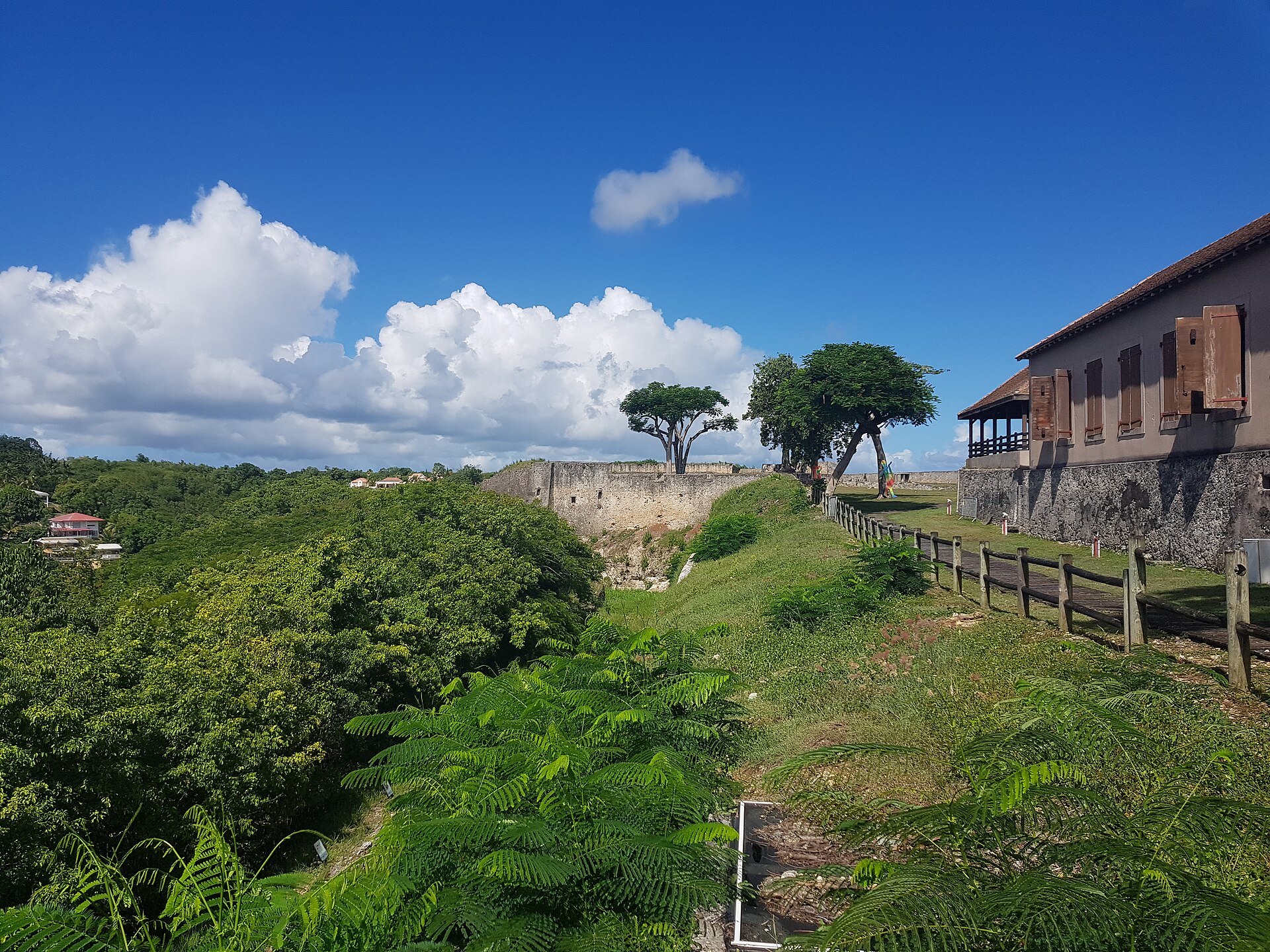 Photo: Enrevseluj / Wikimedia Commons (CC BY-SA 4.0)
 - Mémorial ACTe Year-round, indoor museum
Built on the site of the former Darboussier sugar factory in Pointe-à-Pitre, this slavery-history memorial opened in 2015 — 7,800 m² plus a 2.2-hectare memorial garden, winner of the Council of Europe Museum Prize in 2017.
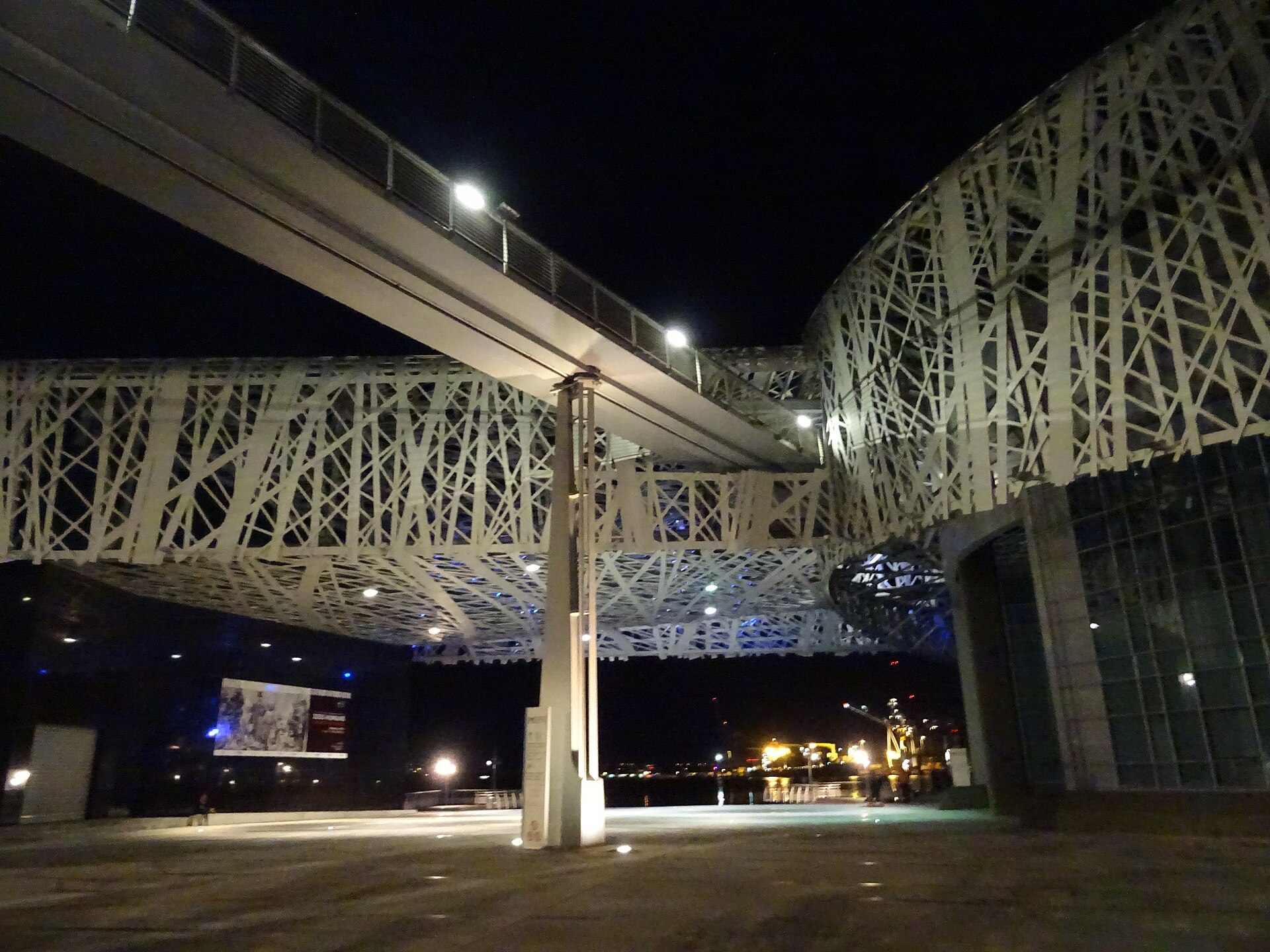 Photo: Gregor Julien Straube / Wikimedia Commons (CC BY-SA 4.0)
 - Carnaval in Le Moule Early January through Ash Wednesday
A real, documented street-carnival parade tradition in Le Moule itself, with costumed groups (mas) — part of Guadeloupe's winter-long Carnival season culminating before Lent.
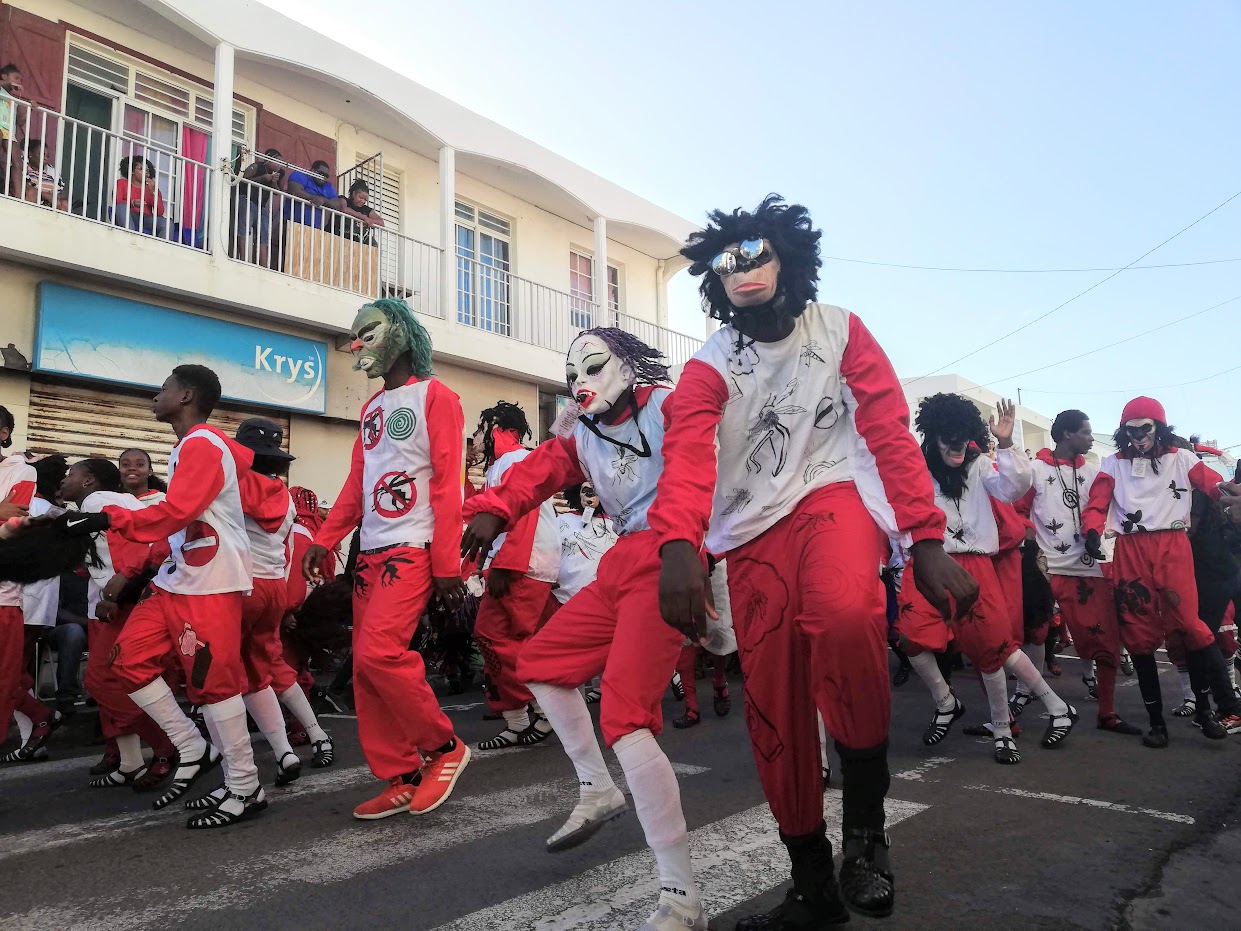 Photo: Auregann / Wikimedia Commons (CC BY-SA 4.0)
Questions people actually ask.
How do I get to Guadeloupe?
Pointe-à-Pitre (PTP) is the airport, but direct US service is genuinely limited to Miami — Air France flies MIA-PTP year-round (a Paris-based carrier routing through Miami), and American Airlines flies it seasonally. From anywhere else in the US, expect a connection through Miami, San Juan, or Paris. From PTP, Le Moule is about 24 minutes by car and Sainte-Anne about 24 minutes as well — both hubs sit close together on Grande-Terre.
Do I need a visa, and what's the deal with Schengen?
No visa needed for US tourists — Guadeloupe is a French overseas department and part of the EU/eurozone, but it is explicitly NOT part of the Schengen Area, so different entry rules apply than mainland France. Two sources confirm a 90-day allowance within a 180-day period; the exact relationship between that clock and mainland Schengen time could not be confirmed against a fully authoritative government source in our research, so confirm current entry specifics directly before travel if you're combining this trip with mainland Europe.
Is Guadeloupe safe, and do I need to speak French?
We were not able to independently confirm a current US State Department advisory level for Guadeloupe in this research pass — check travel.state.gov directly before booking. Worth knowing plainly: French is the official language and Guadeloupean Creole is the everyday home language for most locals — English is spoken mainly by tourism-industry workers in hotels and visitor-facing businesses, not the general population. A translation app is genuinely useful here in a way it isn't in Puerto Rico or the Dominican Republic.
When should I go?
Surf season runs November-April, driven by North Atlantic groundswell, with Le Moule as the island's most consistent, most popular spot. Hurricane season runs June-November, with real risk concentrated August-October — Guadeloupe took direct hits from both Irma and Maria in 2017, so this isn't boilerplate caution.
What's the water like, and do I need a wetsuit?
Warm year-round, roughly 79-84°F (26-29°C) — coolest around January, warmest around September. No wetsuit needed at any point.
Disclosure & how this page works.
Straight talk: Some links on this page are affiliate links — if you book through them, Secrets of Surf Travel earns a small commission at no extra cost to you. We only link places and people we’d use ourselves, and coverage is never for sale. Those commissions are what keep this site running and fund the next trip.
Today, the “Search Vrbo rentals” and “Search Booking.com stays” links on this page are affiliate links — every vendor listing link is still a plain courtesy link. As partnerships with these local businesses come online, more links (and discount codes, where Secrets of Surf Travel benefits from their use) may earn us a commission, and this page will keep saying so plainly. Coverage is never for sale: nobody on this page paid to be here, and nobody can.
Every listing was researched in 2026 and is being verified in person. Prices, hours, and policies change — treat them as strong starting points and confirm directly with the business. And per the No-Reveal Code: you will find no surf spots on this page, ever.