
Gold Coast & Sunshine Coast
Two genuinely different flavors of Queensland tourism, two hours apart. The Gold Coast is a built-up mega-destination — high-rise towers, theme parks, world-famous point-break surf — running one contiguous strip from Coolangatta to Surfers Paradise. Noosa, up on the Sunshine Coast, is deliberately low-rise, boutique, and nature-adjacent. This is also the warmest zone built on this site so far — genuinely subtropical water, boardshorts most of the year.
Straight talk: Some links on this page are affiliate links — if you book through them, Secrets of Surf Travel earns a small commission at no extra cost to you. We only link places and people we'd use ourselves, and coverage is never for sale. Those commissions are what keep this site running and fund the next trip.
Some vacation-rental search links on this page (marked "Search Vrbo rentals," "Search Booking.com stays," or "Search Agoda stays") are affiliate links. Every vendor link below is still a plain courtesy link. As more partnerships come online, more links may earn us a commission; the promise above holds either way.
Real stinger-season nuance — this is the first zone on this site where it applies: box jellyfish and Irukandji have NO confirmed records at the Gold Coast or Noosa as of current reporting — their range has crept south over decades (Cairns → Townsville → Whitsundays → Fraser Island/K'gari, with one documented Mooloolaba sting), worth watching as a trend but not a present-day risk here. The real, common sting risk at both hubs is bluebottles — frequent in summer, painful but not dangerous, standard hot-water first aid applies. Separately, Queensland runs its own Shark Control Program (mesh nets/drumlines plus an expanding SharkSmart drone network, distinct from NSW's system) at both Gold Coast and Sunshine Coast beaches. Rip currents are a real, serious risk here — at least 37% of Queensland beach drownings involve rips, and the Sunshine Coast has been specifically flagged as a drowning black spot; swim and surf between the flags.
Getting There
Gold Coast Airport (OOL), in Coolangatta, is the clear gateway for the Gold Coast hub — it sits right at the southern end of the surf strip, essentially walking distance from Coolangatta's famous point breaks. Brisbane Airport (BNE) is the more practical gateway for international travelers heading to the Sunshine Coast (more international routes), though Sunshine Coast Airport (Marcoola) exists and is only about 35 minutes/42km from Noosa when it serves your route. Brisbane itself is a pure pass-through in this zone — no surf of its own, and no dedicated hub treatment needed.
Documents: standard Australian ETA/eVisitor visa rules apply for most nationalities — check requirements for your passport before booking.
Ground Transport
- Driving is on the left, standard for Australia.
- Coolangatta ↔ Surfers Paradise: ~24km, ~26 minutes — the whole Gold Coast surf strip functions as one contiguous drive, also served by the G:link light rail from Broadbeach through Surfers to Southport.
- Gold Coast Airport ↔ Brisbane Airport: ~108km, ~1hr18.
- Brisbane Airport ↔ Sunshine Coast Airport: ~105km, ~1hr16.
- Surfers Paradise ↔ Noosa direct: ~219km, ~2hr18 — the real number for a Gold Coast-to-Sunshine Coast road trip.
- Noosa ↔ Mooloolaba: ~45 minutes — Noosa is the clear base, with Mooloolaba/Coolum/Peregian as day-trip satellite towns.
When to Go & What to Pack
- Meaningfully warmer than every NSW zone on this site — genuinely subtropical water. Range runs roughly 19-20°C at the coldest (August) up to 25-28°C at the summer peak (January-February).
- A rash vest and boardshorts are realistic for most of the year, including summer. Winter (roughly June-August) is the only stretch calling for any neoprene, and even then just a light 2mm long-sleeve springsuit or 3/2mm — a real, welcome contrast to the 4/3mm hooded suits recommended further south in NSW.
- Autumn/winter months tend to bring more consistent south/southeast groundswell, generally regarded as the more reliable surf season; summer (roughly November-April) brings cyclone-season swell that can be solid but more variable, plus warmer water and bluebottle season.
Good to Know
- Currency: Australian Dollar (AUD). Language: English. Emergency number: 000.
- The Gold Coast's famous point-break strip is world-renowned and draws serious crowds on a good swell, particularly at its southern end near Coolangatta — worth knowing at a town level; this site doesn't name or direct to specific breaks.
- No stinger net enclosures at Gold Coast/Sunshine Coast beaches — that's a north Queensland thing. The net enclosures present at the Gold Coast are for shark protection in sheltered waterways, a different system entirely.
Respecting the Locals
The Gold Coast is Australia's most built-up, commercialized surf-tourism destination — real surf credibility sitting underneath a genuinely different scale of tourist infrastructure than anywhere else on this site, and that scale doesn't excuse treating it any less like someone's home turf. Noosa runs the opposite way: deliberately low-rise and boutique, with real building-height rules that have kept it from turning into another high-rise strip, and a local culture built around protecting the national park and Everglades right next to it. Different flavors of Queensland, same basic courtesy either way.
- Locals get first priority, always. Watch a session before you paddle out. Learn who's who before you learn the wave. Sit inside and catch what they let through — the leftovers are yours, not the set waves.
- Don't backpaddle. Ever. Being in position doesn't make the next wave yours, especially if you didn't wait your turn. If a local wants a wave, let them have it…even if it IS your turn. That older guy who may not be the best surfer out there has probably been surfing that wave before you even sat on a board. If you don't know someone, assume they're local.
- Don't snake. This shouldn't even need to be said, but…dropping in on someone, local or not, is the ultimate disrespect and the fastest way to be sent out of the water. Don't be that guy!
- Say hi. A “howzit,” “whatsup,” or “nice wave,” eye contact, or a nod in the channel — it costs nothing and it's the fastest way from stranger to welcome.
- This is somebody's home, not a resort amenity. The break you're surfing is where a local kid learned to swim, where someone's uncle has surfed for forty years. Act like a guest, because you are one.
- Spend where it actually helps. The food truck, the local shaper, the family-run rental, the local photographer — that's where a surf trip's money should land, not just the chain hotel gift shop. See The No-Reveal Code for why that's the whole premise of this site.
- Leave it better than you found it. Pick up trash that isn't yours. Don't touch reef, wildlife, or cultural sites.
Locals have watched hundreds, if not thousands, of people come and go — some for days, some for months or years — and almost all of them eventually go home. The locals are still there. It takes many, many years to actually become one. Keep that in mind the next time you feel entitled to the same waves they get.
None of this is a secret handshake. It's just how you'd want a guest to act in your own backyard.
Gold Coast
Australia's most built-up, commercialized surf-tourism destination — genuinely different from every quiet NSW zone on this site. One contiguous ~20-minute strip runs from Coolangatta (the surf soul) through Burleigh Heads (the food/lifestyle magnet) to Surfers Paradise (the high-rise tourism engine). Less "escape," more "spectacle," with real surf credibility underneath the tourist gloss.
Surf Schools
- Go Ride a WaveCoolangatta, next to Greenmount SLSCMid-rangeEstablished 1987, beginner-focused, ages 8-80. gorideawave.com.au · Instagram · Map
- Godfathers of the OceanBurleigh HeadsMid-rangegodfathersoftheocean.com · Instagram · Map
- Cheyne Horan School of SurfSurfers ParadiseMid-rangeASI-accredited, 35+ years running. cheynehoran.com.au · Instagram · Map
- 1st Wave SurfingMain Beach / Surfers ParadiseMid-rangeGoogle Maps lists this business as permanently closed — confirm before planning around it. Map
Stays
Stated honestly: predominantly high-rise apartment towers and resort hotels concentrated in Surfers Paradise and Broadbeach — this is the zone's genuine "big resort city" flavor. More low-rise, boutique-leaning options appear toward Burleigh Heads and Coolangatta.
Where to Eat
Burleigh Heads is the real culinary center of the Gold Coast, clustered around James Street.
- Rick ShoresBurleigh HeadsUpperBeachfront modern Asian. rickshores.com.au · Instagram · Map
- Restaurant LabartBurleigh HeadsUpper2024 Queensland Restaurant of the Year. restaurantlabart.com · Instagram · Map
- ZuroZuroMid-rangeRamen, Michelin-trained chef. zurozuro.com · Instagram · Map
- Jimmy Wah'sMid-rangeVietnamese-Modern Australian. jimmywahs.com.au · Instagram · Map
Surfboard & Wetsuit Repair
- Jack Knight Surfboards / Harvest SurfboardsBurleigh HeadsConfirm on the groundRepairs plus shaping. harvestsurfboards.com · Instagram · Map
- Knight Rider Surf RepairsConfirm on the ground20+ years running. knightridersurfrepairs.com.au · Instagram · Map
- Coolangatta Board StoreConfirm on the groundDing repair through full restorations. coolyboardstore.com.au · Instagram · Map
Massage & Wellness
- CIEL SpaMondrian Gold Coast, Burleigh HeadsUppercielspaburleighheads.com · Instagram · Map
- Lan BathhouseMid-rangeCold plunge, sauna, sound therapy. lanbathhouse.com.au · Instagram · Map
- Ripple MassageMid-rangeMobile, covering Coolangatta to Surfers Paradise — genuinely useful for a traveling surfer without a car. ripplemassage.com.au · Instagram · Map
Other Adventures
The theme park cluster is a genuinely unique, Gold-Coast-only phenomenon among the zones on this site — worth an honest, non-snobby callout rather than a footnote.
- DreamworldCoomeraMid-rangeAustralia's largest theme park. See Local Secrets. dreamworld.com.au · Instagram · Map
- Warner Bros. Movie WorldMid-rangemovieworld.com.au · Instagram · Map
- Sea WorldMid-rangeseaworld.com.au · Instagram · Map
- Currumbin Wildlife SanctuaryConfirm on the groundSee Local Secrets. currumbinsanctuary.com.au · Instagram · Map
- Springbrook & Lamington National ParksConfirm on the groundSee Local Secrets. parks.qld.gov.au · Lamington NP · Map
Noosa & Sunshine Coast
Anchored on Noosa, with Mooloolaba, Alexandra Headland, Coolum, and Peregian as satellite towns in the same footprint. A genuinely different flavor of Queensland tourism — upscale, boutique, and deliberately low-rise, thanks to real building-height restrictions that have kept Hastings Street free of Surfers Paradise-style towers.
Surf Schools
- Learn to Surf Noosa (Merrick's)Mid-rangeFounded 1995 by former Australian/World Pro-Am champion Merrick Davis, year-round, ages 7+. learntosurf.com.au · Instagram · Map
- Sunshine Coast Surf LessonsAlexandra Headland & MooloolabaMid-rangeMap
- Robbie Sherwell's XL Surfing AcademySunshine Coast-wideMid-rangeHigh-performance coaching. xlsurf.com.au · Instagram · Map
Noosa Main Beach is the only north-facing beach on the Sunshine Coast, genuinely sheltered and beginner-friendly; Mooloolaba's beach carries a real "more Gold Coast feel" to it locally, livelier and family-friendly.
Stays
Hastings Street, Noosa is the clear base — boutique/luxury resort-style rather than high-rise towers, a real, verifiable different price point and traveler than the Gold Coast. Mooloolaba and Coolum offer more conventional family-resort/apartment stock at a lower price point.
Where to Eat
Hastings Street is the dining core, nearly all within walking distance of Noosa Main Beach.
- RococoUpperContemporary Italian. rococonoosa.com.au · Instagram · Map
- Locale NoosaMid-rangeItalian, local produce. localenoosa.com.au · Instagram · Map
- Bang BangMid-rangeAsian. bangbangnoosa.com · Instagram · Map
- El CapitanoBudgetWood-fired pizza. elcapitano.com.au · Instagram · Map
Surfboard & Wetsuit Repair
Genuinely thin — no dedicated ding-repair specialist surfaced independently in this hub, unlike the Gold Coast. Ask directly at a Noosa or Mooloolaba surf shop for their current repair referral rather than assuming a standalone business exists.
Massage & Wellness
- DaySpa NoosaMid-rangeFloatation pools. dayspa-noosa.com.au · Instagram · Map
Other Adventures
- Noosa National Park Coastal WalkConfirm on the groundSee Local Secrets. parks.qld.gov.au · Map
- Noosa EvergladesConfirm on the groundSee Local Secrets. parks.qld.gov.au · Map
- Australia ZooBeerwah, ~45-60 min toward BrisbaneConfirm on the groundSee Local Secrets. australiazoo.com.au · Instagram · Map
Local Secrets
Eight non-surf reasons this zone rewards the curious — a wave literally built by government infrastructure, and one of only two everglades systems on Earth.
- The Superbank's man-made origin story Sand pumping began 1995, full effect by the mid-to-late 2000s
The Gold Coast's point-break coastline didn't exist in its current form until the Tweed River Sand Bypass Project reshaped the coastline between natural points — genuinely public infrastructure history, worth knowing before you assume any of this coast is untouched nature.
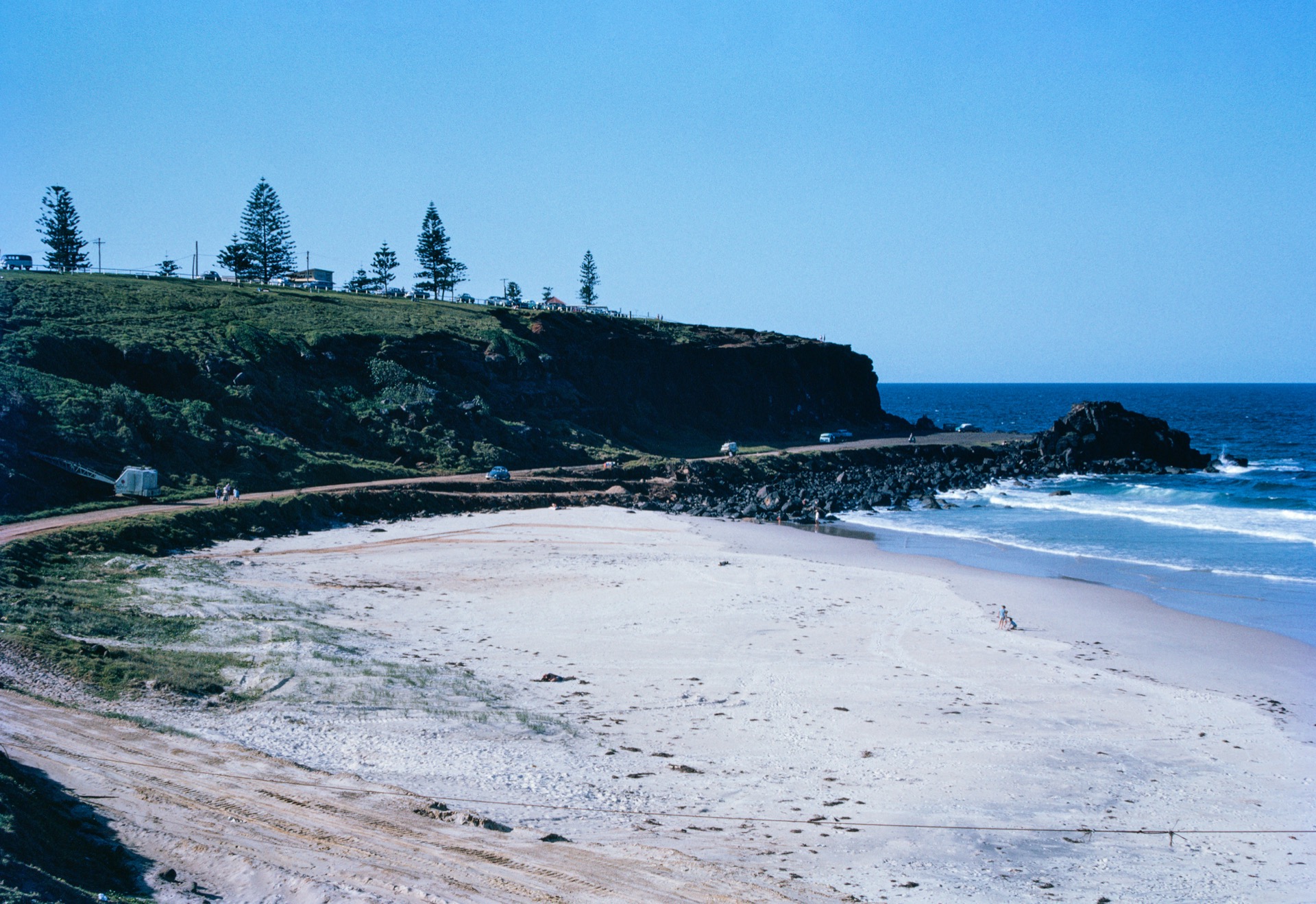 Wikimedia Commons (CC BY 4.0)
 - Springbrook & Lamington National Parks Open year-round, ~45-60 min inland from the coast
Gold Coast hinterland rainforest, part of the Gondwana Rainforests of Australia UNESCO World Heritage Area — Purling Brook Falls (a 4km loop) and the Natural Bridge glow-worm cave are the marquee draws.
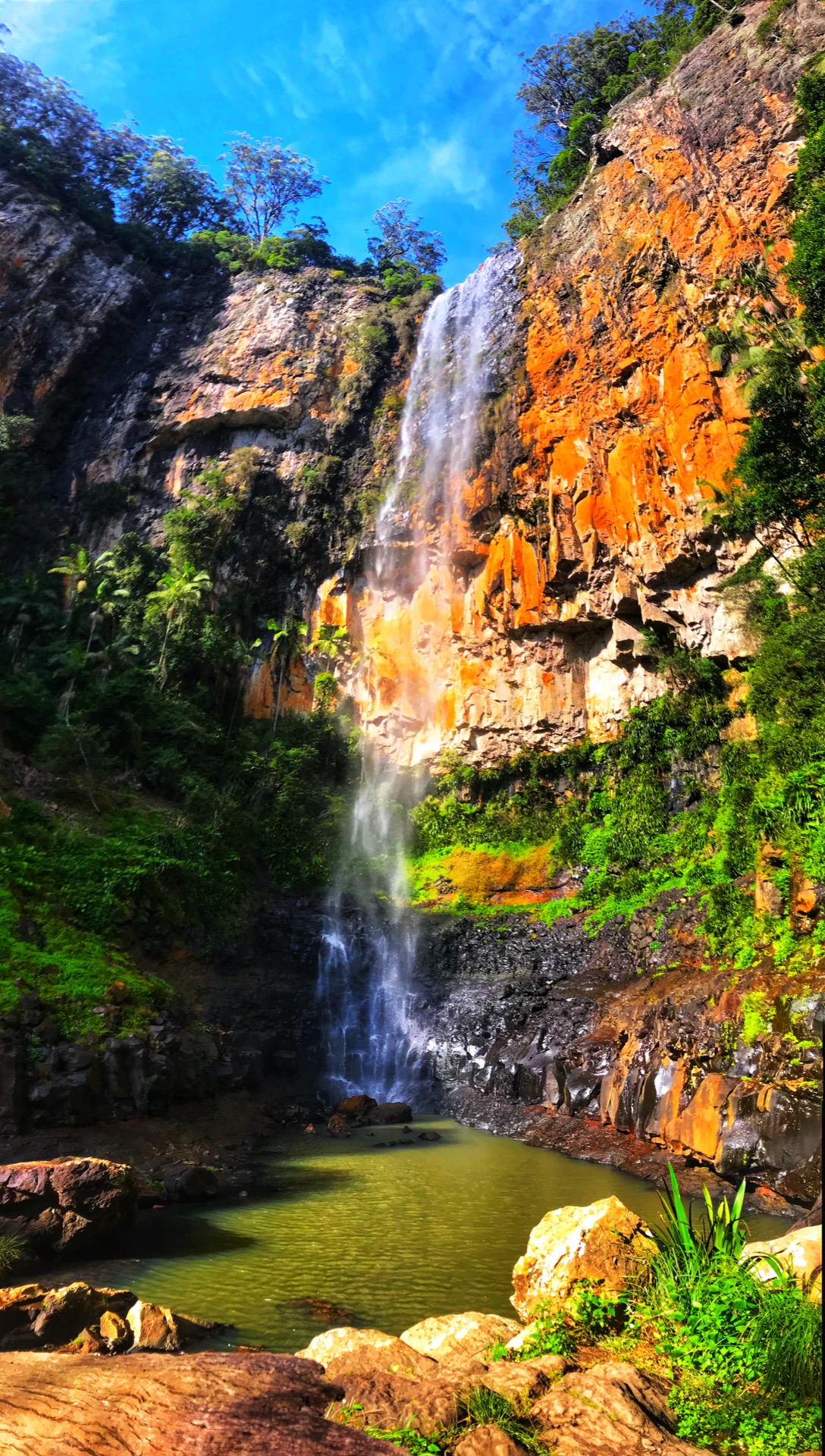 Wikimedia Commons (CC BY-SA 4.0)
 - Currumbin Wildlife Sanctuary Open year-round
Founded 1947 from a lorikeet-feeding display by Alex Griffiths, now the Gold Coast's top-rated attraction — a purpose-built koala habitat plus an active wildlife hospital, established 1989, that treats and releases native wildlife.
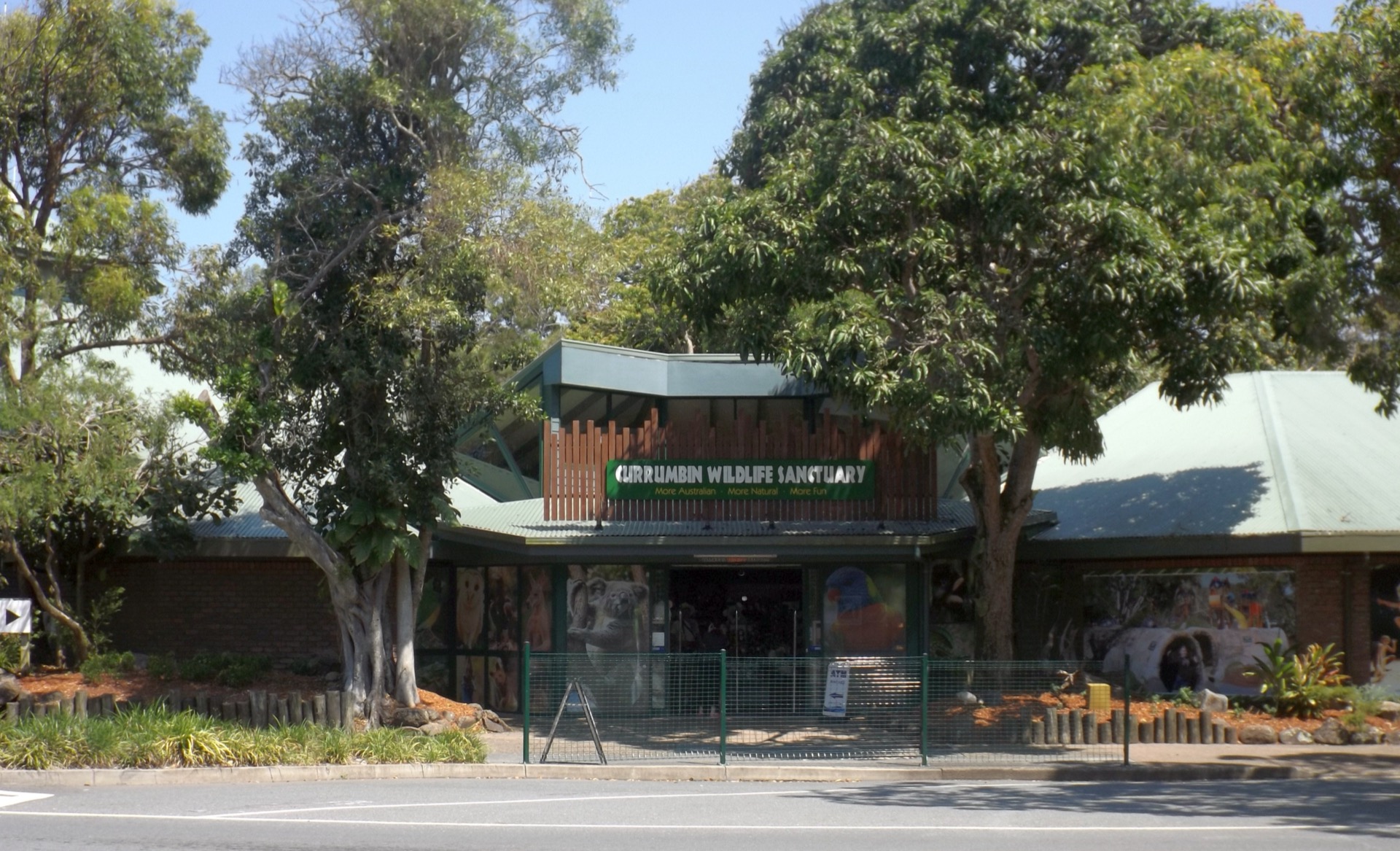 Wikimedia Commons (CC0)
 - The Gold Coast theme park cluster Open year-round; multi-day passes bundle several
Dreamworld (Coomera, Australia's largest theme park), Warner Bros. Movie World, Sea World, and Wet'n'Wild — a genuinely unique, Gold-Coast-only phenomenon among this site's zones.
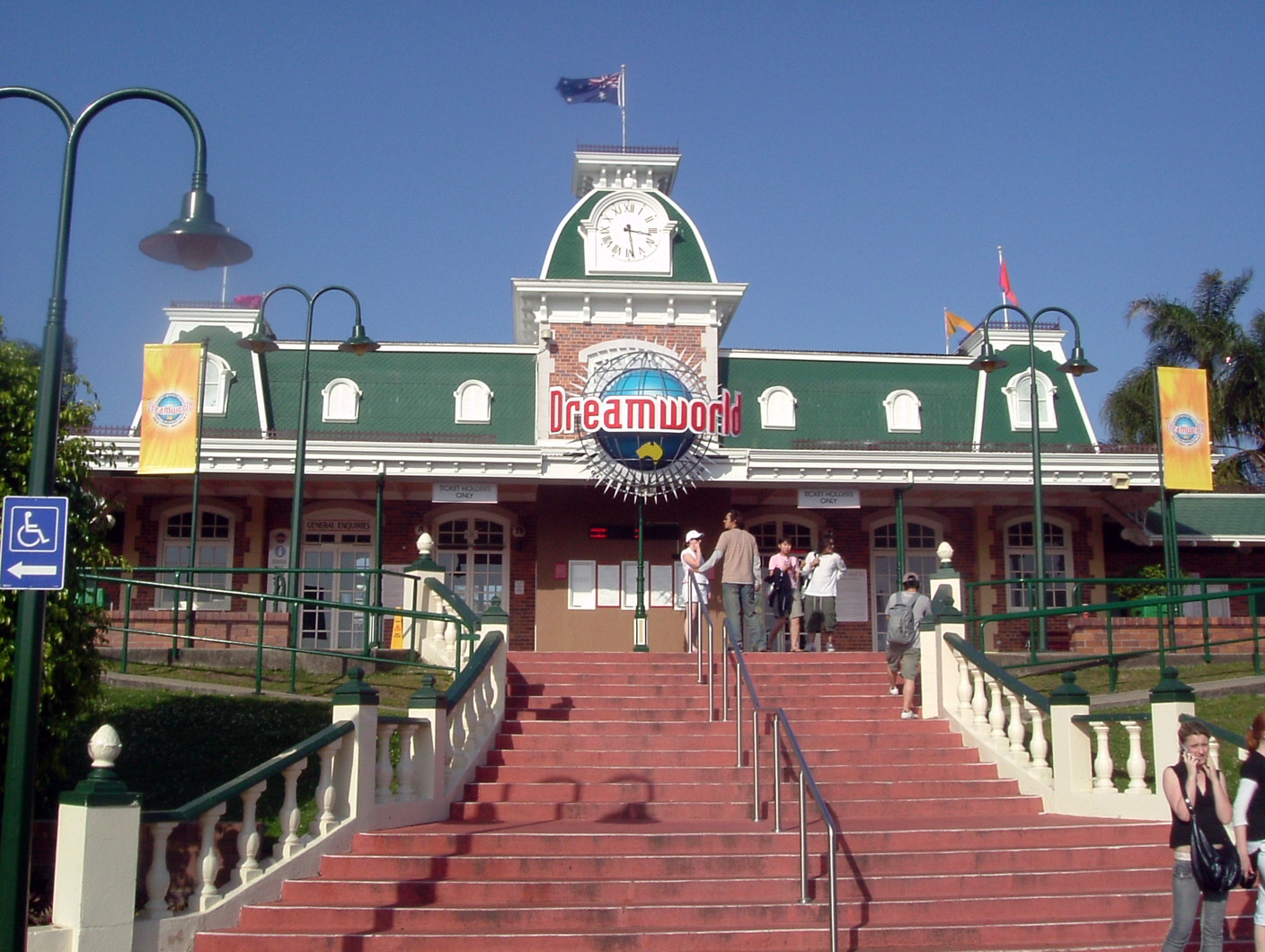 Wikimedia Commons (Public Domain)
 - Noosa National Park's koalas & Coastal Walk Open year-round
The 5.4km Coastal Walk runs from Noosa Main Beach to Sunshine Beach past Tea Tree Bay, Granite Bay, and Hell's Gates; the inland Tanglewood Track is one of Queensland's most reliable wild-koala-spotting locations.
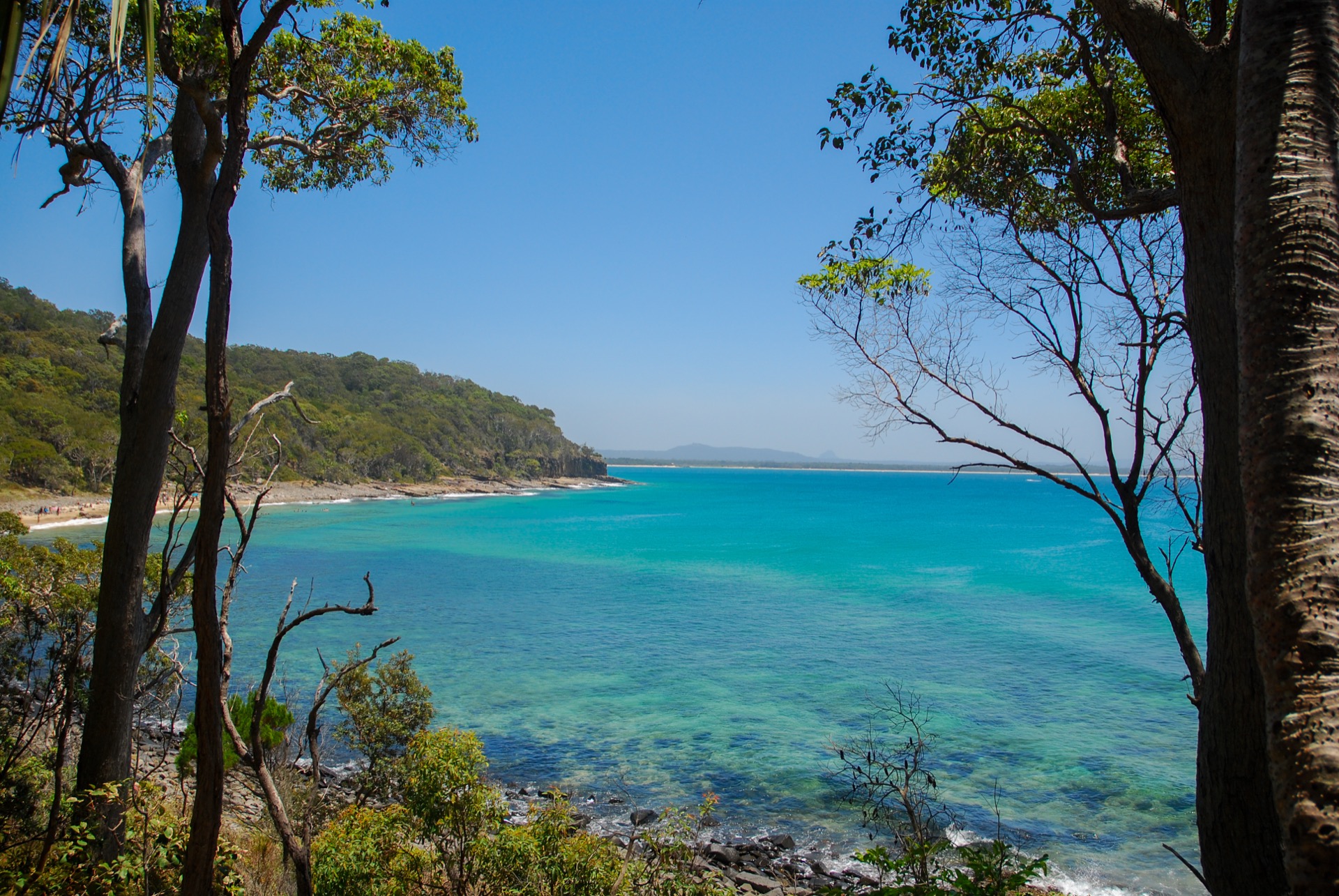 Wikimedia Commons (CC BY 2.0)
 - The Noosa Everglades Guided or self-guided kayak tours
Within the Cooloola section of Great Sandy National Park — one of only two everglades systems in the world — reachable by kayak up the Upper Noosa River, with over 40% of Australia's bird species recorded in the system.
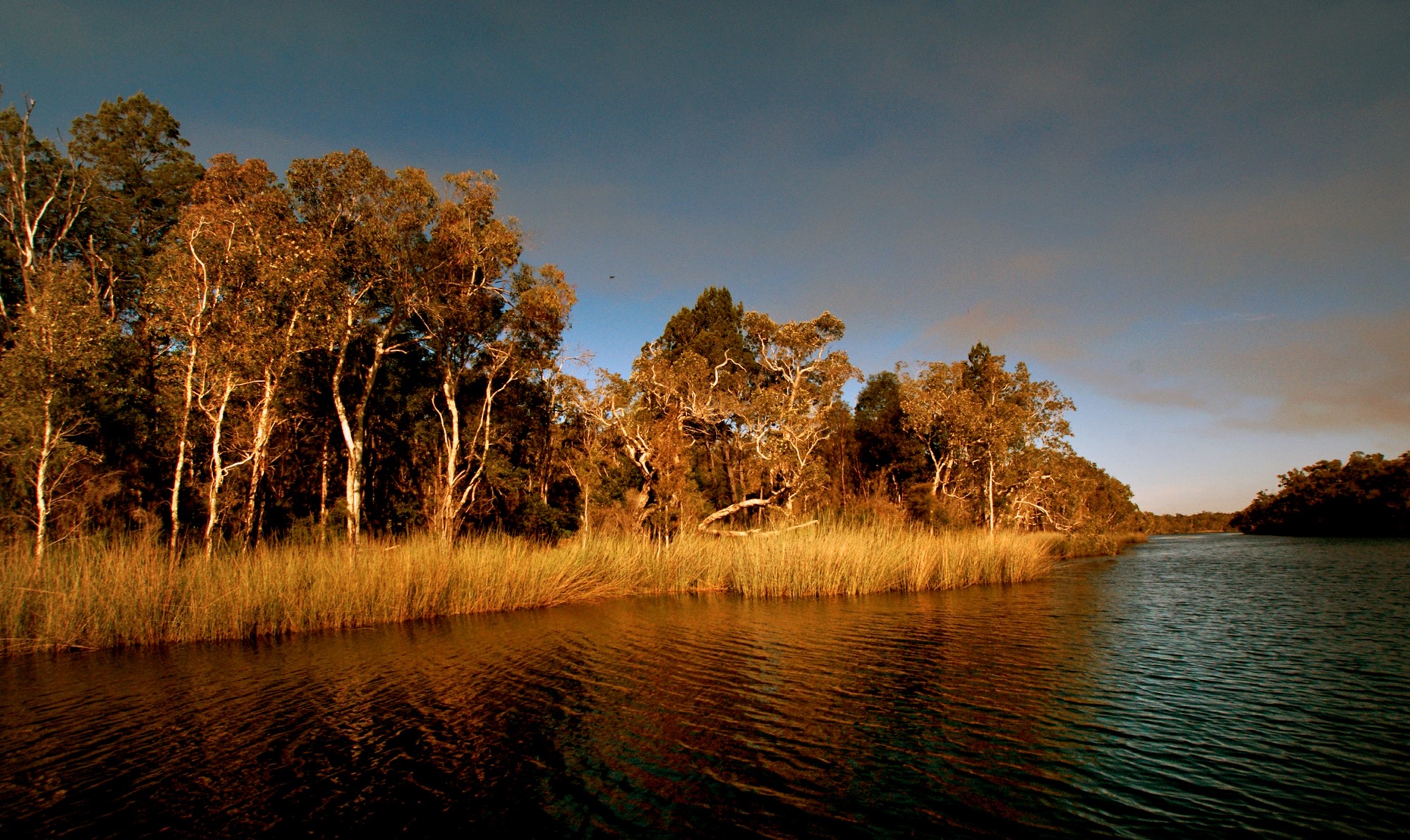 Wikimedia Commons (CC0)
 - Australia Zoo, Beerwah Open year-round, ~45-60 min from Noosa toward Brisbane
Steve Irwin's zoo, started by his parents Bob and Lyn Irwin in 1970 as the Beerwah Reptile and Fauna Park, now 750+ acres — a genuine cultural landmark of the Sunshine Coast hinterland.
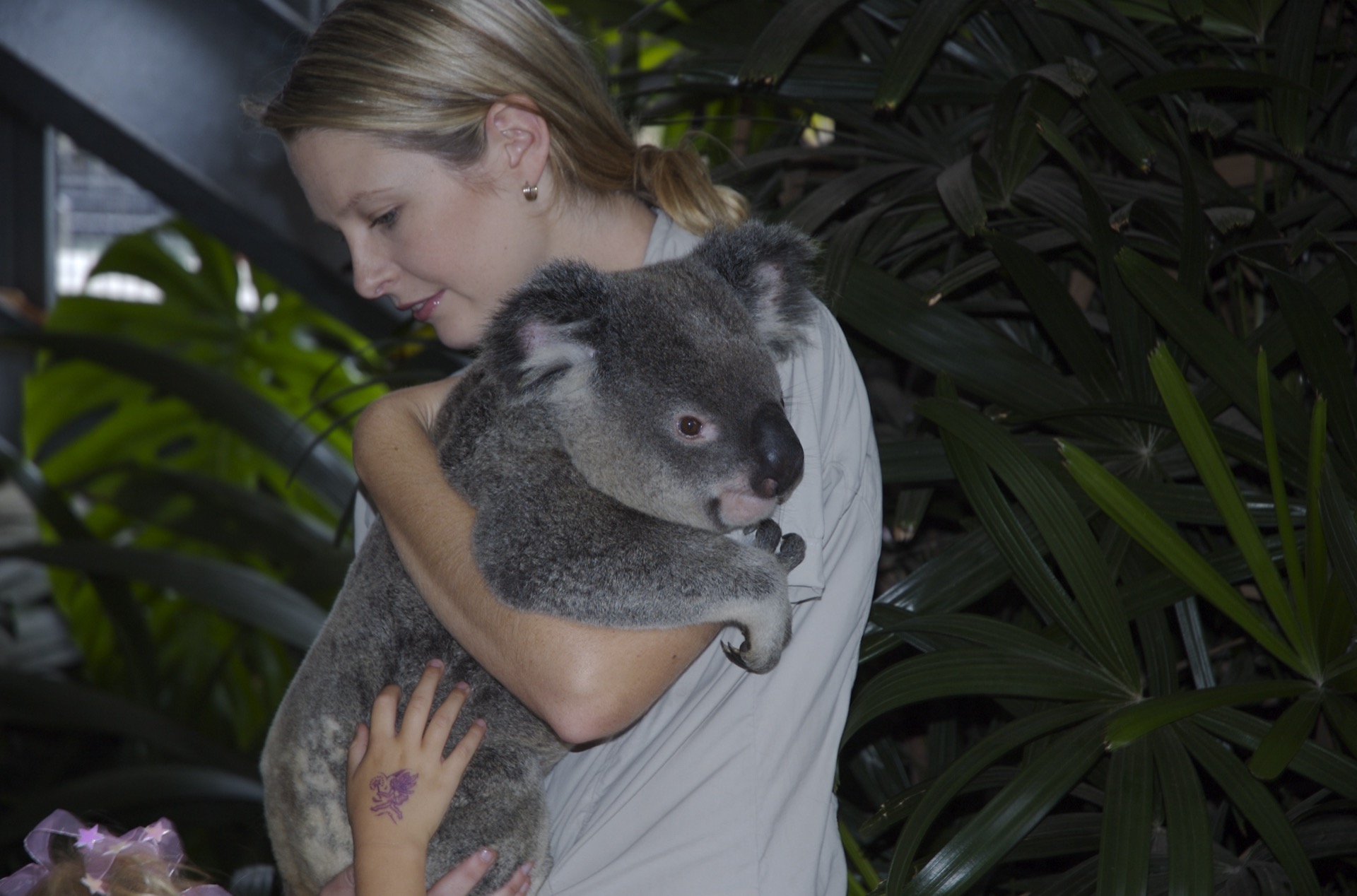 Wikimedia Commons (CC BY 2.0)
 - Hastings Street vs. the Surfers Paradise skyline A tellable planning-philosophy contrast
Noosa's deliberate building-height restrictions have kept it low-rise and boutique, while Surfers Paradise embraced the high-rise tourism model — same coastline, two completely different planning philosophies, two hours apart.
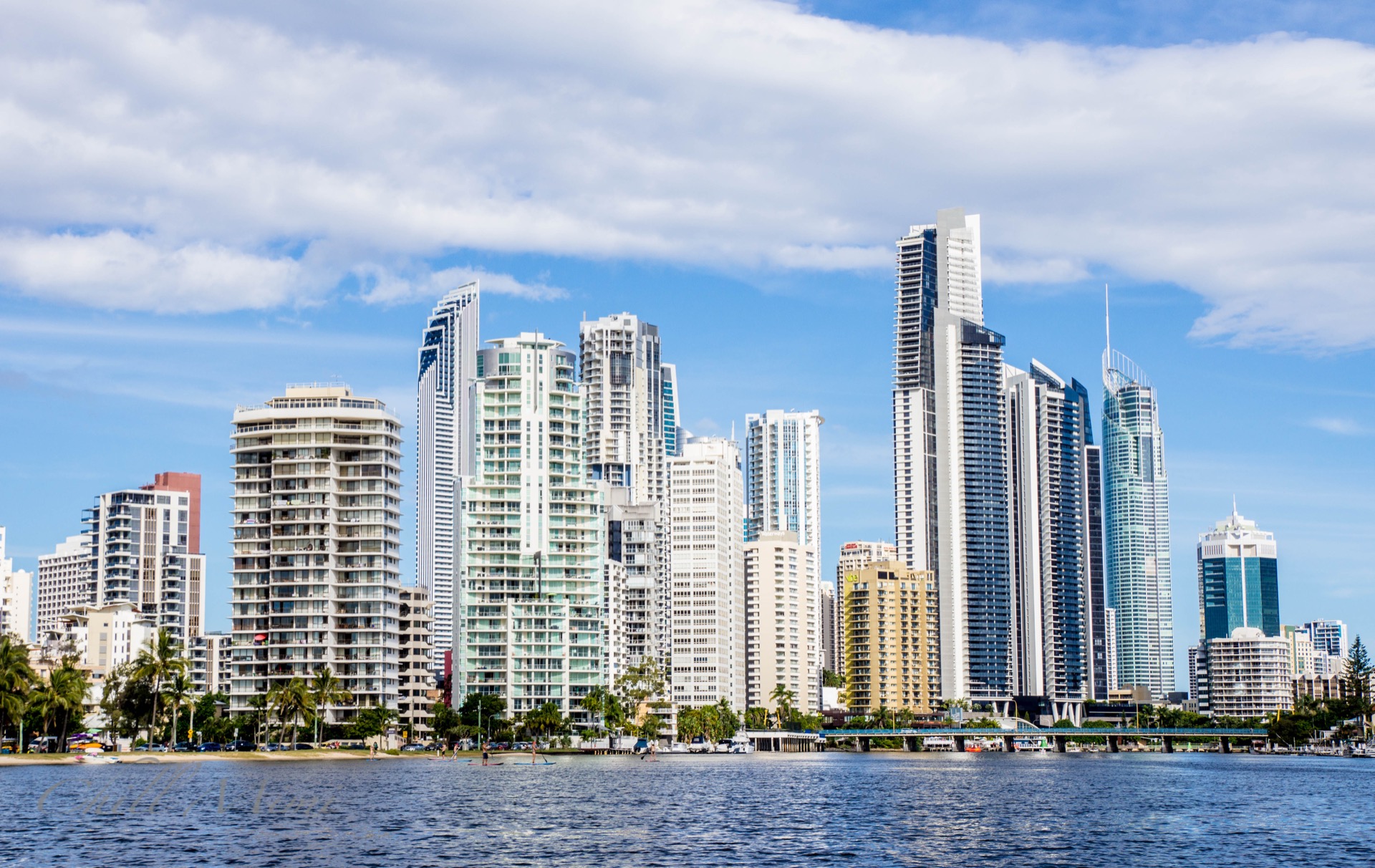 Wikimedia Commons (CC BY 2.0)
Questions people actually ask.
Do I need to worry about box jellyfish or Irukandji here?
Not currently, and this is worth stating precisely rather than blanket-applying tropical Queensland assumptions. Box jellyfish and Irukandji have no confirmed records at the Gold Coast or Noosa as of current reporting — their range has crept south over decades (Cairns to Townsville to the Whitsundays to Fraser Island/K'gari, with one documented Mooloolaba sting), a trend worth watching as waters warm, but not a present-day risk here. The real, common sting risk at both hubs is bluebottles, which are frequent in summer and painful but not dangerous.
Should I base on the Gold Coast or in Noosa?
They're genuinely different flavors of Queensland tourism. The Gold Coast is a built-up mega-destination — high-rise towers, theme parks, party-town nightlife in Surfers Paradise — alongside real, world-class point-break surf at its southern end. Noosa is upscale, boutique, and deliberately low-rise, with building-height restrictions that have kept Hastings Street free of Surfers Paradise-style towers, plus genuine nature access via Noosa National Park and the Everglades. Two hours apart by road — pick based on which trip you actually want.
How warm is the water compared to the NSW zones on this site?
Meaningfully warmer — this is genuinely subtropical Queensland. Water ranges from roughly 19-20°C at the coldest (August) up to 25-28°C in peak summer. A rash vest and boardshorts are realistic for most of the year, including summer; only winter (roughly June-August) calls for any neoprene at all, and even then just a light 2mm springsuit or 3/2mm — nothing like the 4/3mm hooded suits recommended further south in NSW.
Are the Gold Coast's famous point breaks natural?
Partly engineered, and it's a genuinely interesting public-infrastructure story: the stretch didn't exist in its current form until the Tweed River Sand Bypass Project began pumping sand in 1995, reaching full effect by the mid-to-late 2000s and filling the gap between natural points into one of the longest rideable waves on the planet. It's real government infrastructure history, not a secret — see Local Secrets.
Disclosure & how this page works.
Straight talk: Some links on this page are affiliate links — if you book through them, Secrets of Surf Travel earns a small commission at no extra cost to you. We only link places and people we'd use ourselves, and coverage is never for sale. Those commissions are what keep this site running and fund the next trip.
Today, the "Search Vrbo rentals," "Search Booking.com stays," and "Search Agoda stays" links on this page are affiliate links — every vendor listing link is still a plain courtesy link. As partnerships with these local businesses come online, more links (and discount codes, where Secrets of Surf Travel benefits from their use) may earn us a commission, and this page will keep saying so plainly. Coverage is never for sale: nobody on this page paid to be here, and nobody can.
Every listing was researched in 2026 and is being verified in person. Prices, hours, and policies change — treat them as strong starting points and confirm directly with the business. And per the No-Reveal Code: you will find no surf spots on this page, ever.