French Riviera
Honestly, this closing zone in France is mostly not a surf zone. Almanarre and Gruissan are genuine, world-class windsurf and kitesurf destinations — Gruissan hosts the world's largest windsurfing gathering. Marseille, France's second-largest city, gets real waves only rarely, when a winter storm lines up with offshore wind. Bandol has no wind-sport identity at all; it's one of France's oldest and most respected wine regions. We'd rather tell you that plainly than force a surf narrative onto a coast that doesn't have one.

Straight talk: Some links on this page are affiliate links — if you book through them, Secrets of Surf Travel earns a small commission at no extra cost to you. We only link places and people we’d use ourselves, and coverage is never for sale. Those commissions are what keep this site running and fund the next trip.
Some vacation-rental search links on this page (marked “Search Vrbo rentals” or “Search Booking.com stays”) are affiliate links. Every vendor link below is still a plain courtesy link. As more partnerships come online, more links may earn us a commission; the promise above holds either way.
Getting There
Marseille Provence Airport (MRS) is the main gateway — despite being a bigger, more internationally connected airport than this site's other France zones, it still has no direct US flights (the closest thing to transatlantic service is Air Transat's Montreal route). Expect to connect through Paris or another European hub, same as everywhere else in France on this site.
Toulon-Hyères Airport (TLN) sits right by Hyères itself but is small, with no US or intercontinental service — its schedule is dominated by domestic Paris-Orly flights plus a handful of seasonal European routes.
Drive distances from Marseille: Hyères, ~84km (51 min); Bandol, ~54km (43 min) — both close. Gruissan is a different story, sitting roughly 256-264km away (2h20-2h40) near Narbonne, in Languedoc rather than Provence — genuinely a different sub-region of the coast, not a quick add-on.
Documents: same Schengen rules as the site's other France zones — no visa needed for US citizens for stays under 90 days within any 180-day period.
Ground Transport
- France drives on the RIGHT. Marseille, Hyères, and Bandol form a fairly tight triangle — easily linked by TGV, which runs the Marseille-Toulon corridor with a stop directly in Bandol.
- Gruissan requires more planning: reachable by TGV to Narbonne, then a local bus (~15km, roughly 22-24 minutes, hourly service) to Gruissan itself — or simply drive the whole way.
- A car is genuinely necessary only if you want to link all four towns in one trip. The Marseille/Hyères/Bandol cluster is easily done by train alone.
When to Go & What to Pack
- April through October is the broad workable window for wind sports, with the Tramontane (Gruissan's defining wind, typically 15-25 knots, occasionally 30-40+) and the Mistral both contributing reliable wind days. Gruissan's Défi Wind is scheduled in May, a real signal that spring is prime time there.
- Water temperature runs genuinely warmer here than this site's Atlantic France zones — no real tide, and summer peaks around 72°F (22.5°C) in August, with a comfortable swimming range above 68°F (20°C) roughly June through October. Winter drops to around 55°F (12.8°C) at the coldest, in February.
- July and August are notoriously crowded and expensive along this coast — worst mid-July through mid-August, with the Route du Soleil highway congested and accommodation at its priciest. Late April-May, June, or September-early October are the better-value shoulder windows.
Good to Know
- Currency: Euro.
- Language: French. Provençal, a variety of Occitan, is a real regional language here, but with a much less prominent living identity than Basque in the site's Basque Country zone or Breton in Brittany — UNESCO classifies it severely endangered, with roughly 200,000 speakers, mostly older adults. Worth knowing as background color, not something you'll hear constantly.
- Emergency number: 112, same as the rest of the EU.
- Cost of living: genuinely more expensive than this site's rural France zones — the wider Provence-Alpes-Côte d'Azur region runs roughly €192 ($224)/day average traveler spend, with average hotel rates around $180/night (higher, up to $337, in peak season) and budget hotels around $96.
Respecting the Locals
This is honestly more a wind-sports, sailing, and wine coast than a classic surf-town culture — Almanarre and Gruissan draw a dedicated kitesurf and windsurf crowd rather than a lineup, Marseille carries over 2,600 years of continuous port-city history, and Bandol is a serious, protected-appellation wine and sailing town. There's no single localized surf culture to learn here the way there is elsewhere on this site, but the same underlying respect applies to every beach, launch spot, and lineup you do find along the way.
- Locals get first priority, always. Watch a session before you paddle out. Learn who's who before you learn the wave. Sit inside and catch what they let through — the leftovers are yours, not the set waves.
- Don't backpaddle. Ever. Being in position doesn't make the next wave yours, especially if you didn't wait your turn. If a local wants a wave, let them have it…even if it IS your turn. That older guy who may not be the best surfer out there has probably been surfing that wave before you even sat on a board. If you don't know someone, assume they're local.
- Don't snake. This shouldn't even need to be said, but…dropping in on someone, local or not, is the ultimate disrespect and the fastest way to be sent out of the water. Don't be that guy!
- Say hi. A “howzit,” “whatsup,” or “nice wave,” eye contact, or a nod in the channel — it costs nothing and it's the fastest way from stranger to welcome.
- This is somebody's home, not a resort amenity. The break you're surfing is where a local kid learned to swim, where someone's uncle has surfed for forty years. Act like a guest, because you are one.
- Spend where it actually helps. The food truck, the local shaper, the family-run rental, the local photographer — that's where a surf trip's money should land, not just the chain hotel gift shop. See The No-Reveal Code for why that's the whole premise of this site.
- Leave it better than you found it. Pick up trash that isn't yours. Don't touch reef, wildlife, or cultural sites.
Locals have watched hundreds, if not thousands, of people come and go — some for days, some for months or years — and almost all of them eventually go home. The locals are still there. It takes many, many years to actually become one. Keep that in mind the next time you feel entitled to the same waves they get.
None of this is a secret handshake. It's just how you'd want a guest to act in your own backyard.
Marseille
France's second-largest city and largest port, founded around 600 BC as the Greek settlement Massalia — over 2,600 years of continuous port history, structurally and narratively different from every small town this site has covered. Real wave surfing exists here, but honestly it's rare and storm-dependent, needing a winter Mediterranean cyclone to line up with offshore Mistral wind — a niche local activity, not a reliable resource. Kayak, SUP, and kitesurf are the more consistent water-sport options.
Marseille's stays run hotel and hostel — a well-placed 3-star near the train station and a stylish hostel in the city's oldest neighborhood.
Water Sport Schools & Rental
- UCPA Pointe RougePointe Rouge harbor, 8th arrondissementConfirm on the groundSea kayak and SUP rental, a French-federation sailing and canoe-kayak school — a solid beginner base right in the city. ucpa.com · Map
- The Ridery Kitesurf & WingPlace Amiral Muselier, next to Marina OlympiqueConfirm on the groundKitesurf/wingfoil shop, rental, and repair for the city's main kite spot — flagged as reserved for experienced practitioners. theridery.com · Instagram · Map
- Calanc'O Kayak PaddleCassis, just east of MarseilleConfirm on the groundGuided sea-kayak/SUP trips into the Calanques. calanco-kayak-paddle.com · Instagram · Map"Amazing," "knowledgeable, personable, and safety conscious" — Tripadvisor reviewers on guide Renaud
Where to Eat — real bouillabaisse institutions
- Chez Michel – Brasserie des CatalansPlage des CatalansUpperOpen since 1946, Michelin-recognized, a founding signatory of the strict Bouillabaisse Charter — the most historically credentialed bouillabaisse address in the city. restaurant-michel-13.fr · Facebook · Map
- Chez FonfonVallon des Auffes coveUpperFour generations running since 1952, cove-side setting. chez-fonfon.com · Instagram · Map"Best Bouillabaisse ever!!!" — Tripadvisor reviewer
- Le Bouchon ProvençalMarseilleMid-rangeProvençal specialties made in-house, including panisse, a genuine Marseille chickpea-fritter specialty. lebouchonprovencal.com · Instagram · Map
Wheels
- Le VéloCity-wide, ~200 stationsBudgetThe city's self-service e-bike network — first 30 minutes free. levelo.ampmetropole.fr · Map
Equipment Repair
- Glisse Attitude11th arrondissementConfirm on the groundWindsurf, kitesurf, surf, and wake retailer and repair point. glissattitude.com · Instagram · Map
Massage & Wellness
Other Adventures
- Calanques National Park boat toursDeparts Marseille/CassisMid-rangeOperators like Bleu Evasion and Icard Maritime run permitted access to the Calanques' dramatic limestone coves. bleuevasion.com · Map
- Frioul-If-Express ferry to Château d'IfDeparts Vieux-PortBudget7 days/week, ~20-minute crossing to the real island fortress. frioul-if-express.com · Instagram · Map
Hyères & Almanarre
Billed as "the original French Riviera" — 2,400 years of history as a resort town, from Greeks and Romans through Crusaders, Templars, English aristocrats, and avant-garde artists, becoming a health resort in the 18th century. Almanarre itself is genuinely one of the best kitesurf, windsurf, and wing-foil spots in Europe — a 4km beach with a wide, shallow zone that works for every level, not a marketing claim.
Almanarre's lodging is a single standout hotel — Hôtel Almanarre Plage sits right on the beach, eco-responsible and ranked #1 of Hyères' hotels, with bikes, paddles, and kayaks to rent on-site.
Kite & Wind Sport Schools — the primary category here
- MF KiteGiens/AlmanarreConfirm on the groundKitesurf/wingfoil school and shop, open year-round. mfkite.com · Map
- Kite Center 83AlmanarreConfirm on the groundKite, wing, and parawing instruction. kitecenter83.fr · Instagram · Map
- KGG Kitesurf SchoolGiens peninsulaConfirm on the groundCourses from ~€120/half-day. kitesurfhyeres.com · Instagram · Map
Stays
- Hôtel Almanarre Plage50m from the beachMid-rangeRanked #1 of 34 Hyères hotels, eco-responsible, rents bikes/paddles/kayaks on-site. hotel-almanarreplage.com · Map
Where to Eat
No standout Almanarre-specific dining destination surfaced in research — Hyères' old town carries the area's real restaurant scene, worth a dedicated visit beyond the beach itself.
Wheels
- Tilou LocationGiens peninsulaConfirm on the groundThe only year-round bike rental on the peninsula. tiloulocation.com · Map
Equipment Repair
- Alexandre VoilerieHyèresConfirm on the groundA dedicated windsurf sail/board repair specialist. alexandrevoilerie.fr · Map
Massage & Wellness
Other Adventures
- TLV-TVM ferry to PorquerollesDeparts Tour Fondue, Giens peninsulaBudgetYear-round, ~15-minute crossing to the largest of the protected Îles d'Or. tlv-tvm.com · Map
Gruissan
Arguably an even stronger wind-sport claim than Almanarre — Gruissan hosts the Défi Wind, described as the world's biggest windsurfing gathering, drawing over a thousand participants from dozens of countries. The Tramontane blows here more than 300 days a year. This is a globally recognized wind-sports pilgrimage site, genuinely distinct from a typical beach town.
Gruissan's stays are straightforward hotels — a budget two-star steps from Plage des Chalets and a mid-range spot with pool and spa — with the town's long-running campgrounds covering the budget/family tier alongside them.
Kite & Wind Sport Schools
- Akila Gruissan (Pôle Mer)End of Plage des ChaletsConfirm on the groundTwo bases for different conditions, certified instructors, kitesurf/wingfoil/windsurf/catamaran/paddle/sea kayak. akila-centers.com · Instagram · Map"The kitesurfing course with Akila took me to a whole new level... an incredible experience!" — customer review
Stays
- Hôtel de la Plage400m from Plage des ChaletsBudget2-star, 25 air-conditioned rooms. hoteldelaplage-gruissan.fr · Map
- Le Phoebus Garden & SpaGruissanMid-rangeSeasonal outdoor pool and sun deck with on-site spa services. hotels-gruissan.com · Map
Gruissan has a long history as a camping destination — Camping Hameau des Cannisses, Camping Robinson, and Camping Domaine de La Palme cover the budget/family tier well.
Where to Eat — real shellfish culture
- La Perle GruissanaiseJetty of Chalets BeachMid-rangeA family-run shellfish producer since 1989, opened as a restaurant in 2019, sea view. laperlegruissanaise.fr · Map
- La Cambuse du SaunierGruissanMid-rangeShellfish platters sourced directly from on-site basins. lesalindegruissan.fr · Facebook · Map
Wheels
- Les Vélos de MaximeGruissanConfirm on the groundBike rental including e-VTC and mountain bikes. Map
No dedicated car-rental agency sits in Gruissan itself — nearest options cluster in Narbonne.
Massage & Wellness
- Espace Balnéo de GruissanGruissanConfirm on the groundHydrotherapy plus manual massage, 30 or 60 minutes. gruissan-balneo.com · Map
Other Adventures
- Étang de l'Ayrolle salt-marsh trailsParc Naturel Régional de la NarbonnaiseBudgetMarked trails through a 5-lagoon wetland complex — real flamingo and migratory-bird viewing, best spring and autumn. parc-naturel-narbonnaise.fr · Map
Bandol
Honestly, no wind-sport or surf identity worth pretending exists — Bandol is a sailing and wine town, and it's a genuinely good one at both. Bandol AOC, recognized in 1941 as one of France's earliest official wine appellations, is built around the Mourvèdre grape and remains one of France's most respected reds.
Bandol's stays are hotel-only — a waterfront thalassotherapy resort at the top end and a quiet, affordable option a short walk from Rénécros beach.
Water Sport Schools & Rental
- Société Nautique de Bandol (SNB)BandolConfirm on the groundA year-round sailing school with state-certified instructors and a real fleet — dinghies, multihulls, kayaks, and some windsurf boards. snbandol.com · Instagram · Map
- Kayak BandolBandolConfirm on the groundGuided kayak excursions along the Côte Varoise past islands and hidden coves. kayakbandol.fr · Map
Stays
- Hôtel Bel Ombra300m from center and Rénécros beachBudgetQuiet, affordable option in a walkable location. hotelbelombra.fr · Map
Where to Eat & Real Bandol AOC Wineries
- La SpiaggiaBandolMid-rangeA genuine reference address for seafood in Bandol, strong sea view. spiaggia-ristorante.com · Map
- Domaine TempierBandolMid-rangeOne of the most historically significant Bandol producers — cellar tours and tastings by appointment. domainetempier.com · Instagram · Map
- Château de PibarnonLa Cadière-d'AzurUpperA hilltop estate with terraced vineyards and sweeping Mediterranean views — flagship red is 100% Mourvèdre. pibarnon.com · Instagram · Map
Wheels
- Roue Libre BandolBandolConfirm on the groundBikes, e-bikes, and e-scooters, half-day to 6-day rental. rouelibrebandol.fr · Map
- Rent A Car100m from the Bandol train stationConfirm on the groundThe area's clearest dedicated car-rental option. rentacar.fr · Map
Other Adventures
- Île de Bendor shuttleDeparts Bandol portBudgetA 7-hectare island owned by the Paul Ricard family since 1950, ~7-minute crossing, every 30 minutes — a wine exhibition, coastal walking path, and water-sports club on-island. iledebendor.com · Map
Local Secrets
Twelve non-water reasons this zone rewards the curious — 2,600 years of Marseille port history, a real prison island that inspired fiction rather than the other way around, and a wine appellation Louis XV reportedly drank every day.
- Calanques National Park Spring (Apr-Jun) or September-October — restricted on high-fire-risk summer days
Ancient river valleys drowned by the Mediterranean roughly 10,000 years ago, forming a 20km run of dazzling white limestone coves between Marseille and La Ciotat — 28 calanques in total, cliffs up to 400m.
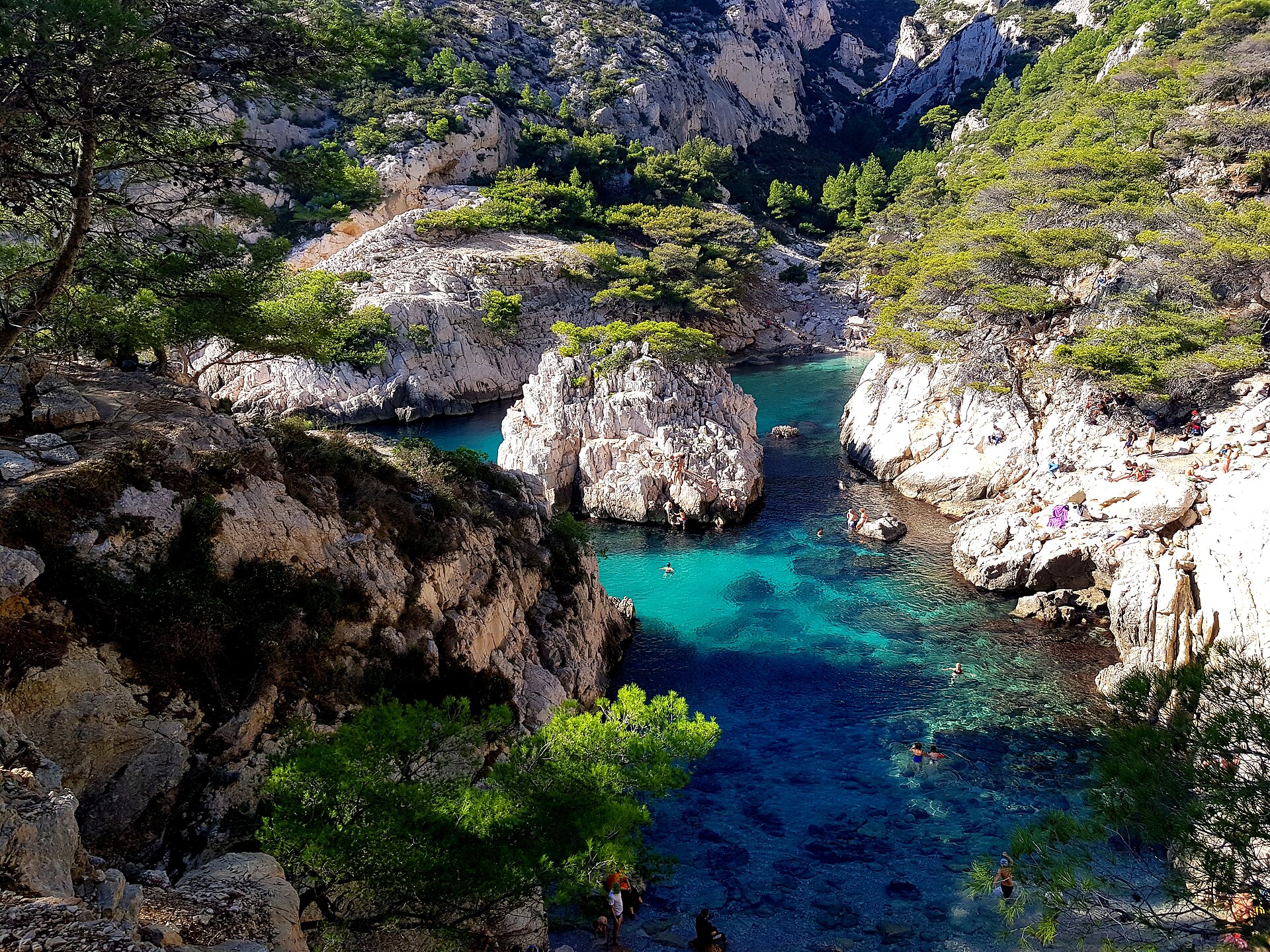 Photo: RocketMan974 / Wikimedia Commons (CC BY-SA 4.0)
 - Château d'If Any season; book the ferry ahead in summer
A real island fortress converted to a state prison from 1580-1871 — over 3,500 Huguenot prisoners, the Marquis de Sade, and the Comte de Mirabeau were all real inmates. The Count of Monte Cristo is fiction: Alexandre Dumas used the real prison as a setting for his invented hero, who never actually existed.
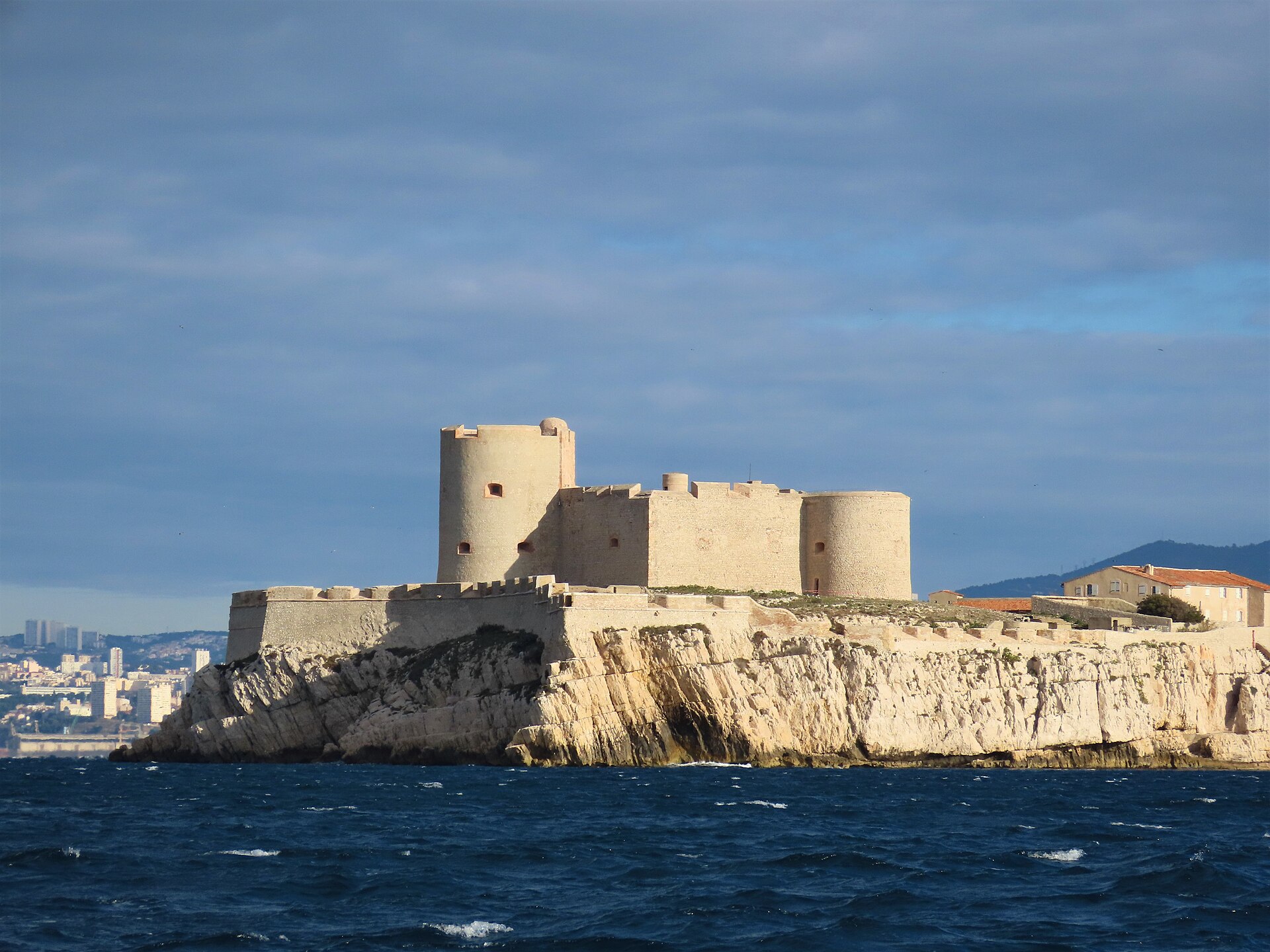 Photo: Rémih / Wikimedia Commons (CC BY-SA 4.0)
 - Basilique Notre-Dame de la Garde Early morning for light and fewer crowds, or golden hour for the view
Marseille's hilltop "Bonne Mère," built 1853-1864 in Neo-Byzantine style on the site of a 13th-century chapel. The gilded Virgin Mary statue crowning the bell tower stands 11.2 meters tall and weighs nearly 9,800kg — roughly 1.5 million visitors climb to it each year.
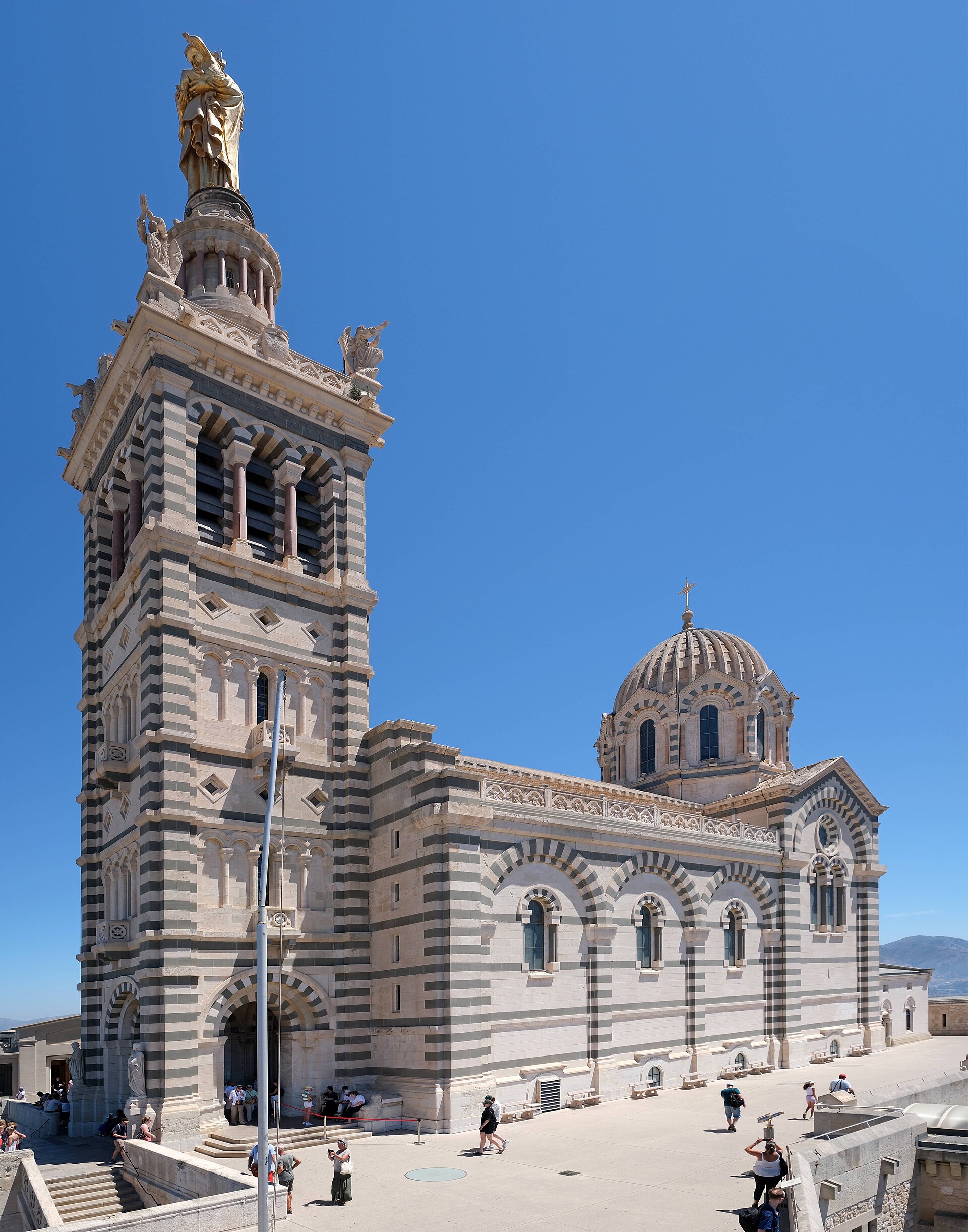 Photo: Kallerna / Wikimedia Commons (CC BY-SA 4.0)
 - Vieux-Port (Old Port) Evening, when the quays fill with diners
Marseille's harbor traces to roughly 600 BC, when Greek colonists from Phocaea founded Massalia here — it became Massilia under Rome and has been the city's working harbor continuously ever since.
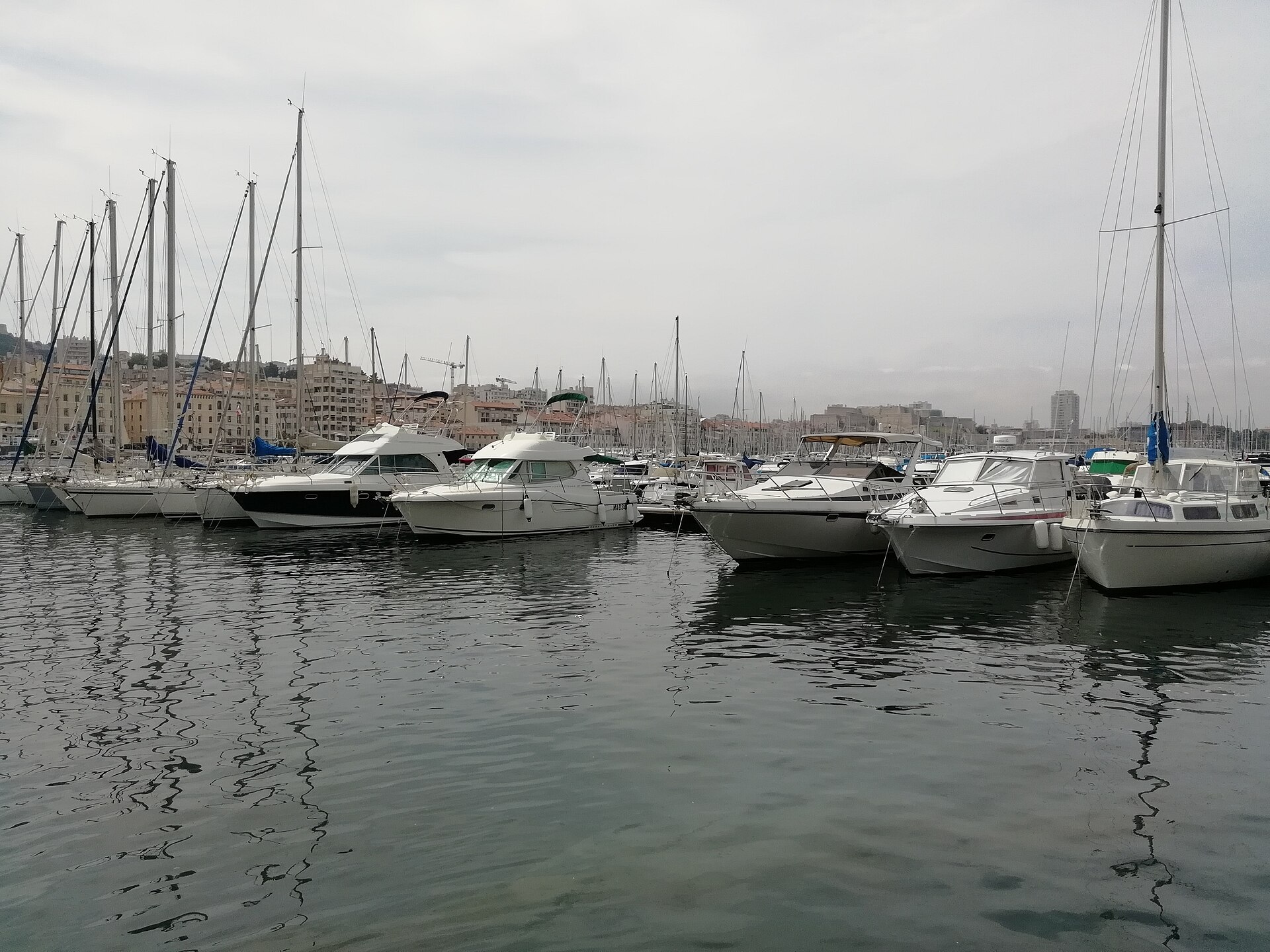 Photo: Houss 2020 / Wikimedia Commons (CC BY-SA 4.0)
 - MuCEM Any season; check for late-evening summer openings
Opened June 2013 during Marseille's year as European Capital of Culture — the first museum devoted entirely to Mediterranean culture, its J4 building wrapped in a 72-meter concrete "lace" façade by architect Rudy Ricciotti, linked by footbridge to the historic Fort Saint-Jean.
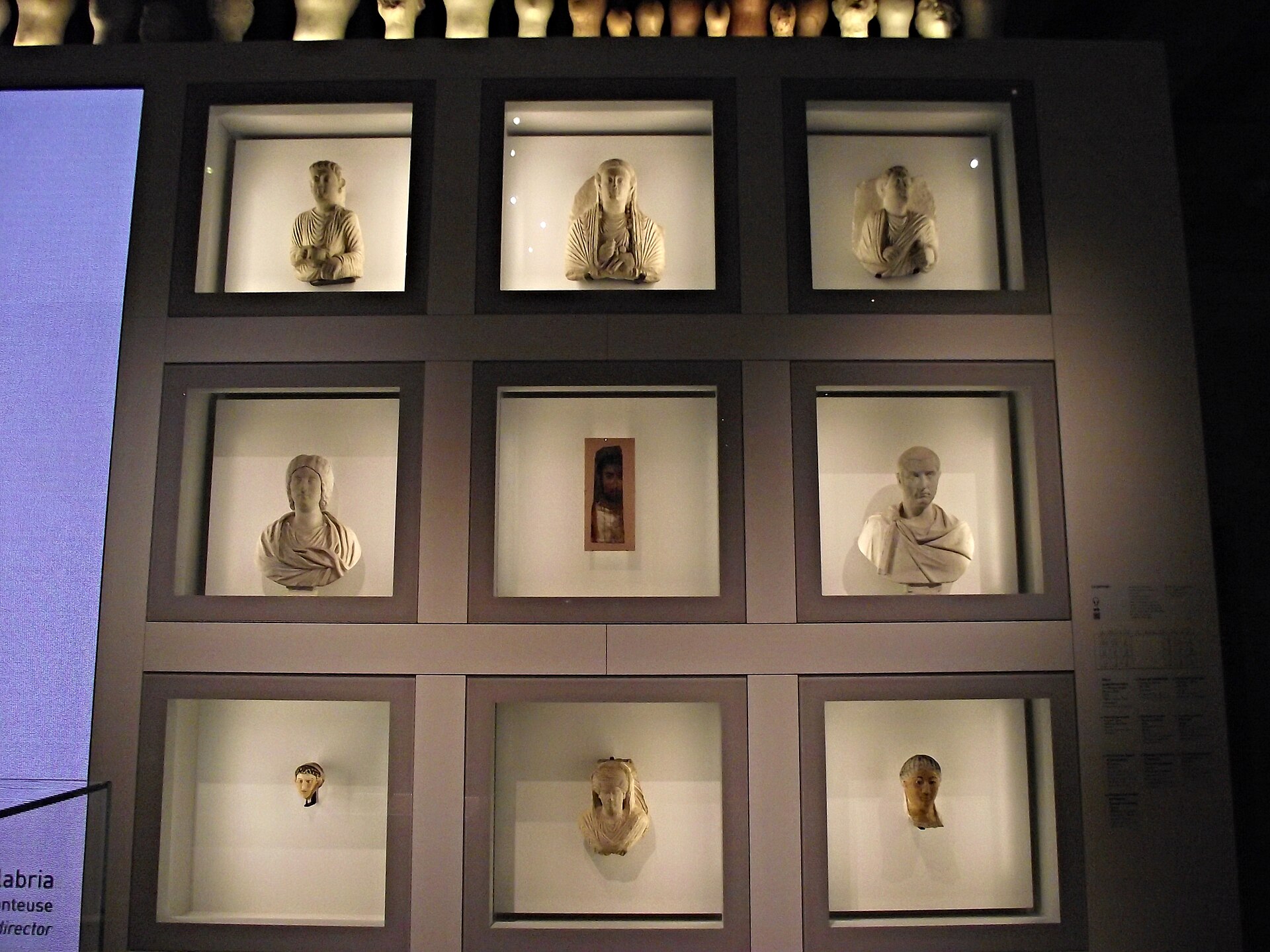 Photo: Fred Romero / Wikimedia Commons (CC BY 2.0)
 - Porquerolles Island May-June or September, to avoid peak-summer ferry crowds
The largest of the Hyères Islands, part of Port-Cros National Park since 2012 and largely state-owned since a 1970s purchase that halted development — today mostly car-free and forested.
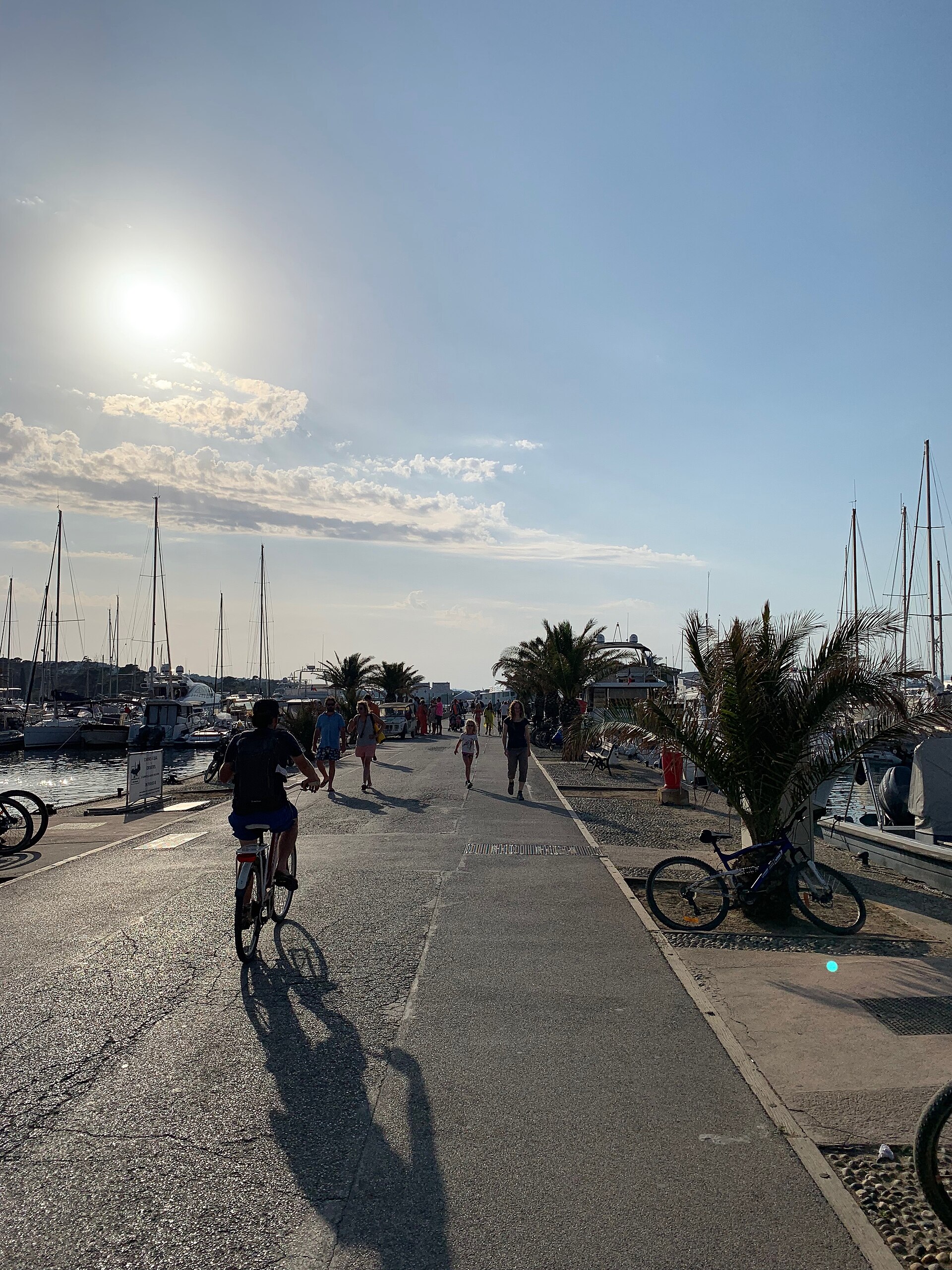 Photo: Sergienkod / Wikimedia Commons (CC BY-SA 4.0)
 - Presqu'île de Giens — Double Tombolo Clear-weather days, from the Costebelle or Fort du Pradeau viewpoints
A genuine geological rarity: two parallel sandy ridges roughly 4km long tie the Giens peninsula to the mainland, enclosing the Étang des Pesquiers salt-marsh lagoon between them — one of the most distinctive coastal landforms on the French coast.
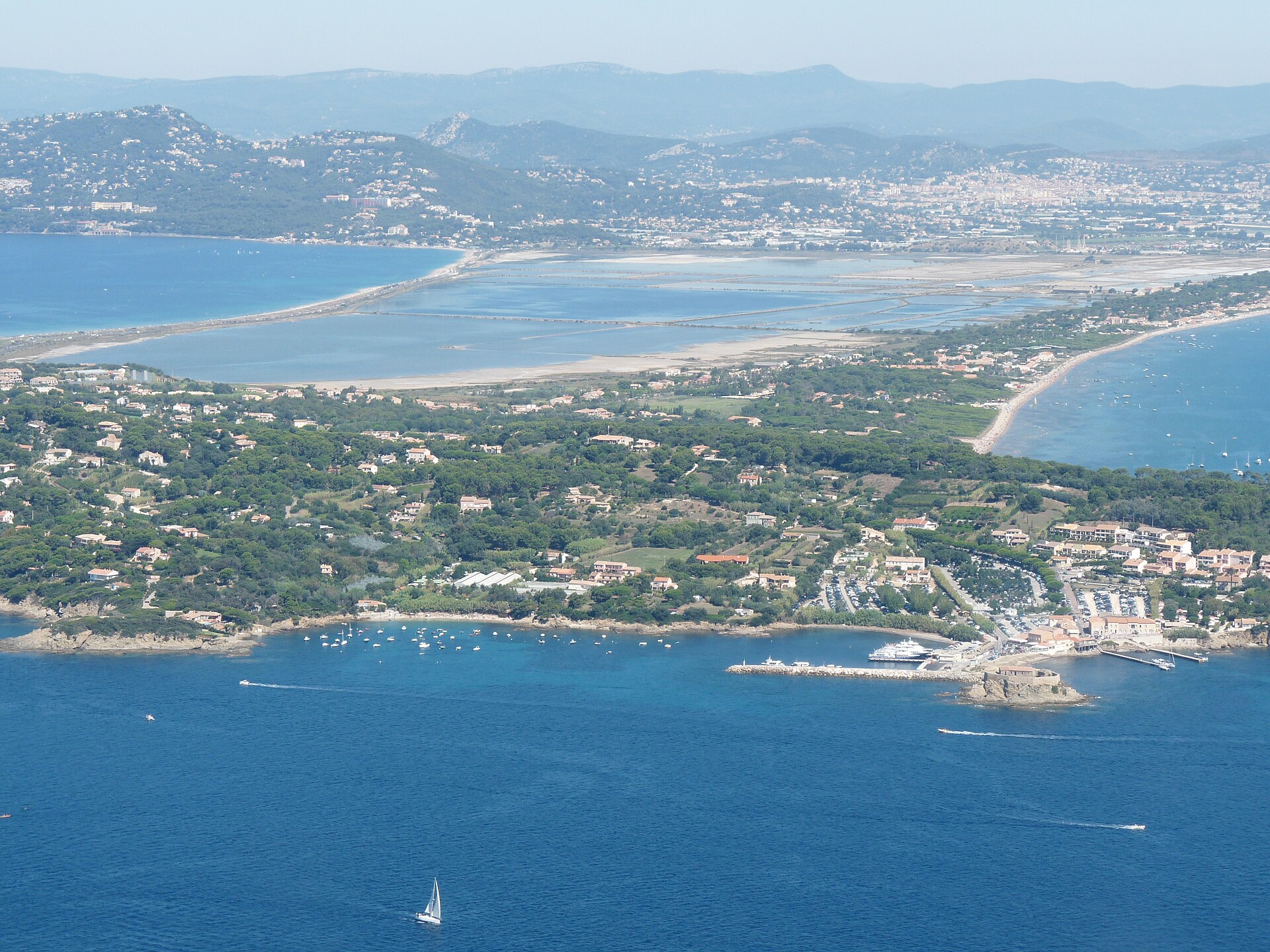 Photo: Yyuri1989 / Wikimedia Commons (CC BY-SA 3.0)
 - Hyères Old Town & Saint-Paul Collegiate Church Cooler months, for walking the steep cobbled lanes
A medieval hilltop old town that grew up under the 11th-century castle of the lords of Fos, enclosed by 13th-century walls. Saint-Paul's church is documented as early as 1182, holding roughly 430 painted votive offerings from the 17th-20th centuries.
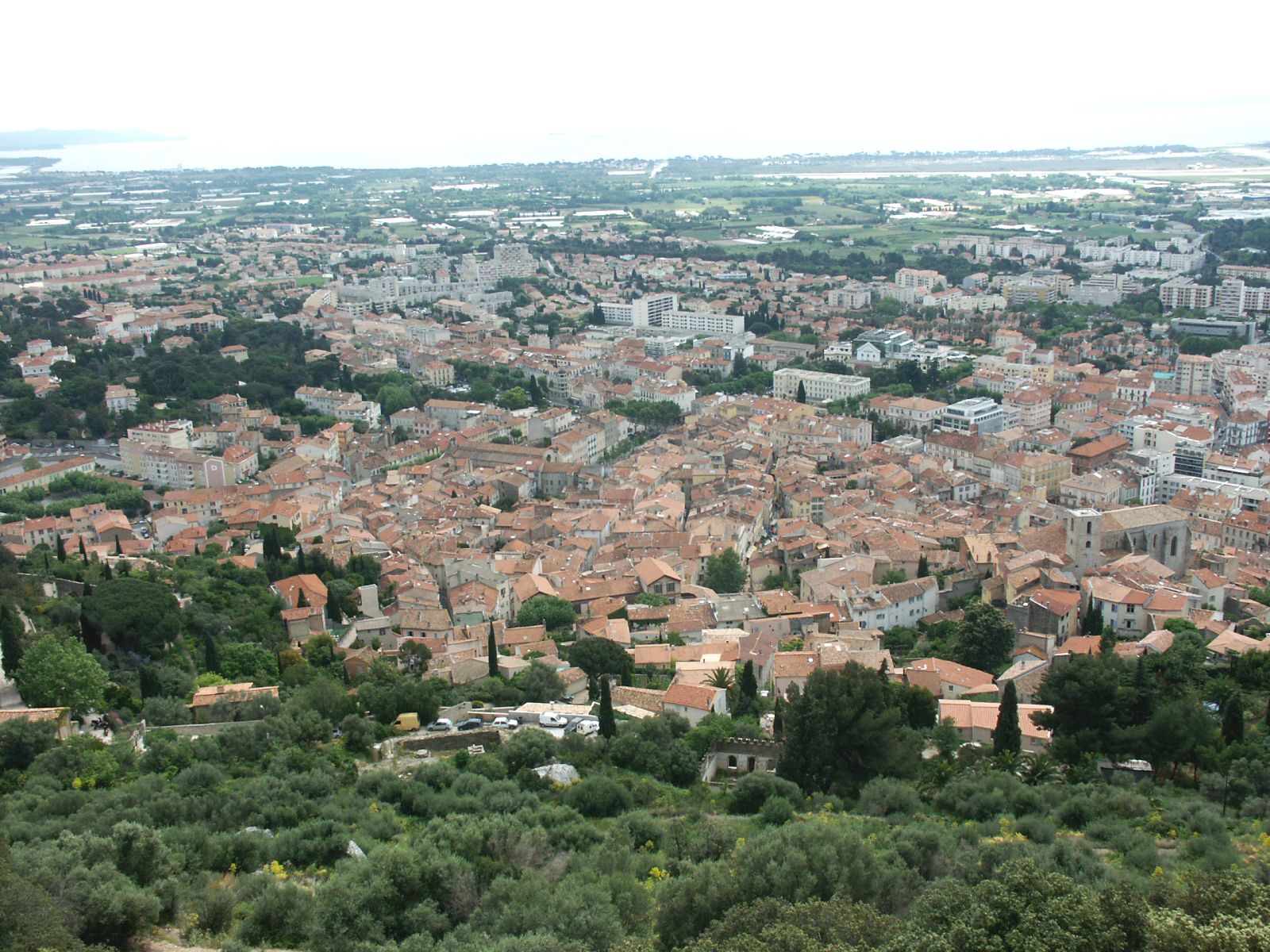 Photo: Denis Biette / Wikimedia Commons (CC BY-SA 2.5)
 - Gruissan's Circular Village & Tour Barberousse Sunset, when the tower and rooftops catch the light
Gruissan is a genuine "circulade" — a medieval circular village plan where streets wind in concentric rings around a central fortification, generally cited as the only one on the French Mediterranean coast. The ring coils around the ruins of a castle tower built around the late 10th century for the Archbishop of Narbonne.
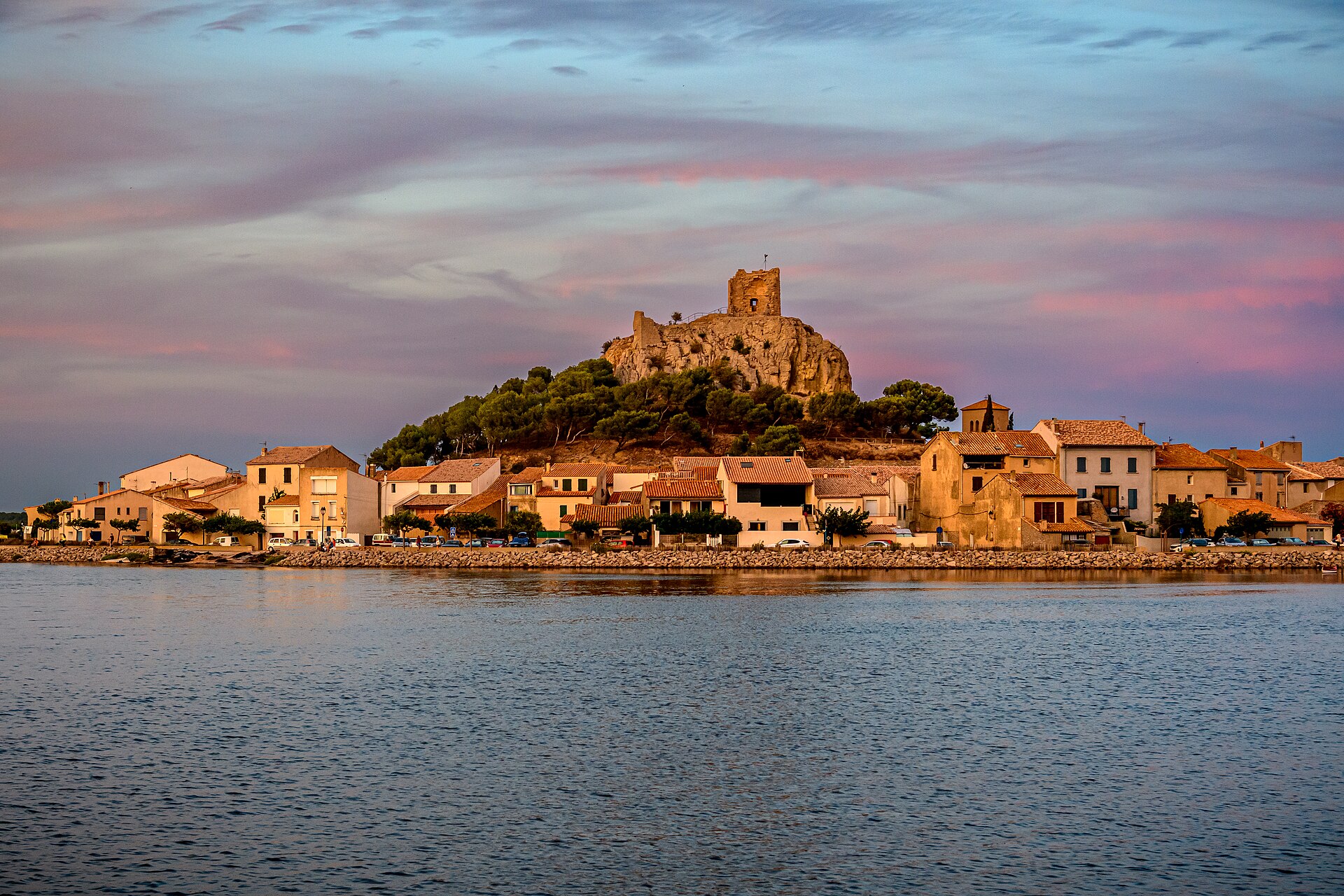 Photo: Stephan Sprinz / Wikimedia Commons (CC BY 4.0)
 - Salin de Gruissan & Étang de l'Ayrolle Late spring through early autumn, for the deepest pink color and best flamingo odds
Roughly 400 hectares of working salt pans sit between the sea and the Étang de l'Ayrolle lagoon — the pink color comes from a carotenoid-producing micro-algae, the same pigment source that turns the area's real, regularly-observed greater flamingos pink.
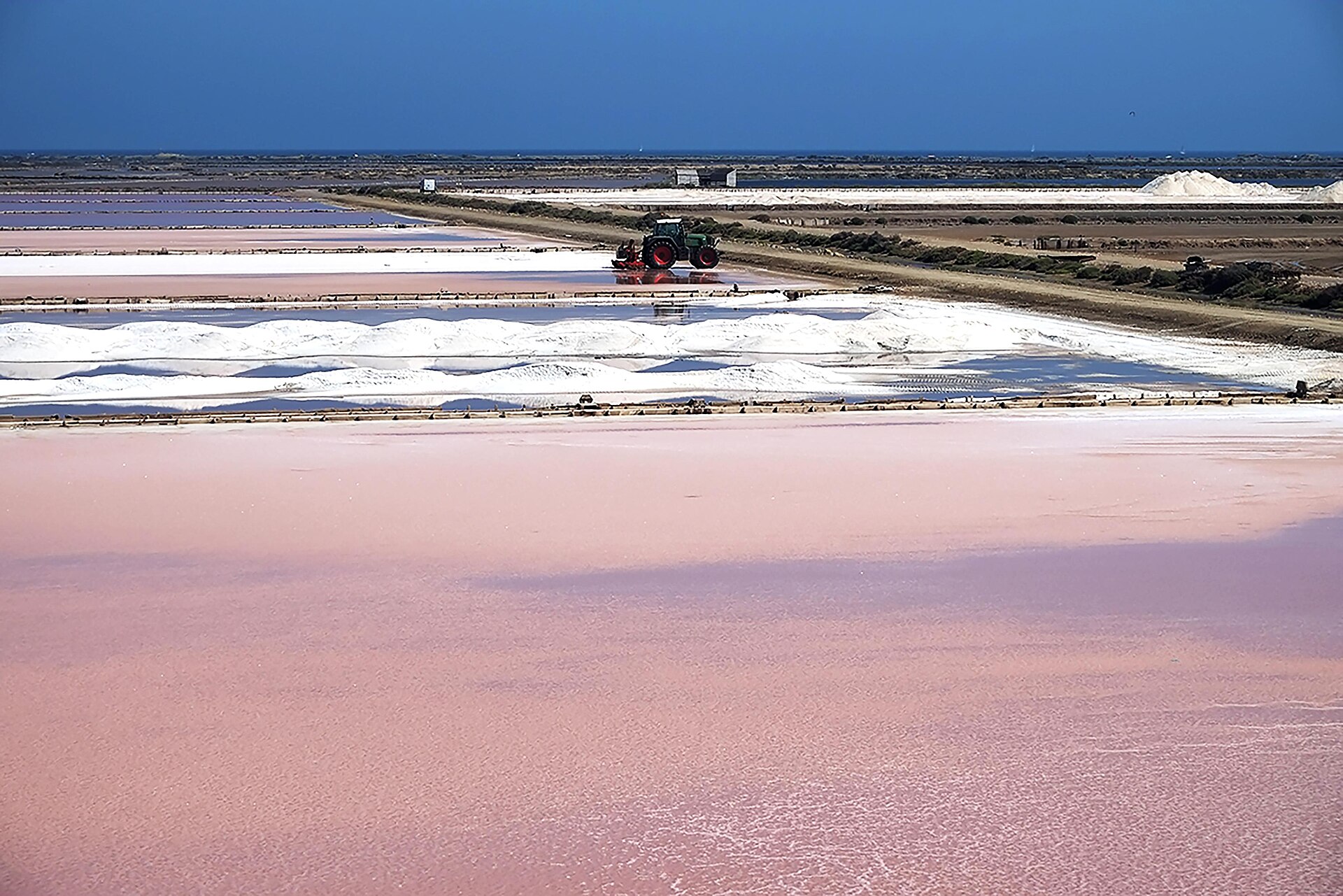 Photo: Isabelle Cheret / Wikimedia Commons (CC BY 4.0)
 - Bandol AOC Vineyards September-October harvest, or spring for vineyard walks with sea views
Vines here trace to 6th-century BC Phocaean cultivation; Bandol became one of France's earliest official wine appellations on November 11, 1941, built around the Mourvèdre grape — reportedly served daily to Louis XV.
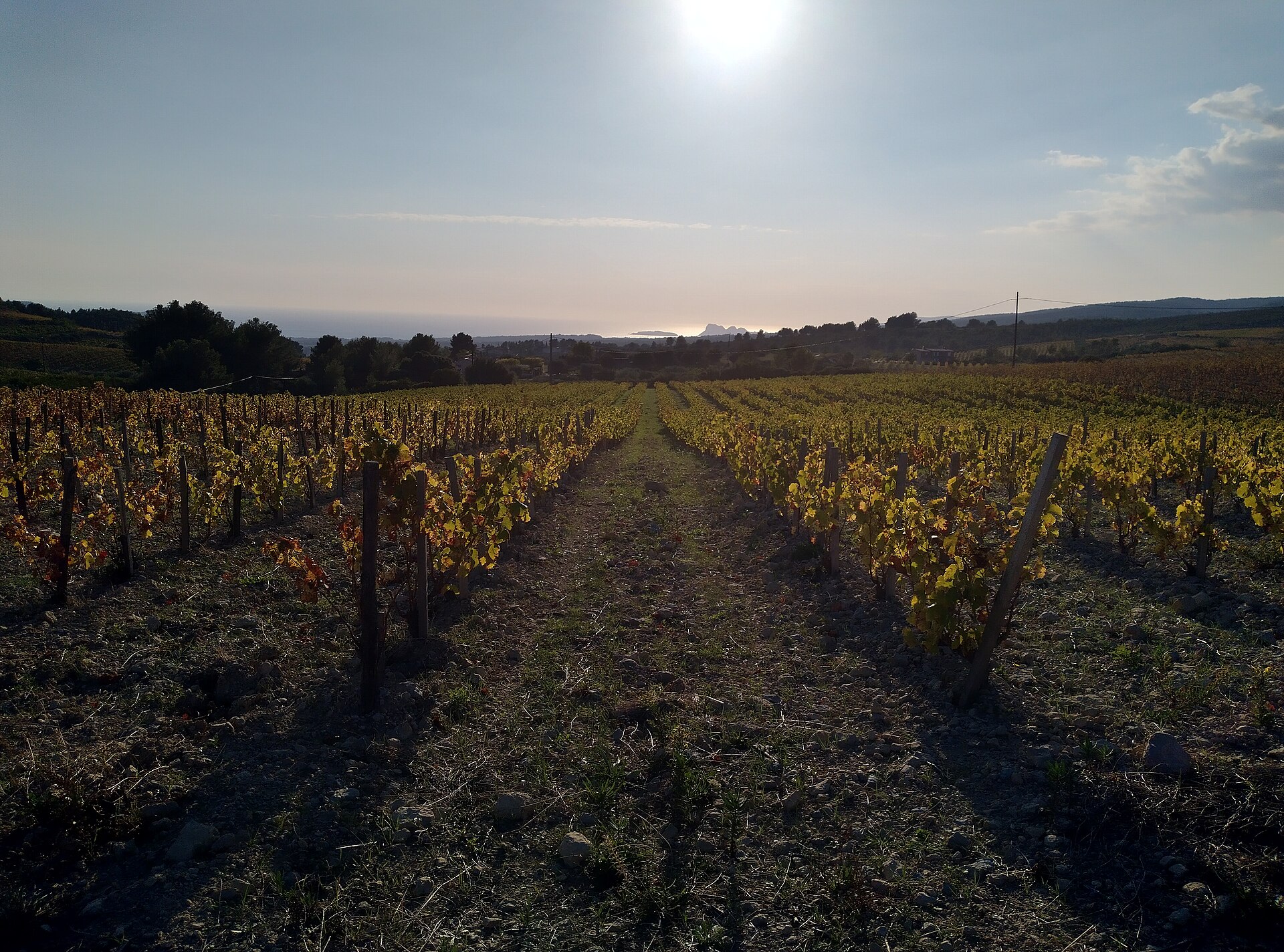 Photo: Bastien Sens-Méyé / Wikimedia Commons (CC BY-SA 4.0)
 - Le Castellet Cooler months or early morning, to avoid midday heat on the shadeless stone streets
A hilltop medieval village overlooking the Bandol vineyards — narrow stone alleyways climbing to a central square, church, and 12th-13th-century château now serving as the town hall, a classic example of a Provençal "village perché."
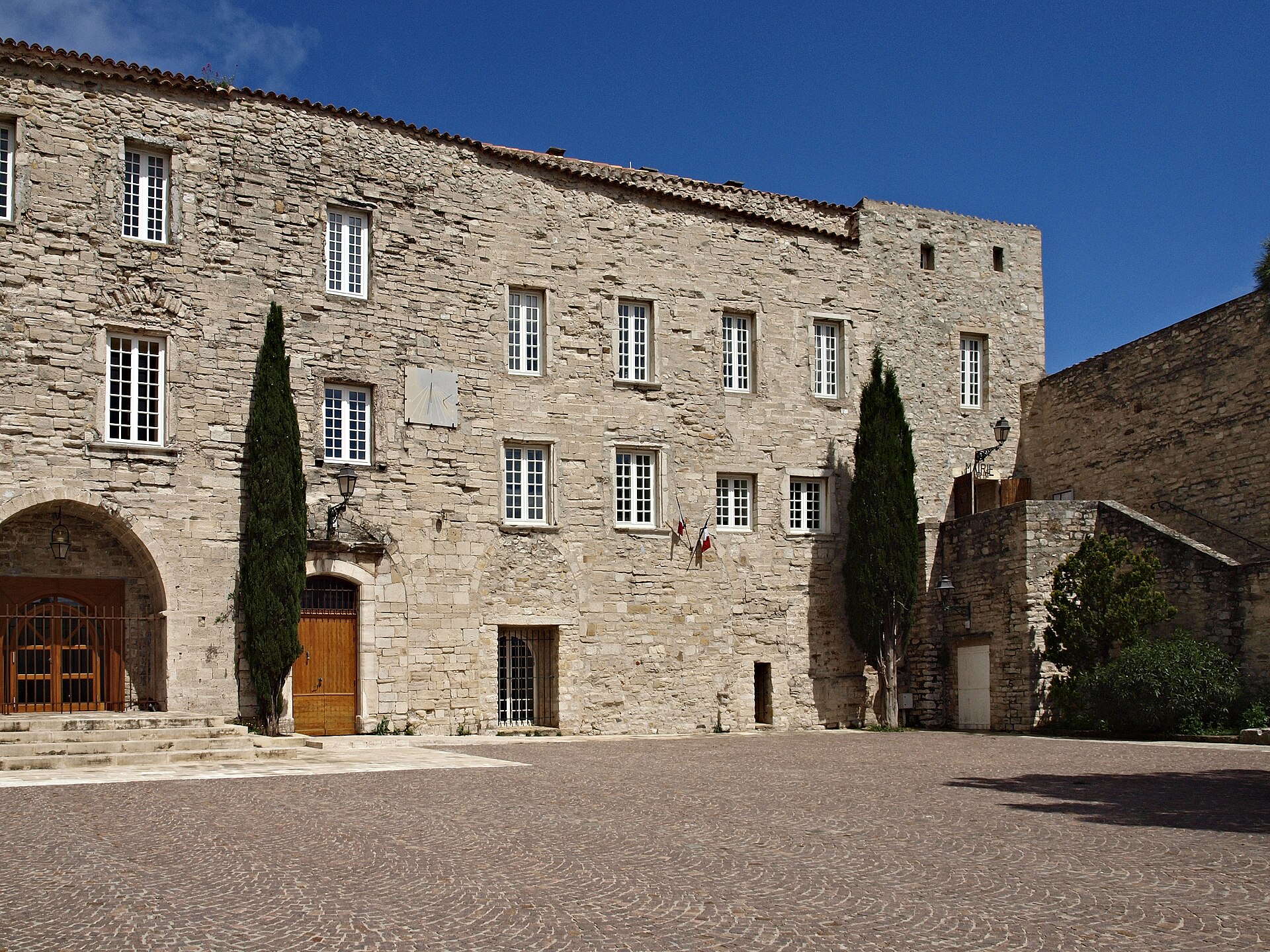 Photo: Pierre Bona / Wikimedia Commons (CC BY-SA 3.0)
Questions people actually ask.
Is this actually a surfing zone?
Honestly, mostly not — this is genuinely a wind-sports zone, and we'd rather say so than force a surf narrative. Almanarre (near Hyères) and Gruissan are both real, world-class windsurf, kitesurf, and wing-foil destinations — Gruissan hosts the Défi Wind, the world's largest windsurfing gathering. Marseille has occasional, storm-dependent wave surfing when a rare winter Mediterranean cyclone lines up with offshore Mistral wind, but it's a niche activity, not a reliable resource. Bandol has no meaningful wind-sport or surf identity at all — it's a sailing and wine town.
What is the Mistral, and is it dangerous?
The Mistral is a powerful, cold, dry northerly wind that funnels down the Rhône Valley into the Mediterranean — Météo France classifies a true Mistral as gusts exceeding 32 knots, and sustained winds in the Gulf of Lions commonly exceed 40 knots. It's genuinely one of the most powerful winds in the Mediterranean, and it creates a real, documented hazard for kiters and windsurfers: a sudden offshore gust or wind shift can carry a rider out to sea. Check the forecast and go out with a local school if you're new to this coast.
Is Marseille safe?
Marseille genuinely carries more specific caution than this site's other France zones, which are mostly small towns. Risk is rated moderate, concentrated in petty crime (pickpocketing) around the Vieux-Port, Saint-Charles train station, and busy markets, with specific neighborhoods — Noailles and Belsunce, and areas north of the city center — flagged for extra caution, especially at night. This is ordinary big-city awareness, not a reason to avoid the city, but it's a real difference from the quiet coastal towns elsewhere on this site.
How far apart are these four towns?
Marseille, Hyères, and Bandol form a fairly tight triangle within about 50-85km of each other — easily linked by train. Gruissan is a different story: it sits over 250km west, near Narbonne, in a different sub-region of the coast (Languedoc rather than Provence). A car, or a train-plus-bus combination via Narbonne, is the realistic way to include Gruissan in the same trip.
When should I go for wind sports here?
April through October is the broad workable window, with the Tramontane (Gruissan's defining wind) and the Mistral both contributing reliable wind days. Gruissan's Défi Wind is scheduled in May, suggesting spring is genuinely prime time there. Water temperature is comfortably warm for swimming (above 68°F/20°C) roughly June through October — noticeably warmer than this site's Atlantic France zones.
Disclosure & how this page works.
Straight talk: Some links on this page are affiliate links — if you book through them, Secrets of Surf Travel earns a small commission at no extra cost to you. We only link places and people we’d use ourselves, and coverage is never for sale. Those commissions are what keep this site running and fund the next trip.
Today, the “Search Vrbo rentals” and “Search Booking.com stays” links on this page are affiliate links — every vendor listing link is still a plain courtesy link. As partnerships with these local businesses come online, more links (and discount codes, where Secrets of Surf Travel benefits from their use) may earn us a commission, and this page will keep saying so plainly. Coverage is never for sale: nobody on this page paid to be here, and nobody can.
Every listing was researched in 2026 and is being verified in person. Prices, hours, and policies change — treat them as strong starting points and confirm directly with the business. And per the No-Reveal Code: you will find no surf spots on this page, ever.