
Fiji
Two real trips sharing one gateway. Nadi and the reef passes: Tavarua and Namotu, the legendary exclusive surf resorts that put Fiji on the map, plus real independent boat charters and budget homestays for surfers not booking a five-figure week. Kadavu: a genuinely separate island reached by its own domestic flight, built around the Great Astrolabe Reef, a dive-first trip with real surf as a bonus. This page builds both honestly rather than pretending it's one seamless cluster.
Straight talk: Some links on this page are affiliate links — if you book through them, Secrets of Surf Travel earns a small commission at no extra cost to you. We only link places and people we'd use ourselves, and coverage is never for sale. Those commissions are what keep this site running and fund the next trip.
Some vacation-rental search links on this page (marked "Search Vrbo rentals," "Search Booking.com stays," or "Search Agoda stays") are affiliate links. Every vendor link below is still a plain courtesy link. As more partnerships come online, more links may earn us a commission; the promise above holds either way.
Getting There
Nadi International Airport (NAN) has genuinely the best US connectivity of any Pacific Islands zone on this site — Fiji Airways flies nonstop from LAX (7x weekly) and SFO, plus a shorter hop from Honolulu. This is a real, direct advantage over every other zone built so far.
To Tavarua/Namotu: a road transfer (~35-40 min) to a boat launch, then a boat crossing (~25-45 min) — roughly 1-1.5 hours door to door. A helicopter option (Island Hoppers, Pacific Island Air) runs 10-20 minutes, priced as a premium add-on.
To Kadavu: a Fiji Link domestic flight (~35-40 min) into Vunisea Airport, then a truck to a jetty, then a further 45-90 minute boat ride through the Great Astrolabe Reef lagoon, depending on the lodge. This is a real second travel leg, not a day trip — build a buffer day around it.
Documents: US citizens don't need a visa — a Visitor Permit valid up to 4 months is issued on arrival. Passport must be valid 6+ months, with proof of onward travel and accommodation.
Ground Transport
- Driving is on the left.
- International rental chains — Avis, Budget, Hertz, Thrifty — all operate at Nadi Airport; compact rates run roughly FJ$96/day.
- Kadavu has no meaningful car-rental infrastructure — lodge boat/truck transfers handle all ground movement there.
When to Go & What to Pack
- April-October is the classic dry-season/trade-wind surf window, driven by SW groundswells meeting SE trade winds. July-August brings the biggest, most consistent swell; September-October is a genuine sweet spot — still-solid swell, thinner crowds, warming weather.
- Water temperature stays warm year-round, 79-84°F (26-29°C) — no wetsuit needed, boardshorts/rashguard/reef booties.
- Cyclone season runs November-April, peaking January-March — this can disrupt flooding, roads, and airport access; a real trip-planning consideration for the shoulder months.
Good to Know
- Currency is the Fijian Dollar (FJD/FJ$).
- Emergency number: 911 (police/ambulance) — some sources also cite 910 for fire; confirm locally as sourcing is slightly inconsistent.
- Three official languages: Fijian, English, and Fiji Hindi. English is the default for tourism and business. Fijian is the iTaukei first language (roughly 54% of the population); Fiji Hindi, spoken by the Indo-Fijian community (roughly 37%), is its own distinct dialect — not standard Hindi.
- Political context stated plainly: Fiji's history includes real coups in 1987, 2000, 2006, and 2009. The country returned to regular elections in 2014, and a peaceful 2022 transfer of power led Freedom House to upgrade Fiji to "Free." Current travel is safe with standard precautions — see Local Secrets for the fuller history.
- Sevusevu is a real, living custom, not a performance — presenting a kava-root gift to a village chief for permission to visit. See Local Secrets for the etiquette.
Respecting the Locals
Sevusevu isn't a photo-op — it's a real, still-practiced custom of presenting a kava-root gift to a village chief for permission to visit, and it says everything about how guests are expected to carry themselves here. Between Nadi's reef-pass communities and Kadavu's iTaukei villages built around the Great Astrolabe Reef, this zone runs on real people whose land and water this is, alongside a distinct Indo-Fijian community with its own history and customs. The same respect that opens a village to a visitor on land applies just as much once you're in the water.
- Locals get first priority, always. Watch a session before you paddle out. Learn who's who before you learn the wave. Sit inside and catch what they let through — the leftovers are yours, not the set waves.
- Don't backpaddle. Ever. Being in position doesn't make the next wave yours, especially if you didn't wait your turn. If a local wants a wave, let them have it…even if it IS your turn. That older guy who may not be the best surfer out there has probably been surfing that wave before you even sat on a board. If you don't know someone, assume they're local.
- Don't snake. This shouldn't even need to be said, but…dropping in on someone, local or not, is the ultimate disrespect and the fastest way to be sent out of the water. Don't be that guy!
- Say hi. A “howzit,” “whatsup,” or “nice wave,” eye contact, or a nod in the channel — it costs nothing and it's the fastest way from stranger to welcome.
- This is somebody's home, not a resort amenity. The break you're surfing is where a local kid learned to swim, where someone's uncle has surfed for forty years. Act like a guest, because you are one.
- Spend where it actually helps. The food truck, the local shaper, the family-run rental, the local photographer — that's where a surf trip's money should land, not just the chain hotel gift shop. See The No-Reveal Code for why that's the whole premise of this site.
- Leave it better than you found it. Pick up trash that isn't yours. Don't touch reef, wildlife, or cultural sites.
Locals have watched hundreds, if not thousands, of people come and go — some for days, some for months or years — and almost all of them eventually go home. The locals are still there. It takes many, many years to actually become one. Keep that in mind the next time you feel entitled to the same waves they get.
None of this is a secret handshake. It's just how you'd want a guest to act in your own backyard.
Nadi & the Reef Passes
This is where modern Fiji surf tourism was born — Tavarua and Namotu, two small islands off Nadi's SW coast, plus real independent boat charters and budget stays that put the same water within reach at very different price points.
Surf Resorts
- Tavarua Island ResortTavarua IslandSplurgeThe original Fiji surf resort — all-inclusive weekly packages (roughly $5,300-7,000+/person, peak season), including all boat surf transfers, meals, and most activities. Book 120+ days out. tavarua.com · Instagram · Map
- Namotu Island ResortNamotu IslandSplurgeSmaller and more intimate than Tavarua, same reef-pass access — 7-night minimum, Sunday-to-Sunday only, booked through a dedicated agent (Waterways Surf Travel) rather than direct online. Many groups rebook the same week annually, so availability is genuinely scarce. namotuislandfiji.com · Instagram · Map
Independent Boat Charters (non-resort access)
- Fiji Surf BoatDeparts Nabila villageBudget/midReal, named daily-boat operator reaching the same reef passes as the exclusive resorts, at a fraction of the cost. fijisurfboat.com · Instagram · Map
Other named operators (Fiji Surf Co, Kaiwai Watersports, Brothers Surf Tours, Dream Surf Fiji) are real businesses that came up in research but need a direct current-status check before treating as fully verified — worth asking about directly when planning.
Stays (budget alternative to the resort packages)
- Nabila Surf HomestayNabila village, ~30 min from Nadi airportBudgetFrom roughly FJ$50/night, right by the independent reef-pass boat departure point. Same operator as Fiji Surf Boat above. fijisurfboat.com · Instagram · Map
- Rendezvous Surf CampNadi/Viti Levu mainlandBudgetExplicitly positioned as the non-resort-priced way to surf the Mamanuca reef passes — daily boats, 10-15 minutes to the famous reef pass. Facebook · Map
Where to Eat
- Nadina Authentic Fijian RestaurantPort Denarau MarinaMid-rangeFijian-owned, kokoda, lovo-cooked banana-leaf fish, a ceremonial kava welcome. Instagram · Facebook · Map
- Indigo Indian Asian Restaurant & BarPort Denarau MarinaMid-rangeIndo-Fijian specialties — crab masala, lamb rogan josh — a direct link to the Indo-Fijian history covered in Local Secrets. indigofiji.com · Instagram · Map
- Saffron Indian RestaurantNadi townBudgetEstablished North Indian/tandoor spot drawing local Indo-Fijian families, cheaper than the Denarau marina scene. fijiyp.com listing · Map
- Cardo's Steakhouse & Cocktail BarPort DenarauMid-rangeA long-running Fiji institution. cardosfj.com · Instagram · Map
Surfboard & Wetsuit Repair
- Momi SurfConfirm on the groundReal, itemized repair pricing — roughly FJ$50 for dings/lost fins, up to FJ$500 for a snapped or lost board. momisurf.wixsite.com · Map
- Fijian Surf CompanyNadi townConfirm on the groundSurf shop with repair capability. fijisurfco.weebly.com · Map
Massage & Wellness
- Bebe SpaOutrigger Fiji Beach Resort, Coral CoastLuxuryAward-winning, 8 treatment rooms with private balconies. outrigger.com · Instagram · Map
Fiji's wellness scene runs through resort spas rather than an independent day-spa town — stated honestly rather than inventing a standalone scene. Quan Spa at the Fiji Marriott Resort Momi Bay was removed from this list: it's a generic chain-hotel spa concession with no independent local story of its own, consistent with this site's policy of not spending effort promoting the chain hotel gift shop.
Kadavu & the Great Astrolabe Reef
Kadavu is a genuinely separate island — 60km by 13km, its own domestic flight, its own boat leg through the lagoon. It's honestly a dive-first destination with real surf as a bonus, built around one of the healthiest, least-pressured reef systems in the Pacific.
Surf & Dive Lodges
- Matava — Fiji's Premier Eco Adventure ResortNear Kadavu PassageMid-rangeOff-grid eco-lodge with a conservation focus — dive, surf, and rainforest adventure rather than a pure surf-package operation. matava.com · Instagram · Map
- Papageno Resort & DiveKadavu IslandMid-rangeRecently renovated (2024), the #1-rated small hotel on Kadavu — meal-inclusive rates, round-trip boat transfer from Vunisea Airport included, diving/surfing/fishing/snorkeling/spearfishing/waterfall hikes. papagenoresort.com · Instagram · Map
- Tiliva ResortNaleca, north coast KadavuMid-rangeSmall 8-bure PADI dive resort, eco-focused, all meals included — one of the longer approaches in the cluster (two domestic legs plus a 90-minute boat transfer), worth knowing before booking. tiliva-resort.com · Map
Where to Eat / Wheels / Repair / Wellness
All meal-inclusive through the lodges above — Kadavu has no standalone restaurant scene, no car rental, no independent repair shop, and no standalone spa. This is genuinely a self-contained lodge-package island, not a town-and-vendor destination, and this page states that honestly rather than padding these categories.
Other Adventures
- Great Astrolabe Reef divingMid-rangeSee Local Secrets — 60+ dive sites, manta cleaning stations, offered directly through Matava, Papageno, and Tiliva.
Local Secrets
Seven non-surf reasons this zone rewards the curious — the world's fourth-largest barrier reef, the largest Hindu temple in the Southern Hemisphere, and a real living cultural protocol worth understanding before a first visit.
- Great Astrolabe Reef Year-round, Kadavu
The world's fourth-largest barrier reef, roughly 100km long, wrapping Kadavu's south coast and Ono Island. 60+ dive sites, manta ray cleaning stations, and minimal tourism or fishing pressure make it one of the healthiest reef systems left in the Pacific.
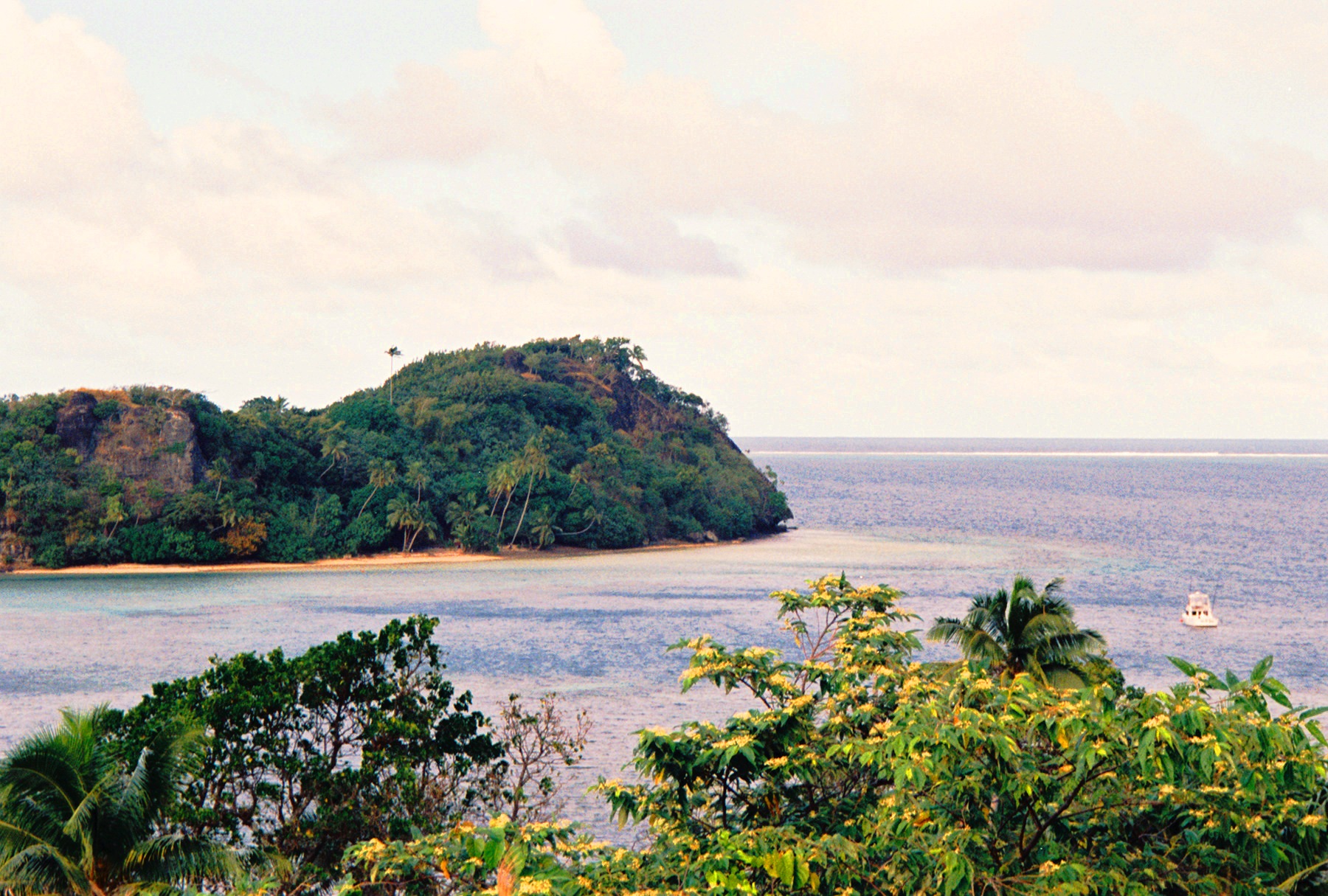 Wikimedia Commons (CC BY-SA 3.0)
 - Sri Siva Subramaniya Temple Open year-round, Nadi; free entry
The largest Hindu temple in the Southern Hemisphere, built in Dravidian style with roughly 70 tonnes of imported Italian marble — a real, visitable anchor to the Indo-Fijian story below.
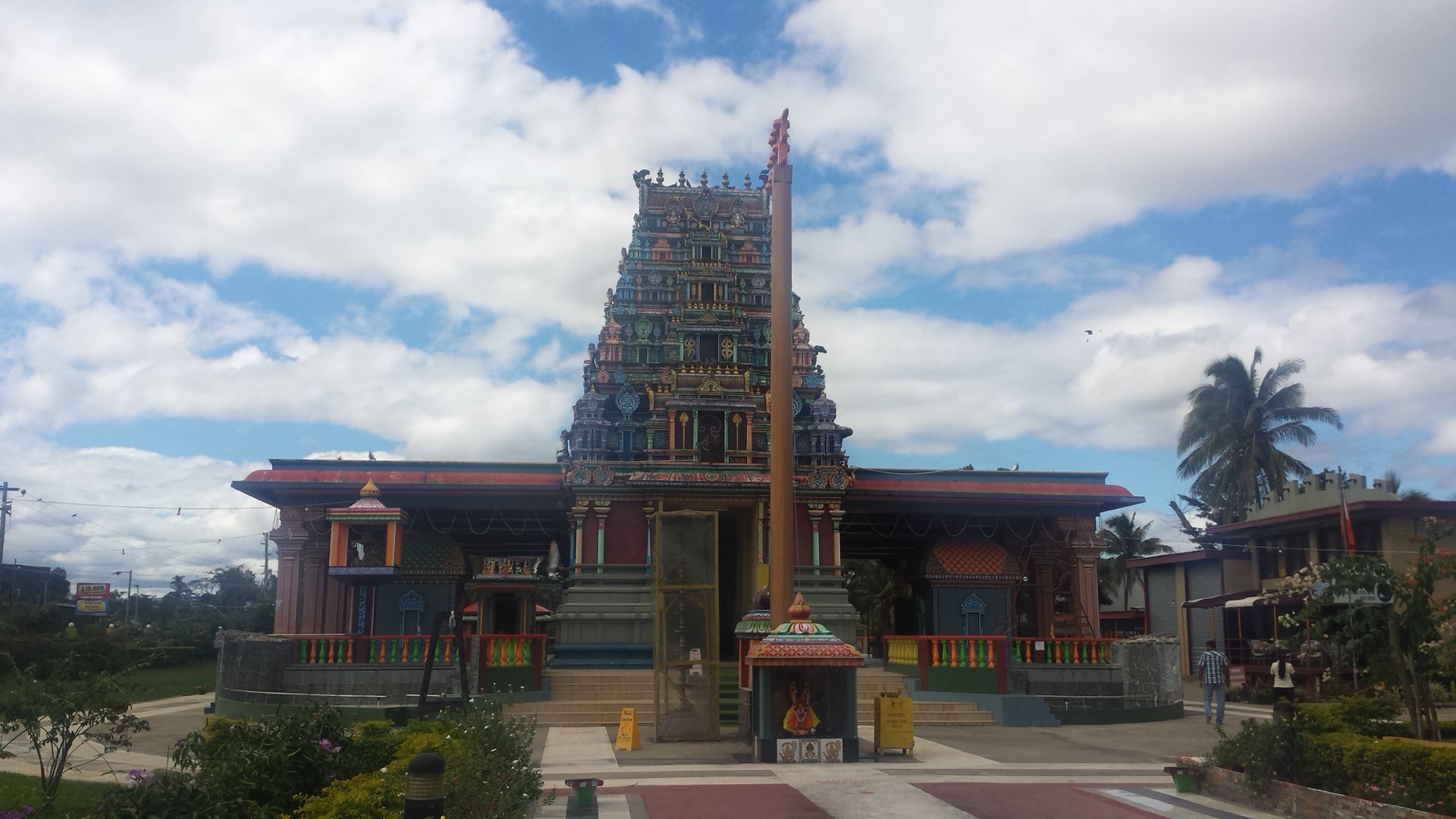 Wikimedia Commons (CC BY-SA 4.0)
 - Indo-Fijian Heritage & the Girmit Story Historical/ongoing cultural context
Roughly 37% of Fiji's population descends from Indian indentured laborers — "girmitiyas," from a corruption of "agreement" — brought under British colonial rule starting in 1879 to work sugar plantations. The first ship, the Leonidas, began a wave of arrivals that totaled over 60,000 by 1916. This is a real, foundational, and still-living part of Fiji's demographic and cultural identity, not a footnote.
- Sevusevu & Kava Custom Ongoing, living protocol
A real, still-practiced ceremony: presenting a kava-root gift (roughly FJ$30-40) to a village chief for permission to visit, in a seated ceremony using a tanoa bowl and bilo cup. Real etiquette applies — cover shoulders and knees, don't point your feet at anyone, stay below the chief's eye level, and remove shoes and hats.
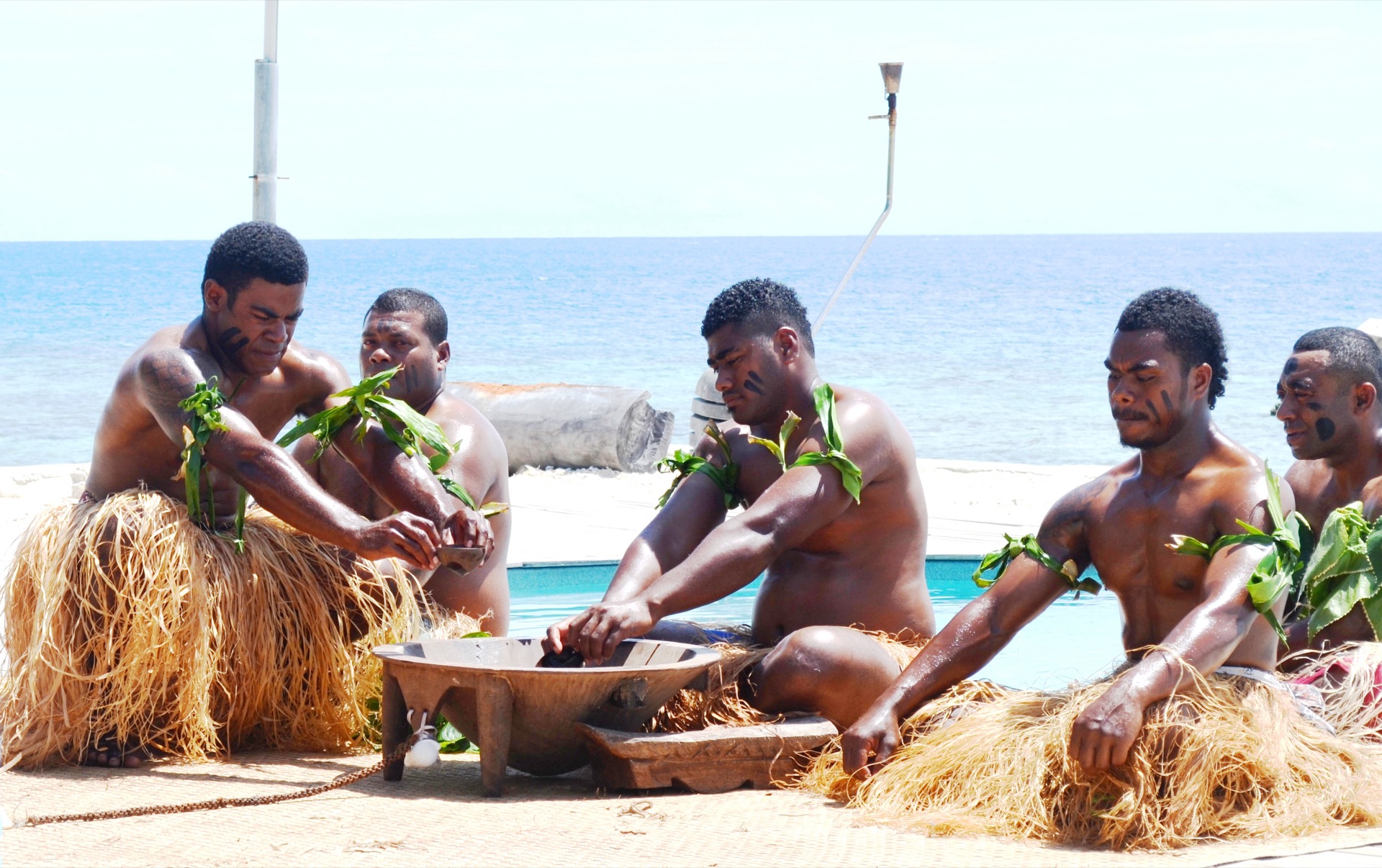 Wikimedia Commons (CC BY-SA 4.0)
 - Sigatoka Sand Dunes National Park Open year-round, Coral Coast, Viti Levu
Fiji's first national park, established 1989 — dunes rising 20-60 meters, and one of the largest archaeological sites in the Pacific, with pottery finds dated to over 2,600 years old. On UNESCO's Tentative List, not yet a fully inscribed World Heritage Site.
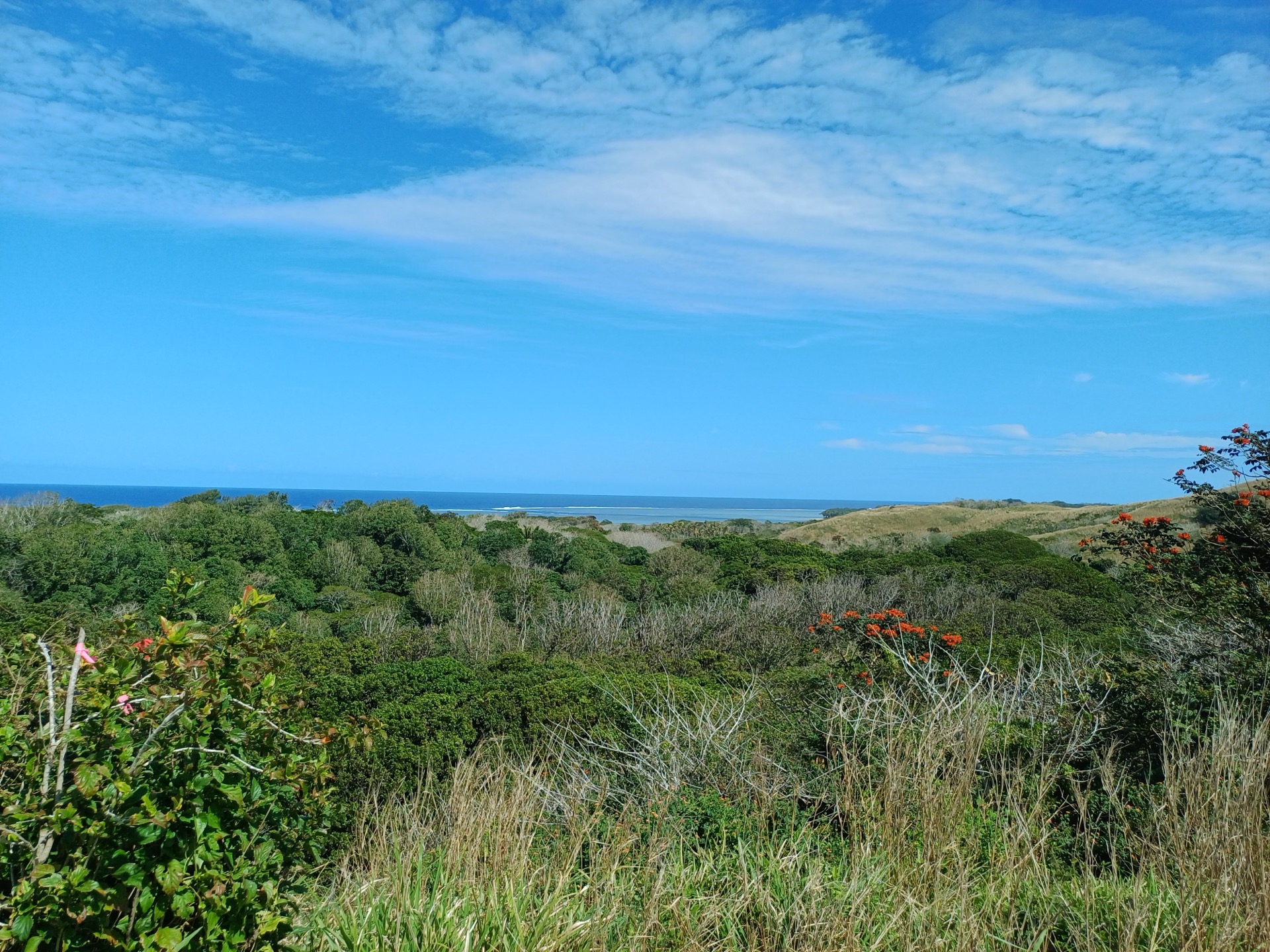 Wikimedia Commons (CC BY 3.0)
 - Fiji's Coup History (1987-2009) Historical context
A real, complex political history worth understanding rather than glossing over: coups or crises in 1987 (ethnic-Fijian/Indo-Fijian political tension), 2000 (a parliamentary hostage-taking), 2006 (a military takeover), and 2009 (a constitutional crisis after courts ruled the 2006 coup unconstitutional). Resolution matters too — Fiji returned to regular elections in 2014, and a peaceful 2022 transfer of power led Freedom House to upgrade the country to "Free."
- Pre-Colonial Ritual History & the Fiji Museum Museum open year-round, Suva
Fiji's pre-colonial history includes a real, documented ritual practice tied to chiefly power, with archaeological evidence stretching back roughly 2,500 years and a last confirmed act in 1867. Genuine artifacts are held today at the Fiji Museum in Suva — the responsible way to encounter this history is through the museum's own documentation, not sensationalized retelling.
Two of the seven — Indo-Fijian heritage/Girmit and the coup history — run without a photo here; both are historical/demographic context rather than single visitable sites. This zone runs seven Local Secrets rather than the usual eight: a genuine village-culture/vanua-system candidate turned out to overlap too closely with the sevusevu entry above to stand alone honestly, so it was folded in rather than padded out as a separate stop.
Questions people actually ask.
Is Fiji only for guests of exclusive resorts like Tavarua and Namotu?
No, and this matters — Tavarua Island Resort and Namotu Island Resort are legendary, real, all-inclusive resorts with package pricing in the thousands of dollars per week, but they're not the only way to surf this coast. Real, named independent operators like Fiji Surf Boat run daily boats to the same reef passes from mainland Nadi villages, and budget options like Nabila Surf Homestay and Rendezvous Surf Camp put the same waves within reach at a fraction of the cost.
How do Nadi and Kadavu actually relate to each other?
Honestly, they're two different trips sharing one gateway airport. Tavarua and Namotu sit 10-25 miles off Nadi and are reached by a short road-and-boat transfer, roughly 1-1.5 hours door to door. Kadavu is a genuinely separate, much larger island requiring its own domestic flight plus a further 45-90 minute boat ride through the Great Astrolabe Reef lagoon — a full second travel leg, not a day trip. This page builds them as two distinct hubs under one Fiji zone rather than pretending they're one seamless cluster.
Is Fiji safe to visit given its political history?
Yes, currently. Fiji's political history includes real coups in 1987, 2000, 2006, and 2009 — genuinely turbulent history worth knowing. But the country returned to regular democratic elections in 2014, and a peaceful transfer of power after the 2022 election led Freedom House to upgrade Fiji from "Partly Free" to "Free." Standard traveler precautions apply; there's no active unrest.
What's the water like, and when should I go?
Warm year-round, 79-84°F (26-29°C) — no wetsuit needed. April-October is the classic dry-season/trade-wind surf window, with July-August the biggest and most consistent swell, and September-October a genuine sweet spot of still-solid swell with thinner crowds. Cyclone season runs November-April, peaking January-March — plan around it.
Disclosure & how this page works.
Straight talk: Some links on this page are affiliate links — if you book through them, Secrets of Surf Travel earns a small commission at no extra cost to you. We only link places and people we'd use ourselves, and coverage is never for sale. Those commissions are what keep this site running and fund the next trip.
Today, the "Search Vrbo rentals," "Search Booking.com stays," and "Search Agoda stays" links on this page are affiliate links — every vendor listing link is still a plain courtesy link. As partnerships with these local businesses come online, more links (and discount codes, where Secrets of Surf Travel benefits from their use) may earn us a commission, and this page will keep saying so plainly. Coverage is never for sale: nobody on this page paid to be here, and nobody can.
Every listing was researched in 2026 and is being verified in person. Prices, hours, and policies change — treat them as strong starting points and confirm directly with the business. And per the No-Reveal Code: you will find no surf spots on this page, ever.