
Brittany
La Torche is the historic birthplace of Breton surfing and one of the most consistent, powerful beach breaks in Europe. Quiberon, France's flagship thalassotherapy town, is also the gateway to Belle-Île and a short drive from Carnac's megalithic stones — older than Stonehenge. The Crozon Peninsula, further west, holds some of Brittany's most dramatic coastline inside a national nature park. All three sit genuinely far apart — this is the largest zone this site has built.

Straight talk: Some links on this page are affiliate links — if you book through them, Secrets of Surf Travel earns a small commission at no extra cost to you. We only link places and people we’d use ourselves, and coverage is never for sale. Those commissions are what keep this site running and fund the next trip.
Some vacation-rental search links on this page (marked “Search Vrbo rentals” or “Search Booking.com stays”) are affiliate links. Every vendor link below is still a plain courtesy link. As more partnerships come online, more links may earn us a commission; the promise above holds either way.
Getting There
This zone spans three small regional airports, each realistically serving one sub-area: Quimper (UIP) for La Torche (~20-25km, 25-40min drive) — a small airport whose scheduled service goes almost exclusively to Paris-Orly; Lorient (LRT) for Quiberon (~55km, ~52min); and Brest Bretagne (BES) for the Crozon Peninsula (~58km, ~49min to Crozon town), the largest of the three with routes to Paris, Barcelona, London, Rome, and a few others. None of these airports has direct US service.
Realistic routing: connect through Paris or another European hub, then take a short regional flight, the TGV, or a rental car for the final leg. If you're combining this zone with the site's Vendée & Charente-Maritime zone, Nantes (NTE) is also a workable if distant option for Quiberon (~157-160km, ~2hrs).
Documents: same Schengen rules as the site's other France zones — no visa needed for US citizens for stays under 90 days within any 180-day period.
Ground Transport
- France drives on the RIGHT. A car is genuinely necessary here — more so than any other zone this site has built. La Torche, Quiberon, and the Crozon Peninsula sit roughly 130-160km apart from each other, connected by the free (non-toll) RN165 expressway that runs the length of southern Brittany.
- Train access is real but uneven. Quimper has direct TGV service to Paris, but La Torche itself has no station (nearest is Quimper, ~25-30km away). Auray, the nearest full-time station to Quiberon, also has TGV service — but Quiberon itself only gets train access via a seasonal summer-only tourist line (the "Tire-Bouchon") running weekends in June and early September, daily late June through August. Outside that window, or year-round for the Crozon Peninsula (which has no station at all, nearest is Brest), you need a car or bus.
- Belle-Île, reachable by ferry from Quiberon, is walkable/bikeable once there — no car needed on the island itself unless you're staying a while.
When to Go & What to Pack
- La Torche is genuinely the most consistent beach break in the region — it works on most swells and nearly all tides thanks to multi-directional exposure (NW, W, and SW). Quiberon runs best on heavy NW swells, strongest in autumn and winter. Worth knowing for context: the Vendée coast covered elsewhere on this site sits partly in a swell shadow from Brittany itself — Brittany is the more exposed, more powerful neighbor to that gentler coast, though the Basque/Landes coast further south remains the site's raw-power benchmark.
- Water temperature runs measurably cooler here than the site's other France zones, consistent with the more northern latitude: peaking roughly 63-68°F (17-20°C) around mid-August, dropping to 50-52°F (10-11°C) around the March minimum. A 3/2mm suit covers the summer peak; a 5/4/3mm with gloves, boots, and a hood is right for winter (January-March).
- Autumn (September-November) is repeatedly cited as the sweet spot — consistent swell, lighter wind, the warmest water of the real surf season, and fewer crowds than summer. Winter (December-February) brings the most powerful swells but the coldest water and frequent storms.
- La Torche gets genuinely crowded on sunny summer weekends — sources describe 100+ people in a single peak zone — though summer surf there is also the flattest and mellowest of the year. Dawn sessions or weekdays outside French school holidays are the real workaround.
Good to Know
- Safety: same France-wide Level 2, Exercise Increased Caution baseline as the site's other France zones — nothing region-specific to Brittany elevates or reduces this beyond the ocean-safety notes above.
- Currency: Euro.
- Language: French, but Breton is a real, living Celtic language here — the only one still spoken on the European mainland, most closely related to Cornish and then Welsh. UNESCO classifies it as severely endangered, with most fluent speakers over 60, but a genuine bilingual-education recovery movement has meaningfully grown enrollment over the past two decades.
- Emergency number: 112, same as the rest of the EU.
- Connectivity: generally solid coverage along the coast and at major tourist sites (including the Carnac megalith fields), though Brittany's interior can be more variable — Orange is generally cited as having the widest rural footprint of France's four carriers, worth knowing given how much driving this zone requires.
- Cost of living: directionally cheaper than the Basque Country and roughly comparable to the Vendée coast, though a precise matching daily-budget figure for this specific zone wasn't found in research — treat this as a genuinely mid-tier-cost part of France rather than a bargain or a splurge.
Respecting the Locals
Breton is a real, living Celtic language here — the only one still spoken on the European mainland — and this zone carries genuine regional identity distinct from the rest of France, from the Pays Bigouden's own coiffe tradition to the deep local roots of Breton surfing itself. This isn't generic "France," it's a specific culture with its own language and customs, and it's worth treating it that way rather than defaulting to Parisian assumptions.
- Locals get first priority, always. Watch a session before you paddle out. Learn who's who before you learn the wave. Sit inside and catch what they let through — the leftovers are yours, not the set waves.
- Don't backpaddle. Ever. Being in position doesn't make the next wave yours, especially if you didn't wait your turn. If a local wants a wave, let them have it…even if it IS your turn. That older guy who may not be the best surfer out there has probably been surfing that wave before you even sat on a board. If you don't know someone, assume they're local.
- Don't snake. This shouldn't even need to be said, but…dropping in on someone, local or not, is the ultimate disrespect and the fastest way to be sent out of the water. Don't be that guy!
- Say hi. A “howzit,” “whatsup,” or “nice wave,” eye contact, or a nod in the channel — it costs nothing and it's the fastest way from stranger to welcome.
- This is somebody's home, not a resort amenity. The break you're surfing is where a local kid learned to swim, where someone's uncle has surfed for forty years. Act like a guest, because you are one.
- Spend where it actually helps. The food truck, the local shaper, the family-run rental, the local photographer — that's where a surf trip's money should land, not just the chain hotel gift shop. See The No-Reveal Code for why that's the whole premise of this site.
- Leave it better than you found it. Pick up trash that isn't yours. Don't touch reef, wildlife, or cultural sites.
Locals have watched hundreds, if not thousands, of people come and go — some for days, some for months or years — and almost all of them eventually go home. The locals are still there. It takes many, many years to actually become one. Keep that in mind the next time you feel entitled to the same waves they get.
None of this is a secret handshake. It's just how you'd want a guest to act in your own backyard.
La Torche
The historic birthplace of Breton surfing, in the Pays Bigouden — a distinct 12-commune sub-region of southern Finistère known for the coiffe bigoudène, a tall lace headdress that grew from roughly 10cm in the 1910s to 33-35cm by the 1940s, still a real, recognizable emblem of Brittany today. The region's first surf clubs date to 1987, with the first Breton surf school opening here in 1994.
La Torche's beds run to sleeps-many longhouses, mobile-home camping, and small beachfront hotels — a lodging bench built for surf trips and groups, worth widening beyond the listings below.
Search Vrbo rentals near La Torche →
Search Agoda stays in Search Booking.com stays near La Torche →
Surf Schools & Board Rental — genuinely the deepest bench in this zone
- ESB La Torche (École de Surf de Bretagne)Pointe de la Torche, PlomeurConfirm on the ground30 years teaching on the beach — 250+ boards and 400 wetsuits, also trades as Twenty Nine Surf Shop. esb-latorche.com · Instagram · Map
- Élaia École de SurfPors Carn beach, Penmarc'h sideConfirm on the groundA small, passionate team with nearly 30 years surfing the spot themselves — 5/5 on Google from 74 reviews. elaia-surf.fr · Instagram · Map
- Rise Up Surf Co.PlomeurConfirm on the groundFFS-labeled, 15 years at the spot, includes transport to whichever beach has the best conditions that day. riseupsurfco.fr · Instagram · Map
Stays
- Hôtel Le SterennPenmarc'h coastMid-rangeDirect beach access with a panoramic view of the Eckmühl lighthouse. hotel-sterenn.com · Facebook · Map
- Surf Camp XXIXTronoën hamlet, in a traditional Bigouden longhouseMid-rangeSleeps up to 24 across 4 bedrooms, 1.5km from the beach. esb-latorche.com · Instagram · Map
- Camping de la TorcheSaint-Jean-TrolimonBudget143 pitches, mobile homes, heated covered pool, on-site bike rental. campingdelatorche.fr · Instagram · Map
Where to Eat
- Le Champ des SirènesPlomeurMid-range30+ years at La Torche — buckwheat galettes plus market-based seafood. le-champ-des-sirenes.fr · Map
- Crêperie Le Rayon VertPointe de la TorcheBudgetGarden seating with deckchairs, right at the point. creperielerayonvert.fr · Instagram · Map
- Le BAP'PlomeurBudgetA casual "cantine de la mer" — ultra-fresh fish at genuinely budget-friendly prices. bap.bzh · Instagram · Map
Wheels
- Brio LocationPlomeurConfirm on the groundMountain and e-bikes with real range (50-120km), delivery available near the Pointe de la Torche véloroute. briolocation.com · Instagram · Map
No car-rental counter sits directly at La Torche — nearest options are at Quimper-Cornouaille Airport, roughly 15km away.
Surfboard & Wetsuit Repair
- SwellfixNear La TorcheConfirm on the groundA dedicated shaping workshop specializing in surfboard manufacture and repair. Map
- Juanito SurfboardNear La TorcheConfirm on the groundCustom shaping plus fast repair turnaround. juanitosurfboard.com · Map
Massage & Wellness
Genuinely thin directly in the village — La Torche is a surf-and-fishing economy, not a resort-spa town. The nearest real thalassotherapy facilities are a short drive away in Bénodet and Douarnenez.
Other Adventures
- Phare d'EckmühlPenmarc'hBudget65m tall, 307 steps, built 1897 — one of Finistère's most-visited buildings, with views to 45km on a clear day. penmarch.bzh · Map
Quiberon & Plouharnel
France's leading sardine port in the 19th century and again in the 1950s — Port-Maria once supported roughly 500 fishing families and up to 13 canneries, two of which are still open to visitors today. Tourism took over after the railway arrived in 1882, and the peninsula was declared an official health resort in 1924. Today it's home to France's pioneering thalassotherapy institute, the ferry gateway to Belle-Île, and a short drive from the Carnac megaliths.
Quiberon and Plouharnel's stays span garden-set spa hotels to beachfront mobile-home camping — worth checking the wider rental market beyond the hotel-anchored listings below.
Surf Schools & Board Rental
- Blast Surf SchoolPlouharnelConfirm on the groundItinerant between Carnac and Quiberon, small-group instruction. blastsurfschool.com · Map
- Quiberon Surfing ParadiseQuiberonConfirm on the groundOperating 25+ years, board rental. quiberonsurfparadise.com · Instagram · Map
Stays
- Hôtel l'Hippocampe SPAPlouharnelMid-range20 rooms in a garden setting near the Carnac/Quiberon/Erdeven beaches, with its own on-site spa. hotel-hippocampe.fr · Instagram · Map
- Camping Quiberon Mobilhomes bord de merConguelBudgetBeachfront, with on-site bike rental. leconguel.fr · Map
Where to Eat
- Crêperie-Restaurant du Vieux PortQuiberonMid-range45+ years running, traditional galettes plus seafood — 4.1★ from 748 reviews. creperieduvieuxport.fr · Instagram · Map
- La BaseQuiberonMid-rangeFrench/seafood, 4.8★ from 176 reviews. Instagram · Map
Wheels
- Véloc'OuestQuiberon & Saint-Pierre-QuiberonConfirm on the groundHalf-day to weekly bike rental. velocouest.fr · Map
Car rental is thin directly in Quiberon town (a local Avis counter exists at the SNCF station); a fuller selection sits in Auray, roughly 25km away.
Surfboard & Wetsuit Repair
- ATS Surf ShopPlouharnelConfirm on the groundCustom shaping and repair, 7 days/week year-round, 2-10 day turnaround. board-kulture.com · Instagram · Map
- Malicot SurfboardsSaint-Pierre-QuiberonConfirm on the groundA local shaper doing custom boards, skimboards, and repair. Map
Massage, Wellness & Thalassotherapy — genuinely the flagship in this whole zone
- Sofitel Quiberon Thalassa Sea & SpaBoulevard Louison Bobet, QuiberonLuxuryOpened 1964 by cycling champion Louison Bobet — France's pioneering thalassotherapy center, still running roughly 60 years later, with a 25m heated seawater pool and a marine trail with 9 iodine workshops. sofitel.accor.com · Instagram · Map
Other Adventures — the strongest category in this zone
- BreizhGo Océane ferry to Belle-ÎleDeparts Quiberon, Port MariaMid-rangeYear-round, roughly 45-minute crossing, up to 20 daily sailings in summer, vehicle transport by reservation. breizhgo.bzh · Instagram · Map
- Carnac megalithic alignments guided visitsLe Ménec, CarnacBudgetGuided visits required April-September (free access October-March) — a short drive from Quiberon. carnac.monuments-nationaux.fr · Map
Crozon Peninsula
The most dramatic, nature-first character of this zone's three hubs, sitting within the Parc Naturel Régional d'Armorique and adjacent to the Parc Naturel Marin d'Iroise. Surf here is real but secondary to hiking, coastal trails, and boat tours through sea caves — a genuinely different vendor profile from La Torche's surf-industry bench.
Crozon's lodging bench leans toward oceanfront hotels with apartment and gîte annexes — worth checking the wider rental market beyond the hotel-anchored listings below.
Search Vrbo rentals on the Crozon Peninsula →
Search Agoda stays in Search Booking.com stays on the Crozon Peninsula →
Surf Schools & Board Rental
- Absolute SurfMorgatConfirm on the groundOperating since 1998 — one of the peninsula's two established schools, described by reviewers as "the best surf shop on the peninsula." absolutesurf.com · Instagram · Map
- Surfing SardineCrozonConfirm on the groundEstablished 2008, instruction and rentals — the peninsula's other local reference alongside Absolute Surf. surfing-sardine.fr · Map
Stays
- Hôtel de la BaieCrozon-Morgat, on the GR34 coastal trailMid-rangeOceanfront, 19 rooms plus 7 apartments and a gîte. hoteldelabaiecrozonmorgat.com · Instagram · Map
- Grand Hôtel de la Mer (Belambra)MorgatMid-range4-star with a garden, terrace, restaurant, and bar. belambra.fr · Map
Where to Eat
- Crêperie Mémé GermaineVeryac'h beach, Camaret-sur-MerBudgetA modernized traditional Breton crêperie with a panoramic sea view, trading locally as "Chez Germaine." Facebook · Map
- Saveurs et MaréeMorgatMid-rangeA real reference for seafood on the peninsula, panoramic sea view. saveurs-et-maree.com · Map
- L'Escale GourmandeCrozon villageMid-rangeOrganic IGP Breton buckwheat and wheat flour, sourced from the local Crozon market six days a week. Instagram · Map
Wheels
- AberbikesCrozon, Morgat, Camaret-sur-Mer, Telgruc-sur-MerConfirm on the groundE-bike rental across the peninsula. Map
- VELEC public e-bike stationsMorgat and Fret ports, plus Camaret locationsBudgetSelf-serve, from €6/hour — a Communauté de Communes de Crozon program. crozon.bzh · Map
No dedicated car-rental agency sits on the peninsula itself — the weakest wheels category of the zone's three hubs; nearest full-service options are in Brest or Quimper.
Massage & Wellness
- Le Spa du Bout du MondeCrozonConfirm on the groundNordic sauna, sensory shower, hammam, wellness massages. spaduboutdumonde.fr · Instagram · Map
No dedicated thalassotherapy institute exists in Crozon itself, unlike Quiberon — wellness here is spa/massage-tier.
Other Adventures — the strongest category on the peninsula
- GR34 coastal trailRuns the full ~120km peninsula coastlineBudgetMulti-day tour options exist through several operators — the classic way to see this coast on foot. Map
- Vedettes Sirènes marine-cave boat toursMorgat and CamaretMid-rangeBoats built specifically to enter sea caves depending on tide and weather — 50 minutes to over an hour, April through September. sirenes.bzh · Instagram · Map
Local Secrets
Twelve non-surf reasons this zone rewards the curious — a UNESCO-inscribed megalithic complex older than Stonehenge, an island fortress line by France's greatest military engineer, and rock formations Monet painted from a clifftop in 1886.
- Carnac Stone Alignments Spring or early autumn mornings, thinner crowds
More than 3,000 standing stones run in roughly parallel rows over 4km, erected in phases between roughly 4700-2000 BCE — the earliest alignments substantially predate Stonehenge's main construction phase. In July 2025, UNESCO formally inscribed the site as a World Heritage Site — the first Breton site ever to receive that status.
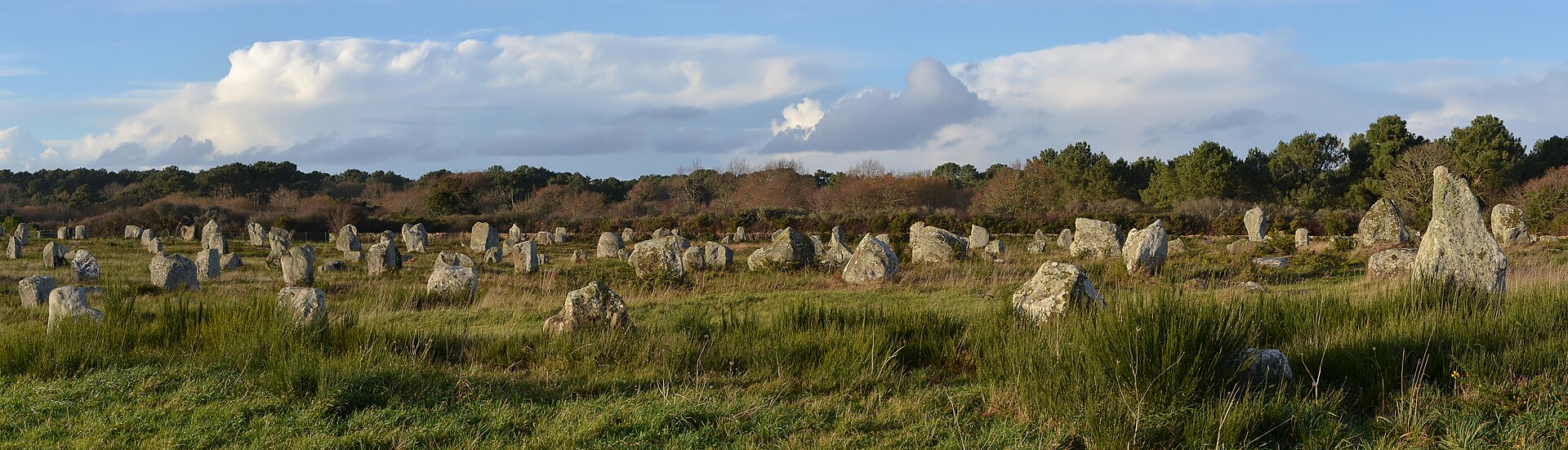 Photo: JLPC / Wikimedia Commons (CC BY-SA 3.0)
 - Conserverie La Belle-Iloise Tuesday-Friday guided tours, check current schedule
A working sardine and seafood cannery founded in 1932, still hand-packing tins using traditional methods — a free 45-minute tour covers the history of Quiberon's fishermen and sardinières, historic canning equipment, and a view onto the active production floor.
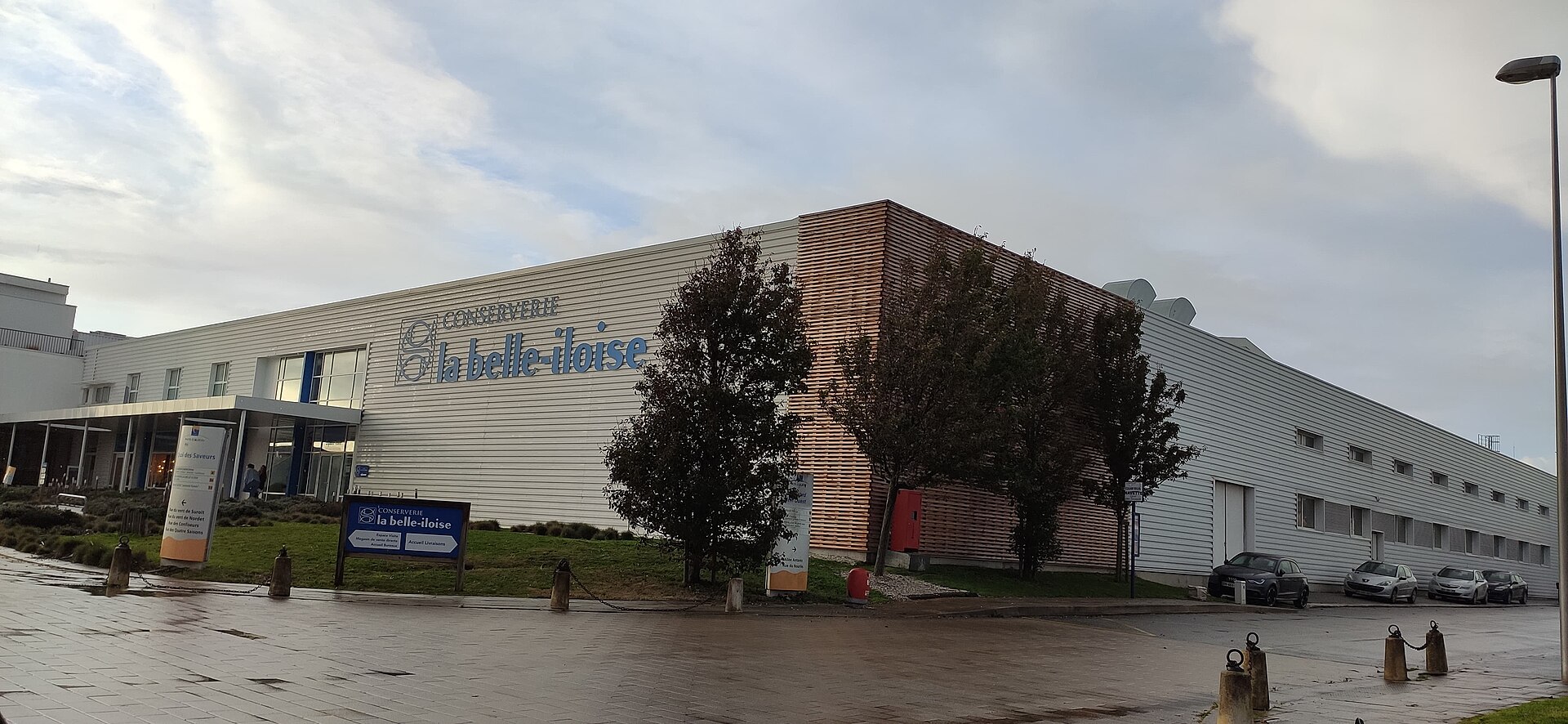 Photo: Apllt.56 / Wikimedia Commons (CC BY-SA 4.0)
 - Phare de la Teignouse Golden hour, from the Côte Sauvage or a passing ferry
A cylindrical stone lighthouse standing nearly 20 meters tall, built starting in 1843 and first lit in 1845, marking the dangerous Teignouse passage in the Bay of Quiberon between the peninsula and the island of Houat.
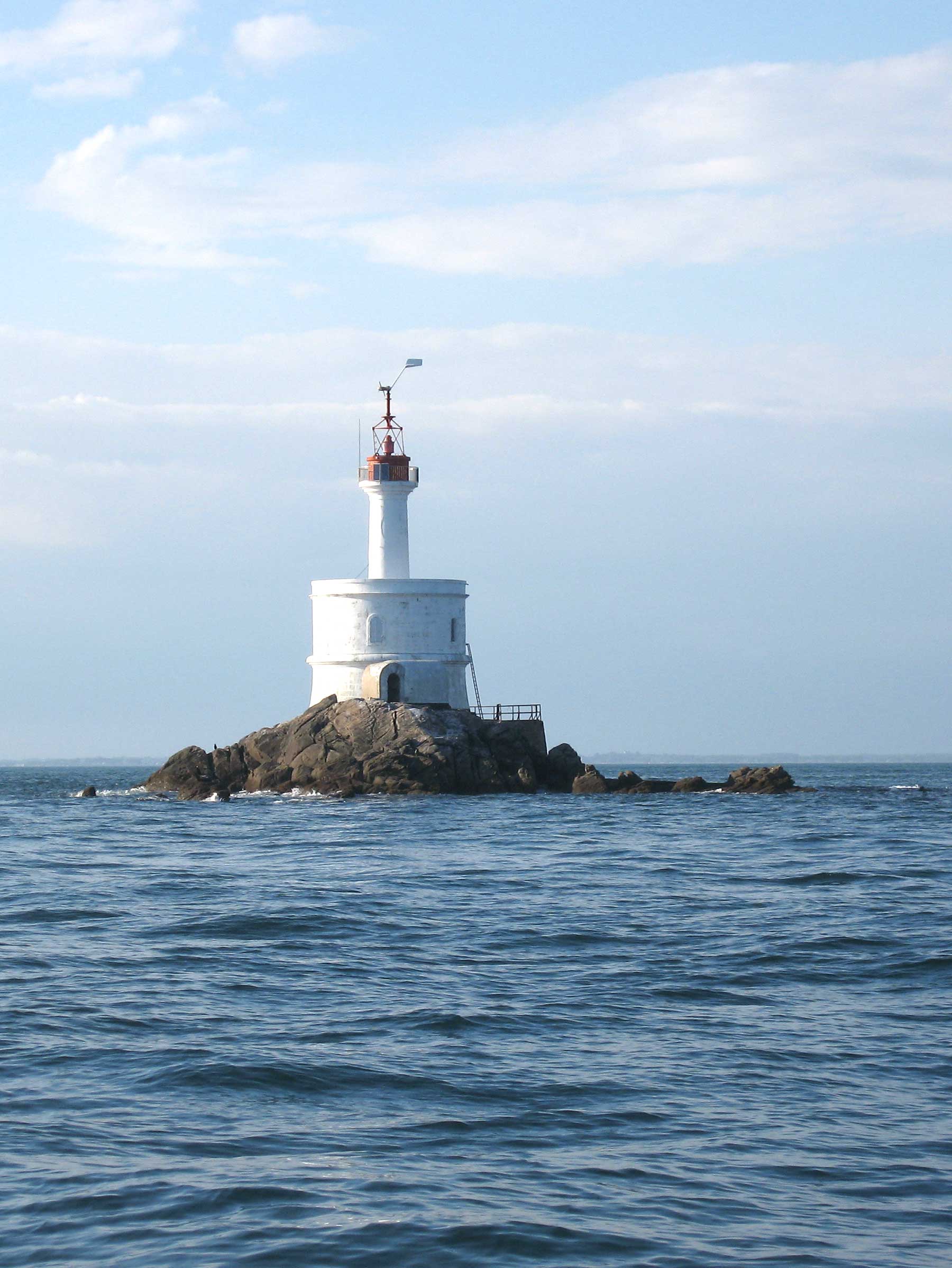 Photo: Pline / Wikimedia Commons (CC BY-SA 3.0)
 - Aiguilles de Port-Coton, Belle-Île Stormy or wind-driven days, for the "cotton" foam effect
A cluster of jagged offshore rock needles on Belle-Île's west coast, named for the cotton-like foam that whips up around them in rough seas. Claude Monet spent 74 days on Belle-Île in autumn 1886 and painted these rocks repeatedly — several of the resulting canvases hang today in the Musée d'Orsay in Paris.
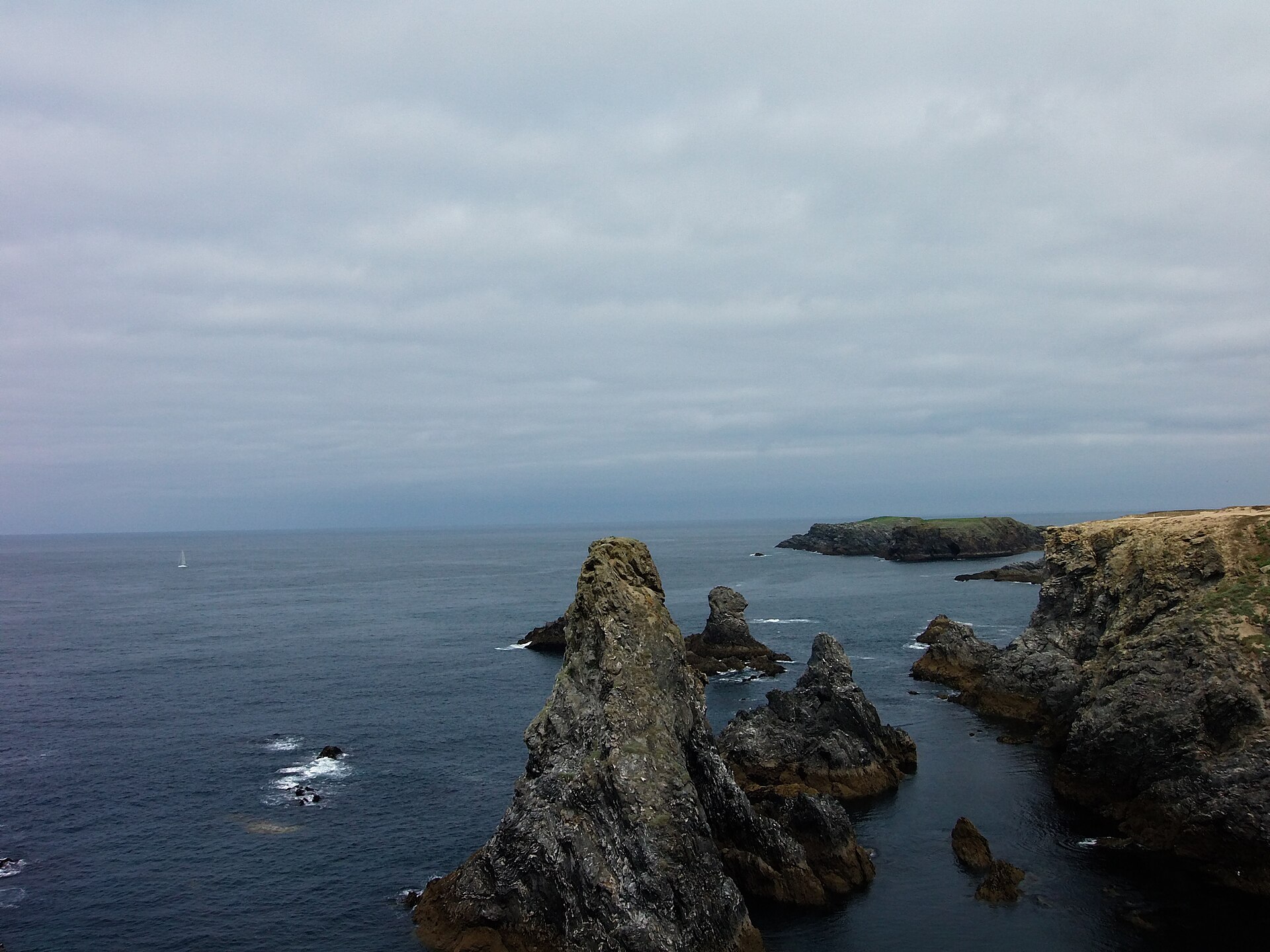 Photo: Franck-fnba / Wikimedia Commons (CC BY-SA 4.0)
 - Citadelle Vauban, Belle-Île Year-round; visible from the ferry arriving at Le Palais
A star-shaped granite fortress overlooking Belle-Île's main harbor, its double ramparts bearing the direct mark of Sébastien Le Prestre de Vauban, France's great military engineer, who personally visited the site three times in the 1680s to oversee its design.
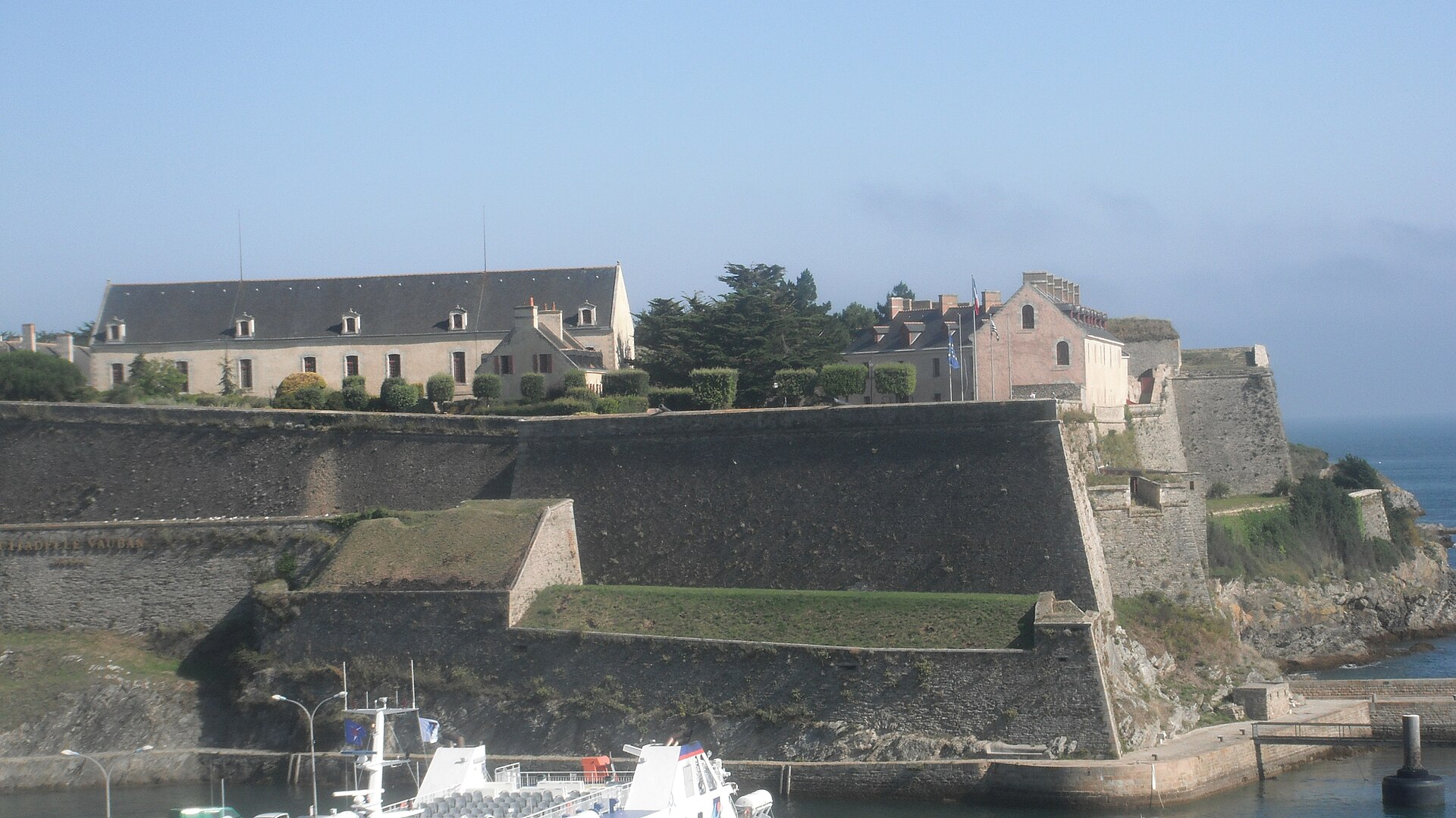 Photo: Franck-fnba / Wikimedia Commons (CC BY-SA 4.0)
 - Fort Sarah-Bernhardt & Phare des Poulains, Belle-Île Low tide, when the causeway is fully walkable
A crenellated 1860s coastal guardhouse that the legendary French actress Sarah Bernhardt transformed into her summer residence for nearly 30 years after falling in love with the island. The adjacent lighthouse, built in 1868, still marks one of the area's most dangerous stretches of water.
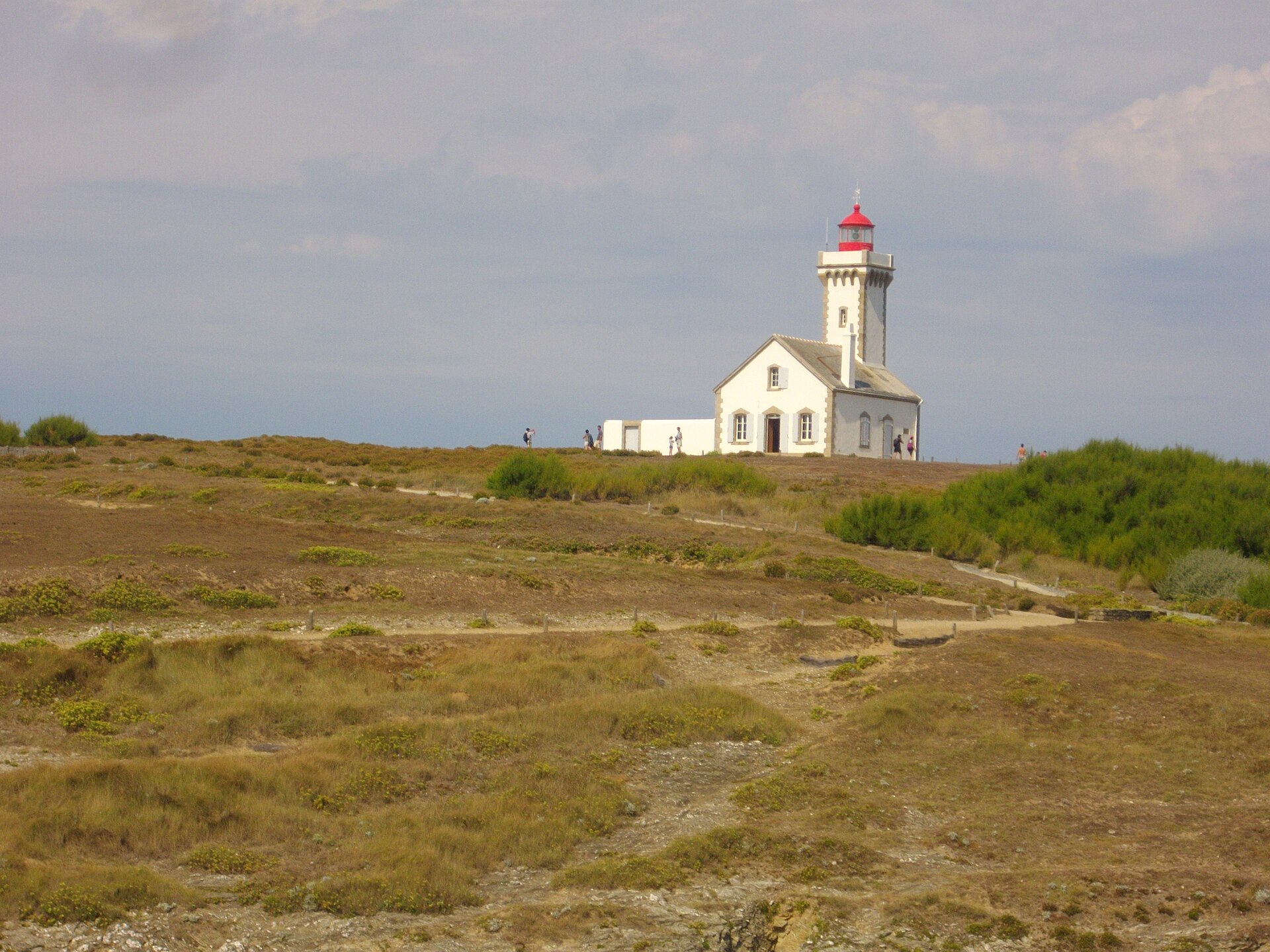 Photo: Fab5669 / Wikimedia Commons (CC BY-SA 4.0)
 - Grotte de l'Apothicairerie, Belle-Île Viewed from the clifftop path or by boat — no walk-in public entry currently
A dramatic double sea cave named because the rows of birds' nests once lining its walls resembled an apothecary's shelves of jars. Cormorants nested here in large numbers until 18th-century tourists began shooting the birds for entertainment. The site is currently closed to walk-in entry (its access stairs are considered unsafe), but remains a genuine, notable landmark viewable from above.
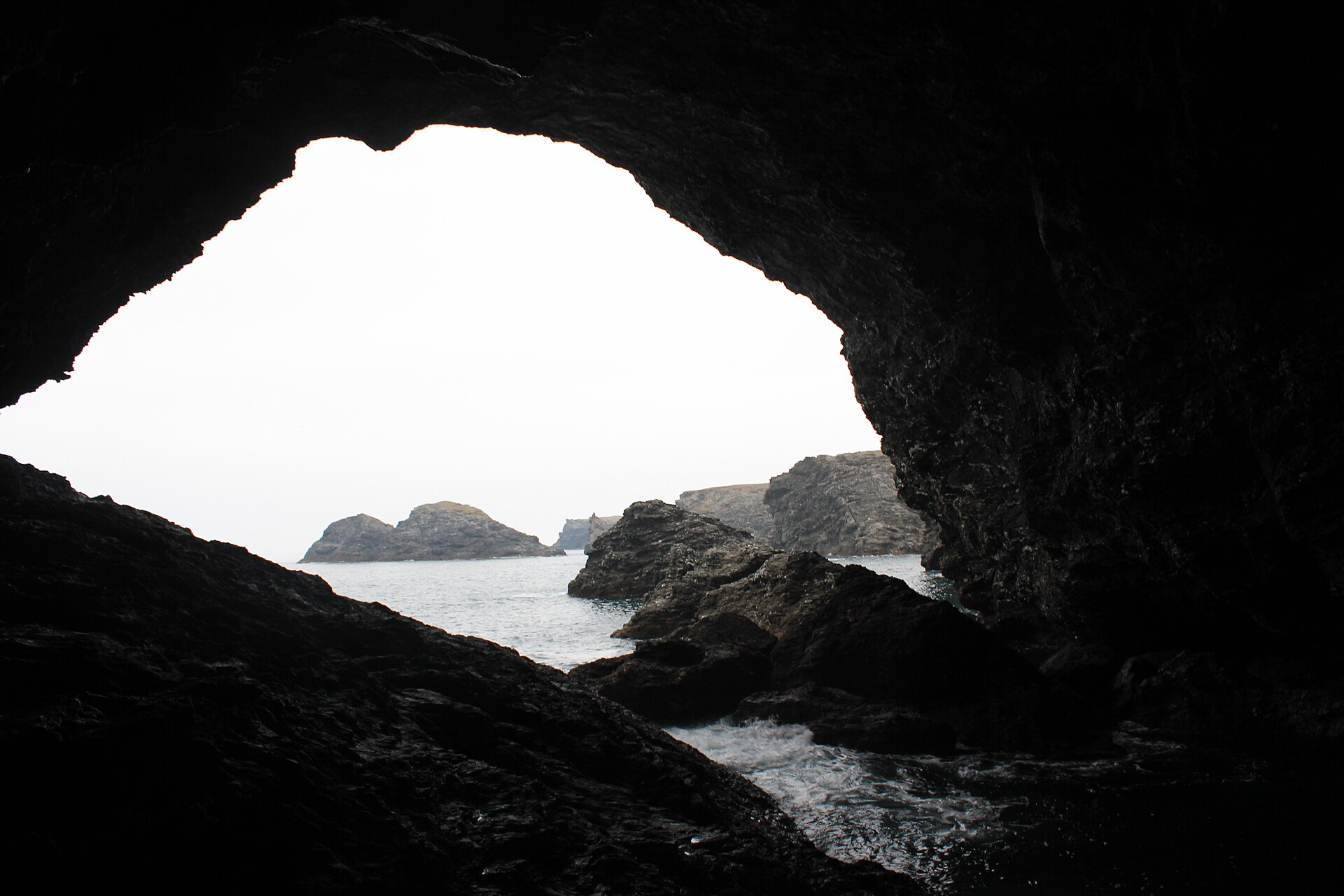 Photo: Dropy / Wikimedia Commons (CC BY-SA 3.0)
 - Pointe de Pen-Hir Late afternoon for the cliff colors; clear days for the long-distance island views
One of Brittany's most iconic viewpoints — dramatic Armorican sandstone cliffs culminating in the offshore rock stacks known as the Tas de Pois ("pile of peas"). On clear days the view stretches to the islands of Molène and Ouessant.
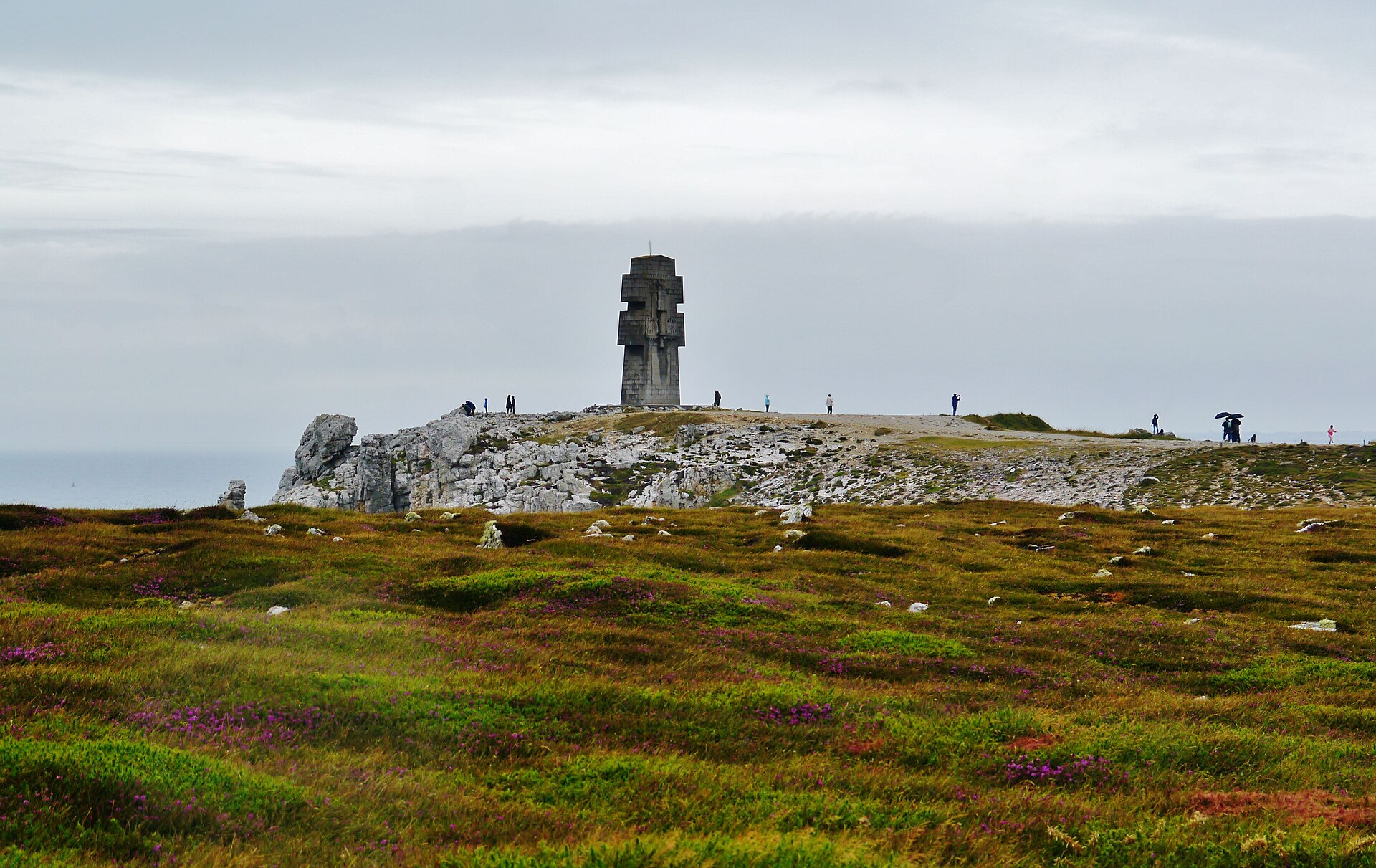 Photo: Zairon / Wikimedia Commons (CC BY-SA 4.0)
 - Pointe de Dinan (Château de Dinan) Low tide, for the clearest view of the full arch
A striking natural sandstone arch over 12 meters high, carved by marine erosion into a shape resembling a ruined castle with a drawbridge — hence its nickname, the "Château de Dinan." A footpath crosses the arch itself.
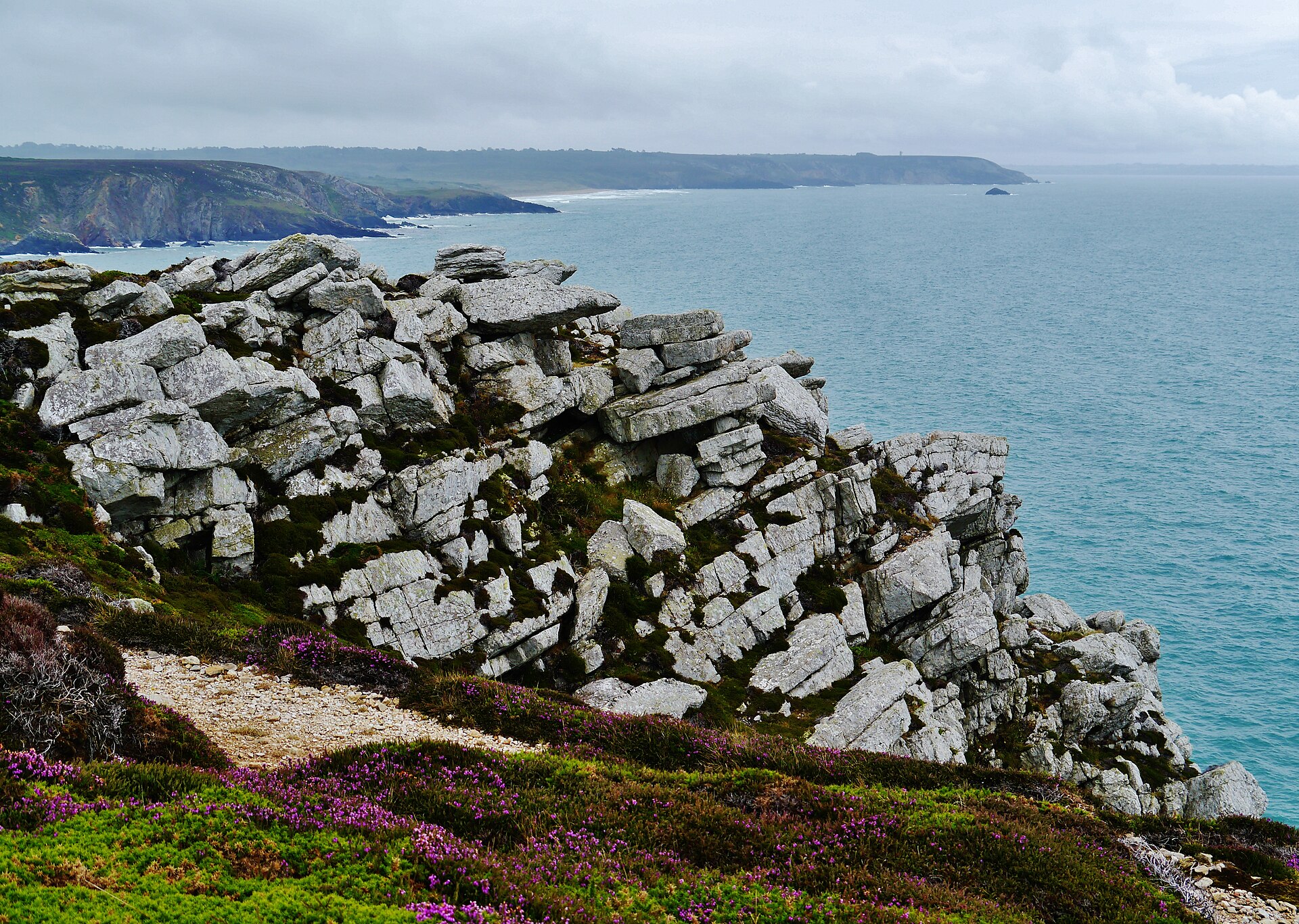 Photo: Zairon / Wikimedia Commons (CC BY-SA 4.0)
 - Tas de Pois seabird colony Spring nesting season, roughly April-July, with binoculars from the clifftop
A chain of isolated rock islets just off Pointe de Pen-Hir that serve as an undisturbed nesting site for seabirds including fulmar petrels, common guillemots, and cormorants, protected by their inaccessibility from the mainland.
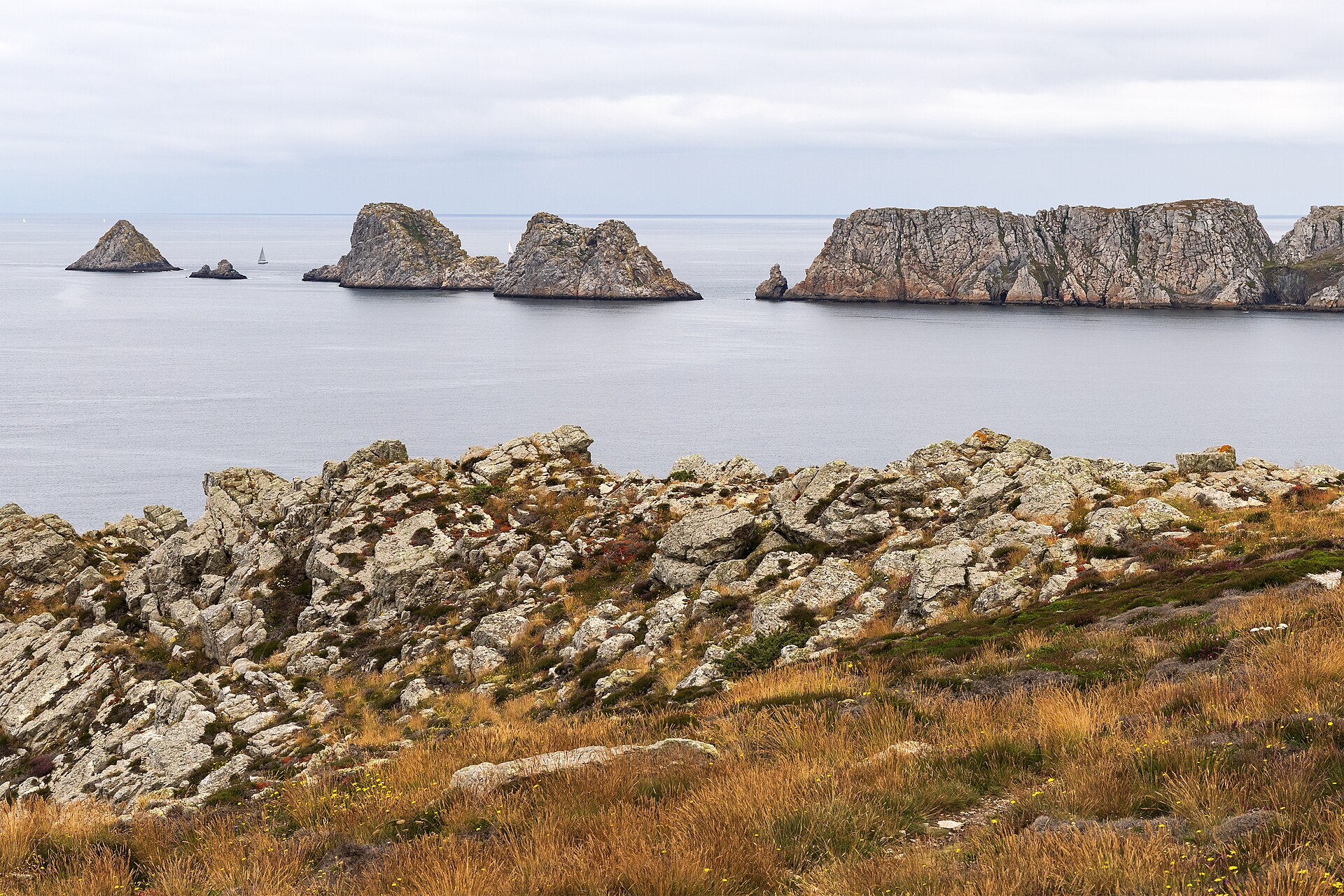 Photo: Unukorno / Wikimedia Commons (CC BY 4.0)
 - Mémorial de l'Aéronautique Navale, Cap de la Chèvre Clear afternoons; exposed site, best avoided in high wind or rain
A naval aviation memorial installed in 1988 inside a former WWII coastal-battery gun emplacement, commemorating naval aviators lost over the North Atlantic since French naval aviation began in 1910. The site doubles as a dramatic clifftop viewpoint.
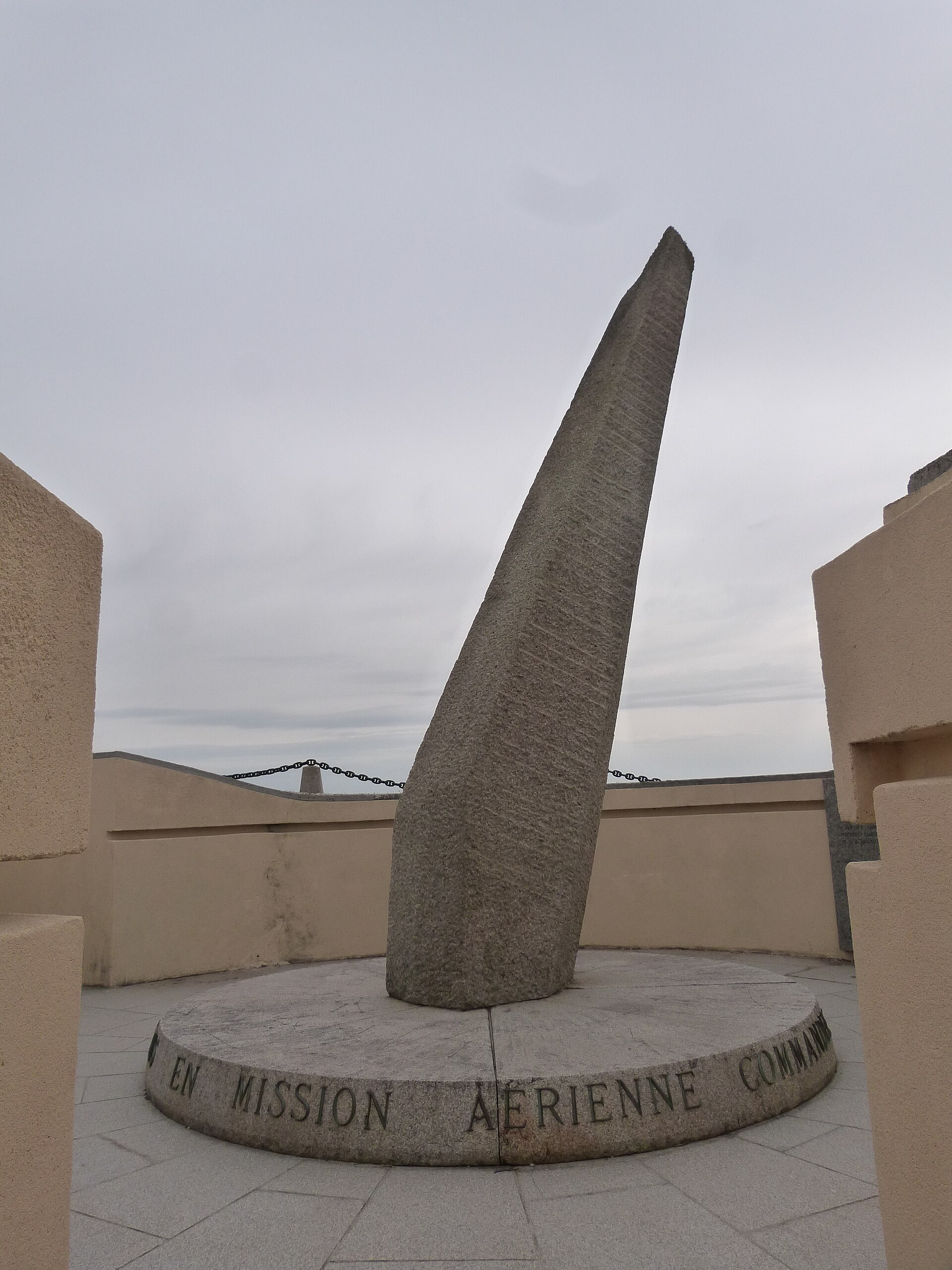 Photo: Thérèse Gaigé / Wikimedia Commons (Public Domain)
 - Dolmen de Beg an Dorchenn, La Torche Any clear day; the site sits fully exposed to wind
A Neolithic burial monument sitting directly atop the La Torche headland itself — a two-tiered cairn containing a dolmen with human remains dated to 4500-4090 BCE, with evidence of even earlier Mesolithic occupation. Classified as a historic monument since 1960.
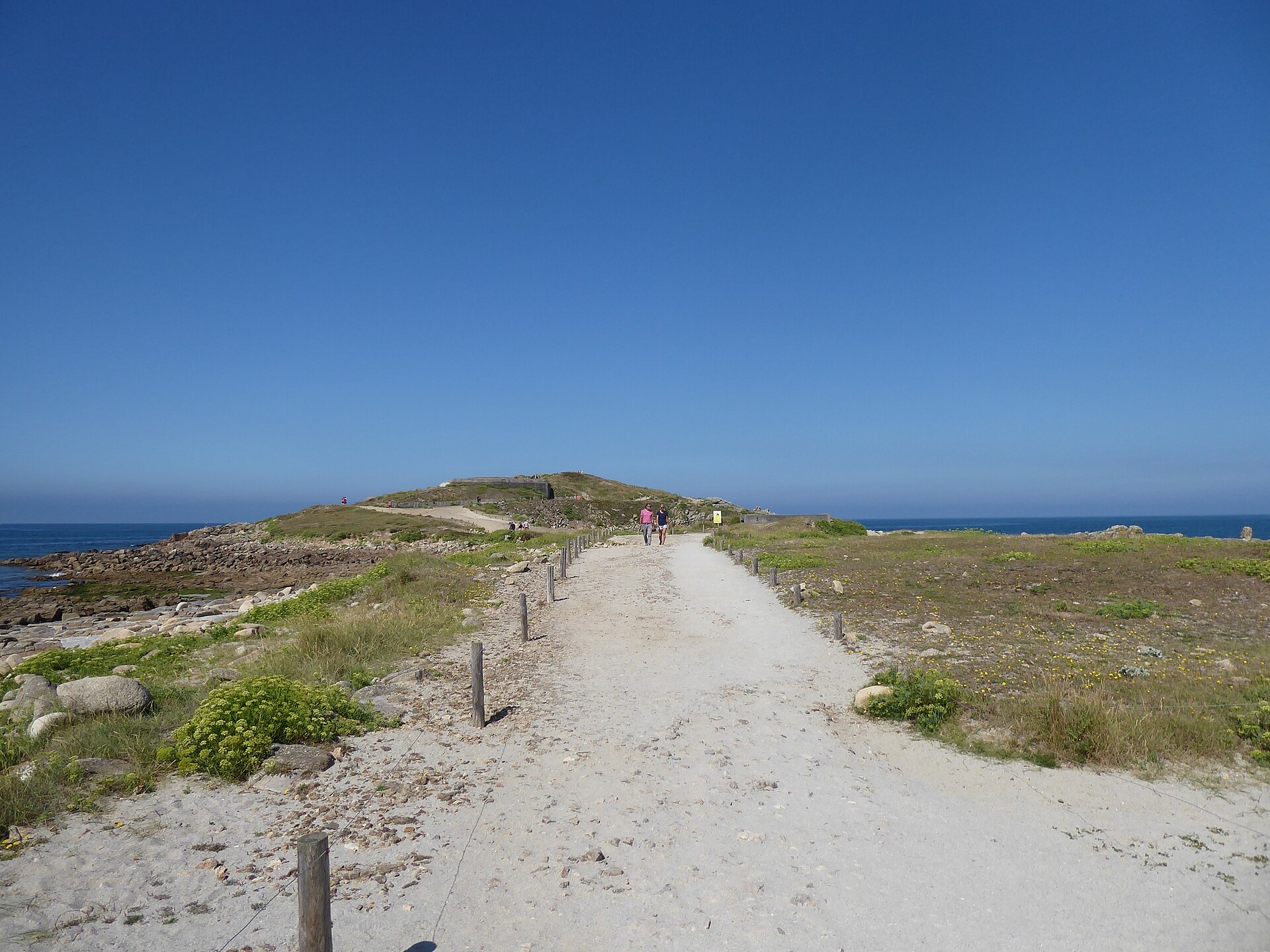 Photo: Chris06 / Wikimedia Commons (CC BY-SA 4.0)
Questions people actually ask.
What are baïnes, and why do they matter here?
Baïnes are rip-current channels — depressions in the sand up to 300 meters long and 1-3 meters deep — that cause real drownings on Breton beaches every summer, surfers call the effect "the elevator." They're hardest to spot at high tide, when they're fully submerged and invisible. Stay in lifeguard-patrolled zones, and be wary of any patch of water with no foam or breaking waves — that signals depth and a strong current.
How do I get around this zone — is a car necessary?
Yes, genuinely more so than this site's other France zones. La Torche, Quiberon, and the Crozon Peninsula sit roughly 130-160km apart from each other, and only Quiberon has any train access at all — a seasonal summer-only tourist line from Auray. A car is the only practical way to link all three sub-areas.
Is La Torche really that famous, or is that just marketing?
It's genuinely well-substantiated — La Torche is repeatedly described by independent surf-guide sources as the most consistent beach break in the region, working on most swells and all tides thanks to its multi-directional exposure. It's also the historic birthplace of Breton surfing, with the region's first surf clubs dating to 1987 and the first Breton surf school in 1994.
What's the deal with Carnac's standing stones?
More than 3,000 standing stones run in roughly parallel rows over 4km near Carnac, a short drive from Quiberon — one of the largest collections of megalithic stones in the world, with the earliest alignments substantially predating Stonehenge's main construction phase. In July 2025, UNESCO formally inscribed the site to the World Heritage List — the first Breton site ever to receive that status.
Is Breton a real living language here?
Yes — Breton is the only Celtic language still spoken on the European mainland, most closely related to Cornish and then Welsh. UNESCO classifies it as severely endangered, with most fluent speakers over 60, but a real bilingual-education recovery movement exists, with enrollment in bilingual classes rising significantly over the past two decades.
Disclosure & how this page works.
Straight talk: Some links on this page are affiliate links — if you book through them, Secrets of Surf Travel earns a small commission at no extra cost to you. We only link places and people we’d use ourselves, and coverage is never for sale. Those commissions are what keep this site running and fund the next trip.
Today, the “Search Vrbo rentals” and “Search Booking.com stays” links on this page are affiliate links — every vendor listing link is still a plain courtesy link. As partnerships with these local businesses come online, more links (and discount codes, where Secrets of Surf Travel benefits from their use) may earn us a commission, and this page will keep saying so plainly. Coverage is never for sale: nobody on this page paid to be here, and nobody can.
Every listing was researched in 2026 and is being verified in person. Prices, hours, and policies change — treat them as strong starting points and confirm directly with the business. And per the No-Reveal Code: you will find no surf spots on this page, ever.