
Angola
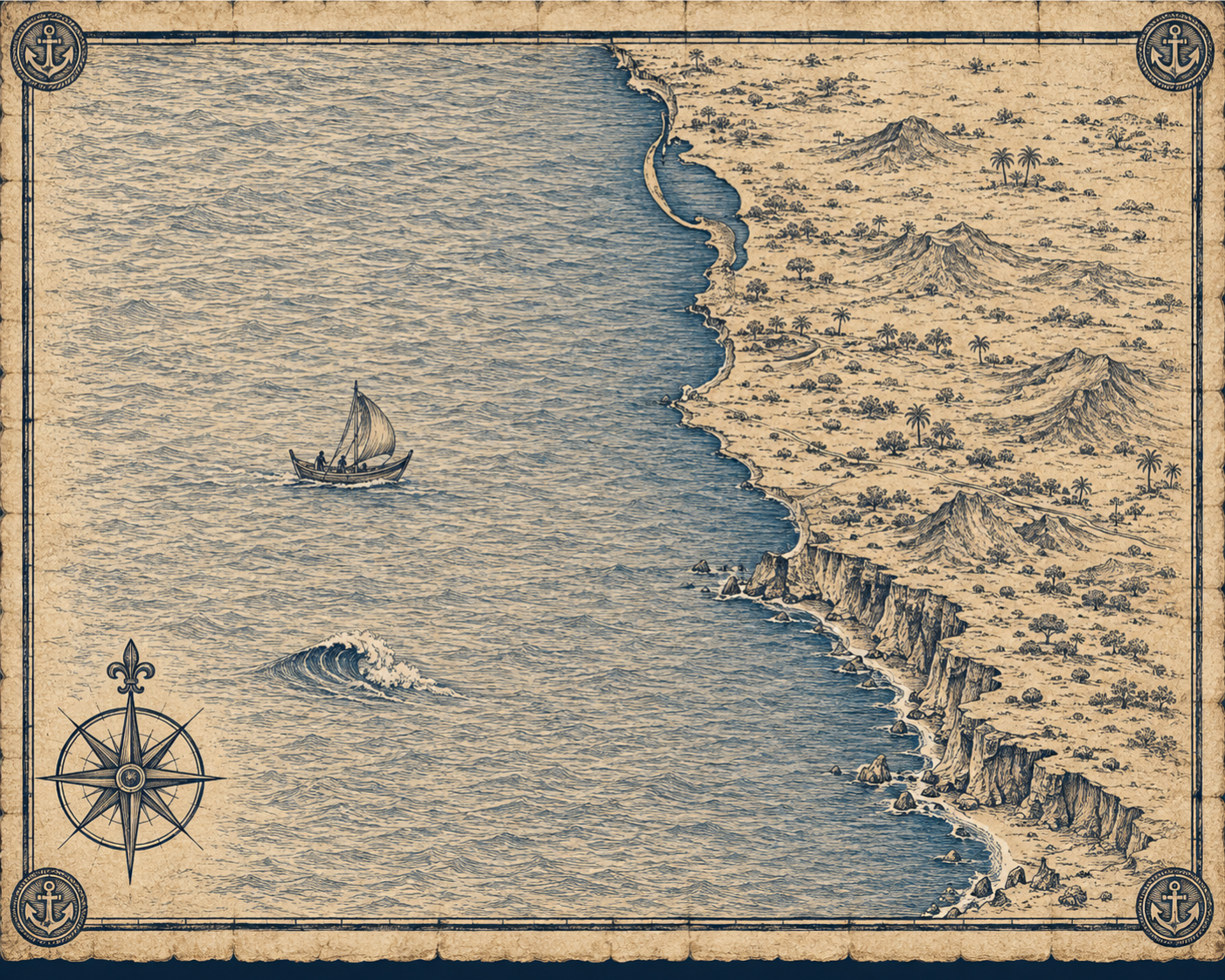
Cabo Ledo, a real established point-break destination two hours south of Luanda, with a documented surf-camp scene set inside a striking volcanic-cliff coastline. A genuinely two-tier zone: an expensive oil-wealth capital city to pass through, and an affordable, normal-cost surf camp once you're at the coast.

Straight talk: Some links on this page are affiliate links — if you book through them, Secrets of Surf Travel earns a small commission at no extra cost to you. We only link places and people we’d use ourselves, and coverage is never for sale. Those commissions are what keep this site running and fund the next trip.
Some vacation-rental search links on this page (marked “Search Vrbo rentals” or “Search Booking.com stays”) are affiliate links. Every vendor link below is still a plain courtesy link. As more partnerships come online, more links may earn us a commission; the promise above holds either way.
Getting There
No direct US flights yet. TAAG Angola Airlines has filed for a Luanda–Houston route following a 2024 US–Angola Open Skies agreement, but it isn't running — realistic estimates put a launch at 2027 or later, pending Angola's aviation-safety rating being upgraded by US regulators. The practical routing today is via Lisbon: TAP Air Portugal flies nonstop Lisbon–Luanda, about 7.5 hours, pairing naturally with a US–Lisbon transatlantic leg.
A genuinely recent airport change worth knowing: Luanda's old Quatro de Fevereiro Airport (LAD) closed to commercial traffic in early 2026. All international flights now use the new Dr. António Agostinho Neto International Airport, code NBJ, about 40km southeast of the city — make sure any booking or pickup arrangement references the new airport.
Documents: Angola now runs a genuine e-visa system — a real improvement over its historically difficult visa reputation. Apply online in advance, roughly $120, 5-10 business days to process, valid 30 days from entry (extendable). A yellow fever vaccination certificate is required, and a passport valid 6+ months with 2 blank pages.
Ground Transport
- Luanda to Cabo Ledo: about 115km, roughly 2 hours via the EN100 highway heading south — one of Angola's more reliable, well-paved, well-traveled routes. Most surf camps offer direct pickup from the Luanda airport, a real sign this leg isn't a serious obstacle.
- Self-drive isn't the norm here. Hiring a driver or arranging a resort transfer is standard practice — police and military checkpoints are common on major highways (carry ID at all times), and night driving is generally discouraged. This is manageable-with-a-driver territory, not casual rental-car-and-GPS travel.
- Angola's road network is still uneven outside main routes — a legacy of civil-war-era damage that's been rebuilding unevenly since. The Luanda–Cabo Ledo corridor specifically is a genuine exception, paved and serviced with fuel stops along the way.
When to Go & What to Pack
- Water temperature sits right at a real transition zone — Angola's coast spans warmer equatorial water to the north and the cold Benguela Current strengthening to the south. At Cabo Ledo specifically, expect roughly 22-24°C, comfortable in boardshorts or a 2mm shorty most of the year.
- Surf season runs May through October, when consistent southwest groundswells and more reliable east-northeast offshore winds line up — this also roughly matches the cooler, drier season generally.
Good to Know
- The advisory has a real geographic split worth understanding. Angola overall sits at Level 2, Exercise Increased Caution, but the greater Luanda metropolitan area itself carries a higher Level 3 advisory, specifically citing armed robbery, assault, and carjacking risk — notable since Luanda is also where every visitor arrives. This isn't a blanket country-wide Level 3; it's concentrated in the capital.
- Angola's civil war ended in 2002 — a closed historical chapter now, similar to how this site frames Liberia's and Sierra Leone's post-conflict history. Worth being precise, though: unlike those two, Angola's present-day risk profile is driven less by war-legacy instability and more by ordinary urban crime in Luanda plus genuinely limited healthcare infrastructure — current concerns, not historical ones.
- Malaria is a real, meaningful risk here, including chloroquine-resistant strains — prophylaxis should be treated as standard, not optional.
- Currency and cash planning matter more here than at most zones. Angolan Kwanza (AOA) is the only officially accepted currency; international cards are rarely accepted outside a few Luanda hotels, and ATMs often cap daily withdrawals around $110-equivalent and can run dry on weekends. Arrive with cash to exchange, and refill via ATM as needed rather than counting on cards.
- Emergency numbers: Police 113, Ambulance 112, Fire 115 — not 911. Portuguese is the operating language on these lines outside Luanda.
Respecting the Locals
Cabo Ledo runs on a real, thin commercial ecosystem — a handful of beachfront resorts bundling lodging, food, and surf guiding together, not a town full of independent operators. That's a small, close-knit working community, not a resort strip, and the two-tier economy here (an expensive oil-wealth capital an hour away, an affordable surf camp at the coast) makes it easy to forget that the people running this place live here year-round.
- Locals get first priority, always. Watch a session before you paddle out. Learn who's who before you learn the wave. Sit inside and catch what they let through — the leftovers are yours, not the set waves.
- Don't backpaddle. Ever. Being in position doesn't make the next wave yours, especially if you didn't wait your turn. If a local wants a wave, let them have it…even if it IS your turn. That older guy who may not be the best surfer out there has probably been surfing that wave before you even sat on a board. If you don't know someone, assume they're local.
- Don't snake. This shouldn't even need to be said, but…dropping in on someone, local or not, is the ultimate disrespect and the fastest way to be sent out of the water. Don't be that guy!
- Say hi. A “howzit,” “whatsup,” or “nice wave,” eye contact, or a nod in the channel — it costs nothing and it's the fastest way from stranger to welcome.
- This is somebody's home, not a resort amenity. The break you're surfing is where a local kid learned to swim, where someone's uncle has surfed for forty years. Act like a guest, because you are one.
- Spend where it actually helps. The food truck, the local shaper, the family-run rental, the local photographer — that's where a surf trip's money should land, not just the chain hotel gift shop. See The No-Reveal Code for why that's the whole premise of this site.
- Leave it better than you found it. Pick up trash that isn't yours. Don't touch reef, wildlife, or cultural sites.
Locals have watched hundreds, if not thousands, of people come and go — some for days, some for months or years — and almost all of them eventually go home. The locals are still there. It takes many, many years to actually become one. Keep that in mind the next time you feel entitled to the same waves they get.
None of this is a secret handshake. It's just how you'd want a guest to act in your own backyard.
Cabo Ledo
A small, remote coastal destination inside/adjacent to Quiçama National Park — a genuinely thin commercial ecosystem where most business activity clusters around a handful of beachfront resorts that bundle lodging, food, and surf guiding together, rather than a town with many independent single-category businesses.
Surf Guides & Tours
- Angola Waves ("Muckamuck")Cabo Ledo beachfrontMid-range The most dedicated, purpose-built surf operation in the area — daily 4x4 guiding to multiple points, beach lunches, professional guides. Uses "surf guiding" in its own materials, not "instruction." angolawaves.net @angolawaves WhatsApp
- Angola Travel and ToursCabo Ledo, "Praia dos Surfistas" package Local operator running a 2-3 day package (transfer, Carpe Diem accommodation, breakfast).
Reaching Cabo Ledo is almost entirely resort-arranged transfer or a booked surf-camp package, not independent DIY travel — worth planning around one of the named operators above rather than expecting a walk-up scene.
Stays
- Carpe Diem Resort TropicalCabo Ledo, ~120km from LuandaMid-range The most established, most recognized name at Cabo Ledo — family-owned, opened 2010, 19 wood bungalows, deliberately no TVs. Frequently the default accommodation bundled into third-party surf tours. Reviews are genuinely mixed — some call it "the best of Cabo Ledo" and praise a manager named Gonçalo by name, others flag slow restaurant service and small rooms.
- Complexo Turístico Doce MarCabo LedoMid-range The largest property in the bay, 107 rooms across 12 room types — good for groups. "Amazing location... 30-minute walk to an amazing surf break" but multiple reviewers flagged slow, expensive restaurant service — worth a caveat. @resortdocemar
- Dona Teo ResortCabo Ledo, ~110km from LuandaMid-range 6 bungalows plus a two-bedroom house, private beach, pool — a quieter, more family-oriented alternative to the bigger resorts.
- QPoint Cabo Ledo Eco ResortCabo Ledo Praia SedeMid-range Newer eco-resort positioned around wellness and privacy, with a range of room tiers plus camping tents. @qpoint_caboledo
Where to Eat
- Restaurante KiandaAt Dona Teo ResortMid-rangeAngolan and Spanish dishes, seafood-forward.
- 120 na BrazaCabo Ledo beachfrontBudgetGrilled fish and seafood, described as an economical option.
There's genuinely no standalone, independently-branded restaurant scene at Cabo Ledo outside the resort dining rooms — an honest reflection of the area's size.
Wheels & Transport
- Angola Travel and Tours — Rent a Car and DriverServices the Luanda–Cabo Ledo routeDriver-plus-fuel rental, explicitly built for this specific route rather than general Luanda rental.
Most visitors reach Cabo Ledo via resort-arranged transfer rather than self-drive rental — worth planning for that instead of a Luanda rental-car pickup.
Surfboard & Ding Repair / Surf Shops
Genuinely empty category — no surfboard repair shop, ding-repair service, or independent shaper anywhere in Angola, Luanda included. Bring a full repair kit and spare equipment; there's no local fallback. Board rental is informal and bundled into surf camp packages only, not a standalone business.
Surf Photographers & Massage/Wellness
Both confirmed empty as standalone categories. Surf photo/video coverage exists only as a bundled camp perk (Muckamuck/Global Surf packages run twice-daily photo sessions with evening screenings) rather than a hireable independent photographer. No dedicated massage or wellness business was found in Cabo Ledo.
Other Adventures
- Kwanza River boat toursWithin Quiçama National ParkWildlife viewing — African fish eagles, monitor lizards, blue monkeys — on the river bordering Cabo Ledo.
- Quiçama National Park safari/game driveAdjacent to Cabo LedoA real, rewilded park with elephants, giraffes, zebras, and antelope.
- Sport fishing at the Kwanza River mouthNear Cabo LedoInternationally noted for tarpon, cubera snapper, sailfish, and blue marlin.
Local Secrets
Nine non-surf reasons this zone rewards the curious, spanning Cabo Ledo itself and a Luanda gateway-city layer. This is the stuff most visitors fly straight past.
- Fortaleza de São Miguel Dry season (Jun-Sep) for clear harbor views
A 1576 Portuguese fortress overlooking Luanda Bay, now housing the Museum of the Armed Forces, colonial-era statuary, and panoramic city views from its ramparts.
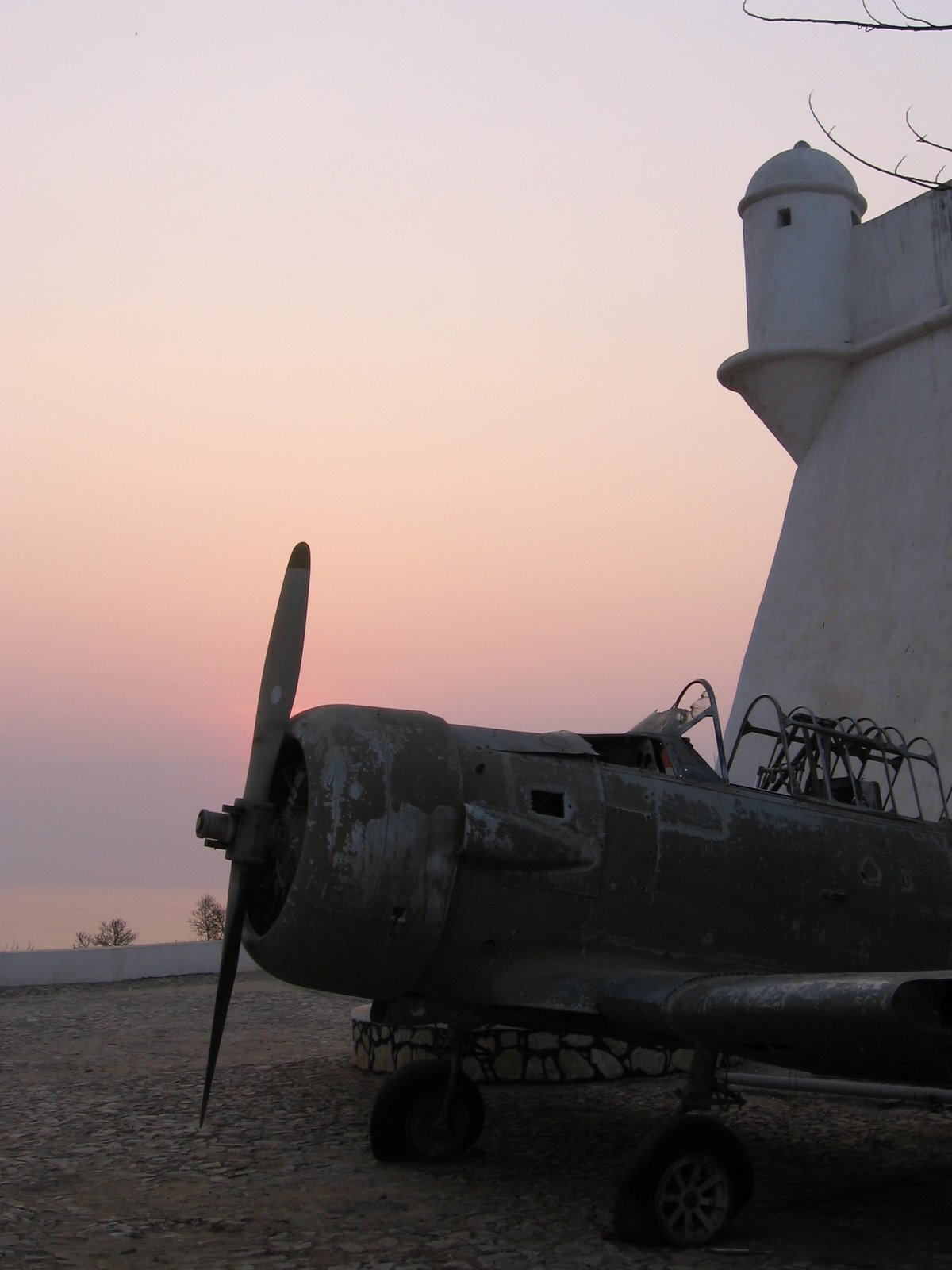 Photo: Paulo César Santos / Wikimedia Commons (CC0)
 - Ilha de Luanda Late afternoon into evening
A narrow sandbar peninsula facing the capital, lined with beach clubs, seafood restaurants, and bars — the city's go-to spot for a swim or sunset dinner without leaving Luanda.
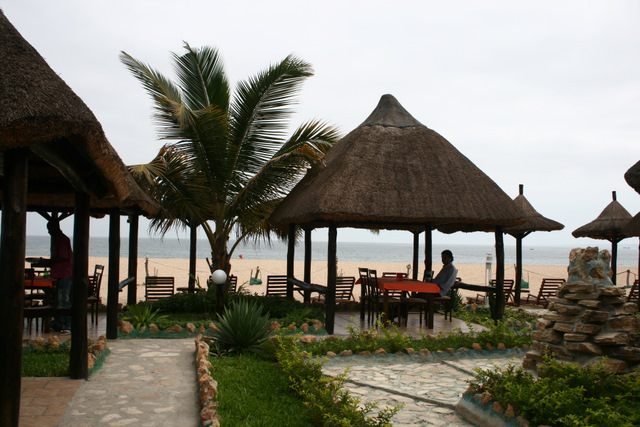 Photo: Paulo César Santos / Wikimedia Commons (CC0)
 - Miradouro da Lua (Moon Landscape) Golden hour for the strata colors; dry season for easier road access
Angola's most-visited natural attraction — wind- and rain-carved canyons and banded rock ridges about 40km south of Luanda, right along the coastal road toward Cabo Ledo.
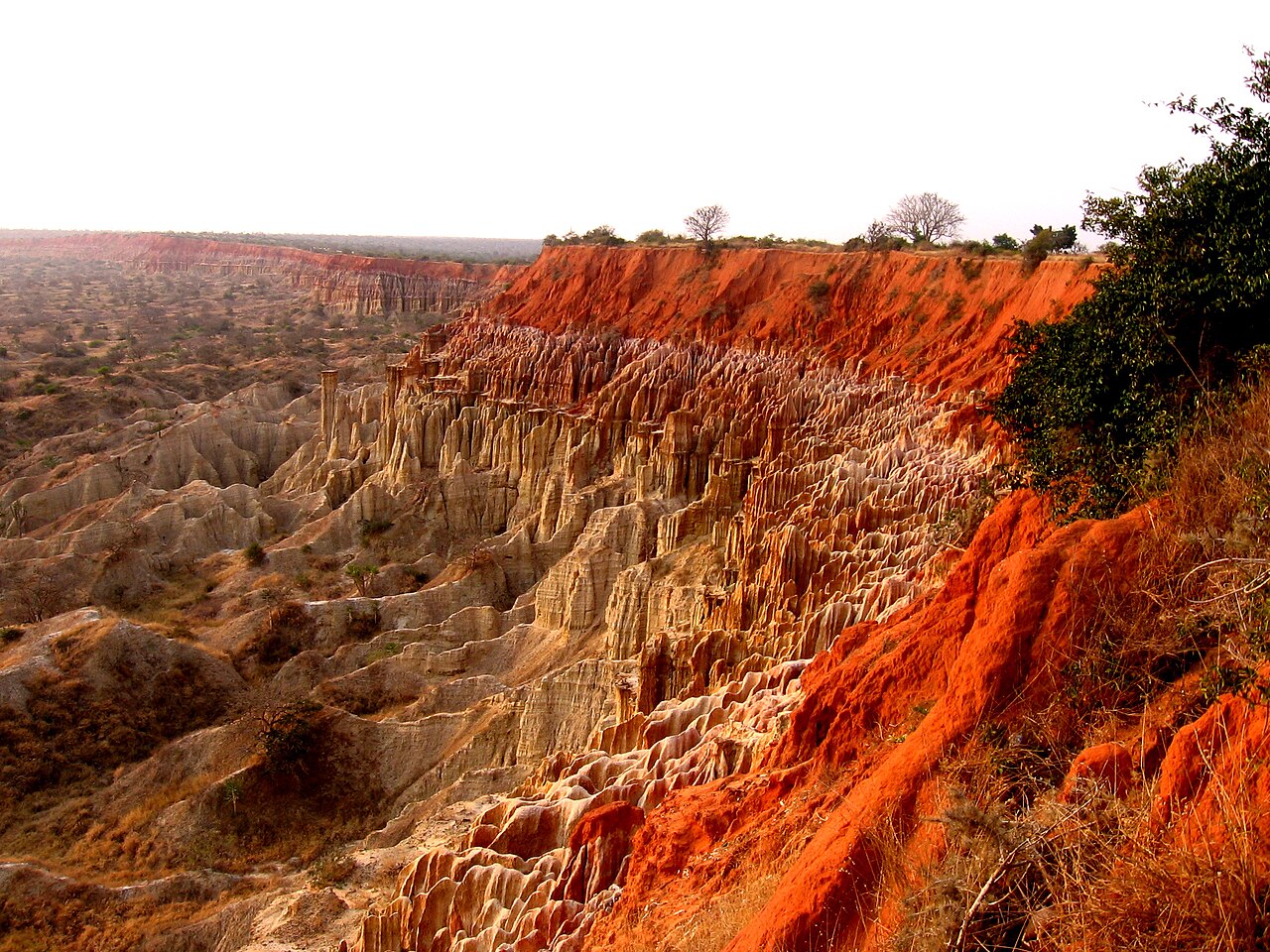 Photo: Paulo César Santos / Wikimedia Commons (CC0)
 - Kissama (Quiçama) National Park Dry season, May-Oct, for wildlife visibility
Angola's only functioning national park, about 70km from Luanda, with rewilded elephants, giraffes, zebras, and antelope, plus boat safaris on the Kwanza River for hippos and crocodiles.
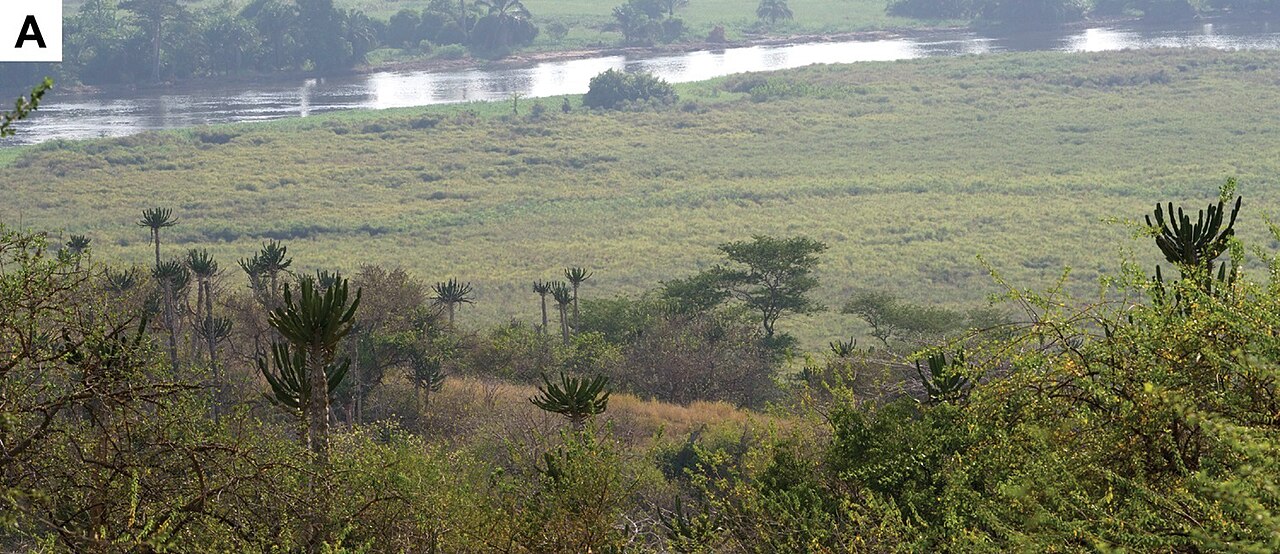 Photo: Nielsen, Conradie, Ceríaco, Bauer, Heinicke, Stanley & Blackburn / Wikimedia Commons (CC BY 4.0)
 - Museu Nacional da Escravatura Weekday mornings; hours are limited
A sober, historically significant site built around the 17th-century Capela da Casa Grande, where enslaved people were baptized before shipment across the Atlantic.
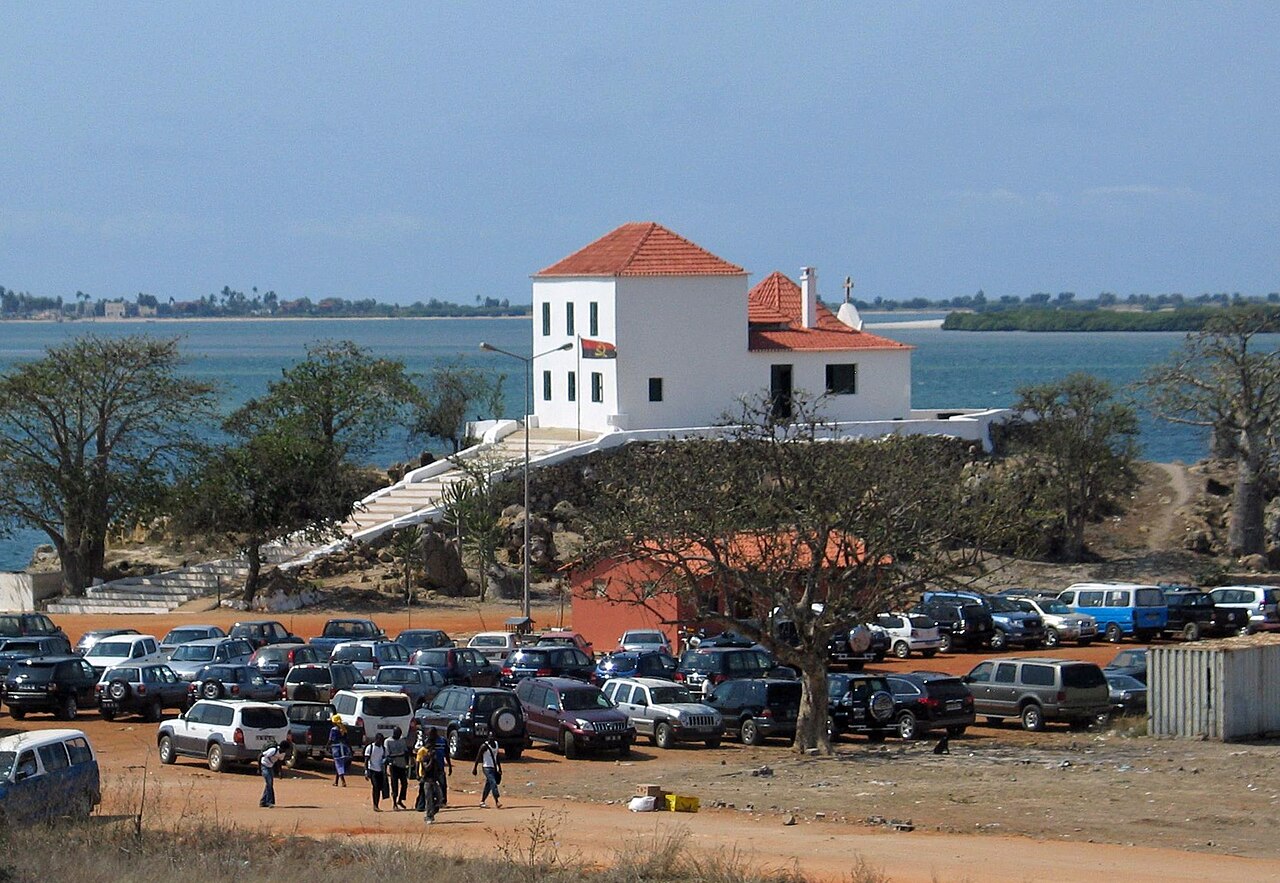 Photo: João Sousa / Wikimedia Commons (CC BY-SA 3.0)
 - Marginal de Luanda Early evening for the ocean breeze
Luanda's restored bayfront promenade, roughly 3.5km of paved walkway, palm-lined parks, and restaurants facing Luanda Bay — the city's main gathering space.
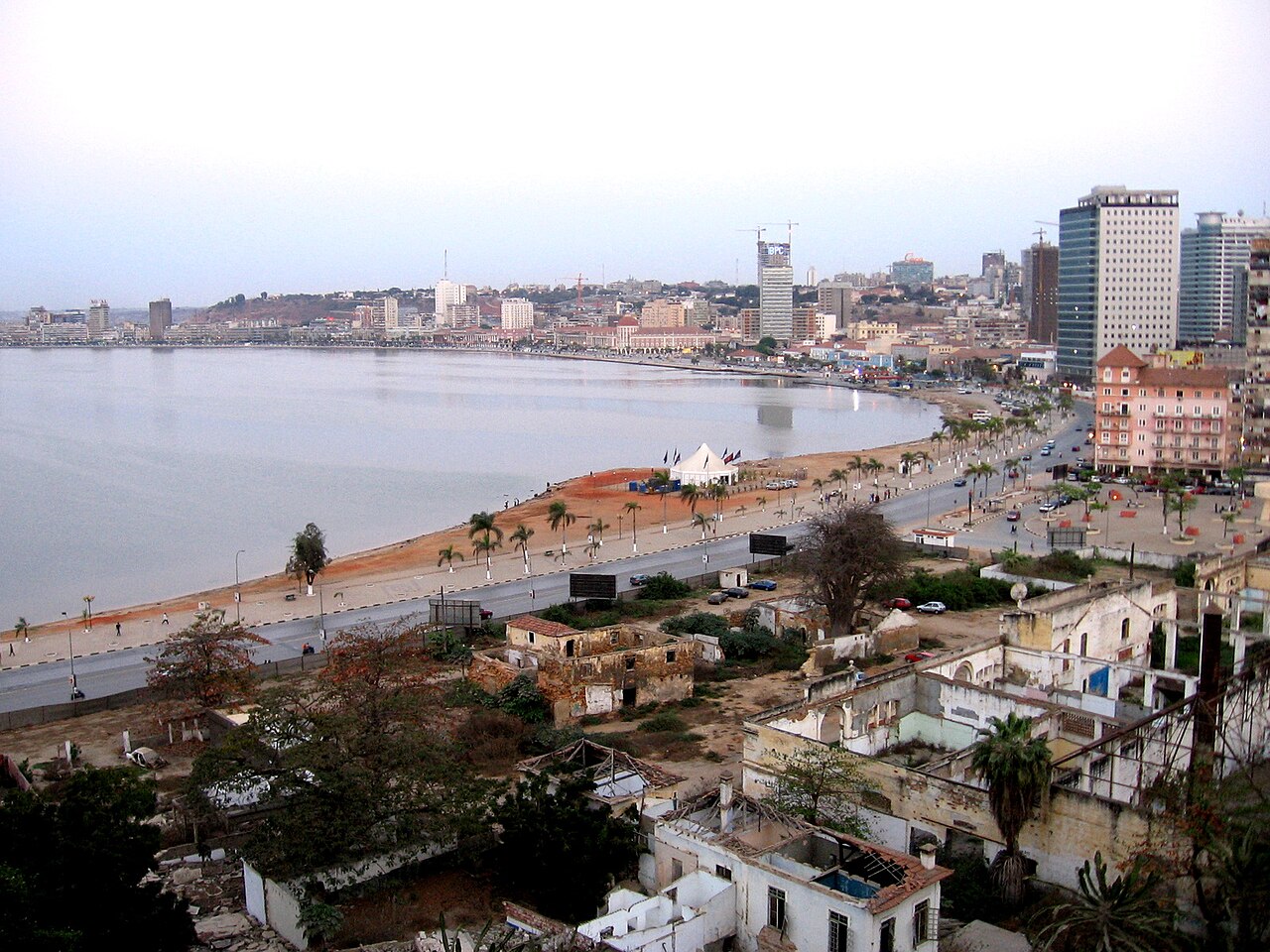 Photo: Paulo César Santos / Wikimedia Commons (CC0)
 - Cabo Ledo's Cliffs, Dunes & Lagoon Low tide for tide pools; sunset for the cliffs
Beyond the surf break itself, Cabo Ledo has volcanic-rock cliffs, natural arches, tide pools, and a river-fed lagoon behind the dunes.
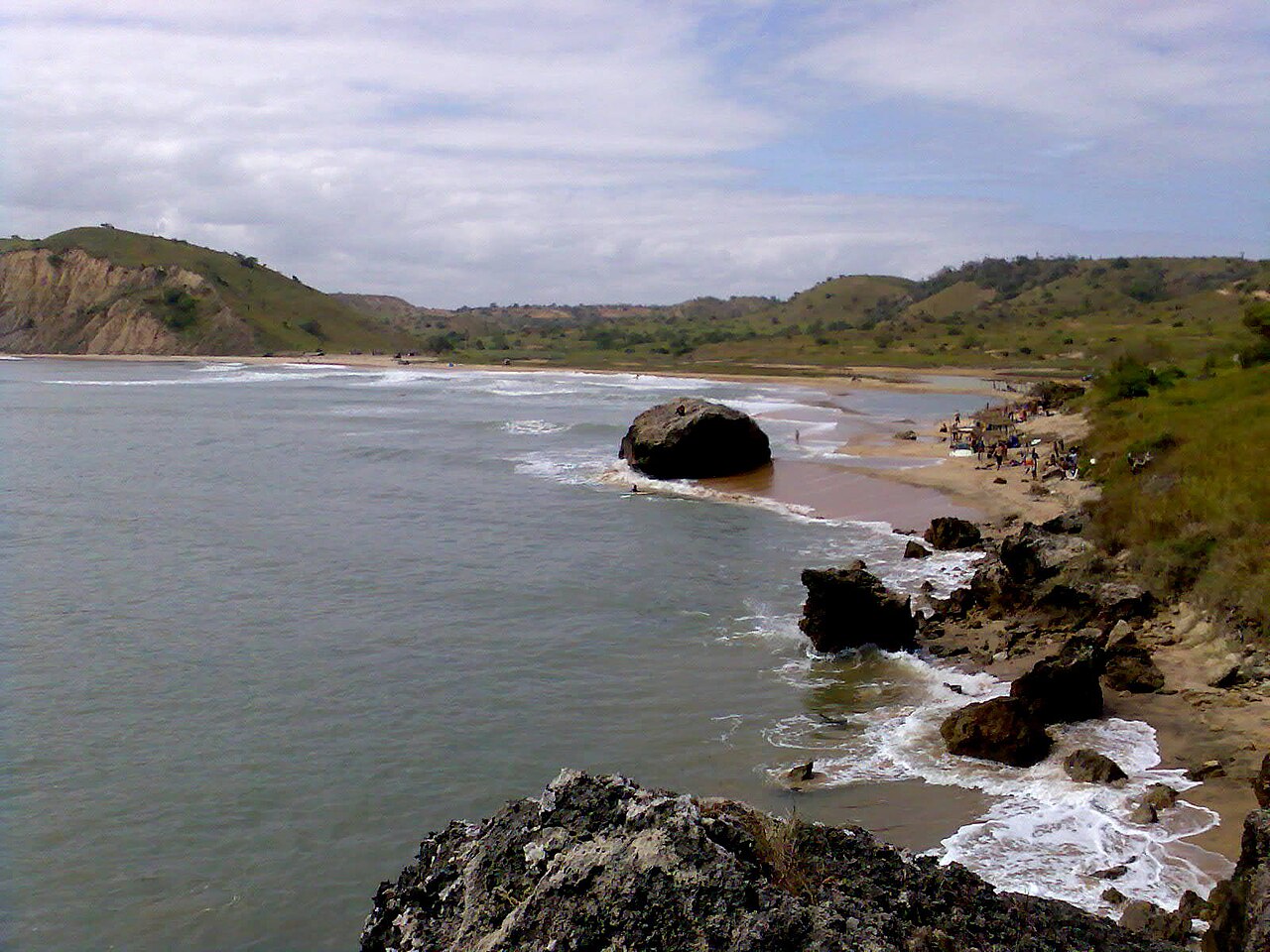 Photo: Paulo César Santos / Wikimedia Commons (CC0)
 - Barra do Kwanza (Kwanza River Mouth) Dry season; morning boat trips
About 75km south of Luanda en route toward Cabo Ledo, where Angola's longest river meets the Atlantic in shifting sandbanks and fishing settlements — a good stop for a boat trip or riverside lunch.
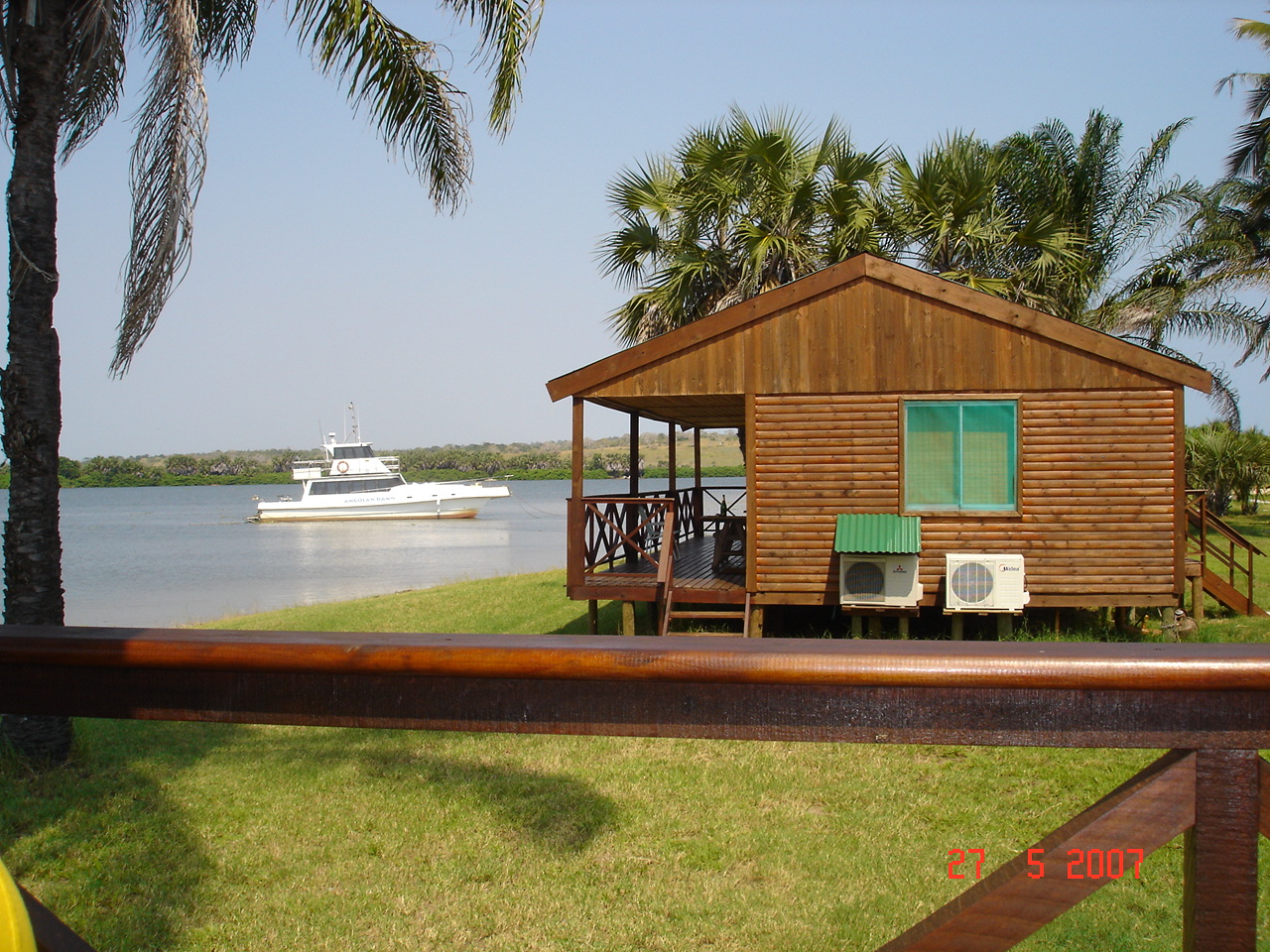 Photo: Luís Rochinha / Wikimedia Commons (CC BY 3.0)
 - Our Lady of the Conception Cathedral, Sumbe Any daylight hour
Sumbe's cathedral is the town's visible historic and religious landmark — the clearest non-beach draw in an otherwise low-infrastructure coastal town, worth combining with a walk through central Sumbe.
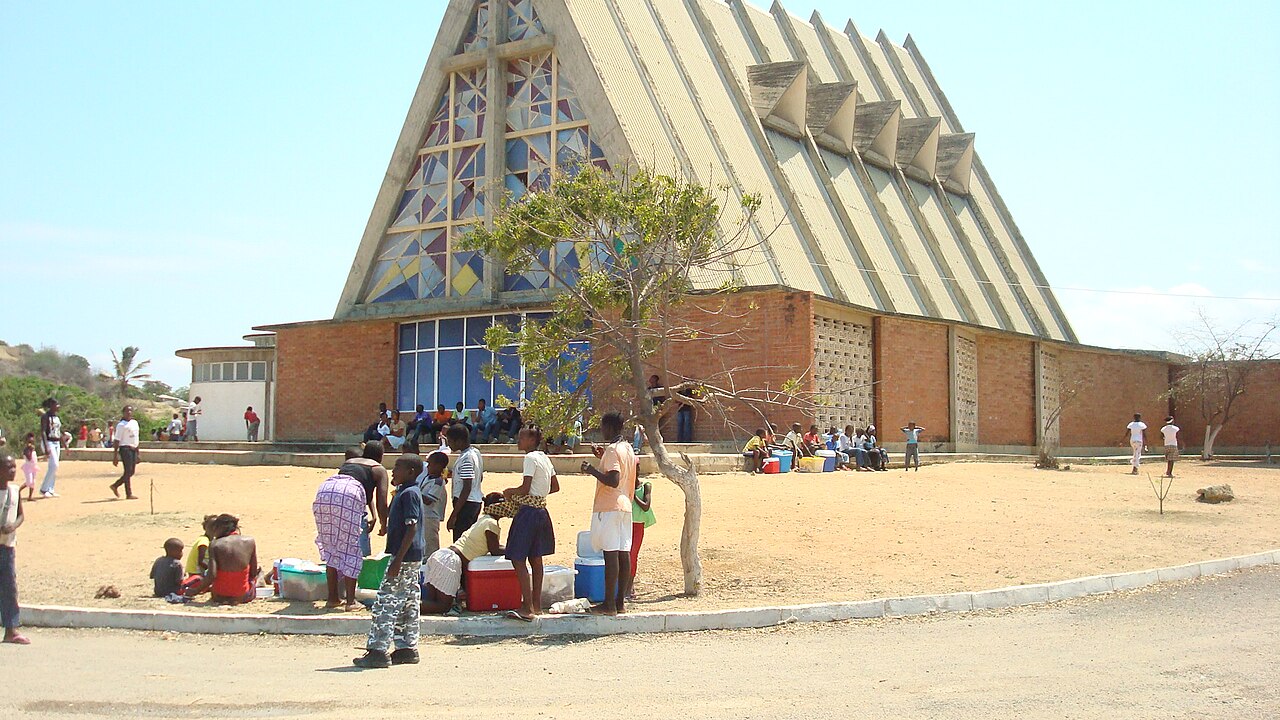 Photo: Luís Rochinha / Wikimedia Commons (CC BY 3.0)
Questions people actually ask.
Are there direct flights from the US to Angola?
Not currently. TAAG Angola Airlines has filed for a Luanda-Houston route following a 2024 Open Skies agreement, but it isn't operating yet and isn't expected before 2027 at the earliest, pending a US safety-certification upgrade. The realistic routing today is via Lisbon — TAP Air Portugal flies nonstop Lisbon to Luanda, about 7.5 hours.
Do I need a visa for Angola?
Yes — Angola now runs a genuine e-visa system, a real improvement over its historically difficult visa reputation. Apply online in advance, roughly $120, 5-10 business days to process, valid 30 days from entry. A yellow fever vaccination certificate is also required.
Is Angola an expensive destination?
Luanda genuinely is — it's repeatedly ranked among the world's most expensive cities for expats, an oil-wealth economy layered onto limited post-war housing supply. Once you're out at Cabo Ledo, though, costs normalize to something much closer to a typical African surf-trip budget. Budget for one or two pricier nights or transfers around Luanda before things even out at the coast.
How do I get from Luanda to Cabo Ledo?
About 115km, roughly 2 hours by road via the EN100 highway — this is one of Angola's more reliable, well-traveled routes, and most surf camps offer direct pickup from the Luanda airport. Hiring a driver or arranging a resort transfer is the norm rather than self-drive rental.
Is Angola safe to visit?
Angola overall sits at Level 2, Exercise Increased Caution, but the greater Luanda metropolitan area itself carries a higher Level 3 advisory specifically for armed robbery, assault, and carjacking risk — worth knowing since Luanda is also where every visitor arrives. Angola's long civil war ended in 2002, a closed historical chapter rather than a live risk, but ordinary urban crime in Luanda is a current, not historical, concern.
Disclosure & how this page works.
Straight talk: Some links on this page are affiliate links — if you book through them, Secrets of Surf Travel earns a small commission at no extra cost to you. We only link places and people we’d use ourselves, and coverage is never for sale. Those commissions are what keep this site running and fund the next trip.
Today, the “Search Vrbo rentals” and “Search Booking.com stays” links on this page are affiliate links — every vendor listing link is still a plain courtesy link. As partnerships with these local businesses come online, more links (and discount codes, where Secrets of Surf Travel benefits from their use) may earn us a commission, and this page will keep saying so plainly. Coverage is never for sale: nobody on this page paid to be here, and nobody can.
Every listing was researched in 2026 and is being verified in person. Prices, hours, and policies change — treat them as strong starting points and confirm directly with the business. And per the No-Reveal Code: you will find no surf spots on this page, ever.